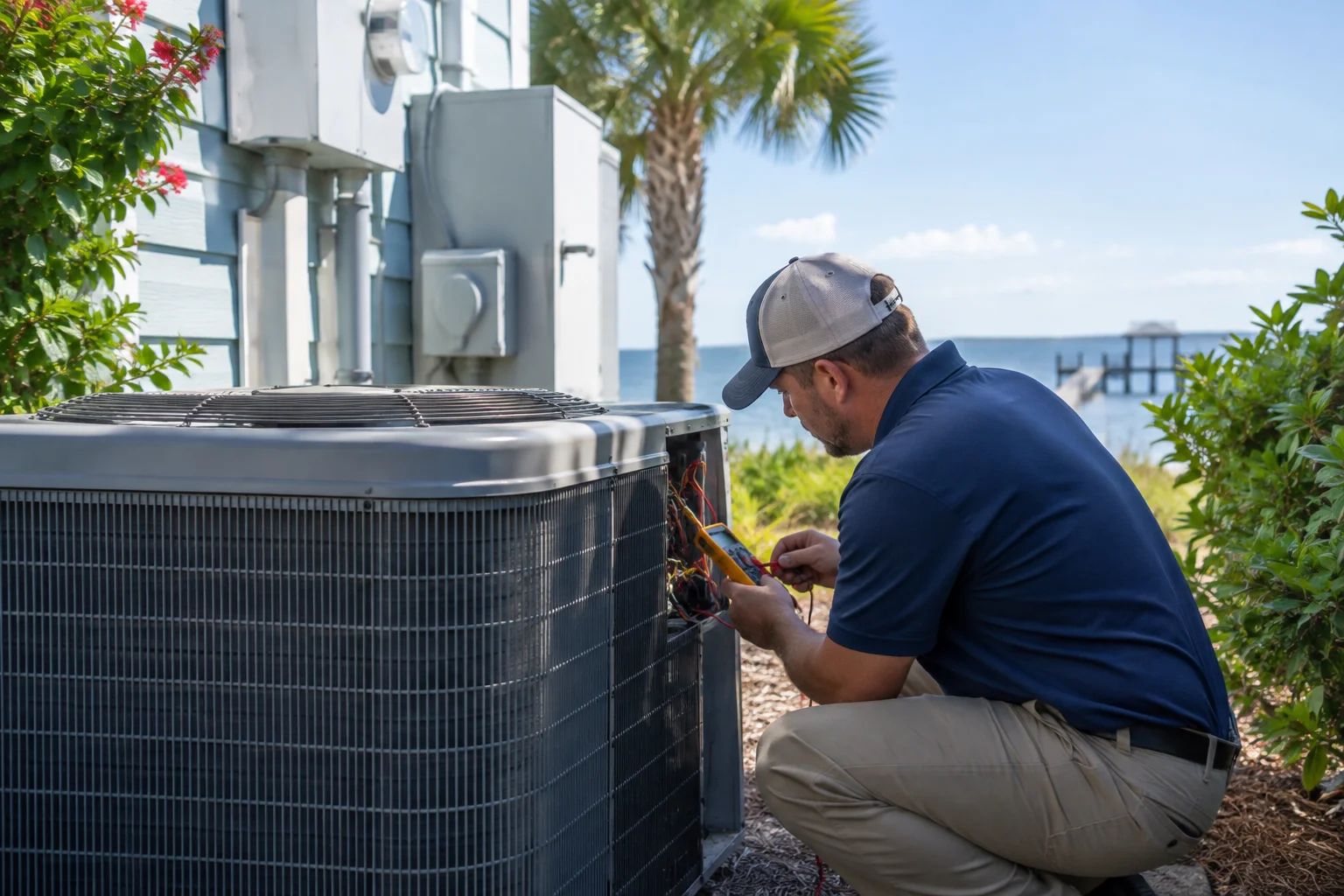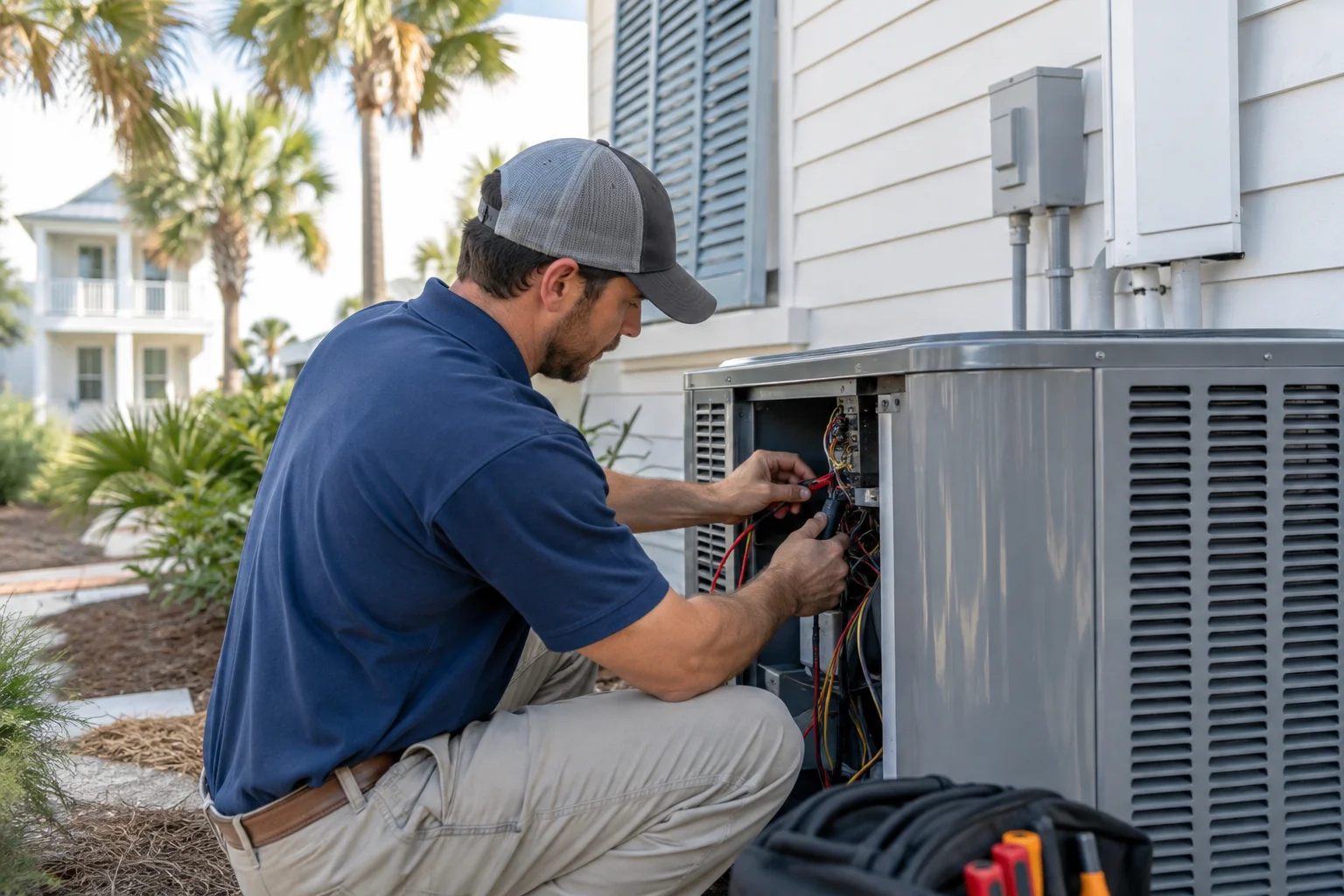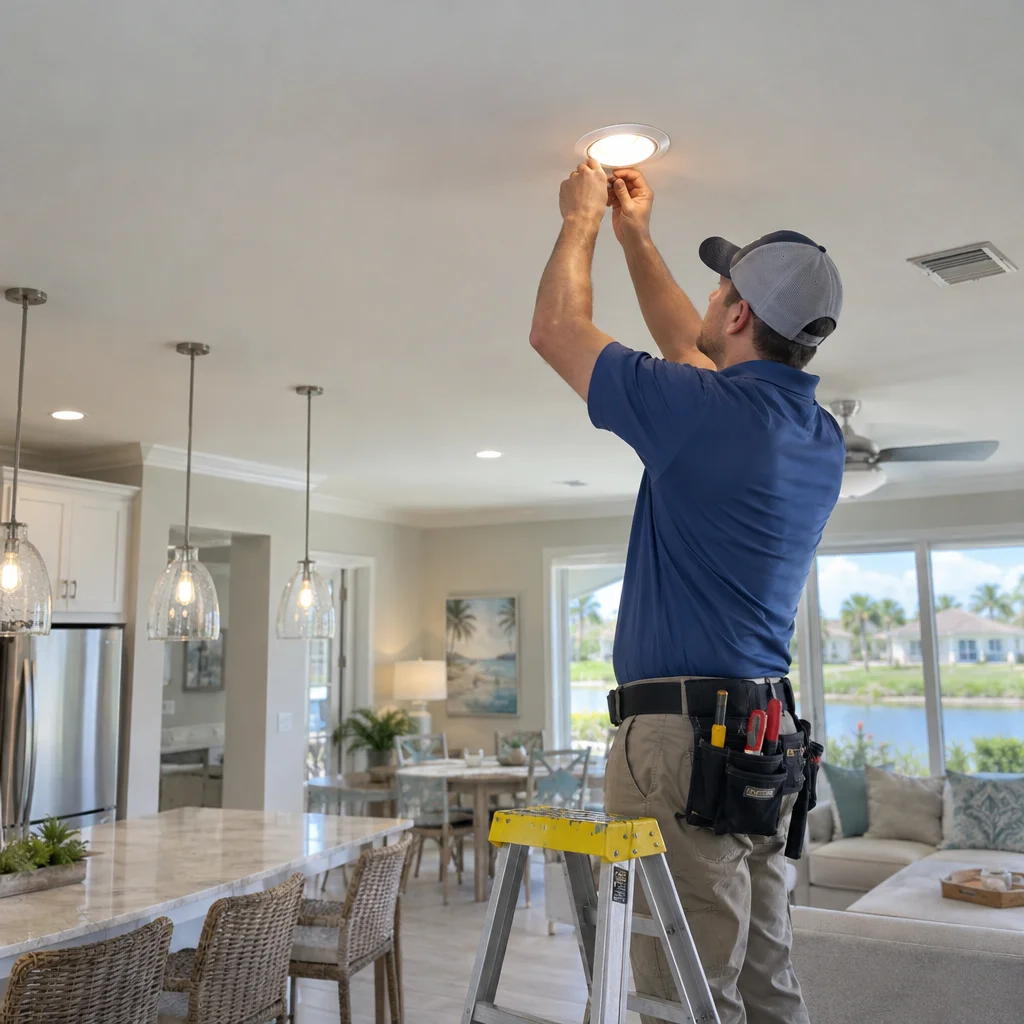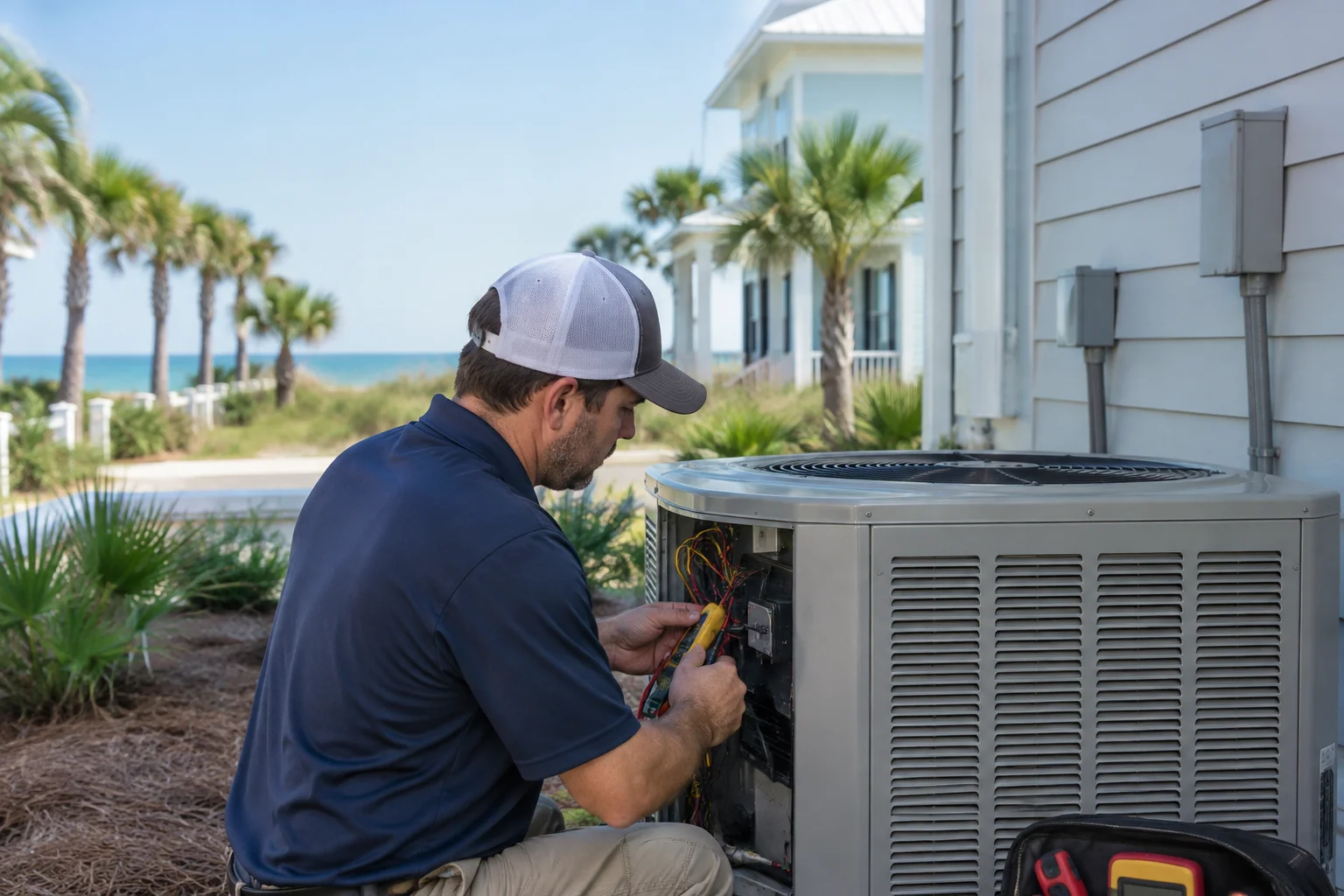
A chilly morning in Blue Mountain Beach can reveal HVAC problems that went unnoticed during cooling season. The living room warms up, but a back bedroom stays cold. A heat pump runs longer than expected. The thermostat reaches its setting, yet the house still feels damp or drafty.
Good heating service looks beyond whether equipment produces warm air. It considers airflow, controls, moisture, and the condition of the entire system. A Superior Mechanical provides heating services in Blue Mountain Beach, FL, including installation, replacement, repair, maintenance, and smart controls for homes, vacation rentals, and commercial properties.
Why coastal heating needs a whole-system approach
Along the 30A corridor, mild winter afternoons can give way to cold, damp nights. Heat pumps may switch between cooling and heating within the same week. That flexibility suits the climate, but it also means the equipment rarely gets a true offseason.
Salt air can accelerate corrosion on outdoor coils, cabinets, fasteners, and connections. Windblown debris can restrict outdoor units, while storms can damage equipment or interrupt power. Humidity remains a comfort concern even when outdoor temperatures drop.
Local housing adds another layer. Older homes may have aging ductwork or leaky building envelopes. Newer homes may be tighter but still need ventilation and moisture management. Remodels and additions can change heating demand without corresponding duct or equipment upgrades. A useful service visit considers the building as well as the unit outside.
Know how your home makes heat
Heat pumps and air handlers
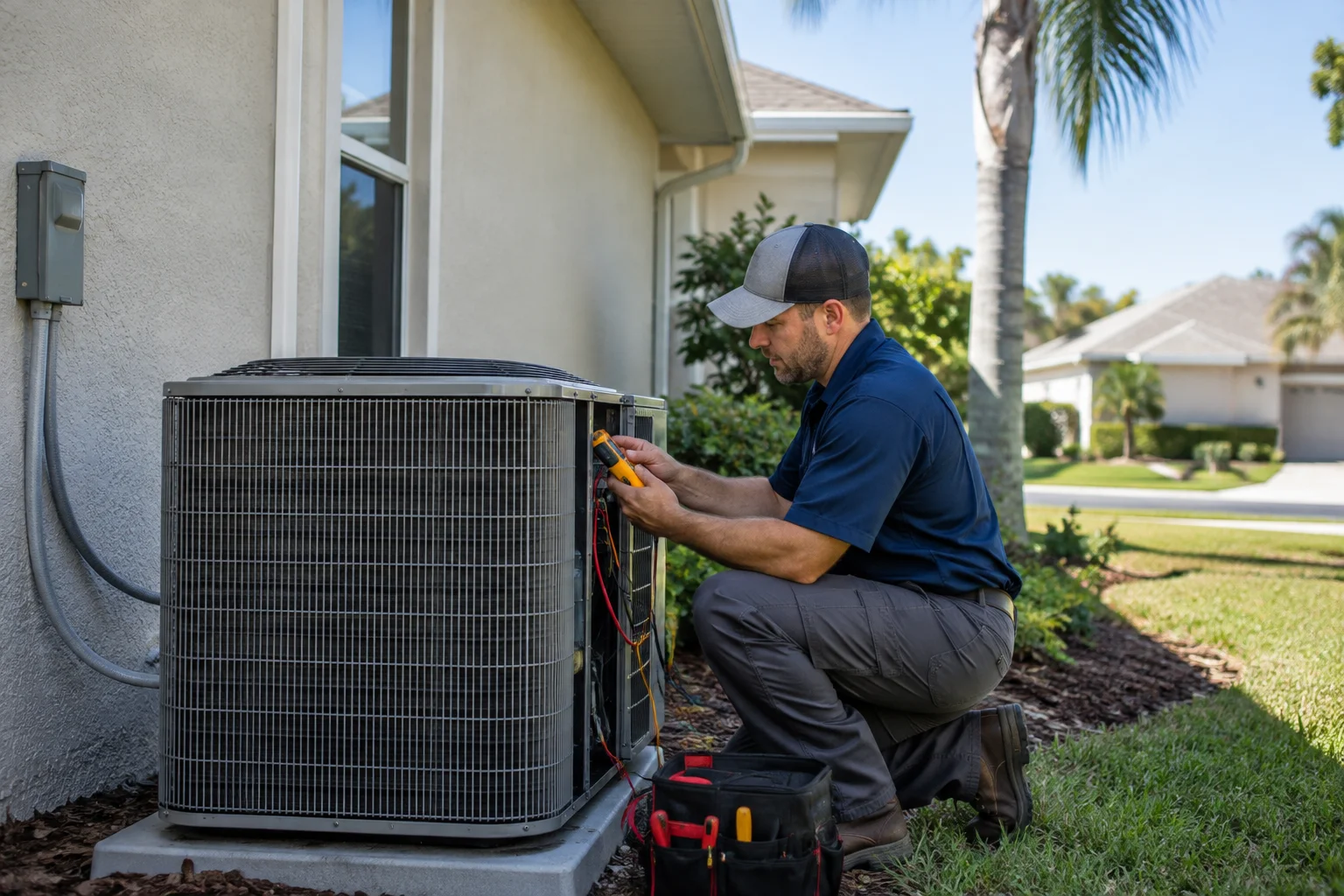
A heat pump moves heat between outdoors and indoors. In heating mode, it extracts heat from outdoor air and delivers it through an indoor coil, usually inside an air handler. A reversing valve changes refrigerant direction so the same system can provide summer cooling.
The outdoor cabinet is often called the condenser, although coil roles reverse during heating. Likewise, the indoor coil commonly called the evaporator coil during air conditioning becomes the heat-releasing coil in heating mode. Understanding that shared equipment helps explain why one fault can affect comfort in both seasons.
Low airflow, refrigerant leaks, sensor problems, or outdoor fan faults can reduce heating performance. Auxiliary electric heat may help during colder conditions or defrost cycles, but frequent backup heat operation deserves investigation because it can increase electricity use.
Furnaces and ductless mini splits
Some properties use electric furnaces or fuel-burning furnaces rather than relying solely on a heat pump. Furnace service should match the equipment: electric systems require checks of heating elements, controls, and airflow, while combustion systems also need burner, venting, and safety checks.
Ductless mini splits can serve additions, upstairs rooms, or spaces where extending ducts is impractical. They still need proper sizing, drainage, coil cleaning, and maintenance. Adding a mini split should follow an evaluation of the room's heating and cooling loads, not simply its square footage.
Read the symptoms before replacing parts
Homeowners searching for heating repair or furnace repair near me often start with one symptom: the house will not get warm. Before the appointment, note which rooms are affected, whether the system runs continuously or cycles briefly, and whether the problem began after a storm, thermostat change, or renovation.
Weak heat or nonstop operation
Heat pump supply air can feel less hot than furnace air while still heating effectively. However, failure to maintain the thermostat setting is different. A dirty filter, restricted coil, duct leak, refrigerant problem, or incorrect control setting may be responsible. Adding refrigerant without investigating a suspected leak is not a complete repair.
Short cycles, unusual noise, or outdoor frost
Repeated starting and stopping can point to control problems, overheating, airflow restrictions, or equipment sizing issues. New grinding or screeching sounds warrant prompt attention. Avoid repeated restarts if the system is struggling.
A light frost layer on a heat pump's outdoor coil can be normal in cool, damp weather. Periodic defrost may produce steam and temporarily change how the system sounds. Thick ice that persists, blocked airflow, or ongoing loss of heat calls for heat pump repair. Do not chip ice off the coil.
Airflow determines whether heat reaches the rooms
A strong heating system cannot compensate for a damaged distribution system. Leaky supply ducts can lose conditioned air into an attic or crawlspace. Return leaks can draw unwanted air, dust, and moisture into the system. Crushed flex duct, disconnected sections, or undersized returns can leave rooms uncomfortable.
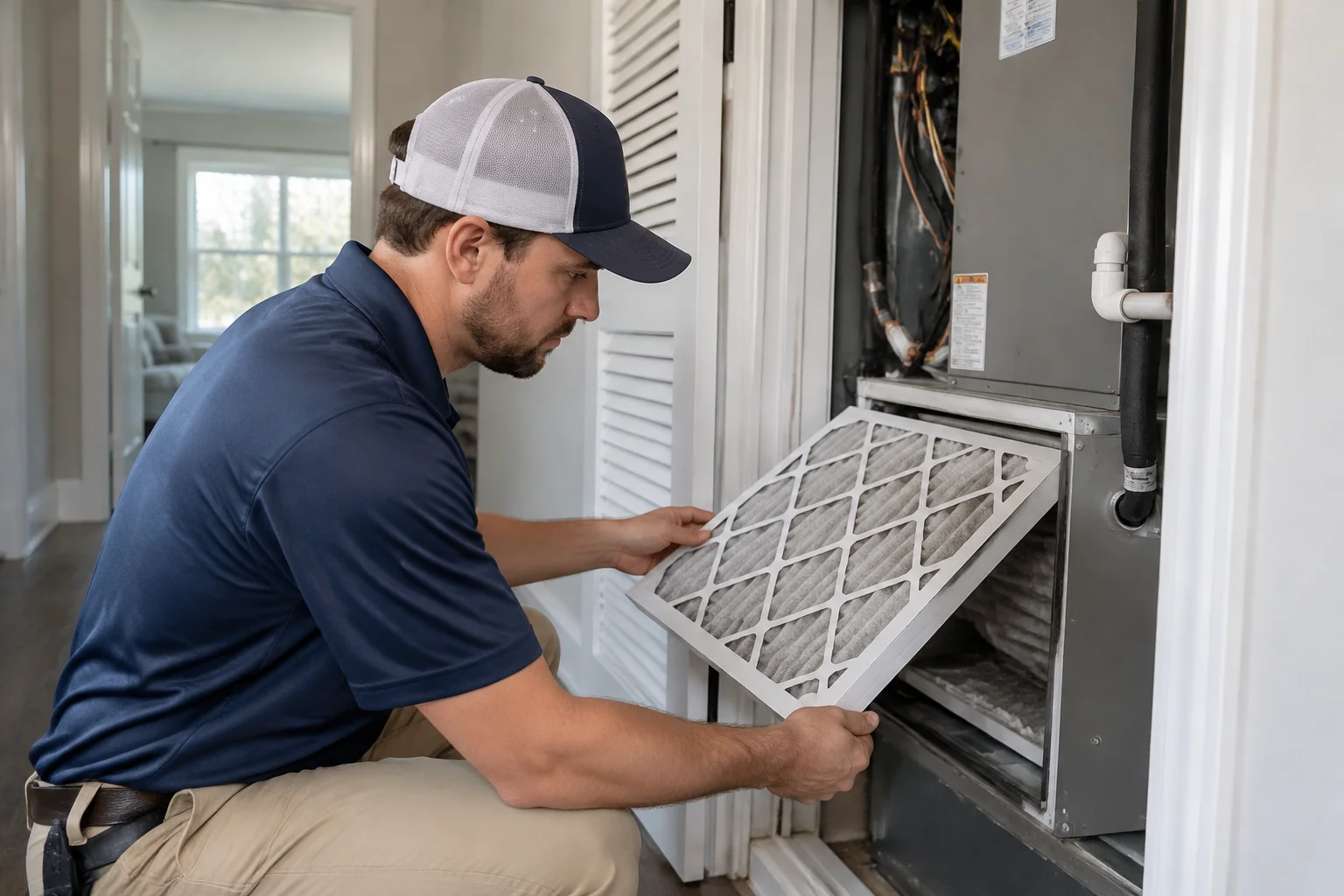
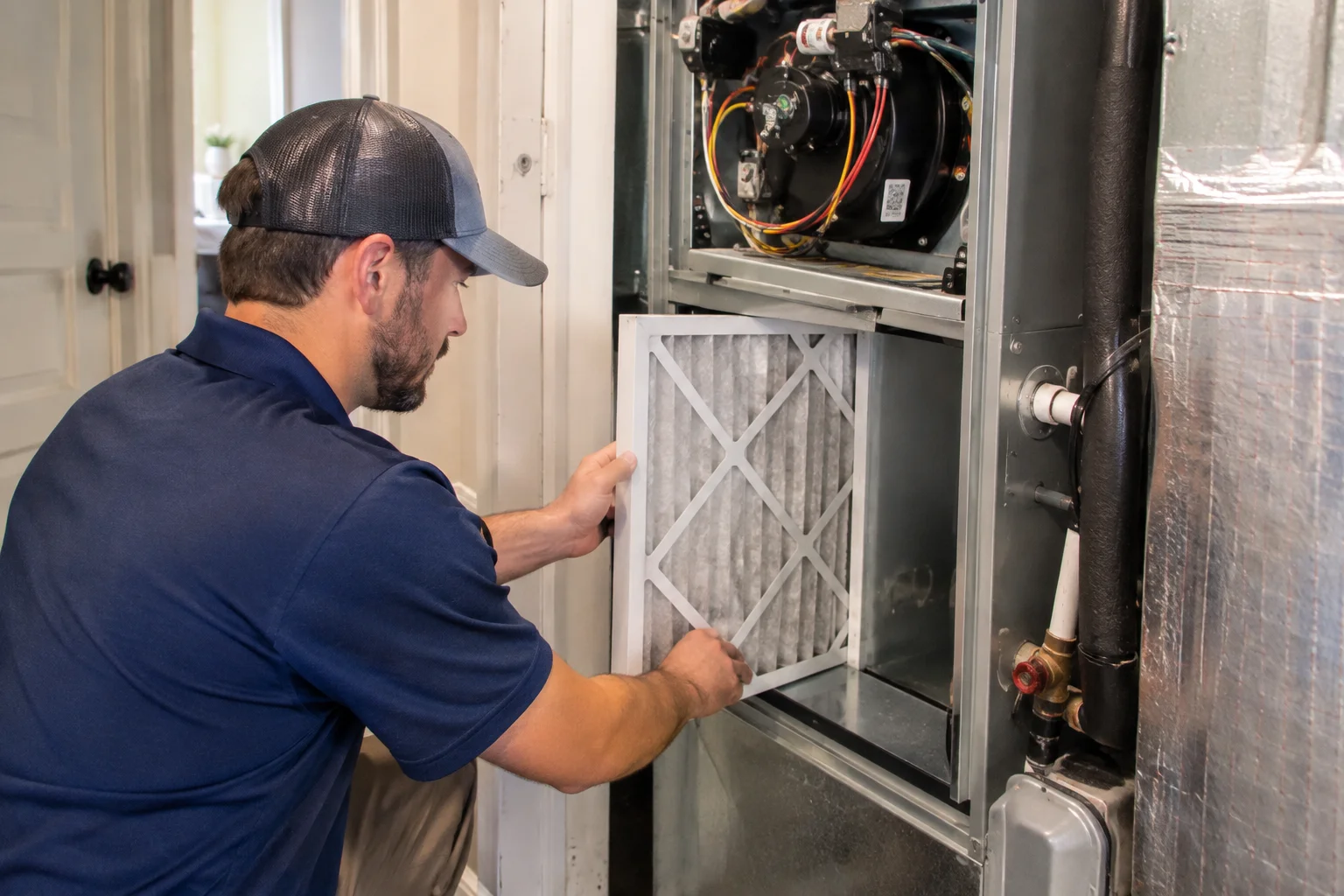
Start with safe checks. Replace the filter according to its condition and the manufacturer's guidance. Keep supply vents and return grilles clear of furniture and rugs. Do not close numerous vents to force heat elsewhere; that can increase duct pressure and worsen airflow.
Look closely at remodels and additions
A converted porch or new bedroom may need more than an extra duct branch. The contractor should evaluate room loads, available system capacity, return airflow, and duct sizing. A room that becomes uncomfortable only when its door closes may lack an adequate return path.
Professional ductwork repair can include reconnecting damaged sections, improving support, and correcting restrictions. Duct sealing should use materials approved for HVAC applications, such as appropriate mastic or listed tape. Airflow measurements and duct leakage testing, when warranted, help separate distribution problems from equipment problems.
Warm rooms can still have moisture problems
Heating air lowers its relative humidity as the temperature rises, but it does not remove moisture from the home. That distinction matters in Blue Mountain Beach, where outdoor humidity, frequent door openings, and seasonal occupancy can contribute to damp conditions.
Persistent musty odors, condensation, or clammy rooms deserve more than a higher thermostat setting. Possible causes include duct leakage, building leaks, inadequate ventilation, or insufficient moisture removal during mild weather. Indoor relative humidity around 30 to 50 percent is a common comfort target, with levels generally kept below 60 percent.
Coordinate heating, cooling, and humidity control
Because heat pumps share components across seasons, heating maintenance can uncover issues that also require air conditioning repair in Blue Mountain Beach. Dirty evaporator coils, blower problems, and refrigerant faults can affect both modes. Condensate pans and drain lines also need attention because cooling operation and dehumidifiers produce water that must drain safely.
A whole-home dehumidifier may help when moisture stays elevated despite properly operating HVAC equipment and correction of moisture sources. For indoor air quality, select filters the system can support. A highly restrictive filter can reduce airflow. Filtration helps manage airborne particles, but it does not fix water intrusion or remove every indoor pollutant.
Thermostat settings should fit the equipment
Smart controls are useful only when installed and configured correctly. Heat pumps require compatible thermostat settings for staging, auxiliary heat, and reversing valve operation. Incorrect setup can cause poor comfort or unnecessary backup heat use.
If you are searching for thermostat repair near me because displayed temperatures seem wrong, the problem may involve placement, wiring, sensors, or equipment operation. A thermostat near direct sunlight, a draft, or a supply vent may not reflect conditions in the rest of the house.
For heat pumps, modest schedule adjustments often work better than large temperature setbacks followed by rapid recovery, which may trigger electric auxiliary heat. Compatible smart thermostats can manage recovery more effectively. Thermostat installation should include configuration, testing, and a homeowner walkthrough, not just connecting a new screen.
Preventive care before the first cold stretch
Seasonal demand can rise quickly when a cold front reaches Walton County. Scheduling maintenance before that rush gives homeowners time to address worn parts, drainage problems, or airflow restrictions without waiting for a complete breakdown.
When comparing options from an HVAC maintenance near me search, ask what the visit includes. Depending on the system, useful checks include heating operation, temperature measurements, blower condition, electrical connections, safety controls, thermostat configuration, and coil inspection. Refrigerant testing should follow manufacturer procedures and observed conditions.
Keep coastal equipment accessible and protected
Maintain manufacturer-required clearances around outdoor units. Remove loose debris nearby, keep vegetation back, and avoid placing storage against the cabinet. Ask the technician about appropriate coil cleaning and corrosion protection for your equipment. Aggressive chemicals or pressure washing can damage delicate fins and coatings.
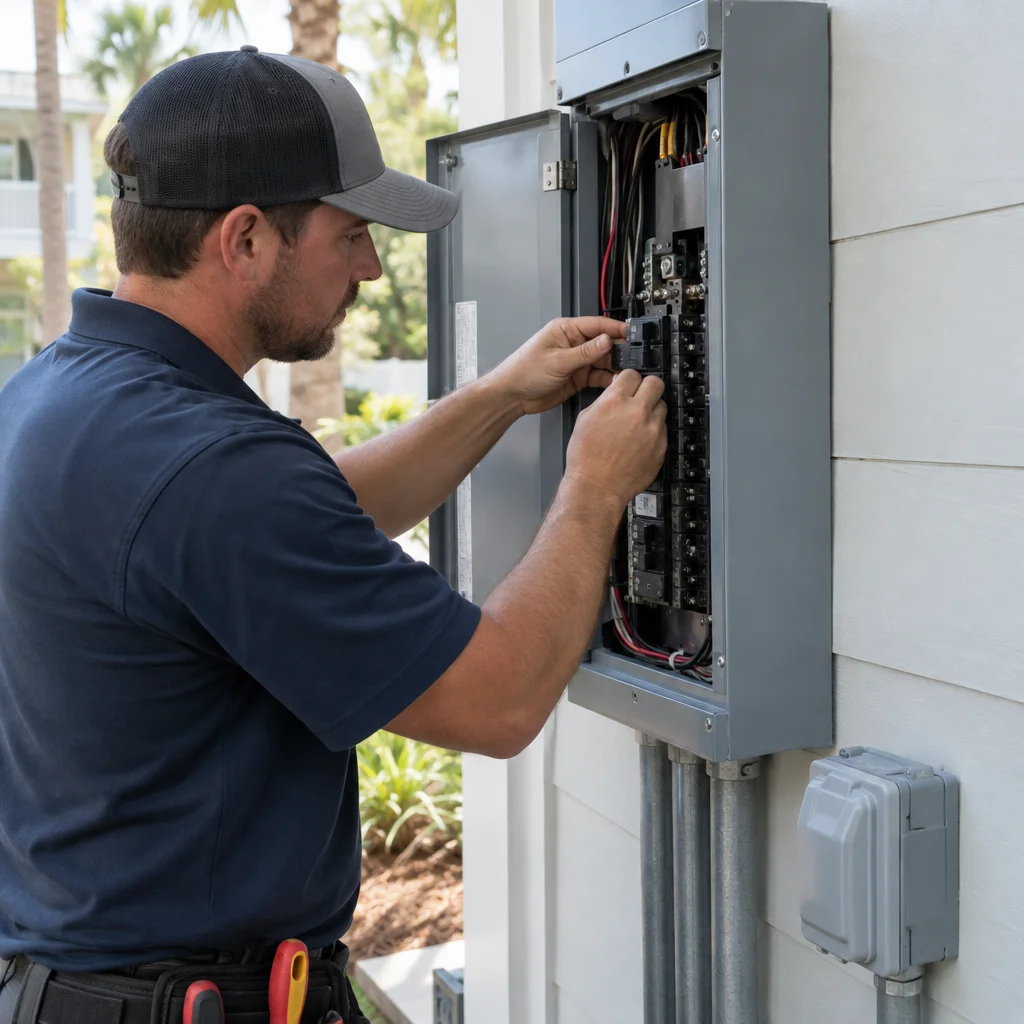
After a storm, inspect from a safe distance for displaced equipment, standing water, damaged lines, or debris. Do not operate equipment that has been flooded until it has been professionally evaluated. Never handle exposed wiring or open energized service panels.
Vacation rentals benefit from checks between guest stays, clear thermostat instructions, and documented filter changes. A Superior Mechanical's property management HVAC services provide a relevant service option for owners coordinating care across occupied and vacant periods.
Repair, replace, or improve the supporting system?
The right investment depends on equipment condition, repair history, comfort, and operating costs. One failed component does not automatically justify replacement. Conversely, recurring refrigerant leaks, severe corrosion, repeated failures, or obsolete components may make continued repair less practical.
Before replacing equipment, request a load calculation that reflects insulation, windows, air leakage, orientation, and any additions. Oversized equipment can cycle too often and compromise cooling-season humidity control. Replacing a unit with the same nominal size without checking the home can repeat an old mistake.
Ask about matched indoor and outdoor equipment, heating performance, auxiliary heat strategy, duct condition, and controls. Efficiency ratings matter, but installation quality and airflow strongly influence actual results. Homeowners planning a larger project can explore HVAC financing options and confirm current terms and eligibility before committing.
Recognize heating problems that cannot wait
Some issues need immediate action rather than another thermostat adjustment. Smoke, sparking, a strong electrical burning smell, or a repeatedly tripping breaker means the system should not continue running. Shut it off only if safe, and do not repeatedly reset the breaker.
If a carbon monoxide alarm sounds or you suspect a fuel gas leak, leave the building and contact emergency services or the gas utility from a safe location. Do not stay inside to troubleshoot. Fuel-burning equipment needs working carbon monoxide alarms installed according to applicable guidance.
A loss of heat during cold weather also deserves prompt attention when infants, older adults, or medically vulnerable occupants are present. Homeowners searching for emergency HVAC repair near me should describe the symptoms and ask about current availability. Never use an oven, grill, or outdoor heater to warm the home.
Build a heating plan around your Blue Mountain Beach property
Effective local HVAC service starts with practical questions: Is this a primary residence or rental? Which rooms are uncomfortable? Have bills changed? Were ducts modified during a remodel? Those details help guide diagnosis rather than a parts-first approach.
A Superior Mechanical serves Blue Mountain Beach properties within its Walton County service area. To plan your heating service, gather the equipment model information, recent repair records, and notes about comfort problems. Request an evaluation that considers heating performance, airflow, controls, and moisture together so the recommended work addresses how your home actually feels.
Find Heating Services in Blue Mountain Beach, FL
If you need Heating Services in Blue Mountain Beach, FL, visit our local service page or contact A Superior Mechanical today.
Map of Blue Mountain Beach, FL
Frequently Asked Questions
Why does my heat pump blow air that feels only slightly warm?
Heat pumps typically deliver air that feels less hot than furnace air. That can be normal if the home reaches and maintains its thermostat setting. If rooms stay cold, backup heat runs frequently, or performance changes suddenly, a technician should check airflow, controls, refrigerant conditions, and defrost operation.
How often should heating equipment receive maintenance in Blue Mountain Beach?
Schedule a professional heating check before the colder season and follow the equipment manufacturer's maintenance requirements. Heat pumps used year-round also benefit from a cooling-season check. Salt exposure, heavy rental use, and existing equipment problems may justify additional attention.
Can heating service help with uneven temperatures and indoor humidity?
Yes. A thorough evaluation can identify duct leaks, restricted airflow, thermostat issues, and other problems affecting comfort. Heating itself does not remove moisture, so persistent humidity may also require correction of moisture sources, cooling-system repairs, ventilation improvements, or a properly selected dehumidifier.
Related Articles
Photo Gallery