DeFuniak Springs homes rely on plumbing that works hard year-round. Between busy family schedules, seasonal water use, and the effects of Florida humidity, small issues in drains and pipes can slowly turn into bigger sewer problems. When plumbing wear and tear builds up, it often shows up first as slow drains, recurring clogs, or unpleasant odors, then escalates into sewer line damage that requires sewer repair and maintenance.
If you have been searching for plumbing repair near me or sewer inspection near me, this guide explains how deterioration happens, what it looks like in local homes, and what homeowners can do to reduce risk.
Plumbing wear and tear does not stay in one place
Many homeowners think sewer line issues start outside the home. In reality, the path from your fixtures to the sewer line is connected. A worn drain trap, a failing seal under a toilet, a leaky faucet, or a rough spot inside an older pipe can all contribute to what eventually reaches your sewer system.
In DeFuniak Springs, common home plumbing setups include older cast iron sections, galvanized supply lines in some properties, and a mix of PVC and other materials installed during past renovations. Over time, these systems can experience:
- Accumulation of hair, grease, soap scum, and mineral deposits in drains and sewer lines
- Misalignment in older pipe runs after soil movement or settling
- Seal failure at joints, cleanouts, and transitions
- Corrosion that roughens pipe walls and traps debris
Why DeFuniak Springs plumbing conditions speed up deterioration
Walton County can be humid, and many homes experience periods of heavy water use. That combination matters for sewer maintenance. When water runs more often, it can carry more debris and more dissolved minerals through the drainage system.
Hard water is also a factor in many Florida homes. Mineral content can build up inside drains and pipes, reducing flow and increasing the chance of clogs. Over time, mineral scale and biofilm can create a surface that catches waste more easily. That is one reason homeowners sometimes see a cycle where drain cleaning works temporarily, then the problem returns.
Seasonal weather can also influence plumbing performance. After storms, saturated soil can shift around buried lines. Even small changes can stress joints and create tiny leaks that become larger sewer repair needs.
Common “small” plumbing issues that lead to sewer line problems
Below are wear-and-tear patterns A Superior Mechanical technicians often see during sewer inspection and sewer drain cleaning. These are not always obvious when the problem starts.
1) Slow drains that keep coming back
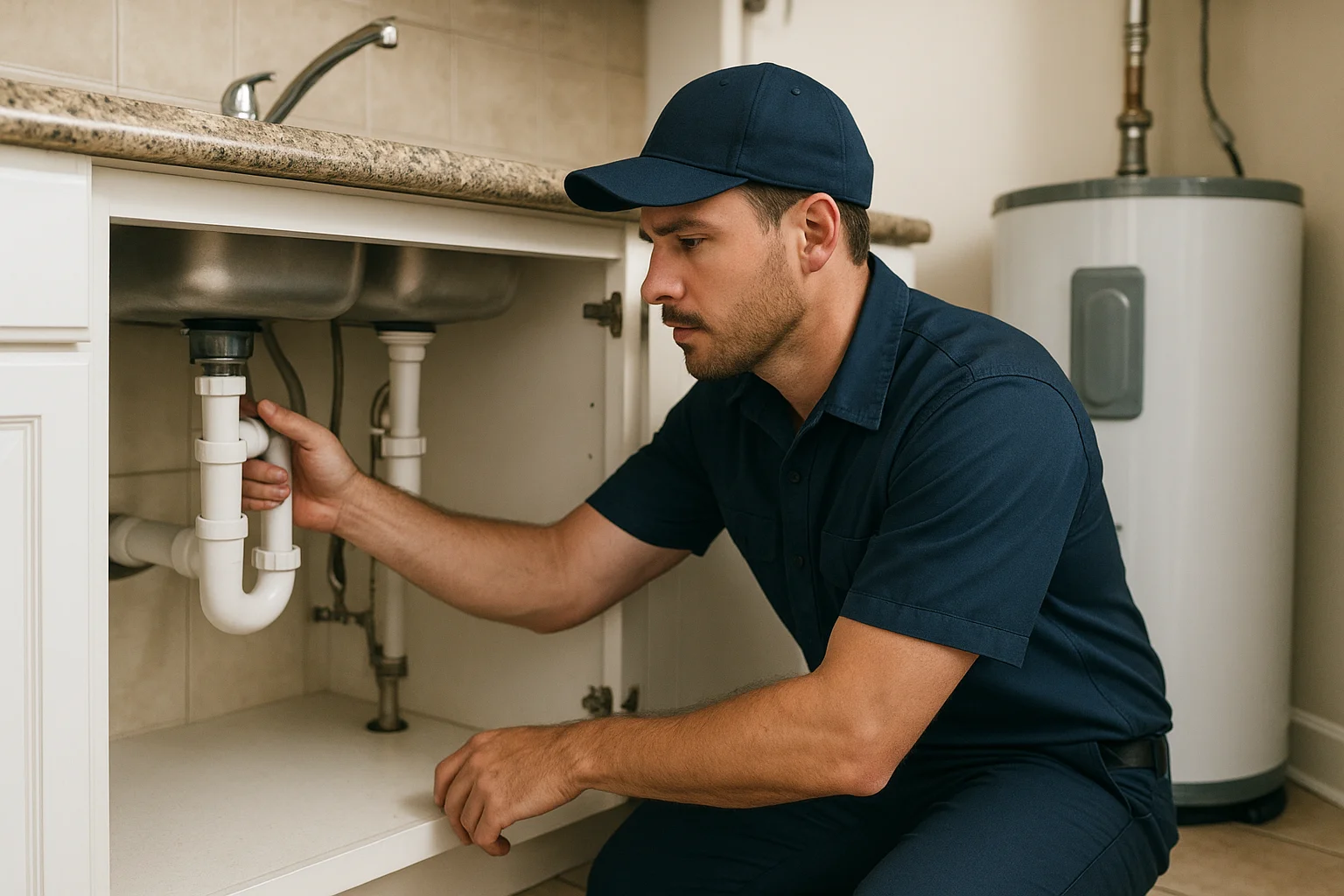
Slow drains are frequently caused by buildup in the main line, not just the fixture. If you notice that the kitchen sink, tub, or laundry drains take longer than usual, the issue may be progressing deeper than the P-trap. When buildup hardens, it can reduce flow and increase pressure behind the clog.
Homeowners who search for bathroom drain cleaning near me or sewer drain cleaning near me often need more than a quick clean. A professional can check whether the clog is localized or if the sewer line has ongoing restriction.
2) Toilet and fixture leaks that waste water and fuel clogs
A running toilet can seem minor, but constant water flow can change how waste moves through the system. If a wax ring seal is failing or a toilet is not seated correctly, leaks can contribute to recurring odors and moisture near the outlet.
When waste and water do not move cleanly, debris has more time to stick to pipe walls. That increases the odds of clogs and can contribute to sewer line damage. If you are looking for toilet repair near me or running toilet repair near me, it can be a smart move to address it early, before the issue affects the sewer line.
3) Grease and “flushable” buildup
Kitchen plumbing wear is a common trigger for sewer problems. Grease from cooking, food particles, and soap can combine and form stubborn deposits. Even if your disposal grinds food, it can still leave material behind. Over time, that buildup can narrow the sewer line.
It is also important to remember that many items marketed as flushable do not break down the way people expect. That includes wipes and certain paper products. They can snag on roughened pipe walls and lead to repeated clogs.
Homeowners sometimes call for garbage disposal repair near me after disposal issues lead to more debris in the drain. Repairing disposal problems helps, but it does not remove buildup that already formed downstream.
4) Worn seals and joint failures
As pipes age, seals at joints can dry out, compress, or fail. That can allow wastewater to seep into the surrounding soil or allow groundwater infiltration into the line. Either situation can worsen the system by changing flow and increasing stress on the pipe.
In some homes, wear near slab edges can be tied to other plumbing concerns. If you have symptoms that overlap with slab leak concerns, consider Leak Detection and Slab Leak Repair as part of a broader plumbing check.
5) Water heater issues that affect overall plumbing flow
Your sewer line does not directly depend on your water heater, but water heater performance can influence how often you run hot water and how quickly you clear certain drains. If you are dealing with inconsistent hot water, slow recovery, or repeated repairs, it can indirectly contribute to higher usage patterns that load the drainage system.
For homeowners searching for hot water heater replacement near me or tankless water heater replacement near me, upgrading a failing unit can improve comfort and reduce stress on the plumbing system. For sewer maintenance, the bigger win is that your daily habits and fixture performance stay more consistent.
If you need help with the water heater side, see Water Heater Repair.
How wear and tear shows up in sewer repair needs
When plumbing deterioration progresses, it often creates symptoms that homeowners can recognize. The challenge is that these symptoms can overlap with other issues, like clogged drains or venting problems. That is why a proper sewer inspection matters.
Odors from drains or around the yard
Bad smells can come from a failing trap seal, a blocked vent, or a sewer line restriction. If odors persist, especially near a cleanout or low spots in the yard, sewer inspection is a good next step.
Backups in tubs, sinks, or toilets
Backups are a major emergency plumbing concern. If multiple fixtures start draining slowly at the same time, the problem is more likely in the main line or sewer line than in a single drain trap.
Gurgling sounds when water drains
Gurgling can indicate trapped air or a restriction that forces air to escape through drains. That restriction can be in a branch line, in the main sewer line, or in the venting system.
Recurring clogs after drain cleaning
Drain cleaning can remove current buildup. If clogs return quickly, the system may have ongoing wear that keeps collecting debris. That is when sewer repair and maintenance becomes a longer-term plan, not a one-time fix.
What a professional sewer inspection can uncover
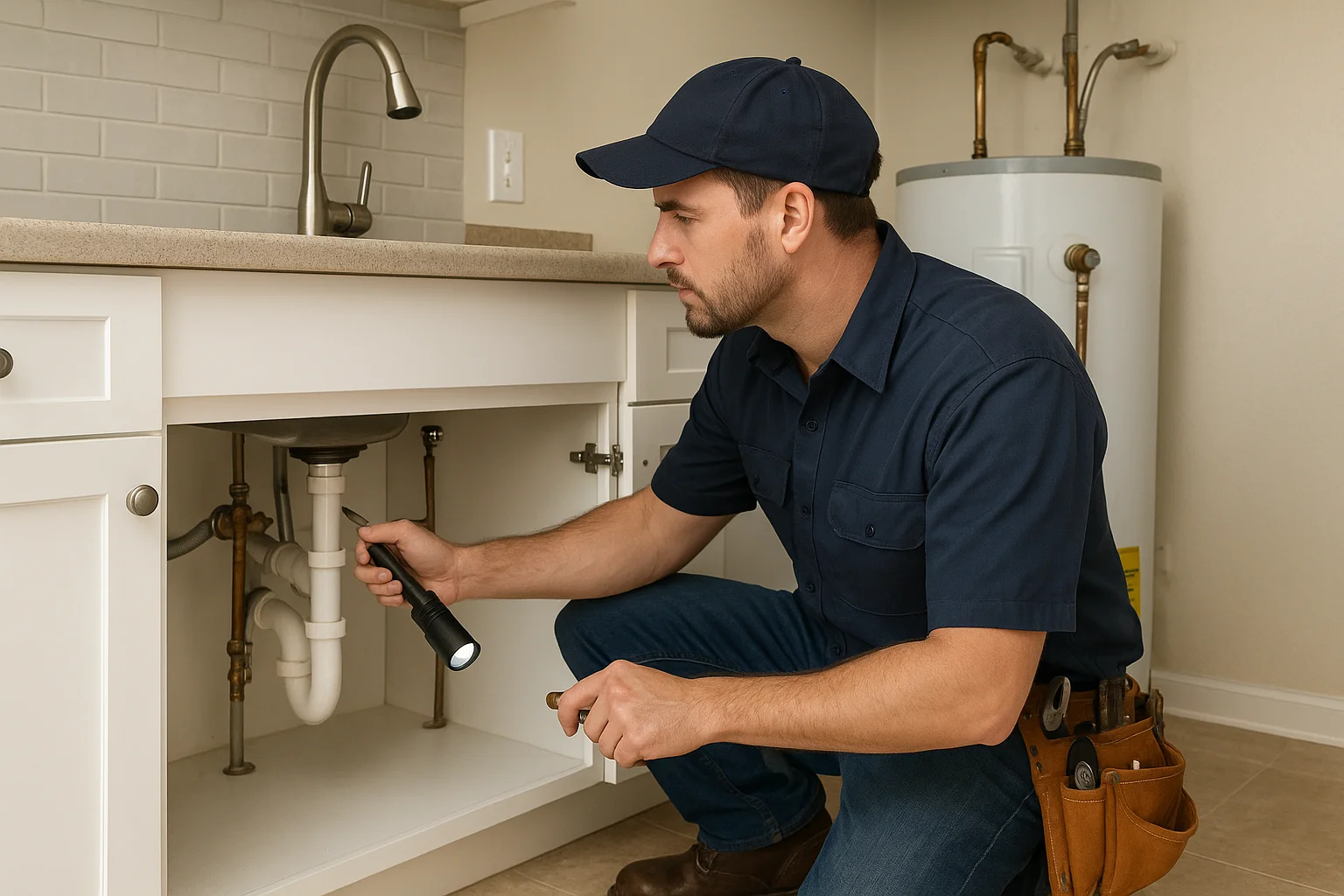
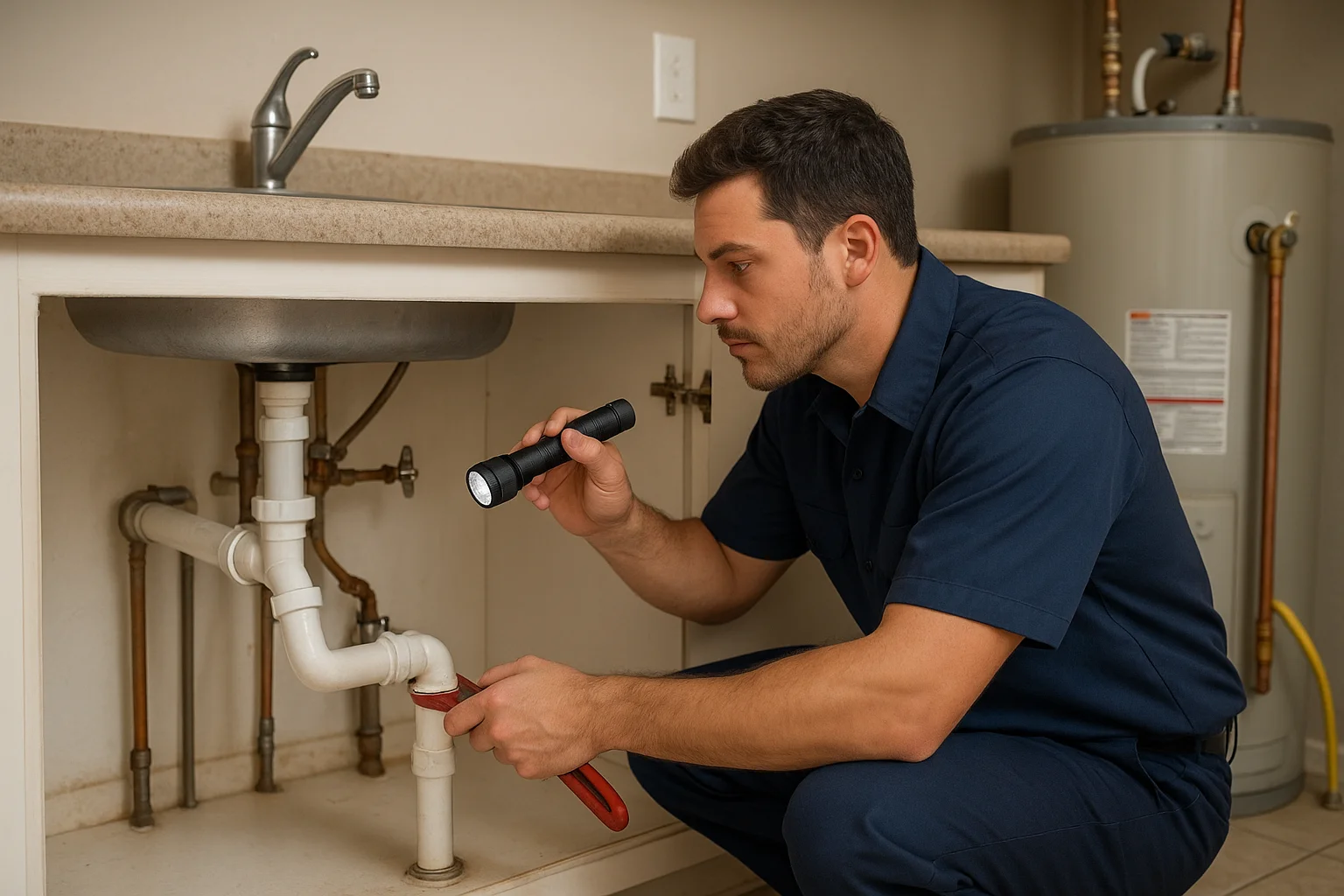
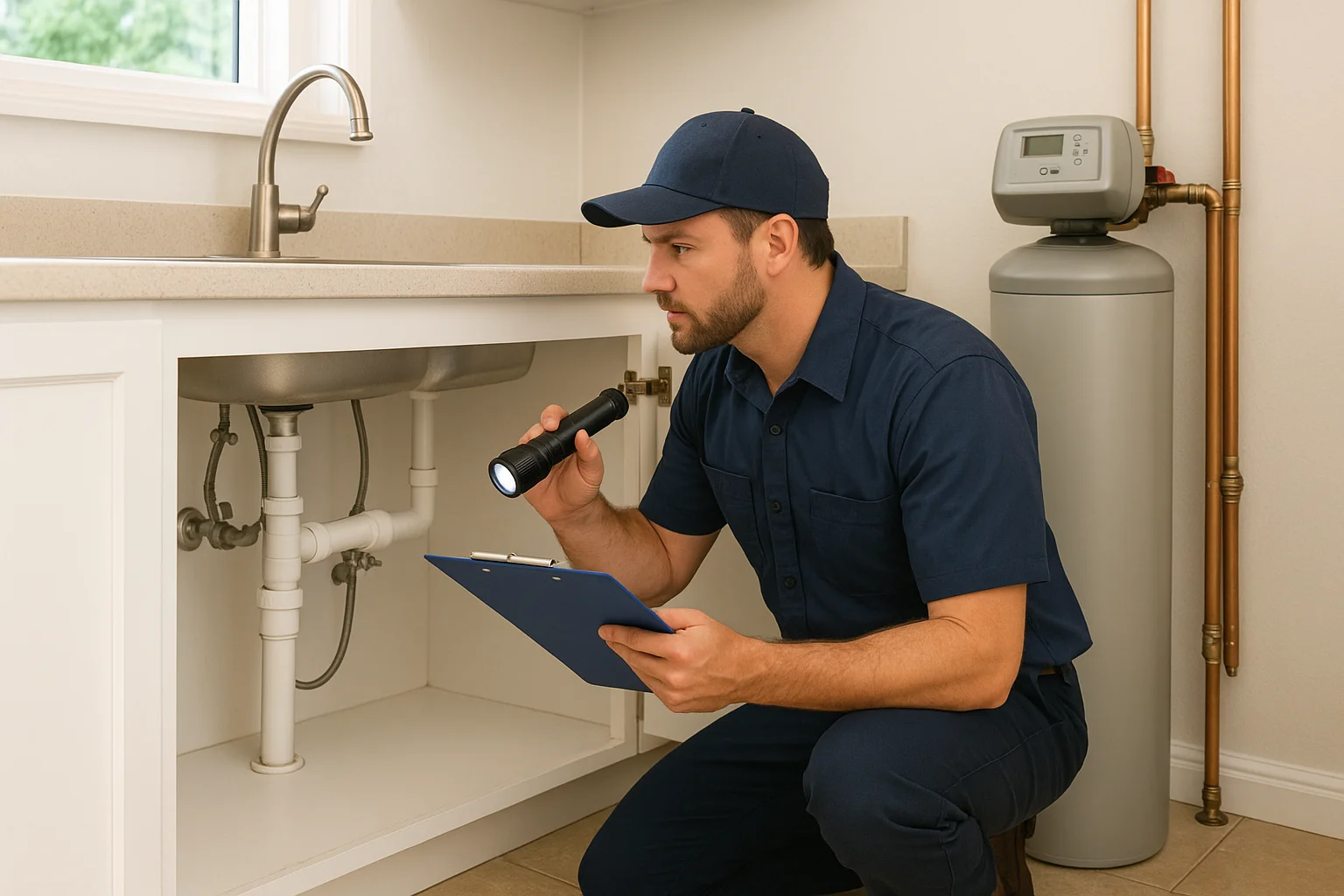
A thorough inspection helps determine whether you need drain cleaning, pipe repair, or a more involved sewer line solution. During inspection, technicians evaluate:
- Pipe condition, including cracks, corrosion, and joint separation
- Blockage locations and whether the clog is a one-time event or a pattern
- Flow restrictions caused by buildup or misalignment
- Signs of infiltration that can worsen sewer line performance
For homeowners searching for sewer inspection near me, the key is to look for an approach that identifies the source, not just the symptom.
Repair vs. replacement: how wear affects the decision
Not every sewer problem requires full replacement. The right solution depends on pipe material, the extent of damage, and whether the line can be repaired effectively.
Wear and tear often progresses in stages. Early issues like minor cracks or localized buildup might respond to targeted pipe repair and planned maintenance. More advanced damage, such as multiple failed sections or significant collapse, may require replacement to restore reliable flow.
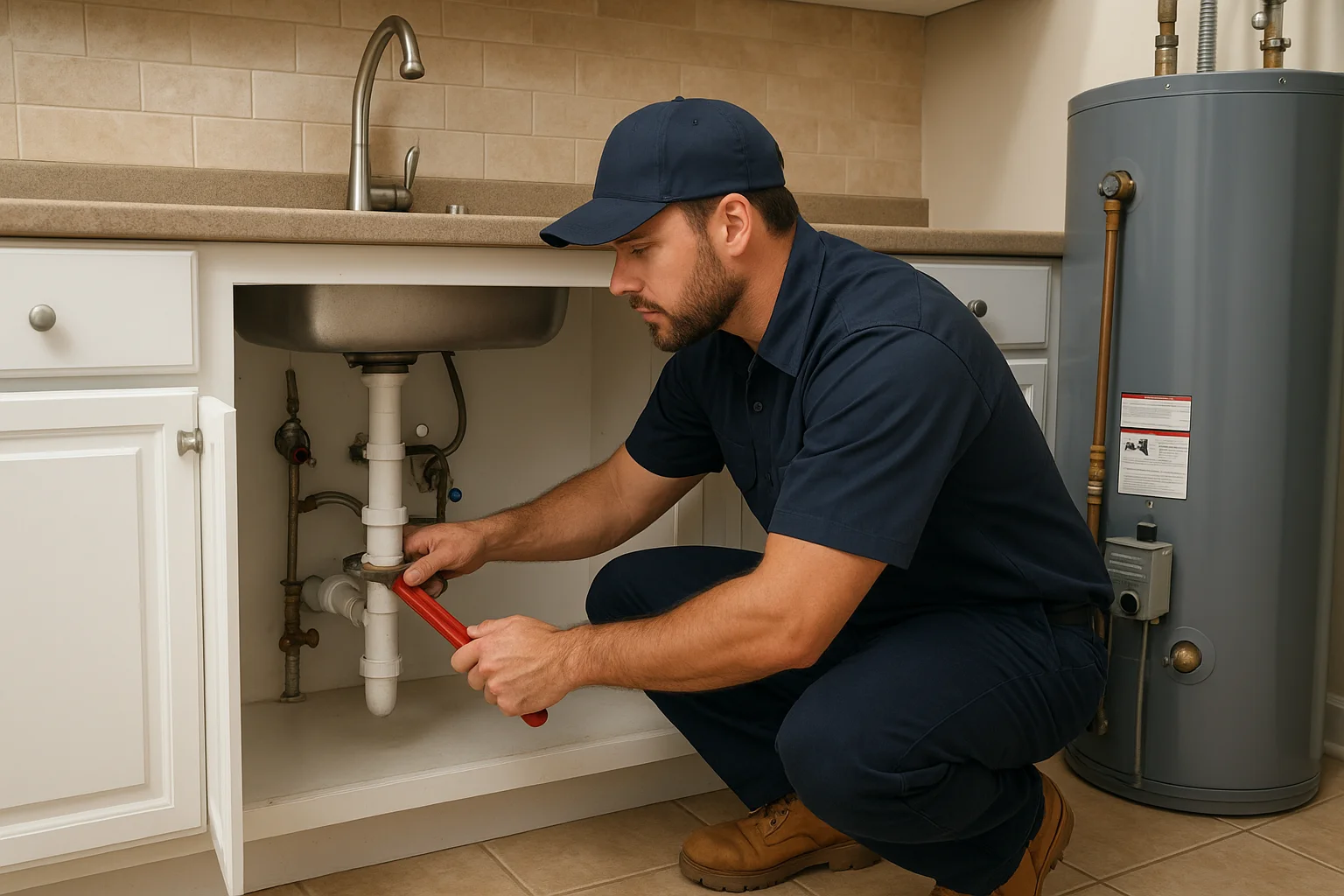
If you are also dealing with other plumbing concerns, it helps to coordinate the plan. For example, if a fixture or pipe leak is contributing to moisture and debris movement, addressing it can improve overall performance. You can explore broader plumbing help through Plumbing Repair.
Emergency plumbing concerns that should not wait
Some conditions are urgent because they can damage property quickly and create health risks. If you see any of the following, consider contacting an emergency plumber:
- Raw sewage backups in sinks, tubs, or toilets
- Sudden, complete blockage where no fixtures drain
- Water backing up during normal usage
- Cracks or breaks that suggest a burst pipe repair situation
In those cases, avoid running water, and do not try to force the system with repeated flushing. Stopping water use can help limit damage while you arrange help for sewer line help and repair.
Preventing sewer problems with practical home maintenance
You cannot stop all wear and tear, but you can slow it down. The goal of local plumbing maintenance is to reduce buildup, protect seals, and keep water moving at the right rate.
Use drain care that matches how DeFuniak Springs homes live
Most clogs come from everyday habits. Try these realistic steps:
- Scrape food before it goes into the disposal
- Avoid grease in the sink, and wipe greasy pans before washing
- Limit what goes in the toilet to toilet paper only
- Run cold water while using the disposal to help move waste
Pay attention to water pressure and flow changes
Water pressure issues can change how fixtures drain and how quickly waste clears. If you notice uneven flow, persistent slow drains, or pressure that drops when you run multiple fixtures, it is worth investigating. Problems in supply lines and fixtures can overlap with drainage concerns.
Fixing leaks and improving fixture performance can also reduce the volume of water that carries debris through the sewer system. If you have a fixture that is acting up, consider Plumbing Fixture Replacement.
Schedule routine plumbing checks for older homes
DeFuniak Springs has a mix of newer builds and long-time residences. Older plumbing needs more proactive attention. A plumber near you can assess:
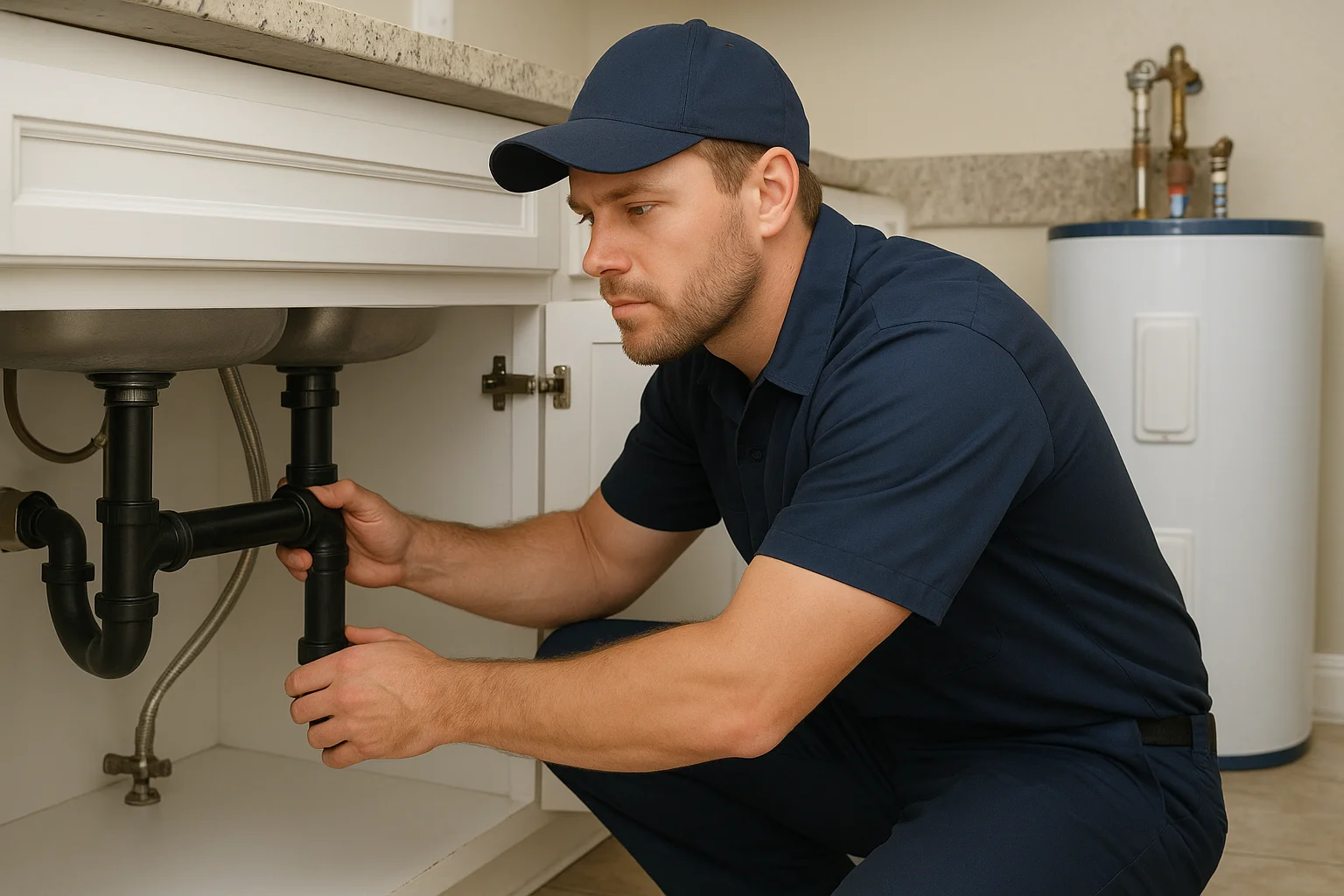
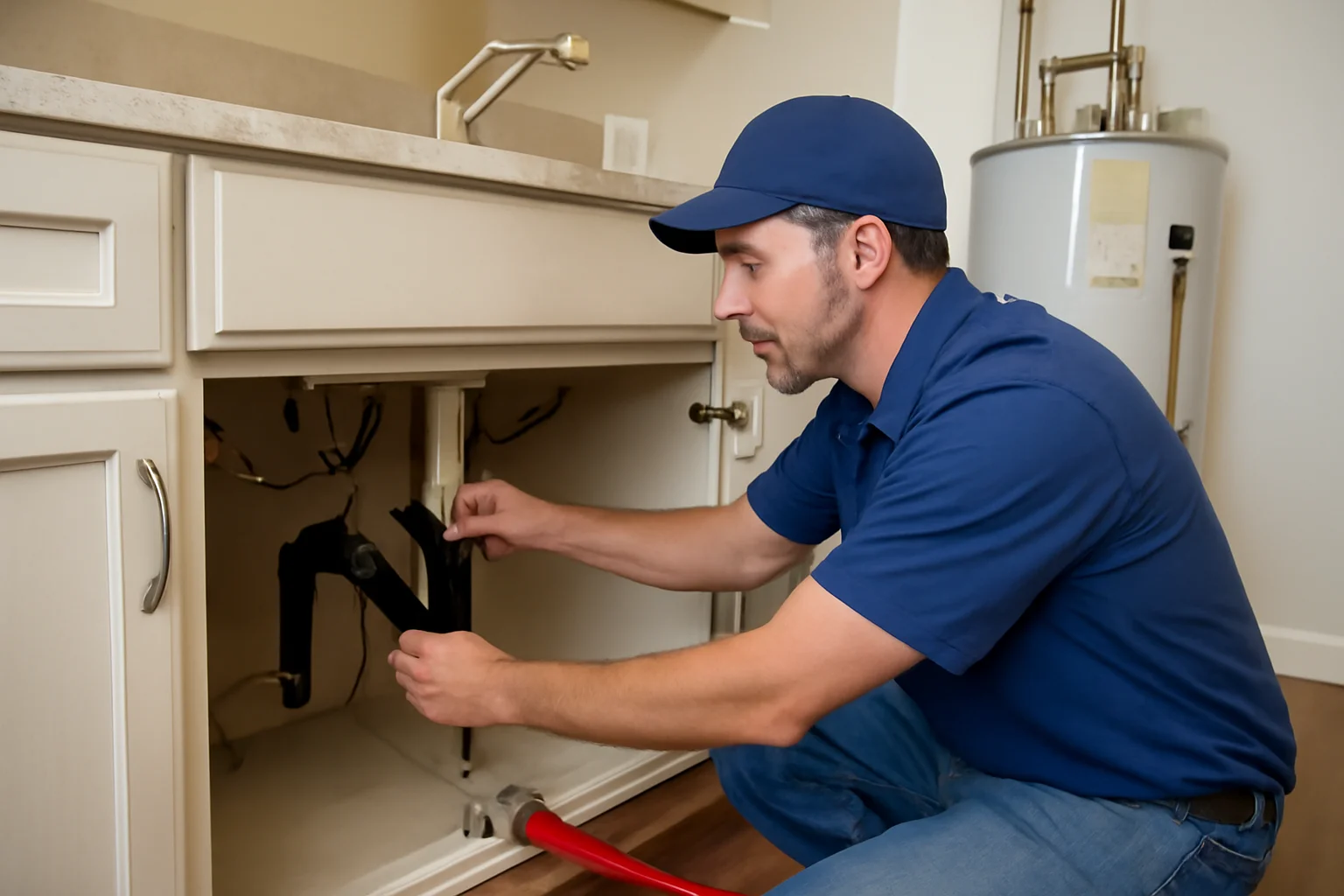
- Under-sink leaks and drain trap condition
- Toilet base movement and seal integrity
- Signs of slow drainage in tubs, showers, and laundry lines
- Any recurring need for drain cleaning
If you want a broader approach to upkeep, these posts can help: A Smarter Way to Handle Plumbing Maintenance in DeFuniak Springs and Staying Ahead of Plumbing Problems in DeFuniak Springs Homes.
Watch for fixture wear that impacts drainage
Worn faucets, slow-flushing toilets, or a partially failing shower drain can change how much water moves through plumbing each day. Over time, that can affect how debris travels.
If you are dealing with a fixture issue like a malfunctioning toilet or a drain that never seems to clear, it is often smarter to address the plumbing repair rather than repeatedly relying on harsh drain treatments.
Drain cleaning is helpful, but it is not a substitute for sewer maintenance
Homeowners often start with drain cleaning when they notice clogs. That can be a good first step when the problem is localized. However, repeated clogs can indicate a deeper sewer line issue, especially when buildup has hardened or when pipe walls have roughened due to corrosion and mineral deposits.
In those cases, homeowners searching for plumbing repair near me may need a two-part plan: clean what is currently blocking flow and inspect to confirm whether the sewer line needs repair and ongoing maintenance.
Why choosing local sewer repair and maintenance matters in Walton County
Local plumbing service matters because DeFuniak Springs homes share similar conditions: hard water effects, common fixture types, frequent storm-related ground shifts, and day-to-day water use patterns. A local team understands how those factors show up during sewer inspection and repair.
When you work with a service provider familiar with the area, you are more likely to get solutions designed for real homes in Walton County, not generic recommendations. If you are ready to address sewer line performance, you can explore sewer repair and maintenance for DeFuniak Springs. For help across the community, visit the DeFuniak Springs service area page and Walton County service options.
Related plumbing topics worth reviewing
Sometimes sewer wear is connected to general plumbing performance. These resources can help you reduce future strain on your drainage system:
- Cleaner Water Starts With Better Plumbing Care in DeFuniak Springs
- Making Smarter Choices About Plumbing Fixture Replacement in DeFuniak Springs, FL
Simple homeowner check: what to note before calling
If you are calling a plumber near you for sewer line help, a few details can speed up diagnosis:
- Which fixtures are affected and whether it happens all at once
- When you first noticed slow drains or odors
- Any recent drain cleaning or use of chemical cleaners
- Whether you have hard water staining or frequent mineral buildup
- Any history of leaks, running toilets, or water pressure changes
These notes help technicians decide whether the issue is likely in the fixture drain, the main line, or the sewer line itself.
Keep sewer maintenance on your home calendar
Plumbing wear and tear is unavoidable, but neglect is optional. Treat sewer maintenance as part of owning a home in DeFuniak Springs. When you address recurring clogs, odors, leaks, and fixture issues early, you can reduce the likelihood of bigger sewer repair needs and keep daily life running smoothly.
Find Sewer Repair and Maintenance in DeFuniak Springs, FL
If you need Sewer Repair and Maintenance in DeFuniak Springs, FL, visit our local service page or contact A Superior Mechanical today.
Map of DeFuniak Springs, FL
Frequently Asked Questions
How do hard water and mineral buildup affect sewer repair in DeFuniak Springs?
Hard water can leave mineral deposits inside drains and sewer lines. Over time, that buildup reduces flow and makes it easier for grease, hair, and other debris to stick. The result is often recurring clogs and the need for sewer inspection or sewer drain cleaning.
Why do my drains clog again soon after drain cleaning?
Frequent return clogs can mean the buildup is not just in one fixture line. It may be in the main line or sewer line where wear and roughened pipe walls collect debris. A professional sewer inspection helps identify the blockage location and the underlying pipe condition.
Are toilet leaks and running toilets really connected to sewer problems?
Yes. A failing seal can lead to constant moisture and waste movement issues, and a running toilet adds extra water through the drainage system. Addressing toilet repair near me searches like running toilet repair and toilet repair can reduce recurring odor and backup concerns.
What should I do if sewage backs up in my home?
Stop using water, avoid flushing, and do not try to force the blockage with repeated chemical treatments. Backups can become an emergency plumbing concern. Contact an emergency plumber for sewer drain cleaning and sewer line help as soon as possible.
How often should homeowners schedule sewer inspection or sewer maintenance?
If you have older plumbing, frequent slow drains, or recurring odors, a periodic inspection is a smart preventive step. Many homeowners benefit from inspection when symptoms first appear rather than waiting until backups occur. A local technician can recommend a maintenance schedule based on your home and water use.
Related Articles
Photo Gallery