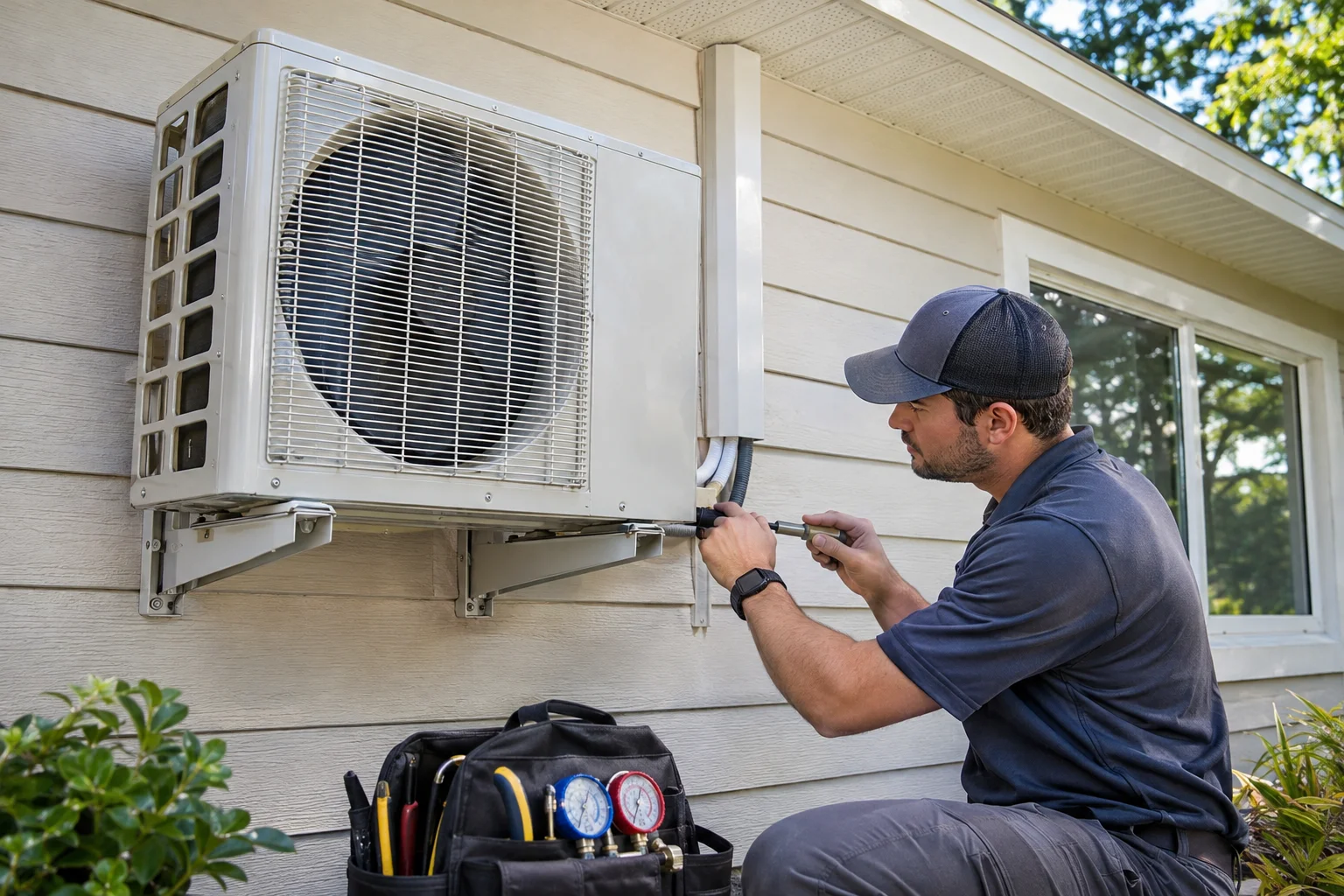
A ductless mini-split can make a stubbornly warm bedroom, enclosed porch, or new addition much more comfortable. But installing a unit is only part of the job. In Springfield, FL, good results depend on matching the equipment to the room, moving air where people need it, and managing moisture through long stretches of humid weather.
A Superior Mechanical provides ductless mini-split installation and service in Springfield. For homeowners comparing options, the most useful starting point is a plan that considers the entire space, not just its square footage.
Where Ductless Systems Fit in Springfield Homes
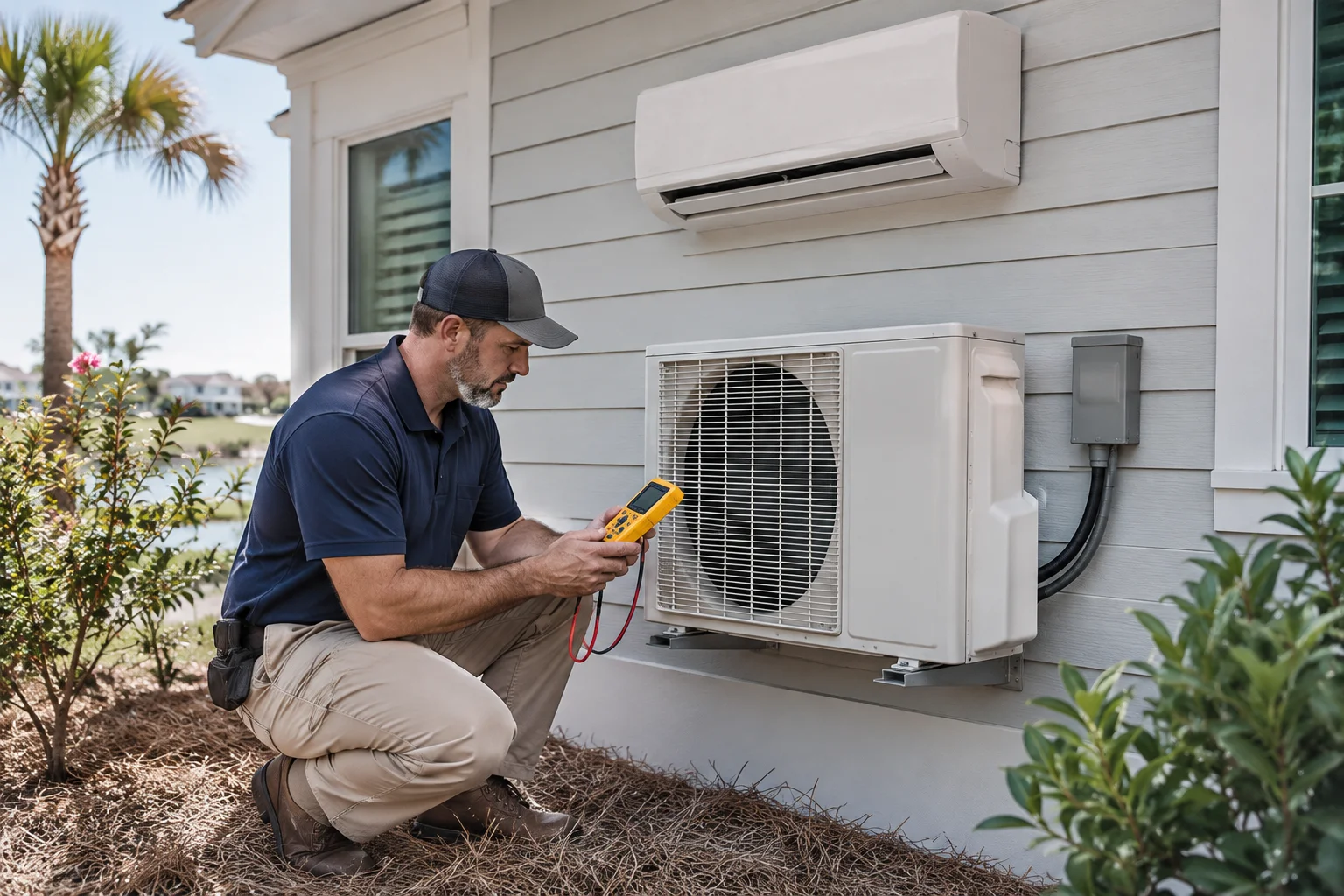
Mini splits connect one or more indoor air handlers to an outdoor unit through refrigerant lines, wiring, and condensate drainage. They deliver heating and cooling without traditional supply and return ductwork. Most residential models are heat pumps, so the same equipment can cool during summer and provide heat during cooler Bay County weather.
In older homes, ductless equipment can serve rooms where adding ducts would require major ceiling or wall work. In newer homes, it may solve a specific comfort problem without replacing an otherwise functional central system. Remodels, additions, converted garages, and home offices are common candidates, provided insulation, moisture protection, and permitted use are addressed.
Ductless does not automatically mean every room needs its own unit. An open living area may work well as one zone, while bedrooms behind closed doors often need separate attention. Homeowners searching for mini split installation near me should expect a contractor to discuss room use and airflow before recommending equipment.
Size for the Actual Cooling and Moisture Load
Square footage is only a starting point
A load calculation considers insulation, window area, sun exposure, ceiling height, air leakage, occupancy, and other heat sources. A west-facing addition with older windows may need a different solution than a shaded bedroom of the same size. Springfield's hot, humid summers make both temperature control and moisture removal important.
Oversized equipment can satisfy the temperature setting before removing enough moisture. Variable-speed systems can reduce output, but they still have minimum operating capacities. Choosing a larger model just to be safe can leave a small room cool and clammy during mild, damp weather.
Multi-zone systems need careful matching
With a multi-zone system, several indoor units share one outdoor unit. Available capacity is divided among the rooms according to the equipment's design and operating conditions. The outdoor unit's minimum output and the indoor unit combination also matter when only one small bedroom needs cooling.
If you are comparing multi zone mini split installation near me, ask how the proposed system will perform with one zone operating and with all zones calling at once. Most standard residential multi-zone systems cannot heat one room while cooling another simultaneously. Separate single-zone systems sometimes offer better control, though they require more outdoor equipment.
Air Handler Placement Shapes Everyday Comfort
A wall-mounted air handler needs an unobstructed return-air path and enough space to distribute conditioned air. Placing it behind a tall cabinet, directly over a cooking area, or where its discharge blows constantly onto a bed can create avoidable problems. Required clearances vary by manufacturer.
The best location balances air distribution, service access, refrigerant piping, and drainage. A short installation route is helpful, but it should not outweigh comfort. Long, narrow rooms and spaces divided by doorways may need a different arrangement than a square, open room.
Unlike central vents, a single ductless head does not distribute air through a network of branches. Leaving a bedroom door open may help temperatures equalize, but it is not a dependable substitute for properly designed coverage. Adjust louvers as instructed and keep furniture away from both the intake and discharge.
Humidity Control Takes More Than a Lower Setting
Springfield's warm, humid climate can make a room feel uncomfortable even when its thermostat shows a reasonable temperature. Lowering the setting repeatedly may overcool the space without addressing moisture entering through leaky doors, poorly sealed penetrations, or an unconditioned adjoining area.
Use a reliable hygrometer to track indoor relative humidity. A practical target is often around 40 to 55 percent, with sustained levels above 60 percent warranting attention. Readings vary by location, so avoid measuring directly in the unit's discharge air.
Dry mode may help under certain conditions, but its operation differs by model and it is not a guaranteed replacement for dedicated dehumidification. Follow the manufacturer's fan and mode guidance. On some systems, continued airflow across a wet evaporator coil can return moisture to the room.
If humidity remains high, have a professional evaluate sizing, operating settings, air leakage, and moisture sources. Dedicated dehumidification may be appropriate, but its distribution must suit the home. A conventional whole-home dehumidifier cannot simply be assumed to integrate with a ductless system.
Plan the Outdoor Unit for Coastal Conditions
Springfield is inland from the beach, but Bay County's coastal weather still brings humid air, heavy rain, and storm exposure. Salt exposure varies with location and wind patterns. Over time, corrosion can affect outdoor coils, cabinets, and connections, especially where maintenance is neglected.
Outdoor units need a stable mounting surface, manufacturer-required airflow clearances, and access for service. Avoid locations where roof runoff pours onto the equipment or landscaping traps debris against the coil. Elevation, anchoring, and placement should follow applicable local requirements and site conditions.
People often call outdoor cooling units condensers. On a heat pump, the indoor and outdoor coils exchange roles during heating. Both sides need attention. Follow the manufacturer or contractor's cleaning guidance rather than applying household cleaners or pressure-washing delicate fins.
Before storms, secure nearby loose objects and keep the equipment area clear. Never run a unit with a protective cover attached. After flooding, displaced equipment, or visible wiring damage, leave the system off until it has been inspected.
Filters, Coils, and Drain Lines Need Regular Attention
Start with accessible filters
Inspect washable filters at the interval listed in the owner's manual, and more often during heavy use or in homes with pets. Dirty filters reduce airflow and can contribute to uneven temperatures, coil icing, and higher energy use. Clean and fully dry reusable filters as directed before reinstalling them.
Basic mini-split filters mainly protect equipment and capture larger particles. They are not equivalent to high-efficiency central filtration. Do not add dense filter material that the manufacturer has not approved; excessive resistance can disrupt airflow.
Keep condensate moving safely
During cooling, moisture collects on the evaporator coil and drains away. A restricted drain line, failed condensate pump, poor slope, or dirty drain pan can cause water to leak from an indoor unit. In Springfield's humid cooling season, that drainage system works hard.
Homeowners searching for ac drain line cleaning near me should mention that they have a ductless system. Its drain routing and access can differ from central AC. If water is dripping indoors, turn cooling off and arrange service rather than continuing to soak the wall or flooring. Avoid pouring harsh chemicals into the unit.
Diagnose Weak Cooling Before Adding Refrigerant
Warm discharge air, long run times, ice, and unusual noises deserve attention, but none proves that refrigerant is low. Dirty filters, blocked coils, control problems, fan faults, and outdoor obstructions can produce similar symptoms. Refrigerant is not fuel that normally gets used up.
If testing confirms a low charge, a technician should investigate refrigerant leaks and explain repair options. Proper diagnosis may include inspecting connections, checking operating data, testing components, and following the manufacturer's charging procedure. Repeatedly adding refrigerant without addressing a leak is not a lasting solution.
For persistent cooling trouble, schedule air conditioning repair in Springfield. Tell the technician which zones are affected, whether any fault codes appear, and when the problem started. Those details help distinguish a room-specific issue from a shared outdoor-unit problem.
Coordinate Ductless Zones with Existing HVAC
A ductless addition can complement central air conditioning, a heat pump, or a furnace, but the systems should not work against each other. Poorly located sensors or conflicting setpoints may cause unnecessary operation. Use steady, reasonable settings rather than repeatedly making large temperature changes.
Many mini splits use proprietary controls. A standard smart thermostat may require a compatible interface, and some adapters limit advanced functions. Before thermostat installation, review compatibility and how the control senses room temperature. A Superior Mechanical's heating control system services can help homeowners evaluate suitable options.
If existing rooms remain uncomfortable, inspect the central system rather than assuming more ductless equipment is necessary. Leaky ducts, damaged insulation, restricted returns, or closed vents may call for ductwork repair or duct sealing. This guide to ductwork Aeroseal planning for Springfield homes explains another part of that conversation.
Protect Air Quality Without Overpromising
Most ductless systems recirculate room air rather than bringing in outdoor ventilation air. They do not replace bathroom exhaust, kitchen ventilation, or needed fresh-air provisions. Musty odors may indicate a dirty coil or drain pan, but they can also come from damp building materials or unrelated moisture problems.
Persistent odors or humidity concerns may justify indoor air quality testing in Springfield alongside an HVAC inspection. Filtration, cleaning, ventilation, and moisture correction should address the identified issue. No mini-split installation can guarantee mold prevention by itself.
Prepare for Seasonal Demand and Urgent Problems
Schedule maintenance before the busiest cooling season rather than waiting for the first prolonged heat spell. A seasonal hvac maintenance near me search should lead to service that checks coils, drainage, fans, controls, electrical connections, and heating and cooling operation according to manufacturer procedures.
Brief defrost cycles can be normal during damp, chilly weather, but persistent heavy ice or a failure to heat needs heat pump repair. If the home also has a furnace, keep its maintenance separate; ductless service does not replace furnace service or combustion safety checks.
Smoke, a burning electrical odor, repeated breaker trips, or flood-damaged equipment require stopping operation and obtaining professional help. For smoke or fire, leave the area and contact emergency services. During extreme heat, loss of cooling can also become urgent for older adults, infants, and medically vulnerable residents.
Build a Plan Around Your Springfield Home
Ask for a proposal that explains equipment sizing, zone coverage, drainage, outdoor placement, controls, and maintenance access. Compare efficiency ratings alongside comfort needs and installation quality. Ductless systems can avoid duct losses and reduce conditioning in unused areas, but actual savings depend on the equipment, building, and operating habits.
A Superior Mechanical's Springfield HVAC services connect homeowners with locally relevant planning and service within its Bay County service area. Whether you are renovating one room or planning several zones, start with an assessment of airflow, moisture, and existing equipment so the installation solves the right problem.
Find Ductless Mini-Splits in Springfield, FL
If you need Ductless Mini-Splits in Springfield, FL, visit our local service page or contact A Superior Mechanical today.
Map of Springfield, FL
Frequently Asked Questions
Can one ductless mini-split cool several rooms in a Springfield home?
One indoor unit may serve an open area well, but walls, hallways, and closed doors limit air distribution. Separate bedrooms often need dedicated zones or another designed airflow solution. A room-by-room load calculation helps determine the right arrangement.
Will a ductless mini-split control humidity during Florida summers?
A properly sized mini-split removes moisture while cooling, but humidity control depends on operating conditions, air leakage, and equipment capacity. If indoor humidity stays above 60 percent, have the system and moisture sources evaluated. Some homes benefit from dedicated dehumidification.
How often should ductless mini-splits receive maintenance in Springfield?
Follow the manufacturer's maintenance schedule and inspect filters regularly, especially during heavy cooling use. Professional service at least annually is a common starting point, while year-round operation or demanding conditions may justify more frequent visits. Service should address coils, drainage, airflow, controls, and overall operation.
Related Articles
Photo Gallery