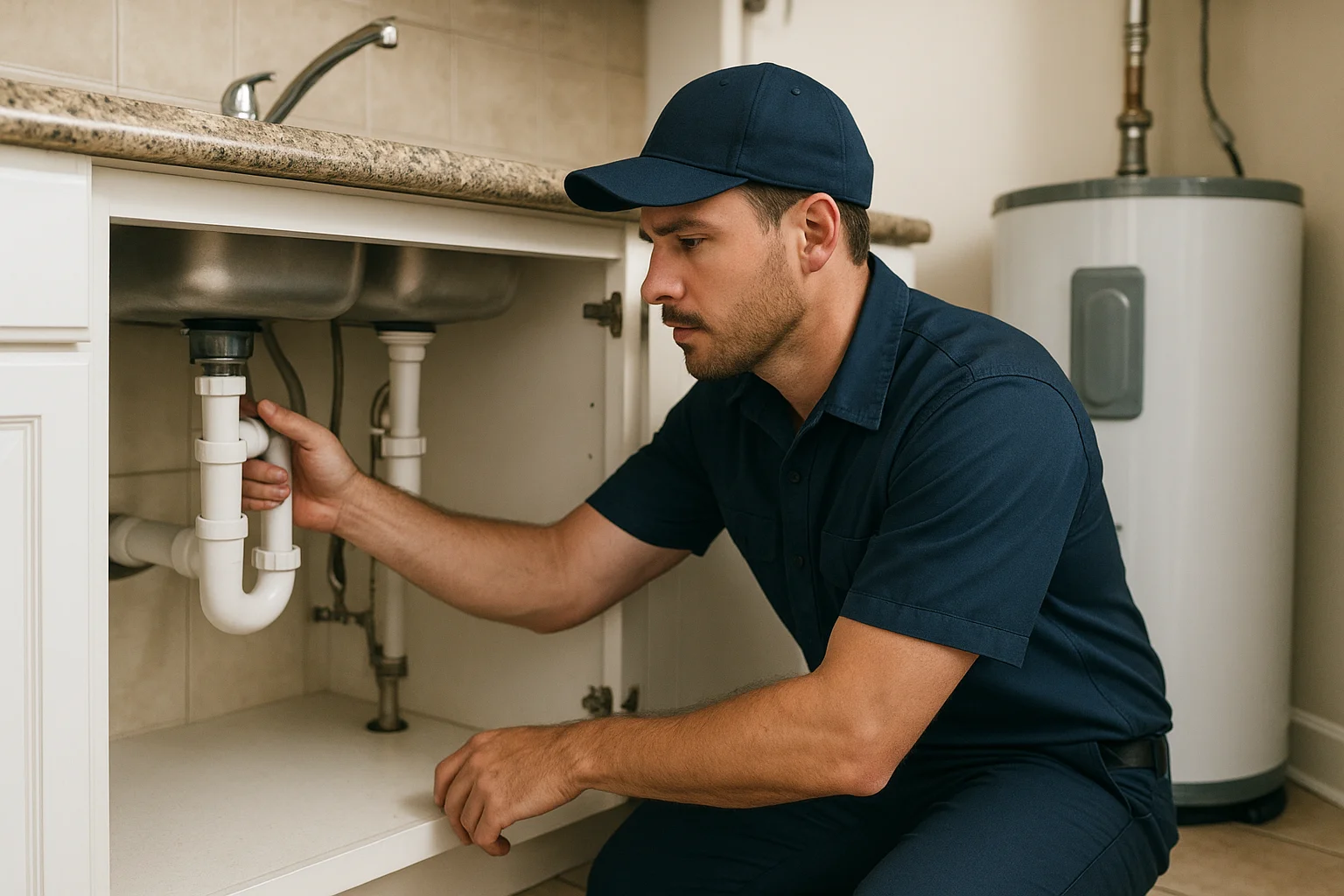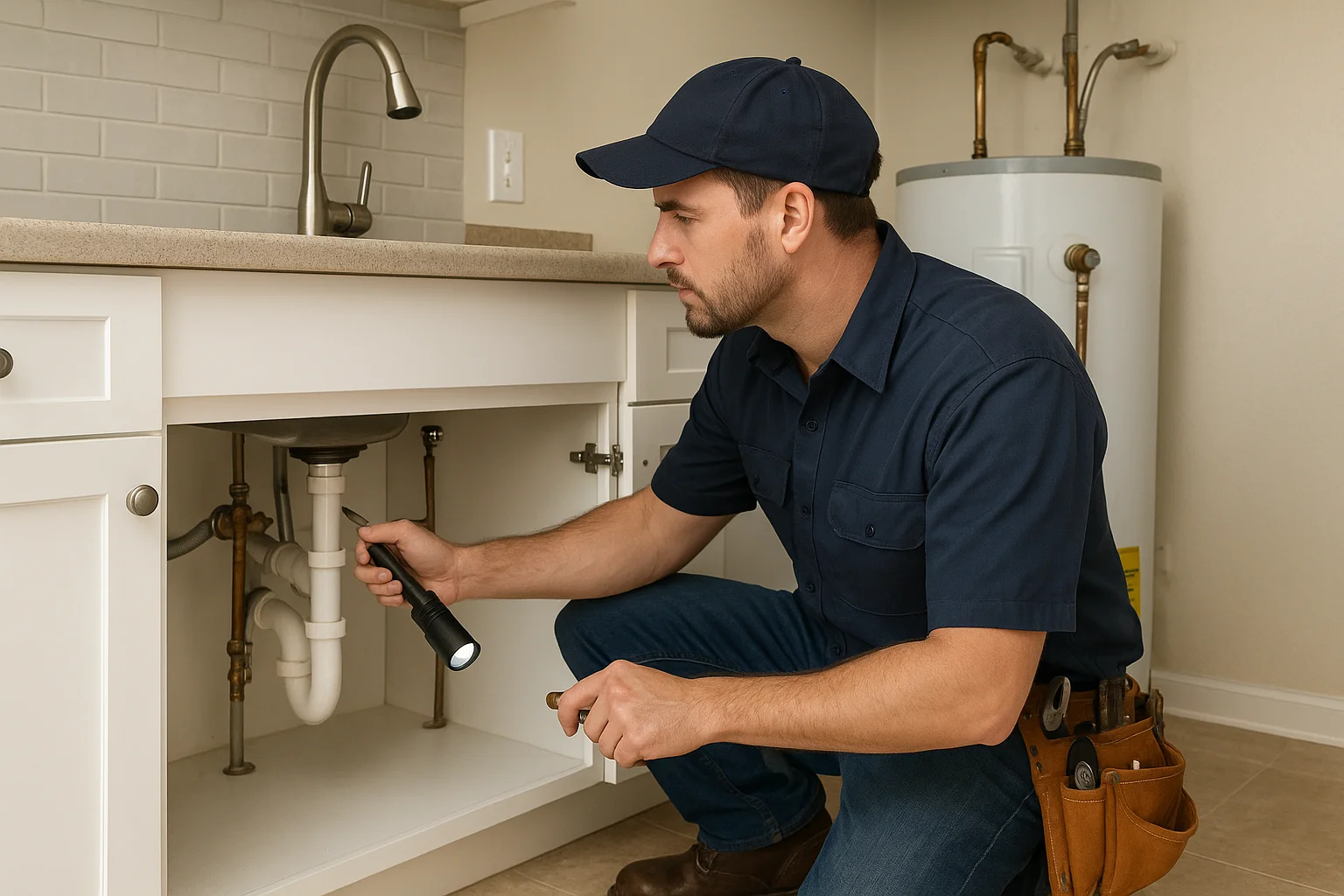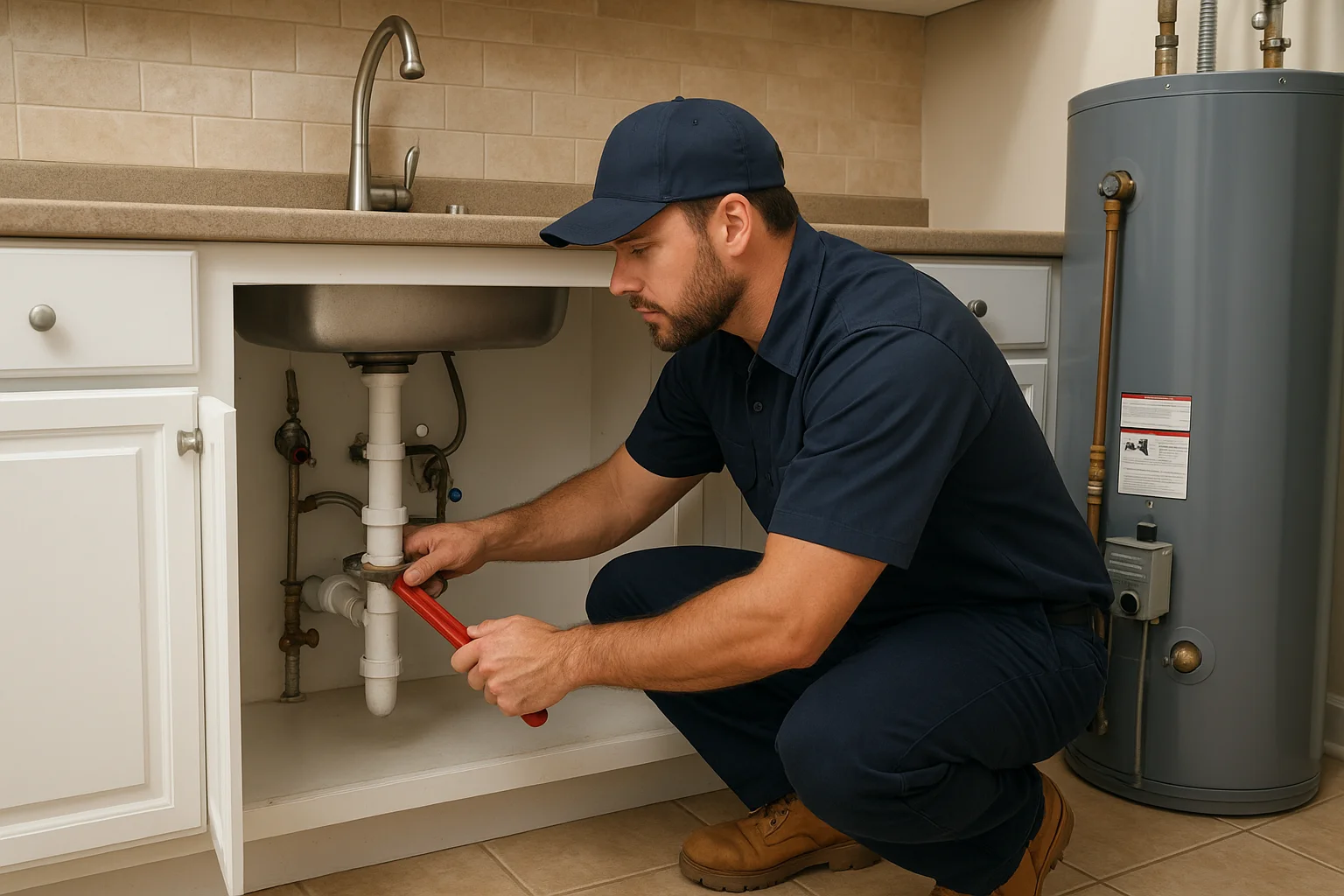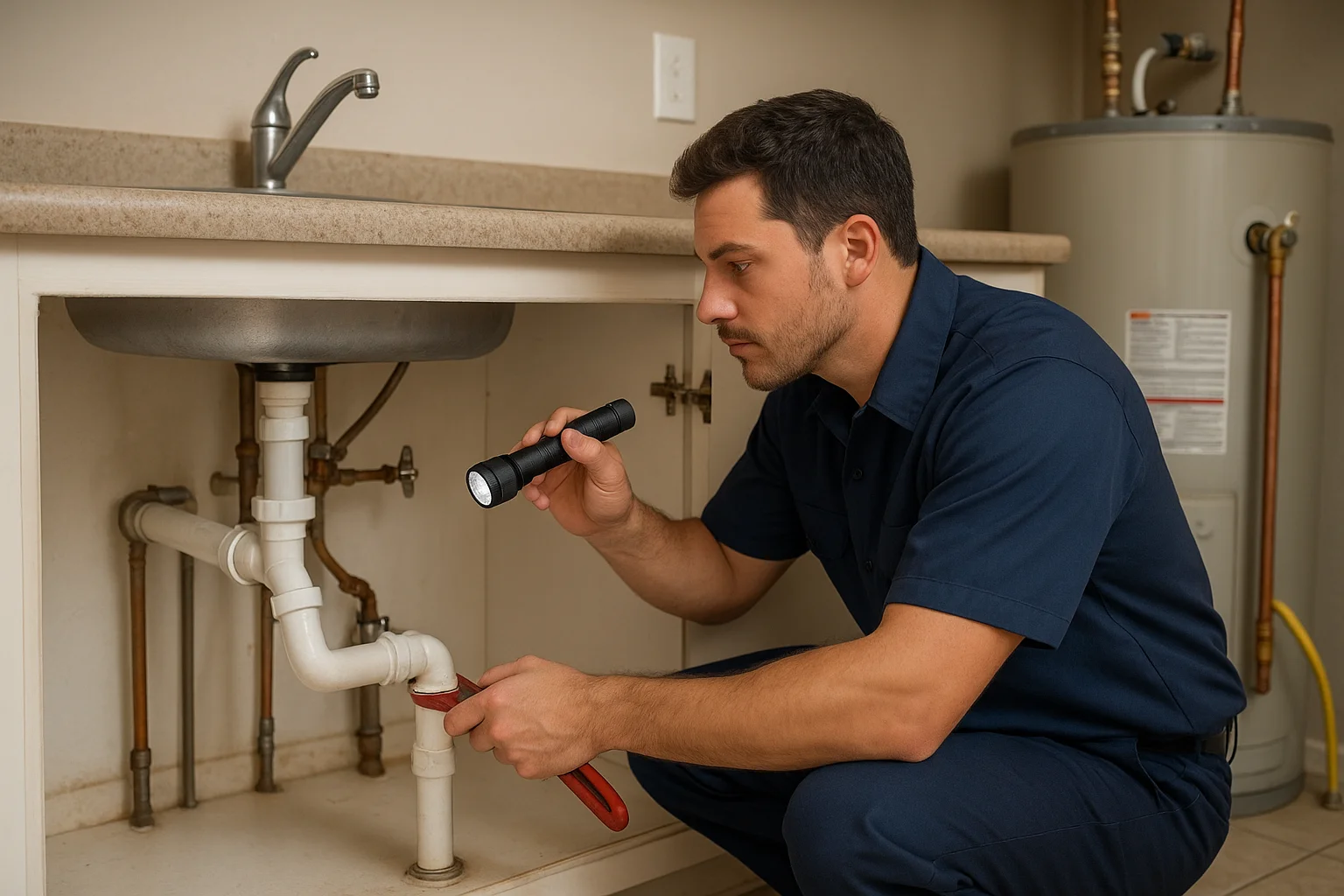
Hot showers and reliable dishwashing are easy to take for granted until your water heater is installed the wrong way. In 30A, FL, where many homes are older, some are newer builds, and vacation rentals see heavy water use, installation details matter. A well-installed water heater helps maintain comfortable water temperatures, steady water pressure, and safer plumbing connections. It also reduces the chance of leaks that can lead to water damage, slab leak repair needs, and emergency plumbing calls.
If you are searching for a water heater installation in 30A, FL, this guide explains what makes the installation process so important for both older and newer homes, and the practical steps that help you avoid costly plumbing repairs.
Why water heater installation affects home comfort in 30A
Comfort is not only about having hot water. It is also about how quickly it arrives, how long it lasts during peak use, and whether the system keeps temperatures stable when multiple fixtures run at once.
30A homes often have busy routines and high demand patterns. A single morning can include showers, laundry, and dishwashing. In vacation rentals, demand may spike throughout the day. When a water heater is installed with the wrong sizing, wrong piping layout, or improper venting and safety components, homeowners can feel the impact quickly through:
- Inconsistent water temperature, such as “scalding then cold” cycles
- Weak hot water flow at showers or washing machines
- Long wait times for hot water at sinks and fixtures
- Pressure fluctuations that stress pipes and fixtures
Proper installation helps the water heater meet local demand without overworking the system, which is especially important when hard water is part of the picture.
Older homes vs. newer builds: the installation differences that matter
Older 30A homes: aging pipes, older valves, and hidden corrosion
Many older Walton County homes have plumbing systems that have been patched over time. You may see mixed pipe materials, older shutoff valves, or connections that were never upgraded when fixtures changed. Over years, mineral buildup from hard water and corrosion can narrow pipe passages and make existing lines more vulnerable.
During water heater installation, a licensed plumber near me will typically check:
- Condition of existing supply lines and shutoff valves
- Whether the drain pan and discharge piping are correct
- Signs of prior leaks around unions, fittings, or nearby fixtures
- Whether the existing system can handle the new heater’s flow and temperature needs
If installation proceeds without addressing these issues, the new water heater can reveal weak spots. That is when homeowners end up calling for water leak repair near me or water pipe repair near me after the replacement.
Newer 30A homes: modern expectations and careful sizing
Newer builds often use updated plumbing materials and may be designed for more efficient hot water delivery. Even so, “new” does not automatically mean “correct.” The key is matching the water heater type and capacity to the home’s water use patterns, pipe routing, and fixture layout.
For example, a tankless system needs proper flow rate and gas or energy requirements, along with a suitable installation setup that prevents temperature swings. A tank system needs correct sizing and safe venting so it operates reliably during repeated use.
When sizing is off, you can see problems like:
- Short hot water cycles for larger households or rental properties
- Cold water “backing” into hot lines during heavy use
- Premature wear that leads to plumbing repair needs sooner than expected
Water pressure and temperature: where installation quality shows up
Water pressure is a major comfort factor. Too much pressure can strain pipes and fixtures, while too little pressure can make showers feel weak and can reduce hot water performance.
During professional water heater installation, the plumber should consider the home’s pressure conditions and make sure the system includes the right safety and control components. This is also where issues like pressure-related valve failures can lead to leaks at fittings or connections.
In homes across 30A, homeowners may also notice plumbing symptoms that look unrelated at first, such as:
- Frequent toilet refill cycles
- Shower valve performance problems
- Sink repair near me searches after hot water lines get disturbed
Many of these problems trace back to how the plumbing system was set up and whether the water heater installation disturbed existing lines or pressure controls.
Hard water, scale, and why maintenance starts at installation
Hard water is common in many areas of Florida, and it can affect water heaters quickly. Minerals can build up inside tank heaters and can reduce efficiency in tankless systems as well. Over time, scale reduces heat transfer, which means the heater works harder to maintain temperature.
Installation quality influences maintenance outcomes. A properly installed system should include correct components, safe drainage, and sensible access for future service. Homeowners who plan for maintenance early can reduce the chance of:
- Premature heating element or burner issues
- Clogged internal passages
- Reduced hot water output that triggers replacement sooner than expected
If you are also dealing with plumbing fixture performance issues, it helps to coordinate fixture work with water heater service. You can read more about fixture upgrades and compatibility in What 30A Homeowners Should Know Before Replacing Plumbing Fixtures.
Leaks often start small: connections, drains, and discharge lines
One of the most expensive outcomes of poor installation is water damage. A small leak at a connection can become a bigger problem when it runs behind walls, under flooring, or near slab areas. In Florida, moisture can also accelerate corrosion and lead to mold concerns.
Common leak points during or after installation include:
- Improperly tightened fittings or unions
- Incorrect drain pan placement or missing discharge piping
- Wrong installation of the temperature and pressure relief valve
- Supply line routing that creates stress on pipes and valves
Homeowners often notice symptoms before a leak becomes obvious. Look for:
- Dampness around the heater base
- Rust-colored residue at pipe joints
- Water pooling near the utility closet or garage
- Sudden changes in water pressure or hot water performance
When a leak is suspected, it is smart to avoid waiting. Searching “emergency plumber near me” often happens after water has already spread. If you see active leaking, shut off the heater per the manufacturer instructions and contact a local plumbing team for fast assessment.
Drain performance and why it connects to water heater success
Even though water heaters are not usually thought of as drain systems, installation and drainage are linked. For example, discharge lines from safety components must be routed correctly so water can flow away safely. If drainage is blocked or improperly routed, water can back up and cause damage.
Also, when water heaters are replaced, plumbers may need to open access panels or adjust nearby plumbing. That is a good time to check nearby drains and fixtures so you do not end up with a new problem right after installation.
If you are dealing with slow drains or recurring clogs, professional help can prevent the “small issue becomes a bigger one” pattern. For homes where clogged drains are common, homeowners sometimes also need hydro jetting or drain-focused troubleshooting. And if you suspect a deeper blockage, scheduling sewer camera inspection can help locate the cause before repairs turn into guesswork.
Sewer line concerns and why hot water issues can be a clue
Sewer problems do not usually originate from the water heater, but plumbing systems work together. A home that experiences frequent backups, gurgling sounds, or slow toilet drainage may also be dealing with underlying sewer line restrictions. In those situations, it is easy for homeowners to blame the water heater because hot water usage can coincide with other household activities.
For example, heavy water use during laundry or showers can push wastewater through a restricted sewer line. That can make symptoms more noticeable and can lead to emergency plumbing concerns. If you are searching for sewer inspection near me, it is often because homeowners are trying to confirm whether the problem is isolated to one fixture or related to the sewer line itself.
If you want to understand the larger picture of plumbing installation and water damage prevention, review Plumbing Installation That Helps 30A Homes Stay Ahead of Water Damage.
Slab leak risk: what to watch for after replacement
In some 30A homes, especially those with slab foundations, hidden leaks can be difficult to detect. A water heater installation itself does not cause slab leaks, but the replacement process can reveal existing problems or change water flow patterns enough to make a leak more noticeable.
Watch for signs such as:
- Unexplained increases in water bills
- Damp spots in floors or near baseboards
- Warm areas on a slab that should not be warm
- Recurring “mystery” moisture near plumbing runs
If you suspect slab leak repair near me, it is best to contact a professional plumber who can evaluate the plumbing system and determine the source. Quick action helps prevent additional damage that can become expensive to repair.
Costly plumbing repairs you can avoid with a professional install
Homeowners usually choose water heater replacement because of comfort issues or system age. The goal is to keep the replacement from turning into a chain reaction of plumbing repair needs. A high-quality installation helps reduce the odds of:
- Water leak repair near me calls due to loose fittings, incorrect discharge routing, or failed valves
- Water pipe repair near me issues caused by improper piping alignment or stressed lines
- Toilet replacement near me or sink repair near me situations caused by disturbed plumbing connections
- Emergency plumber near me scenarios when a safety device discharge line is wrong or when a leak spreads quickly
It also supports better long-term performance. When the system is installed with correct controls and safe connections, it is less likely to cycle excessively or fail prematurely.
How to spot installation problems early
Sometimes, installation problems show up within days or weeks. If you recently had a water heater installed, pay attention to these early warning signs:
- Water pooling near the base or around the utility area
- New noise such as rumbling, banging, or unusual clicking
- Hot water that runs out too quickly compared to what you expected
- Temperature swings when other fixtures are used
- Visible corrosion around fittings or valves
If you notice any of the above, do not ignore it. A licensed plumber near me can inspect the connections, verify safety components, and correct any issues before they escalate.
Preventive maintenance that starts right after installation
Preventive maintenance is how you protect comfort and avoid expensive repairs. Homeowners in 30A can take practical steps, but the best results come when maintenance is done with the right guidance.
Tank water heater basics
Tank heaters typically benefit from routine flushing to remove sediment and reduce scale buildup. If you have hard water, sediment can collect more quickly. Flushing also helps reduce the chance of overheating or inefficient operation.
Tankless water heater basics
Tankless systems often require periodic maintenance to manage mineral scale. If you have hard water, scale can reduce performance and increase wear. A professional water heater service visit can confirm whether the system needs descaling and can check flow and temperature stability.
Check the surrounding plumbing
Installation is not only about the heater. It is also about the connections to pipes and nearby fixtures. If you have a history of clogged drains, consider addressing those issues proactively. When a clogged drain repair near me search turns into an urgent problem, it can add stress to an already busy household.
For homeowners who want a broader view of keeping plumbing reliable, the city page for local service is also a helpful starting point: /service-areas/walton-county/30a.
Choosing the right plumber for water heater installation in 30A
When you are looking for local plumbing maintenance, choose a team that treats installation as a careful, system-wide job. That means verifying the right heater for your home, checking existing plumbing conditions, and installing with correct safety components and proper drainage.
A Superior Mechanical provides professional water heater installation designed for homes, vacation rentals, and commercial properties across Walton County. If you are comparing options, ask questions that focus on installation quality, not just the price. For example:
- How will you confirm the right size and type for my home’s water use?
- Will you inspect existing pipes, valves, and nearby fixtures before connecting the new heater?
- How do you handle discharge lines and safety valve requirements?
- What maintenance steps do you recommend for hard water conditions?
You can also explore additional related plumbing services in the same area, such as plumbing fixture replacement if you are upgrading sinks, showers, or toilets alongside your water heater project.
For homeowners who have replaced a heater before and want fewer surprises, this guide offers a helpful perspective: A Springfield Homeowner’s Guide to Smarter Water Heater Installation and Fewer Plumbing Surprises.
When to call for water heater service right away
Some situations are not “wait and see.” If you notice any of the following, contact a local plumbing team promptly, especially if you are dealing with emergency plumbing concerns:
- Active leaking from the heater, valves, or nearby pipe joints
- A shutoff or safety device that seems to be failing
- No hot water combined with unusual noises or error behavior
- Water pooling near the heater area or signs of moisture spreading
- Signs of a larger issue such as repeated backups that require sewer inspection near me
In coastal Florida, moisture issues can escalate quickly, and early intervention can protect floors, walls, and the plumbing system itself.
For residents in 30A who want dependable hot water and fewer plumbing surprises, professional installation and coordinated maintenance are the best path. Start with water heater installation in 30A, FL and build a plan that keeps pipes, fixtures, drains, and safety components working together.