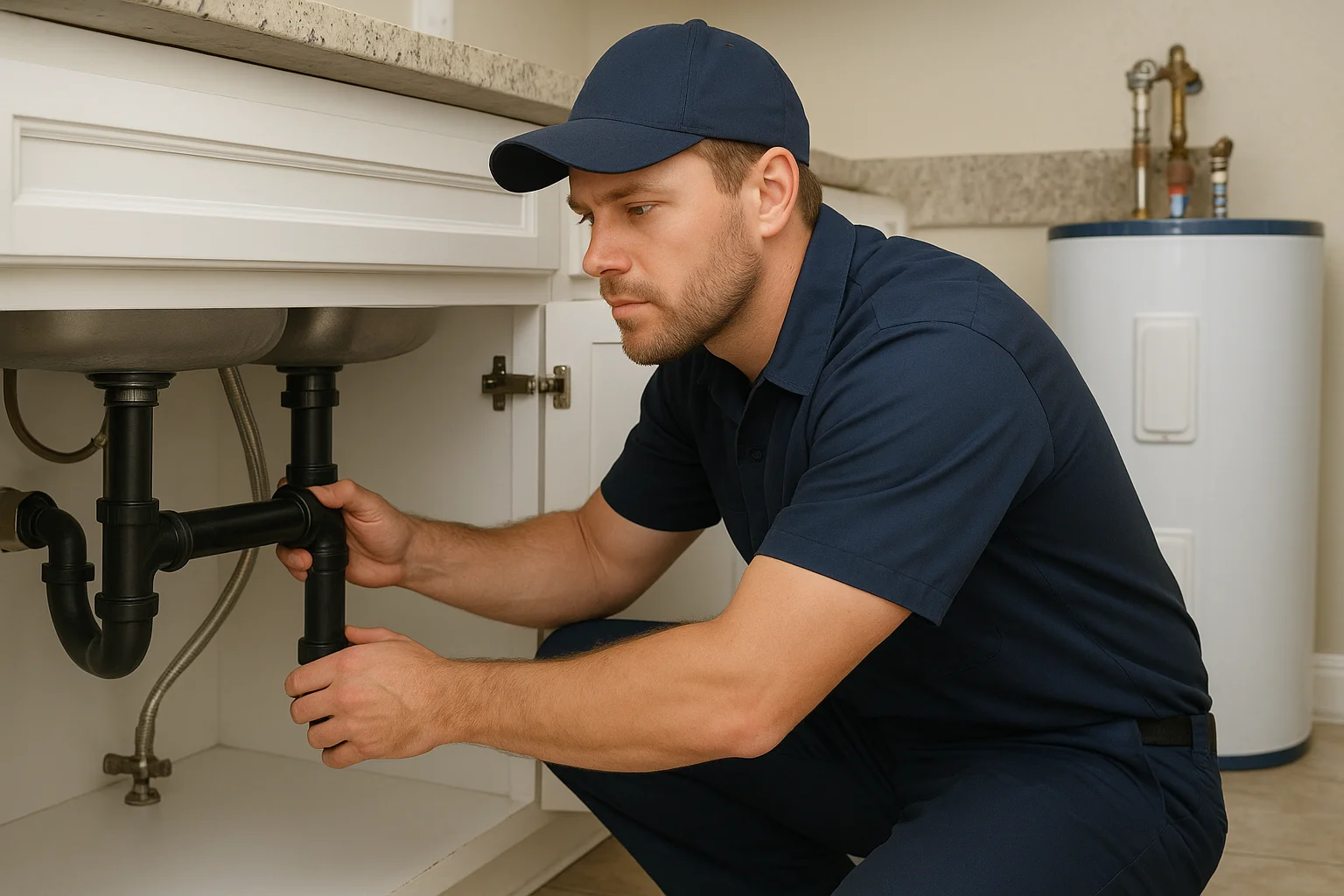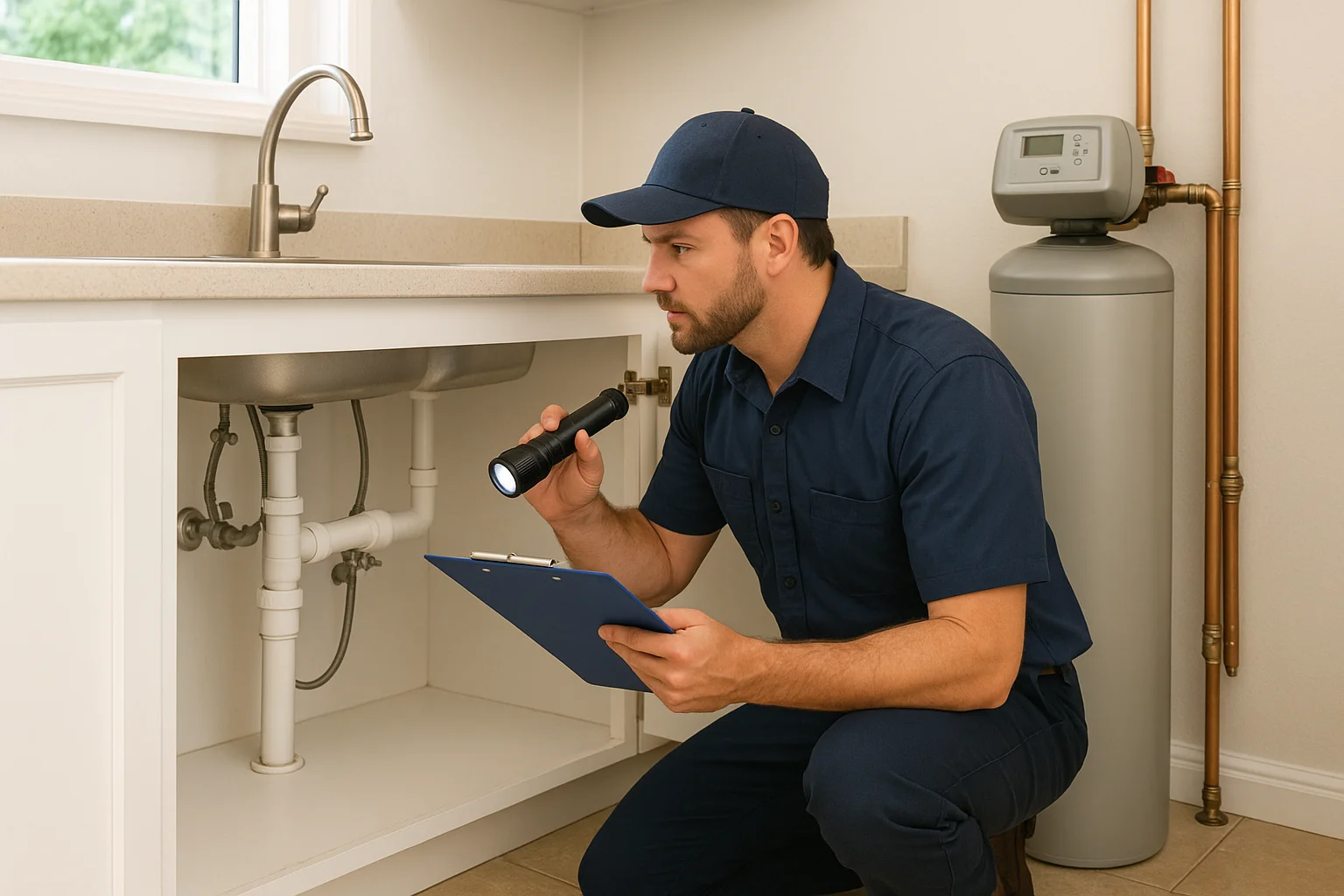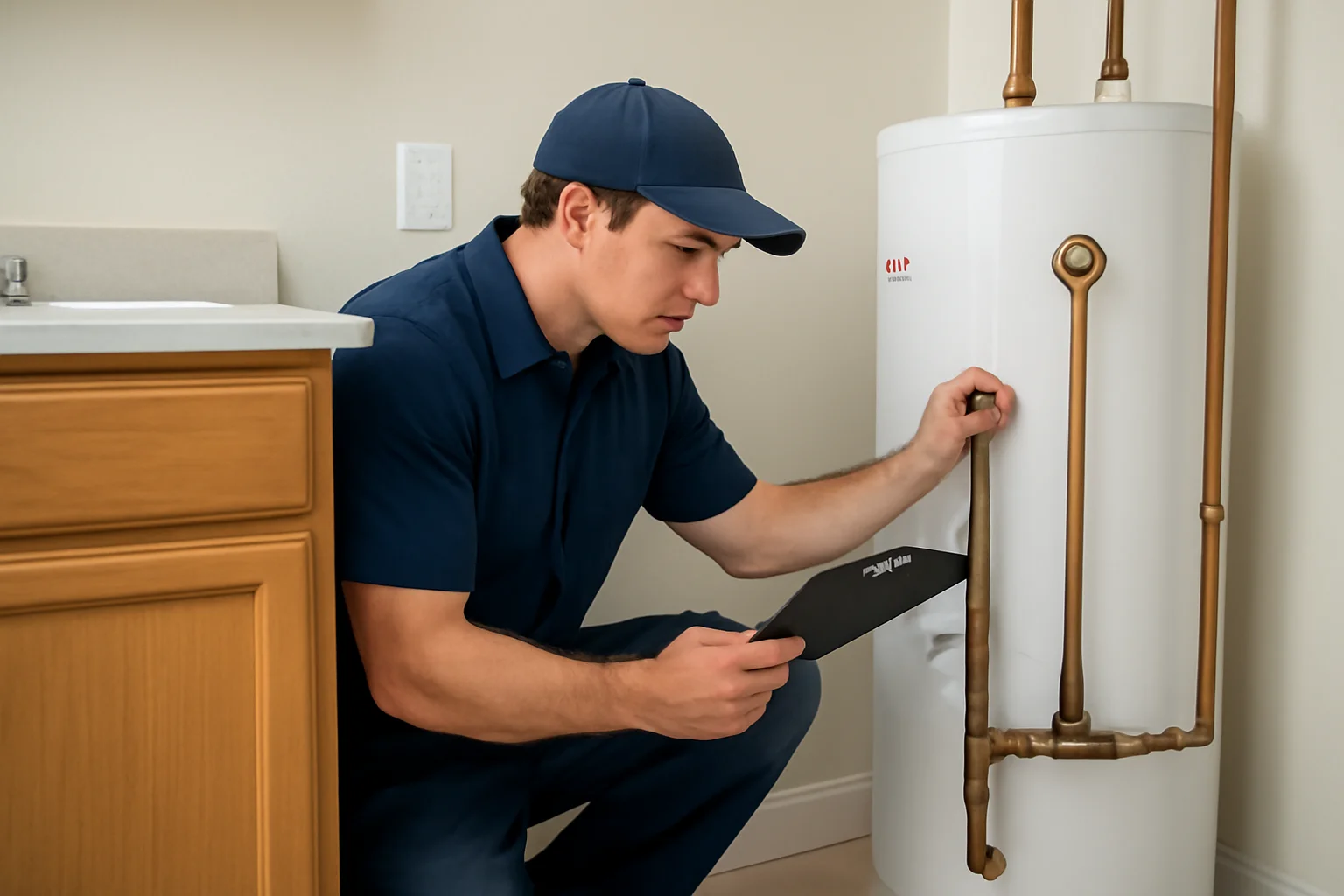
Homes along 30A rely on steady hot water for showers after the beach, clean dishes for family meals, and comfortable laundry days. When your water heater starts acting up, replacement is often the smartest long term move. The challenge is planning it so the rest of your plumbing stays protected, from pipes and fixtures to drains, sewer lines, and even the slab areas where leaks can quietly worsen.
This guide explains what homeowners should know about water heater replacement in 30A, FL, why local conditions matter, and how to reduce the risk of ending up with a bigger plumbing bill due to leaks, water pressure issues, or hidden damage.
Why 30A water heater replacement often becomes a whole plumbing conversation
In many 30A neighborhoods, homes are close to the coast, water quality can be affected by local mineral content, and household water use can swing between busy seasons and quieter months. Those factors can stress hot water systems and the plumbing connected to them.
Most replacement projects are not just “swap the unit.” A proper installation considers:
- Water pressure and whether a pressure regulator needs attention before the new heater goes in.
- Pipe condition where hot and cold lines connect, including valves, fittings, and any signs of corrosion.
- Drain and venting for safe operation and to prevent backups or recurring problems.
- Water heater location such as closets, garages, or utility rooms where leaks can spread to nearby walls and flooring.
- Hard water effects that can shorten heater life and contribute to scale buildup.
For homeowners searching “plumber near me” because hot water is inconsistent, it helps to know that a water heater service call can quickly overlap with leak repair, pipe repair, and sometimes sewer and drain services if a drain issue or vent problem is involved. You can find more plumbing support at Plumbing Services in 30A.
Common signs your water heater needs replacement in 30A homes
Some water heater issues are repairable, but replacement is often the best option when the system is nearing the end of its service life or the problem keeps returning.
Hot water problems that do not improve
- Not enough hot water for showers, dishwashing, or laundry, even after adjusting settings.
- Water runs hot then turns cold during normal use.
- Long recovery time where the heater cannot keep up with household demand.
Age and performance clues
- Frequent cycling or unusual noises like rumbling or popping.
- Visible corrosion around the tank, fittings, or base.
- Water pooling near the unit or damp spots on the floor.
Leaks, safety concerns, and water damage risk
Any leak near a water heater is a big deal, especially in coastal climates where humidity can make damage spread faster. If you notice damp drywall, rust streaks, or water around the connections, treat it as a plumbing emergency. This is the moment homeowners often search for “emergency plumber” because the risk is not only losing hot water, it is also protecting nearby pipes, fixtures, and flooring.
If you are dealing with a leak that seems to be coming from below or around the foundation, do not ignore it. Slab areas can hide moisture problems, and a slab leak repair near me search can become relevant when water heater leaks are not the only source.
Local causes that shorten water heater life in Walton County
Water heaters in 30A face real-world conditions that differ from inland areas. While every home is unique, these are common contributors to premature failure.
Hard water and mineral buildup
Hard water can lead to scale accumulation inside tanks and on heating surfaces. Over time, scale reduces efficiency, increases wear, and can contribute to rumbling noises. It can also make valves and fixtures feel “sticky” or cause strange performance changes.
If you are also noticing issues like reduced flow from faucets or repeated hot water problems, it may connect to mineral deposits in the heater and plumbing lines. A service visit can include checking water pressure and inspecting valves and supply lines.
Water use patterns in vacation and full-time homes
Many 30A properties are vacation homes or short-term rentals. Water heaters can sit unused for stretches, then face sudden high demand when guests arrive. That swing can stress the system and increase the chance of sediment-related performance issues.
Property managers often need consistent hot water for guest comfort. If you manage a rental, you may want a maintenance plan through Property Management Plumbing Services so hot water performance is predictable.
Corrosion and aging connections
Even when the heater is the main problem, the plumbing around it may be the weak link. Old shutoff valves, deteriorated pipe sections, or corroded fittings can leak once the system is disturbed. That is why a quality installation includes careful inspection of supply lines, drain connections, and nearby fixtures.
Pressure problems that affect the whole system
If your home’s water pressure is too high, it can increase stress on heaters and plumbing fixtures. If pressure is too low, the heater may not perform as expected, and you may notice weak flow at taps. Checking pressure before replacement can prevent recurring issues.
Tank vs. tankless in 30A: choosing the right replacement
Many homeowners in 30A consider switching from a standard tank water heater to a tankless water heater for efficiency and on-demand hot water. The right choice depends on household needs, plumbing layout, and the availability of fuel type and venting requirements.
Tank water heaters
- Pros: predictable hot water storage, often simpler installation, and familiar controls.
- Considerations: sediment buildup over time, standby heat loss, and eventual tank replacement cycle.
Tankless water heaters
- Pros: space-saving, hot water on demand, and often improved efficiency.
- Considerations: sizing matters for showers and simultaneous uses, and mineral buildup can affect performance if maintenance is skipped.
If you already have a tankless unit that is failing, you might search “tankless water heater repair near me.” In some cases, repair works. In other cases, replacement is the smarter move when performance drops, the unit is old, or repeated failures are occurring.
What a professional water heater replacement should include
A smooth installation is not just about setting the new heater in place. It should protect your pipes, drains, and fixtures, and it should reduce the risk of a quick return call.
1) Assess the plumbing and water conditions
A technician should inspect the existing supply lines, shutoff valves, and any visible signs of corrosion or leaks. For homes with hard water, discussing scale management is part of planning for long term performance.
2) Confirm sizing for your household and usage
Replacement should match your actual hot water demand. A large family, frequent guests, or multiple bathrooms used at once all change what “enough hot water” means. The goal is consistent performance without constant strain.
3) Verify venting and safe drainage
Proper venting and safe drainage are essential. A misrouted drain line or poor venting can create recurring problems that feel unrelated at first. If you also have drain issues, it is worth addressing them as part of the plumbing picture. Some homeowners notice slow drains after water heater problems because plumbing systems can share pathways, traps, or venting considerations.
4) Replace worn components that commonly fail
Shutoff valves, connectors, and related parts may need replacement to prevent future leaks. This is especially important in coastal areas where humidity and salt air can accelerate corrosion.
5) Test, tune, and confirm stable hot water
After installation, the system should be tested under normal use conditions. Homeowners should also confirm hot water temperatures and check for any signs of leaks around fittings and nearby pipe runs.
If you have ongoing bathroom or kitchen plumbing concerns, it can be useful to coordinate. For instance, if you are searching “faucet repair near me” or “kitchen sink drain repair near me,” fixing those issues at the same time can prevent repeated disruptions.
How to protect your home from water heater replacement surprises
Even well planned projects can uncover hidden issues, especially in older 30A homes. Here are steps homeowners can take to reduce the chance of unexpected damage.
Watch for leaks before the replacement day
If you see moisture around the heater, do not wait. Addressing a leak early can prevent water from traveling into walls, under flooring, or into slab areas. Moisture can also affect nearby drains and fixtures because wet conditions change how materials behave.
Document symptoms and usage
Tell your plumber when problems happen. For example: Is hot water inconsistent during morning showers? Does it get worse after laundry? Do you notice issues after the unit has been idle? This information helps determine whether replacement is needed and what size or type of heater fits your home.
Ask about water pressure and expansion control
Water pressure problems can make plumbing feel unstable. A technician should check pressure and confirm the system has appropriate expansion controls where required. This is part of preventing recurring leaks in the future.
Keep an eye on drains and sewer line performance
Most water heater replacements do not require sewer work, but plumbing systems are connected. If you are dealing with slow drains, recurring backups, or gurgling sounds, the underlying issue may be affecting multiple fixtures. When homeowners search “bathroom drain cleaning near me” or “emergency drain cleaning near me,” it is often because a drain problem is already affecting daily life.
For homes with older sewer lines, consider inspections if you have repeated clogs or signs of buildup. If you are looking for help with sewer issues, explore Sewer and Drain Services and ask about sewer inspection near me options for your specific situation. In some cases, replacing a water heater while ignoring a sewer or drain problem can lead to ongoing frustration because the root cause was never addressed.
Emergency plumbing concerns during replacement
Sometimes the need for hot water replacement turns into an urgent plumbing repair because of active leaks, failing valves, or water damage. These are common emergency concerns homeowners should recognize in 30A homes.
- Active leaks from the tank or supply connections.
- Water pooling in the utility area, garage, or near baseboards.
- Sudden loss of hot water paired with unusual sounds or error behavior on tankless units.
- Frequent temperature swings that suggest system instability.
- Water pressure changes that can stress fixtures and pipes.
If you are already searching “same day water heater replacement near me” because you need hot water back quickly, prioritize safety first. Shut off power or fuel to the heater if instructed by the manufacturer, and keep the water supply closed if there is a leak. Then call a local plumbing team that can respond quickly across Walton County.
For more general help, you can browse 30A plumbing services and related coverage areas.
Maintenance that keeps your new heater running longer
A replacement is an investment, and a little maintenance can extend the life of the heater and reduce the chance of repeat problems. Maintenance needs vary by model and water conditions, but these steps are commonly recommended.
Flush sediment and manage hard water scale
Sediment buildup is a major driver of inefficiency and noise in tank systems. Tankless units can also collect scale. Ask your plumber what flushing schedule makes sense for your household water use and water hardness in your area of 30A.
Inspect for early leak signs
Check around the base, fittings, and nearby pipe connections every few months. Look for damp spots, rust streaks, or mineral deposits that can signal slow leaks. Catching a small leak early is often far cheaper than addressing water damage later.
Keep drains and vent paths clear
If your home has recurring drain issues, address them promptly. Clogged drains and venting problems can create pressure changes that affect how water systems behave. When homeowners schedule drain cleaning and repair as part of ongoing plumbing maintenance, it often reduces emergency surprises.
Coordinate with other plumbing work
If you are upgrading fixtures or planning bathroom renovations, it is a good time to review plumbing connections and hot water performance. You can also read What 30A Homeowners Should Know Before Replacing Plumbing Fixtures to understand how fixture upgrades can affect pressure, flow, and leak risk.
If you have a reverse osmosis system, hard water reduction can affect scale formation. This guide may help: Smart Plumbing Habits for Reverse Osmosis Systems in 30A Homes.
For homes that want a more proactive approach to water damage prevention, consider this resource: Plumbing Installation That Helps 30A Homes Stay Ahead of Water Damage.
Budgeting for replacement: what affects cost beyond the heater itself
Homeowners often compare heater prices online, but the final cost in 30A depends on the plumbing setup in your home. Factors that can change the scope include:
- Access to the heater location in closets, garages, or crawl spaces.
- Condition of existing supply and drain piping.
- Need for valve replacement, pipe repair, or connector updates.
- Whether the new unit is tank to tankless or requires venting changes.
- Water pressure regulation or expansion control adjustments.
- Whether there are signs of leaks that require additional leak repair or slab leak repair near me investigation.
If you want to reduce the chance that replacement turns into a bigger plumbing bill, read Keeping a Water Heater Replacement from Turning Into a Bigger Plumbing Bill in Inlet Beach. It covers practical steps that apply throughout 30A, including how hidden plumbing issues can surface during installation.
How to choose a local plumber for water heater replacement in 30A
When you are searching “plumber near me” for hot water heater replacement, look for a team that treats the job as a plumbing system upgrade, not just a hardware swap. A good local plumber should:
- Explain what they see in your plumbing connections and why it matters.
- Help you select the right unit type and size for your home’s hot water needs.
- Check safety elements like venting and drainage.
- Test the system after installation and confirm stable performance.
- Offer maintenance guidance suited to local water conditions.
A Superior Mechanical provides professional water heater replacement in 30A, FL for homes, vacation rentals, and commercial properties across Walton County. Learn more about coverage and service options at Walton County plumbing services and the 30A water heater replacement page.
Find Water Heater Replacement in 30A, FL
If you need Water Heater Replacement in 30A, FL, visit our local service page or contact A Superior Mechanical today.
Map of 30A, FL
Frequently Asked Questions
How long do water heaters typically last in 30A, FL?
Many tank water heaters last around 8 to 12 years, but hard water, heavy seasonal use, and aging connections can shorten that timeline. Tankless units also require scale management to maintain performance. A plumber can estimate remaining life after inspecting your unit and plumbing connections.
Can I replace my water heater without addressing plumbing issues like leaks or water pressure?
You can physically install a new heater, but ignoring leaks, corroded valves, or unstable water pressure often leads to repeat problems. A quality installation checks supply lines, shutoffs, drainage, and pressure so the new system performs safely.
What are the most common causes of hot water problems after replacement?
Common causes include incorrect sizing for household demand, water pressure issues, incomplete venting or drainage setup, sediment or scale affecting performance, and worn fittings that allow slow leaks. Testing after installation helps catch these early.
Is tankless water heater replacement always better for 30A homes?
Not always. Tankless units can be excellent for consistent on-demand hot water, but sizing and maintenance requirements matter, especially with hard water. Your home’s plumbing layout and simultaneous-use needs should guide the decision.
When should I call an emergency plumber for a water heater problem?
Call right away if you see active leaking, water pooling near the unit, sudden loss of hot water with unusual noises, or signs of damage spreading to nearby areas. If you suspect a hidden issue such as a slab leak, get an inspection promptly so water damage does not escalate.
Related Articles
Photo Gallery