Breakfast can reveal a lot about your water. A glass comes out of the dishwasher with white spots, the ice looks cloudy, and the coffee tastes slightly metallic. Later, you notice crust around the showerhead or soap that takes extra effort to rinse away. These annoyances may have different causes, so one filter will not necessarily solve them all.
A Superior Mechanical provides Clean Water Services in Lake Lorraine, FL, including AO Smith filtration, reverse osmosis, and water softening. The goal is to identify what is happening at your taps, then match treatment to your household rather than guess from appearance alone.
Lake Lorraine Water Deserves a Household-Level Look
Lake Lorraine's warm, humid coastal climate makes drinking water a daily priority, whether you are filling bottles for school or making dinner after an afternoon outside. Frequent showers and laundry also make water quality noticeable throughout the house. Climate does not establish water hardness, however, and living near saltwater does not automatically mean your tap water has a salt problem.
Water conditions can differ with the supply, distribution system, household plumbing, and existing treatment equipment. An older home may have pipe-related sediment or corrosion concerns that a recently updated home does not. Even neighboring households can experience different symptoms because their fixtures, water heaters, and maintenance histories differ.
Start with your utility's current water quality report if you use public water, then consider testing at the home for the issues you actually notice. Local service matters because equipment must fit the home's layout, water pressure, installation location, and service access. A Superior Mechanical serves Lake Lorraine homeowners as part of its Okaloosa County service area.
Reading the Clues Around Your Sinks and Showers
Spots and scale point toward a hardness check
Hard water contains dissolved calcium and magnesium. As droplets dry, minerals can remain behind, leaving hard water spots on glass, dishes, and fixtures. Repeated mineral deposits can also form scale around faucets, showerheads, and inside water-using plumbing and equipment. Restricted spray holes or a recurring chalky ring deserve attention, especially if cleaning provides only brief relief.
Not every cloudy glass has a water hardness problem. Excess detergent, dishwasher settings, and permanently etched glass can create similar appearances. Testing hardness helps separate a treatment issue from a cleaning or appliance issue. Hard water treatment can reduce new mineral deposits, but it will not repair etched glass or instantly remove established scale.
Bathing and laundry can tell the same story
If soap does not lather easily, or leaves a film that seems difficult to rinse, hardness may be contributing. Some people also notice tight-feeling skin or dull hair after bathing. Dry skin from hard water is a common concern, but hot showers, cleansing products, and skin conditions can produce similar symptoms. Softening may improve the washing experience without being a medical treatment.
In the laundry room, hard water can interfere with detergent performance and contribute to residue or stiff-feeling fabrics. Softer water may allow detergent adjustments, following product and washer guidance. It is worth checking wash settings and detergent amounts before assuming every laundry problem requires new equipment.
Taste, odor, and color need separate investigation
A metallic, chlorinated, or unpleasant taste can make a perfectly planned meal less enjoyable. Chlorine taste in water may reflect the disinfectant used in public treatment, while metallic flavors can have several causes, including household plumbing. Water odor concerns also need context: does the smell occur at every tap, only with hot water, or only near one drain?
Visible sediment in water or discoloration can come from supply disturbances, pipe corrosion, or equipment problems. Cloudy water may simply contain tiny air bubbles, but persistent cloudiness should be checked. Taste and clarity cannot establish safety. Sudden changes, sewage-like odors, or official advisories require prompt guidance from the utility or appropriate health authority, not just a filter purchase.
Choose Treatment by the Problem It Can Actually Solve
Water softening addresses dissolved hardness
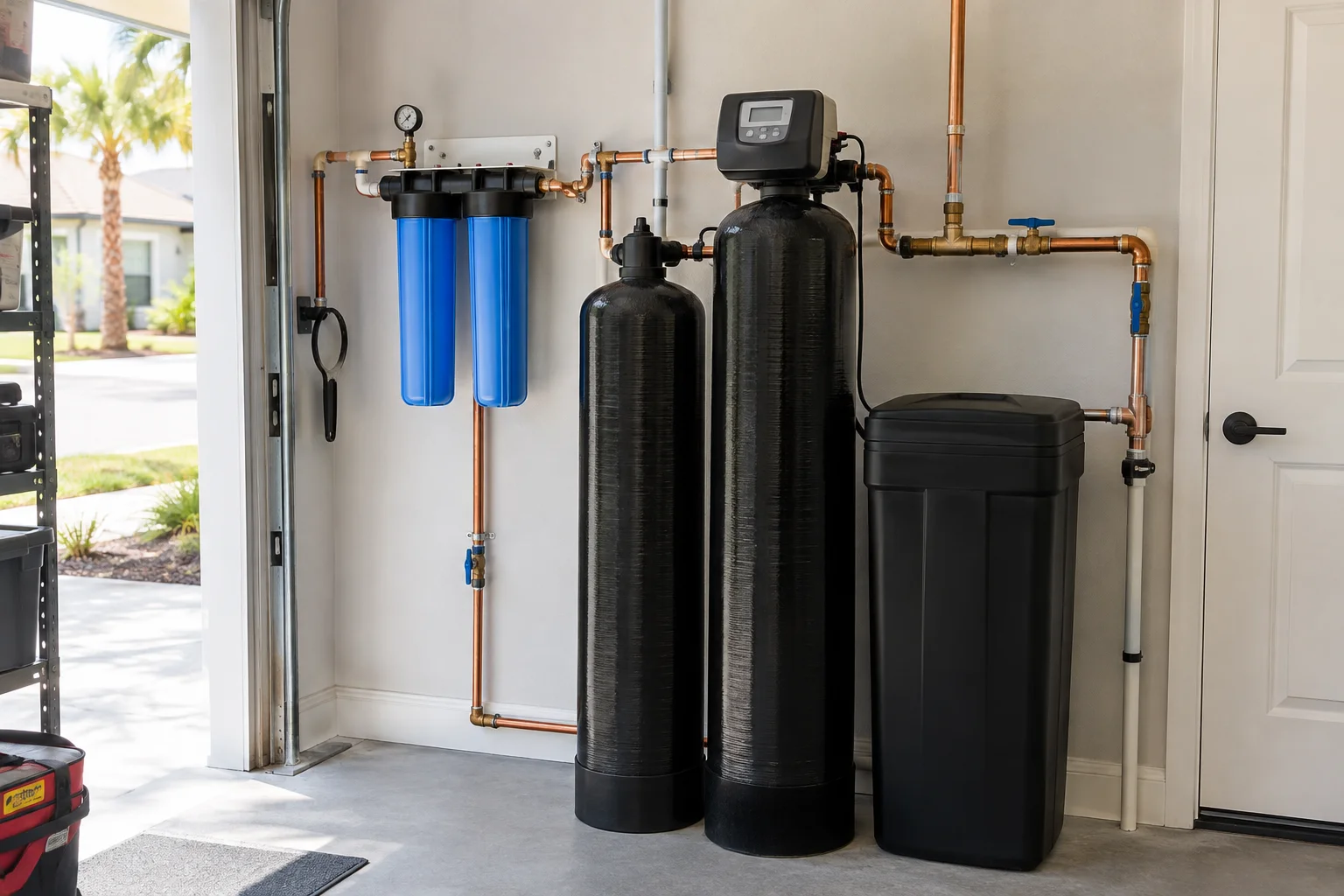
A conventional ion-exchange water softener removes calcium and magnesium by exchanging them for sodium or potassium ions. This makes water softening a targeted option for recurring scale, mineral spotting, and poor soap performance. System selection should consider measured hardness, household water use, peak demand, and the available installation space.
An AO Smith water softener may be worth discussing when hardness testing supports that approach. The specific model and settings matter more than the brand name alone. A softener is not a general-purpose purifier: it does not replace sediment filtration, broad contaminant treatment, or disinfection. Some treatment plans pair softening with a separate drinking water system.
Whole home water filtration treats incoming water
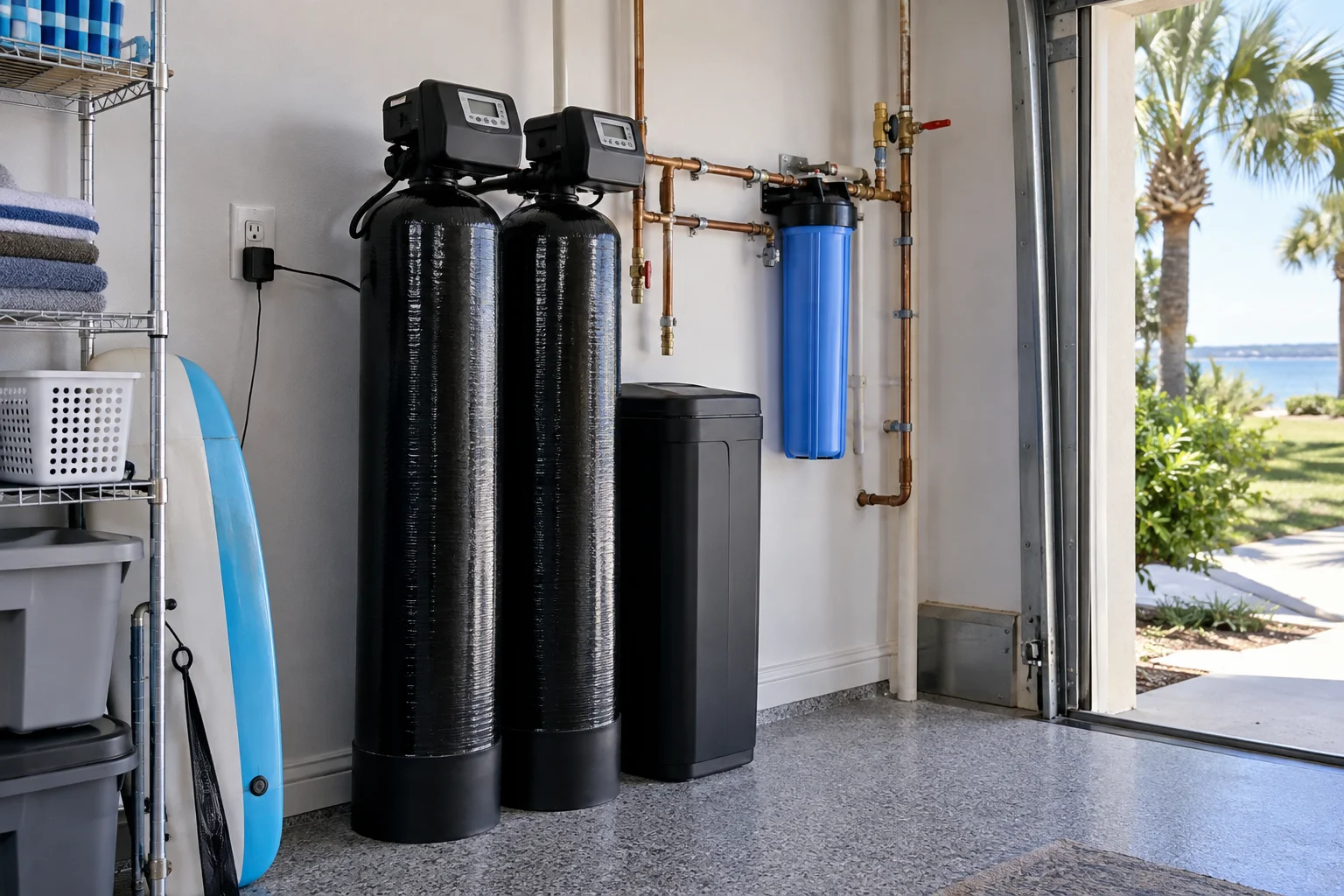
Whole home water filtration is installed near the water entry point so treated water reaches multiple fixtures. A sediment filter can capture particles within its rated size range. Activated carbon can reduce chlorine taste and odor, while treatment for chloramine requires appropriately rated media and sufficient contact time.
AO Smith water filtration options should be evaluated by the exact model's specifications, certified reduction claims, flow capacity, and maintenance needs. A filter that improves taste does not necessarily remove dissolved hardness. Likewise, a sediment cartridge cannot address every dissolved substance. Matching each stage to a documented concern avoids paying for equipment that misses the problem.
Reverse osmosis focuses on drinking and cooking water
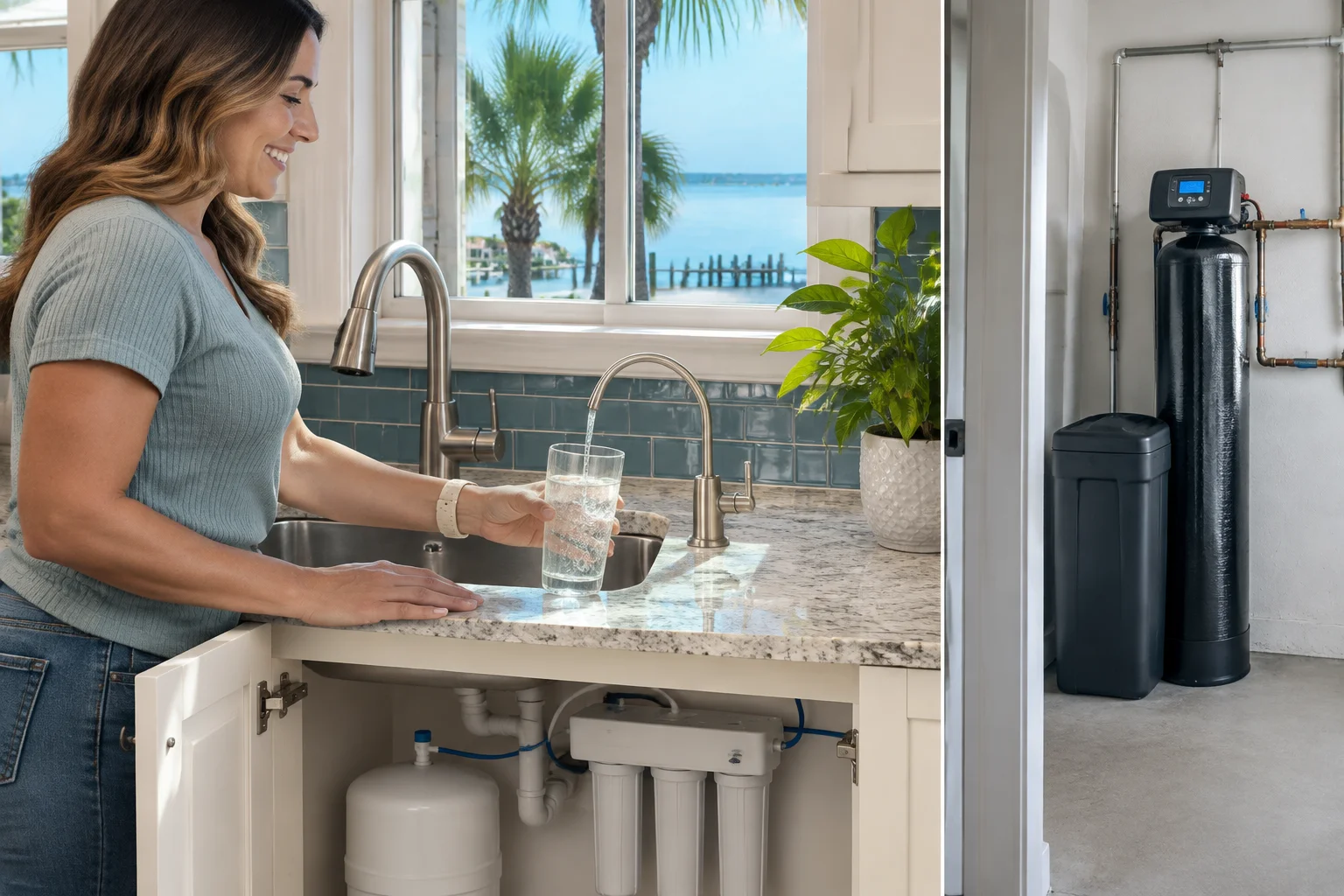
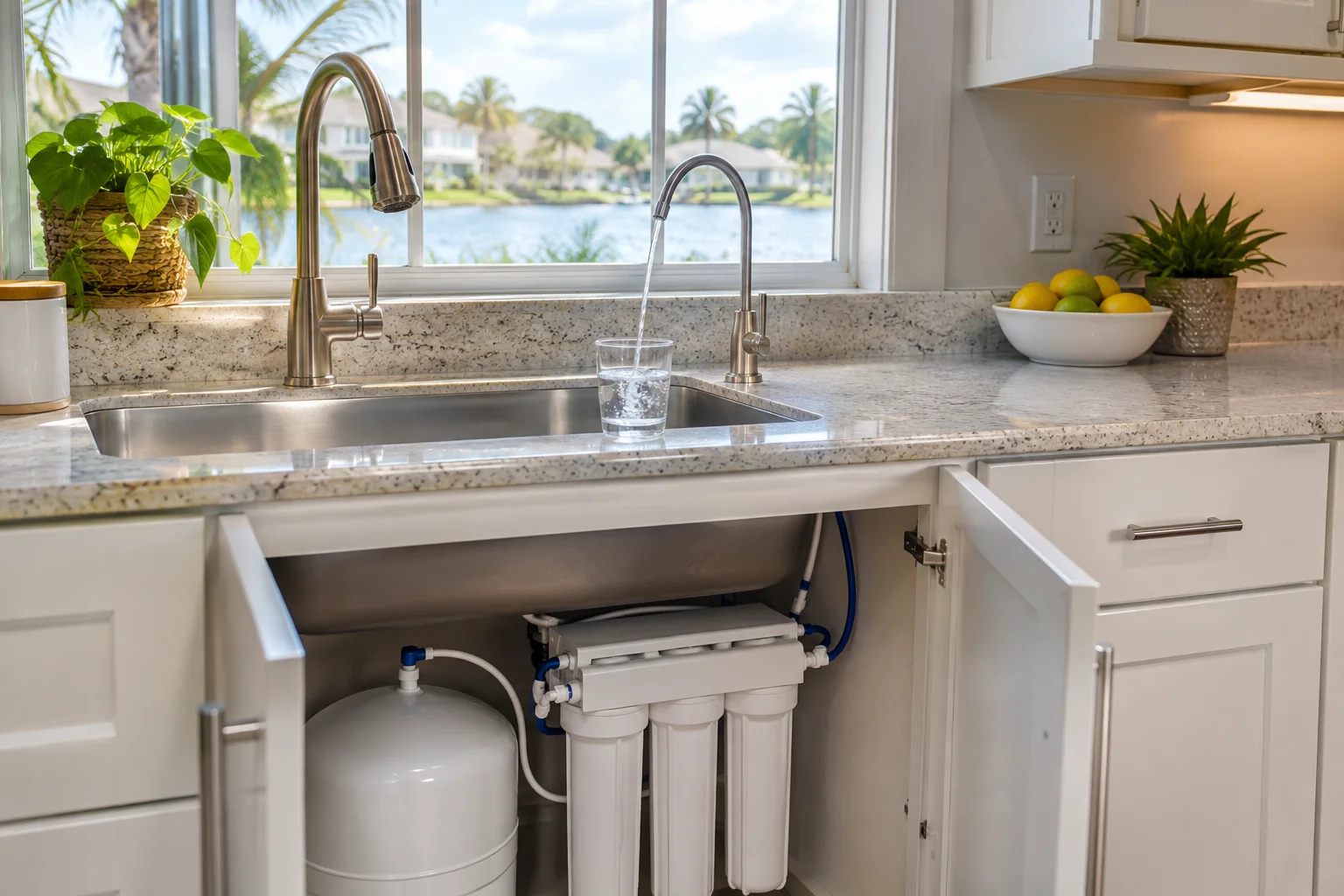
Reverse osmosis usually serves a dedicated kitchen faucet, using a membrane with supporting filtration stages. Depending on the model and its verified performance, it can reduce many dissolved substances that affect drinking water. Reverse osmosis installation makes sense when a household wants targeted treatment for beverages and cooking rather than membrane treatment at every tap.
Capacity, storage space, pressure, replacement filters, and a suitable drain connection all matter. Some systems can supply a refrigerator, but tubing distance and pressure requirements need review. For an overview of available approaches, explore A Superior Mechanical's water filtration, reverse osmosis, and water softener solutions.
Better Water Shows Up in Ordinary Family Routines
Think about the kitchen during a busy evening: someone fills a sports bottle, vegetables are rinsed, pasta water heats, and ice drops into a pitcher. Improving water at the kitchen faucet can affect all of those moments. Poor tasting coffee water is especially noticeable because brewing concentrates your attention on flavor and aroma. Reducing an unwanted disinfectant taste may help, though beans, brewing temperature, and coffee equipment still matter.
Cloudy ice cubes deserve realistic expectations. Trapped air and the way water freezes can make cubes cloudy even with filtration. Reducing certain dissolved substances may change ice quality, but crystal-clear ice is not guaranteed. The practical goal is better-tasting drinks and water that suits your needs, not a cosmetic promise.
Elsewhere, reduced hardness can mean less scrubbing around fixtures and less mineral accumulation in water-using appliances. Scale can impair heat transfer and contribute to appliances wearing out faster, particularly where water is heated. Treatment can help manage that stress, but it does not eliminate normal maintenance or guarantee a longer appliance lifespan. Our guide to everyday water care in Lake Lorraine explores these daily connections.
Start With Testing, Then Plan the Installation
Homeowners searching for water treatment near me often begin with one irritating symptom. A useful consultation expands that picture without assuming the most expensive system is necessary. Note which taps are affected, whether the issue changes between hot and cold water, and when it began. Photos of recurring deposits can help explain the pattern.
Testing should follow the concern. Hardness testing supports softener sizing, while suspected iron, manganese, or other contaminants may require additional analysis. A total dissolved solids reading alone does not identify individual contaminants or determine whether water is safe. Private wells require a different testing plan from utility-supplied homes, including appropriate microbiological testing.
If you are comparing water filtration near me, ask what each proposed treatment stage removes and what evidence supports that claim. Request model-specific information rather than accepting broad promises of purity. Also discuss pressure loss, service flow, replacement costs, and whether the installation location protects equipment from weather and allows comfortable access.
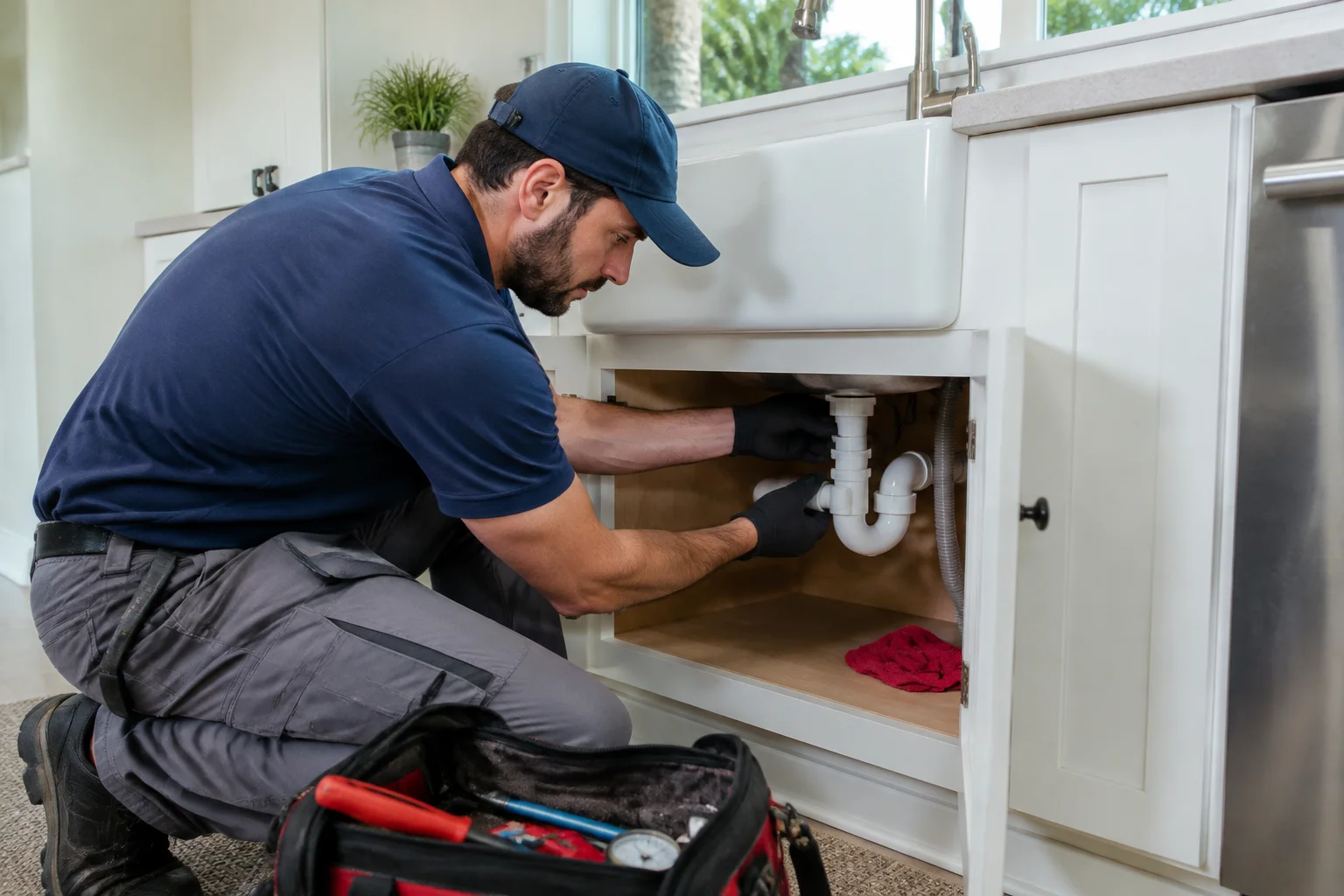
For water softener installation near me searches, compare sizing and setup as carefully as price. Drainage, an appropriate air gap, a bypass, regeneration settings, and applicable installation requirements all deserve attention. Existing leaks or corroded components may need repair before treatment is installed. Clean Water and Sound Plumbing explains why those issues should be considered together.
Maintenance Keeps Treatment Working as Intended
Filters and treatment media have limits. Replace sediment and carbon cartridges according to manufacturer guidance, actual water conditions, and usage. A cartridge may need attention sooner if sediment loading increases or pressure drops. Do not rely only on a change in taste to judge filter performance, since some reduction capabilities can decline without an obvious warning.
Reverse osmosis systems need scheduled prefilter and postfilter changes, membrane assessment, and sanitation as specified by the manufacturer. Softener care includes checking the appropriate salt supply, watching for salt bridging, and confirming that regeneration occurs correctly. Keep a record of service dates, settings, and replacement parts so recurring problems are easier to diagnose.
A sudden return of scale or hardness may indicate incorrect settings, a bypass left open, depleted salt, or equipment trouble. Homeowners looking for water softener service near me should describe the change and provide any available hardness results. Avoid repeatedly adding chemicals or adjusting controls without understanding the cause.
Get Help When the Pattern Changes or the Cause Is Unclear
Arrange professional evaluation when deposits quickly return, multiple fixtures develop poor flow, taste changes persist, or treatment equipment leaks or stops functioning. A hot-water-only odor may require water heater diagnosis rather than a whole home filter. If only one faucet produces discoloration, that localized clue can help narrow the investigation.
Follow boil-water notices and other official instructions even if you have filtration or reverse osmosis. Typical residential systems are not a substitute for emergency public health guidance. If a utility or health authority identifies a safety concern, ask about testing, corrective action, and any treatment-system sanitation needed afterward.
For routine spots, scale, taste, and odor concerns, A Superior Mechanical can help Lake Lorraine homeowners evaluate filtration, softening, and reverse osmosis options. Bring your water report, describe what happens during everyday use, and ask for a plan tied to those findings. Cleaner water for everyday life starts with the right diagnosis and equipment you can maintain confidently.
Find Clean Water Services in Lake Lorraine, FL
If you need Clean Water Services in Lake Lorraine, FL, visit our local service page or contact A Superior Mechanical today.
For a broader look at whole-home water filtration, reverse osmosis, and water softener options, visit our water filtration, RO, and water softener page.
Map of Lake Lorraine, FL
Frequently Asked Questions
Do hard water spots mean my Lake Lorraine home needs a water softener?
Recurring white deposits can indicate hardness, but dishwasher residue and glass etching can look similar. A hardness test helps confirm whether a softener is appropriate. Softening reduces new hardness deposits but does not repair etched glass or immediately remove existing scale.
What is the difference between whole home filtration and reverse osmosis?
Whole home filtration treats incoming water for multiple fixtures, with results depending on the filter media and model. Reverse osmosis typically treats drinking and cooking water at a dedicated kitchen faucet. Neither should be assumed to remove every contaminant, and a separate softener may be needed for hardness.
Can AO Smith water filtration help with chlorine taste and water odors?
An appropriately selected AO Smith filtration system may reduce chlorine taste and certain odors, depending on its media and verified performance claims. Chloramine requires suitable treatment, and odors related to drains, water heaters, or contamination need separate investigation. A Superior Mechanical can help evaluate the concern before recommending equipment.
Related Articles
Photo Gallery