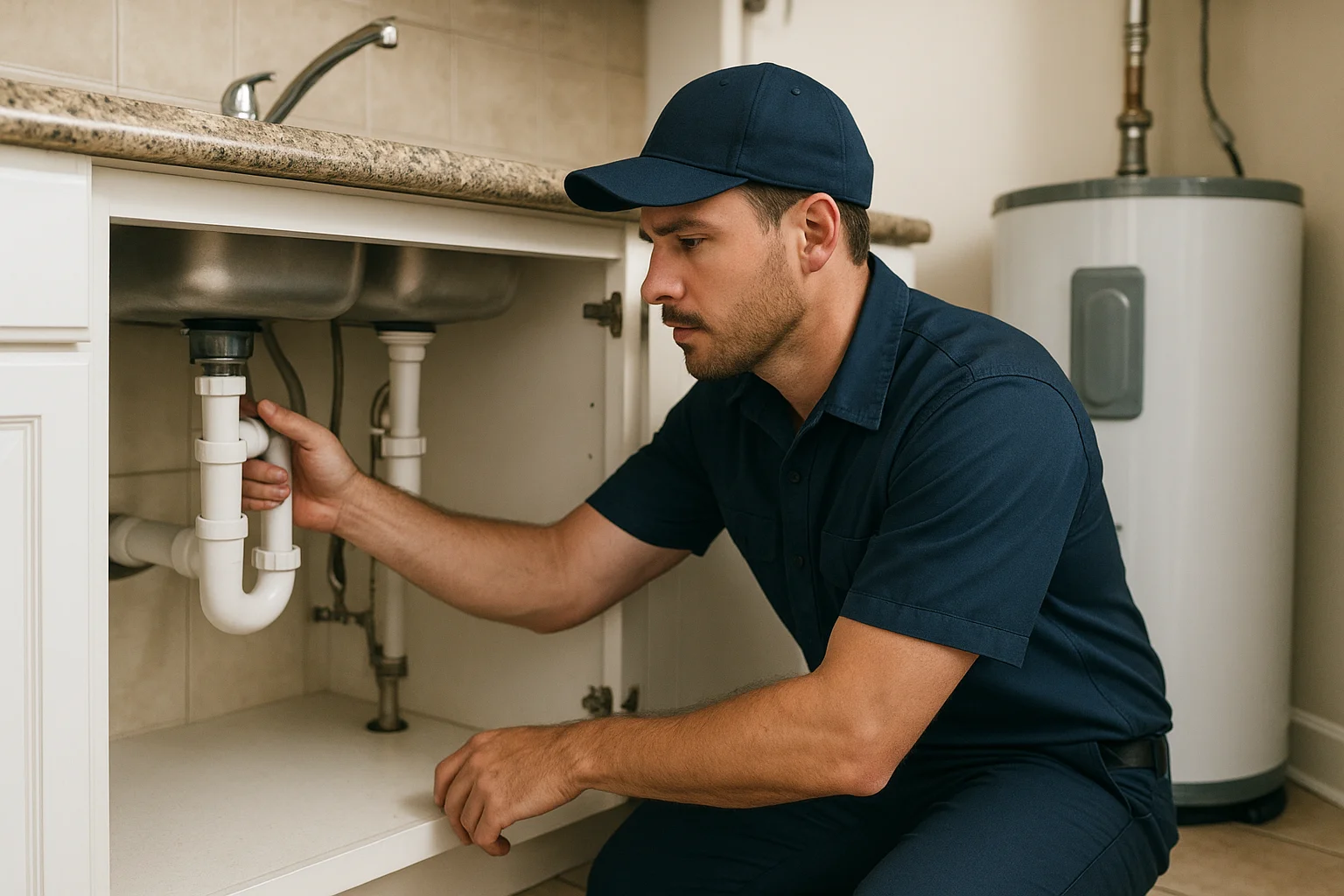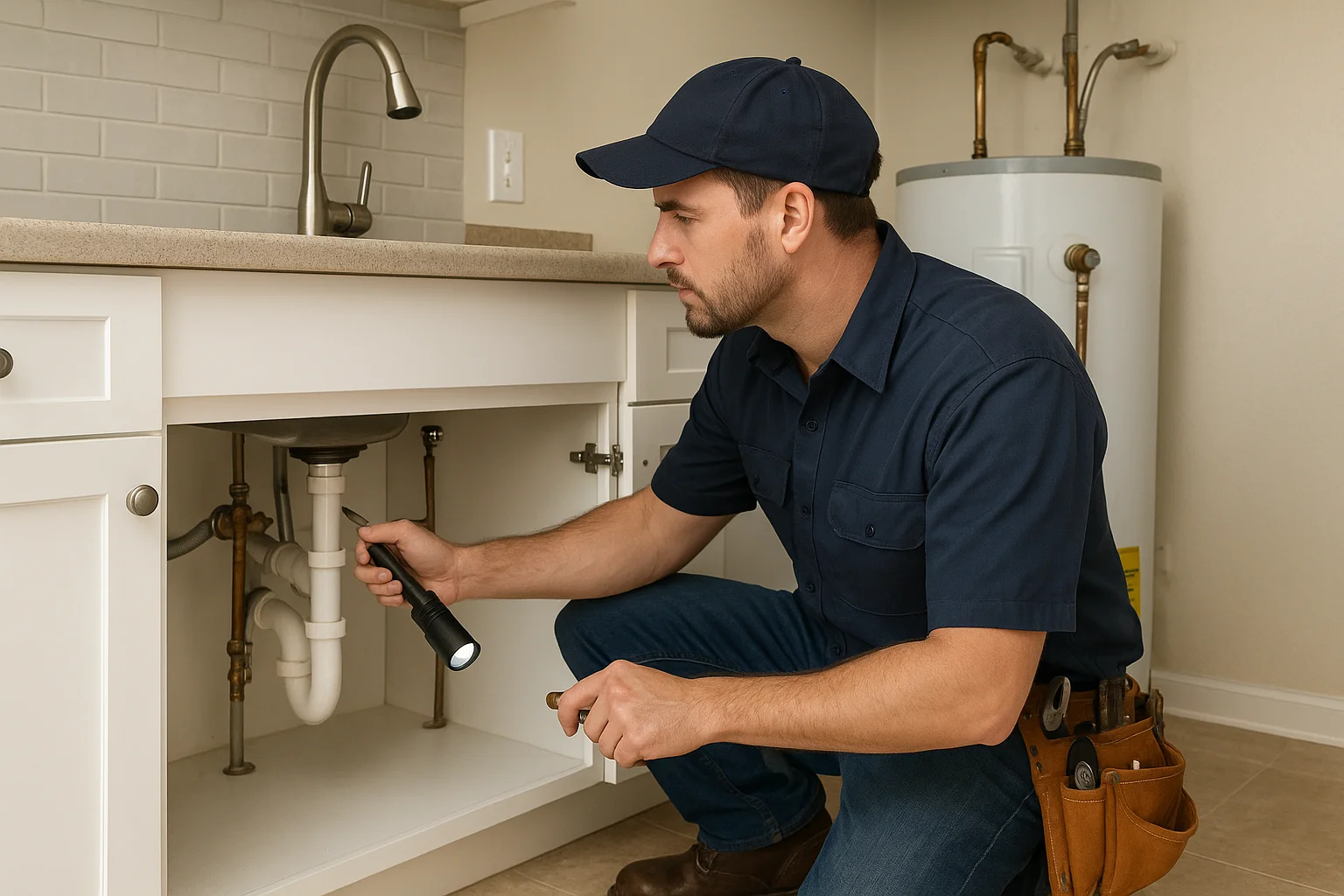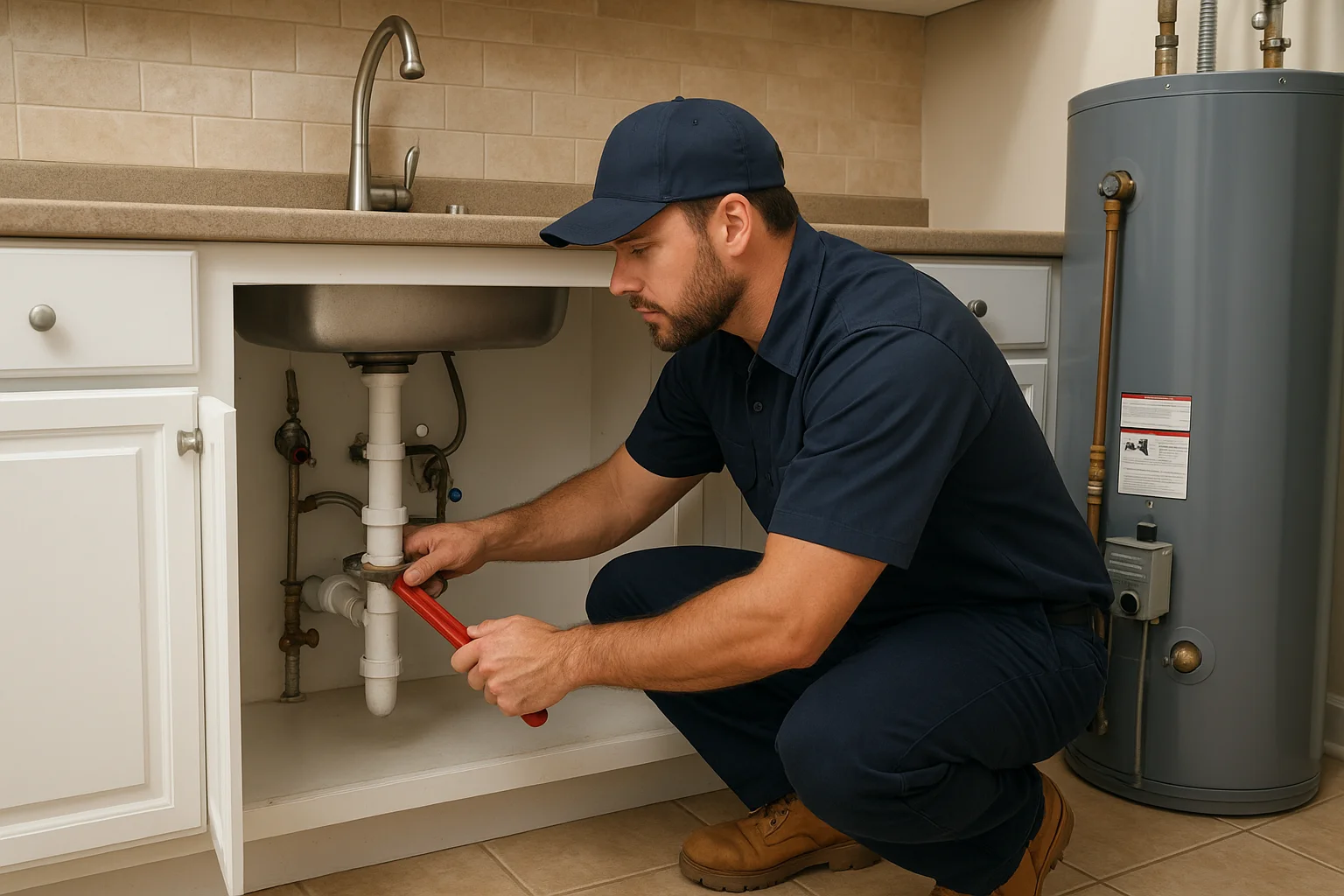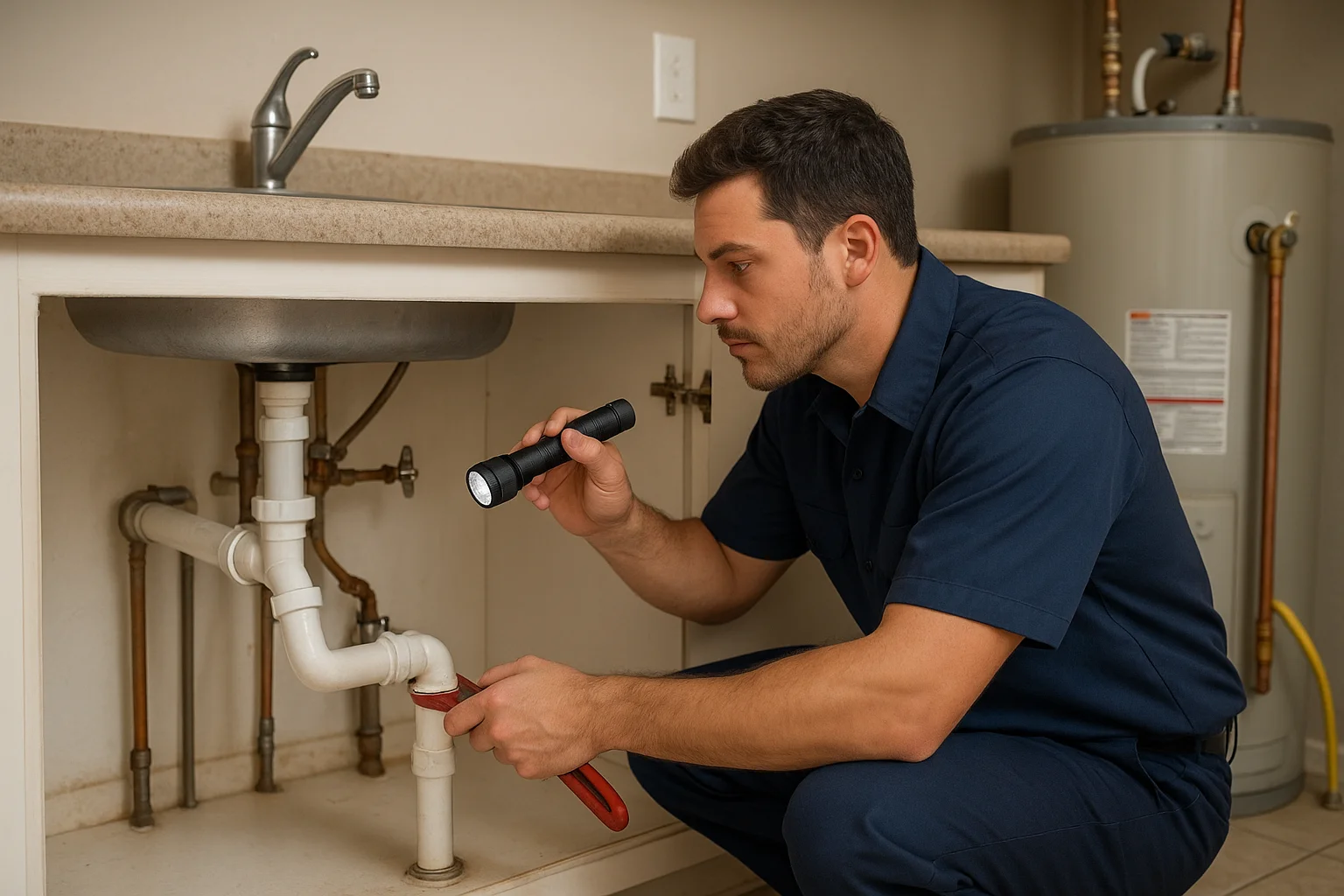
Camp Creek, FL homes depend on steady hot water for showers, laundry, and everyday cooking. When a water heater starts acting up, it can feel like a minor inconvenience. But small issues often turn into burst pipe repair, emergency plumbing concerns, and expensive water damage if you wait too long. Planning water heater replacement early helps you protect your pipes, fixtures, drains, and sewer lines while keeping water pressure and hot water reliability where you need them.
If you are searching for water heater replacement in Camp Creek, this guide breaks down what typically drives failures in local homes, which warning signs matter, and how to choose the right replacement approach for your property.
Why water heater failures get expensive in Camp Creek
Water heaters are usually tucked away in utility closets, garages, or near the water line where leaks can be hard to spot. In Camp Creek and across Walton County, homes may have different setups depending on the age of the plumbing system. Older homes can have aging shutoff valves, older pipe materials, and water lines that are more susceptible to corrosion and mineral buildup.
When a heater fails, the cost is rarely just the unit. You may also be dealing with:
- Hidden leaks that spread under flooring or into nearby cabinets
- Damage to drywall, subfloor, and insulation
- Pressure problems that affect toilets, faucets, and showers
- Drain backups or slow drain repair needs if a leak or overflow impacts nearby lines
- In extreme cases, emergency pipe repair near me situations that disrupt the whole household
Camp Creek’s humid coastal climate can increase corrosion risk on metal components. If your home also has hard water, mineral scale can accumulate inside the tank or on internal heating elements, reducing efficiency and shortening service life. Over time, that buildup can also make temperature and pressure behavior less predictable, which increases the chance of a leak or a partial failure you might not notice right away.
Early warning signs your water heater is nearing replacement
Some homeowners wait until the hot water is gone. A better approach is to watch for patterns. The earlier you address them, the more control you have over timing, cost, and cleanup.
Water gets hot, then turns lukewarm or inconsistent
Temperature swings can point to sediment buildup, a failing thermostat, or a heating element that cannot maintain output. If you notice the issue during peak hot water use, such as back-to-back showers or laundry loads, the heater may be struggling to keep up.
Strange sounds from the tank or pipes
Banging, popping, or rumbling usually indicates sediment heating and moving inside the tank. That sediment reduces efficiency and can stress components. Over time, it can contribute to leaks that are difficult to detect until water shows up around the base.
Frequent cycling or “running out” of hot water
If your household is taking more showers or using more hot water than before, the heater may be undersized. But if you did not change water use and the problem is new, it can be a sign the system is losing capacity or failing components.
Water pooling around the unit or signs of moisture
Any dampness near the drain pan, connections, or supply lines deserves immediate attention. Even a slow seep can become a full leak. If you see wetness, you may need leak detection near me help to determine whether the issue is the tank, a valve, a connection, or a nearby pipe section.
Corrosion on fittings or the top connections
Rust at pipe joints, discoloration on the flex lines, or worn fittings are warning signs. Sometimes replacing worn connections is possible, but many homeowners find that once corrosion starts, the safest long-term move is planning water heater replacement.
Pressure relief valve discharge or repeated valve “events”
If the temperature and pressure relief valve discharges water, do not ignore it. It can indicate overheating, pressure issues, or a failing valve. This can also affect water pressure across the home and create emergency plumbing concerns if it keeps happening.
Common causes of water heater problems in Walton County homes
Understanding why failures happen helps you prevent repeat issues and choose the right replacement strategy.
Hard water and sediment buildup
Hard water leaves mineral deposits that settle at the bottom of the tank. That sediment acts like insulation, making the heater work harder to heat the same water. Over time, it can lead to overheating, component stress, and tank corrosion. Many homeowners notice the problem after years of consistent use, especially if plumbing maintenance near me has not included periodic checks.
Age and wear on internal parts
Most tank-style water heaters have a typical lifespan, but real-world conditions can shorten it. Internal components can wear, and external connections can corrode. If your heater is old, the cost of repeated repairs can start to outweigh replacement.
Water pressure that is too high
Some homes experience pressure spikes from the municipal system or from plumbing changes. High pressure can strain tanks, valves, and supply lines. If you have frequent leaks at fixtures or you notice pressure changes when other appliances run, it may be time for a home plumbing inspection near me style evaluation.
Installation details and venting or vent clearance issues
Proper installation matters, especially for gas water heaters. Venting and clearances affect safe operation. If an older unit was installed without modern best practices, replacement should also correct venting, piping, and connection details.
Leaks triggered by freeze-thaw cycles or stress points
Even in Florida’s milder winters, occasional cold snaps can create stress. If water lines are exposed or if a connection is already weakened, temperature changes can worsen a small leak into a larger one. Homeowners who wait can end up needing emergency pipe repair near me or burst pipe repair near me help.
How to decide between repair and water heater replacement
Not every issue requires a full replacement. But homeowners often underestimate how quickly repair costs add up when the tank is aging or heavily scaled.
Here is a practical way to decide:
- Consider the unit’s age: If the heater is nearing the end of its expected life, replacement is usually more cost-effective than repeated repairs.
- Evaluate the source of the problem: A leaking valve or connection might be repairable. A leaking tank typically means replacement.
- Look at performance: If hot water recovery is slow, temperatures are inconsistent, or noise is increasing, the internal condition may be deteriorating.
- Factor in water damage risk: Even a small leak can cause mold-prone moisture. Planning replacement early can prevent cleanup costs.
During service, a plumber can also check nearby components. That includes supply lines to fixtures, shutoff valves, and drain piping. If you have a history of slow drain repair, clogged drain repair near me, or recurring toilet repair issues, the broader plumbing condition may affect how long a water heater can operate safely and efficiently.
What a professional water heater replacement should include
When you hire a local plumber, the job should not just be swapping the tank. A quality replacement in Camp Creek includes inspection, safe installation, and checks that protect the rest of your plumbing system.
System assessment and leak checks
A technician should verify the current problem and check for leaks at valves, connections, and nearby pipes. If there is moisture or staining, leak detection near me style diagnostics can help pinpoint the source before the new unit goes in.
Evaluation of water pressure and expansion needs
Water pressure affects how the heater performs and how long it lasts. If pressure is high, the installer may recommend adjustments or additional components to manage expansion. This helps reduce stress that can lead to recurring leaks.
Flushing and sediment management planning
Even if you are replacing the heater, sediment history matters. A careful plumber can explain whether your plumbing system would benefit from flushing, filtration, or longer-term maintenance to slow future buildup.
Drain line and overflow considerations
The heater’s drain line and any nearby drain pathways should be inspected. If a relief valve discharges, the drainage must route safely. This is especially important in homes where the unit is close to slab areas, crawl spaces, or utility drains.
Testing hot water recovery and fixture performance
After installation, the plumber should test hot water delivery at multiple fixtures. That includes showers, laundry connections, and kitchen faucets. If you notice low hot water pressure at one end of the home, it can point to pipe issues that should be addressed alongside water heater service.
How local homes and water use influence replacement timing
Camp Creek households vary widely. Some homes have larger families, frequent guest stays, or rental turnover that increases hot water demand. Others may have older plumbing fixtures that are slower to recover. Your replacement timeline should reflect your real water use.
Rental properties and frequent occupant turnover
Rentals often see higher hot water demand and more varied usage habits. That can expose weak points faster, especially if occupants report inconsistent hot water or if they ignore early signs like rumbling or lukewarm water.
Homes with long pipe runs
Long distances from the heater to bathrooms can increase waiting time for hot water. If the heater is failing, you may also feel it as inconsistent temperature. A plumbing inspection can help identify whether pipe insulation, circulation behavior, or pipe condition is contributing.
Hard water impact on efficiency and performance
When hard water is present, sediment builds faster. Over time, the heater can struggle to maintain output, and the home may experience pressure changes at fixtures. That is one reason local plumbing service matters, because the right maintenance plan can slow scale buildup and reduce emergency plumbing calls.
Preventing expensive failures: maintenance that actually helps
Homeowners often search for “plumbing maintenance near me” after a problem starts. Preventive steps can reduce the odds of sudden leaks and performance drops.
Know where your shutoff valves are
Locate the cold water shutoff and any local isolation valves near the heater. If a leak starts, shutting off water quickly can limit damage. If you are unsure, ask a plumber to show you during a home plumbing inspection near me visit.
Watch the drain pan and surrounding area
Even if you do not see a puddle, check for dampness. In utility closets, moisture can creep along walls and into framing. Early detection helps you avoid water damage that triggers bigger repairs.
Schedule periodic checks for valves and connections
Corrosion often begins at joints and fittings. A technician can inspect the anode rod condition on tank systems, check the temperature and pressure relief valve operation, and confirm that connections are secure.
Address hard water with a long-term plan
If you have recurring mineral scale issues, consider discussing water treatment options with your plumber. The right approach can improve heater efficiency and protect fixtures and pipes from scale-related buildup.
Keep drains and nearby plumbing clear
If your home has a history of clogged drain repair near me or slow drain repair, address those issues before they affect the utility area. Overflow or backup can create moisture around the water heater area. If you are dealing with recurring sewer line problems, include sewer repair and maintenance in the bigger picture.
For homes where sediment and buildup are a concern, some situations may benefit from Hydro Jetting to clear lines and improve flow. That said, hydro jetting is not a direct substitute for water heater care, and the right solution depends on your plumbing layout.
When to treat the situation as an emergency
Most water heater issues can be scheduled. But some conditions mean you should move quickly to protect your home.
Active leaks or water pooling
If you see water around the base, near fittings, or coming from the unit, treat it as urgent. Shut off water if you can do so safely, then call professional Emergency Plumbing Services for immediate leak assessment and water mitigation.
No hot water plus signs of pressure problems
If hot water is out and you also notice unusual noises, pressure drops, or wetness near supply lines, you may have more than a failed heating element. A plumber should check valves, pipes, and the surrounding plumbing system.
Relief valve discharge that will not stop
Continuous discharge can indicate a dangerous pressure or temperature condition. It can also flood nearby drains. This is a prompt-response situation.
Suspected slab leaks or hidden moisture
In some Camp Creek homes, moisture can show up where you cannot easily trace it. If you suspect a slab leak or water is appearing in unexpected areas, address it right away. Slab leak conditions often require specialized leak detection and pipe repair planning.
Choosing the right replacement approach for Camp Creek homes
Different homes have different needs. A good plumber will help you choose based on your household, plumbing layout, and goals for reliability and efficiency.
Tank-style replacements for typical households
Tank-style water heaters are common in Walton County homes because they match standard hot water demand patterns. Replacement typically includes proper sizing for recovery needs, safe venting, and correct piping connections.
Tankless considerations when hot water demand is high
Some homeowners ask about tankless options. If you have high simultaneous hot water demand, the sizing and gas supply or electrical support must be evaluated carefully. Even though this guide is focused on plumbing, the plumbing side still matters: proper pipe sizing, routing, and safe installation details affect performance and long-term service life.
Protecting pipes and fixtures during replacement
A water heater replacement is a good time to inspect nearby pipe sections and fixture connections. If your home has older pipes, signs of corrosion, or recurring leaks, addressing those issues now can prevent repeat calls. If you are seeing recurring faucet repair needs or toilet repair issues related to pressure, include those observations in the appointment.
Related plumbing concerns homeowners often overlook
Water heater problems can expose other plumbing issues. Camp Creek homeowners sometimes focus only on the unit, but the plumbing system works as a network.
Drain and sewer line strain
If your drains are slow or you have recurring backup symptoms, the issue may involve venting, main drain flow, or sewer line condition. When you are dealing with a water heater that is leaking or has a relief discharge, a clogged or overwhelmed drain can make the situation worse. If you suspect sewer involvement, consider Sewer Repair and Maintenance.
Whole-home plumbing management
Reliable hot water depends on steady pressure, clean flow, and well-maintained pipes and fixtures. If you want a broader plan for plumbing health, read How Better Plumbing Management Protects Camp Creek Homes and share your questions with your plumber.
Installation mistakes that shorten system life
Even a good unit can fail early if it is installed without proper connection practices, correct venting, or correct water line setup. If you want to understand what homeowners often miss, review What Camp Creek Homeowners Often Miss During Plumbing Installation.
Planning your replacement in Camp Creek, Walton County
When you plan water heater replacement before it becomes expensive, you keep options open. You can schedule replacement at a time that works for your household, coordinate any needed plumbing repairs, and prevent a small leak from turning into a bigger home project.
If you are comparing timelines, it helps to know that the longer you wait with a failing heater, the more likely you are to deal with additional plumbing repairs such as burst pipe repair near me scenarios, broken pipe repair near me, or emergency pipe repair near me when connections fail under pressure and heat stress.
For homeowners who want a dependable local partner, start with plumbing services in Camp Creek and the specific water heater replacement service page for Camp Creek. A Superior Mechanical can help you evaluate your current system, discuss replacement options, and protect your hot water needs across Walton County.
If you are trying to prioritize projects around your home, it also helps to review Why Plumbing Replacement Should Move Up the Priority List in Camp Creek Homes. That perspective can help you avoid the “repair and repeat” cycle that often drives costs higher.
For more insight into system lifespan and what shortens it, see A Practical Guide to Water Heater Replacement in Camp Creek, FL and the Plumbing Problems That Shorten System Life.
Scheduling matters: what to ask during your appointment
When you call for water heater replacement in Camp Creek, come prepared with a few details. That helps your plumber arrive ready and reduces time spent troubleshooting on-site.
- How old your water heater is and whether it is tank-style or tankless
- What symptoms you see: inconsistent hot water, noise, leaks, or pressure changes
- Whether you have hard water issues or visible mineral buildup
- Any history of plumbing repair in the area, including leak repair, faucet repair, or toilet repair
- Whether you have had slow drain repair, clogged drain repair, or main drain cleaning concerns
A strong appointment also includes practical next steps. You should leave with a clear plan for replacement timing, the expected impact on your home’s water pressure and hot water delivery, and any recommended plumbing maintenance to help the new system last longer.
Find Water Heater Replacement in Camp Creek, FL
If you need Water Heater Replacement in Camp Creek, FL, visit our local service page or contact A Superior Mechanical today.
Map of Camp Creek, FL
Frequently Asked Questions
How can I tell if my water heater needs replacement or just a repair?
If you have leaks at the tank, repeated temperature swings, loud rumbling from sediment, or the unit is near the end of its expected life, replacement is often the safer and more cost-effective option. A plumber can also verify whether the issue is a valve or connection versus the tank itself.
What should I do right away if I notice water around the water heater?
Shut off the cold water supply to the heater if you can safely access it, then limit water exposure to nearby areas. Contact Emergency Plumbing Services for leak detection and repairs before moisture spreads.
Does hard water in Camp Creek make water heaters fail sooner?
Yes. Hard water can increase mineral scale inside the tank or on components. That buildup reduces efficiency, contributes to overheating, and shortens service life. A maintenance plan and proper replacement approach can help slow future scale issues.
Can water pressure problems affect my water heater performance?
High or unstable water pressure can stress the heater, valves, and connections. If you notice pressure changes at fixtures or the relief valve discharges, have a plumber check pressure behavior and related components during service.
How do I choose the right size for water heater replacement in my home?
Size depends on household water use, recovery needs, and your plumbing layout. A professional technician will typically review your hot water demand patterns and system performance, then recommend a replacement that supports reliable hot water across your home.
Related Articles
- A Practical Guide to Water Heater Replacement in Camp Creek, FL and the Plumbing Problems That Shorten System Life
- How Better Plumbing Management Protects Camp Creek Homes
- What Camp Creek Homeowners Often Miss During Plumbing Installation
- Why Plumbing Replacement Should Move Up the Priority List in Camp Creek Homes
Photo Gallery