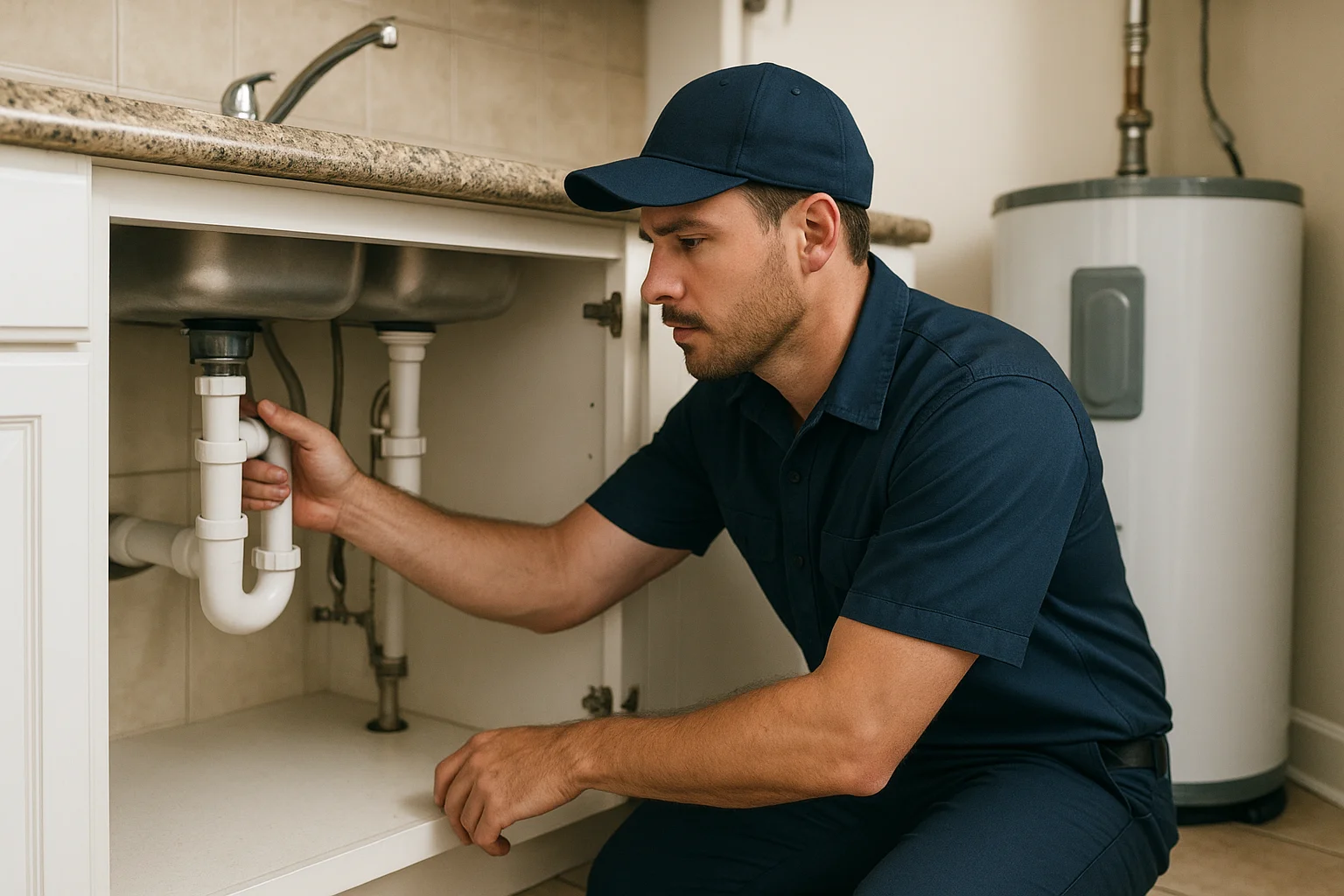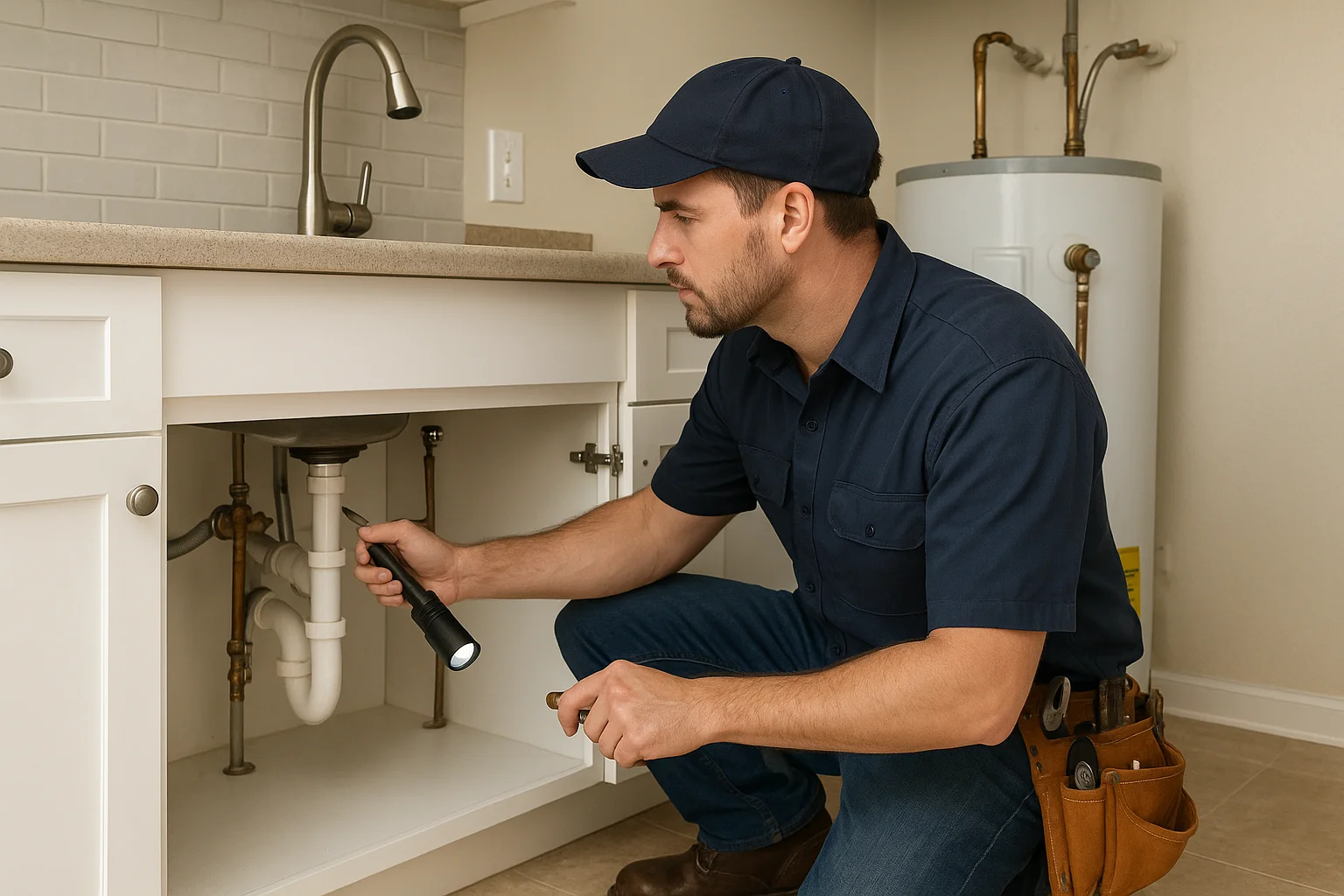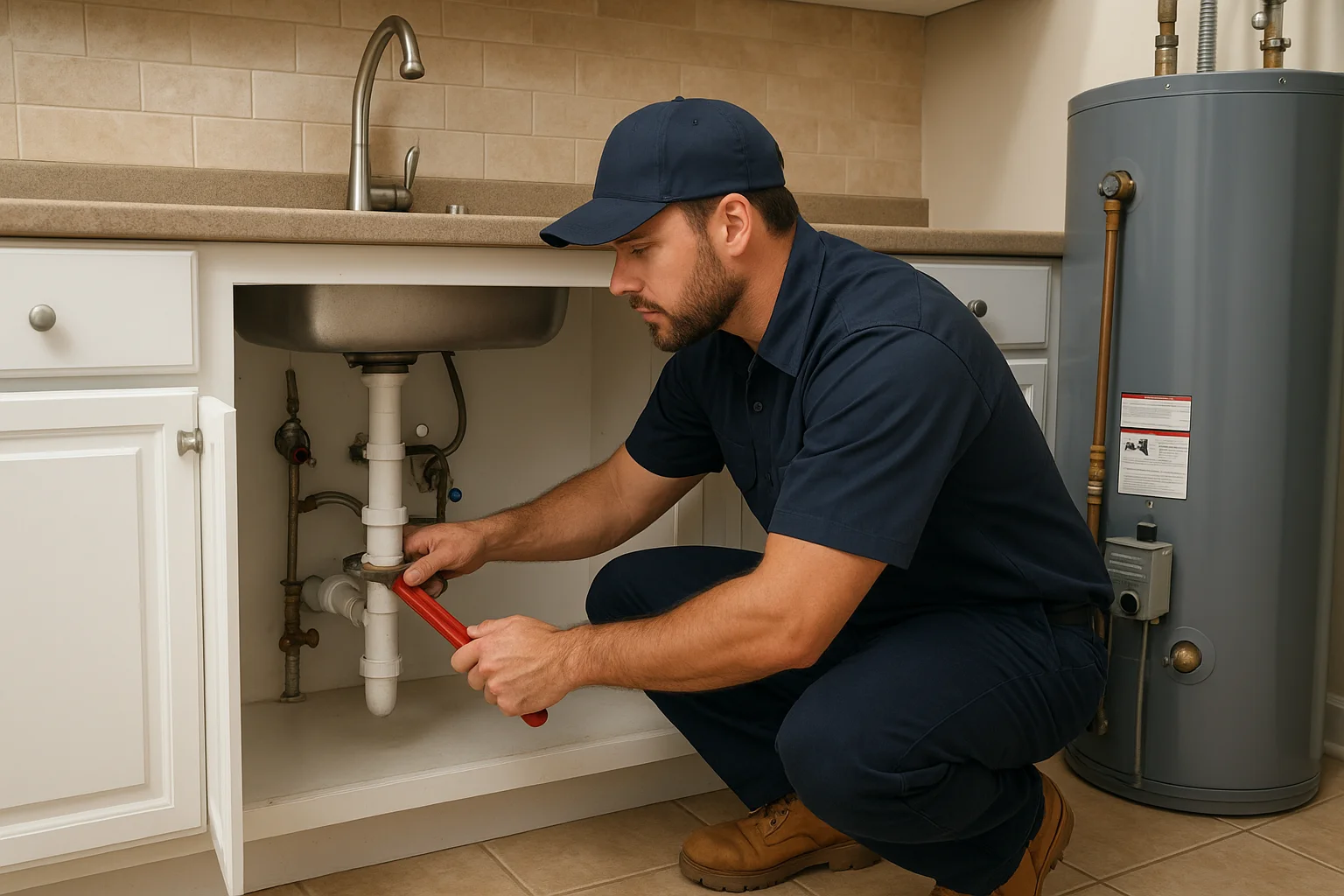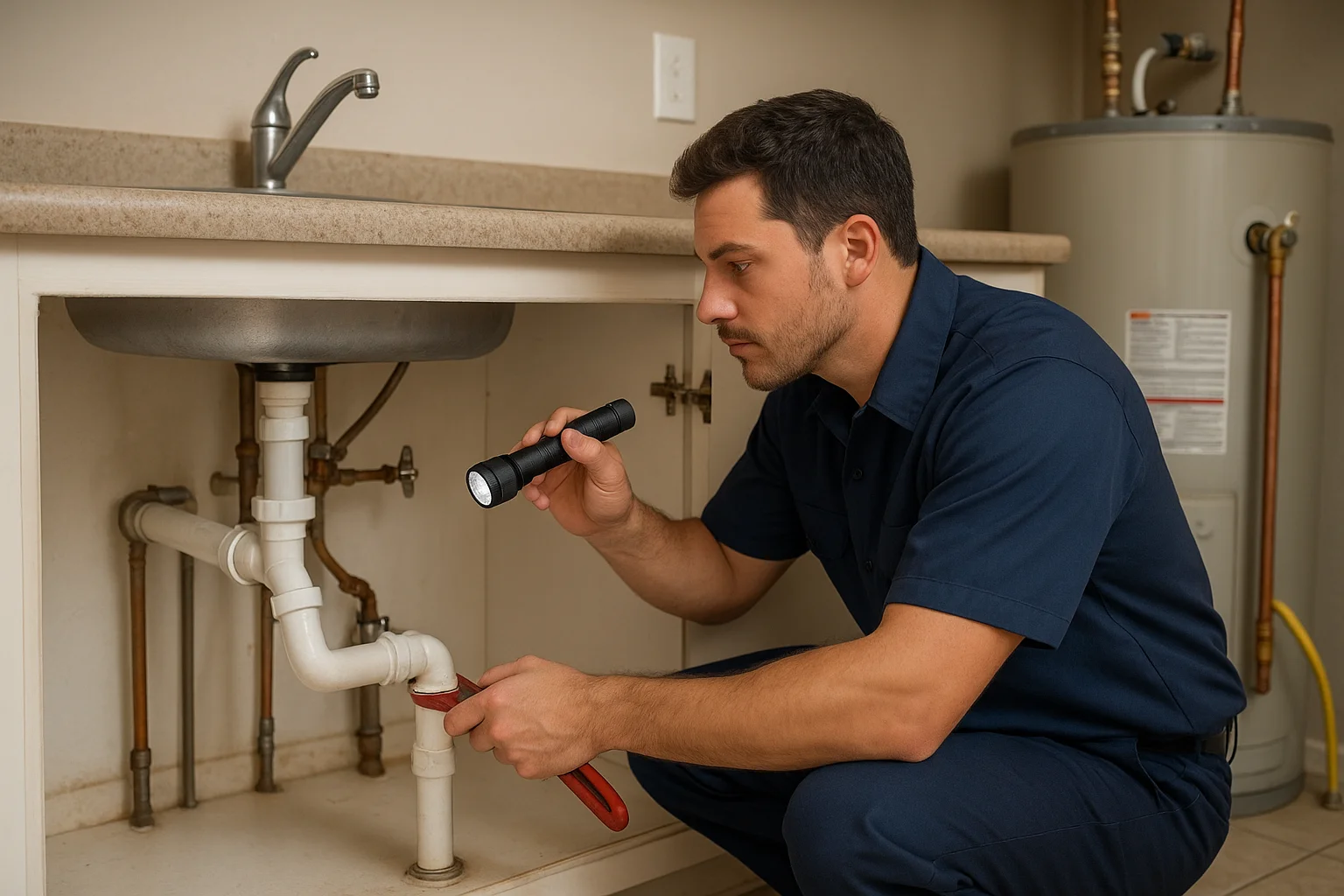
Living in Cinco Bayou, you rely on steady water service for showers, laundry, irrigation, and everyday cooking. When an underground waterline starts to fail, the problem is rarely sudden. More often, homeowners see small symptoms first, then the water damage escalates into something that affects floors, landscaping, and sometimes the structure itself. Knowing what to watch for and how waterline replacement works can help you prevent expensive repairs and get the right plumbing services near you.
What a waterline does, and why underground leaks are so costly
Your waterline carries treated water from the point where it enters your property to the plumbing fixtures inside your home. Depending on your setup, that line may run under a driveway, through landscaping, or beneath a slab or crawl space. Because it is underground, leaks can grow for weeks or months before you see clear evidence indoors.
In Cinco Bayou homes, seasonal humidity and rainfall can also affect how leaks show up. When the ground stays damp, a small leak may not look dramatic at first. But water can still travel along soil paths, saturate the area around the pipe, and compromise nearby materials. Over time, that moisture can contribute to:
- Softened soil under slabs or walkways
- Cracks in concrete or tile
- Staining on exterior walls or foundation edges
- Musty odors in basements or crawl spaces
Once water has damaged building materials, replacement becomes more than a plumbing repair. That is why homeowners searching for water leak repair near me often want help sooner rather than later.
Early warning signs of a failing waterline
Some waterline issues look like common plumbing problems. The difference is that a waterline problem tends to affect water flow throughout the home, or it shows up as wet spots where you do not expect plumbing.
1) Water pressure that is dropping or fluctuating
If you notice water pressure changes when other fixtures run, the issue may be inside plumbing. But if pressure drops across multiple fixtures at the same time, a damaged underground waterline can be a factor. During heavy use, a partially blocked or leaking pipe may not deliver the same pressure to every faucet, shower, or toilet.
Pay attention to patterns. Does pressure drop only during peak household use, or does it happen after the water has been sitting unused? Those clues help a plumber narrow down whether the problem is a pipe leak, a valve issue, or a supply line problem.
2) Unexpected wet areas in the yard or near exterior walls
Waterline leaks often show up as recurring damp patches. In Cinco Bayou, where lawns can stay green and soils can hold moisture, it helps to look for changes that do not match irrigation schedules. Watch for:
- Green grass spots that appear where there is no sprinkler coverage
- Soil that stays soggy long after rain
- Water pooling near a shutoff valve, meter, or foundation edge
If the wet area grows or moves, that can indicate a leak spreading through the soil. This is one of the clearest reasons to schedule plumbing repair before water damage spreads.
3) A continuously running toilet or frequent cycling
A toilet that runs constantly is often a fill valve or flapper issue. Still, if you have fixed the toilet and the problem returns, or if multiple fixtures seem to trigger the same behavior, it can point to a supply line pressure problem or a leak that is affecting pressure stability.
Homeowners sometimes search for “toilet repair” or “sink repair near me” and focus only on the fixture. If the fixture has been addressed and the symptoms persist, a plumber may need to check the waterline and distribution piping as well.
4) Water discoloration or air bubbles at the tap
Some homeowners first notice waterline trouble when the first draw of water looks cloudy or the faucet sputters. Air bubbles can occur when a line is compromised or if pressure is fluctuating. While sediment and other issues can also cause discoloration, repeated sputtering, especially at multiple fixtures, deserves a plumbing evaluation.
5) Higher water bills with no obvious cause
If your household water use has not changed but your bill jumps, a leak is a common culprit. Underground waterline leaks can be especially hard to detect because they do not always create dramatic puddles. A professional can help you determine whether the increase is tied to a leak, a fixture, or a water use change.
Common causes of waterline failure in Cinco Bayou
Waterline replacement becomes necessary when the pipe material or joints degrade beyond repair. In this area, several factors can contribute to premature failure.
Corrosion and aging pipe materials
Older homes may have supply lines made from materials that eventually corrode or become brittle. Even if the pipe still carries water, corrosion can narrow flow paths and increase the risk of pinhole leaks.
Hard water effects on plumbing
Cinco Bayou homeowners often deal with hard water. Hard water can contribute to mineral scale buildup inside pipes and fixtures. Over time, that buildup can worsen pressure issues and make valves and fittings more prone to failure. If scale is already affecting your plumbing system, it can also make leaks harder to manage because the system is under more strain.
If you want to understand how hard water connects to slow drains and other small plumbing problems, read Hard Water, Slow Drains, and the Small Plumbing Problems Cinco Bayou Homeowners Should Not Ignore.
Ground movement and shifting soil
Rainfall, landscaping changes, and normal settling can move soil around your waterline. If the pipe is under a driveway, near a walkway, or close to a foundation, movement can stress joints and create weak points. A small crack can become a leak that spreads with time.
Freeze and thaw cycles, even when they are mild
While Cinco Bayou winters are not typically harsh, occasional cold snaps can still affect plumbing. Pipes exposed near exterior walls or shallow burial depths may be more vulnerable to freezing and thawing stresses.
Why “patching” is not always the best solution
When homeowners call a local plumber near me after noticing a leak, the first instinct is to patch. Sometimes a targeted repair works, especially for small, accessible sections. But with underground waterlines, a patch can be a temporary fix if the surrounding pipe is already compromised.
Reasons a full waterline replacement may be recommended include:
- The pipe has multiple weak points or deteriorated sections
- Leak location is near a joint or connection that is already failing
- Repeated repairs have been needed and the system keeps re-opening leaks
- The pipe material is outdated and likely to fail again
Replacing the waterline can restore reliability and reduce the chance of recurring water damage. It also helps protect your home’s interior plumbing, because unstable supply can create cascading problems with fixtures and water heaters.
How waterline replacement is handled, step by step
Every property layout differs, but a quality waterline replacement process usually follows a clear sequence. A Superior Mechanical focuses on diagnosing the issue accurately and then replacing the correct section of piping to restore dependable water service.
Step 1: Inspection and leak diagnosis
A plumber will review your symptoms, check visible plumbing components, and inspect common leak-prone areas. Depending on what is happening, they may use pressure testing or other diagnostic methods to confirm that the waterline is the source. If you are also dealing with sewer line problems, it is smart to separate supply and drainage issues rather than guessing.
If you suspect a deeper issue, you can also explore Camera Inspection Services for detailed insights into underground piping conditions.
Step 2: Planning the route and protecting landscaping
Waterlines run through yards, under driveways, and sometimes near utility corridors. A good plan considers access points and aims to minimize unnecessary disruption. In Cinco Bayou, where outdoor landscaping can be a major part of the home’s curb appeal, careful planning matters.
Step 3: Shutting off water and removing the failing section
Once the water source is isolated, the technician removes the damaged line section and prepares the area for replacement. If the leak is near a foundation or slab, the work may require additional precautions to protect surrounding materials.
Step 4: Installing new piping and secure connections
New waterline replacement includes proper pipe selection and secure fittings designed for long-term performance. The goal is a reliable connection that resists leaks and maintains consistent water pressure to the fixtures.
Step 5: Pressure testing and cleanup
Before the job is considered complete, the system is tested to confirm there are no leaks. Then the work area is restored as much as possible. A dependable local plumbing service should also explain what was found and how it impacts your home going forward.
Waterline replacement and your water heater: the connection homeowners miss
Waterline problems can affect how your water heater performs. If supply pressure is unstable or if a leak reduces consistent flow, the water heater may struggle to deliver hot water the way it should. Some homeowners blame the unit and start searching for “water heater repair near me” when the root cause is actually a supply issue.
If you are planning upgrades, preventive plumbing care can also make replacement smoother. For homeowners considering repairs or replacements, see Why preventive plumbing care makes water heater installation smoother in Cinco Bayou.
If you suspect your water heater is failing, consider pairing the diagnosis with a check of your supply line, especially if you have noticed pressure changes, air in the hot water, or recurring leaks around supply connections.
Preventing water damage after a leak: what to do right away
When you suspect a waterline leak, early action can reduce damage. If water is pooling, turn off the water at the shutoff valve if you can do so safely. Then contact a plumber for leak repair and waterline replacement in Cinco Bayou.
While you wait for service:
- Keep the area dry and avoid stepping into soft ground near foundation edges.
- Take photos of wet spots, discoloration, and any visible piping.
- Note when the issue appears, such as after irrigation, during heavy water use, or overnight.
Some homeowners are also dealing with emergency drain cleaning near me searches when drainage problems overlap with waterline issues. If you have both supply and drainage concerns, ask your plumber to evaluate both systems so you do not treat symptoms separately.
Maintenance habits that reduce the odds of surprise waterline repairs
You cannot prevent every underground failure, but local plumbing maintenance can catch problems earlier and reduce the chance of emergency plumbing concerns.
Watch water use and pressure
Check your water bill trends and pay attention to pressure changes. If you have a history of hard water, mineral buildup can amplify problems over time. You may also benefit from water filtration or softening strategies to protect fixtures and reduce scaling. Learn more about Water Filtration Services and Water Softening Services.
Inspect fixtures and connections regularly
Small leaks at faucets and toilets can waste water and mask bigger issues. Fixing faucet repair needs promptly can also help you identify whether water loss is coming from the interior plumbing or from the supply line.
If you are dealing with recurring issues like dripping or low flow, professional Plumbing Repair can help you address the source instead of repeatedly replacing parts.
Keep drains flowing and address clogs early
Although waterlines are separate from drains, drainage backups can create water problems that look similar to leaks. A slow drain can also lead to overflow, wet areas, and damage. If you have repeated slow drains or backups, schedule service before it becomes a bigger emergency.
For homeowners seeing recurring issues, it can help to pair supply and drainage checks. If sewer inspection near me is part of your search, make sure your plumber confirms whether the problem is on the supply side, the drain side, or both. For sewer line help, ask about /service-areas/okaloosa-county coverage and service options.
Why choosing the right local plumber matters in Okaloosa County
Waterline replacement is not a one-size-fits-all job. Soil conditions, home foundation types, and how your property is laid out all influence the best approach. A local team familiar with Okaloosa County properties can plan access, anticipate common underground challenges, and communicate clearly about what is being replaced and why.
For homeowners searching for plumbing services near me, the key is to find a company that diagnoses correctly, explains options, and treats water damage prevention as a priority. If you want to focus specifically on the service, you can review waterline replacement in Cinco Bayou and see how A Superior Mechanical approaches underground pipe issues.
And if you are comparing service providers across the area, the broader overview on Cinco Bayou plumbing services can help you confirm local coverage.
When to treat waterline trouble as urgent
Some plumbing problems should be handled quickly because they can escalate into emergency-level damage. Consider calling for urgent plumbing repair if you notice:
- Water pooling near the foundation or slab area
- Cracks appearing in concrete, tile, or drywall near wet spots
- Water discoloration combined with pressure loss
- Signs of a leak that continues even after you shut off interior fixtures
- Any suspected slab leak or persistent wetness that keeps returning
These situations can require waterline replacement sooner rather than later. Waiting can turn a manageable repair into a larger restoration project.
Other plumbing issues that can overlap with waterline symptoms
Underground waterline problems can mimic common plumbing repairs, which is why a proper diagnosis matters. Here are a few examples homeowners often confuse:
- Garbage disposal repair near me: A disposal issue can cause odors and drainage problems, but it will not usually cause wet yard spots or whole-home pressure changes.
- Drain cleaning: Clogged drains can cause slow drainage, but supply leaks are a different pathway. If you are seeing wet areas outdoors, keep supply in mind.
- Faucet repair near me: A dripping faucet wastes water, but it typically does not cause soil saturation outside.
- Pipe leak repair near me: Interior pipe leaks can be visible, while waterline leaks are underground. The location helps narrow the cause.
A good plumber near you will sort out these overlaps so you do not pay for the wrong repair.
Choosing waterline replacement with confidence
When you schedule waterline replacement in Cinco Bayou, you are protecting more than plumbing. You are protecting the foundation, floors, and daily comfort of your home. The best time to address waterline trouble is before the leak expands, before soil shifts, and before indoor damage shows up.
If you are noticing pressure changes, recurring damp spots, or unexplained water bills, start with a professional evaluation. A Superior Mechanical can help you determine whether you need targeted plumbing repair or a full waterline replacement to stop the problem at its source.
To learn more about the service and how it applies to homes across Okaloosa County, visit /service-areas/okaloosa-county/cinco-bayou/waterline-replacement-cbofl, or browse the local service area at /service-areas/okaloosa-county/cinco-bayou.
Find Waterline Replacement in Cinco Bayou, FL
If you need Waterline Replacement in Cinco Bayou, FL, visit our local service page or contact A Superior Mechanical today.
Map of Cinco Bayou, FL
Frequently Asked Questions
How do I know if the leak is in my waterline or a fixture like a toilet or faucet?
Start by checking whether the issue affects whole-home water use. A fixture leak usually shows up at one bathroom or one faucet, while a waterline leak can cause pressure changes and wet spots outdoors. A plumber can also confirm with diagnostic testing and inspection of likely leak points.
What does waterline replacement typically involve in Cinco Bayou homes?
It usually includes diagnosing the leak source, planning the replacement route to reduce disruption, shutting off water, removing the failing pipe section, installing new piping with proper connections, and pressure testing to verify the repair is leak-free.
Can hard water make waterline leaks more likely?
Hard water mainly affects scaling and wear inside pipes and fixtures. While it does not directly “cause” an underground pipe to burst, it can worsen pressure problems and contribute to internal plumbing issues that make leaks and failures more likely over time.
Is it safe to wait if I only see a small wet spot in the yard?
Waiting can be risky because underground leaks can spread through soil and eventually affect a foundation or slab. If the wet spot is recurring or growing, schedule a plumbing evaluation promptly to prevent water damage.
Should I also worry about sewer lines if I am dealing with a water leak?
They are different systems, but symptoms can overlap. If you suspect drainage issues such as slow drains, backups, or foul odors alongside supply problems, ask a plumber to evaluate both so you can address the correct cause.
Related Articles
Photo Gallery