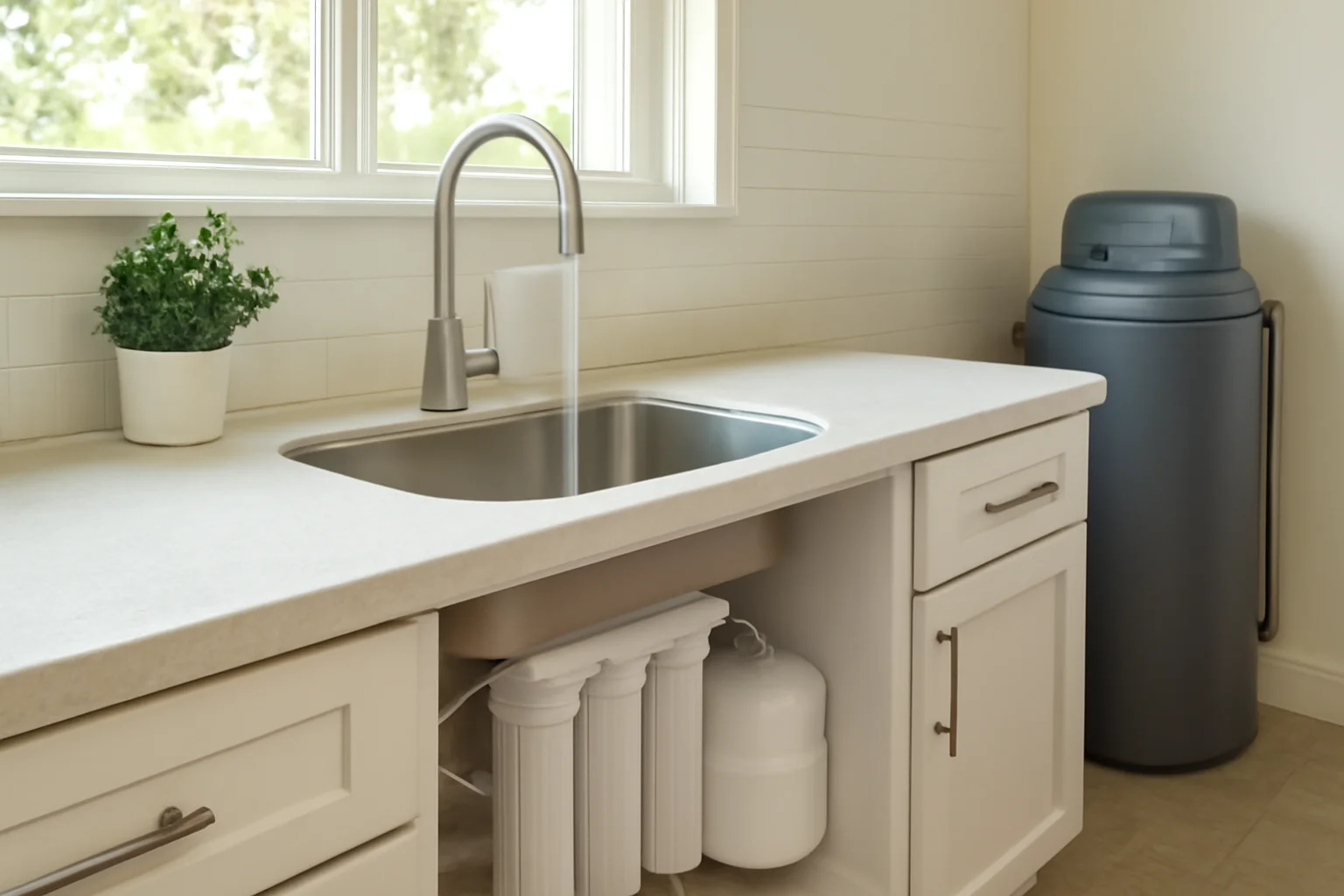
Lake Lorraine homeowners rely on dependable water softening services for cleaner laundry, better bathing, and plumbing protection. When the system slips out of tune, the effects show up fast: hard water spots on glass, scale buildup around faucets and showerheads, and even changes you can taste or smell. The goal is simple. Your water softener should reduce hardness, improve everyday water quality, and help your whole home water system perform as it should.
This article walks through what can cause problems with water softening services in Lake Lorraine, FL, and why some water quality concerns should not be ignored. You will also see how other clean water systems, like whole home water filtration, AO Smith water filtration, and reverse osmosis, can fit into a complete approach.
First, what a water softener is supposed to do
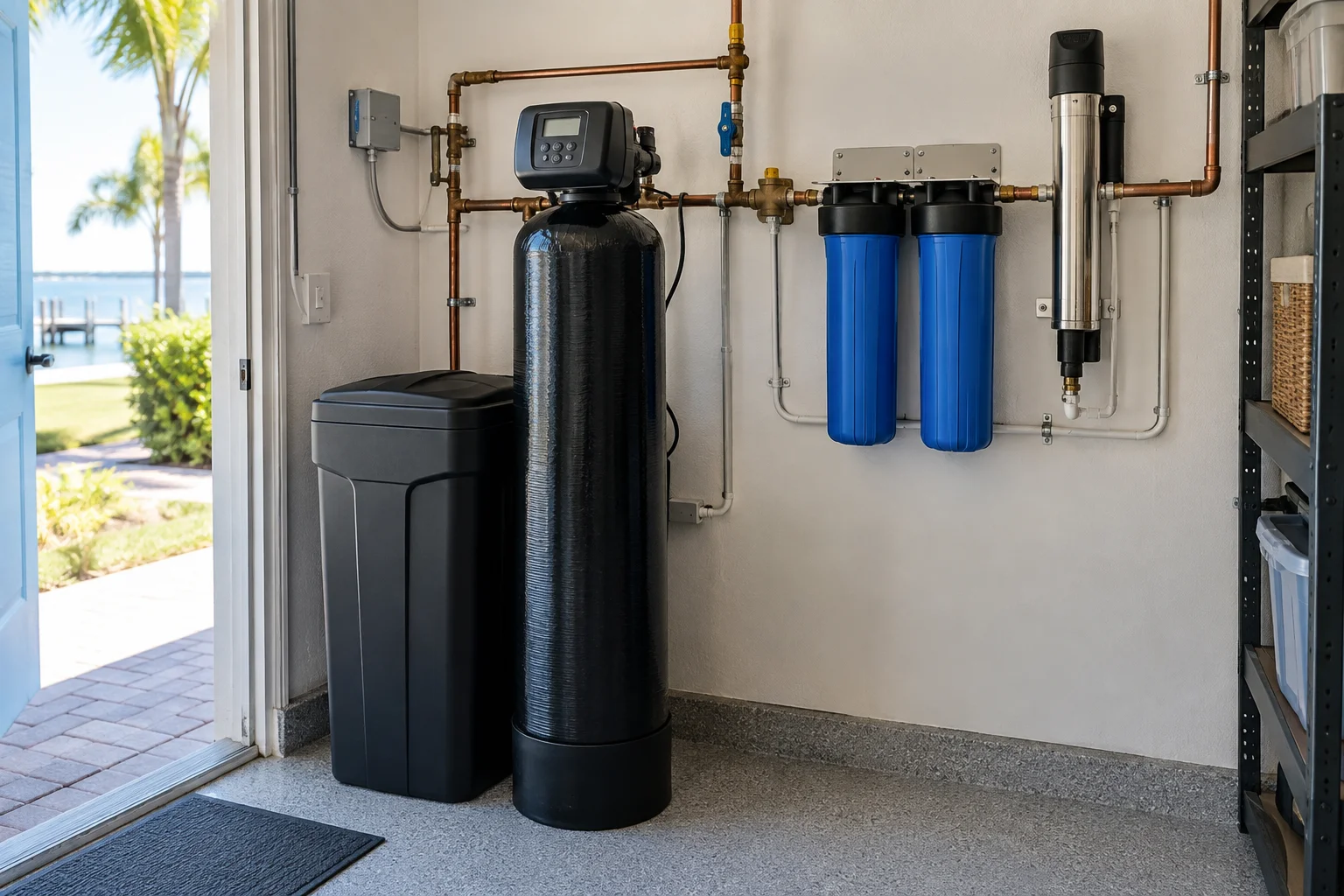
A properly working water softener removes hardness minerals, mainly calcium and magnesium, through ion exchange. Instead of leaving those minerals to form scale, the system exchanges them for sodium or potassium ions. That process helps prevent scale buildup on faucets, showerheads, and plumbing, and it improves how soap works.
When your softener is performing well, you typically notice fewer hard water spots on glass and less residue on fixtures. Laundry feels cleaner, and bathing can feel more comfortable because soap and shampoo rinse more easily. Appliances that connect to your water supply, including water heaters and some dishwashing equipment, also tend to wear more slowly when scale is controlled.
Common signs your softening service is not solving the problem
Sometimes the issue is not that water treatment is happening. It is that the results are inconsistent or incomplete. Watch for these everyday clues in Lake Lorraine homes and, if they show up together, they often point to a softener or system setup issue.
Hard water spots on glass, dishes, and fixtures
If you see white spots on drinking glasses, cloudy looking dishes, or stubborn marks on faucets and shower doors, the water may still be too hard. Even if the water “feels” softened, partial hardness can still create scale buildup on faucets and fixtures over time.
Scale buildup around faucets, showerheads, and plumbing
Scale buildup on faucets and showerheads is one of the most visible outcomes of hardness. You may also notice reduced water flow at showerheads or mineral crusting near plumbing connections. In the long run, scale can reduce heat transfer and shorten appliance life.
Dry skin or dull hair after bathing
Many homeowners describe dry skin from hard water. You may also notice dull hair or a film that does not rinse away as easily. This can happen when hardness minerals are not being fully removed or when other water quality issues are interfering with how soap and shampoo lather and rinse.
Soap that does not lather or rinse well
Hard water makes soap work harder. If soap does not lather, leaves residue, or feels slippery without cleaning, that is a strong sign the water is still carrying hardness minerals or interfering substances.
Metallic, chlorinated, or unpleasant taste and odor concerns
Some water quality problems are not hardness alone. If you notice metallic, chlorinated, or unpleasant taste, or if ice cubes form cloudy ice cubes, the issue may involve chlorine, sediment, or other contaminants. A softener alone may not address those concerns.
Cloudy ice cubes and sediment in household water
Cloudy ice cubes can be a clue that you are dealing with suspended particles, scale, or inconsistent filtration. Visible sediment, discoloration, and odor concerns should be treated seriously because they can affect drinking water quality and appliance performance.
Poor tasting coffee and cooking water
If coffee tastes off or cooking water affects flavor, you may be experiencing a combination of hardness, chlorine taste in water, or sediment. Many homeowners find that pairing softening with targeted filtration improves better water for drinking and cooking.
Appliances wearing out faster
When hardness is not controlled, water heaters and other fixtures can experience faster wear. You might see reduced hot water performance, more frequent maintenance, or premature replacement cycles. This is especially frustrating when a home already has a softener that is supposed to protect equipment.
What can cause water softening problems in Lake Lorraine
Water softeners are mechanical systems with controls, sensors, and resin media. They also need the right setup for local water chemistry. In Lake Lorraine, FL, where many households want clean water systems near me and dependable hard water treatment, problems usually fall into a handful of categories.
Incorrect system sizing for your household and water hardness
One of the most common causes is a mismatch between the softener’s capacity and the home’s actual water hardness and usage. If the system is undersized, it can run out of capacity before the next regeneration cycle. The result is partially softened water that still leaves scale behind.
Homeowners often notice this after changes like new appliances, more occupants, bigger laundry loads, or additional showers. Seasonal demand changes can also matter in Florida. A system that worked last year can fall behind if household usage increases.
Salt or potassium supply issues and improper refill habits
Even the best AO Smith water softener installation near you will not help if salt levels are too low or if the system is not being refilled correctly. Low salt can prevent proper regeneration. Some systems also require the right type of salt, and damp salt can bridge in the brine tank, leaving the system short on usable salt.
A Superior Mechanical can help you verify that your softener is set up for consistent performance, not just “working sometimes.”
Clogged lines, dirty brine tank components, or buildup in the system
Over time, sediment and scale can contribute to clogs or reduced performance. If you have visible sediment, discoloration, and odor concerns, it may indicate that filtration upstream is not keeping up. When particles reach the softener, they can interfere with flow or regeneration.
This is where whole home water filtration near me can become part of the solution, especially if you also struggle with cloudy ice cubes or sediment in household water.
Regeneration problems: wrong schedule, failed valves, or control board issues
Many softeners regenerate based on time or demand. Problems can include an incorrect regeneration schedule, a valve that does not seal properly, or a control that fails to trigger at the right moment. If regeneration is off, hardness can slip through.
Homeowners sometimes delay service because the system appears to be running. But a softener can cycle without fully regenerating, leaving water quality inconsistent.
Water chemistry changes and local conditions in Okaloosa County
Water quality can shift due to seasonal changes, rainfall patterns, and distribution system variations. In Okaloosa County, homes may experience changes in how water behaves during different parts of the year. When hardness or other contaminants fluctuate, a softener that was once perfectly tuned may need adjustment.
That is why water softening services in Lake Lorraine should be paired with testing, not guesswork. A clean water system works best when it matches the current conditions in your home.
Confusing hardness issues with taste and odor issues
Hardness creates scale and soap problems. Taste and odor concerns can involve chlorine taste in water, sediment, or other contaminants that hardness removal cannot fully solve. If you are dealing with metallic, chlorinated, or unpleasant taste, you may need additional filtration.
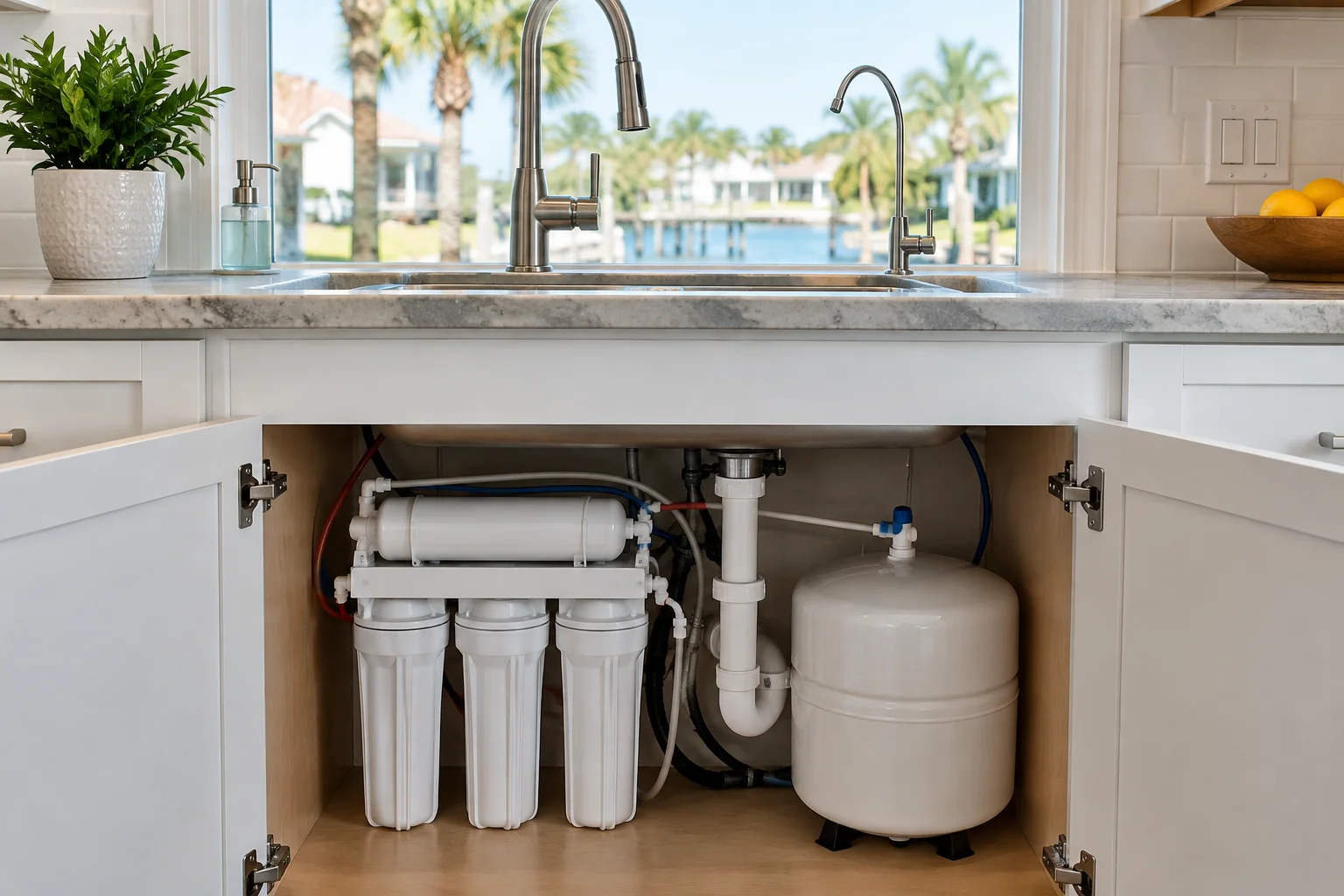
For households searching for reverse osmosis system near me or whole home water filtration near me, the key is choosing the right tool for the right problem. Some families use a water softener for scale control, then add point-of-use reverse osmosis for drinking water and ice. Others choose AO Smith water filtration for whole home coverage when sediment and taste concerns are present.
Why ignoring water quality problems can get expensive
Water quality issues are not just “comfort” problems. They can become maintenance and replacement problems.
Scale buildup can damage heat exchange and reduce efficiency
When hardness is not controlled, scale accumulates where water heats up or flows through narrow spaces. Over time, that can reduce efficiency and increase energy use. It can also lead to more frequent repairs on water heaters.
Fixtures and appliances accumulate residue faster
Scale buildup around faucets and showerheads does not just look bad. It can clog aerators and reduce water flow. Appliances can also experience faster wear, especially those that rely on consistent flow and heating.
Drinking water concerns should be treated seriously
If you notice sediment, discoloration, or odor concerns, do not assume it is harmless. Cloudy ice cubes and changes in cooking water can affect everyday health and taste. Families who cook at home often notice the difference immediately, whether it is in poor tasting coffee or how sauces and pasta turn out.
When water quality problems should not be ignored, the biggest red flag is any visible sediment or persistent taste and odor issues. Those often require a broader clean water system approach than softening alone.
How A Superior Mechanical helps Lake Lorraine homeowners get results
Professional water softening services should do more than set up equipment and leave. The service process should include evaluating your water usage, checking system performance, and confirming that the system is actually meeting your household needs.
Start with the right diagnosis, not a guess
In Lake Lorraine, the best next step depends on what you are seeing in your home. Hard water spots on glass and soap issues point to hardness. Cloudy ice cubes, sediment in household water, or chlorine taste in water point to filtration needs beyond softening.
A Superior Mechanical can help you connect these symptoms to the correct solution so you are not paying for a system that does not match the real problem. If you are looking for water softener service or water treatment near me, this diagnostic approach matters.
Match the system to your household and local water conditions
For many homes, a properly tuned AO Smith water softener is the foundation for hard water treatment. But some households also need AO Smith water filtration, whole home water filtration, or reverse osmosis to address drinking water quality.
You can explore water softening services for Lake Lorraine here: /service-areas/okaloosa-county/lake-lorraine/water-softening-services-llofl. If you want to broaden your approach, you can also review the water filtration options on this landing page: /water-filtration-ro-water-softeners. For local context, the Lake Lorraine service area page is here: /service-areas/okaloosa-county/lake-lorraine, and the broader Okaloosa County page is here: /service-areas/okaloosa-county.
Pair softening with the right filtration for better drinking and cooking
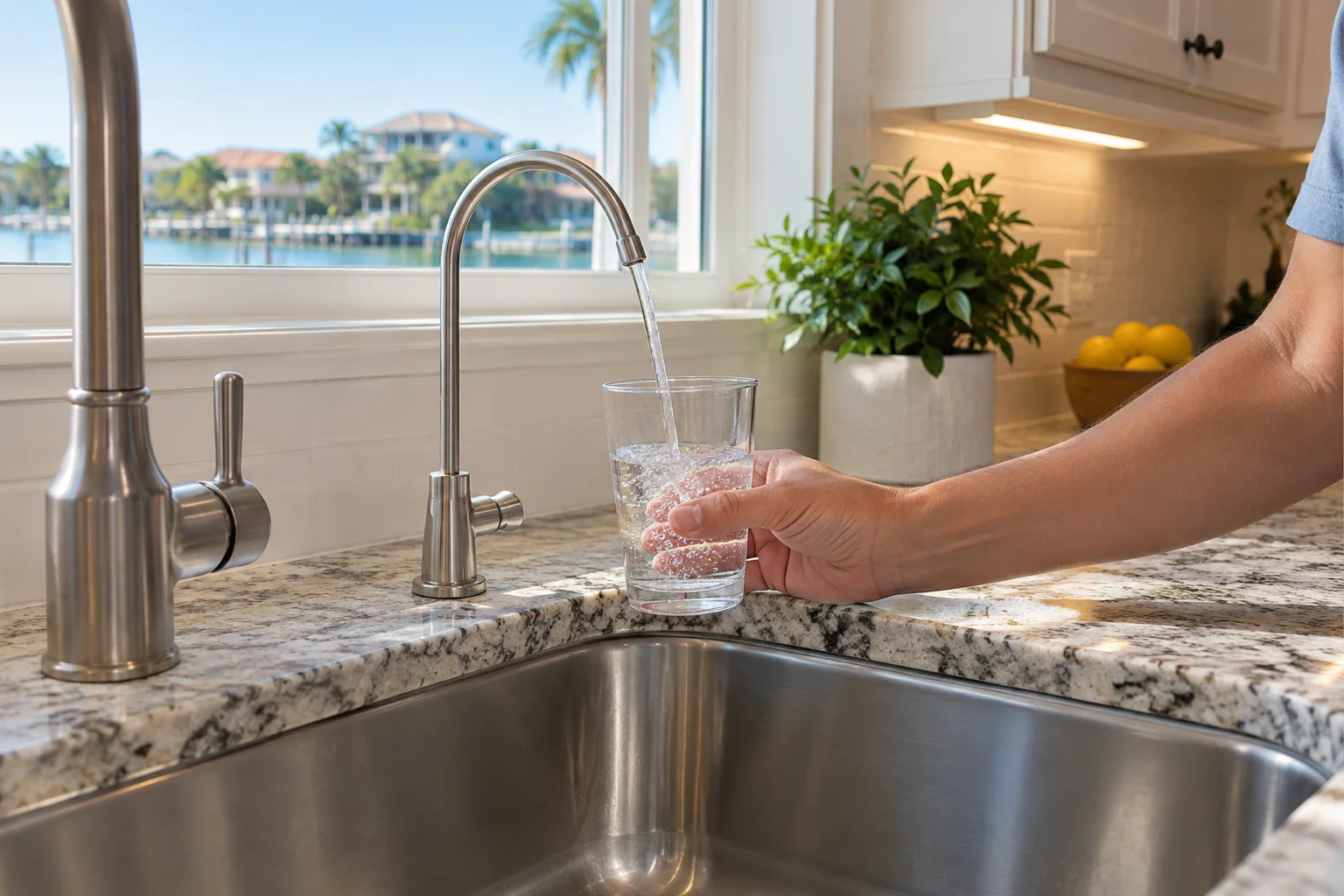
Many families want better water for drinking and cooking, especially for kitchen scenes that happen daily: filling the kettle, making iced coffee, rinsing produce, and washing dishes before they go into the dishwasher. When water tastes metallic, chlorinated, or unpleasant, it can pull the whole meal experience down.
Softening helps with scale and soap performance. Filtration, including options like reverse osmosis, can help with taste, odor, and sediment. Some households use reverse osmosis for drinking water and ice while relying on softened water throughout the home.
Maintenance steps homeowners can handle between service visits
Even with professional service, a few practical habits can protect water softening performance.
Check salt levels and avoid bridging
Salt should stay high enough to support consistent regeneration. If you notice crusted salt or gaps, the system may not be pulling salt properly. Many homeowners find that simple checks reduce the chance of sudden hardness return.
Watch for changes in water feel and cleaning results
Keep an eye on everyday indicators. If you suddenly see hard water spots on glass, notice soap does not lather, or feel dry skin from hard water again, that is often a sign the softener is not regenerating correctly or is falling behind on capacity.
Inspect for early scale buildup on fixtures
Scale buildup on faucets and showerheads can start small. If you see it growing or your showerhead flow declines, do not wait until the problem becomes a bigger plumbing issue.
Pay attention to cloudy ice cubes and sediment concerns
Cloudy ice cubes and sediment in household water are not typical “softener-only” symptoms. If you see these issues, consider a broader filtration check. That is when whole home water filtration or a targeted system like reverse osmosis may be the missing piece.
Related Lake Lorraine reading that connects water treatment to everyday results
Homeowners often get better results when they treat water quality as a whole system, not a single appliance. These blog posts can help you connect water treatment choices to the plumbing and purification setup in your home:
- How Preventive Plumbing Care Supports Cleaner Water in Lake Lorraine Homes
- Why Earlier Plumbing Maintenance Pays Off in Lake Lorraine Homes
- How Lake Lorraine Water Conditions Shape the Right Purification System
When to call a professional water treatment team
If you are seeing multiple symptoms, it is time to schedule water softener service or a water filtration evaluation. A few situations deserve prompt attention:
- You see persistent hard water spots on glass and fixtures even after the softener has been running.
- Soap does not lather or rinse well, and dry skin or dull hair returns after bathing.
- Scale buildup around faucets and showerheads is increasing, or water flow is decreasing.
- You notice cloudy ice cubes, visible sediment, discoloration, or odor concerns.
- Drinking water tastes metallic or chlorinated, and cooking water affects flavor.
Professional technicians can test water quality, verify regeneration performance, inspect components, and recommend the right combination of hard water treatment and clean water systems. For Lake Lorraine homeowners, that often means confirming that your AO Smith water filtration or softener setup is aligned with your household needs, then adding reverse osmosis or whole home filtration when taste, odor, or sediment issues are present.
If you are searching for water softening services in Lake Lorraine, FL, you can start with A Superior Mechanical at /service-areas/okaloosa-county/lake-lorraine/water-softening-services-llofl and explore broader options at /water-filtration-ro-water-softeners. Better water shows up in the places you care about most, from the kitchen sink to the shower to the way your laundry comes out.
Find Water Softening Services in Lake Lorraine, FL
If you need Water Softening Services in Lake Lorraine, FL, visit our local service page or contact A Superior Mechanical today.
For a broader look at whole-home water filtration, reverse osmosis, and water softener options, visit our water filtration, RO, and water softener page.
Map of Lake Lorraine, FL
Frequently Asked Questions
Why does my water still feel hard even though I have a water softener?
Common causes include a softener that is undersized for your household, low salt or bridging in the brine tank, a regeneration schedule that is off, or a valve or control issue. If you also have cloudy ice cubes or sediment, you may need additional filtration beyond softening.
Can a water softener fix chlorine taste in water or unpleasant odors?
Usually, a softener does not remove chlorine taste or most odor-causing compounds. Those concerns are typically addressed with filtration or other treatment like activated carbon, whole home water filtration, or reverse osmosis for drinking water. If you are dealing with metallic, chlorinated, or unpleasant taste, ask a technician to test and match the right clean water system.
What maintenance helps keep an AO Smith water softener working correctly?
Check salt levels regularly, keep an eye out for salt bridging, and schedule periodic service so the system can be inspected and tuned. If you notice scale buildup on faucets, soap does not lather, or dry skin from hard water returns, it is a good time to have performance checked.
When should I consider reverse osmosis or whole home water filtration?
Consider reverse osmosis or whole home water filtration when you have drinking water concerns like sediment in household water, cloudy ice cubes, discoloration, or chlorine taste in water that softening alone cannot solve. Many Lake Lorraine households use softening for scale control and add reverse osmosis for better drinking water and cooking water.
How do I know whether my problem is hardness or something else in my water?
Hardness shows up as hard water spots on glass, scale buildup around faucets and showerheads, soap that does not lather, and dry skin or dull hair after bathing. Taste, odor, and cloudy ice cubes point to filtration needs. The most reliable approach is testing so the system matches your actual water conditions.
Related Articles
Photo Gallery