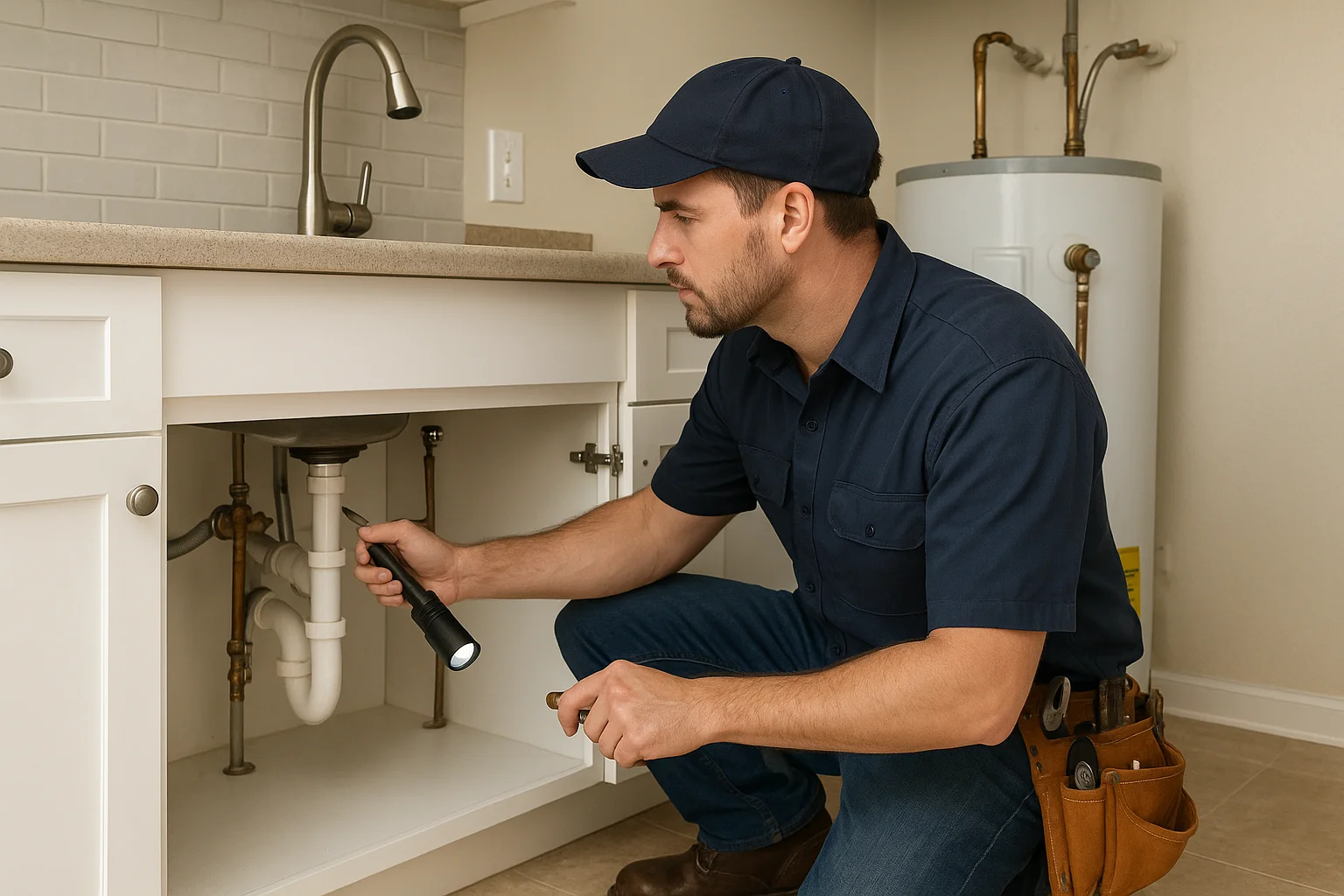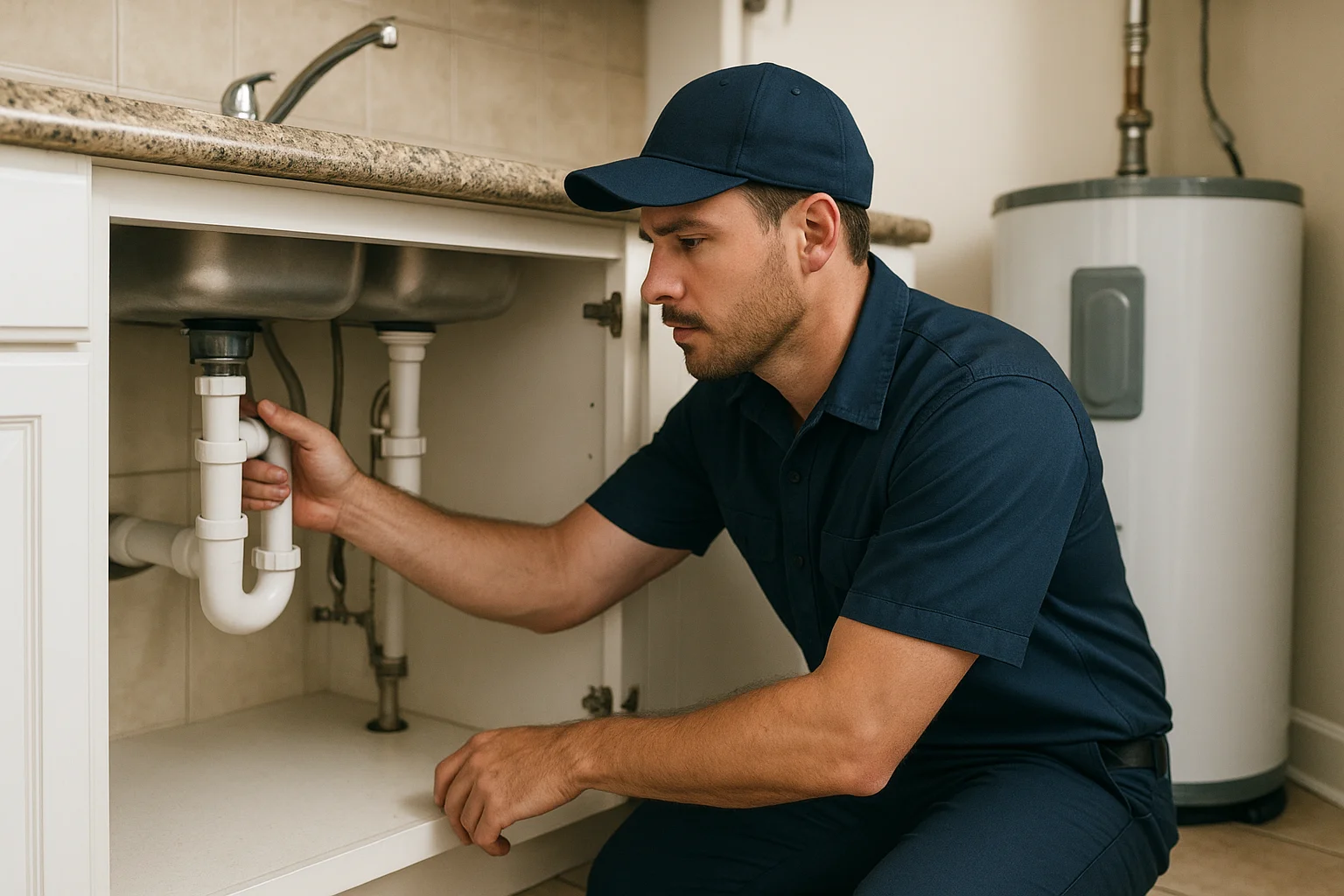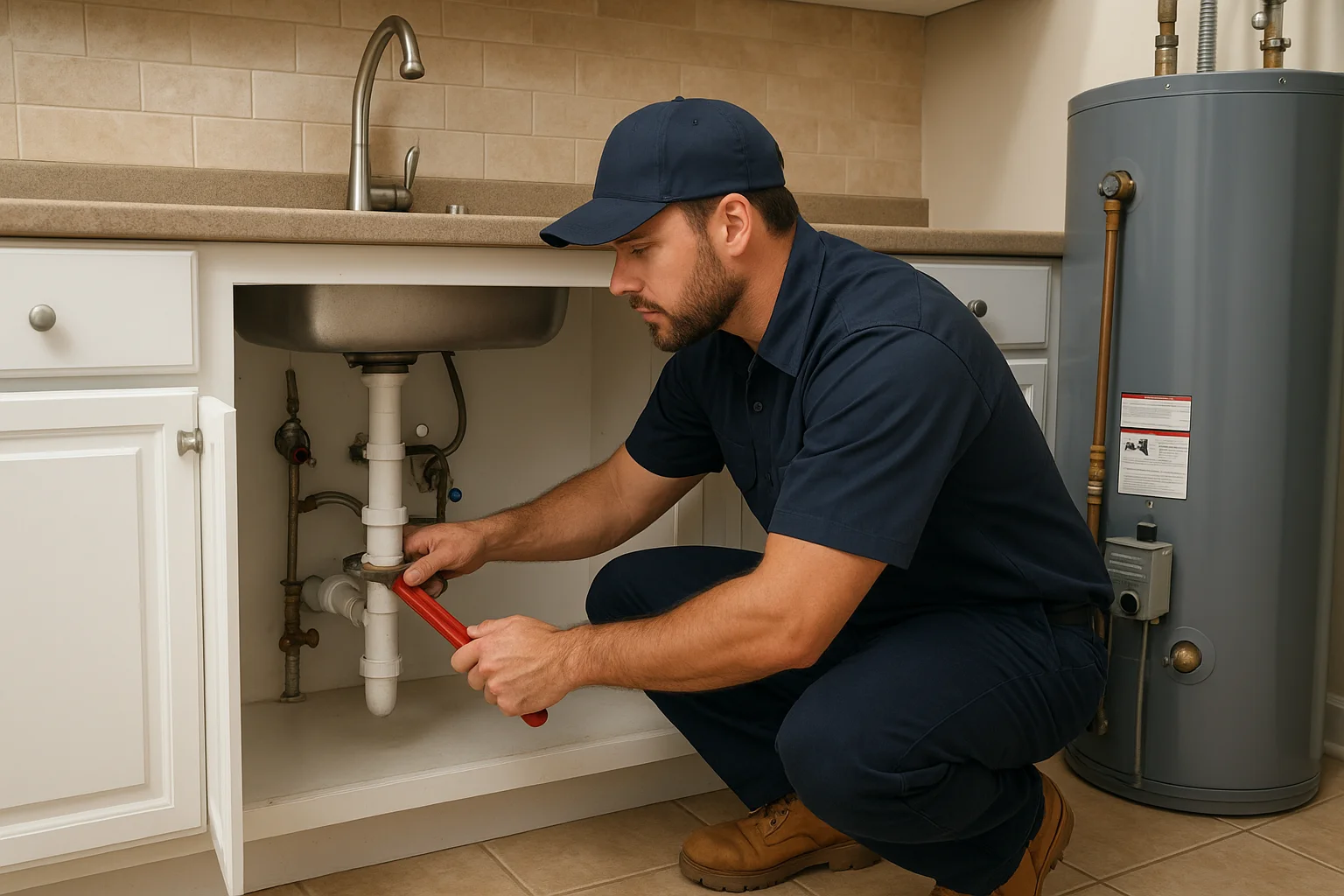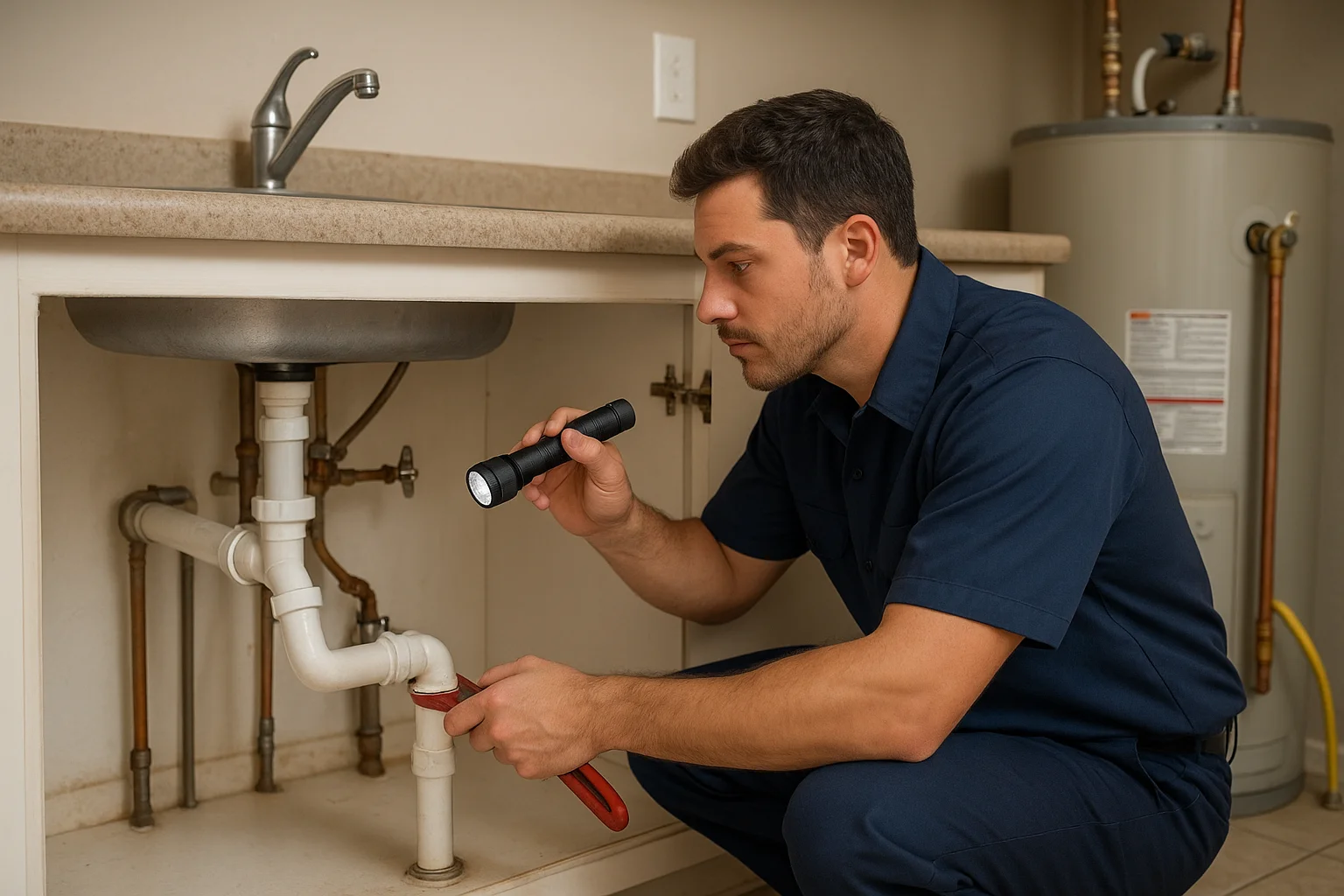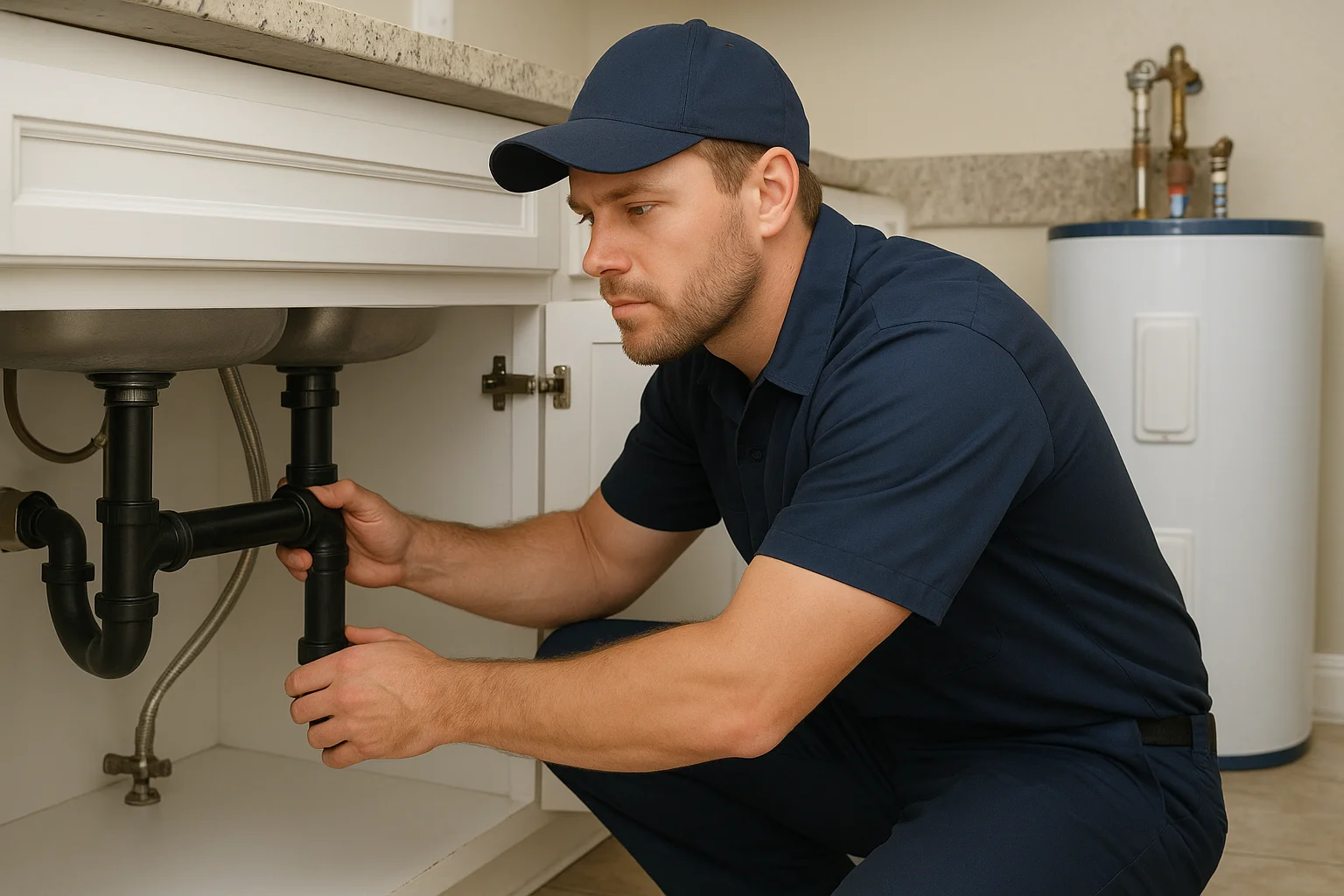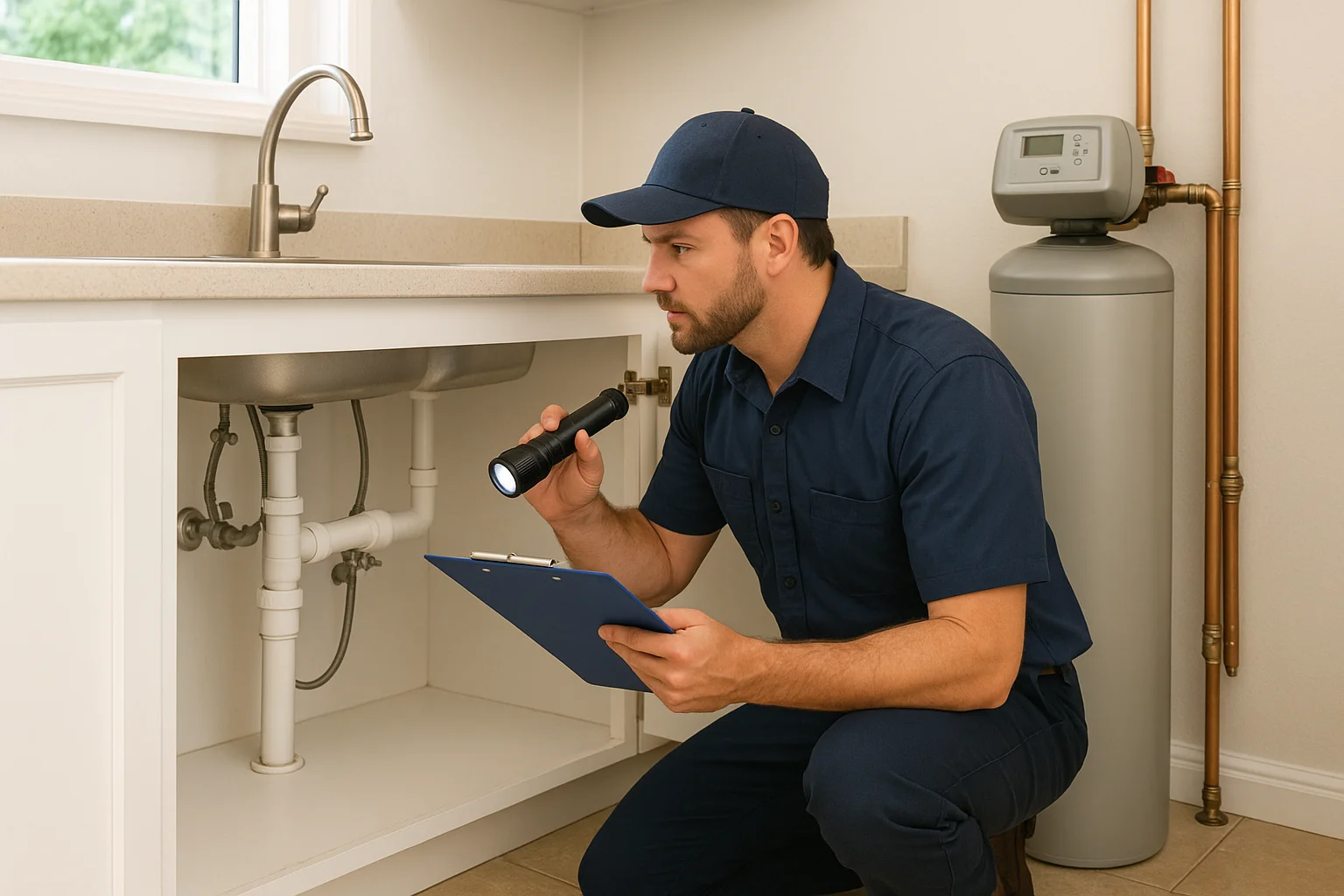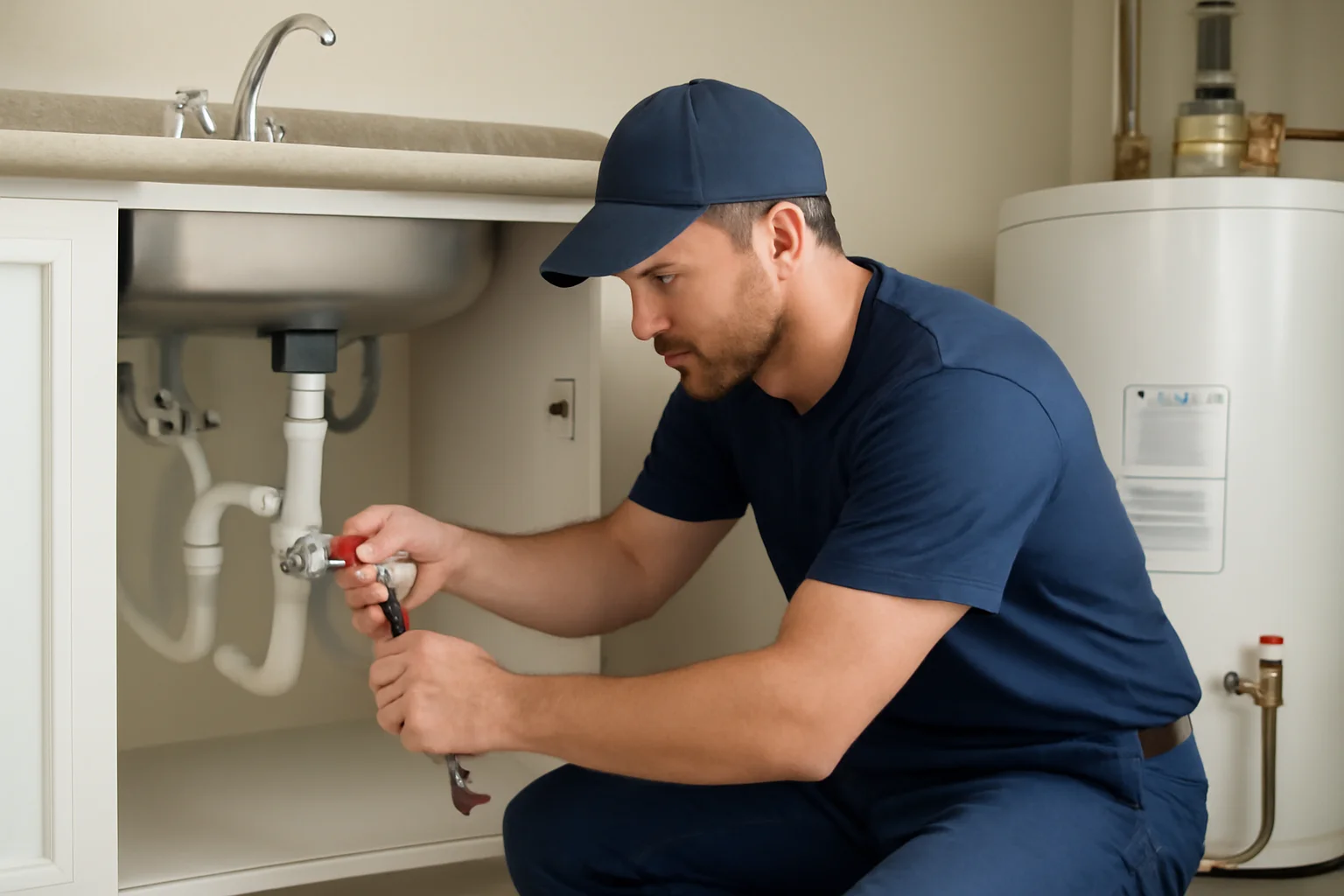
Hot water should be steady, quiet, and reliable, especially in Latitude Margaritaville Watersound where homes are built for comfort and convenience. But the plumbing performance of your water heater depends on details that are easy to miss during installation. When drainage, venting, pipe sizing, and pressure relief discharge are handled incorrectly, homeowners can end up with slow leaks, recurring clogs, corrosion, and costly water damage.
This guide breaks down common installation problems that affect drain and pipe performance, with practical steps you can discuss with a local plumber. It is written for homeowners searching for plumbing repair, water heater service, drain cleaning, leak repair, and local plumbing maintenance in the Bay County area.
Why water heater installation details matter more in Watersound homes
Latitude Margaritaville Watersound homes are typically designed around dependable daily routines, from showers and laundry to kitchen cleanup and guest stays. That means the water heater and its connected plumbing run more consistently than many people realize. Local conditions can also make maintenance more important. Bay County humidity, seasonal storms, and the way homes are plumbed can all influence how quickly small installation issues turn into larger problems.
Two factors show up again and again in water heater and plumbing service calls:
- Water pressure and pressure cycling: If pressure is too high, connections and valves can stress. If it is too low, the heater may not operate as intended, which can contribute to poor flow through supply and drain lines.
- Hard water and mineral buildup: Hard water can lead to sediment buildup inside the tank and scale on fixtures. During installation, shortcuts that trap debris or restrict flow can accelerate clogs and corrosion.
When drainage and piping are installed correctly, you reduce the chance of standing water, trapped moisture, and repeated discharge events. That is how you prevent the kind of water damage that often starts small and grows quietly under cabinets, behind toilets, in mechanical closets, or near slab edges.
Problem 1: Drain line mistakes that cause standing water and corrosion
The drain line connected to your water heater is meant to move water away safely, especially during pressure relief events or tank draining and servicing. Several installation issues can undermine that job.
Common drain line causes
- Incorrect slope: A drain line that is too flat can trap water. Over time, trapped water contributes to corrosion and mineral buildup.
- Wrong diameter or restricted routing: If the drain line is undersized or routed through tight bends, flow slows. That increases the chance of clogs and intermittent discharge.
- Discharge extension that ends too close: If the discharge outlet or drain termination is placed so it can splash back, moisture can return to nearby piping and the surrounding area.
- Using the wrong materials: Some plastics and fittings do not play well with hot water discharge temperatures. That can lead to softening, cracking, or leaks.
Homeowners sometimes notice early symptoms like damp spots around the base of the heater, musty smells in a closet, or water staining near the drain connection. If you are seeing repeated moisture, it is not something to ignore. It can become a leak repair situation fast, especially in areas where water can reach flooring, subflooring, or adjacent plumbing.
Problem 2: Pressure relief valve discharge piped incorrectly
The temperature and pressure relief valve (T&P valve) is a safety device. If it discharges, it should discharge in a controlled way to a safe location. During installation, mistakes here are more than inconvenient. They can create emergency plumbing concerns when the discharge line is blocked or routed poorly.
What can go wrong
- No proper discharge line: Some installations leave discharge to vent into a nearby space. That can damage drywall, floors, and insulation.
- Discharge line termination that is too close to the structure: Water can run back toward the heater area.
- Kinks, crushed sections, or glued joints that do not hold: These can restrict flow during an actual relief event.
- Shutoff valves installed downstream: A shutoff can prevent safe discharge and create a serious risk.
If you are planning water heater replacement and want better drain and pipe performance, ask your installer how they will route the T&P discharge line and how they verify it is clear. For related issues, you may also want to review How Better Plumbing Maintenance Lowers the Risk of Water Damage During Water Heater Replacement in Latitude Margaritaville Watersound.
Problem 3: Venting and vent termination errors that affect performance and safety
Even though your focus is plumbing, venting affects water heater operation and how condensate and combustion byproducts move. Poor venting can contribute to condensation leaks, backdrafting concerns, and corrosion of nearby components.
Installation mistakes that show up later
- Wrong vent routing: Vents that run through cold areas can create condensation that drips where it should not.
- Improper termination placement: Termination that is too close to openings or surfaces can create moisture problems.
- Incorrect vent size or configuration: This may cause the system to operate inefficiently and stress connected piping.
If you have ever dealt with a drain issue that turned into a bigger leak repair problem, you already know how quickly moisture can spread. Venting errors create that same risk, only tied to the water heater.
Problem 4: Water pressure not checked before installation
Water pressure is one of the most overlooked factors during water heater service and replacement. In Latitude Margaritaville Watersound, many homes rely on consistent pressure for showers, dishwashers, and laundry. If pressure is too high, it can push stress through valves, fittings, and the heater’s internal system.
Symptoms of pressure-related installation problems
- Frequent cycling of the heater
- Dripping from valves
- Water hammer noises
- Premature failure of supply line fittings
Ask a local plumber to verify pressure during installation. If your home needs a pressure regulator, it should be installed correctly and maintained. This also helps with related plumbing repair calls, including faucet repair and toilet repair, because those fixtures also depend on stable pressure and flow.
Problem 5: Pipe connection issues that lead to slow leaks
Slow leaks are one of the most frustrating plumbing problems for homeowners. They can start as a tiny seep at a connection and become a slab leak repair or water damage repair situation if they go unnoticed. Installation quality strongly influences how long connections last.
Where connections fail most often
- Unseated or misaligned threaded joints: Misalignment can prevent a proper seal.
- Improper sealing material: Using the wrong sealant or applying too little can cause seepage.
- Cross-threading: Even a small cross-thread can create a leak path.
- Over-tightening: Excess force can damage fittings and create micro-cracks.
- No dielectric unions where needed: Mixing metals without the right isolation can accelerate corrosion, especially with hard water.
If you suspect a leak after a recent water heater installation, look for dampness around the base, corrosion around fittings, or water staining on nearby surfaces. For guidance on keeping trouble contained, see Keeping Plumbing Trouble Small in Latitude Margaritaville Watersound Homes.
Problem 6: Sediment and hard water not addressed during installation
Hard water can cause mineral scale and sediment to build up inside the tank and in connected plumbing. During installation, failing to account for sediment management can reduce performance and increase the chance of clogged drain lines and restricted flow.
Installation choices that help
- Flushing the system before final connection: This helps remove debris that can affect valves and drains.
- Correct inlet and outlet fittings: Proper fittings reduce turbulence and help keep flow consistent.
- Planning for maintenance access: A water heater that is hard to reach discourages routine service, which allows sediment to build.
- Considering water treatment when appropriate: If your home uses reverse osmosis or has known water quality issues, it may affect how minerals behave. For more context, read Reverse Osmosis Problems in Latitude Margaritaville Watersound Homes and How to Keep Plumbing Costs Down and Reverse Osmosis Systems.
When sediment restrictions build up, the result can look like plumbing repair symptoms: reduced hot water, slow draining, or recurring issues with fixtures. That is why homeowners searching for plumbing services near me often end up needing more than a quick fix. They need a plan that addresses the source.
Problem 7: Drain and sewer line connections overlooked during replacement
Some water heater installations rely on nearby plumbing that connects to the home’s drain system. If the drain line or nearby sewer line routing is already restricted, the new heater can expose the problem sooner.
How installation can reveal existing sewer line trouble
- Backflow during discharge events: If the main drain or sewer line is partially blocked, discharge can struggle to leave.
- Slow drains that seem unrelated: A clogged drain repair near me search often starts with sinks or tubs, then shows up as a larger issue once the heater begins discharging more frequently.
- Hidden tree root intrusion or buildup: In coastal Florida regions, sewer line issues can develop through aging pipes and ground movement.
If you have recurring drain backups, it can be smart to schedule sewer inspection near me service before or during water heater replacement. A plumber can also help with sewer line repair near me needs if the system requires attention. For drain-focused solutions, you can ask about Hydro Jetting when buildup is a concern.
Problem 8: Slab and waterline issues that turn installation into a bigger repair
Sometimes the water heater itself is not the real problem. The underlying plumbing connections, nearby waterlines, or even slab-level plumbing can be failing. When installation work disturbs old plumbing or when new flow patterns reveal weak areas, homeowners may see a sudden jump in leaks.
What to watch for
- Warm spots or damp flooring near supply lines
- Water pressure that changes after installation
- Recurring leaks near the heater area
- Cracks or moisture along slab edges
Slab leak repair near me is not a phrase most people want to search, but it becomes relevant when waterline leaks go undetected. If your home has older plumbing, ask whether the installer should inspect nearby waterlines and connections for signs of wear. If you suspect a waterline problem, review Waterline Repair.
Problem 9: Choosing the wrong water heater setup for your home’s water use
Installation problems are not always about the pipes. Sometimes the selected heater does not match your household demand. A unit that is too small or not configured correctly can lead to pressure cycling, temperature swings, and more frequent discharge events.
Local planning for better performance
- Household and guest patterns: In a community with vacation-style living, hot water demand can spike quickly during busy weekends.
- Fixture count and usage: Multiple showers and frequent laundry increase recovery needs.
- Tank vs. tankless considerations: Tankless systems require correct plumbing flow rates and proper venting. If you are searching for tankless water heater replacement near me, it is worth discussing how the vent and piping match your home.
When the heater is matched correctly and installed with the right plumbing details, you reduce callbacks and improve drain and pipe performance over time. If you are unsure whether your current system needs replacement or repair, you can also explore Water Heater Repair.
Practical prevention steps homeowners can take before and after installation
You cannot control every detail of plumbing work, but you can ask better questions and monitor performance after installation. Those steps are especially useful when you want to prevent water damage during water heater replacement.
Before installation
- Ask for pressure verification: Request that water pressure be checked and that any needed regulator be addressed.
- Confirm drain and discharge routing: Make sure the installer explains where the drain line and T&P discharge line go and how they terminate.
- Discuss hard water and sediment: Ask how they plan to reduce mineral buildup impacts on connected plumbing.
- Review your existing drain behavior: If you have slow drains or recurring clogs, mention it. It can affect installation performance.
After installation
- Check for moisture within the first week: Look around the base, nearby fittings, and any discharge locations.
- Monitor hot water consistency: Sudden changes can point to flow restrictions or connection issues.
- Listen for unusual noises: Water hammer or repeated cycling can indicate pressure or valve problems.
- Keep drains clear: If you are dealing with clogged drain repair near me situations, handle them promptly so discharge flow is not compromised.
If you recently had plumbing repair and noticed other issues like a running toilet repair near me search, address those too. Many homes have multiple small plumbing problems that share the same underlying cause like supply pressure swings, clogged lines, or fixture wear.
When emergency plumbing concerns show up
Water heater installation issues can become urgent when leaks spread quickly or when discharge lines fail. If you see water actively leaking, hear water where it should not be, or notice rapid dampening of floors or walls, treat it as an emergency plumbing concern.
Call a plumber right away if you notice
- Water leaking from the heater base, fittings, or nearby pipes
- Frequent discharge from the T&P valve without clear cause
- Standing water in areas that should be dry
- Backups that affect multiple drains
- Signs of slab-level moisture or worsening dampness near supply lines
For homeowners who want dependable, local support, A Superior Mechanical provides professional water heater installation in Latitude Margaritaville Watersound, FL. You can review the service details on our water heater installation page, or browse more local plumbing coverage on the Latitude Margaritaville Watersound service area page and our Bay County services.
Questions to ask your installer for drain and pipe performance
When you are speaking with a plumber for plumbing repair or water heater service, these questions help you evaluate whether the installation will protect your drains, pipes, and fixtures.
- How will you route the drain line and T&P discharge line? Ask where it terminates and how you verify it is clear.
- Will you check water pressure and recommend a regulator if needed?
- What fittings and materials will you use to prevent corrosion? In homes with mixed metals or older piping, dielectric protection matters.
- Will you inspect nearby plumbing for restrictions or leaks? This can include sewer line help or waterline repair planning.
- What maintenance schedule do you recommend for hard water and sediment?
If you want more insight into common homeowner oversights during plumbing repair, read What Homeowners Often Miss During Plumbing Repair in Latitude Margaritaville Watersound. It can help you spot issues that lead to repeated callbacks, including drain and pipe problems that show up after a new water heater is installed.
Why local plumbing service matters for long-term water heater reliability
Water heater installation is not a one-time task. Your home’s plumbing system is a network that includes drains, sewer lines, water supply pipes, and fixtures. Local plumbers understand how homes in the Latitude Margaritaville Watersound area are laid out, how local water conditions contribute to scaling, and how to plan for the kinds of leaks that can become hidden behind walls or under slabs.
When installation is done with drain and pipe performance in mind, you reduce the chance of clogged drain repair needs, recurring leak repair calls, and emergency plumbing concerns after storms or heavy water use periods. That is the goal: dependable hot water now, and fewer surprises later.
Find Water Heater Installation in Latitude Margaritaville Watersound, FL
If you need Water Heater Installation in Latitude Margaritaville Watersound, FL, visit our local service page or contact A Superior Mechanical today.
Map of Latitude Margaritaville Watersound, FL
Frequently Asked Questions
What drain line mistakes cause the most water heater problems?
The biggest issues are incorrect slope, restricted routing, and discharge terminations that allow water to splash back. These can lead to standing water, corrosion, and recurring clogs.
How do I know if the T&P discharge line was installed correctly?
It should route safely and freely to an appropriate termination location. After installation, there should be no wet spots around fittings, and the line should not be blocked or routed in a way that traps water.
Can hard water make installation problems worse?
Yes. Hard water increases mineral buildup in tanks and pipes. If drainage and flow paths are restricted or maintenance access is poor, sediment can accelerate corrosion and reduce performance.
Should I worry about sewer line issues during water heater replacement?
If you have slow drains, recurring backups, or frequent clogs, it is smart to address sewer line health during replacement. Discharge events can reveal existing restrictions sooner than you expect.
When should I treat a water heater leak as an emergency?
If you see active leaking, rapid dampening of floors or walls, repeated safety valve discharge, or signs of moisture spreading, contact an emergency plumber right away to reduce water damage risk.
Related Articles
- Reverse Osmosis Problems in Latitude Margaritaville Watersound Homes and How to Keep Plumbing Costs Down
- Keeping Plumbing Trouble Small in Latitude Margaritaville Watersound Homes
- What Homeowners Often Miss During Plumbing Repair in Latitude Margaritaville Watersound
- How Better Plumbing Maintenance Lowers the Risk of Water Damage During Water Heater Replacement in Latitude Margaritaville Watersound
Photo Gallery