Living along 30A means enjoying Gulf breezes, bright beach days, and a climate that keeps your air conditioner working hard for much of the year. That same coastal weather also creates some of the toughest conditions for HVAC equipment. Heat, humidity, salty air, and long cooling seasons can all shorten system life if the installation is not done with care.
For homeowners, vacation rental owners, and property managers, the best way to avoid expensive cooling problems is to start with the right equipment and the right installation. A well planned air conditioning installation in 30A, FL can make a major difference in comfort, humidity control, and long term energy use. A Superior Mechanical installs Bryant systems designed for coastal performance, and that matters in a place where the AC rarely gets a break.
This guide looks at the installation details and maintenance habits that help 30A homes stay efficient year after year. It also explains how local conditions in 30A and greater Walton County affect cooling systems in ways many inland homeowners do not expect.
Why AC systems in 30A work harder than most
Homes along 30A deal with a mix of conditions that put extra strain on air conditioning equipment. Summer heat is only part of the issue. The bigger challenge is humidity. When moisture hangs in the air for weeks at a time, your cooling system has to remove that moisture while also lowering the temperature indoors.
That extra workload can lead to several issues if the system is undersized, poorly installed, or not maintained regularly:
• Higher electric bills
• Uneven temperatures from room to room
• Sticky indoor air and weak humidity control
• More frequent repairs
• Shorter equipment life
Coastal air also brings salt and moisture that can wear on outdoor components. That is one reason local installation expertise matters. A system that works fine in another part of Florida may not hold up as well on the coast if the ductwork, drainage, airflow, and equipment protection are not planned correctly.
Installation choices that affect long term efficiency
Many homeowners think efficiency depends mostly on the brand or the SEER rating. Those things matter, but installation quality plays a huge role too. Even a high efficiency system can struggle if it is not matched properly to the home or installed with attention to airflow and moisture control.
Correct system sizing
One of the most common installation mistakes is choosing a unit that is too large or too small. An oversized system may cool the house quickly, but it can shut off before it removes enough humidity. That leaves the home feeling clammy and can encourage mold growth. A system that is too small may run constantly and still fail to keep up during peak summer heat.
Proper sizing should reflect the layout of the home, insulation levels, window exposure, ceiling height, and the realities of coastal humidity. That is especially important in 30A, where homes can range from compact beach cottages to large vacation properties with open floor plans and lots of glass.
Ductwork that supports airflow
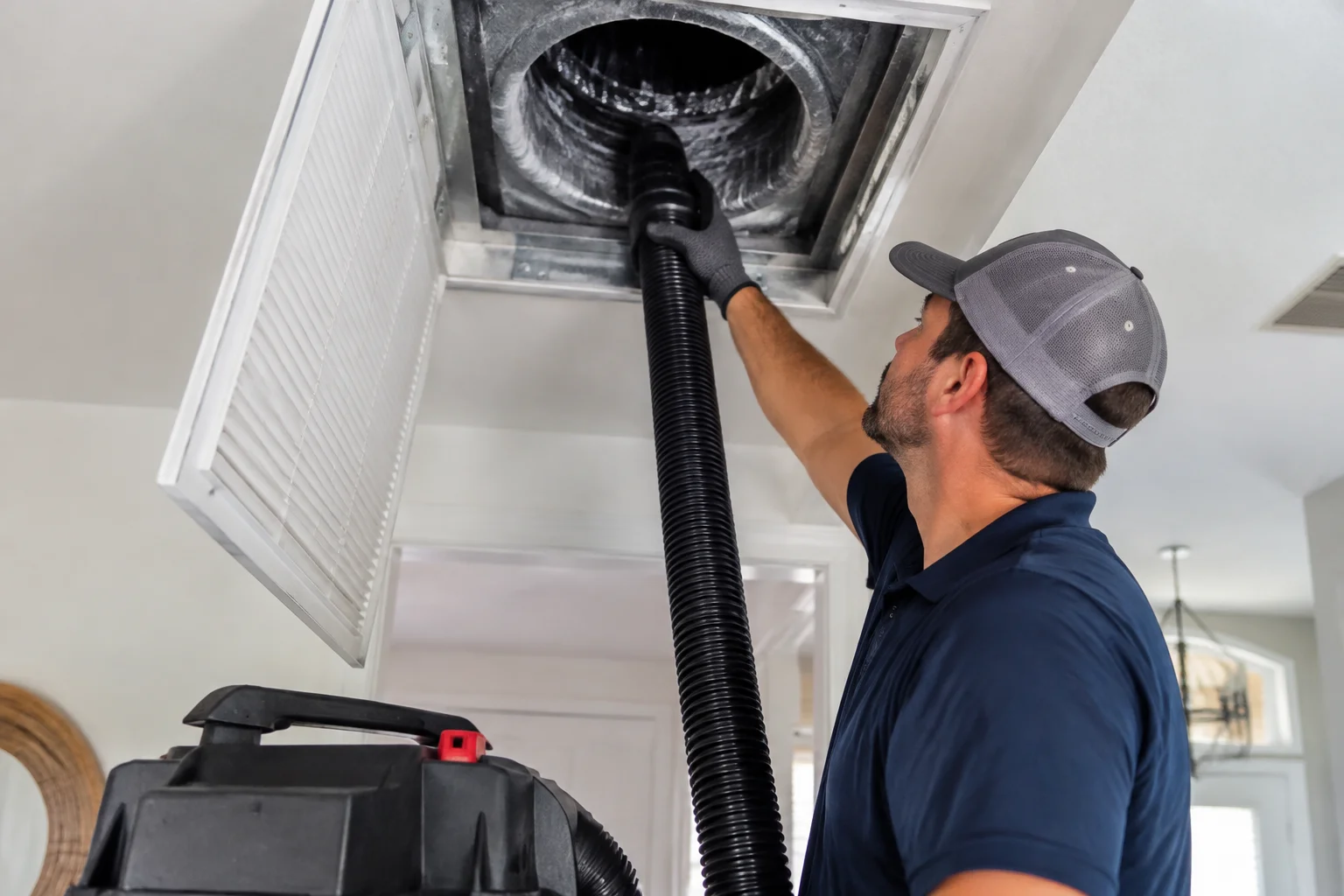
Ductwork problems are a major reason new systems underperform. Leaky, undersized, or poorly sealed ducts can waste conditioned air and force the system to work harder than necessary. If the duct layout does not support balanced airflow, some rooms may stay warm while others get too cold.
For homes that need duct improvements, Ductwork Services can help reduce energy loss and improve comfort throughout the house. In many 30A homes, duct sealing and airflow adjustments are just as important as the equipment itself.
Drainage and humidity control
In a humid coastal climate, condensate drainage needs to be set up correctly from day one. If the drain line clogs or slopes poorly, moisture can back up into the system or leak into the home. That can lead to water damage, mold, and shutdowns during the hottest part of the season.
A system that is installed with humidity control in mind will usually do a better job keeping indoor air comfortable without overcooling the house. That matters in 30A, where many homes are occupied seasonally and need to recover quickly after being closed up.
Maintenance habits that protect a new AC system
Even the best installation needs regular care. Maintenance helps preserve efficiency, catch small issues early, and prevent the kinds of failures that turn into expensive repairs. For 30A homeowners, the key is consistency. A few small tasks done on time can save a lot of money over the life of the system.
Change filters on schedule
Dirty filters restrict airflow and make the system work harder. In a coastal area with sand, pollen, and humid air, filters can clog faster than many homeowners expect. A clogged filter can also cause frozen coils, weak airflow, and higher utility bills.
Check filters monthly during heavy use. Depending on the household, pets, and indoor air quality needs, they may need to be changed every one to three months.
Keep the outdoor unit clear
The outdoor condenser needs room to breathe. Leaves, sand, grass clippings, and salt residue can all interfere with performance. Keep the area around the unit clear and gently rinse away debris when needed, following manufacturer guidance.
Because 30A sits so close to the Gulf, outdoor equipment may need more frequent visual attention than systems farther inland. A little routine care can help reduce corrosion and keep airflow strong.
Watch the condensate drain
In a humid climate, the condensate drain works hard. If it slows down or clogs, water can back up and trigger a shutdown. Some homeowners notice a musty smell, water near the air handler, or an unexpected rise in indoor humidity before they realize the drain is the issue.
Routine service can keep the drain line clear and reduce the chance of moisture related damage.
Schedule professional tune ups
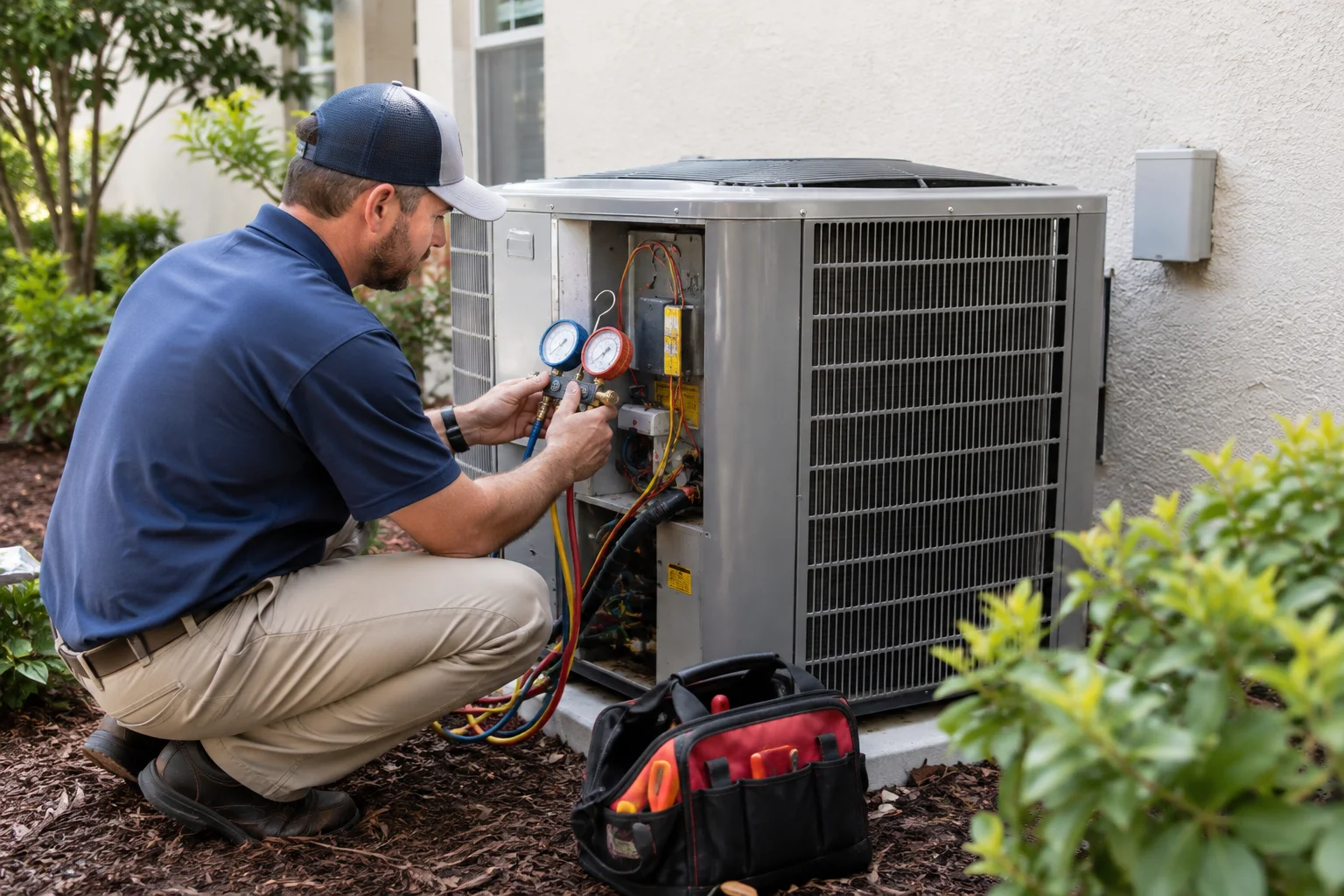
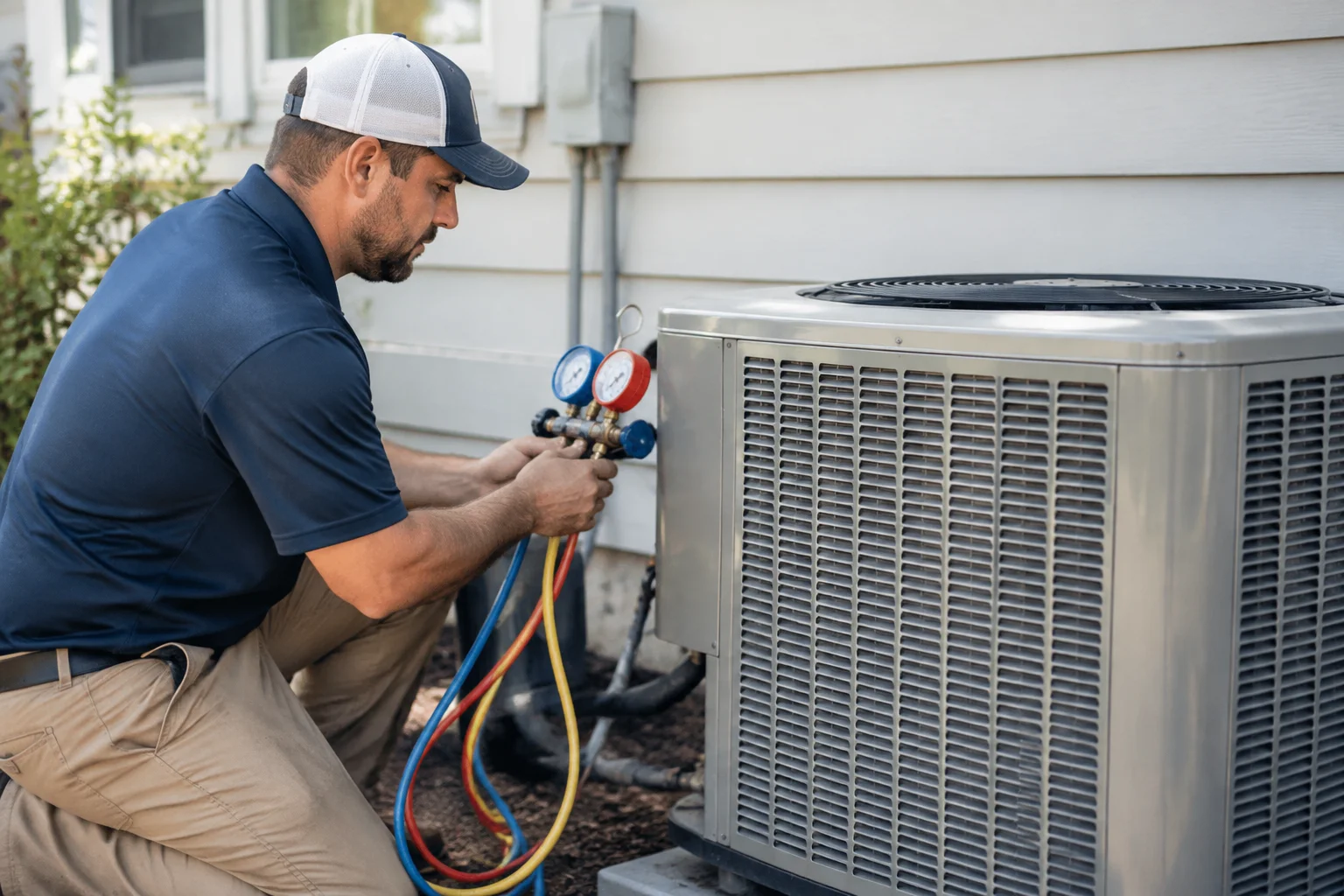
Professional maintenance gives technicians a chance to check refrigerant levels, electrical connections, airflow, coils, drain lines, and thermostat performance. These details can reveal problems before they turn into breakdowns.
For homes in 30A, annual service is often the minimum. Vacation homes or properties that run heavily through peak season may benefit from more frequent checkups.
Local issues that can shorten equipment life
Some AC problems show up more often in coastal Walton County than in other places. Knowing what to watch for helps homeowners act early.
Salt air corrosion
Salt in the air can wear down metal components and electrical connections over time. Outdoor units near the coast may show signs of corrosion sooner than expected if they are not protected and maintained properly.
High humidity and mold risk
When a system does not remove enough moisture, the home can feel damp even if the temperature looks fine on the thermostat. That can lead to musty odors, indoor comfort complaints, and mold concerns in closets, air handlers, or ductwork.
Vacation home cycles
Many 30A homes are not occupied every day of the year. Systems in these properties may sit unused, then run hard when guests arrive. That cycle can expose hidden issues with thermostats, drains, and airflow. It also makes pre season maintenance especially valuable.
Storm related wear
Coastal weather, heavy rain, and wind can all affect outdoor equipment. After strong storms, it is smart to check for debris around the condenser, power issues, or signs that water has entered areas it should not.
Simple ways homeowners can reduce future repair costs
Good installation and maintenance work together. If you want your cooling system to last longer and run more efficiently, a few habits can help.
Use a thermostat that supports your schedule
Programmable and smart thermostats can reduce unnecessary runtime, especially in homes that are empty part of the week. For vacation rentals, temperature setbacks between guests can save energy without sacrificing comfort.
Keep indoor humidity in check
Humidity control helps the AC system do its job without overworking. If the home still feels sticky after a new installation, the issue may be airflow, duct leakage, or improper sizing rather than just the thermostat setting.
Protect the system with the right service plan
Routine service is usually less expensive than emergency repairs. Homeowners who keep up with inspections are more likely to catch worn parts, dirty coils, or drainage problems before they cause a shutdown during the hottest week of the year.
If your current system is aging or struggling, it may be worth comparing repair costs with upgrade options. Articles like Making HVAC Upgrades Easier to Manage in 30A, FL and Keeping HVAC Financing on Track in 30A, FL Homes can help homeowners think through the budget side of an improvement project.
When installation problems are really maintenance problems
Sometimes a homeowner assumes the new AC system was installed incorrectly when the real issue is a maintenance lapse. A dirty filter, clogged drain, or neglected outdoor unit can make a system seem underpowered. Other times, the installation itself is the root of the problem, especially if the system was not sized correctly or the ductwork was not addressed.
Warning signs that deserve attention include:
• Short cycling
• Warm spots in certain rooms
• Rising humidity indoors
• Ice on the coil or refrigerant line
• Water near the air handler
• Unusual noises from the outdoor unit
• A sudden increase in energy use
If these issues keep coming back, professional diagnostics can help determine whether the problem is installation related or a sign that the system needs repair. In some cases, Air Conditioning Repair is the right move. In others, the better solution is to correct airflow, ductwork, or equipment sizing before the next cooling season.
Why local service makes a difference in 30A
AC work in 30A is not the same as AC work in a drier inland market. Local service providers understand how beachfront exposure, vacation rental turnover, and long cooling seasons affect system design and maintenance. They also know which installation details matter most for homes in Walton County, from corrosion resistance to humidity management.
A Superior Mechanical focuses on air conditioning installation in 30A, FL with Bryant systems built for coastal comfort and dependable performance. That local knowledge helps homeowners get equipment that fits the home, the climate, and the way the property is used. It also helps reduce the chance of avoidable problems later, which is where long term savings often begin.
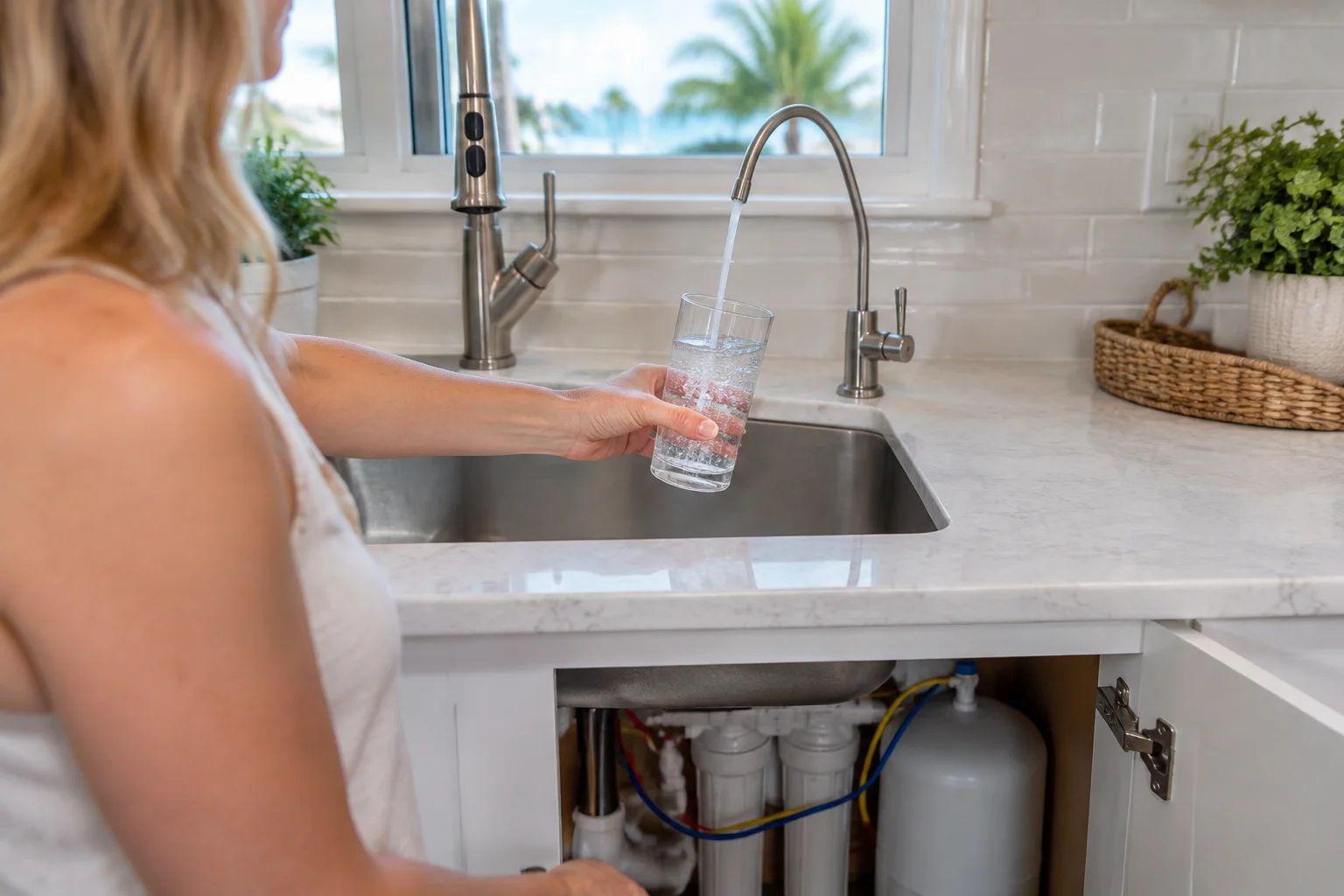
For homeowners planning a larger comfort upgrade, it can also help to think about the whole indoor environment. Services such as Clean Water Systems and Water Filtration Services can support overall home quality, especially in properties where comfort, cleanliness, and maintenance planning all matter.
In a coastal community like 30A, a well installed AC system is more than a convenience. It is part of protecting the home, managing energy costs, and keeping indoor spaces comfortable through long stretches of heat and humidity. When installation is handled carefully and maintenance stays on track, homeowners are much less likely to face surprise breakdowns or high utility bills during peak season.
Find Air Conditioning Installation in 30A, FL
If you need Air Conditioning Installation in 30A, FL, visit our local service page or contact A Superior Mechanical today.
Map of 30A, FL
Frequently Asked Questions
How often should an AC system be serviced in 30A, FL?
Most homes in 30A should have professional AC maintenance at least once a year. Homes that run heavily in peak season or see frequent guest turnover may benefit from more frequent checks.
Why does humidity matter so much for AC installation on the coast?
In a humid coastal climate, the system has to remove moisture as well as heat. If the unit is not sized or installed correctly, the home may cool down but still feel sticky and uncomfortable.
Can ductwork affect how efficient a new AC system is?
Yes. Leaky or poorly designed ducts can waste cooled air, reduce airflow, and make the system work harder. Good ductwork is a major part of efficient installation in 30A homes.
What maintenance task saves the most money over time?
Regular filter changes and annual professional tune ups usually provide the best value. They help prevent airflow problems, reduce wear on parts, and catch small issues before they become expensive repairs.
Related Articles
Photo Gallery