Hammock Bay homes sit in a humid Florida environment where plumbing systems work hard year-round. When water stays out of sight, small problems can turn into expensive repairs. Leak detection is not just about finding the issue. It is about building habits that help you catch leaks early, protect your slab foundation, and avoid emergency plumbing concerns.
This guide is written for local property owners in Hammock Bay, FL. You will learn what typically causes slab leaks, how to watch water use and water pressure, what to check around fixtures and drains, and when plumbing repair should become professional leak repair.
Why Hammock Bay plumbing issues often start “quiet”
Many homeowners assume leaks show up as puddles. In reality, hidden leaks can develop inside walls, under floors, and through or around the slab. In a community like Hammock Bay, where homes often see seasonal humidity swings and steady household water use, pipes can expand and contract. That movement, combined with age, soil moisture changes, and hard water, can slowly stress joints and fittings.
Slab leaks are especially tricky because water can travel along the path of least resistance. By the time you notice higher utility bills, damp spots, or warm areas on the floor, the leak may have already affected subfloor materials, nearby wiring, and the surrounding soil under the slab.
If you are searching for a plumber near me because you suspect hidden water loss, the best starting point is usually a precise inspection and targeted leak detection. That is how you avoid guesswork and unnecessary slab demolition.
Start with the easiest clues: water use, water pressure, and fixture behavior
Before you schedule leak repair, you can collect a few observations that help a technician narrow down the likely area. These checks are also useful for ongoing plumbing maintenance near me style planning.
Track water use changes
One of the most effective habits is watching monthly water bills for unexplained jumps. Compare your current bill to similar months from the past year. A slab leak can create steady, low-volume loss that does not show up as a sudden pool. If your water use rises while daily routines stay the same, hidden leaks become more likely.
For faster confirmation, ask family members to minimize water use for an hour. Then check your water meter. If the meter continues to move, you likely have an active leak somewhere in the system.
Notice subtle water pressure shifts
Water pressure problems can be a symptom of leaks, clogged lines, or failing components. If you notice that showers run weaker, faucets sputter, or pressure drops when a toilet refills, it can point to issues in supply lines or pressure-regulating parts. Low or inconsistent pressure can also make it harder for appliances to function correctly, including water heaters.
Listen and observe at the fixtures
Walk through your home and check for patterns:
- Running toilet repair: A toilet that cycles, runs intermittently, or refills too often can waste a surprising amount of water. A failed flapper, fill valve issue, or worn seals can mimic the symptoms of a bigger leak.
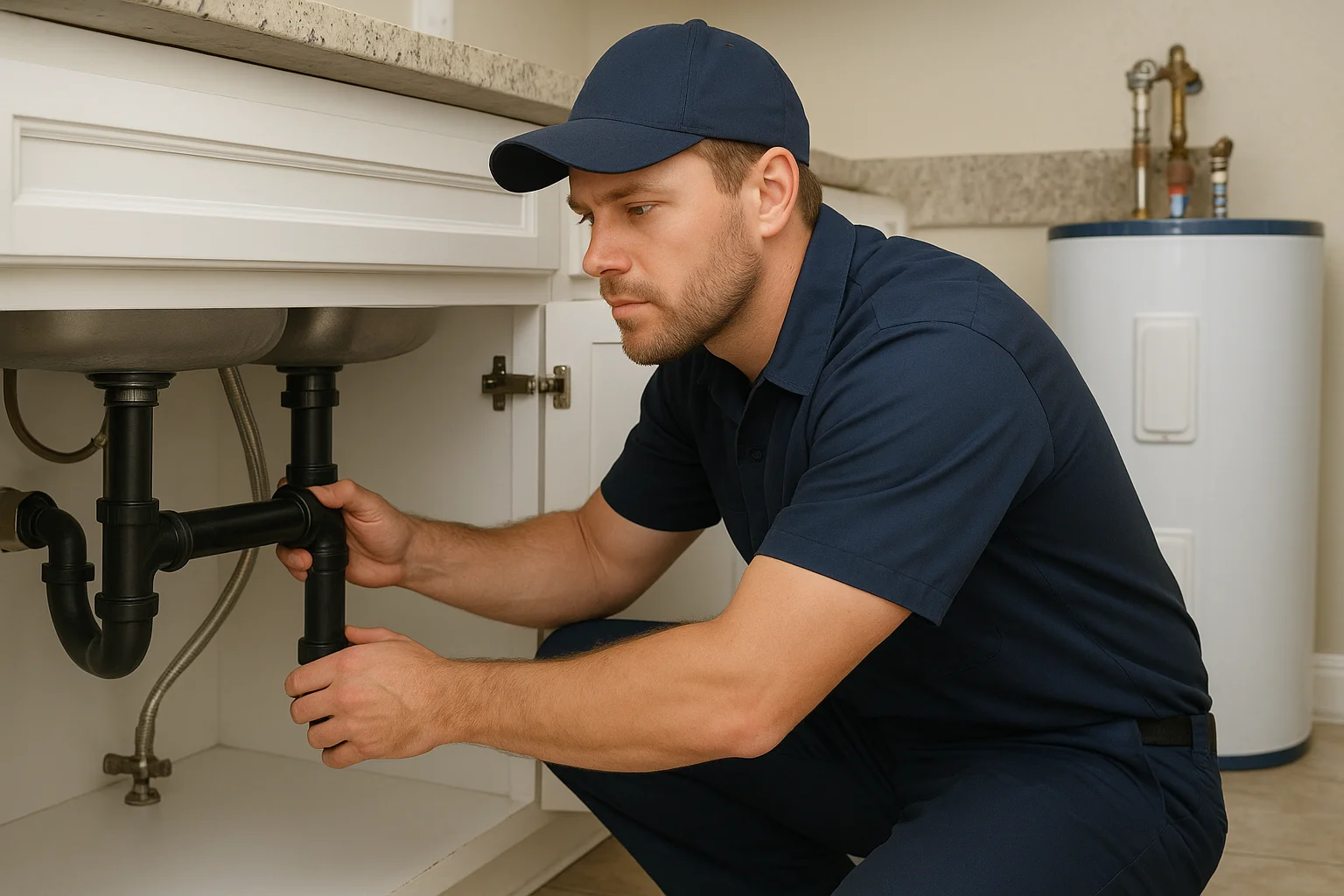
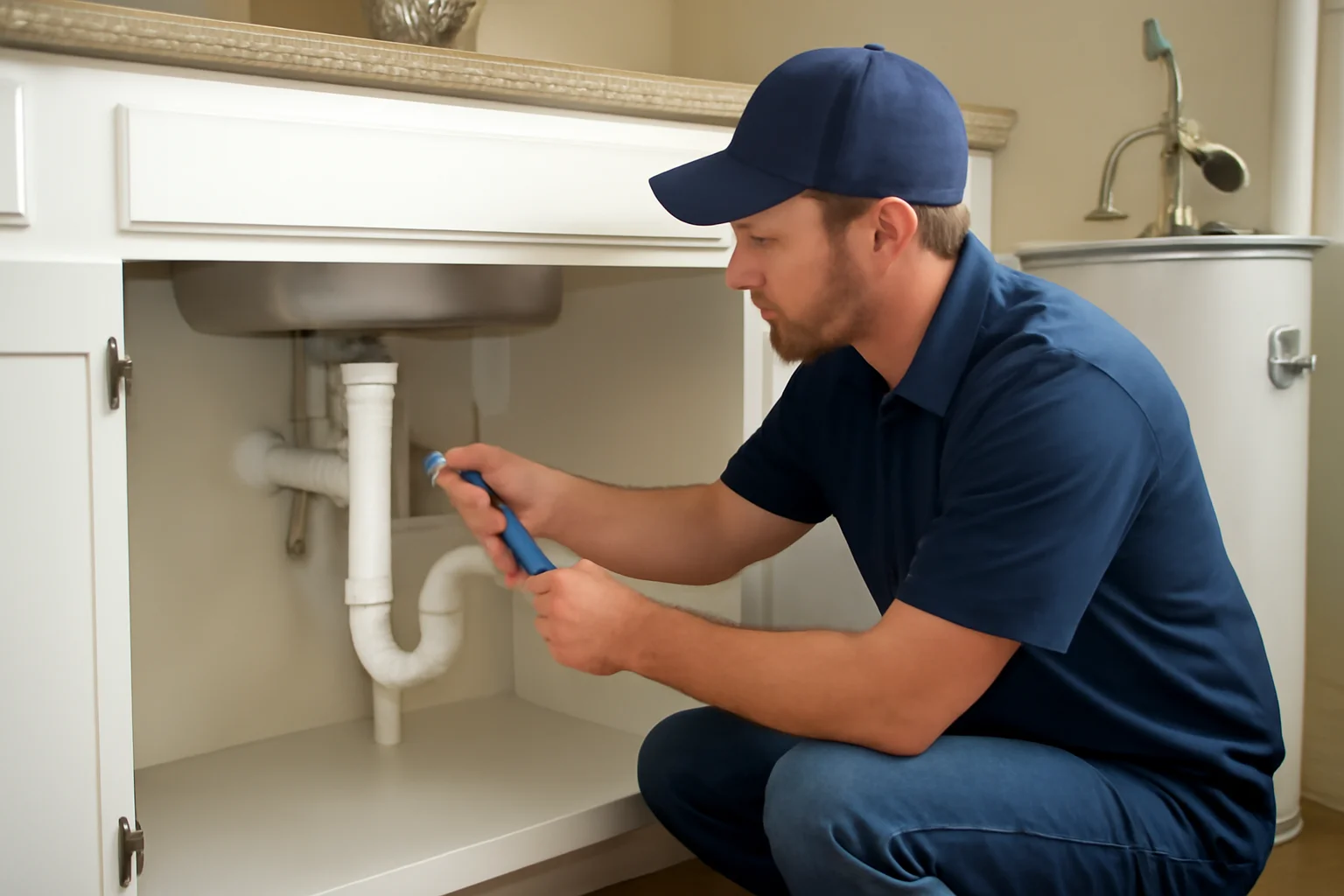
- Faucet repair clues: Dripping faucets, slow leaks at supply lines, and moisture under sinks can indicate worn connections.
- Shower drain clog repair clues: Persistent slow draining can point to buildup and partial blockages. While this is not a slab leak, clogs can increase back pressure and stress nearby plumbing.
These checks do not replace professional leak detection, but they help you rule out common causes and explain what you have already noticed to your local plumbing team.
Hard water and the wear it adds to pipes and fixtures
Hard water is common across many parts of Florida, and Hammock Bay is no exception. Mineral buildup can affect water heaters, reduce flow through aerators, and contribute to scaling inside pipes. Over time, that buildup can restrict water movement, increase operating stress, and accelerate wear on valves and fittings.
Hard water does not directly “create” a slab leak, but it can contribute to leaks by making components work less efficiently and by encouraging corrosion at certain points. If you are noticing frequent water heater service needs, inconsistent hot water, or signs of moisture around connections, it is worth pairing those observations with a broader plumbing inspection.
If you are thinking about improving water quality to reduce plumbing surprises, you may also find helpful guidance in Cleaner Water in Hammock Bay Starts at the Tap and A Practical Guide to Reverse Osmosis Systems for Hammock Bay Homes.
Common causes of slab leaks in local Hammock Bay homes
Slab leaks happen when water lines under the foundation develop a failure. The cause is often a combination of time, movement, and stress. In local homes, these are some of the most common contributors:
- Corrosion and pinhole leaks in older piping materials
- Joint failures at fittings or connections under the slab
- Soil movement under the foundation, which can shift the stress on pipes
- Improper installation or repairs made years ago
- Freeze and thaw cycles are less common in Florida, but temperature swings can still expand and contract plumbing
- Increased water pressure that pushes stress through weak points
Even if your home is newer, plumbing systems still experience expansion and contraction. That is why leak detection matters for both older properties and newer builds with hidden plumbing runs.
How to recognize slab leak symptoms before damage grows
Some slab leak signs are obvious, like pooling water. Others are easy to miss. Watch for patterns that show water is leaving the plumbing system underground.
Moisture, damp flooring, or warm spots
If you feel warmer-than-usual areas on the floor or notice persistent dampness in a room, it may be a sign of water escaping under the slab. Sometimes the moisture is subtle and shows up as discoloration, swelling baseboards, or a musty smell.
Unexplained increases in utility bills
Steady water loss is a classic slab leak symptom. If your water use increases without a change in habits, it is time to investigate.
Cracks in floors or walls that seem to worsen
Water can affect the soil and create changes around the foundation. That can contribute to cracks or make existing cracks look worse. Foundation movement is not always a slab leak, but it is a reason to pursue professional plumbing repair evaluation.
Corroded fixtures or mineral rings
Mineral deposits around a fixture, repeated staining, or corrosion near supply lines can indicate a leak upstream. Even when leaks are not under the slab, they can still cause hidden water loss.
Drain and sewer line problems can overlap with leak concerns
Homeowners sometimes treat drain clogs and slab leaks as separate issues. In practice, plumbing problems can compound each other. Slow drains can increase pressure in pipes. Sewer line problems can cause backing, odors, and water intrusion. If you are dealing with recurring clogs or symptoms that resemble a leak, a broader inspection can prevent misdiagnosis.
Consider these local scenarios:
- Sewer backup repair near me becomes urgent when you notice gurgling drains, sewage odors, or water backing up in multiple fixtures.
- Clogged drain repair near me searches often start with a single sink or shower, but recurring blockages can suggest deeper line issues.
- Slow drain repair near me can be caused by buildup, but persistent problems may also indicate a partially blocked sewer line.
If you are unsure whether the issue is a leak, a drain clog, or sewer line repair, it is better to have a plumber evaluate both. That approach reduces the odds of addressing one problem while another continues to cause damage.
For homes that need help with deeper plumbing lines, it can also be useful to review the broader options available through our Walton County service coverage and to ask about the best diagnostic plan for your situation.
Preventive habits that reduce slab leak risk
You cannot stop every plumbing failure, but you can reduce the odds of sudden damage and keep small leaks from turning into major repairs.
Schedule home plumbing inspection near me style evaluations
A periodic inspection can catch early warning signs. If you have a rental property or a busy household with high water use, the value of a routine check is even higher.
When you request a home plumbing inspection, ask the technician to pay attention to supply lines, visible pipe runs, and signs of moisture. For homes with older plumbing, ask whether leak detection is recommended based on your observed water use and any fixture behavior.
Test toilets and fix small running issues quickly
A toilet that runs intermittently can waste water and add wear to valves. If you are searching for running toilet repair near me because you notice frequent refills, treat it as more than a nuisance. It is a water loss issue that can mask other problems.
Watch water pressure and avoid “high pressure” habits
Water pressure that is too high can stress piping joints. If you have an older home or you have noticed pressure spikes, ask a plumber to check your pressure regulator and consider whether pressure adjustment is appropriate. This is one of the practical steps that can reduce the stress that contributes to pipe failures.
Protect pipes in vulnerable areas
Florida does not usually bring the deep freezes that other states face, but temperature swings and humidity changes can still affect plumbing. Insulate exposed pipes where appropriate and keep an eye on outdoor connections and garage or crawl space plumbing if your home has them.
Be cautious with DIY repairs under fixtures
Many slab leak “mysteries” start with a small DIY repair that did not solve the underlying issue. If a leak reappears after a short period, it may not be the original problem. Professional leak detection helps pinpoint the true source before additional repairs are made.
What professional leak detection typically involves
When you call a local plumbing team for leak repair, the goal is to locate the source without unnecessary demolition. Depending on your home and symptoms, leak detection may include:
- Meter and pressure testing to confirm active water loss
- Acoustic or electronic leak detection to narrow down where water is moving underground
- Thermal checks to identify areas where water is escaping
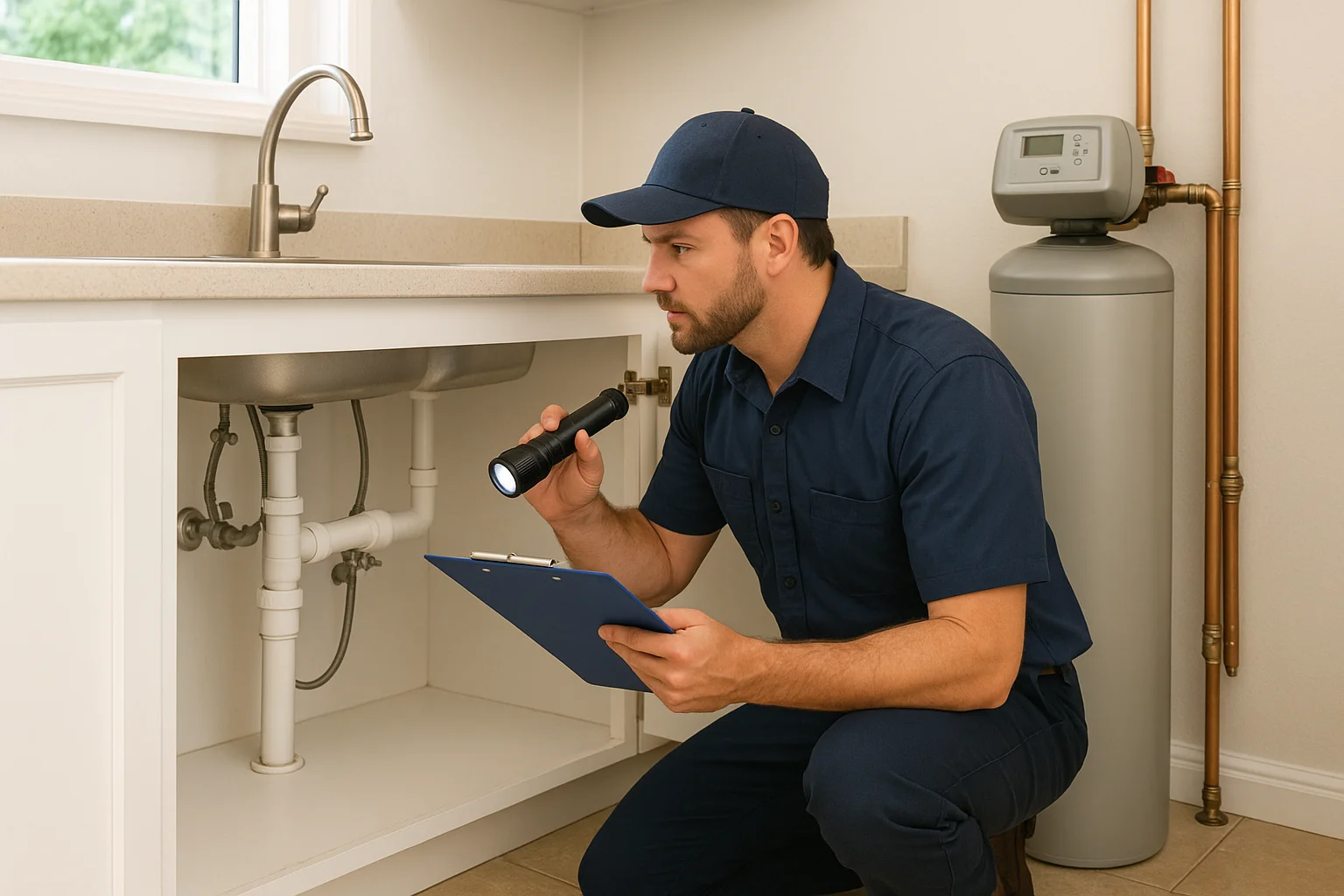
- Inspection of accessible plumbing to rule out visible fixture or supply line leaks
This step-by-step approach is especially important for slab leak repair, where guessing can lead to cutting into the slab in the wrong place. If you are considering whether to handle it yourself, remember that a mislocated repair can leave the original leak path open.
You can explore A Superior Mechanical’s service focus here: leak detection and slab leak repair in Hammock Bay.
Slab leak repair options and why timing matters
Once the leak is located, the repair approach depends on the pipe material, the leak location, and how much access is available. In many cases, plumbers work to minimize disruption to flooring and landscaping while restoring safe, reliable plumbing.
Delaying slab leak repair can increase costs. Water can continue to escape, damaging flooring materials and affecting the surrounding soil. It can also increase the risk of secondary issues like corrosion, mold growth in hidden spaces, and higher utility bills that keep climbing.
If your home is a rental or you manage tenants, a slab leak can also lead to downtime and emergency plumbing concerns that disrupt schedules. Addressing the leak sooner helps reduce the time your property is affected.
Emergency plumbing concerns in Hammock Bay: what to do right away
Some situations should be treated as urgent. If you have a suspected active leak with visible water, a rapidly increasing water bill, water pooling near the foundation, or signs of sewer backup, do not wait.
- Shut off the water at the main valve if you can do so safely.
- Reduce water use until a plumber arrives.
- Protect electrical areas by keeping the area dry. If you notice water near outlets or appliances, treat it as an emergency.
- Document what you see with photos. This can help a technician move faster with leak detection.
When urgent issues turn into a plumbing repair near me search, choosing a team that can handle both diagnostics and repair matters. That is how you avoid delays that allow more water to escape underground.
When you should call A Superior Mechanical
Call a professional if you notice any combination of the following:
- Water bills rise without a clear reason
- Water pressure changes or you hear unusual water movement
- Warm spots, damp flooring, or persistent moisture appear
- Cracks worsen near plumbing-heavy areas
- Toilets run often, or you keep fixing small leaks that return
- Clogged drains or sewer line problems keep recurring
Local plumbing service matters in Hammock Bay because homes here share similar environmental pressures and water-use patterns. A team familiar with the area can help you respond quickly, choose efficient leak detection, and complete slab leak repair that restores plumbing performance.
If you want to learn more about the broader plumbing work that can support leak repair decisions, you can also explore Plumbing Installation and Plumbing Fixture Replacement for cases where older fixtures contribute to leaks or water waste.
For homes where the leak involves supply delivery to the structure or where lines show repeated issues, ask about Waterline Replacement as part of the repair plan. And if you are looking for service coverage details, the city overview at /service-areas/walton-county/hammock-bay can help you confirm local availability.
Find Leak Detection and Slab Leak Repair in Hammock Bay, FL
If you need Leak Detection and Slab Leak Repair in Hammock Bay, FL, visit our local service page or contact A Superior Mechanical today.
Map of Hammock Bay, FL
Frequently Asked Questions
How can I tell if I have a slab leak versus a toilet or faucet leak?
Start by checking for active use. If your water meter moves when no fixtures are running, you likely have a leak somewhere in the plumbing system. Then check toilets for running cycles and inspect under sinks and around supply lines. If the issue persists, professional leak detection can locate hidden leaks under the slab.
What should I do immediately if I suspect an emergency pipe leak or slab leak?
Shut off the main water valve if you can safely access it, avoid using water, and keep the area as dry as possible. If you see pooling water, notice warm areas on floors, or suspect sewer backup, contact a local plumber right away so leak detection and slab leak repair can start quickly.
Can hard water cause slab leaks?
Hard water usually does not directly create slab leaks, but it can contribute to scaling, valve wear, and corrosion at vulnerable points. Over time, that added stress can make plumbing failures more likely. If you are seeing frequent plumbing issues, consider water quality steps and a full inspection.
Why does leak detection matter before slab leak repair?
Slab leak repair is disruptive and expensive, so accurate location helps prevent unnecessary cutting. Leak detection methods such as pressure testing and electronic or acoustic locating narrow down the source so repairs target the true problem.
Do I need to replace my water heater if I think I have a leak?
Not automatically. Water heater issues can cause leaks at the unit or connections, while slab leaks occur under the foundation. A technician can inspect the water heater, check for moisture around fittings, and use leak detection to determine whether the source is the heater, a supply line, or something under the slab.
Related Articles
Photo Gallery