A chalky faucet, a showerhead that sprays sideways, and recurring deposits around sink handles can all point toward hard water. But a slow drain, wet cabinet, or sudden drop in pressure deserves its own diagnosis. Treating every plumbing problem as a mineral issue can delay the repair your home actually needs.
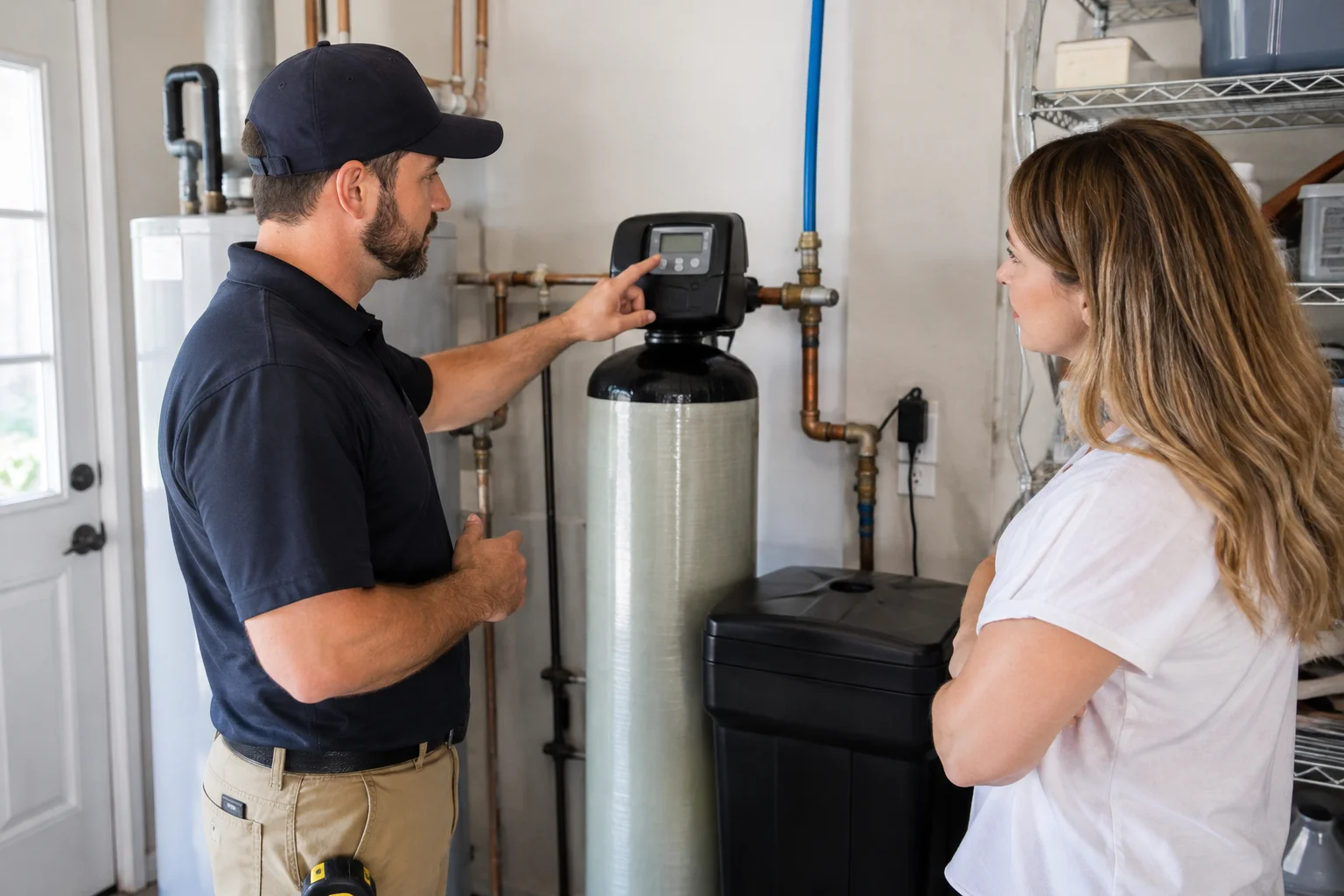
For homeowners considering water softening in Mary Esther, FL, the best approach combines water testing with a close look at pipes, fixtures, drains, and water heaters. A Superior Mechanical provides water softening services in Mary Esther, including AO Smith installation and maintenance, to help address measured hardness and reduce future buildup.
Start With Your Water, Not a Guess About the Neighborhood
Hard water contains dissolved calcium and magnesium. As water evaporates or heats up, these minerals can leave deposits on fixtures and inside equipment. White crust around an aerator is a useful clue, but it does not tell you the exact hardness level or which treatment system fits your household.
Water characteristics can vary with the supply source and treatment. Living near the coast does not automatically mean your tap water is salty or unusually hard. Review information from your water provider and have a sample tested at the home before choosing equipment.
Match the test to the symptoms
A hardness test is the starting point for softener sizing. Depending on the supply and symptoms, additional testing for iron, pH, or other concerns may be appropriate. A conventional ion exchange softener treats hardness; it is not a universal solution for odors, sediment, bacteria, or every dissolved contaminant.
If taste or another water quality issue is the main concern, discuss water filtration services in Mary Esther. Filtration and softening sometimes work together, but they serve different purposes. Testing helps avoid buying a system that leaves the original complaint unresolved.
Why Local Conditions Matter for Plumbing Care
Mary Esther's warm, humid climate creates a few maintenance challenges. Condensation on cool piping can resemble a leak, while moisture inside a closed vanity may go unnoticed. Heavy rain and tropical weather also make drainage, flood exposure, and equipment placement important considerations for a softener installation.
Homes across Mary Esther and Okaloosa County vary in age, pipe material, renovation history, and water demand. An older home with aging supply lines needs a different assessment from a recently remodeled house with multiple bathrooms. Slab foundations can also make hidden supply leaks harder to locate.
A local plumber should evaluate the actual layout rather than recommend equipment by bedroom count alone. A Superior Mechanical's Mary Esther plumbing services provide a starting point for coordinating treatment with other plumbing needs, while its Okaloosa County service area page helps nearby owners explore local service options.
Choose a Softener Around Hardness and Daily Water Use
Softener sizing depends on tested hardness, household water consumption, and peak flow requirements. Two households with the same number of residents may use very different amounts of water. Frequent laundry, overnight guests, large tubs, and simultaneous showers all affect demand.
An undersized unit may regenerate too frequently or struggle during heavy use. Simply choosing the largest available unit is not the answer either. Capacity, control settings, salt efficiency, and service flow should fit the property. Demand initiated regeneration can help align regeneration cycles with actual consumption.
Plan the installation details before ordering
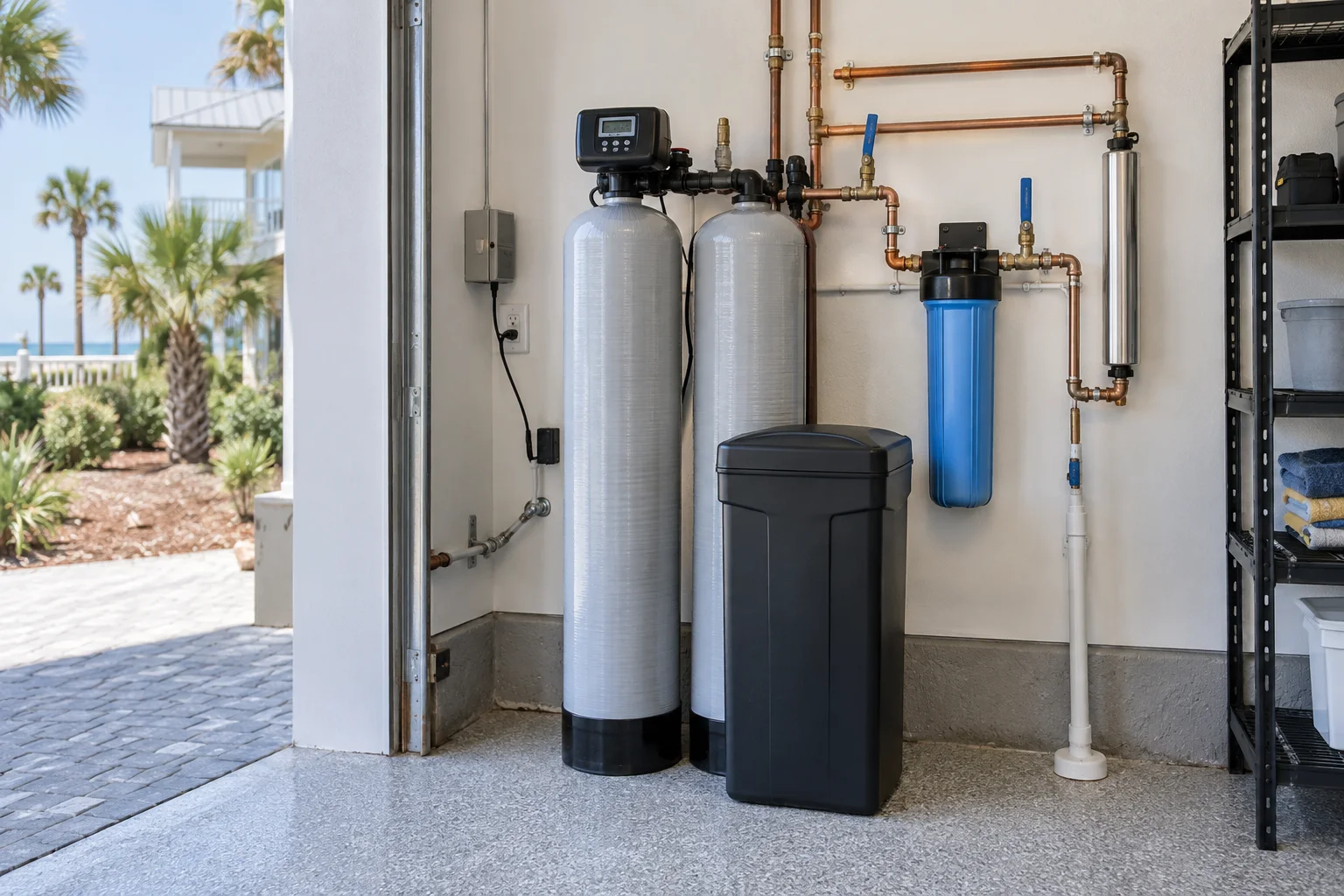
The installation needs accessible shutoff and bypass valves, appropriate supply connections, and an approved drain arrangement. Regeneration discharge must have proper backflow protection, including the required air gap. The plumber should verify local requirements and account for the home's sewer or septic connection.
Outdoor hose connections and irrigation often should remain on untreated water. Discuss whether a separate drinking water tap is appropriate, especially for someone following a sodium restricted diet, because sodium based softening adds sodium in proportion to the hardness removed. Accessible placement also makes future maintenance easier.
Leaks Need Repairs, Even When Scale Is Present
Mineral deposits can interfere with some faucet cartridges, valves, and seals, but softening does not repair a failed component. Water around a faucet base might come from a worn seal, a loose connection, or splashing from above. A dripping supply valve needs inspection rather than an assumption about hardness.
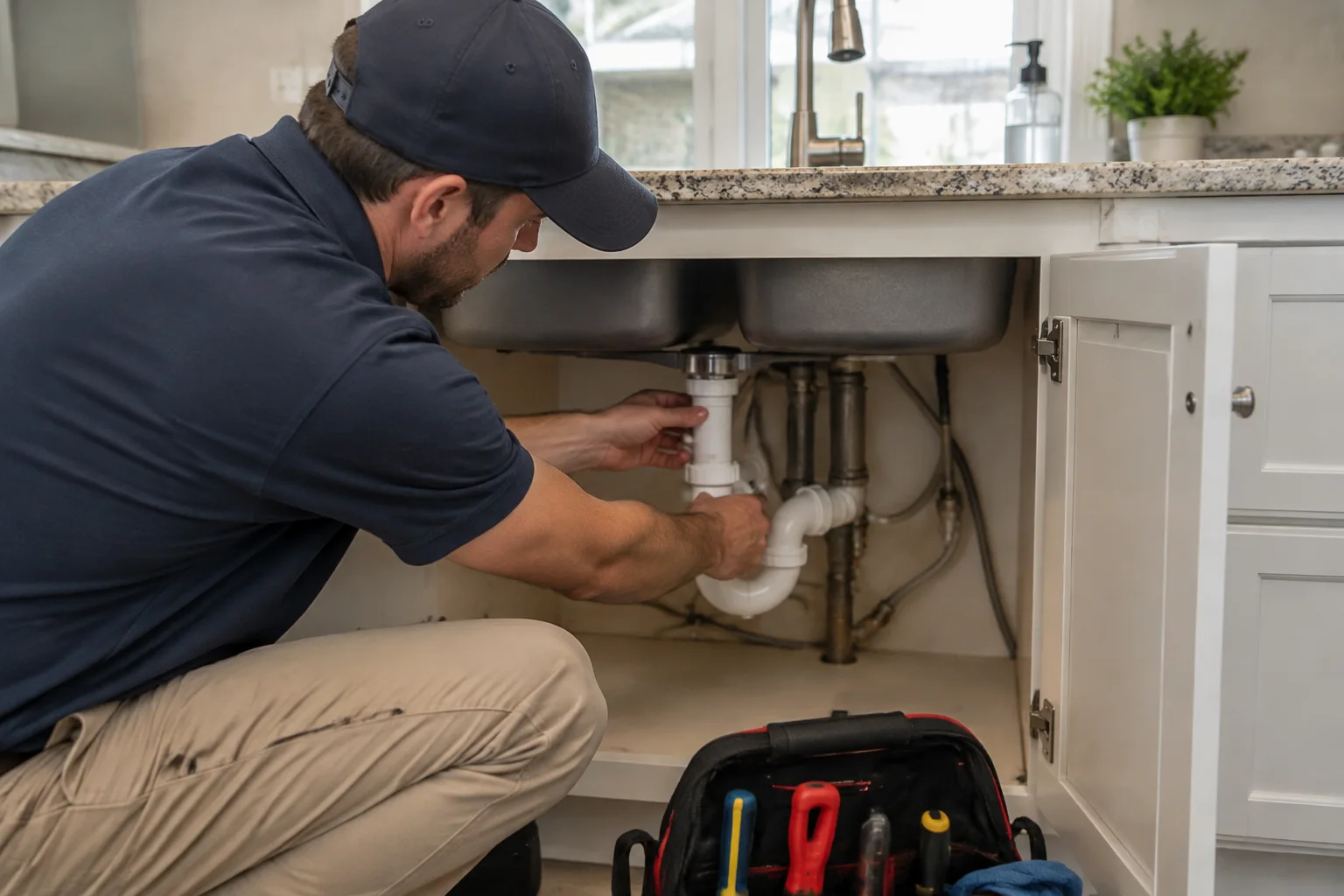
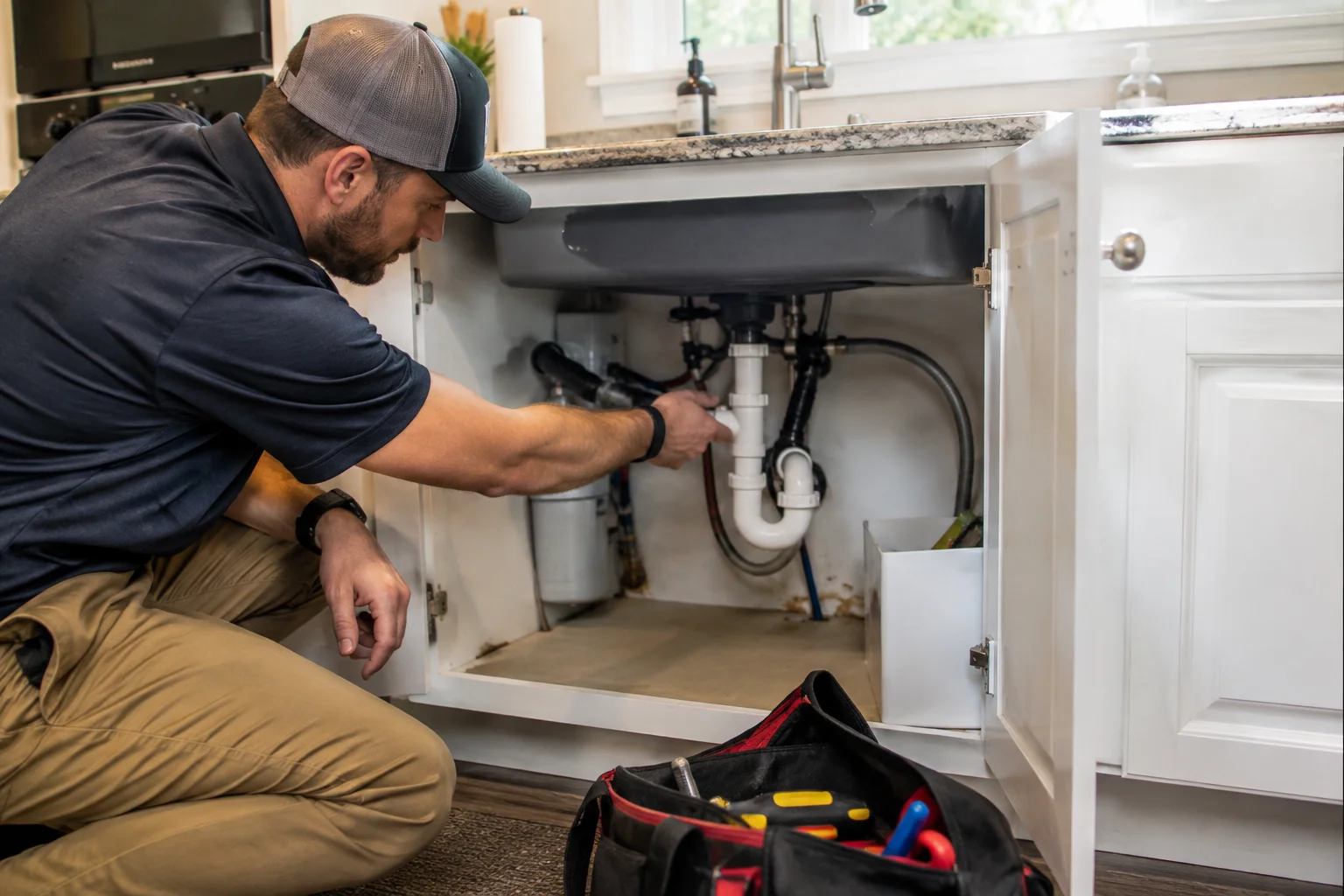
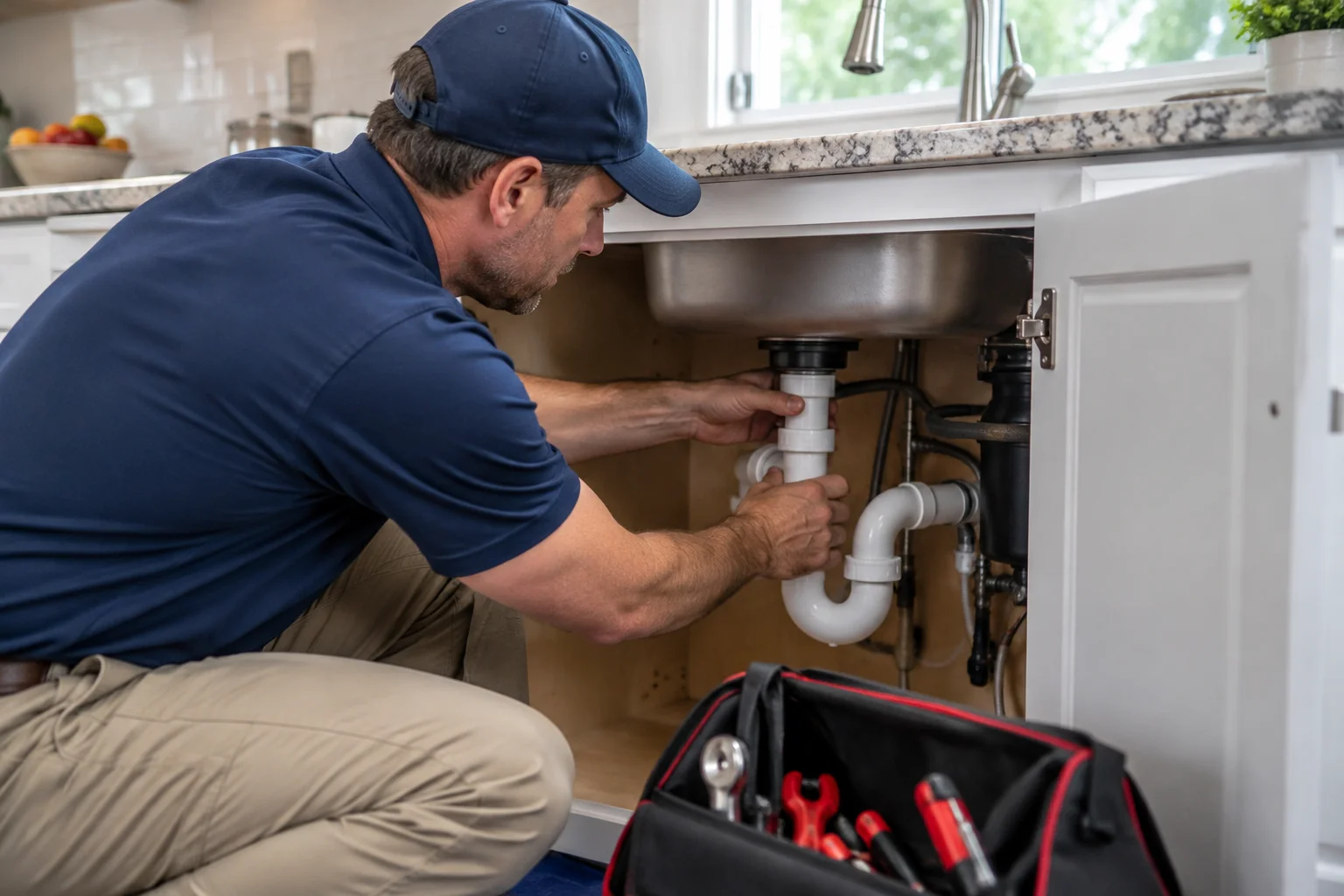
Check under sinks with a dry paper towel around accessible connections. Look for swollen cabinet panels, staining, corrosion, and recurring dampness. If all fixtures and water using equipment are off, unexplained meter movement can suggest a leak, though irrigation and scheduled softener regeneration must first be ruled out.
Take possible slab leaks seriously
An unexplained warm floor area, the sound of running water with fixtures off, or increasing water use can justify professional leak detection. These clues do not prove a slab leak, but they should not be dismissed. Softening cannot seal a leaking pipe beneath the foundation.
Homeowners searching for water leak repair near me should prioritize locating the source before replacing flooring or walls. Depending on pipe condition and accessibility, the solution may involve a targeted repair or rerouting. Repeated failures may warrant discussing pipe replacement in Mary Esther.
Separate Low Flow From High Water Pressure
A showerhead clogged with mineral deposits can deliver weak flow even when incoming pressure is normal. If only one fixture is affected, inspect its aerator or showerhead according to the manufacturer's instructions. Avoid aggressive scraping or cleaners that can damage plated finishes.
Whole house flow problems require a broader check. Partially closed valves, restricted piping, a failing pressure regulator, or an incorrectly sized treatment system can contribute. A plumber can measure pressure and evaluate flow before recommending a repair. A softener will not reliably restore pipes already narrowed by heavy deposits.
High pressure is a separate concern because it stresses hoses, valves, and connections. Static pressure above 80 psi commonly requires pressure regulation under plumbing codes, subject to local requirements. Thermal expansion from a water heater can also create pressure spikes. Neither problem is corrected by adding a softener.
Slow Drains and Sewer Trouble Need Their Own Diagnosis
Softened water can reduce the formation of soap scum, but a softener is not drain cleaning equipment. Bathroom blockages commonly involve hair and soap residue. Kitchen drains often collect grease and food debris. Sewer lines can be affected by roots, damaged joints, settling, or improper slope.
If one sink drains slowly, the restriction may be local. If several fixtures gurgle or back up together, the problem may involve a shared branch or main sewer line. Homeowners looking for slow drain repair near me should mention how many fixtures are affected and whether symptoms change during laundry or shower use.
Keep regeneration discharge separate from troubleshooting assumptions
A softener releases wastewater during regeneration. An improperly installed drain hose, missing air gap, or restricted receiving drain can cause trouble. Never push the hose into a sewer opening or improvise a sealed connection. Have a plumber verify the discharge arrangement rather than assuming an overflow means the softener needs replacement.
For prevention, use hair strainers, keep grease out of sinks, and flush only toilet paper and human waste. Avoid repeatedly using corrosive drain chemicals. Recurring backups may call for professional cleaning and, when appropriate, a camera inspection to identify the underlying sewer problem.
Protect Water Heaters Without Skipping Service
Heating hard water encourages mineral precipitation. Scale can accumulate on heating surfaces, reduce heat transfer, and contribute to maintenance problems. A correctly selected softener can reduce new hardness related buildup, but it does not remove every existing deposit or replace water heater service.
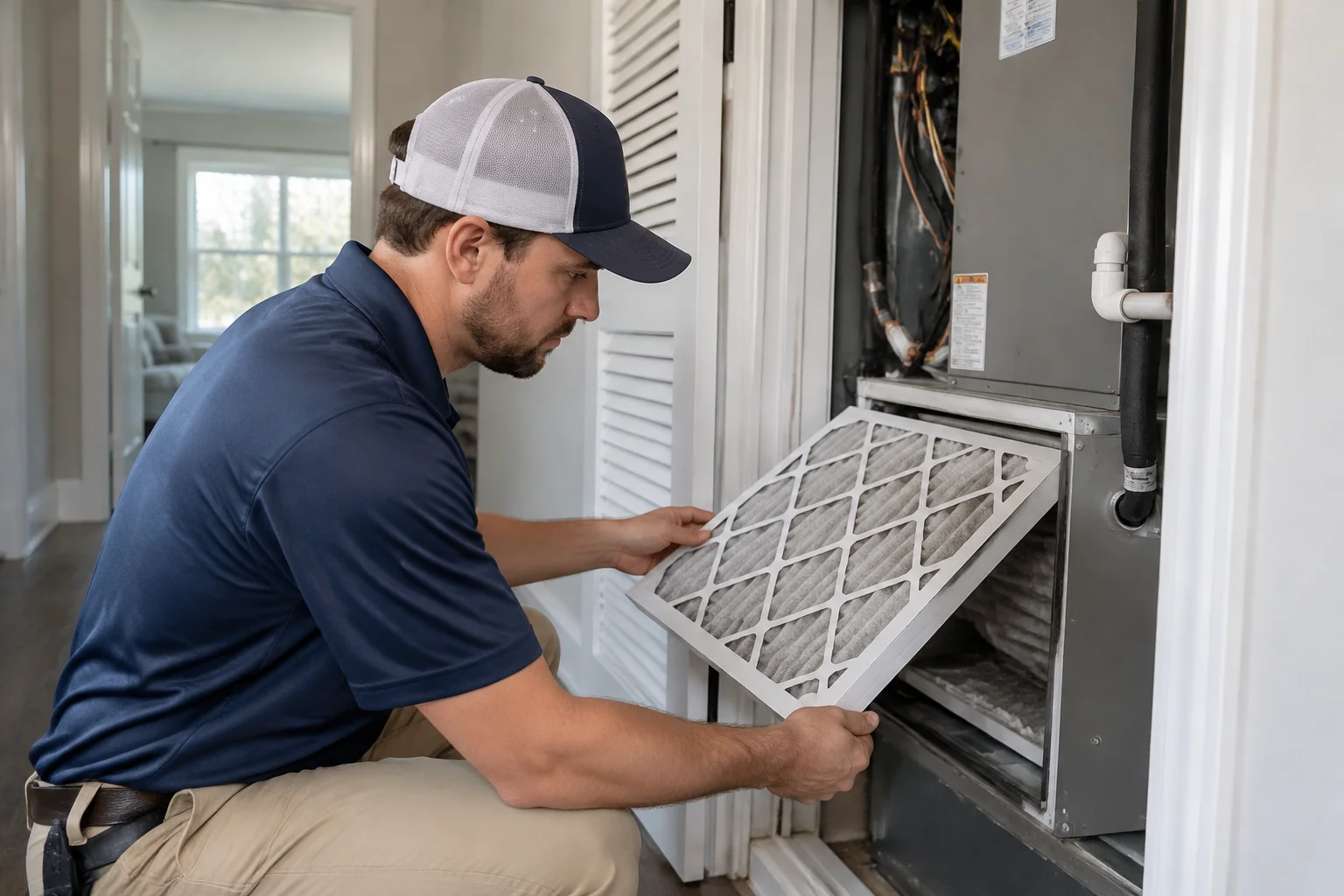
Tank water heaters may need sediment management and anode inspection according to the manufacturer's guidance. Tankless units have their own flushing and descaling requirements. Maintenance intervals depend on water conditions, use, and equipment instructions, so a single schedule does not fit every home.
If you are searching for water heater repair near me because of inconsistent temperatures, unusual noise, or reduced hot water, request a diagnosis before assuming scale is the only cause. For aging or failed equipment, coordinate water heater installation in Mary Esther with a review of water treatment and pressure control.
Give Faucets, Toilets, and Supply Lines Regular Attention
Mineral buildup can affect faucet operation and toilet fill valves, but worn parts remain common causes of trouble. A running toilet may need a flapper, seal, fill valve, or adjustment. Softening alone will not stop water escaping from the tank into the bowl.
Listen for toilets refilling when nobody has flushed. Check exposed supply hoses for bulging, corrosion, and seepage. Exercise caution with old shutoff valves, since forcing a stuck handle can cause a leak. Persistent faucet drips deserve repair rather than simply tightening handles harder.
For a broader maintenance approach, read how better plumbing maintenance extends fixture life in Mary Esther homes. Combining sensible cleaning with timely replacement of worn components does more than either water treatment or occasional repairs alone.
A Manageable Maintenance Routine for the Whole System
Check the softener's salt level at the interval recommended for your equipment and usage. Use the specified salt type, watch for salt bridging, and keep the brine tank lid secure. Do not assume a full salt tank proves the system is working; treated water hardness testing helps confirm performance.
Inspect nearby connections and the drain area for moisture. After an outage, verify any settings or clock functions that your model does not retain. Schedule maintenance according to the manufacturer's instructions and changes in performance. Unexpectedly high salt consumption, continuously running discharge, or returning scale deserves attention.
Include the rest of the plumbing in the routine: review water bills, locate the main shutoff, check water heater connections, and investigate recurring drain odors or slow drainage. For owners managing rentals, planned plumbing maintenance for Mary Esther properties can help organize inspections between occupancies.
Know Which Problems Cannot Wait
A burst supply pipe, rapidly spreading water, sewage backup, or substantial water heater leak calls for prompt professional help. Shut off the water if it is safe and you know which valve to use. Stop using fixtures during a sewer backup, keep people away from contaminated water, and avoid wet electrical equipment.
If the softener itself leaks, its bypass may isolate the unit when operated according to the manufacturer's instructions. Do not force unfamiliar valves. Homeowners searching for a licensed plumber near me should explain whether water is actively escaping, whether the main shutoff works, and whether multiple drains are affected.
For less urgent concerns, arrange a water test and plumbing assessment with A Superior Mechanical. Bring notes about fixture deposits, water use, pressure changes, and recent repairs. Those details help build a practical plan for water softening in Mary Esther that addresses hardness while keeping leaks, drains, pipes, and water heater care in perspective.
Find Water Softening in Mary Esther, FL
If you need Water Softening in Mary Esther, FL, visit our local service page or contact A Superior Mechanical today.
Map of Mary Esther, FL
Frequently Asked Questions
How do I know whether my Mary Esther home needs a water softener?
Recurring mineral deposits, soap scum, and scale on showerheads can suggest hard water. Have the water tested to confirm its hardness before choosing equipment. A plumber should also consider household water use, peak flow, and existing plumbing conditions when sizing a system.
Will a water softener fix leaking pipes or clogged drains?
No. A softener reduces dissolved hardness minerals and can help limit new scale, but it cannot seal leaks, repair damaged pipes, or clear hair, grease, and roots from drains. Leaks and recurring drainage problems need separate diagnosis and repair.
Does a water heater still need maintenance with softened water?
Yes. Softening can reduce new hardness related scale, but tank and tankless water heaters still need manufacturer recommended maintenance. Depending on the equipment, that may include sediment management, anode inspection, flushing, or descaling. Water quality and household use help determine the appropriate service schedule.
Related Articles
- How Better Plumbing Maintenance Extends Fixture Life in Mary Esther Homes
- How Better Plumbing Maintenance Protects Mary Esther Property Management Systems
- Hard Water, Busy Pipes, and Mary Esther Homes: A Practical Look at Commercial Plumbing Repairs That Prevent Bigger Problems
- Less Scale, Fewer Surprises: Water Softening and Plumbing Care in Cinco Bayou
Photo Gallery