Parker homeowners know how quickly Florida conditions can affect a house. Between the humid air, salty coastal influence, and the mix of older and newer homes across Bay County, water quality issues can show up in ways that are easy to miss at first. Hard water is one of those problems. It may not cause an emergency today, but over time it can leave scale in pipes, shorten the life of appliances, and make showers, dishes, and laundry harder to keep clean.
Good water softening helps, but only when the system is sized correctly, maintained on schedule, and matched to the home’s actual water conditions. If you are looking for dependable water softening in Parker, FL, the goal is not just softer water. It is protecting plumbing, fixtures, and equipment from the kind of slow damage that adds up over the years.
For homeowners in Parker and nearby parts of Bay County, a little prevention goes a long way. The right setup can make daily life easier while also reducing repairs that come from scale buildup, mineral deposits, and uneven system performance. If you want a broader look at local service coverage, the Parker service area page and the Bay County service area page are good places to start.
Why hard water tends to be a bigger issue in Parker homes
Hard water contains dissolved minerals, mainly calcium and magnesium. Those minerals are common in many Florida water supplies and can be especially noticeable in homes that already deal with older plumbing, long pipe runs, or frequent moisture exposure. In Parker, that matters because humidity and warm temperatures can make plumbing problems develop faster and make the effects of mineral buildup more noticeable.
Homeowners often first notice hard water through everyday annoyances. Soap does not lather well. Glassware comes out cloudy. Faucets develop white crust. Showerheads spray unevenly. Those are surface-level signs, but the bigger concern is what happens inside the plumbing system. Scale can narrow pipe openings, reduce water flow, and make water heaters work harder than they should.
In a place like Parker, where homes may face seasonal use changes, rental turnover, or long periods of high humidity, it is smart to treat water softening as part of regular home protection rather than a one-time upgrade.
How to lower the risk of water softening problems
Start with a real water test
One of the easiest ways to avoid water softening trouble is to know exactly what you are dealing with. A water test can show hardness levels and help identify whether other issues are present, such as iron, chlorine, or sediment. That matters because a softener that is not matched to the water conditions may not perform well, and in some cases it can create maintenance headaches.
In Parker, water conditions can vary from one property to the next. A home near the water may have different concerns than a house farther inland. Testing helps determine whether the system needs basic softening, extra filtration, or a combination of solutions.
Choose the right system size for the home
An undersized softener may regenerate too often and wear out faster. An oversized system can waste space, cost more than needed, and still not perform efficiently if it is not set up correctly. The right size depends on household water use, fixture count, and hardness level.
That is especially important for Parker homes with multiple bathrooms, larger families, or rental properties that see uneven water use. A system that works well for a small home may struggle in a property with higher demand. Proper sizing helps keep the system efficient and reduces the chance of premature breakdowns.
Keep up with salt and resin maintenance
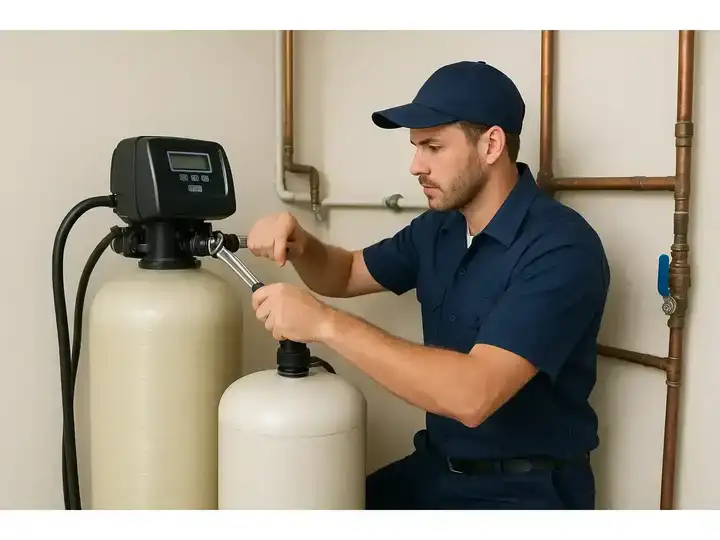
Most water softeners rely on salt and resin to remove hardness minerals. If the salt level gets too low, or if the tank develops a salt bridge, the system may stop softening water effectively. Resin can also wear down over time, especially if the water contains iron or sediment.
Simple maintenance checks help prevent these issues. Homeowners should look for salt that is clumped together, notice whether the water feels harder than usual, and watch for changes in soap performance or spotting on fixtures. If the system seems to regenerate more often than it used to, that may also point to a maintenance issue.
Protect the system from sediment and debris
Hard water is not the only thing that can shorten a softener’s life. Sediment, rust, and small particles can clog valves and reduce efficiency. That is a real concern in homes with aging plumbing or properties that have gone through repairs and renovations.
In some cases, adding filtration before the softener can help. This is especially useful where water carries visible particles or where the plumbing system has a history of buildup. If drains are already moving slowly or pipes have a history of scale and debris, it may also make sense to address those issues at the same time with clogged pipes and drain cleaning in Parker.
Watch for changes in water pressure
A drop in water pressure can be an early warning sign that scale is building up in the plumbing system or that the softener is not working as it should. If pressure changes happen gradually, homeowners may get used to them and not realize there is a problem until fixtures are noticeably restricted.
In Parker homes, where heat and humidity can already put strain on plumbing and mechanical systems, staying alert to pressure changes can help catch softening issues before they become more expensive repairs.
Common signs a softener is not doing its job
Hard water problems usually show up in more than one place. If you notice several of these issues at once, the softener may need service or adjustment:
Soap scum in tubs, sinks, or shower doors
White mineral spots on dishes and glass
Stiff laundry or faded fabric feel after washing
Dry skin or hair after bathing
Reduced water flow at faucets or showerheads
Water heater rumbling or scaling more than usual
Salt tank issues, including bridging or low water in the brine tank
A strong change in water taste or feel
These symptoms do not always mean the softener has failed, but they do mean the system deserves attention. Catching the issue early can prevent damage to fixtures and appliances.
Why local service matters in Parker and Bay County
Water softening is not a one-size-fits-all service. A system that works well in one region may need different settings, maintenance timing, or supporting equipment in another. In Parker and across Bay County, local service matters because the climate, water conditions, and home styles all influence how a softener performs.
Homes in the area may deal with humidity-related wear, older plumbing materials, and long-term mineral exposure. Businesses and rental properties can have even more variation because water use may change from season to season. A local technician understands those patterns and can spot the kinds of problems that are common in the area before they become major repairs.
That local knowledge is also helpful when a property has multiple plumbing concerns at once. For example, a homeowner may need water softening along with indoor air quality work if moisture and comfort issues are affecting the house. In some situations, other services like indoor air quality testing in Parker or air conditioning maintenance in Parker can help round out a more complete home care plan.
Maintenance habits that help softeners last longer
Homeowners do not need to become water treatment experts to keep a system in good shape. A few simple habits can make a big difference.
Check the salt level regularly and refill before it gets too low.
Look for salt bridging or mushing in the brine tank.
Keep the area around the softener clean and dry.
Watch for changes in water feel, soap performance, or spotting.
Schedule periodic service so settings can be checked and parts inspected.
If the home has had plumbing repairs, remodeling, or new appliances installed, it is smart to have the softener checked again. Changes in water demand can affect how the system performs, especially in homes with water heaters, dishwashers, and washing machines that all depend on treated water.
How soft water helps protect the rest of the plumbing system
Water softening is about more than comfort. It helps protect the parts of the home that are expensive to replace. Water heaters are especially vulnerable to mineral buildup, and once scale starts collecting inside the tank or on heating elements, efficiency drops. Faucets, valves, and showerheads can also clog more easily.
Over time, that extra wear can increase repair calls and shorten equipment life. For homeowners trying to plan ahead, it can be helpful to think about water softening the same way they think about other long-term home improvements. It is part of keeping the property efficient and easier to maintain. For property owners and managers weighing larger plumbing decisions, related reading like A Smarter Way to Handle Property Management Plumbing in Parker, FL and How Plumbing Changes Over Time in Parker Properties and What Managers Should Watch can offer useful context.
When a professional should take a look
Some water softener issues are simple, but others need a trained eye. It is a good idea to call a professional if the system is not using salt normally, if hard water symptoms return soon after regeneration, or if you are seeing leaks around the tank or valve assembly. A technician can also help if you are unsure whether the current system is sized correctly or whether the home would benefit from additional treatment.
Professional service is also worth considering after a change in household size, a renovation, or a plumbing repair. Those changes can alter water demand and affect how the system performs. If the home is being updated for long-term efficiency, some owners also look at planning and budgeting resources such as A Smarter Way to Plan Plumbing Financing in Parker, FL for Long-Term Efficiency.
For businesses and larger properties, the stakes can be even higher. Hard water can affect fixtures, restrooms, kitchens, and equipment across the building. In those cases, it may make sense to coordinate water treatment with other building systems, including commercial HVAC repair in Parker if the property is already being evaluated for overall comfort and efficiency.
Local water softening support for Parker homeowners
Hard water is common enough that many homeowners accept it as normal, but it does not have to stay that way. With the right system, regular maintenance, and a local technician who understands Parker’s homes and water conditions, you can lower the risk of scale, protect your plumbing, and keep your fixtures working the way they should.
A Superior Mechanical provides water softening in Parker, FL for homes, rentals, and businesses across Bay County. Whether you need installation, repair, or maintenance, local service can help keep hard water from turning into a bigger plumbing problem.
Find Water Softening in Parker, FL
If you need Water Softening in Parker, FL, visit our local service page or contact A Superior Mechanical today.
Map of Parker, FL
Frequently Asked Questions
How do I know if my Parker home needs water softening?
Common signs include soap that does not lather well, white spots on dishes, scale on fixtures, and dry skin or hair after bathing. A water test can confirm hardness levels and help determine the right solution.
Can hard water damage plumbing over time?
Yes. Hard water can leave scale inside pipes, water heaters, faucets, and showerheads. That buildup can reduce flow, lower efficiency, and shorten the life of plumbing fixtures and appliances.
How often should a water softener be serviced?
Most systems benefit from regular checks at least once a year, though homes with heavy water use or higher mineral content may need more frequent attention. Salt levels, resin condition, and regeneration settings should all be reviewed during service.
Related Articles
- A Smarter Way to Handle Property Management Plumbing in Parker, FL
- A Smarter Way to Plan Plumbing Financing in Parker, FL for Long-Term Efficiency
- How Parker’s Climate and Building Conditions Shape Commercial Plumbing Over Time
- How Plumbing Changes Over Time in Parker Properties and What Managers Should Watch
Photo Gallery