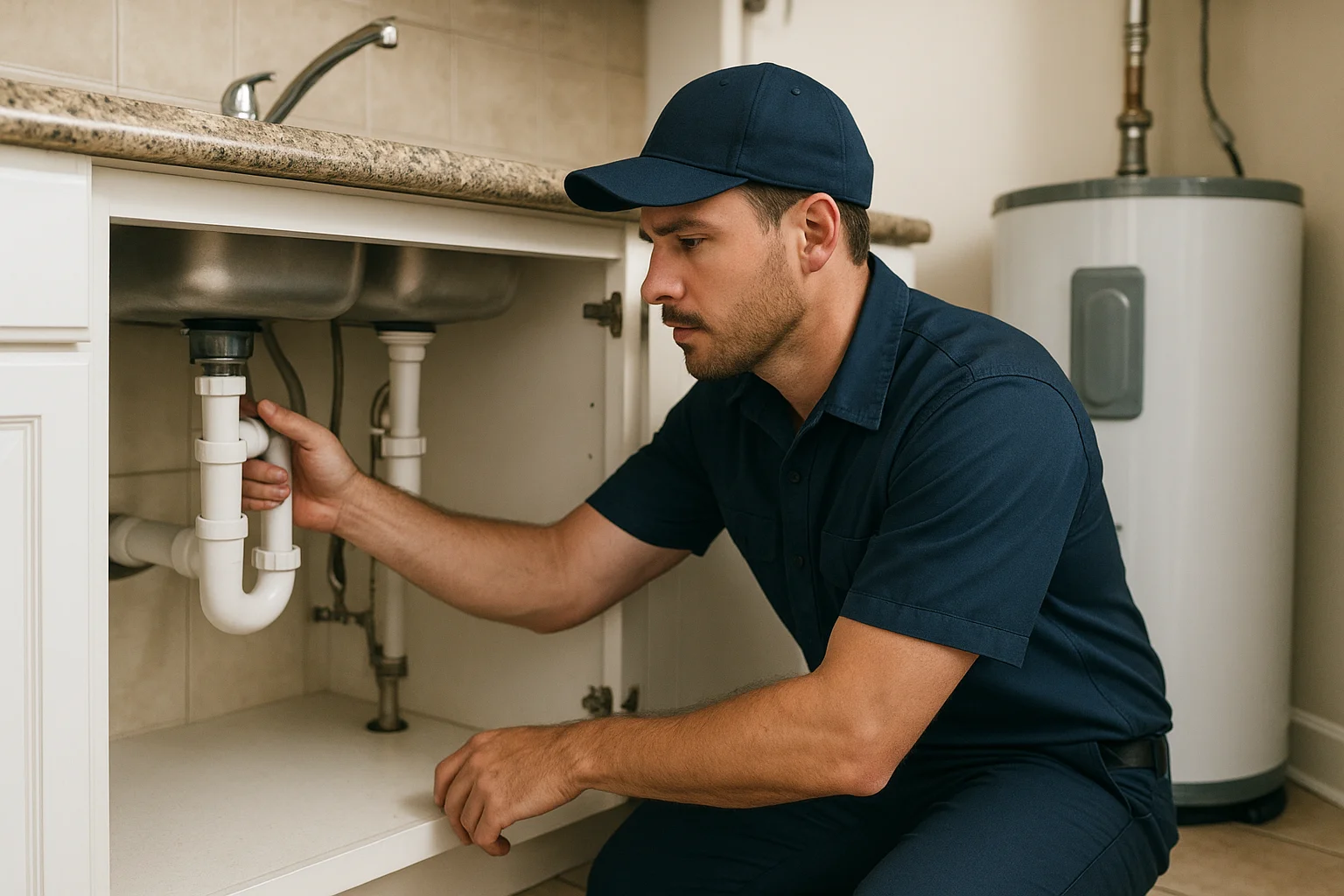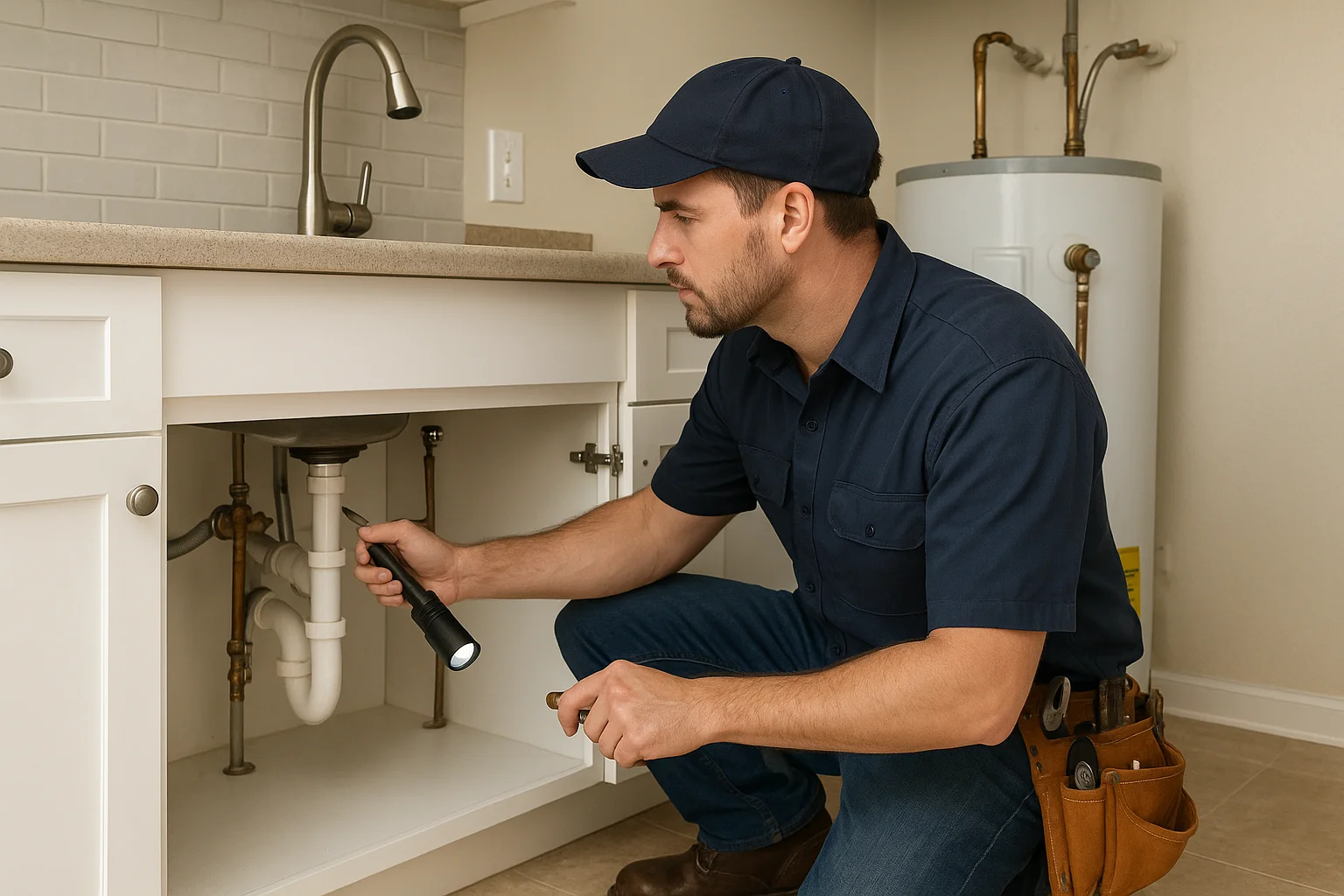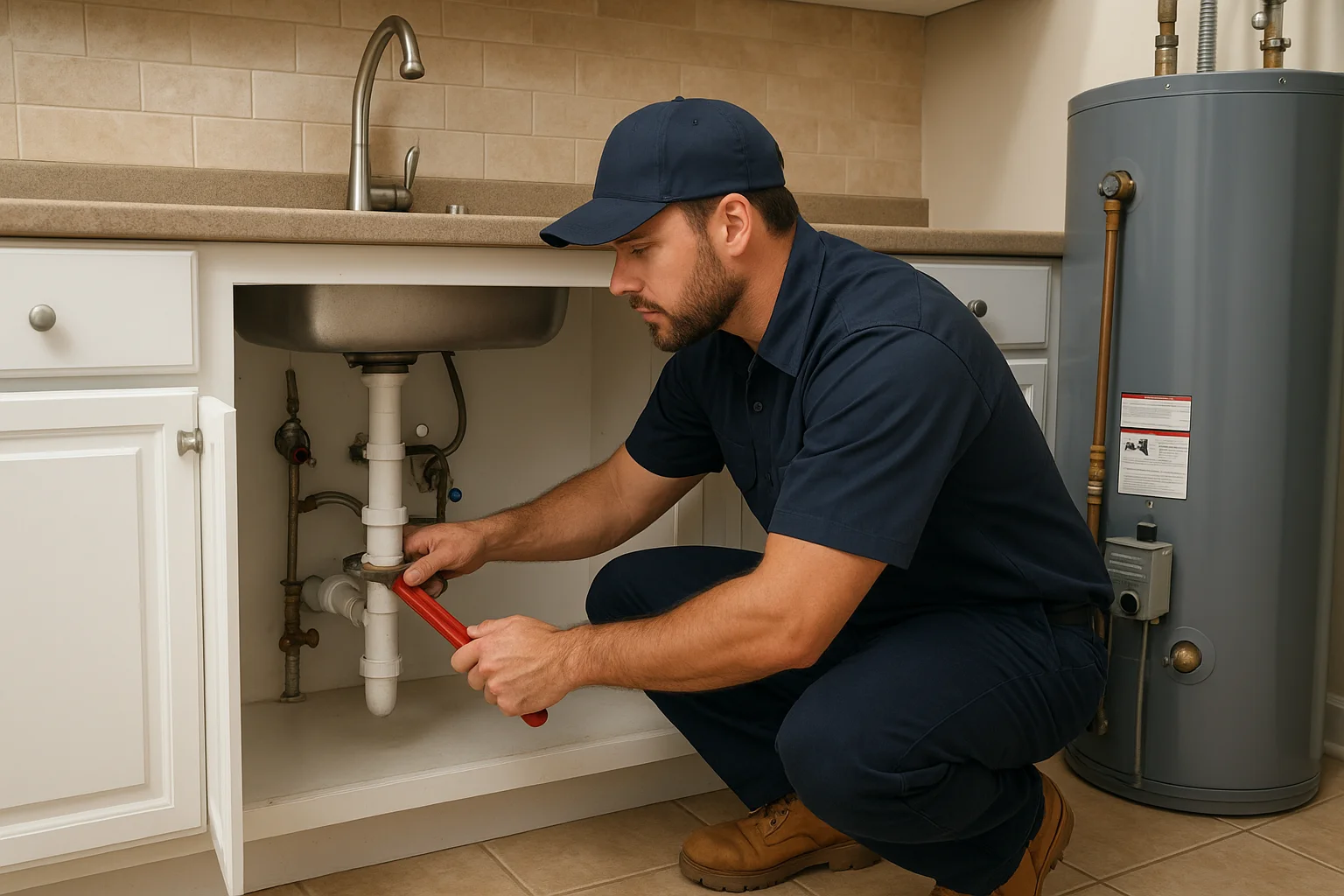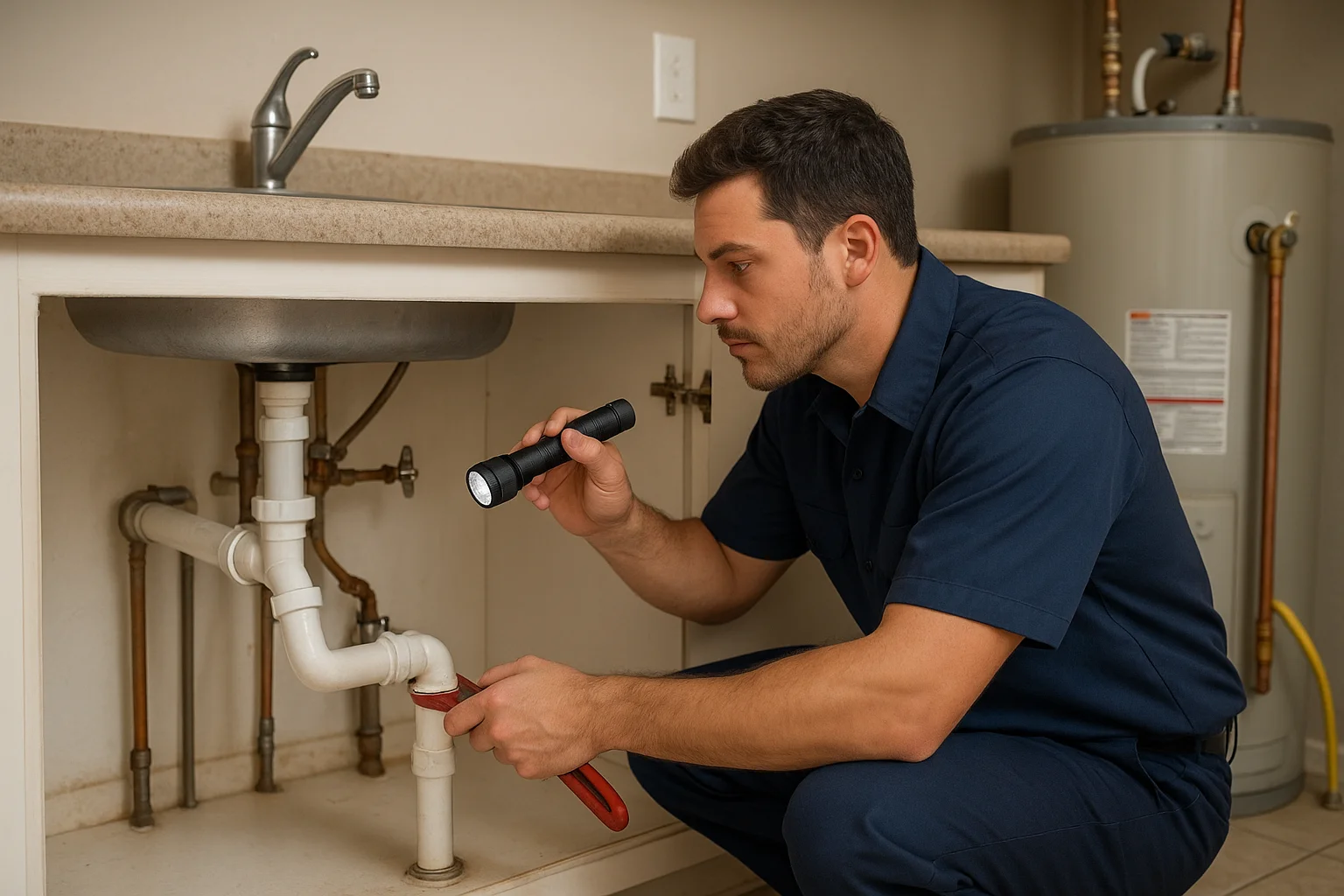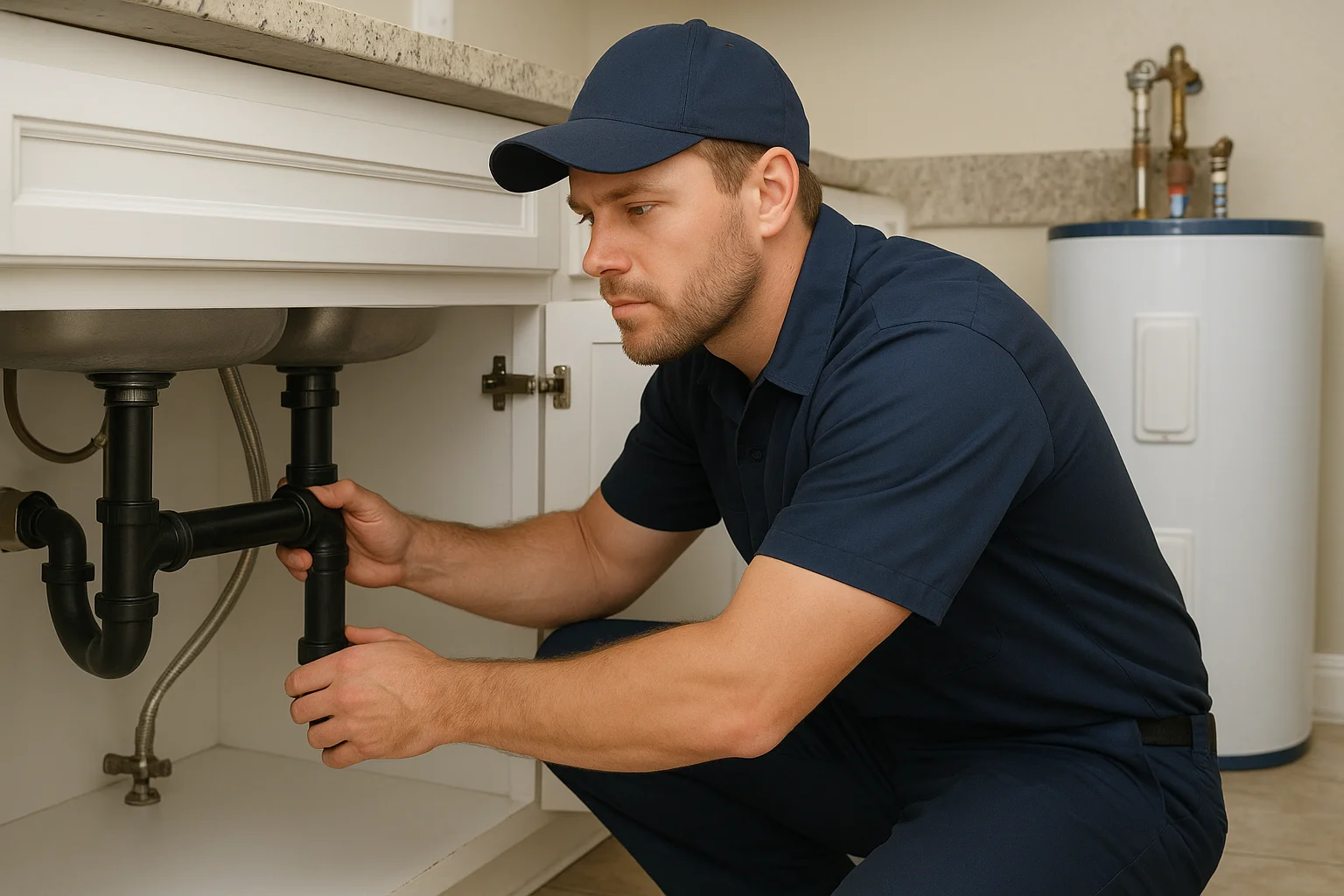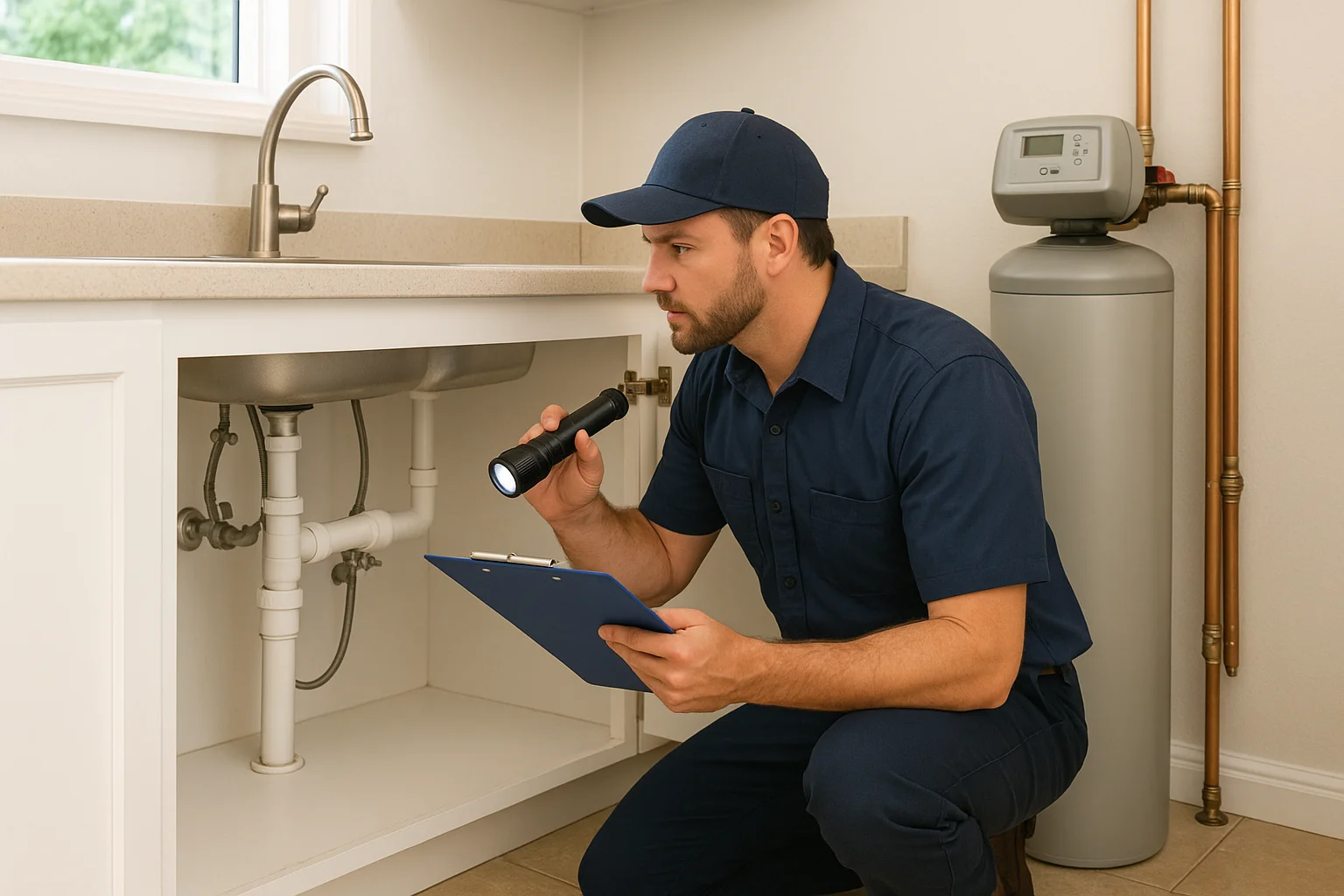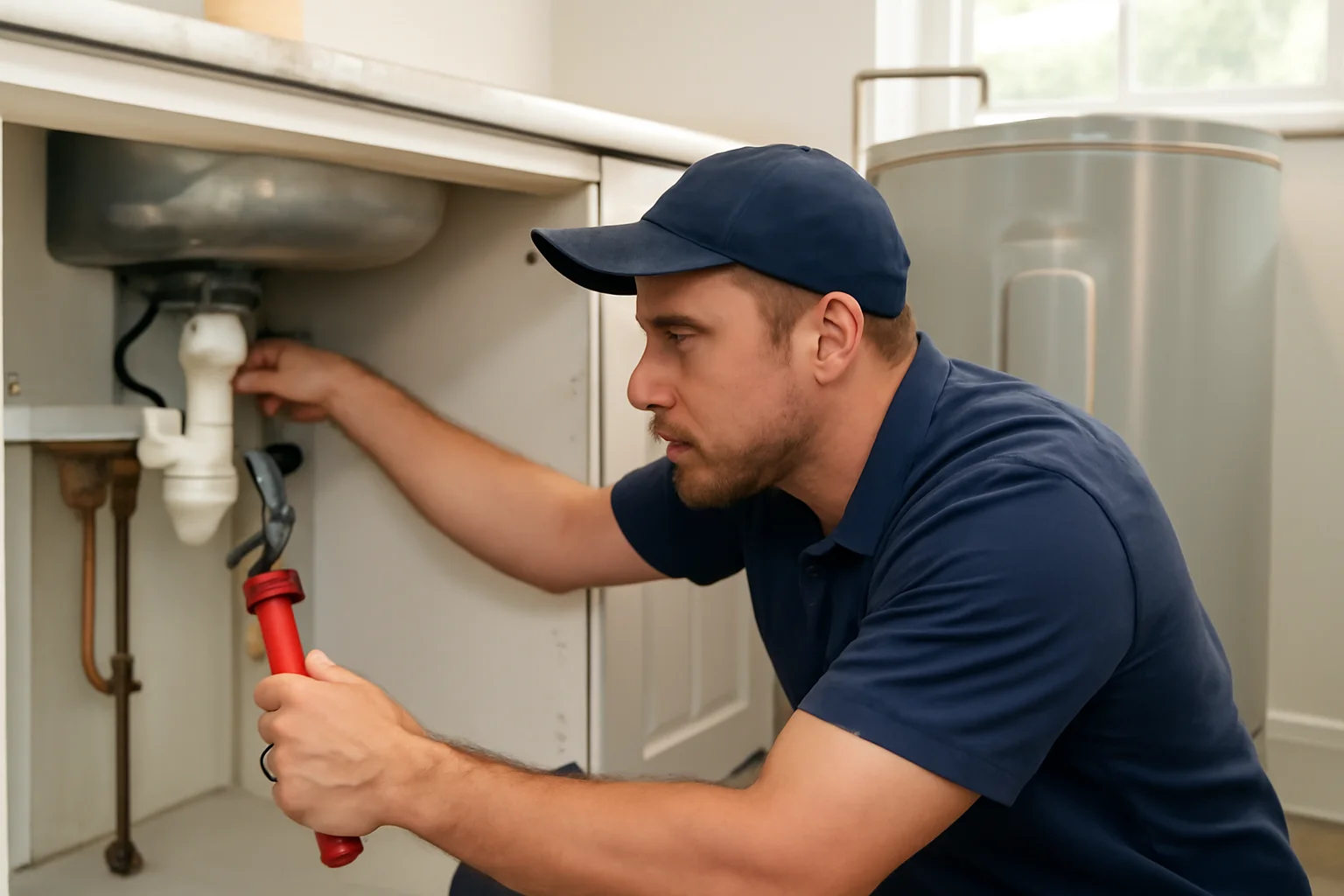
Water heater replacement is one of those home projects that sounds straightforward until you notice the signs of water around the base, hear odd noises, or find rusty water at the tap. In Inlet Beach, FL, where homes often sit close to the coast and humidity runs high, small plumbing problems can escalate quickly. A leaky connection can spread under flooring, into crawl spaces, or even into slab areas if the leak is slow and persistent.
This guide is for homeowners who want to prevent water damage during water heater replacement. It also covers practical maintenance steps that help avoid the common plumbing repair chain reaction that often follows an aging system. If you are searching for water heater replacement near me or trying to understand what a plumber should check before installation, you will find a clear checklist here.
Why water damage risk rises during water heater replacement in Inlet Beach
Most water damage claims start with something small: a loose fitting, a valve that does not seal, a drain line that is not connected correctly, or a pressure issue that stresses pipes and fixtures. During replacement, technicians disconnect and reconnect supply lines, shutoff valves, temperature and pressure relief components, and drain piping. Every one of those points can become a new leak source if it is not handled carefully.
In Inlet Beach, local conditions add pressure to do the job right. Coastal humidity, seasonal storms, and frequent water use from vacation rentals can all contribute to pipe wear. Many homes in Walton County also experience hard water, which increases mineral buildup in tanks and reduces system efficiency. Over time, that buildup can lead to overheating, scale in valves, and premature failure. When a tank fails and you replace it, you still need to address the plumbing details that caused the problem in the first place.
Even if the replacement itself is installed correctly, the surrounding plumbing can still cause trouble. For example, if your home has older pipes or a history of slow drains, the new system may expose weak spots. A plumber who understands local maintenance priorities can help you avoid surprises and keep the project from turning into an emergency plumbing situation.
Start with the right diagnosis, not just the replacement
Homeowners often schedule water heater replacement because the tank is old, but water damage prevention begins before the new unit is set in place. A reliable water heater replacement in Inlet Beach should include a quick but thorough plumbing review of the existing system and the surrounding lines.
Ask your plumber to confirm:
- The leak source: Is water coming from the drain valve, the temperature and pressure relief valve, a corroded tank seam, or a connection at the top and sides?
- Water pressure: High pressure can stress fittings and cause tiny seepage that shows up later. Low pressure can indicate a restriction or failing valve.
- Vent and flue condition (for gas systems): While this is not an electrical or HVAC job, improper venting can lead to condensation and moisture issues that affect surrounding materials.
- Drain line routing: The discharge line for the relief valve must be piped correctly so it drains safely. Improper routing can lead to water pooling near the heater.
Taking time for diagnosis helps prevent the most common scenario: replacing a tank that is not the actual reason for the water problem. That is when homeowners end up calling again for plumbing repair, leak repair, or even burst pipe repair near me after the new unit is already installed.
Protect floors and walls before the first disconnect
Water damage prevention is not only about the final connections. It is also about what happens during the replacement process. Ask whether the technician will:
- Use protective coverings and controlled water removal
- Verify that the area is dry and safe before turning the system back on
- Check for signs of existing moisture, rust trails, or corrosion around joints and valves
In many Inlet Beach homes, the water heater sits in a closet, garage, utility room, or sometimes near a slab edge. If your unit is in a tight space, a small leak can go unnoticed until the flooring warps or drywall shows staining. A careful approach reduces the odds of a hidden leak turning into a costly repair.
If you have noticed dampness already, do not assume it is “just from the old tank.” That moisture may be coming from a slow leak at a pipe joint, a failing shutoff, or a relief valve discharge line that is not draining properly. A plumber can track the source before the new installation begins.
Water pressure and temperature settings should match your plumbing
Many homeowners focus on the tank size and forget about operating conditions. Yet water pressure and temperature settings affect how the entire system behaves. If pressure is too high, it can force water through fittings that were previously stable. If temperature is set too high, it can increase scale formation and shorten the life of internal components.
During replacement, a plumber should confirm:
- Whether a pressure regulator is present and functioning
- Whether the relief valve discharge line is correctly installed
- Whether the temperature setting is appropriate for your household needs
This is especially important in homes with older plumbing fixtures. A new tank delivering water at an unexpected pressure can contribute to drips at faucets, shower valves, and toilets. If you are dealing with recurring fixture leaks, it can also be a clue that your system pressure needs adjustment.
If you are also considering fixture upgrades, explore Plumbing Fixture Replacement for guidance on matching components to your home’s water conditions.
Hard water buildup can create leaks after installation
Hard water is common across many areas of Florida, and Inlet Beach homes are no exception. Minerals can build up inside the tank and on internal components. Over time, scale can contribute to:
- Reduced efficiency and higher heating cycles
- Valve sticking or poor sealing
- Premature failure of relief components
When you replace a tank, you are not automatically solving the mineral issue. You also need to think about how the new system will be protected. A local plumber can recommend maintenance that fits your household water use patterns, including vacation rental schedules where hot water demand spikes.
For homeowners searching for water heater service because they have seen repeated issues, ask about flushing schedules, sediment checks, and whether you should consider a water treatment approach. Even simple maintenance can reduce the chance that the new unit develops problems that lead to leaks.
Don’t ignore the drains and sewer lines near the water heater
Some water damage during replacement is not caused by the heater at all. It can come from the drainage system that handles discharge or wastewater. Relief valve discharge lines must drain to an approved location. If the discharge line is connected incorrectly, or if nearby drains are slow, water can back up and soak surrounding materials.
Inlet Beach homes can also experience drain and sewer issues during heavy rain. High demand from guests can increase the load on plumbing systems, and older sewer lines may be vulnerable. If you have noticed:
- Slow drain repair issues in the same area
- Water backing up in sinks or floor drains
- Odors that suggest venting or sewer line problems
- Frequent toilet clogs or recurring toilet repair needs
…make sure these concerns are discussed before installation. A technician may recommend sewer inspection near me or a review of the discharge path so you do not end up dealing with sewer backup repair near me after the replacement is complete.
If your household has recurring drain problems, it is also worth considering Plumbing Installation for properly sized and correctly routed systems, especially when you are replacing connected fixtures.
Check valves, connections, and shutoffs for hidden failure points
The most common leak sources after a replacement are often not the tank itself. They are the fittings and valves involved in the installation. The plumber should inspect and verify:
- Shutoff valves that fully close and seal
- Supply line connections and the condition of old pipe threads
- Drain valve condition, especially if the system was previously leaking
- Relief valve discharge line routing and secure connections
In homes with aging plumbing, you may have corrosion at joints or worn sections of pipe. That is where a careful plumbing repair approach matters. If a connection cannot be sealed reliably, the solution may be pipe repair, not just tightening hardware.
If you suspect a failing connection, do not wait. A slow drip can become a wall stain, warped baseboards, or a persistent moisture problem that encourages mold growth. When homeowners search for leak repair or broken pipe repair near me, the issue is often already more advanced than it looked at first.
Use a proper test plan after installation
After the new tank is installed, the job is not done until it passes a practical pressure and leak verification process. A quality water heater replacement should include:
- Filling the tank and checking for leaks at each connection
- Verifying the discharge line does not leak and routes safely
- Checking water pressure behavior at fixtures
- Running the system through normal operation and monitoring for seepage
Ask how the plumber will confirm the system is stable. If you are the homeowner, you can also do simple checks once the technician finishes. Look for moisture around the base, examine the nearby floor, and monitor the area around valves and pipe penetrations. If you have a tank in a garage or utility closet, keep an eye out for condensation or dampness on adjacent surfaces.
Because Inlet Beach homes can see humidity spikes, some condensation can be normal. The difference is whether water is actively running, dripping, or creating stains. When in doubt, a local plumber near me can verify whether moisture is expected or a leak that needs immediate attention.
Consider how your home layout affects replacement safety
Not all Inlet Beach homes have the same plumbing layout. Some have crawl spaces, some have slab foundations, and some have older piping runs that pass through walls. The risk profile changes based on where the water heater is installed and how the supply and discharge lines are routed.
For example:
- Slab homes: A slow leak can travel beneath the surface. You may notice recurring dampness, warm spots, or unexplained increases in water usage.
- Crawl spaces: Leaks can spread before you see them, especially if there is insulation or stored items covering access points.
- Closet installations: Condensation can collect in corners, and a discharge line that is not routed correctly can flood the base area.
If you have ever dealt with a slab leak or you suspect one, talk to your plumber. Water heater replacement can be a good time to assess nearby pipe runs and identify weak points before they fail.
If your replacement is part of a broader plumbing project, you may also want to review Plumbing Installation options to ensure new and existing piping are compatible.
Maintenance habits that prevent the next round of problems
Preventing water damage does not stop once the new unit is installed. A few homeowner habits can reduce failure risk and help you catch issues early.
1) Watch your water use and look for unexplained spikes
If your water bills jump after replacement, or if you hear constant cycling, investigate quickly. A small leak at a valve or connection can raise usage without obvious puddles. Inlet Beach households with frequent guest turnarounds can mask these changes, so it helps to track patterns.
2) Keep an eye on pressure at fixtures
If faucets sputter, shower flow drops, or you notice inconsistent hot water, it can point to sediment buildup, valve issues, or pressure regulator problems. Addressing these early can prevent stress on pipes and fittings.
3) Address small drips and slow drains before they spread
A clogged drain does not always stay in the bathroom or kitchen. When backups occur, they can affect nearby plumbing lines and increase moisture in walls. If you search for slow drain repair near me because water is lingering in sinks, it is better to resolve it than wait until it becomes a bigger plumbing repair event.
4) Maintain the discharge path
Make sure the relief valve discharge line stays clear and properly routed. If the line terminates near a drain, ensure that drain is not blocked. This is one reason homeowners sometimes face water damage after replacement even when the tank looks fine.
5) Schedule routine water heater service
Even a properly installed tank needs periodic attention. Flushing schedules, sediment checks, and component inspection can extend life and reduce the chance of leaks. For homeowners searching for water heater service or plumbing services near me, routine maintenance is often the cheapest insurance against emergency plumbing concerns.
What to do if you notice leaks or emergency plumbing concerns
If you see active leaking, hear hissing from fittings, smell burning, or notice water spreading quickly, treat it as an emergency plumbing concern. Shut off the water supply to the heater if you can do so safely, and call a local plumber for immediate leak repair and assessment.
Do not ignore water near the base of the tank, around pipe sleeves, or in areas that connect to the sewer line. During storms, drainage issues can combine with plumbing leaks and create a larger problem. If you are dealing with a suspected sewer issue, ask about sewer inspection near me and consider whether roots, blockages, or pipe deterioration may be involved.
If you need guidance on repair options related to your current unit, review Water Heater Repair to understand how plumbers evaluate leaks and component failures.
Local planning that helps renters, vacation homes, and busy households
Inlet Beach has many vacation rentals and second homes where hot water use changes quickly. That pattern can shorten the life of water heaters and increase the risk of pressure and sediment issues. If your property is rented, think about replacement timing and maintenance documentation so the system is protected between guest stays.
For owners who want to keep costs predictable, it helps to plan replacement with maintenance in mind, not just the installation day. These blog posts focus on practical steps homeowners can take to reduce damage risk:
- Keeping a Water Heater Replacement from Turning Into a Bigger Plumbing Bill in Inlet Beach
- Keeping Plumbing Repairs Smaller in Inlet Beach Starts with Better Maintenance
- How Better Plumbing Maintenance Lowers the Risk of Water Damage During Water Heater Replacement in Latitude Margaritaville Watersound
If you want to understand how plumbing problems can shorten system life, you can also read A Practical Guide to Water Heater Replacement in Camp Creek, FL and the Plumbing Problems That Shorten System Life.
Bring it back to the contractor question: who should you hire?
When searching for affordable plumber near me or local plumber near me, prioritize experience with water heater replacement and the plumbing details that prevent leaks. A good installer treats the job like a plumbing system, not just a tank swap. That includes checking valves, confirming pressure, verifying discharge routing, and inspecting nearby drains and sewer lines when there are moisture signs.
For Inlet Beach homeowners, choosing a contractor that serves Walton County can also mean faster scheduling and better familiarity with local plumbing patterns. If you want to browse service coverage, visit the Inlet Beach service area page and Walton County service area.
Tips you can use immediately before replacement day
- Take photos of the area around the heater before work begins.
- Note any history of leaks, drips, slow drains, or toilet repair needs.
- Confirm where the relief valve discharge line will route after replacement.
- Ask about water pressure testing and whether a regulator check is needed.
- Plan for access so the technician can inspect pipes and connections thoroughly.
These small steps help you spot problems early and reduce the odds that water damage shows up after the crew leaves. A Superior Mechanical focuses on professional water heater replacement in Inlet Beach, FL for homes, rentals, and businesses in Walton County. If you are looking for tankless water heater replacement near me or standard tank replacement, start with a plumbing-focused assessment so the install is secure and the surrounding system is protected.
To schedule an evaluation, use the service page here: water heater replacement in Inlet Beach.
If you are handling a commercial property as well, you can also review Commercial Plumbing for guidance on systems that see higher water demand and faster wear.
Find Water Heater Replacement in Inlet Beach, FL
If you need Water Heater Replacement in Inlet Beach, FL, visit our local service page or contact A Superior Mechanical today.
Map of Inlet Beach, FL
Frequently Asked Questions
What is the most common cause of leaks after a water heater replacement?
The most common causes are loose or failing connections at the supply lines, shutoff valves that do not seal properly, and relief valve discharge lines that are routed incorrectly or not secured. A plumber should check each connection and verify the discharge path before finishing.
Can water heater replacement cause a sewer or drain problem?
It can, especially if the relief valve discharge line drains near a slow or partially blocked drain. If you have noticed slow drains, bathroom backups, or recurring toilet clogs, it is smart to discuss that with your plumber before installation.
How do I know if water damage is related to the water heater?
Look for moisture around the base, along nearby pipe penetrations, or in areas that connect to the heater’s supply and discharge lines. Rust trails, damp drywall, and unexplained water use can also point to a leak. If you suspect a slab leak, get an inspection promptly.
Should a plumber check water pressure during water heater replacement?
Yes. Water pressure that is too high can stress fittings and worsen leaks. A good water heater installation includes pressure checks and confirms that valves and regulators are functioning as intended.
What should I do if I see a leak right after the new heater is installed?
Turn off the water supply to the heater if you can safely do so, keep the area protected from further moisture, and contact a local plumber for immediate leak repair. Quick response helps prevent hidden damage behind walls and floors.
Related Articles
- Keeping a Water Heater Replacement from Turning Into a Bigger Plumbing Bill in Inlet Beach
- Keeping Plumbing Repairs Smaller in Inlet Beach Starts with Better Maintenance
- A Practical Guide to Water Heater Replacement in Camp Creek, FL and the Plumbing Problems That Shorten System Life
- How Better Plumbing Maintenance Lowers the Risk of Water Damage During Water Heater Replacement in Latitude Margaritaville Watersound
Photo Gallery