If you have lived in Wright, FL long enough, you know how quickly everyday plumbing annoyances can turn into a real emergency. A slow drain, a gurgling toilet, or a recurring leak under a sink might be manageable until the problem connects to your sewer line or drain system. Sewer repair and maintenance is not just for major backups. The right care helps your drains flow better, protects pipes from damage, and reduces the chance of messy, expensive water damage.
A Superior Mechanical provides professional sewer line help for homes and properties across Wright and Okaloosa County, including preventative inspections, root intrusion repair, and repair work when backups do happen. For homeowners searching for a sewer repair and maintenance service in Wright, FL, the goal is simple: keep water moving where it should, and catch pipe issues before they spread.
Why sewer performance matters in Wright, FL
Your sewer system carries wastewater from toilets, sinks, tubs, and laundry to the main sewer line. When sewer pipes do not perform well, you can see symptoms across your whole home. Drains may run slowly, toilets may bubble, and odors may linger. Over time, small issues can worsen, especially when the soil and plumbing environment in South Walton and Okaloosa areas contribute to shifting, moisture, and root growth.
Wright homes often rely on older drain and sewer layouts, plus a mix of materials. Some properties have cast iron sections, clay, concrete, or modern PVC. Even when pipes look fine at the surface, sewer line problems can develop inside the pipe wall. That is why homeowners should think of sewer maintenance as something proactive, not reactive.
Local water use patterns also matter. Larger laundry loads, frequent showers, and heavy toilet use increase flow through the system. During periods of high demand, a partially clogged line can back up. If you have hard water, mineral buildup may contribute to scale in fixtures and some drain components, which can make clogs more likely when combined with grease, hair, and debris.
Common sewer line issues Wright homeowners run into
Root intrusion and cracks that widen over time
Tree roots are one of the most common causes of sewer line trouble. Roots can enter through small cracks, joints, or gaps. Once roots get inside, they can block flow and damage pipe surfaces. In Wright, many homes sit near mature trees and landscaped yards. When roots find a path, they often grow gradually, which means symptoms can start subtly before a backup.
Signs may include recurring clogs, slow drains across multiple fixtures, or an unpleasant sewer odor near drains or in yard areas.
Grease, wipes, and “flushable” debris
Even if you rarely notice it, grease and non-biodegradable items can build up in sewer lines. Wipes labeled flushable may break down slowly or not at all. Paper products, cooking fats, and hygiene items can create sticky layers that trap other debris. In homes with heavy water use, the system has to move more solids and residue, which can turn a minor buildup into a full blockage.
Collapsed or deteriorating pipe sections
When pipes age, they can sag or collapse, especially if the surrounding soil shifts or if there are long periods where water flow is restricted. A collapsed section can cause frequent backups and may also lead to sinkholes or wet spots in the yard.
For homeowners dealing with recurring drainage problems, it can be tempting to keep scheduling drain cleaning. That may help temporarily, but it does not always address the root cause if the pipe itself is damaged. Sewer line help often requires inspection and targeted pipe repair.
Backups that show up as fixture problems
Sewer issues often appear as plumbing fixture issues. A toilet that gurgles, a tub that drains slowly, or multiple drains that back up around the same time can indicate a sewer line restriction. If you are searching for plumbing services near me because your toilet or drains keep acting up, ask the technician whether your issue points to a sewer line problem or a localized drain clog.
Maintenance habits that improve drain and pipe performance
Good sewer maintenance is less about expensive tools and more about consistent habits that reduce debris and limit stress on your plumbing system.
Be careful with what goes down the drains
In Wright homes, the kitchen is usually where sewer problems begin. Avoid pouring cooking grease, fats, and oils into sinks. Use a strainer in kitchen drains to catch food scraps. If you have a garbage disposal, run cold water before and after use and do not grind fibrous materials or large quantities at once.
For bathrooms, keep hair out of drains. Hair binds with soap residue and can form clogs that eventually reach the sewer line. A simple drain screen can reduce buildup.
Manage toilet and “flush” habits
Toilets should not be used for anything other than toilet paper and human waste. Items like wipes, paper towels, feminine hygiene products, and “flushable” debris can create blockages that build over time. If you are dealing with toilet repair issues that keep returning, consider the possibility that the problem is not only the toilet or flapper but also the sewer line downstream.
If you notice recurring issues, you may need both localized repair and sewer inspection. Homeowners searching for toilet replacement near me should also confirm that the sewer line is flowing properly, because a failing toilet can be blamed when the actual cause is a restriction in the sewer system.
Use water pressure and water flow wisely
Some Wright households experience changes in water pressure due to plumbing age, fixture wear, or municipal conditions. While sewer lines are not the same as water supply lines, pressure and flow affect how quickly wastewater moves through the system. When flow is uneven, debris can settle and build up.
If you have sudden changes in water pressure, frequent clogs, or drain slowdowns, it can be a sign that your plumbing system needs attention beyond routine drain cleaning.
Do not rely on repeated drain cleaning alone
Regular drain cleaning can help with hair, soap scum, and minor buildup. But if your drains keep slowing down, or if you get backups that affect multiple fixtures, you may need sewer line inspection. Hydro jetting and other methods can clear some clogs, but damaged pipes, root intrusion, and collapsed sections require a repair plan.
When homeowners search for drain cleaning and keep getting the same results, the next step should often be a sewer line evaluation.
How to recognize early warning signs
Many sewer problems escalate because the first symptoms get ignored. Look for patterns, not just one-off events.
Slow drains in more than one fixture
If your kitchen sink drains slowly and your tub drains slowly too, it can suggest a shared downstream issue. A localized clog is possible, but multiple slow drains are a clue that the sewer line or main drain line may be restricted.
Gurgling toilets or sink sounds during drainage
Gurgling can happen when air is trapped behind a blockage. If you hear it during flushing or when other fixtures drain, the problem may be moving through the sewer line system rather than staying in one pipe.
Recurring odors
Sewer gas odors can indicate venting issues or leaks. When odors show up near drains and persist, it is worth investigating. Odors can also appear when wastewater is backing up or not flowing correctly.
Wet spots or soggy ground near sewer lines
If you see unusually wet areas in the yard, especially near where sewer lines run, it could be a leak or a pipe issue. This is one of those situations where homeowners should treat the problem seriously, because continued seepage can lead to foundation and water damage concerns.
Backups after storms or heavy rainfall
Wright weather includes periods of heavy rain and humid conditions. Ground saturation can affect soil movement and increase stress on sewer lines. If backups appear after storms, schedule an inspection rather than waiting for the next weather event.
Repair options and what homeowners should ask about
When sewer repair is needed, the right approach depends on the location and cause of the problem. A professional plumbing team should be able to explain what is happening inside the pipe and what method is most appropriate.
Video inspection for accurate diagnosis
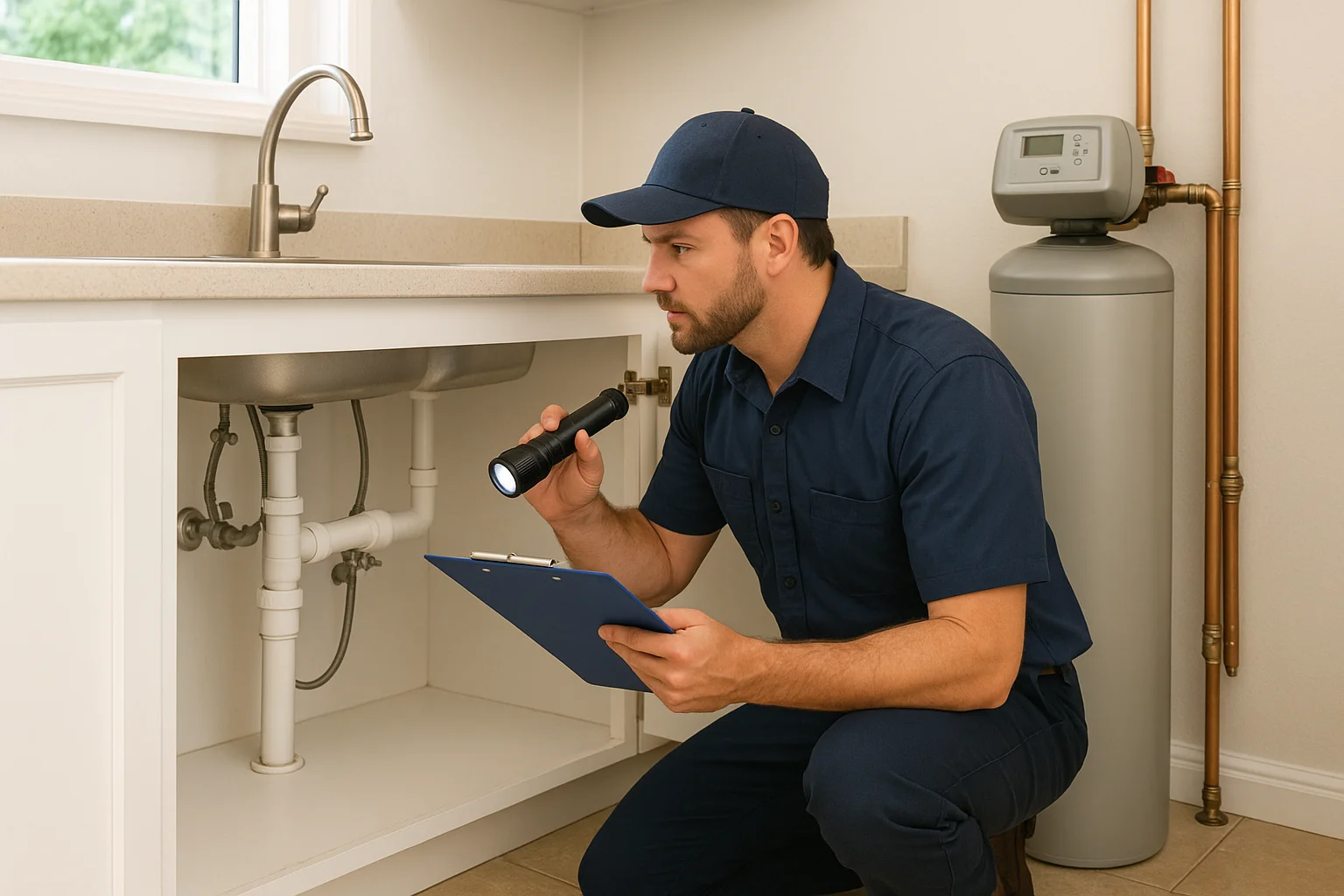
Video inspection helps identify cracks, blockages, root intrusion, and pipe deterioration. It can also reveal where the issue starts and how far it extends. For homeowners searching for a plumber near me because of recurring backups, video inspection is often the difference between guessing and fixing the actual problem.
Targeted pipe repair for damaged sections
Repair methods may include replacing damaged sections or using trenchless approaches where feasible. The best option depends on the pipe material, access, and extent of damage.
For properties with slab foundations, pipe issues may show up as persistent leaks and drainage problems. If you suspect a slab leak, sewer line problems may be part of the larger picture. Homeowners can also explore guidance on water damage and plumbing response through How Professional Plumbing Service Helps Wright Homes Avoid Costly Water Damage.
Root management and prevention
If roots are the cause, the solution usually includes clearing the intrusion and repairing the entry points. Maintenance plans may include periodic inspections to catch new growth early.
Leak repair for connected plumbing systems
Sometimes homeowners notice a water leak repair near me issue and assume it is only a supply line. But leaks can also impact drainage performance and contribute to wet areas near plumbing runs. If you are dealing with dampness, water stains, or unexplained moisture, a plumber can evaluate the source and determine whether sewer line help is needed.
Emergency plumbing concerns in Wright: act quickly
Sewer problems can become emergencies when wastewater backs up into the home, when a leak is actively spreading, or when a blockage threatens to overflow fixtures. Wright homeowners should know the difference between inconvenient and urgent.
Call an emergency plumber near me if you see these issues
- Wastewater backing up into tubs, sinks, or toilets
- Standing water near floor drains or in areas that should stay dry
- Strong sewer odors combined with slow or stopped drainage
- Wet spots that expand quickly or smell like wastewater
- Signs of a burst pipe repair near me situation that could connect to sewer overflow
For homeowners who want faster help, Why Wright Homes Need Faster Emergency Plumbing Support explains why speed matters for limiting water damage and protecting indoor air quality.
How water heaters and fixtures relate to sewer maintenance
Sewer lines are not the same as water supply lines, but sewer performance and household plumbing problems often show up together. If you have a failing water heater, for example, it can increase the chance of leaks near the floor and create additional plumbing stress. That does not cause sewer line blockages directly, but it can lead to more water accumulation, more cleanup, and faster escalation when other issues exist.
If you are planning water heater replacement or need water heater services in Wright, ask your plumber to check surrounding plumbing for leaks. Catching small issues early supports overall drain and pipe performance.
Fixtures also play a role. A leaking faucet repair can waste water and increase flow through drains. A running toilet repair can send water continuously into the sewer system, which may contribute to backups when the line is already partially restricted.
For homeowners looking for a broader, practical approach to keeping plumbing in shape, review Plumbing Maintenance. If you have hard water and scale concerns, you may also benefit from Water Filtration Services.
Preventative maintenance plans that fit Wright homes
Not every property needs the same schedule, but most Wright homeowners can benefit from a maintenance approach that includes:
- Periodic drain and sewer system evaluations
- Inspection when symptoms repeat, even if drain cleaning helps temporarily
- Root intrusion monitoring if you have nearby trees
- Fixture upkeep to reduce unnecessary flow, such as fixing a running toilet
- Leak checks around common problem areas, including under sinks and near water heater connections
For homeowners who manage more than one property or handle larger water use, commercial practices can also inform residential care. See A Practical Guide to Smarter Commercial Plumbing Maintenance in Wright, FL for ideas you can adapt to a busy household.
Choosing local sewer repair and maintenance service in Wright
Searching for plumbing services near me is usually the first step, but the best results come from choosing a team that understands sewer line troubleshooting, pipe repair, and the local conditions that affect drainage performance. A local provider is also more likely to be familiar with common plumbing issues seen in Okaloosa County homes, including older pipe networks, root intrusion patterns, and storm-related stress.
When you schedule service, bring up what you have noticed: when drains slow down, which fixtures are affected, whether odors show up, and whether the issue worsens during heavy water use or after rain. That information helps the plumber narrow down whether you need localized drain cleaning, leak repair, or true sewer line help.
If you want to focus on sewer line performance and prevention, visit /service-areas/okaloosa-county/wright/sewer-repair-and-maintenance-wcofl and learn how professional inspections and repair work protect your home’s drains and pipes. You can also explore more about plumbing options across the area at /service-areas/okaloosa-county/wright and /service-areas/okaloosa-county.
Simple steps homeowners can take this week
You do not need to wait for a full backup to improve sewer performance. Try these practical steps:
- Use drain screens in kitchen and bathroom sinks to reduce hair and debris.
- Check toilets for continuous running and schedule toilet repair if you hear water cycling.
- Fix dripping faucets to reduce unnecessary water flow through drains.
- Pay attention to which drains slow down together and note the timing.
- Avoid flushing wipes and other items that can contribute to sewer clogs.
- If you see recurring problems, ask about sewer line inspection instead of repeating the same drain cleaning.
These steps help, but they do not replace professional sewer repair and maintenance when symptoms point to damaged pipes, root intrusion, or a restriction in the sewer line.
Related plumbing improvements that support long-term reliability
Sometimes sewer performance improves after you upgrade parts of the plumbing system that affect flow and drainage. If you are replacing fixtures, it helps to choose components that match your home’s plumbing layout and water pressure. For homeowners planning fixture upgrades, this guide can be useful: A Smarter Way to Handle Plumbing Fixture Replacement in Wright, FL.
When fixture changes, water heater service, and sewer line care are coordinated, the whole system works more reliably. That is the kind of plumbing maintenance approach Wright homeowners need, especially during humid months and after periods of heavy rain.
Find Sewer Repair and Maintenance in Wright, FL
If you need Sewer Repair and Maintenance in Wright, FL, visit our local service page or contact A Superior Mechanical today.
Map of Wright, FL
Frequently Asked Questions
How can I tell if my slow drains are a sewer line problem or just a clog?
Slow drains in more than one fixture, gurgling toilets, recurring odors, and backups that happen after normal use are common sewer line indicators. A professional video inspection can confirm whether the issue is in the main line or only in a branch drain.
What causes sewer backups in Wright, FL homes?
Frequent causes include tree root intrusion, grease and debris buildup, “flushable” wipes, deteriorating or cracked pipe sections, and partial blockages that worsen with heavy water use. Storm-related soil saturation can also increase stress on older sewer lines.
Is drain cleaning enough if the problem keeps coming back?
Sometimes, but not always. If backups or slow drainage return quickly, the underlying cause may be root intrusion, pipe damage, or a restriction that requires sewer repair. Repeated cleanings can clear surface buildup while the deeper pipe issue remains.
How often should Wright homeowners schedule sewer inspections?
If you have nearby mature trees, older plumbing, recurring clogs, or past backups, periodic inspections are a smart preventive step. If you are experiencing symptoms now, schedule inspection sooner so repairs do not escalate.
When should I call an emergency plumber near me for sewer issues?
Call emergency help if wastewater backs up into fixtures, you notice standing water near floor drains, you smell strong sewer odors with stopped drainage, or you see wet areas that are spreading. Quick action helps limit water damage and cleanup costs.
Related Articles
Photo Gallery