Homeowners in Panama City Beach, FL often notice water differences right away. Maybe it is hard water spots on glass, a dull look on dishes after the dishwasher runs, or cloudy ice cubes that do not look as fresh as they should. When that same water feeds an under-sink reverse osmosis system, local water conditions can either make your RO system work smoothly or force it to work harder than it should.
This guide explains how Panama City Beach water affects reverse osmosis systems, what symptoms point to the need for water treatment service, and how to keep your system producing better drinking water for everyday moments like filling a glass, brewing coffee, and bathing the family.
Reverse osmosis in plain terms, and why water chemistry matters
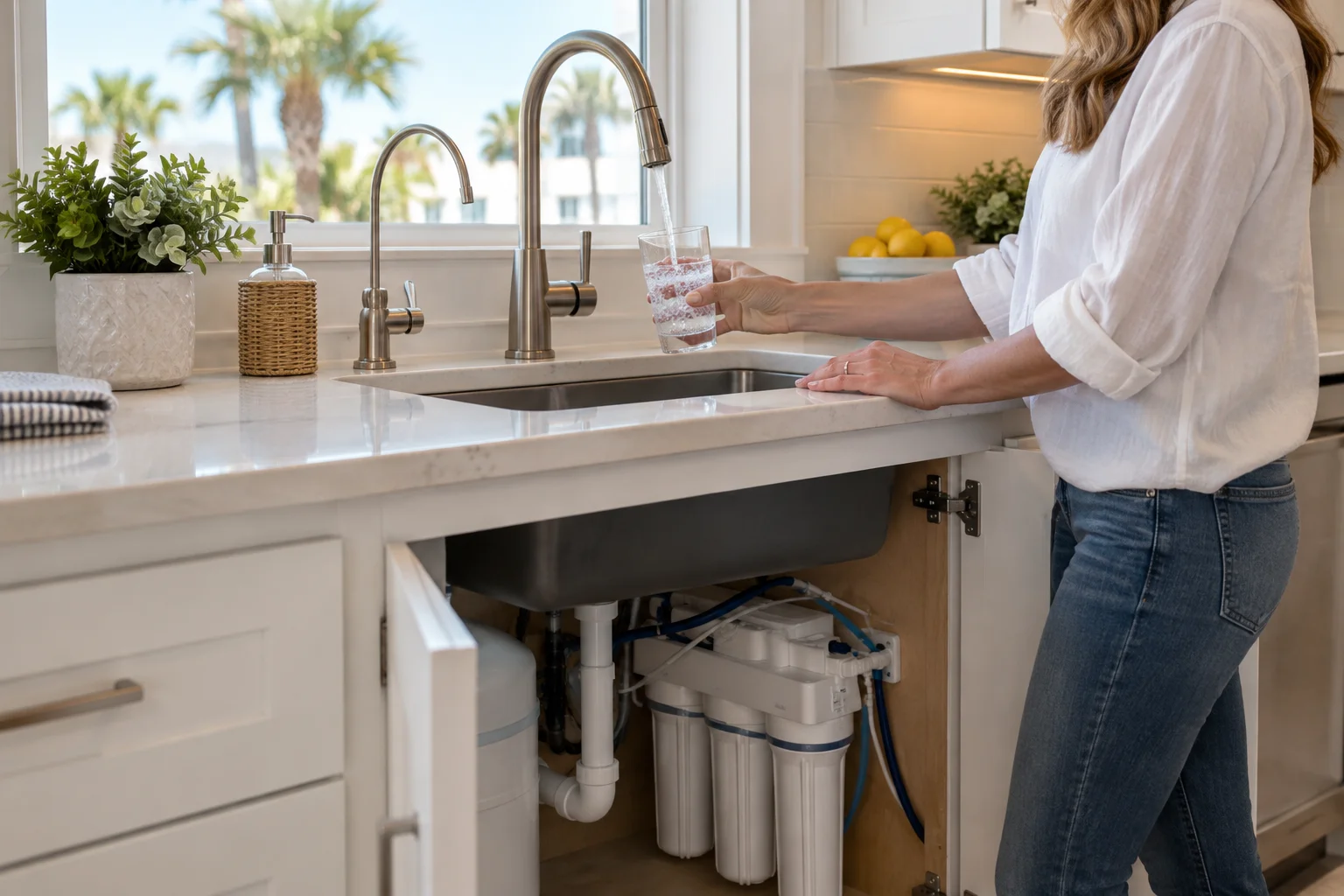
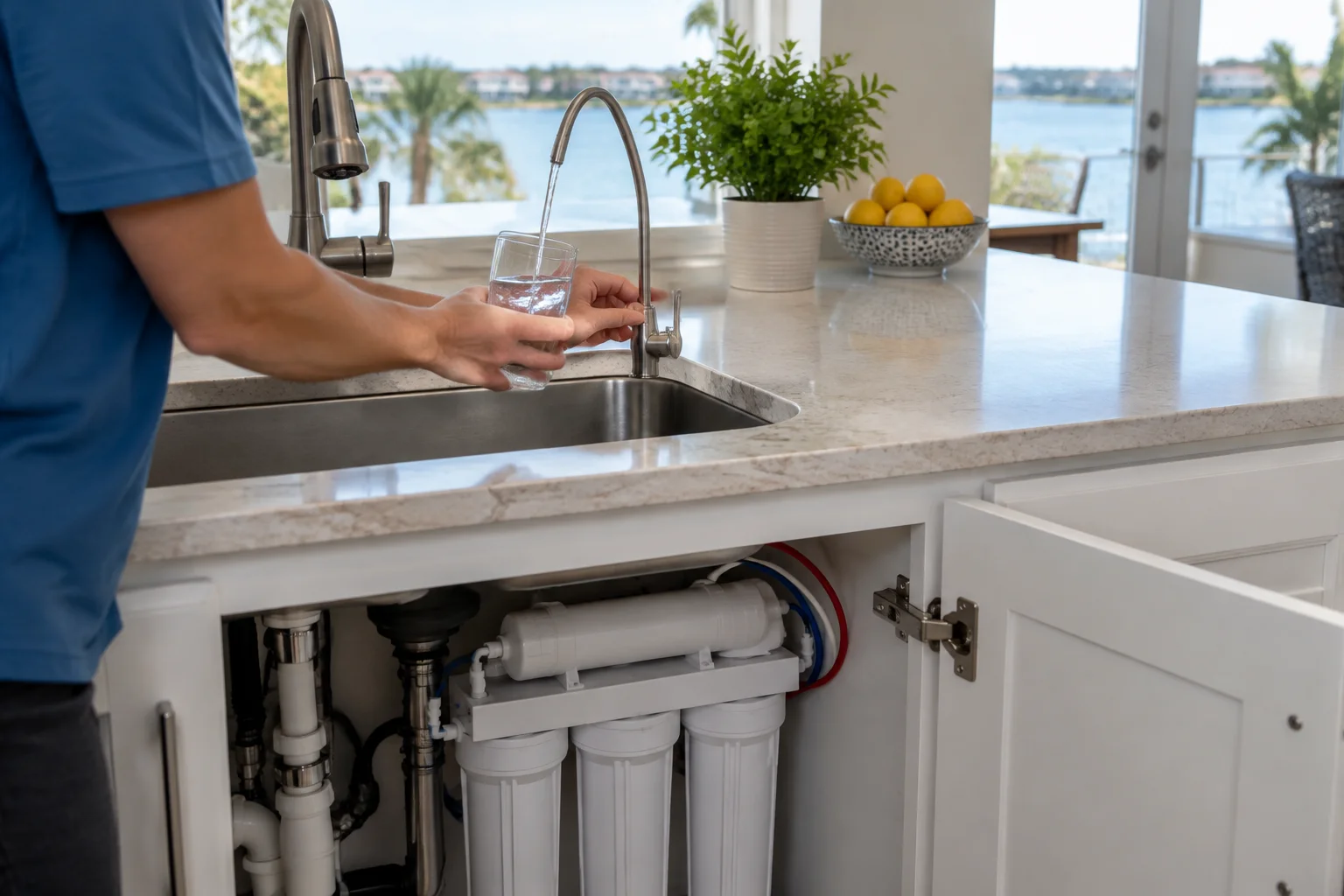
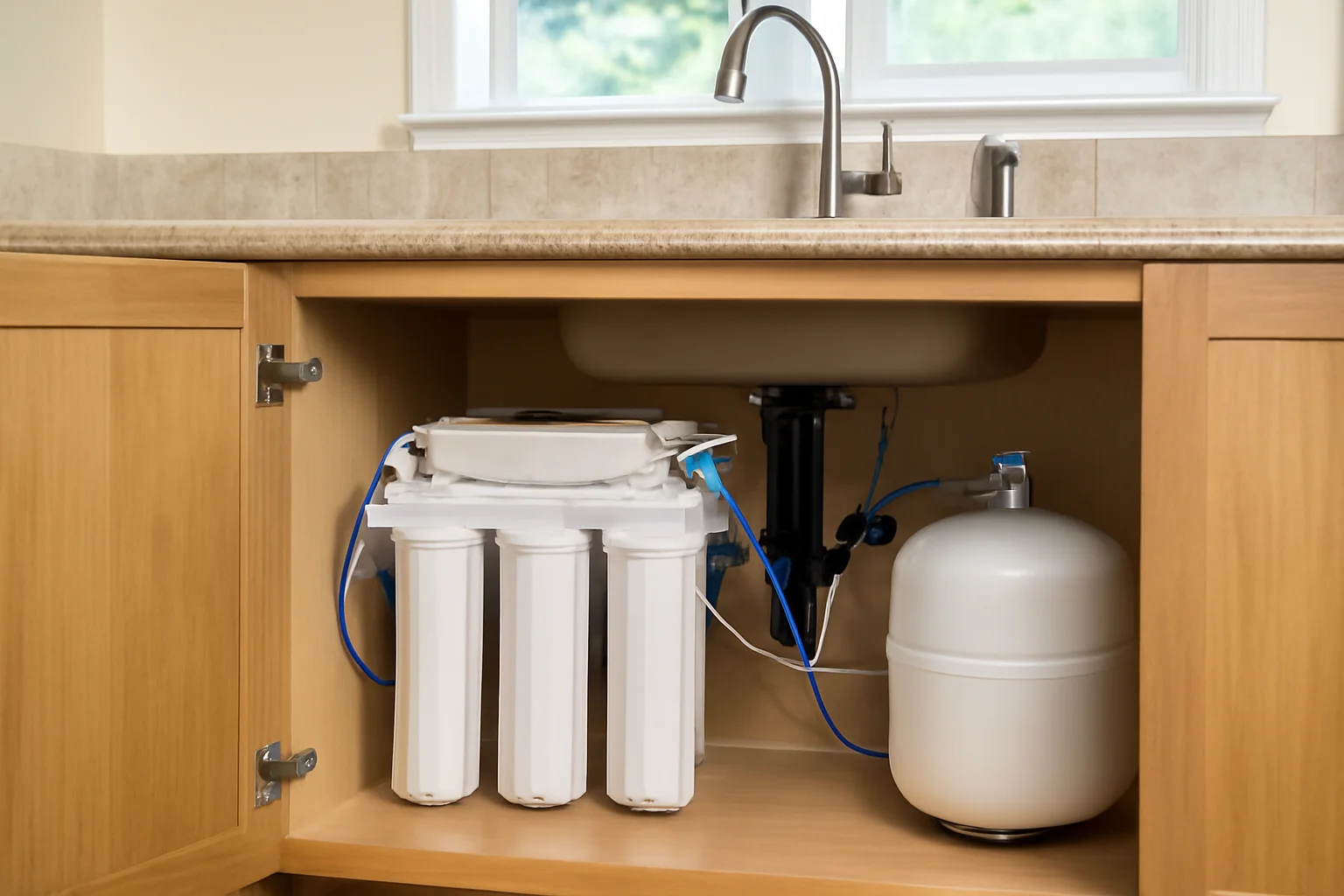
A reverse osmosis (RO) system pushes water through a semipermeable membrane that filters out many dissolved contaminants. Most RO setups also use pre-filters to catch sediment and protect the membrane. The catch is that RO performance depends on what is already in your incoming water.
In Panama City Beach and across Bay County, homes can see varying levels of hardness, sediment, and dissolved minerals depending on the season, local distribution, and household plumbing. Even small changes can affect how fast filters load up, how quickly scale forms, and how consistently the membrane produces water that tastes clean.
If you are searching for water filtration near me or drinking water filter near me, it helps to know that a reverse osmosis system is not a one-size-fits-all solution. Local tuning, proper pre-treatment, and maintenance scheduling are what keep it performing.
Hard water and scale buildup: the most common RO stressor
Hard water is often the headline issue for homeowners. You might see hard water spots on glass after wiping down a mirror, or white scale buildup around faucets and showerheads. Over time, scale buildup can also show up inside plumbing runs, water heater components, and appliances.
For an RO system, hardness and scale are more than cosmetic. When minerals like calcium and magnesium concentrate, they can form scale on or near the RO membrane. That can lead to:
- Slower production of filtered water
- Higher pressure demands on the system
- Reduced rejection of dissolved solids
- Faster filter changes because pre-filters clog sooner
In a Panama City Beach home, that can show up in kitchen routines. You fill a glass for the kids, but the taste seems less consistent. You run the coffee maker and notice poor tasting coffee water. You cook pasta or rice and the water does not taste as clean as you remember. Even if the RO is working, it may be working at a reduced efficiency because scale is stealing capacity.
Sediment and visible discoloration: when pre-filters become your first line of defense
Some households experience sediment in household water, especially after changes in water flow, nearby construction, or seasonal shifts. You might notice visible discoloration, sediment in the bottom of a clear container, or an odor concern that comes and goes.
RO systems rely on pre-filtration to protect the membrane. If sediment levels are higher than average, pre-filters load up faster. Homeowners often first notice it as:
- Cloudy ice cubes
- A “stale” or metallic feel to water
- Water that looks slightly off when it first comes out
- Shorter intervals between filter replacements
Sand and fine particles can also affect whole home water filtration systems, but with under-sink RO, the impact is concentrated. That is why professional water treatment service matters for RO performance. The right system design and cartridge sizing can reduce how quickly sediment reaches the membrane.
Chlorine and taste: RO can help, but the whole setup determines the result
Many municipal supplies use chlorine or chloramine for disinfection. Even when the water is safe, taste and odor can be noticeable. Homeowners may describe metallic tasting water, chlorinated taste, or an unpleasant taste that shows up in drinking water and cooking water.
Reverse osmosis can reduce many dissolved compounds, but taste is tied to what is removed in each stage. Carbon filtration is often part of a well-designed RO system to help address chlorine taste and odor. If the carbon stage is undersized, bypasses occur, or maintenance is overdue, the water can still taste “off.”
Think about the everyday kitchen scene many Panama City Beach families share. Someone rinses produce, fills a pitcher for iced tea, and makes a morning pot of coffee. If the water tastes metallic or chlorinated, it changes the whole routine. Better water for drinking and cooking is not a luxury. It is the foundation for meals and beverages that taste like they should.
Bathing and skin: when water hardness shows up beyond the sink
Water issues do not stay in the kitchen. Hard water can affect how soap works and how water feels on skin and hair. Homeowners may notice:
- Dry skin or dull hair after bathing
- Soap that does not lather or rinse well
- A film feeling that does not go away quickly
In a coastal climate like Panama City Beach, humidity and water exposure can make it easier to notice when bathing water feels “heavy.” When hardness is high, soap molecules do not dissolve as effectively, which means you may use more soap and still feel like you are not getting clean. If your RO system is under the sink only, it helps drinking and cooking, but it will not directly fix bathing water hardness across the home.
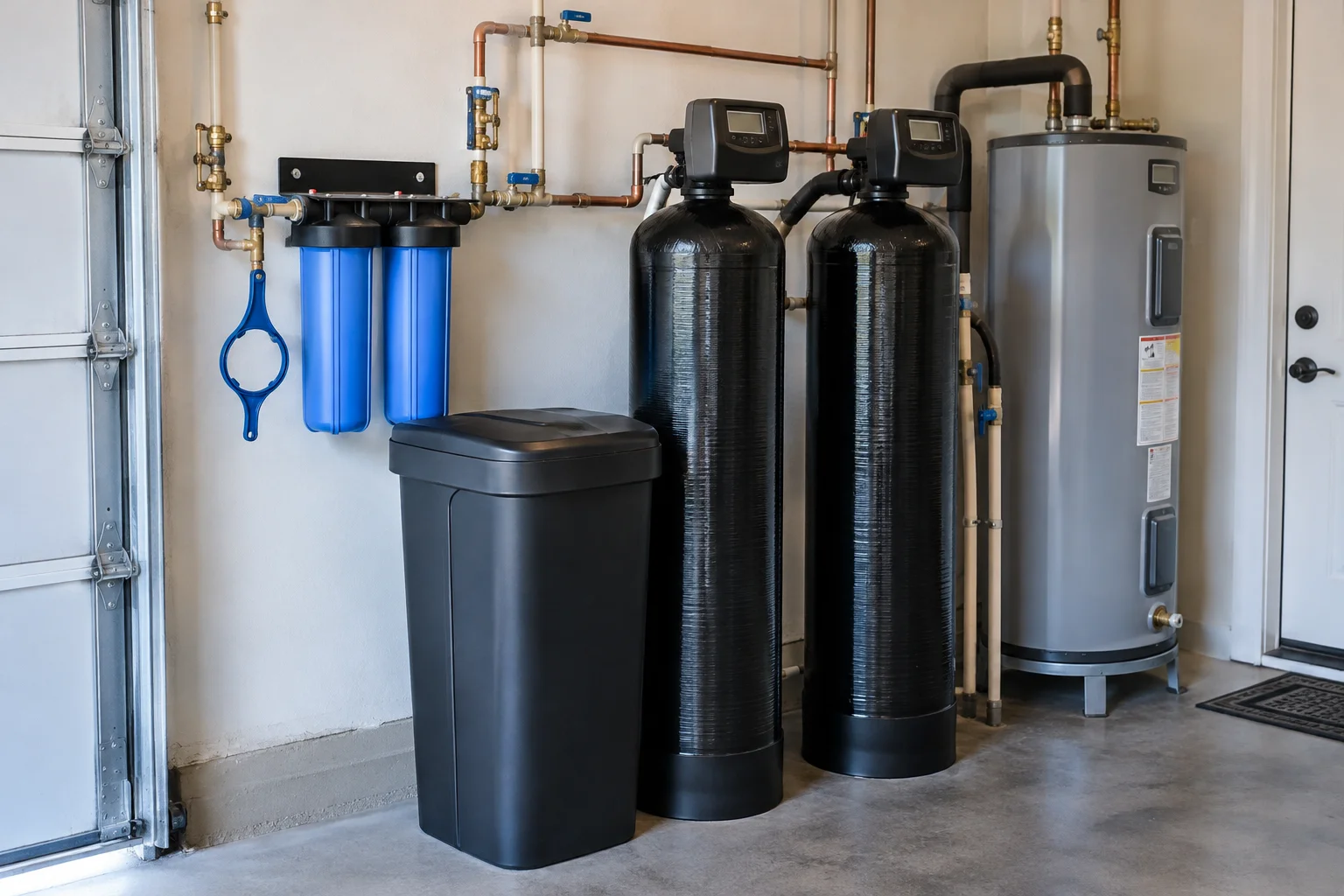
That is where water softening and whole home water filtration come into the picture. Many homeowners choose a combination approach: RO for drinking water quality and taste, plus whole home water softening or filtration for skin, hair, laundry, and fixtures.
How RO systems interact with laundry, fixtures, and appliances
Even if you only install RO for drinking water, the rest of the house still runs on the same incoming water. When hard water and sediment are present, you may see:
- Scale buildup on faucets and showerheads
- Soap scum that builds up faster
- Laundry that feels stiff or does not seem as bright
- Appliances wearing out faster
Dishwashers and water-using appliances do not just suffer from taste issues. They suffer from mineral deposits that reduce efficiency. Over time, those deposits can damage heating elements and reduce flow rates. When hard water treatment becomes part of protecting fixtures and appliances, homeowners often notice fewer “mystery” performance problems.
If you are planning an RO upgrade, it is worth asking how your household water quality affects the rest of your system, not just the under-sink unit.
Cloudy ice cubes and cloudy water: what it can mean in RO households
Cloudy ice cubes are a common complaint in beach and humid areas. Sometimes it is air bubbles and temperature changes. Other times, it is dissolved minerals or micro-sediment. If you are seeing cloudy ice cubes regularly, do not ignore it.
RO systems can improve clarity when the membrane and filters are performing well. If RO has been installed but ice is still cloudy, common causes include:
- Filters nearing end of life
- Low water flow or reduced membrane efficiency
- Pre-filter clogging from sediment in household water
- Carbon stage not addressing taste and odor consistently
For homeowners searching for reverse osmosis installation in Panama City Beach, the goal is consistent performance. That includes correct filter sequencing, correct pressure settings, and a maintenance plan that matches local water conditions.
Whole home water filtration and water softeners: pairing solutions for better results
Many families want better drinking water and better bathing water, not just one. Whole home water filtration near me searches often lead homeowners to ask whether they should soften water, filter sediment, or both.
A common strategy in Bay County homes is to use:
- Reverse osmosis for under-sink drinking water and filtered water for coffee and cooking
- Water softening to reduce hardness impact across the home
- Whole home water filtration to reduce sediment and protect plumbing and appliances
This pairing can also help your RO system indirectly. When the rest of the home is protected, you often see fewer scale and sediment issues at the household level. Even for RO, proper pre-treatment helps the membrane last longer.
If you are considering AO Smith water filtration, it is often part of a broader plan that includes filtration stages matched to your home’s water profile. A professional water treatment evaluation can help determine whether you need a dedicated softening step, a sediment stage, or a whole home approach before RO.
Why AO Smith and other quality filtration components still need local service
High-quality equipment matters, but so does how it is installed and maintained. RO systems depend on correct fit, correct filter order, correct pressure, and timely replacement schedules. Even a well-built system can underperform if:
- Cartridges are not changed on the right timeline
- Pre-filters are not sized for local sediment and hardness
- The membrane is exposed to scale because pretreatment is insufficient
- Installation details allow bypass or leaks
AO Smith water filtration systems can be a strong choice when they are matched to your needs. A Superior Mechanical focuses on local water realities in Panama City Beach so the system is not just installed, it is tuned for cleaner, better-tasting drinking water.
Maintenance habits that help RO systems last longer
Some maintenance is simple and homeowner-friendly. Others require a technician who understands membrane protection, filter life, and system flow.
What you can watch between service visits
- Check taste and odor: metallic tasting water, chlorinated taste, or unpleasant odor signals it may be time for service.
- Look for clarity changes: cloudy ice cubes or cloudy drinking water can point to filter performance issues.
- Monitor flow rate: if water output slows, pre-filters may be clogged.
- Inspect for scale around fixtures: scale buildup on faucets and showerheads suggests hardness is still impacting your home.
- Pay attention to soap behavior: soap does not lather or rinse well often means hardness remains a problem for bathing and laundry.
What professionals typically handle
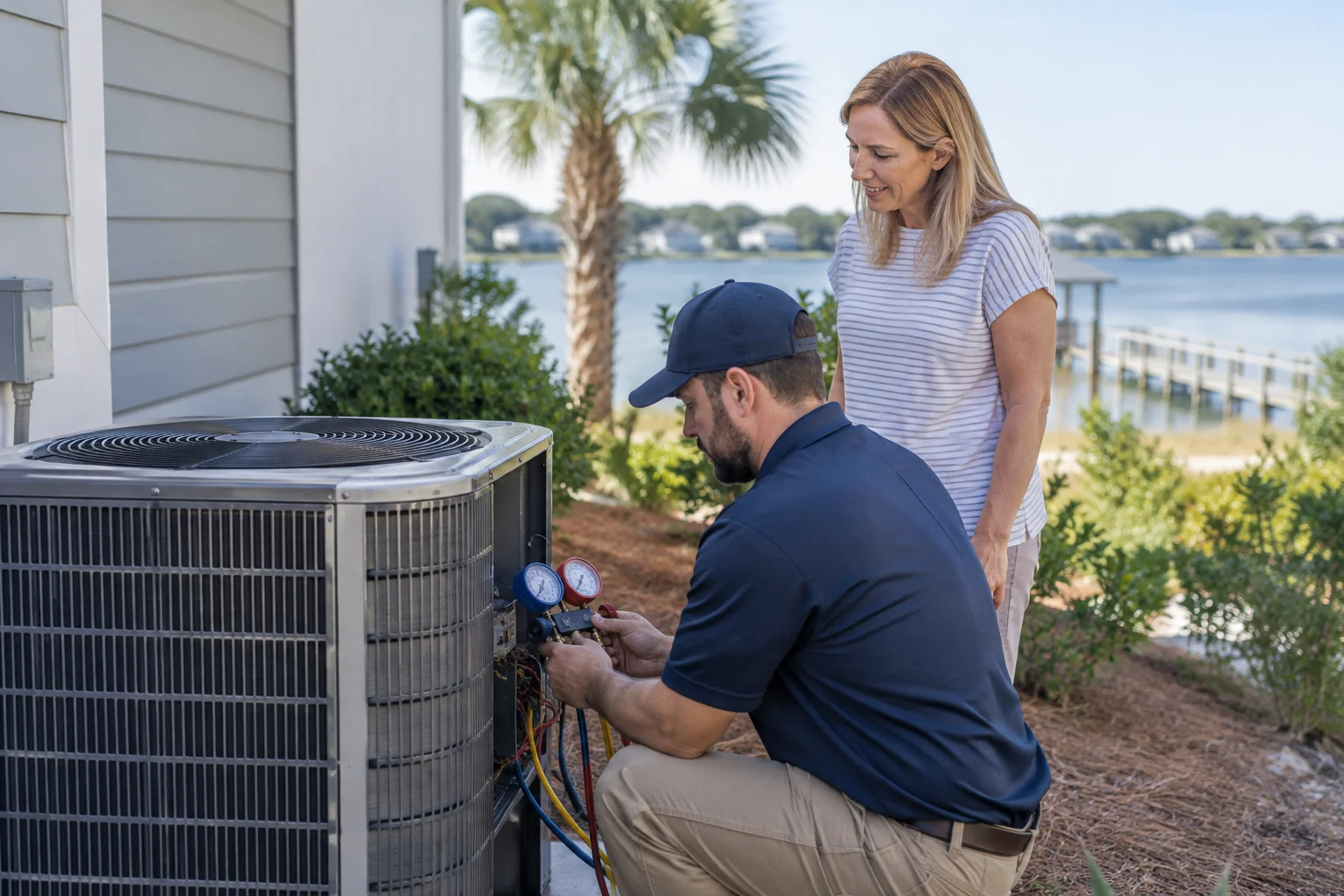
A technician can verify system performance, check pressure and flow, confirm filter stage condition, and recommend replacements based on your actual water use and local water conditions. If you want whole home water filtration near me or water softener service near me, it is helpful to evaluate whether an RO upgrade should be paired with other treatment steps.
When to call for RO service in Panama City Beach
Call a professional for reverse osmosis system service when you notice a pattern, not just a one-time issue. Common triggers include:
- Visible sediment or discoloration in water
- Metallic, chlorinated, or unpleasant taste returning after being fine
- Cloudy ice cubes that persist
- Soap that does not lather or rinse well, along with dry skin or dull hair after bathing
- Scale buildup around faucets and showerheads increasing faster than expected
- Appliances wearing out faster than they should
If you also see hard water spots on glass, scale buildup on fixtures, and laundry that does not feel clean, it may be time to address hardness across the home. That is where water softening and whole home water filtration can work together with your RO system.
If you are trying to decide between options, you can explore our RO service page here: /service-areas/bay-county/panama-city-beach/reverse-osmosis-systems-pcb. For broader treatment choices, see /water-filtration-ro-water-softeners, and if you want to understand the local service area coverage, visit /service-areas/bay-county/panama-city-beach or /service-areas/bay-county.
Local water treatment service helps RO systems work better, not just faster
Panama City Beach homes are shaped by a mix of older plumbing in some neighborhoods, newer builds in others, and the day-to-day rhythms of a coastal lifestyle. Water demand changes with seasons and occupancy, and that can influence how quickly sediment and hardness effects show up.
Professional water treatment helps because it connects your symptoms to system design. It also helps you avoid the common trap of replacing filters without addressing the real drivers, like scale, sediment in household water, or chlorine taste that needs proper carbon stages.
If you want more detail on how service improves RO outcomes, read /news/why-professional-water-treatment-makes-reverse-osmosis-systems-work-better-in-panama-city-beach. You can also pair water treatment planning with general plumbing care, especially when scale and mineral buildup start affecting flow. Helpful reads include /news/small-plumbing-repairs-that-save-panama-city-beach-homes-from-bigger-trouble and /news/plumbing-clues-around-the-water-heater-that-panama-city-beach-families-should-not-ignore. For a maintenance approach that fits real household schedules, see /news/a-smarter-way-to-handle-plumbing-maintenance-in-panama-city-beach.
Find Reverse Osmosis Systems in Panama City Beach, FL
If you need Reverse Osmosis Systems in Panama City Beach, FL, visit our local service page or contact A Superior Mechanical today.
For a broader look at whole-home water filtration, reverse osmosis, and water softener options, visit our water filtration, RO, and water softener page.
Map of Panama City Beach, FL
Frequently Asked Questions
Does hard water make reverse osmosis stop working?
Hard water does not usually “stop” RO, but it can cause scale buildup that reduces membrane efficiency and slows production. That is why pre-treatment, proper system design, and timely filter changes matter in Panama City Beach.
Why does my RO water taste chlorinated again after a while?
Chlorine taste often returns when carbon stages are near end of life or when maintenance has been delayed. Sediment can also load up pre-filters faster, affecting overall performance. A water treatment professional can check the system stages and recommend replacements.
Can an under-sink RO system fix dry skin or dull hair after bathing?
Usually not. Under-sink RO primarily treats drinking and cooking water. Dry skin or dull hair after bathing is often linked to whole-house hardness and soap performance, which is where water softening and whole home water filtration can help.
How do cloudy ice cubes connect to RO performance?
Cloudy ice cubes can be caused by air bubbles, but persistent cloudiness can also point to dissolved minerals or micro-sediment. If your RO system is due for service, the membrane and filters may not be producing clear water consistently.
Related Articles
- Why Professional Water Treatment Makes Reverse Osmosis Systems Work Better in Panama City Beach
- Small Plumbing Repairs That Save Panama City Beach Homes from Bigger Trouble
- Plumbing Clues Around the Water Heater That Panama City Beach Families Should Not Ignore
- A Smarter Way to Handle Plumbing Maintenance in Panama City Beach
Photo Gallery