Hot water is one of those things homeowners do not think much about until it is gone. In Niceville, where humid summers, frequent rain, and year-round household water use put steady demand on plumbing systems, a water heater can wear down faster than many people expect. Planning ahead for service helps prevent surprise breakdowns, protects pipes and fixtures, and keeps daily routines moving without disruption.
If you have been searching for dependable water heater services in Niceville, FL, it helps to know what to watch for, how local conditions affect your system, and when it makes sense to schedule maintenance before a small issue turns into a larger plumbing repair.
Why water heater planning matters in Niceville
Many homes in Niceville and across Okaloosa County rely on water heaters that work hard every day. Families shower before work and school, run dishwashers, wash laundry, and use hot water for cleaning. In older homes, the plumbing may include aging pipes, original fixtures, or sediment buildup that can put extra strain on the water heater.
Local weather also plays a role. Warm, humid conditions can encourage corrosion on exposed components, while heavy rain and shifting soil can affect underground lines and even contribute to slab leaks or hidden moisture problems around the home. If your water heater is already nearing the end of its useful life, those issues can show up faster than expected.
Planning ahead lets you choose the right timing for service instead of waiting for a cold shower, a leaking tank, or a full emergency plumbing call. It also gives you time to compare repair, replacement, and maintenance options with a trusted Niceville plumbing service provider.
What a homeowner should keep an eye on
Water heaters often give warning signs before they fail. Some are easy to notice, while others are subtle and show up in your utility bills or water quality. A little attention now can help you avoid bigger problems later.
Water temperature changes
If your hot water runs out faster than usual, takes longer to heat, or swings from warm to cold, the water heater may be struggling. Sediment buildup inside the tank can reduce efficiency, and failing parts can make it harder to keep up with normal household demand.
Rusty or cloudy water
Discolored hot water can point to corrosion inside the tank or inside older pipes. If the issue only affects hot water, the water heater is a likely source. If the problem is more widespread, a plumber may also check for pipe corrosion or recommend pipe replacement in certain sections of the home.
Noises from the tank
Popping, rumbling, or knocking sounds often mean sediment has settled at the bottom of the tank. That buildup can make the heater work harder and may shorten its lifespan. It can also create extra wear on connected plumbing lines and valves.
Leaks around the unit
Even a small leak around the base, fittings, or pressure relief valve deserves attention. Water around the heater can damage floors, cabinets, and nearby drywall. It can also point to a failing tank, loose connection, or pressure issue elsewhere in the plumbing system.
Lower water pressure
If hot water pressure drops in showers or at sinks, the problem may not be the faucet alone. Mineral buildup, partially blocked pipes, or sediment inside the heater can affect flow. A plumber can help determine whether the issue is isolated or part of a broader plumbing repair need.
How local water conditions affect the system
Water quality matters more than many homeowners realize. In Niceville, hard water and mineral content can contribute to scale buildup in water heaters, fixtures, pipes, and appliances. Over time, that buildup can reduce performance and increase wear on valves, drain lines, and fittings.
Homes that already deal with mineral deposits in faucets or showerheads may benefit from a broader plumbing evaluation. In some cases, adding water filtration services can help reduce scale and improve the life of plumbing fixtures and equipment. For households that want more targeted treatment, reverse osmosis systems can also be part of a larger water quality plan.
Better water quality does not just protect the heater. It can also help faucets, toilets, and drains stay in better shape, which means fewer calls for faucet repair, toilet repair, or drain cleaning over time.
Repair, maintenance, or replacement
Not every water heater problem means you need a new unit. Some issues can be solved with targeted repairs, flushing, thermostat adjustments, valve replacement, or leak repair. A good plumber will look at the age of the system, the condition of the tank, the type of unit, and the cost of repeated service calls before recommending next steps.
If the heater is relatively new and the problem is isolated, repair may be the smartest choice. If the unit is older, leaking from the tank itself, or no longer meeting your household demand, replacement may be more practical. For many Niceville homeowners, planning ahead means budgeting for either path before the system fails unexpectedly.
That is one reason some homeowners also review plumbing financing options before a replacement becomes urgent. It can make a major plumbing project easier to manage when the time comes.
How to build a simple maintenance routine
Water heater care does not need to be complicated. A few habits can help extend the life of the system and reduce the chance of an emergency plumbing call.
First, schedule routine inspection and maintenance. A plumber can check for leaks, corrosion, loose connections, sediment buildup, venting concerns on certain systems, and signs of pressure problems. Regular maintenance is especially useful in homes with older plumbing, visible hard water buildup, or recurring drain issues.
Second, pay attention to nearby plumbing fixtures. A dripping faucet, running toilet, or slow drain may seem unrelated, but those problems can increase household water use and put extra strain on the system. If you are already dealing with plumbing repair in the kitchen or bathroom, it is a good time to ask about the water heater too. Homeowners looking for a broader approach may find value in reading A Smarter Way to Handle Plumbing Repair in Niceville Homes.
Third, keep an eye on the area around the heater. Small puddles, rust stains, or moisture near the base can point to slow leaks that are easy to miss. If you have had previous leak issues, you may also want to review Better Leak Repair Care for Stronger Plumbing Performance in Niceville, FL.
Why early service helps with more than hot water
A water heater problem can affect the rest of the plumbing system. When the heater is struggling, sediment and pressure changes can put stress on pipes, valves, and fixtures. In some homes, that can lead to recurring leaks, noisy pipes, or uneven water pressure at sinks and showers.
Early service also helps with drainage and sewer concerns. A leaking water heater or repeated overflow can damage flooring and create moisture issues that spread into nearby areas. If a home already has slow drains, sewer line trouble, or signs of a slab leak, it is even more important to address hot water equipment before the situation worsens.
That is especially true in homes where the plumbing layout is tight or where access to the heater is limited. In those cases, a small issue can become a larger repair if it is ignored too long. Professional local plumbers understand the common building styles in Niceville and can work around the challenges that come with older layouts, tight utility closets, and mixed plumbing materials.
Tank and tankless systems each need a plan
Whether your home uses a traditional tank unit or a tankless system, planning ahead is still important. Tank systems often need flushing and inspection to deal with sediment and corrosion. Tankless systems can also collect mineral scale and may need descaling, filter checks, and regular service to keep hot water flowing properly.
If you are considering a switch from one type to the other, a plumber can help you compare household demand, available space, and long term maintenance needs. The right choice depends on how your family uses hot water, the age of your home, and how much upkeep you want to manage over time.
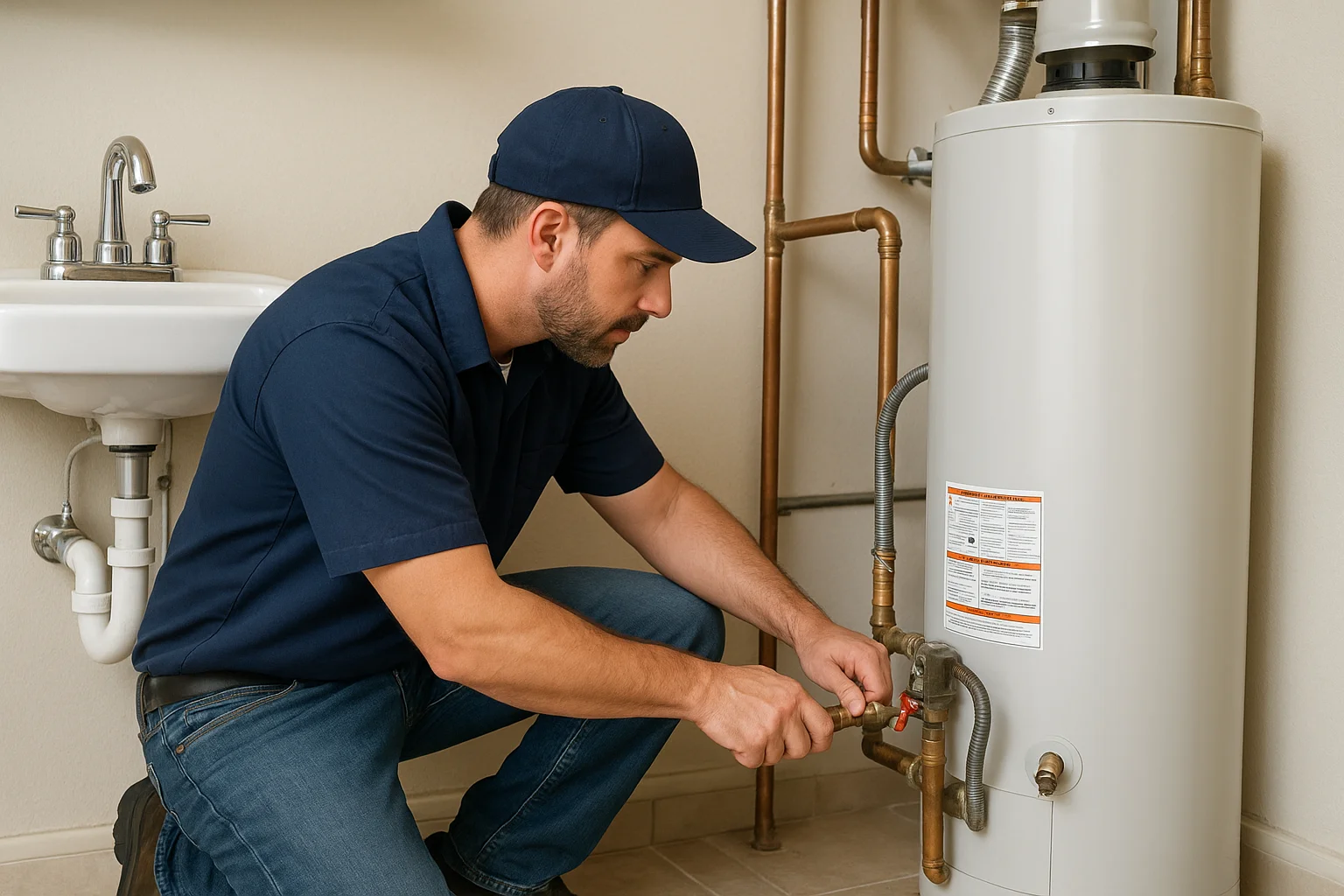
For homeowners who want a direct path to service, the best place to start is the local water heater services page, where repair, replacement, installation, and maintenance options are all part of the same conversation.
When to bring in a plumber
Some water heater concerns are too important to put off. Call a plumber if you notice active leaking, repeated loss of hot water, rusty water, strange noises, pressure problems, or signs that the unit is struggling to keep up with normal use. You should also get help if you suspect a hidden leak, a slab leak, or damage near the heater that could affect nearby pipes or flooring.
It is also smart to call if you are already dealing with other plumbing issues in the home. A clogged drain, failing toilet, dripping faucet, or recurring sewer line concern can all point to larger system strain. In those cases, one service visit may help identify the full picture before a small issue becomes a bigger repair bill.
For some homeowners, the most practical move is to combine water heater service with other plumbing maintenance. That can include pipe repair, drain cleaning, or fixture work, especially if the home has older plumbing or a history of leaks. If you are weighing broader repairs, the article Why Homeowners Need Plumbing Financing in Niceville, FL may help you plan for the cost side of the project.
Local service makes a difference
Working with local plumbers matters because they understand the homes, water conditions, and plumbing patterns common in Niceville and the surrounding county. They know how humidity, mineral buildup, and seasonal rainfall can affect plumbing systems, and they are more likely to recognize problems that show up often in the area.
That local experience is useful whether you need a routine inspection, emergency plumbing help, or a full replacement. It also helps when a problem turns out to involve more than the water heater alone. A plumber who works in the area regularly can spot related concerns in pipes, drains, fixtures, and sewer lines before they become bigger headaches.
Homeowners who want a broader overview of how plumbing services fit together may also find A Homeowner’s Guide to Commercial Plumbing Services in Niceville, FL helpful, especially when comparing service options and understanding the scope of professional plumbing support.
Planning ahead for water heater service is really about protecting the rest of the home. A healthy water heater supports steady water pressure, cleaner fixtures, fewer leaks, and fewer disruptions to daily life. With the right maintenance plan and a local plumber you trust, Niceville homeowners can stay ahead of problems instead of reacting to them after the damage is done.
Find Water Heater Services in Niceville, FL
If you need Water Heater Services in Niceville, FL, visit our local service page or contact A Superior Mechanical today.
Map of Niceville, FL
Frequently Asked Questions
How often should a water heater be serviced in Niceville, FL?
Most homes benefit from yearly inspection and maintenance. In areas with hard water or older plumbing, a plumber may recommend more frequent checks to control sediment and catch leaks early.
What are the most common water heater problems in local homes?
Homeowners often deal with sediment buildup, rusty water, low hot water pressure, temperature swings, leaking valves, and worn-out tanks. These issues can also affect nearby pipes, fixtures, and drains.
Can a plumber repair a water heater leak, or does it need replacement?
It depends on where the leak is coming from. Loose fittings, valves, and connections can often be repaired. If the tank itself is leaking, replacement is usually the safer option.
Should I call for water heater service if my other fixtures are also acting up?
Yes. Problems with faucets, toilets, drains, or water pressure can point to a larger plumbing issue. A plumber can check whether the water heater is part of the problem or if other repairs are needed too.
Related Articles
Photo Gallery