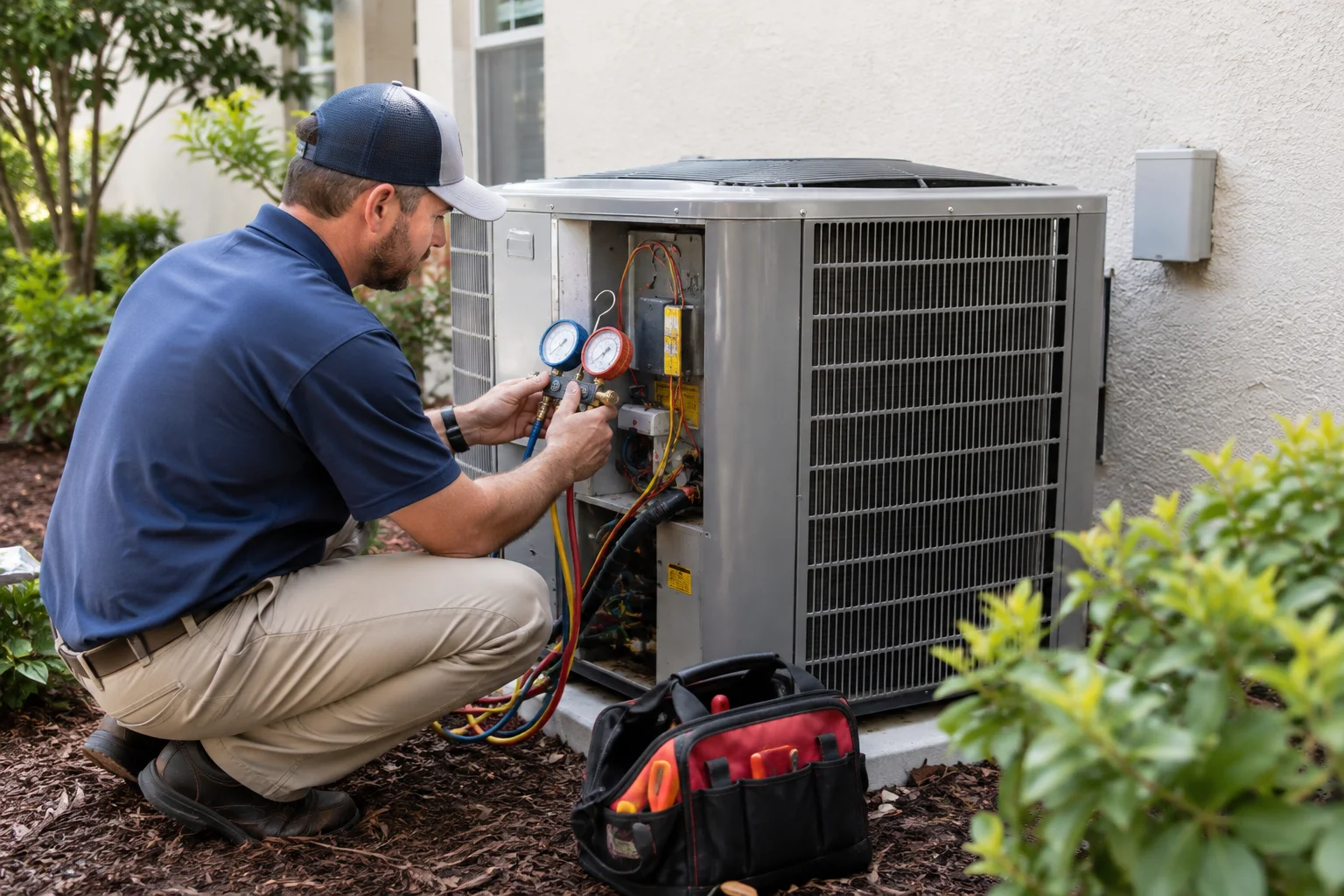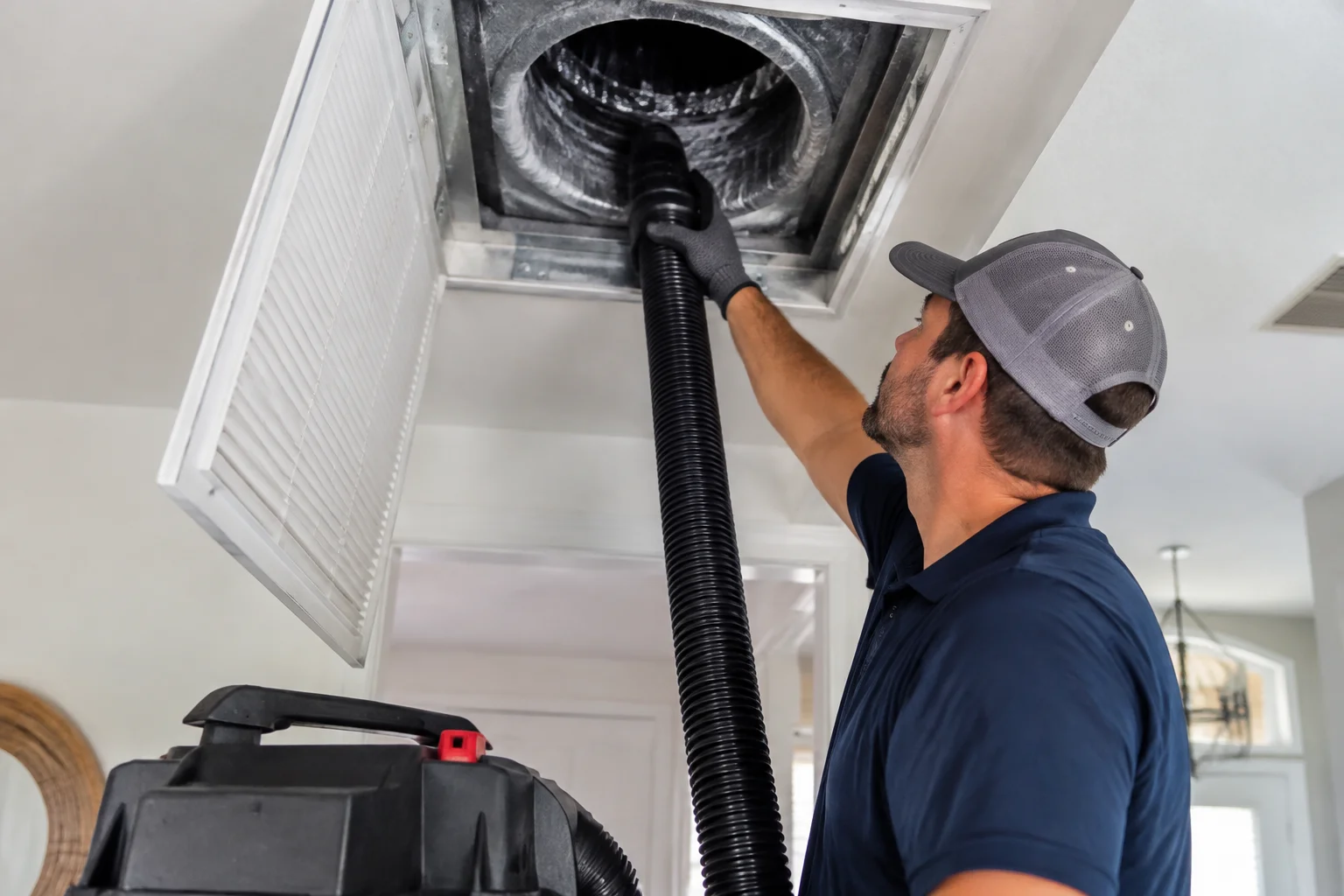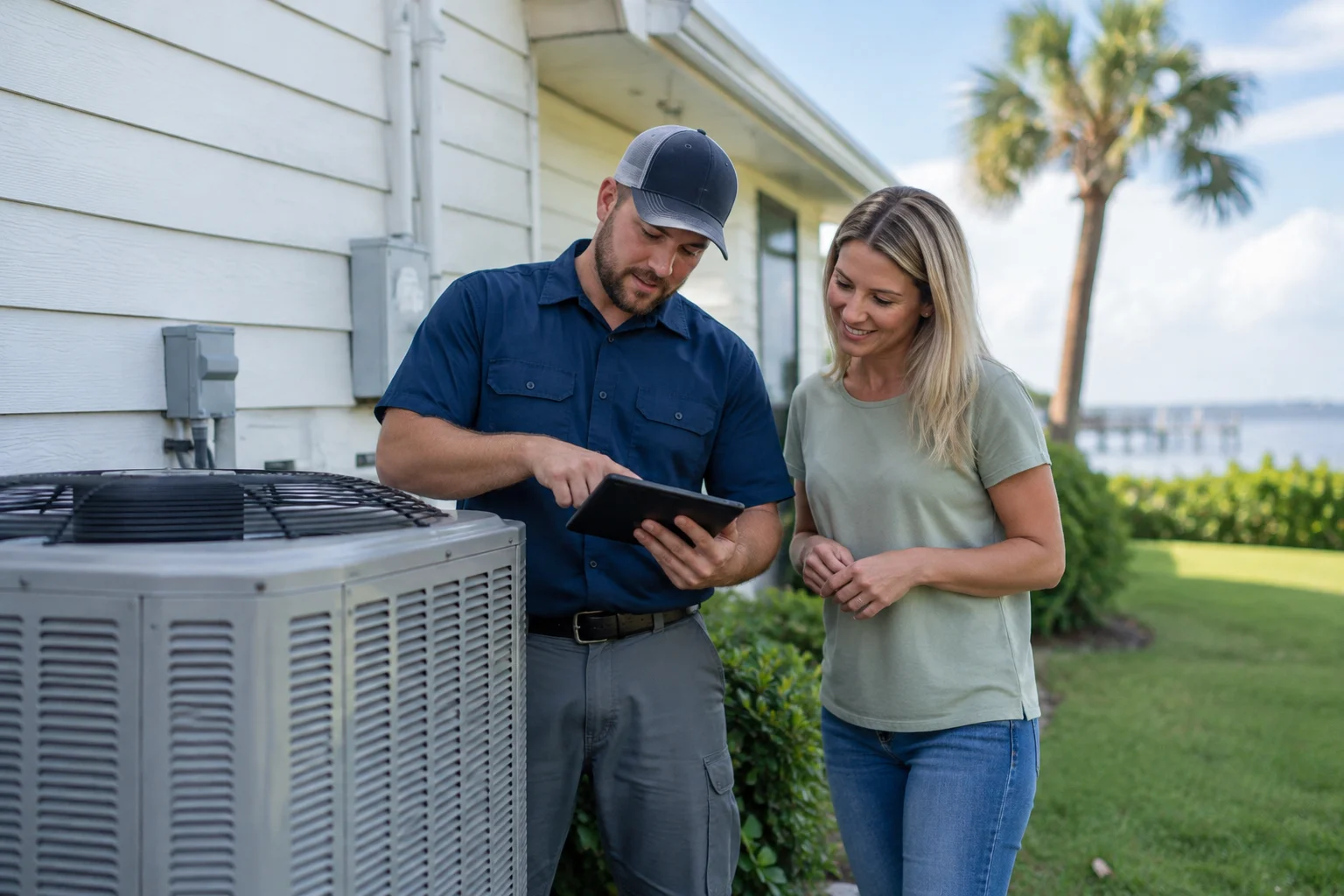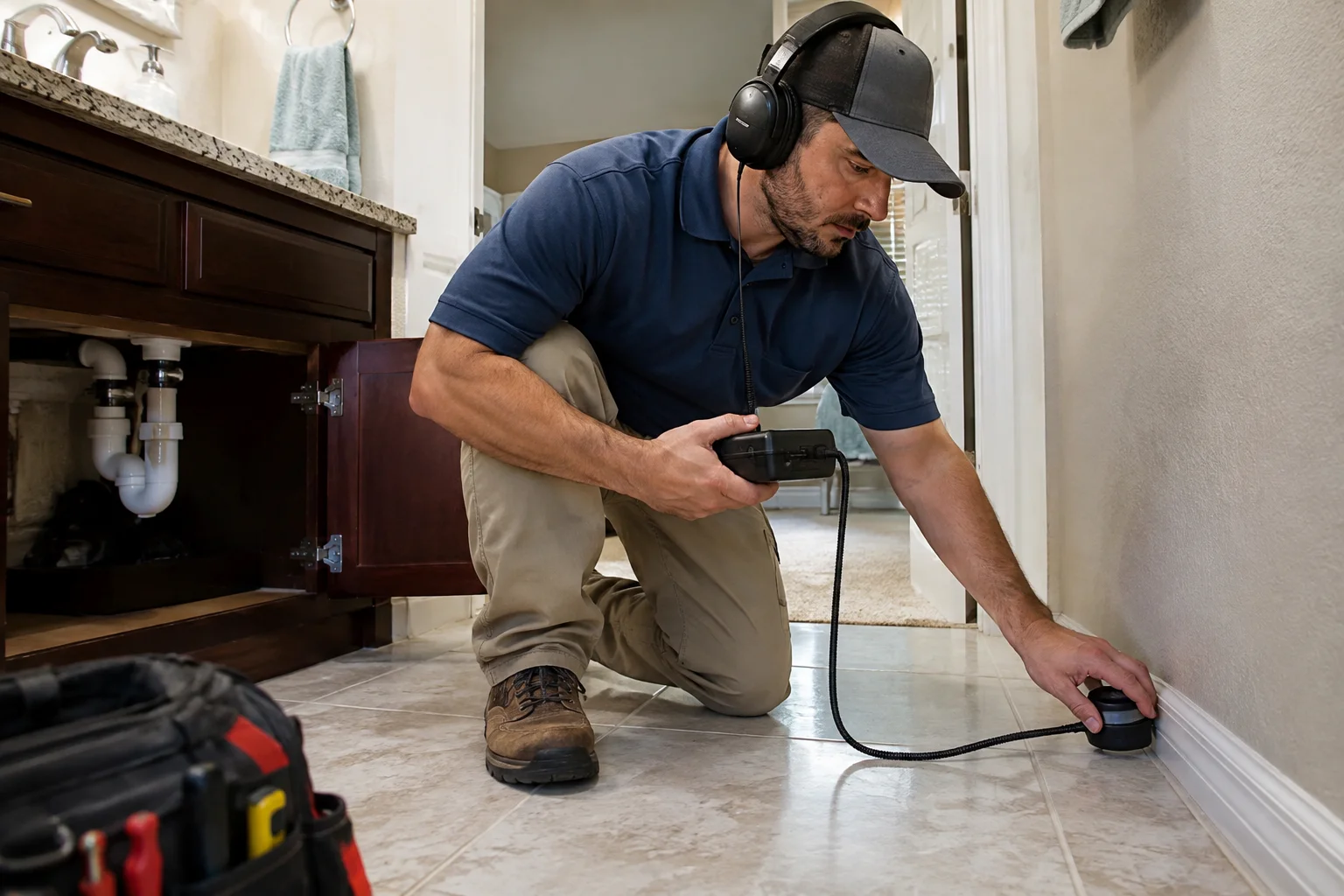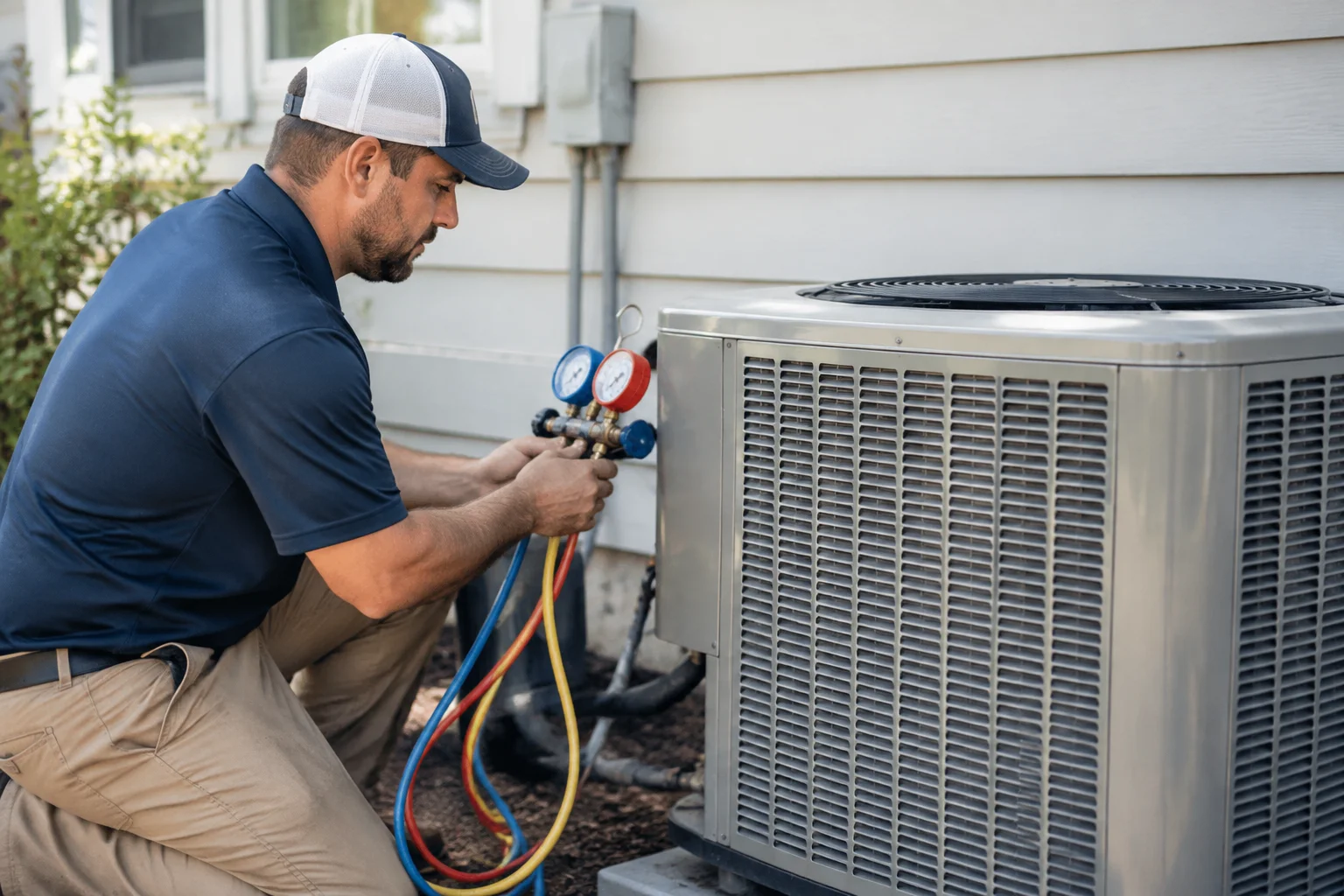
Building a home in Laguna Beach means planning for more than square footage and finishes. The air conditioning system has to fit the way the house is built, the way the family lives, and the way Bay County weather behaves through long, humid summers. A well planned system can keep a new home comfortable, protect indoor air quality, and avoid the uneven temperatures that often show up when HVAC is treated as an afterthought.
For homeowners and builders looking into new construction air conditioning in Laguna Beach, FL, the best results usually come from early coordination. That gives the system a chance to match the home’s layout, insulation, window placement, and coastal exposure before the walls are closed up.
Why new construction in Laguna Beach needs a different HVAC approach
Laguna Beach sits in a warm coastal part of Bay County, where high humidity and salt air can be hard on mechanical systems. Homes here need cooling that does more than drop the temperature. They also need proper dehumidification, balanced airflow, and equipment that can handle steady use during the hottest months.
New construction is the ideal time to get those details right. Unlike a retrofit, there is room to design duct runs, select equipment sizes carefully, and place returns and supply vents where they will actually support comfort. That matters in newer homes with open layouts, high ceilings, bonus rooms, and large glass areas that can create hot spots if the system is not planned well.
Local knowledge also matters because Bay County homes face a mix of conditions that do not always show up in standard HVAC sizing charts. Coastal moisture, afternoon heat gain, and construction styles common in the area all influence how a system should be designed. Homeowners in nearby neighborhoods can also learn more about the area through the Laguna Beach service area page and the broader Bay County service area.
What a good new construction AC plan should include
A properly designed system starts with the home itself. The best HVAC contractors look at the floor plan, insulation levels, window exposure, ceiling heights, orientation, and how the space will be used. That information helps determine system size, duct layout, and whether zoning or supplemental humidity control makes sense.
Right sizing the equipment
Oversized air conditioners are a common problem in new homes. Bigger is not better when it comes to cooling. An oversized unit can cool the air too quickly without running long enough to remove moisture. That can leave the home feeling clammy even when the thermostat says the temperature is right. Undersized equipment creates the opposite issue, with long run times, uneven cooling, and higher energy use.
A proper load calculation helps avoid both problems. In coastal Florida, that calculation should account for humidity, solar gain, and the way the home is sealed and insulated. A system that is sized for the actual home, not just a rough estimate, is more likely to deliver steady comfort and lower operating costs.
Ductwork that supports the home, not fights it
Duct design is just as important as the equipment itself. Poorly planned ducts can create pressure imbalances, noisy airflow, and weak cooling in bedrooms or upstairs spaces. In new construction, ducts should be sized and routed with the home’s layout in mind so air reaches each room evenly.
Leaky or poorly insulated ductwork can also waste energy and pull in hot, humid air from unconditioned spaces. That is a real concern in Florida homes where attic conditions can be extreme. If ductwork is installed correctly from the start, homeowners are less likely to deal with comfort complaints later.
Humidity control for coastal comfort
In Laguna Beach, air conditioning is about moisture control as much as temperature control. Coastal humidity can make a home feel warmer than it is, and excess indoor moisture can contribute to musty odors, condensation, and strain on finishes. In some homes, a whole home dehumidifier or a system with stronger latent cooling performance is worth considering.
For homeowners comparing comfort options, this is also a good time to look at whole home dehumidifiers and smarter maintenance. Managing humidity early can help protect flooring, drywall, furniture, and the overall feel of the house.
Common issues that show up when AC planning is rushed
Some of the most frustrating HVAC problems start before the home is even finished. When the system is designed too late or installed without enough coordination, the results can show up quickly once the family moves in.
Hot and cold rooms
Rooms at the far end of the house, upstairs spaces, and rooms with a lot of sunlight often become uncomfortable if airflow is not balanced. This is especially common in open concept homes where one thermostat is trying to control a large and varied space.
High indoor humidity
If the system is too large or the ductwork is poorly designed, the air may cool without drying properly. That can leave the home feeling sticky, even with the AC running.
Noise and airflow problems
Whistling vents, rattling ducts, or rooms that never seem to get enough air often point to design issues. These are much easier to prevent during construction than to fix later.
Higher operating costs
A system that is not matched to the home can cycle too often, run inefficiently, and wear out faster. In a climate like Laguna Beach, that means more stress on the equipment and more money spent over time.
How local climate affects equipment choices
Not every air conditioner is built for the same environment. In Laguna Beach and the rest of Bay County, salt exposure, humidity, and long cooling seasons all influence the kind of system that makes sense. Homeowners should pay attention to corrosion resistant components, proper drainage, and reliable installation practices that help the equipment last.
Some homes may also benefit from heat pump systems, especially when energy efficiency and year round comfort are priorities. If you are comparing options for a new build, a conversation about heat pump services may be worthwhile. The right choice depends on the home, the budget, and the comfort goals for the property.
For builders and homeowners who want the system designed around the structure instead of patched in later, designing new construction air conditioning for lasting comfort in Laguna Beach, FL offers a helpful look at the planning process.
Signs the HVAC plan may need another look before drywall goes up
There are a few warning signs that the HVAC portion of a new build may need more attention before the project moves forward. If the equipment was selected without a detailed load calculation, if duct runs look overly long or cramped, or if the thermostat location does not reflect how the home will actually be used, those are all reasons to pause and review the plan.
Other red flags include limited space for returns, no clear strategy for humidity control, and a lack of coordination between the HVAC contractor and the builder. These issues can often be corrected more easily during construction than after move in. A professional team can help identify whether the design supports comfort, efficiency, and serviceability.
Why local installation and service matter after move in
Even the best system needs a solid startup, proper commissioning, and routine care. A local HVAC company understands how Laguna Beach homes age in the coastal environment and what maintenance tends to matter most. That includes checking airflow, keeping condensate drains clear, inspecting insulation, and watching for early signs of corrosion or moisture related wear.
Local service also matters because response time and familiarity with the area can make a real difference. A contractor who regularly works in Laguna Beach and across Bay County is more likely to understand the construction styles, weather patterns, and common comfort complaints that show up in this market. Homeowners who want broader support for property systems can also read keeping Laguna Beach properties reliable with smarter HVAC management for ideas on staying ahead of repairs and upkeep.
Maintenance habits that protect a new system
New construction air conditioning should not be left on autopilot after the home is finished. Simple habits can help the system perform better for years.
Keep filters changed on schedule. Make sure supply vents stay open and unobstructed. Watch for signs of moisture around the air handler or registers. Keep the outdoor unit clear of leaves, sand, and debris. If the home has ductwork in the attic or other hot spaces, periodic inspection is especially important.
Homeowners who want to improve indoor air quality should also consider duct condition and cleanliness. A good starting point is cleaner air starts in the ducts, which explains how duct issues can affect airflow and comfort in local homes.
How A Superior Mechanical supports new construction projects
A Superior Mechanical provides new construction air conditioning in Upper Laguna Beach, FL with HVAC design and installation built for Bay County coastal comfort, efficiency, and long term performance. That includes system planning, ductwork layout, Bryant system installation, zoning, and smart controls for homes, rentals, and commercial properties.
For builders, that means having a partner who can coordinate with the project schedule and help avoid last minute HVAC problems. For homeowners, it means getting a system that feels right from day one and is easier to maintain over time. If the project also involves plumbing or drainage work nearby, it can help to coordinate with related services such as pipe replacement or sewer repair and maintenance so the home’s mechanical systems are planned together instead of separately.
Building a new home in Laguna Beach is a chance to get comfort right before problems start. With the right design, the right equipment, and local installation experience, the air conditioning system can support the home for years instead of becoming a source of complaints after move in.
Find New Construction Air Conditioning in Laguna Beach, FL
If you need New Construction Air Conditioning in Laguna Beach, FL, visit our local service page or contact A Superior Mechanical today.
Map of Laguna Beach, FL
Frequently Asked Questions
When should HVAC planning start in a new construction home?
HVAC planning should start early, ideally while the home is still in the design phase. That gives the contractor time to size the system, plan ductwork, and coordinate with the builder before framing and drywall limit access.
Why is humidity such a big issue for new homes in Laguna Beach, FL?
Laguna Beach has a warm, coastal climate with high humidity for much of the year. If the AC system is oversized or poorly designed, it may cool the home without removing enough moisture, which can make indoor spaces feel sticky and less comfortable.
Can a new construction AC system help with energy efficiency?
Yes. A properly sized system, sealed ductwork, good insulation, and smart controls can all reduce energy waste. In Bay County homes, good design also helps the system run more steadily instead of cycling on and off too often.
Do I need zoning in a new Laguna Beach home?
Zoning is not required in every home, but it can be a smart choice for larger floor plans, multi level homes, or homes with rooms that get very different amounts of sun. It helps match cooling to how the home is actually used.
Related Articles
- Designing New Construction Air Conditioning for Lasting Comfort in Laguna Beach, FL
- Keeping Laguna Beach Properties Reliable with Smarter HVAC Management
- Cleaner Air Starts in the Ducts: A Laguna Beach Homeowner’s Guide to Better HVAC Performance
- What Laguna Beach Homeowners Should Know About Whole Home Dehumidifiers and Smarter Maintenance
Photo Gallery