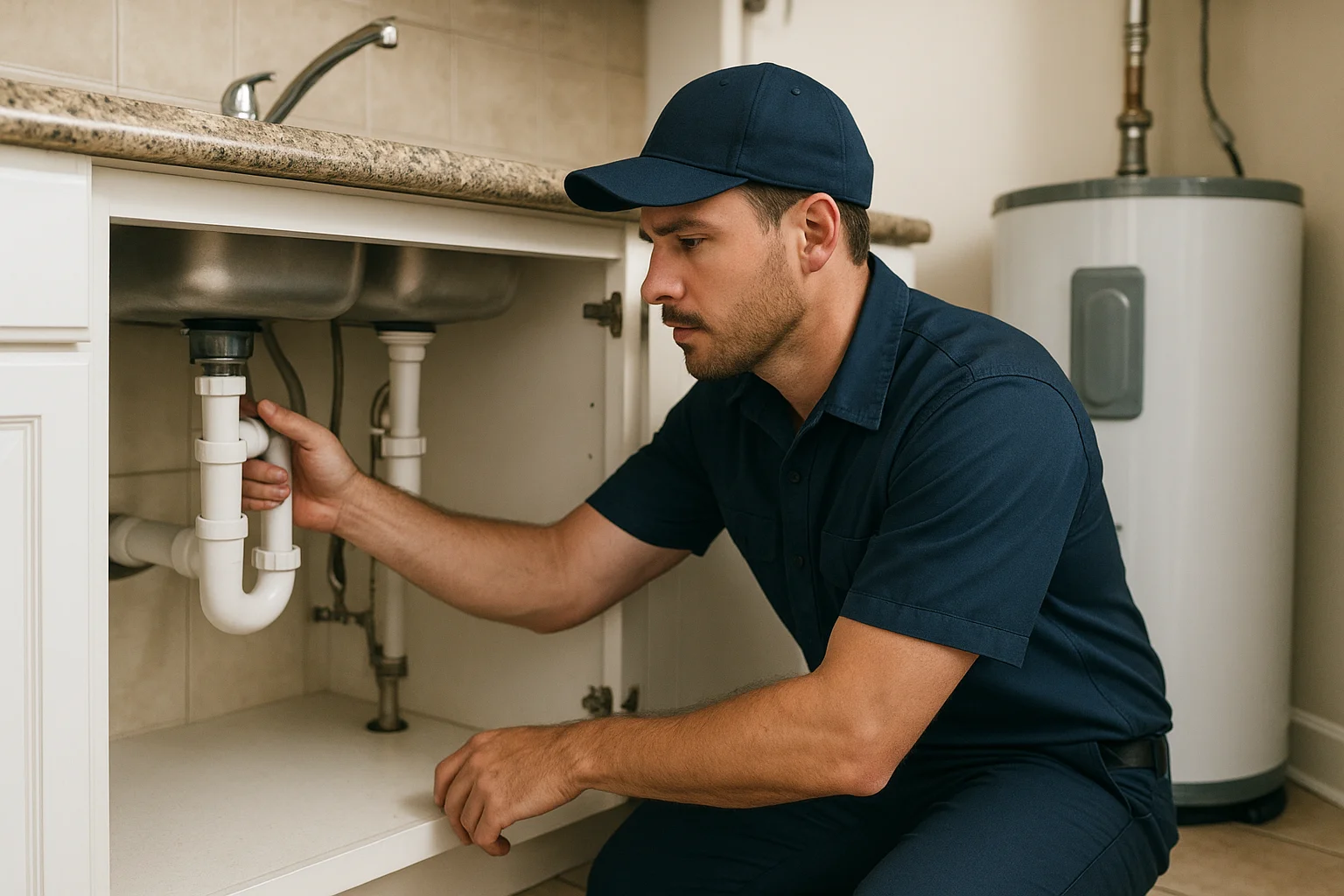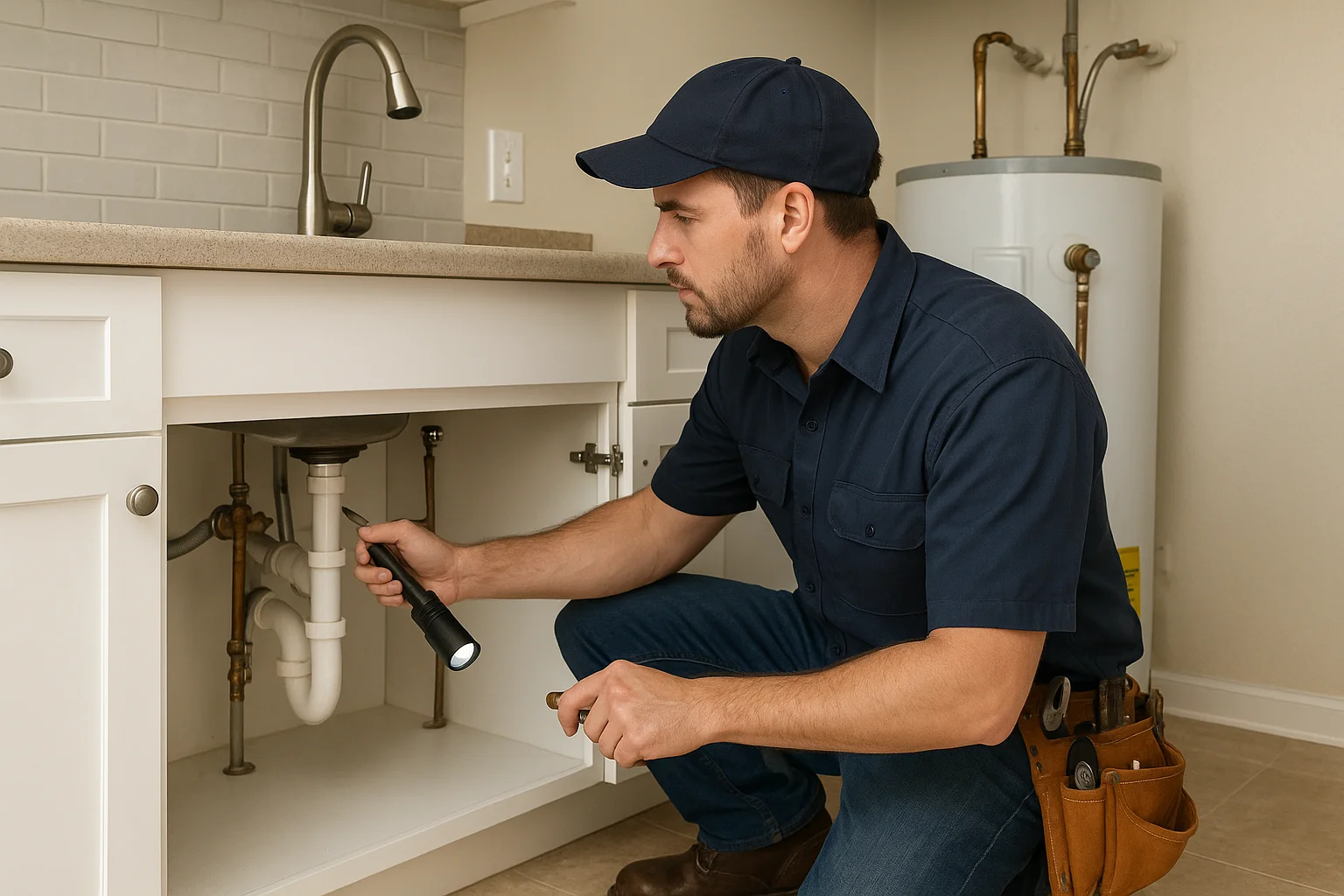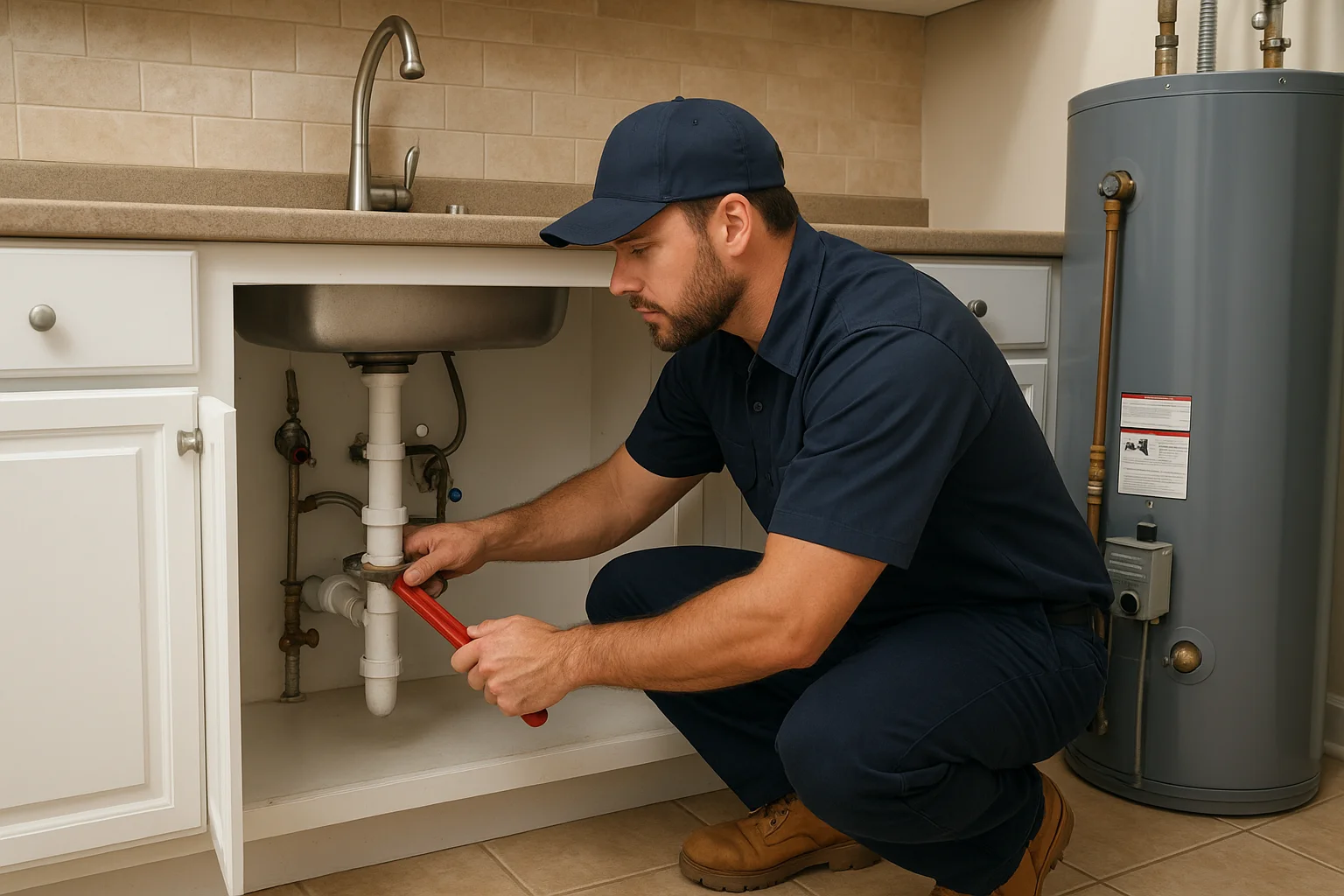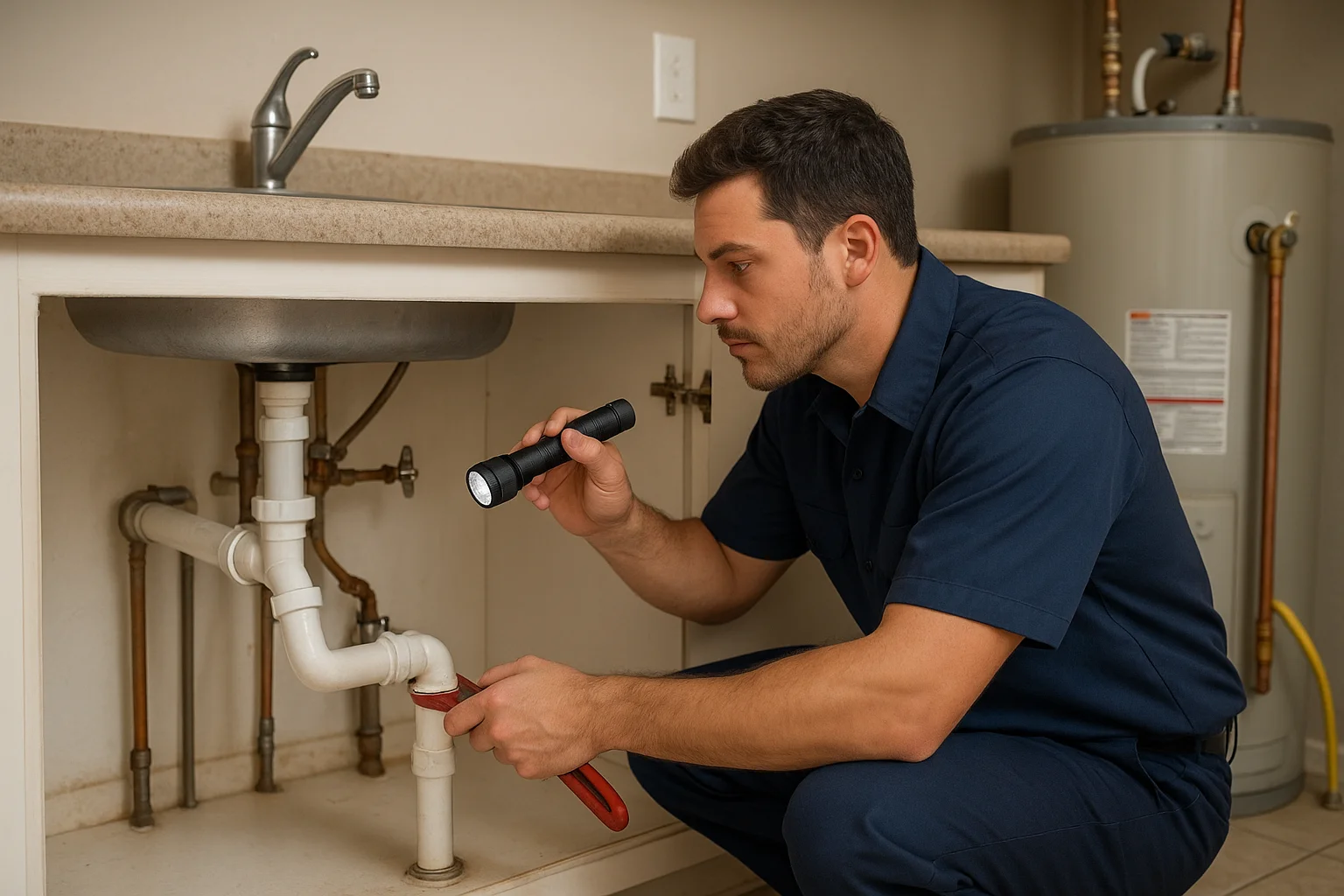
WaterColor homes are built for coastal living, but that lifestyle comes with plumbing realities. High humidity, salty air, and shifting ground conditions can stress pipes and create leaks you never see. When a leak stays hidden, it can waste water, damage flooring and drywall, and quietly weaken the foundation. The good news is that leak detection and slab leak repair can be planned and handled before a small problem becomes an emergency plumbing concern.
If you are searching for a plumber near me for leak detection near me or slab leak repair in WaterColor, this guide will help you understand what to watch, what causes slab leaks, and how routine maintenance reduces risk through the year.
Why hidden leaks are common in WaterColor homes
Many WaterColor plumbing systems run through or beneath concrete slabs. That layout can be efficient, but it also means leaks can develop out of sight. A pinhole leak in a supply line or a failing connection under the slab may not show obvious wet spots at first. Instead, homeowners notice indirect clues such as rising water bills, damp odors, or small changes in water pressure.
Coastal Florida also adds pressure on plumbing. Even when your home is well maintained, fluctuations in moisture and soil conditions can contribute to pipe movement. Over time, that movement can stress pipe joints and fittings, especially if water pressure is higher than it should be.
Local service matters because a licensed team familiar with Walton County plumbing patterns can combine the right diagnostic tools with practical repair methods for WaterColor homes. For homeowners who want reliable results, the service page for Leak Detection and Slab Leak Repair is a solid place to start.
Leak detection habits that prevent slab leak damage
Leak detection is not only about calling a plumber when something breaks. A few simple checks can catch problems earlier and make diagnostics faster and more affordable.
1) Track water use and look for unexplained spikes
Start with your monthly water bill. If water use rises without a clear reason, treat it as a clue. Some slab leaks run continuously, while others worsen under certain conditions like higher indoor demand. If you notice your usage trending upward, it is worth scheduling home plumbing inspection near me with a team that performs hidden water leak detection near me.
For households with irrigation, pool top-offs, or frequent laundry, it helps to compare water use across seasons. Still, when a spike does not match your routine, the leak may be the cause.
2) Perform a simple water meter test
If you are comfortable doing basic checks, you can do a quick test when water is not being used. Turn off all faucets, showers, and appliances. Watch the water meter for movement. If the meter keeps changing, water is flowing somewhere in the system. That does not tell you where the leak is, but it confirms that leak detection should be prioritized.
For residents who want to avoid DIY guesswork, a licensed plumber near me can run more precise testing and pinpoint the location before invasive repairs begin.
3) Monitor water pressure and watch for “water hammer”
Water pressure that is too high can stress pipes, strain valves, and increase the chance of leaks under a slab. If you hear banging when a faucet closes, you may have water hammer, which is often tied to pressure or pressure regulation issues. While the fix may involve multiple plumbing components, pressure problems can amplify slab leak risk.
Homeowners can ask a plumber to check pressure during plumbing repair or routine Plumbing Maintenance visits.
4) Pay attention to floor and fixture clues
Slab leaks can show up indirectly. Look for:
- Warm spots on the floor or carpet
- Small recurring damp patches
- Cracks that widen near plumbing runs
- Musty odors that appear after showers or laundry
- Slow drains or gurgling from fixtures
Even if the leak is not visible, these clues help your plumber narrow down the likely area. If you are dealing with a specific fixture issue like toilet repair near me or faucet repair near me, those problems can also be connected to supply line issues that need evaluation.
Common causes of slab leaks in Walton County
Slab leaks rarely have just one cause. Most are the result of long-term wear plus conditions that worsen over time.
Pipe corrosion and aging
Older plumbing materials can corrode, especially when water chemistry and hard water are factors. Hard water leaves mineral buildup inside pipes, which can affect flow and stress components. Corrosion can weaken pipe walls until they fail under normal pressure.
Improper installation or aging joints
Even well-built homes can experience joint failures. A connection hidden under a slab can loosen slightly, then leak intermittently. Over time, small leaks can become steady leaks that cause measurable water loss and structural moisture.
Soil movement and foundation stress
WaterColor’s coastal environment means the ground can shift with moisture levels. When pipes move, they can develop stress points. If you recently noticed foundation settling or new cracks, slab leak risk rises and diagnostics should move up the priority list.
High water pressure or pressure regulator issues
When pressure is too high, it increases stress on pipes, valves, and seals. That can lead to weeping at fittings and eventual failure. It can also make other plumbing issues worse, including fixture leaks and drain problems.
How plumbers detect slab leaks without guesswork
Professional leak detection near me should not rely on opening walls at random. A strong diagnostic process can reduce damage, shorten repair time, and help you avoid unnecessary demolition.
Depending on the home and symptoms, A Superior Mechanical may use a combination of these approaches:
- Electronic leak detection to locate the approximate area of water flow
- Moisture and temperature mapping to identify where water is escaping under or around the slab
- Acoustic listening to detect changes in sound patterns from pressurized leaks
- Pressure testing to confirm that a leak exists and evaluate system behavior
- Targeted inspection to confirm the pipe path and determine the safest repair strategy
This diagnostic work is also helpful if you suspect other plumbing issues. For example, homeowners sometimes confuse a supply leak with drainage problems. If you are dealing with recurring clogs, it may be time to pair leak detection with sewer and drain services so the full system is evaluated.
Slab leak repair options for WaterColor homeowners
Repair methods vary based on the leak location, pipe type, and how accessible the area is. A good plumber explains the plan clearly and focuses on lasting solutions, not temporary patches.
Localized repair and pipe replacement
When the leak location is identified precisely, the repair may involve accessing a small section and replacing the damaged pipe segment. That can limit disruption while restoring proper flow and pressure.
Rerouting or re-plumbing sections
If the affected piping run has multiple weak points, rerouting may be recommended. This approach can reduce the chance of future leaks in the same area.
Addressing related moisture damage
Slab leaks can contribute to moisture under flooring and near baseboards. Repairs may include steps to help manage the affected materials and prevent ongoing issues like odor or mold risk. Your plumber may coordinate with other specialists if needed, depending on what the inspection reveals.
If you want to explore how repair fits into the bigger plumbing picture, it can help to review camera inspection tips and other prevention-focused guidance.
Year round prevention: what changes in summer, fall, and winter
WaterColor weather shifts across the year, and plumbing behavior shifts with it. You do not need to become a plumbing expert, but adjusting your routine can reduce risk.
Summer: higher demand and faster detection
In summer, many homes run more water due to showers, laundry, and cooling habits. That increased demand can make leaks more noticeable and can also escalate water loss quickly. If you see a sudden jump in water use during peak months, treat it as an early warning.
Also pay attention to water pressure changes. If pressure fluctuates, it can affect both supply lines and fixture performance, including toilets and faucets. Addressing those concerns early can support better overall system health.
Fall: irrigation changes and outdoor water clues
When irrigation schedules change, homeowners sometimes notice wet areas near landscaping. While outdoor watering is expected, sudden dampness near interior plumbing runs can indicate a broader issue. If you have a sewer line repair near me concern or symptoms like slow drains, do not assume it is only a drain problem. A leak and a drainage issue can occur at the same time.
Fall is also a good season for scheduling maintenance before winter weather and holidays increase indoor water use.
Winter: cold nights, pressure, and emergency readiness
Even though WaterColor is milder than many parts of the country, cold snaps can still happen. Pipes can contract, and pressure can shift. That is why winter is a good time to confirm your plumbing is stable and to ensure you have a plan for emergency plumber near me situations.
If you ever face a sudden burst, active leak, or water damage spreading quickly, shut off the water if you can safely do so and contact a professional right away.
When a leak is actually a drainage or sewer line issue
Not every plumbing symptom points to a slab leak. Sometimes a problem starts in drains or sewer lines and triggers backup behavior that looks like something else.
Consider scheduling drain and sewer evaluation if you experience:
- Slow drainage in multiple fixtures
- Gurgling sounds in sinks or toilets
- Recurring clogs after drain cleaning
- Foul odors that come and go
- Water backing up near the lowest drains
For homeowners who are searching for sewer backup repair near me or kitchen sink drain repair near me, it is smart to treat the entire plumbing system as connected. A team that handles Sewer and Drain Services can help determine whether the issue is related to waste lines or if a supply leak is also present.
Water heaters and leak risk: a connection many homeowners miss
Water heaters and leak detection are related because water heaters add constant pressure and heat cycling to your plumbing system. A failing water heater can leak at connections or internal components, which may be mistaken for other leaks.
If you notice:
- Puddles near the unit or around supply lines
- Rusty water or unusual sediment
- Reduced hot water performance
- Strange noises from the tank
it may be time for water heater repair near me or a service visit. Homeowners planning for replacement can review Water Heater Replacement in WaterColor to understand warning signs.
During diagnostics for slab leaks, a plumber will often check nearby water heater connections and supply lines to avoid missing a separate leak source.
Quick checklist homeowners can use before problems escalate
Use this practical checklist to reduce surprise repairs and support year round home protection:
- Compare water bills season to season and investigate spikes
- Listen for water hammer and monitor pressure changes
- Check for warm spots, damp odors, and recurring moisture
- Test the water meter when the home is not using water
- Address fixture leaks promptly, including toilets and faucets
- Keep drains flowing with timely drain cleaning and maintenance
- Schedule proactive plumbing maintenance before peak summer use
If you want a structured approach, Plumbing Maintenance can help you stay ahead of hidden issues that lead to expensive repairs.
Why choosing a local plumbing team matters in WaterColor
Leak detection is part science and part experience. Coastal homes can have unique plumbing layouts, and slab leak symptoms can overlap with other issues like sewer backups, drain clogs, and fixture failures. A local team understands how WaterColor homes are built and how plumbing systems tend to perform under local conditions.
Homeowners also benefit from faster scheduling and practical guidance. When you are searching for affordable plumber near me, you want value that includes accurate diagnostics and durable repairs. That is especially important for slab leak repair, where guessing can lead to unnecessary demolition and longer downtime.
If you are ready to protect your home, start with the dedicated service page for Leak Detection and Slab Leak Repair, and explore the broader city coverage on the WaterColor service area page.
Related plumbing issues to consider after leak detection
Once a leak is addressed, it is smart to review other parts of your plumbing system that may have been affected by water flow changes or hidden moisture.
Depending on what the diagnostics reveal, you might also need:
- Pipe repair for damaged sections revealed during access
- Toilet repair if supply pressure changes contributed to running or leaking
- Shower drain clog repair near me if you have recurring slowdowns that were masking moisture clues
- Waterline repair in WaterColor if the issue extends beyond the slab
For homeowners who are considering additional improvements, you can read Waterline Repair in WaterColor and browse Plumbing Replacement if sections of piping are too far gone to justify repeated repairs.
Find Leak Detection and Slab Leak Repair in WaterColor, FL
If you need Leak Detection and Slab Leak Repair in WaterColor, FL, visit our local service page or contact A Superior Mechanical today.
Map of WaterColor, FL
Frequently Asked Questions
What are the first signs of a slab leak in a WaterColor home?
Common early signs include unexplained water bill increases, warm spots on floors or carpets, recurring musty odors, small cracks near plumbing runs, and changes in water pressure. Sometimes the only clue is meter movement when no water is being used.
Can I find a slab leak without opening the floor or slab?
Often, yes. Professional leak detection uses pressure testing, acoustic listening, temperature or moisture checks, and other diagnostic methods to narrow down the leak location. That can reduce the need for broad demolition and focus access where the pipe is actually failing.
How does hard water affect pipes and slab leak risk?
Hard water can increase mineral buildup inside pipes, which may reduce flow and contribute to wear over time. Combined with age, pressure issues, and soil movement, it can raise the likelihood of leaks in supply lines and fittings.
When should I treat a plumbing issue as an emergency plumbing concern?
If you see active leaking water, rapidly spreading moisture, or major water loss, treat it as urgent. Shut off the water if you can safely do so and contact emergency plumber near me services immediately to limit damage.
Does a slab leak always come with visible water damage?
No. Many slab leaks are hidden at first and only show indirect clues like increased water use, damp smells, or pressure changes. That is why homeowners should take meter spikes and recurring moisture seriously.
Related Articles
- How WaterColor Homeowners Can Stay Ahead of Hidden Plumbing Problems With Camera Inspections
- Practical Sewer Care for WaterColor Homes That Helps Avoid Bigger Plumbing Repairs
- Water Heater Replacement in WaterColor: What Homeowners Should Watch For
- Waterline Repair in WaterColor, FL: A Smarter Approach for Coastal Homes
Photo Gallery