Freeport homes rely on steady hot water for showers, laundry, dishwashing, and everyday comfort. When a water heater starts to fail, the problem is rarely just the tank. It can involve water pressure, aging pipes, drains, fixtures, and even hidden leaks in walls or under slabs. With the humidity and seasonal demands of South Walton County, small plumbing issues can turn into big emergency plumbing concerns fast.
This guide focuses on practical ways local homeowners can prevent problems during water heater replacement and keep hot water dependable year round. If you are searching for water heater replacement in Freeport, FL, these steps help you spot risk areas, plan maintenance, and avoid surprises that lead to repeat calls and larger bills.
Why water heater replacement problems happen in Freeport homes
Even well built homes in Freeport, including older neighborhoods and newer builds across Walton County, often share the same plumbing realities. Water use patterns change throughout the year. Many households run more laundry and hot water during cooler months when families stay home more. Then humidity and summer activity increase demand again. That cycle can expose weak points in the plumbing system.
Common factors that contribute to replacement problems include:
- Water pressure swings: High pressure can stress valves, connections, and the water heater’s internal components.
- Hard water impacts: Minerals can build up inside tanks and reduce efficiency, causing faster wear and premature failure.
- Corroded supply lines and fittings: Aging pipes can leak at joints when a new unit is installed or when water flow changes.
- Drain and vent problems: If drains, venting, or discharge lines are partially blocked, the new heater may not function as intended.
- Hidden leaks: Slab leaks or concealed pipe issues can keep surfaces wet and damage the surrounding structure while the water heater seems like the main culprit.
When homeowners call a plumber near me only after the unit fails, the underlying cause may already be active. The goal is to prevent that pattern by addressing the system around the water heater, not just the water heater itself.
Start with the basics: pressure, temperature, and water use habits
One of the most preventable causes of replacement headaches is improper pressure and temperature settings. If the system has been running too hot or too hard, it can shorten the life of the heater and create leaks at connections.
Check water pressure trends before replacement
Freeport homes can experience pressure variation depending on neighborhood infrastructure and seasonal demand. If pressure is too high, the relief valve may weep, connections may loosen, and the tank can experience additional stress.
Ask your plumber to verify:
- Whether a pressure reducing valve (PRV) is present and functioning
- Whether the relief valve discharges properly and is not blocked
- Whether water hammer is occurring when faucets or toilets shut off
If you notice hammering sounds in pipes or recurring dripping near the heater, treat it as a maintenance issue. Ignoring it can lead to early tank failure and more frequent water heater service visits.
Review temperature settings and hot water demand
Many families set water heaters higher for faster recovery. That can increase mineral buildup and accelerate wear. A practical approach is to keep temperatures at a safe level and adjust usage habits where possible.
Also watch for “recovery delays.” If the heater takes longer than usual to reheat after showers or laundry, it may be time to evaluate the unit. Catching the problem early helps avoid rushed replacement where the surrounding plumbing issues are missed.
Hard water and sediment: the hidden drivers of premature failure
Hard water is common across many parts of Florida, and Freeport homes are no exception. Minerals can accumulate in tanks and on internal components. Over time, sediment reduces heating efficiency and can cause overheating, noisy operation, and shortened lifespan.
What sediment looks like in real homes
Homeowners often notice:
- Hot water that tastes or smells “off”
- Rumbling or popping noises from the tank
- Reduced hot water capacity
- Frequent cycling or inconsistent temperatures
If you are planning water heater replacement in Freeport, ask about flushing history, sediment levels, and whether a water treatment approach makes sense. For some homes, whole home clean water systems can reduce scale and protect fixtures and plumbing components.
Leaks are the most expensive “replacement problem”
A leaking water heater can cause damage long before you see obvious puddles. Connections, valves, and nearby pipes can drip slowly. That moisture can feed corrosion and lead to water damage, mold risk, and emergency plumbing concerns.
Common leak points during installation and replacement
During replacement, plumbers disconnect and reconnect supply lines, drain lines, and sometimes venting or gas connections. If valves are worn or pipes are corroded, new installations can reveal weak spots.
Look for these warning signs around the heater:
- Wet floor or dampness near the base
- Dripping from the temperature and pressure (T&P) relief valve
- Moisture at the shutoff valves or unions
- Corrosion around fittings
- Rust streaks or mineral deposits on connections
If you suspect a leak, do not wait for it to worsen. This is especially important for homes on slabs, where hidden moisture can become a slab leak repair near me situation before you realize what is happening.
How to reduce leak risk before replacement
Several steps can help prevent leaks from turning into repeat repairs:
- Confirm shutoff valves actually seal. Old valves can “look fine” but leak under new pressure.
- Check the drain line and discharge path. A clogged discharge can cause water to back up or overflow.
- Inspect nearby pipes for corrosion before the new heater goes in.
- Ensure the installation includes correct materials for your plumbing system.
These checks are part of good local plumbing maintenance, and they can prevent the kind of follow up calls homeowners dread.
Vents, drains, and the discharge line: the part people forget
Water heaters need proper venting and safe discharge paths. Even if the tank is new, problems with vents or drains can lead to poor performance, safety concerns, or recurring issues.
Drain care and why it matters
Many homeowners focus only on the tank, but the drain system around it matters too. If the drain line is blocked, the heater may not drain correctly during maintenance. If discharge lines are routed incorrectly or become clogged, pressure relief can discharge where it should not.
If you have a history of clogged drains or slow bathroom drain symptoms, address those issues before replacement. A failing heater can mask the real problem, especially when hot water usage changes. If you are dealing with a clogged drain, search for drain cleaning or emergency drain cleaning near me only when needed. Better yet, schedule routine plumbing maintenance so clogs do not escalate.
For homes with recurring backups, it can also help to evaluate sewer lines. If you are noticing multiple fixtures draining slowly at once, consider sewer camera inspection to identify blockages or damage early.
Match the heater to your home, not the other way around
One of the most common causes of replacement problems is choosing the wrong size or type for the household’s water use. A unit that is too small may cycle too often and wear out sooner. A unit that is too large can waste energy and still fail if plumbing issues remain.
Tank vs. tankless: sizing and recovery matter
Freeport households may choose tank or tankless systems based on space, hot water demand, and preference. Tankless models can provide continuous hot water, but they require consistent flow and proper installation. If your home has hard water or fluctuating pressure, the maintenance plan needs to be realistic.
If you are searching for tankless water heater replacement near me, ask about:
- Flow rate and recovery calculations for your household
- Scaling and flushing schedules for hard water
- Whether existing plumbing supports the installation requirements
Do not ignore nearby fixtures
Sometimes the “water heater problem” is actually a plumbing fixture issue. A stuck toilet fill valve can increase hot water demand. A failing shower valve can cause pressure changes. A slow bathroom drain can signal that debris is moving through the system during peak use.
When you schedule water heater service, it can be a smart time to note related plumbing concerns such as toilet repair near me, faucet repair, or bathroom drain cleaning near me. Addressing these items together can prevent repeat visits and reduce stress during replacement.
Plan replacement around the plumbing system, not just the date
Homeowners in Freeport often have busy schedules. It is tempting to book replacement quickly, especially when the heater is failing. Speed matters, but rushing can lead to missed plumbing repairs that surface later.
What a careful plumber will inspect
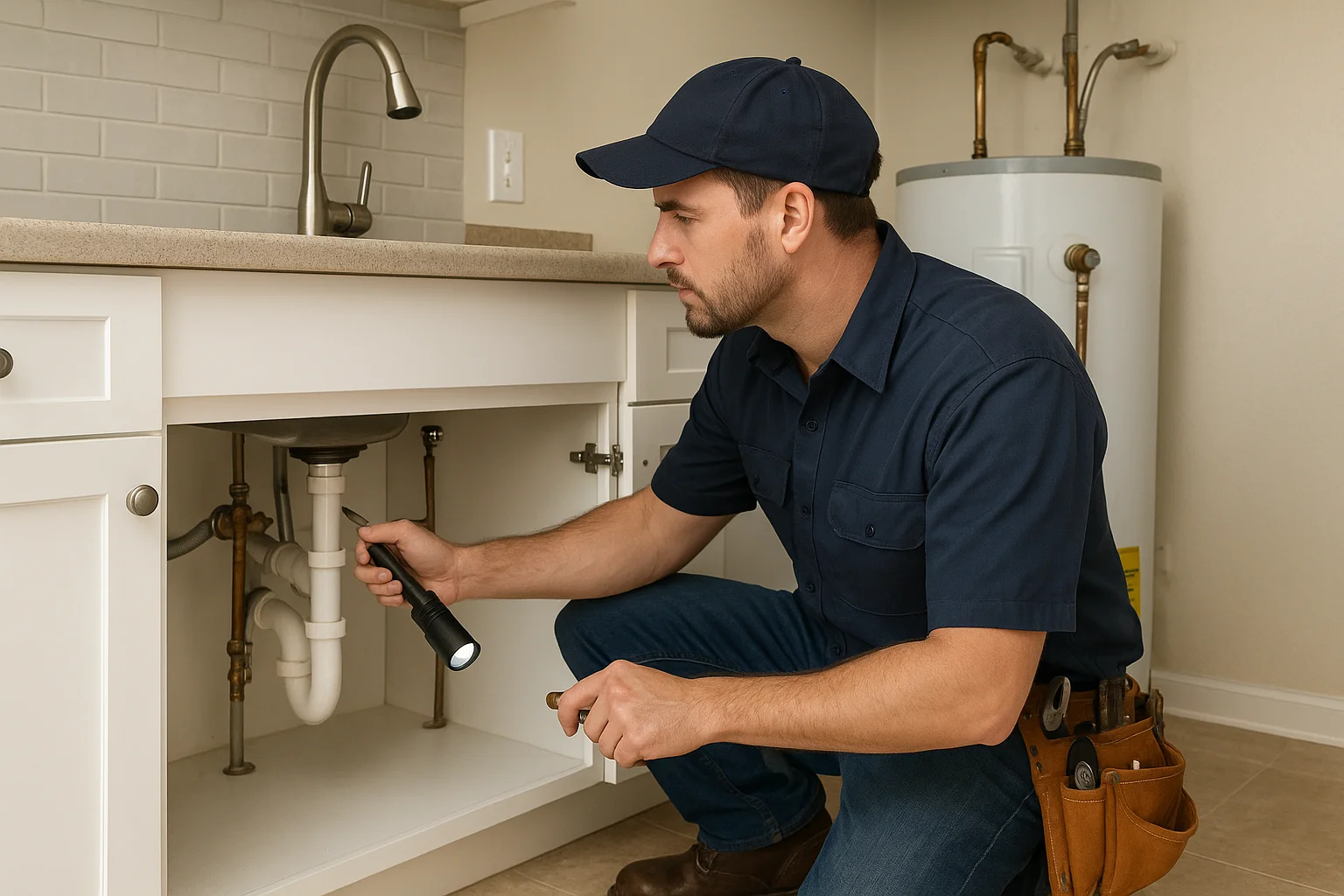
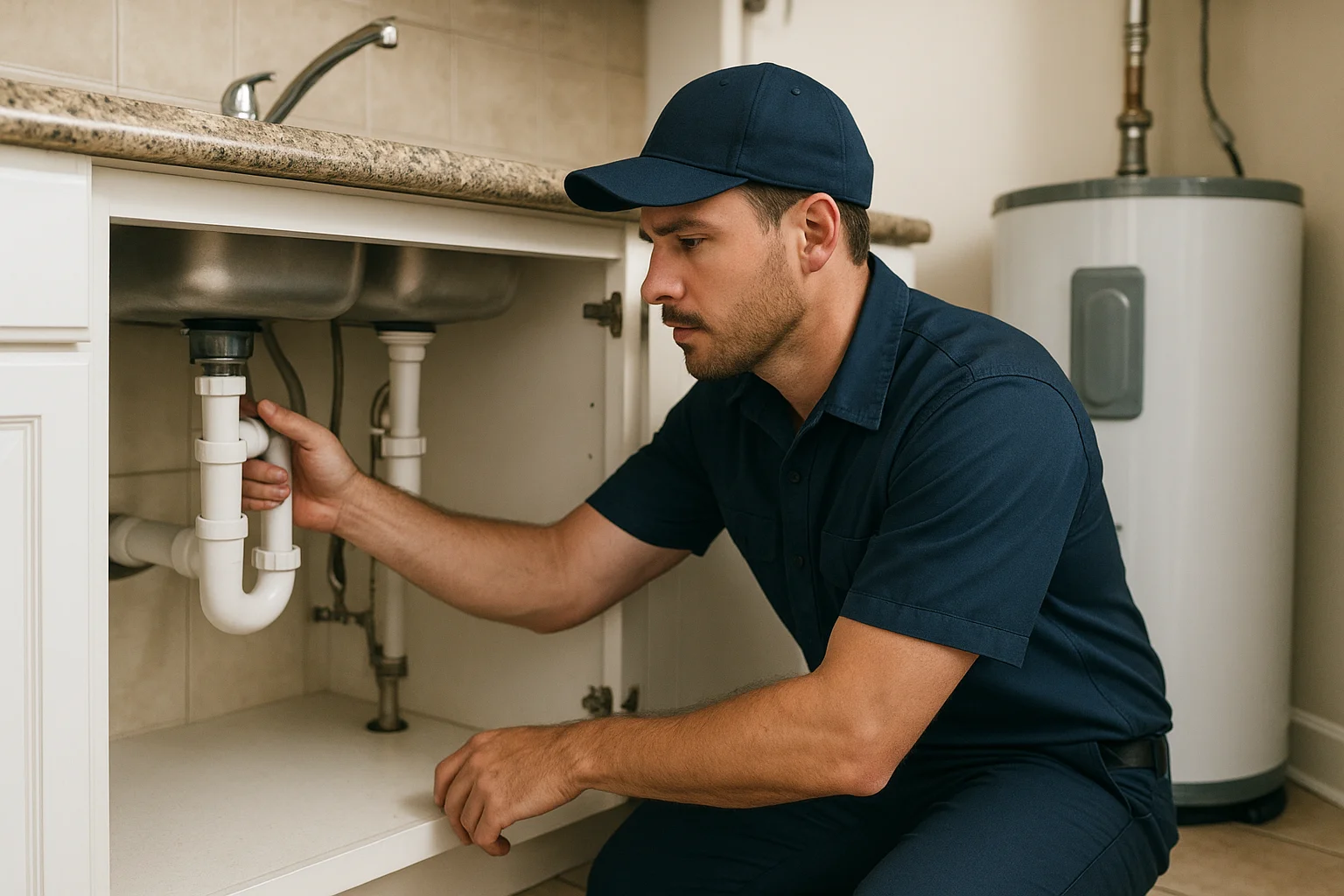
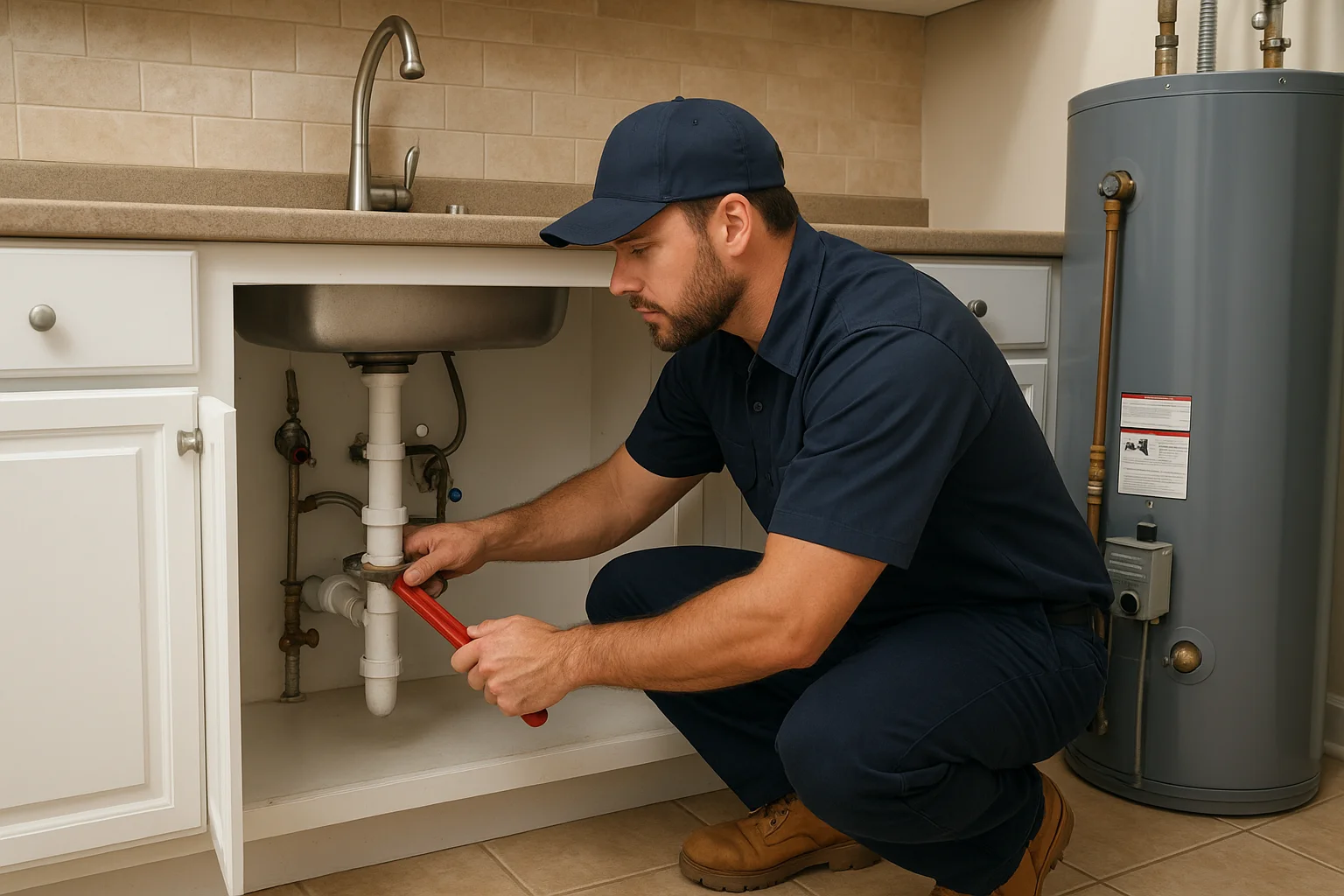
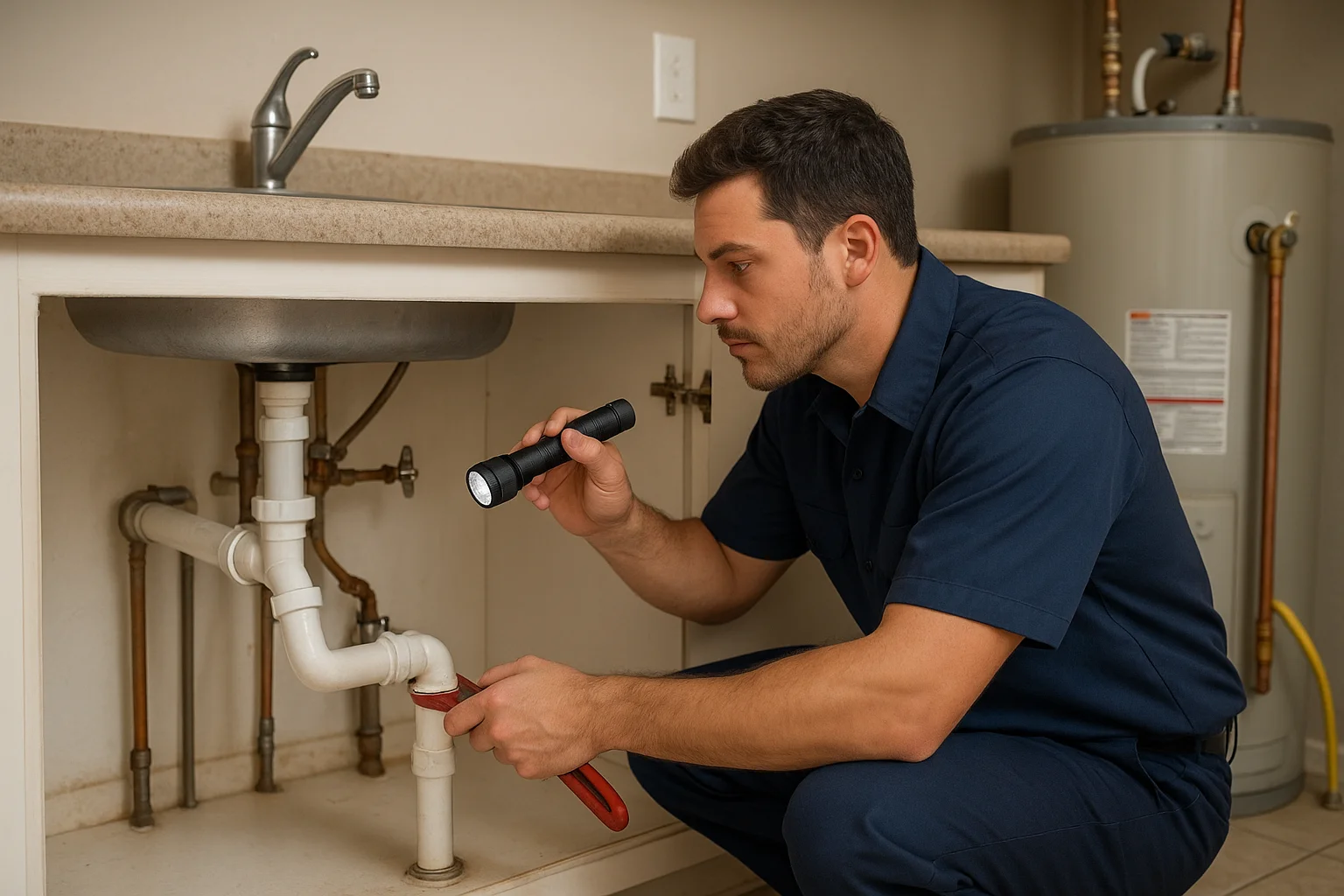
Before or during installation, a professional should evaluate the surrounding plumbing. That includes:
- Condition of supply lines and shutoff valves
- Pipe routing near the heater for proper fit and drainage
- Signs of corrosion or old fittings that may fail under new connections
- Discharge and venting checks where applicable
- Whether there are early leak signs that suggest a broader issue
If your home has been dealing with leaks, recurring wet spots, or unexplained water bills, replacement should be paired with leak repair. For example, if you suspect a hidden issue, you may need leak repair or diagnostic work. If there is any chance of foundation moisture or slab movement, ask about slab leak repair near me diagnostics.
Hard water, corrosion, and the Freeport home environment
Freeport’s coastal atmosphere and humidity can accelerate corrosion on exposed metal components and fittings. That does not mean your plumbing is doomed. It means maintenance matters. Salt air and moisture can affect supply lines, valves, and even the condition of nearby drains.
Homes built with different materials may show different wear patterns. Some have older galvanized sections. Others have newer copper or PEX lines. Regardless of material, the connections near the water heater are where leaks often begin when aging components are stressed.
Local plumbing service matters because a company serving Freeport and Walton County understands typical home layouts, common piping paths, and how plumbing failures show up in this area. You can also benefit from service planning that fits your home’s needs and the local climate realities.
Prevent emergencies: simple checks you can do monthly
You do not need to be a plumber to reduce risk. A few homeowner checks can help you catch early warning signs before they become emergency plumbing concerns.
Quick monthly inspection checklist
- Look for dampness around the base of the water heater and on the floor nearby.
- Check under sinks and near frequently used fixtures for slow drips.
- Listen for unusual popping or rumbling noises during heating cycles.
- Verify hot water temperatures are stable, not suddenly fluctuating.
- Confirm the area around the heater and drain line stays clear of debris.
If you notice persistent dripping, water pooling, or a sudden drop in hot water, treat it as a plumbing repair issue. A call to a residential plumber near me can prevent the kind of cascade that starts with a small leak and ends with a full system problem.
When you should call a professional right away
Some situations should not wait for routine maintenance. If you are dealing with any of the following, contact a local plumbing team for same day help or emergency plumbing services.
- Water heater leaking steadily or producing water where it should not be
- Relief valve discharge that continues or happens repeatedly
- No hot water plus unusual noises or error codes
- Multiple drains backing up or gurgling sounds that suggest sewer line trouble
- Signs of slab moisture such as warm spots on floors or unexplained dampness
For urgent situations, you can review Emergency Plumbing Services for Freeport. If you are searching same day plumber near me because the problem feels time sensitive, it is often better to act quickly and prevent water damage.
Keep replacement from turning into a bigger plumbing bill
Water heater replacement can go smoothly, but only when the plumbing system is handled correctly. A new tank or tankless unit will not fix problems like hidden leaks, corroded lines, clogged drains, or incorrect sizing. That is why homeowners benefit from planning the job with a clear understanding of the plumbing around the heater.
If you want more practical guidance, these Freeport focused reads can help you avoid common installation and maintenance mistakes:
- A Smarter Way to Handle Plumbing Installation in Freeport Homes
- What Freeport Homeowners Often Miss During Plumbing Service Visits
- Keeping a Water Heater Replacement from Turning Into a Bigger Plumbing Bill in Inlet Beach
- A Practical Guide to Water Heater Replacement in Camp Creek, FL and the Plumbing Problems That Shorten System Life
When you are ready to talk about plumbing help in Freeport, FL, A Superior Mechanical can help you choose the right solution and protect your home from repeat issues across Walton County. For homeowners searching for plumbing services near me, the best outcomes usually come from a careful evaluation of water pressure, drains, pipes, fixtures, and leak risks before the swap.
If you are noticing symptoms like slow drains, recurring fixture problems, or signs of moisture, address them alongside your water heater replacement plan. That approach helps keep your hot water dependable through Freeport’s heat, humidity, and year round daily demand.
For service options across the county, visit /service-areas/walton-county.
Find Water Heater Replacement in Freeport, FL
If you need Water Heater Replacement in Freeport, FL, visit our local service page or contact A Superior Mechanical today.
Map of Freeport, FL
Frequently Asked Questions
How can I tell if my water heater replacement problem is actually a plumbing issue?
If you have low hot water, frequent temperature swings, recurring leaks near valves, or sediment related noises, the heater may be failing. But if you also see moisture around pipes, wet spots on floors, or multiple fixtures acting up, underlying plumbing issues like supply line corrosion, drain blockages, or even a hidden slab leak can be involved.
What should Freeport homeowners check before installing a new water heater?
Confirm water pressure is in a safe range, verify shutoff valves seal properly, inspect the discharge and drain path, and check nearby pipes for corrosion or leaks. A professional should also evaluate how your home’s water use patterns affect recovery and performance.
Can hard water shorten the life of a water heater in Freeport?
Yes. Mineral buildup can reduce efficiency, increase wear, and lead to noisy operation or reduced capacity. If you have hard water symptoms, ask about flushing schedules and whether whole home water treatment or tank maintenance is a good fit.
When is it a good idea to schedule emergency plumbing help instead of waiting?
Call right away if the heater is leaking steadily, the relief valve discharges repeatedly, you have no hot water with unusual noises, or you notice sewer backup signs like gurgling drains. Quick action helps prevent water damage and bigger plumbing repairs.
Related Articles
- A Smarter Way to Handle Plumbing Installation in Freeport Homes
- What Freeport Homeowners Often Miss During Plumbing Service Visits
- Keeping a Water Heater Replacement from Turning Into a Bigger Plumbing Bill in Inlet Beach
- A Practical Guide to Water Heater Replacement in Camp Creek, FL and the Plumbing Problems That Shorten System Life
Photo Gallery