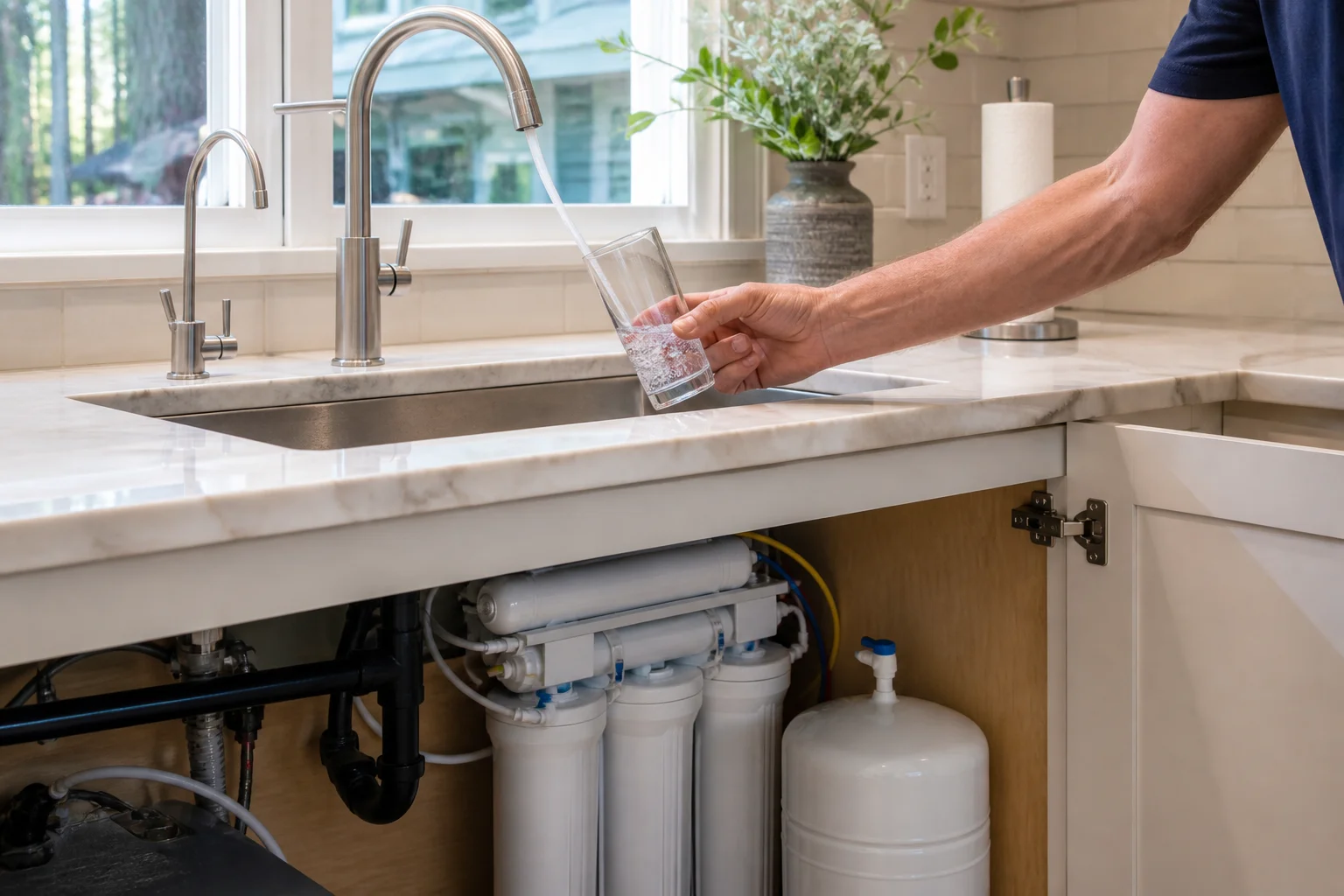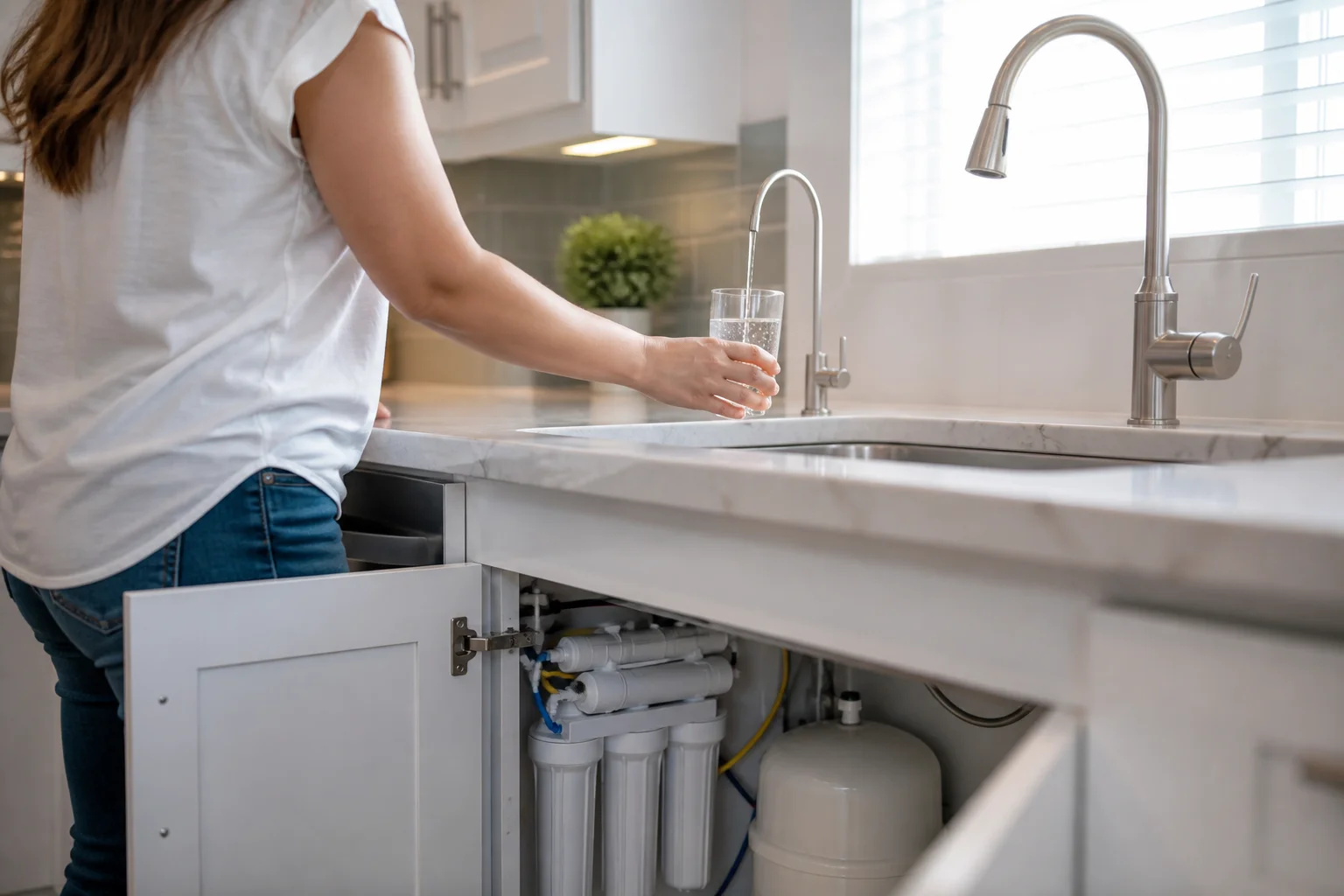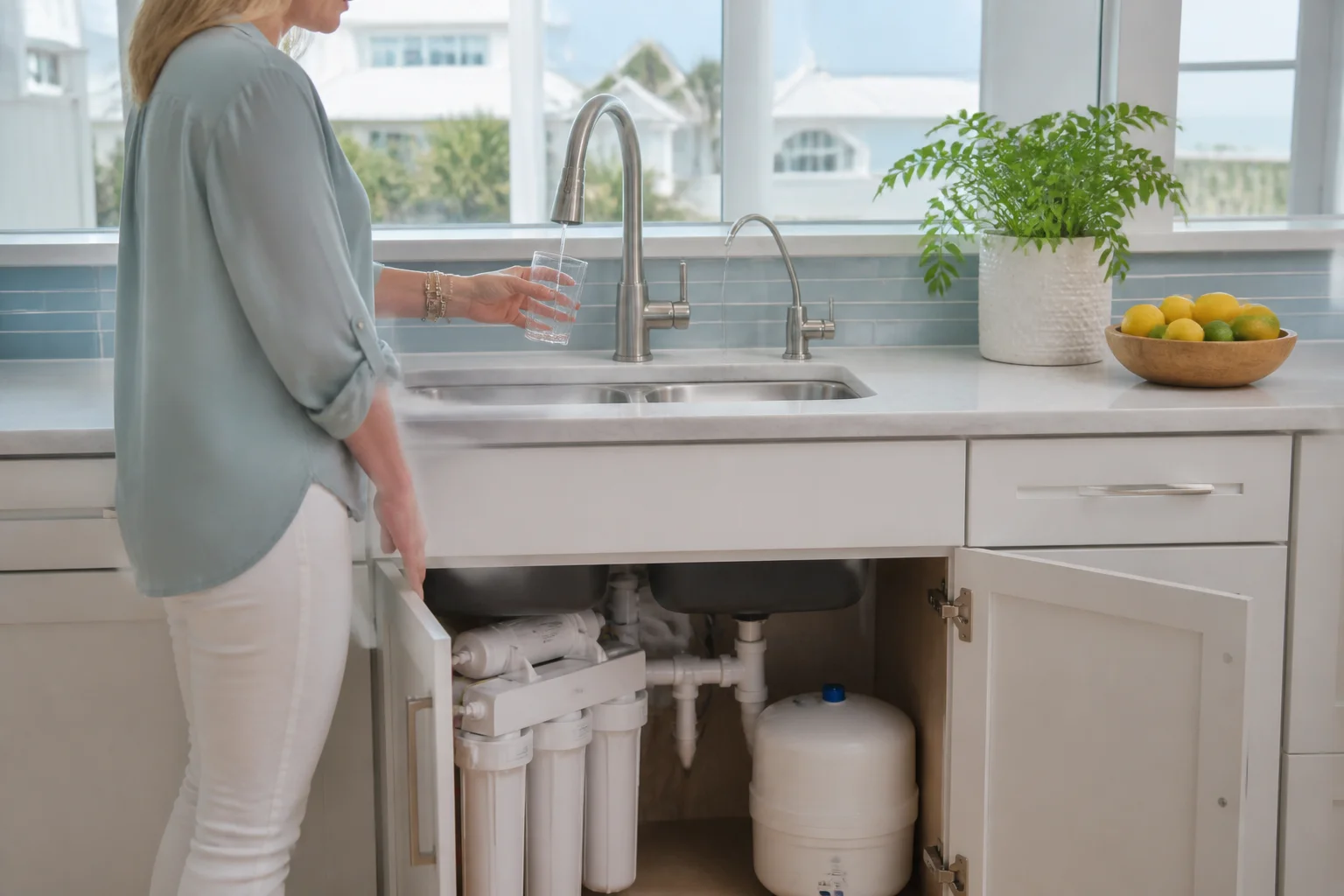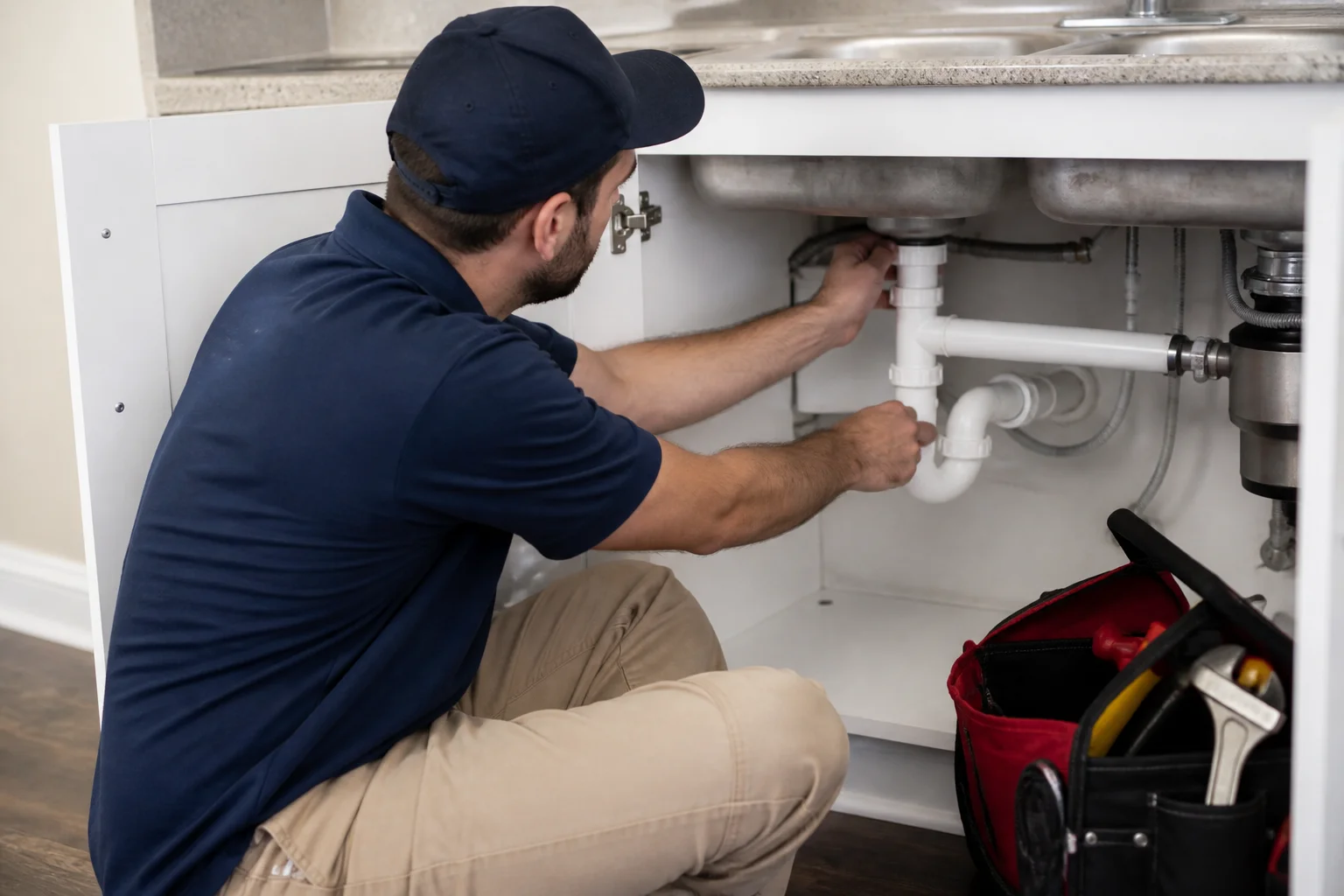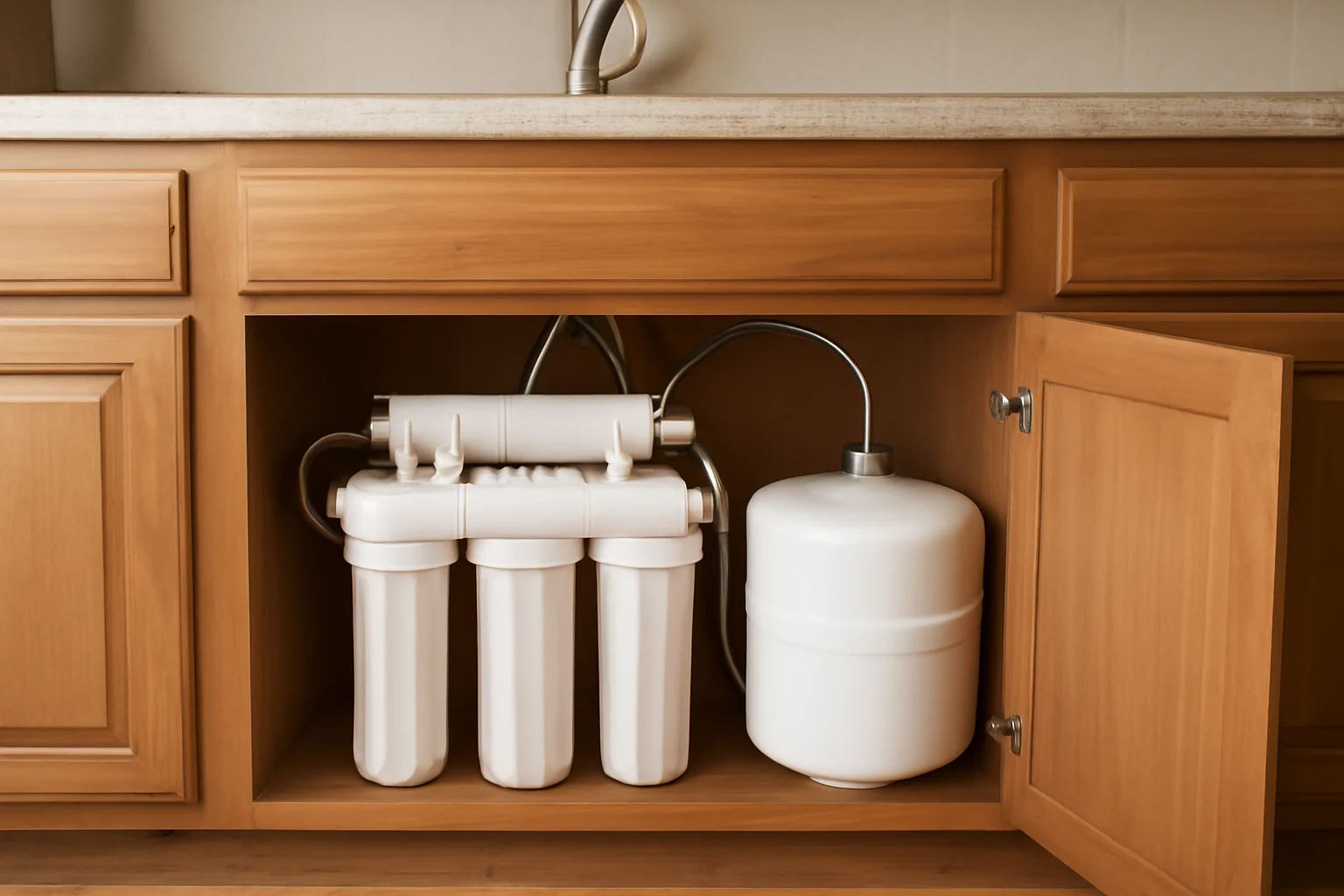
Many WaterColor homeowners invest in reverse osmosis systems for better drinking water, only to notice the same everyday problems keep showing up. Hard water spots on glass, scale around faucets and showerheads, metallic or chlorinated taste, cloudy ice cubes, and soap that does not rinse clean can all make a reverse osmosis setup feel less effective.
The good news is that better water treatment upstream can make a big difference. When your system is protected and conditioned, reverse osmosis can produce cleaner, better tasting drinking water more consistently, while helping appliances and plumbing last longer.
Why reverse osmosis needs help with WaterColor water
Reverse osmosis (RO) is one of the most effective ways to reduce dissolved contaminants. It forces water through a semi-permeable membrane, leaving many impurities behind. But RO performance depends on what enters the system. In homes across WaterColor and Walton County, water chemistry can include minerals and dissolved solids that contribute to scale and taste issues.
When incoming water is hard or contains higher levels of sediment, RO membranes can foul faster. That means reduced flow, more frequent maintenance, and a decline in taste and water clarity. For families, the result is often practical and visible: cloudy ice, film on dishes, and scale buildup around fixtures.
That is why homeowners searching for water filtration near me often end up asking the same question: how do we protect an RO system and improve everyday water quality at the same time?
Hard water spots and scale: the everyday clues
Hard water is not just a nuisance. It can interfere with the performance of reverse osmosis systems and make your whole water experience feel less clean.
Glassware and dishes that never fully sparkle
If you see hard water spots on glassware after the dishwasher, or you wipe a dish and still feel a faint film, you are likely dealing with mineral deposits. Even with RO drinking water, other household water lines can still be hard, and those minerals can also contribute to RO membrane fouling if your system is not properly pre-treated.
Scale around faucets, showerheads, and plumbing
Scale buildup around faucets and showerheads is one of the most common signs of hard water. Over time, it can narrow flow paths, reduce water pressure, and make fixtures look dull. In some homes, you may notice rough surfaces on spouts or showerheads, along with that “stiff” feeling in laundry after washing.
Dry skin or dull hair after bathing
Hard water affects how soap and shampoo work. Many people describe dry skin from hard water or hair that feels less soft, even when they use the same products they always have. The minerals can leave residue that does not rinse away well.
Cloudy ice cubes and spotty drinking water setup
Cloudy ice cubes can be a sign of air, mineral content, or dissolved solids. If your ice tastes off or looks cloudy, it can also point to changes in your RO membrane health or the need for improved water treatment before the membrane.
Taste and odor problems that RO should fix, but may not fully solve alone
Reverse osmosis can reduce many contaminants that affect taste and odor. Still, if your feed water has higher levels of chlorine-related compounds, sediment, or other issues, RO may not deliver the crisp flavor you expect without proper conditioning.
Chlorine taste in water and metallic tasting water
Some WaterColor homes notice a chlorine taste in water, metallic tasting water, or an unpleasant “pool-like” or mineral-like flavor. When these concerns show up alongside hard water spots, the fix is often more than just replacing an RO filter. It can involve improving pre-filtration and water softening so the RO system runs cleaner and longer.
Visible sediment, discoloration, and odor concerns
When homeowners see visible sediment, discoloration, or odor concerns, it is a signal that your incoming water quality may be changing. Even small shifts can affect RO output. Sediment can accelerate membrane wear, and discoloration can indicate upstream treatment or plumbing impacts that should be evaluated during service.
How better water treatment supports reverse osmosis
Think of RO as the finishing step. Better water treatment helps it perform that job reliably.
1) Pre-filtration that reduces sediment and protects the membrane
A properly designed RO system starts with pre-filtration. Sediment and fine particles can clog membranes and shorten service intervals. Quality pre-treatment helps protect the membrane so you get better tasting drinking water and more consistent production.
2) Water softening to control scale and hard water deposits
Water softening can be a key part of a strong RO strategy. By reducing hardness minerals, softening helps prevent scale buildup, not only in your fixtures but also in the RO system where scale can form on the membrane surface.
When hard water treatment becomes part of protecting fixtures and appliances, the benefits show up everywhere: fewer mineral deposits, easier cleaning, and less strain on your clean water systems near me setup, including RO.
3) Whole home water filtration for cleaner feed water and better consistency
Some households benefit from whole home water filtration in addition to under-sink RO. Whole house filtration can reduce sediment and improve overall water quality before it reaches point-of-use systems. That matters for appliances, laundry, and bathing comfort, even if you primarily use RO for drinking and cooking water.
4) Proper sizing and maintenance so the system keeps delivering
RO performance is not only about components. It is also about correct sizing for the household, appropriate pressure, and scheduled maintenance. When a system is undersized or neglected, you can see a decline in taste, flow, and clarity.
In WaterColor homes, where vacation schedules may cause long periods of low usage, it is especially important to have a professional service plan. Water that sits can change how the system performs, and membranes can require attention to maintain consistent results.
What better water feels like in a WaterColor kitchen and bathroom
Water treatment improvements are easiest to appreciate in everyday routines. Picture a typical WaterColor morning: coffee brewing, kids grabbing a glass of water, and a quick rinse after the beach.
Filtered water for coffee and cooking
When you have improved water conditioning, filtered water for coffee and cooking tends to taste cleaner. You may notice fewer bitter notes, better aroma, and coffee that tastes more balanced. Cooking water can also behave differently, especially for rice and pasta where mineral content can affect texture.
Homeowners often switch to an RO drinking tap because they want better drinking water for these moments. When the system is supported with the right pre-treatment and, when needed, water softening, the difference can be more noticeable and last longer.
Appliances that do not wear out as quickly
Hard water and sediment contribute to scale buildup inside appliances. Over time, that can lead to reduced efficiency and faster wear. People who have installed RO for drinking water may still run into scale issues in the rest of the home unless the overall water treatment plan is addressed.
By combining RO for drinking and whole home water filtration and softening strategies when appropriate, you can help appliances run more smoothly.
Bathing that feels softer and laundry that rinses clean
Dry skin from hard water is a common complaint. Better conditioning can improve how soap lathers and rinses well, which means shampoo, body wash, and laundry detergent work the way they were intended to work. Many homeowners notice hair feels less dull and skin feels less tight after bathing.
In a coastal climate like WaterColor, humidity and lifestyle patterns can also influence cleaning habits. If you are washing after beach days, the last thing you want is residue building up in towels and shower glass.
AO Smith RO systems and the role of upstream treatment
AO Smith water filtration systems are a popular choice for homeowners who want reliable reverse osmosis installation and performance. AO Smith RO systems are designed to deliver cleaner, better tasting drinking water, but even the best RO unit works best when the feed water is properly conditioned.
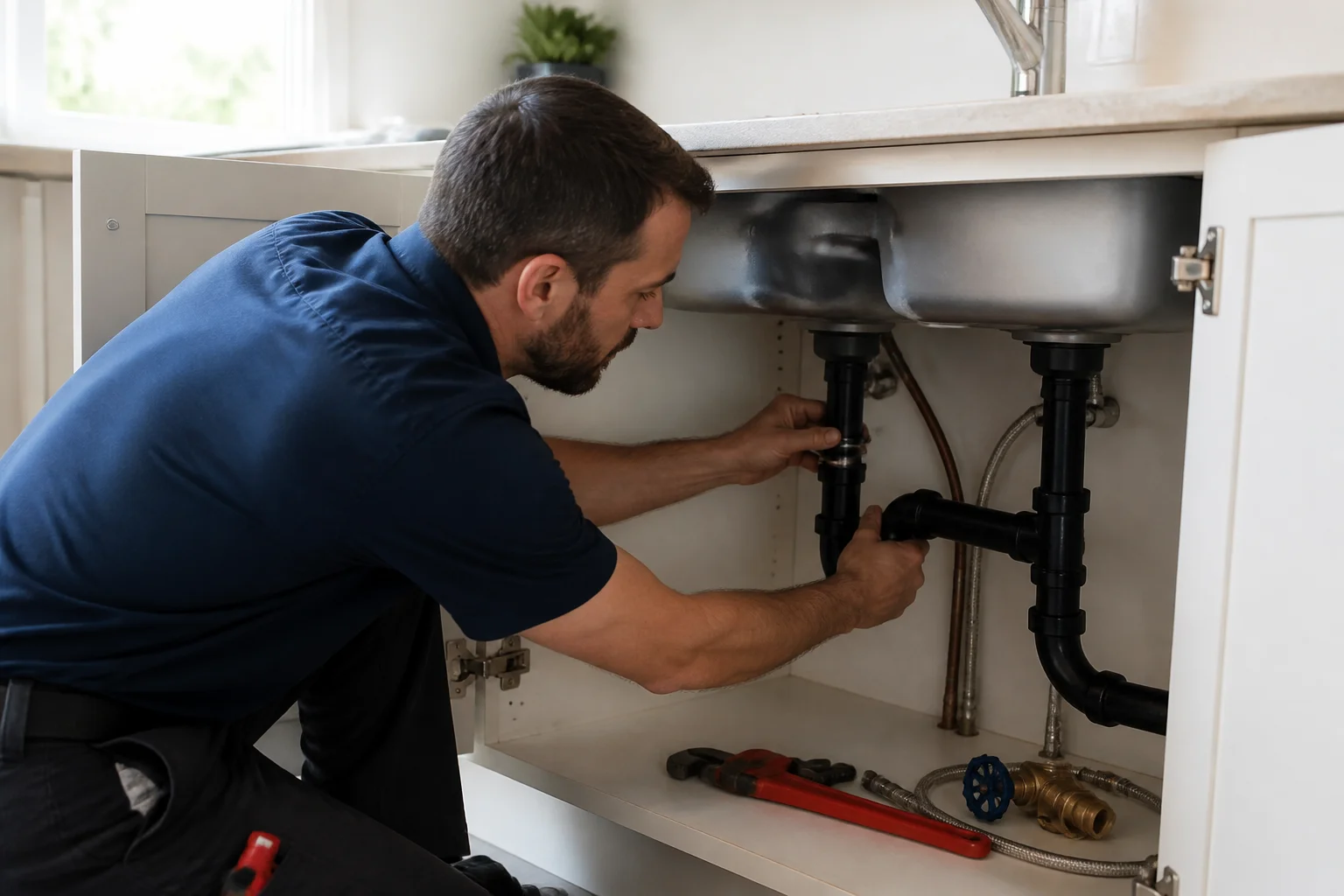
That is where a professional water treatment assessment matters. A technician can evaluate incoming water quality and recommend pre-filtration and water softening options that match your home’s needs. For many families, this approach leads to fewer taste swings, less scale-related maintenance, and better long-term results.
If you are looking for an RO service strategy that includes AO Smith water filtration plus the right support, you can explore RO options for your area at /service-areas/walton-county/watercolor/reverse-osmosis-systems-wcfl.
How to tell if your RO system needs more than a filter change
Sometimes the RO issue is simple. Other times, the problem is upstream. Here are signs that better water treatment may be the missing piece.
1) Taste changes even though the RO is “recent”
If you notice metallic tasting water or chlorine taste in water returning, it may be a sign of membrane stress from scaling, inadequate pre-filtration, or changing feed water conditions.
2) Cloudy ice cubes or off-flavored drinking water
Cloudy ice cubes can reflect dissolved solids or system performance issues. If the rest of the home water is also showing discoloration, it strengthens the case for a whole home water filtration review.
3) Scale keeps showing up at the RO faucet and around fixtures
RO taps can still be affected by mineral deposits, especially if the system is not protected. If you are seeing new scale buildup around faucets and showerheads, it often means hard water treatment should be part of the plan.
4) Soap does not lather or rinse well
When soap struggles to lather, or laundry feels coated, it is a strong indicator that hardness minerals are still impacting household water. RO alone will not solve that for bathing, laundry, and most cleaning tasks.
Maintenance habits that help your RO last longer
Even with the right equipment, homeowners can support performance with simple routines.
Use your system consistently, especially in rental or vacation homes
If your home in WaterColor is a second home, consider a schedule for flushing and maintenance. Stagnant water can affect taste and system behavior.
Check for leaks and unusual pressure changes
A slow leak under the sink or a noticeable change in water flow can affect RO output. Address it promptly to avoid damage and performance issues.
Keep up with filter and membrane service intervals
RO systems rely on scheduled maintenance. When filters are overdue, sediment and chlorine byproducts can reach the membrane. That can create faster fouling and more frequent issues.
Pair RO with a broader plan when you want whole home benefits
If your main goal is better drinking water but you also want improvements for bathing and laundry, consider pairing RO with a whole house water filter and, when appropriate, water softener service near me planning for your household.
For more options and guidance, you can start with /water-filtration-ro-water-softeners.
Why local water treatment service matters in WaterColor, FL
WaterColor is a coastal community with homes that range from primary residences to vacation rentals. That means water usage patterns can vary widely, and the best system design depends on how your household actually lives.
Local service also matters because your home’s plumbing, water pressure, and incoming water chemistry can change over time. A professional assessment can help match the right blend of RO protection, water softening, and whole home water filtration to your needs in Walton County.
If you want to understand how water treatment fits into the broader home services landscape in your neighborhood, you can review the WaterColor service area overview at /service-areas/walton-county/watercolor and the county options at /service-areas/walton-county.
Related homeowner topics that pair well with RO upgrades
Many WaterColor families improve drinking water, then realize other home water and plumbing habits affect how well systems perform. These resources can help you connect the dots:
Smart Plumbing Habits for Reverse Osmosis Systems in 30A Homes
How WaterColor Homeowners Can Stay Ahead of Hidden Plumbing Problems With Camera Inspections
Choosing the right water treatment plan for your RO system
Homeowners searching for reverse osmosis installation near me usually want a clear answer: install RO and move on. But the most satisfying results often come from a layered approach.
A strong plan may include:
- RO for drinking and cooking water, focused on better tasting drinking water
- Pre-filtration to reduce sediment and protect the membrane
- Water softening when hardness contributes to hard water spots on glass, scale buildup around fixtures, and dry skin from hard water
- Whole home water filtration when you want cleaner water for bathing, laundry, and appliances
- AO Smith water filtration components selected and maintained for your household needs
When the pieces work together, the kitchen feels different. Ice clears up. Coffee and cooking water taste more consistent. Dishes and shower glass require less aggressive scrubbing. And appliances tend to keep running efficiently because scale and mineral buildup are reduced.
If you are dealing with stubborn scale, metallic or unpleasant taste, odor concerns, or cloudy ice cubes, it is worth getting a local water treatment evaluation. A Superior Mechanical can help you build a reverse osmosis system that performs well and keeps delivering cleaner, better drinking water for your home in WaterColor, FL.
To review RO service options for your home, visit /service-areas/walton-county/watercolor/reverse-osmosis-systems-wcfl.
Find Reverse Osmosis Systems in WaterColor, FL
If you need Reverse Osmosis Systems in WaterColor, FL, visit our local service page or contact A Superior Mechanical today.
For a broader look at whole-home water filtration, reverse osmosis, and water softener options, visit our water filtration, RO, and water softener page.
Map of WaterColor, FL
Frequently Asked Questions
Will reverse osmosis remove hard water spots and scale?
RO mainly improves drinking and cooking water. Hard water spots on glass and scale around faucets and showerheads come from minerals in the rest of the home water. For those issues, water softening and whole home water filtration may be needed alongside RO.
Why do my ice cubes look cloudy if I have an RO system?
Cloudy ice can happen when dissolved solids, air, or changes in RO performance affect clarity. It can also indicate that the RO system needs maintenance or that pre-treatment is not protecting the membrane. A technician can check filters, membrane condition, and incoming water quality.
Do I need water softener service if I only use RO for drinking water?
If you are seeing scale buildup around fixtures, dry skin from hard water, or soap that does not lather and rinse well, a water softening plan can help those whole-house concerns. RO alone will not typically address bathing, laundry, and appliance scale.
How often should AO Smith reverse osmosis systems be serviced?
Service intervals depend on your water quality and usage. Pre-filtration and RO membrane health can change faster when hardness or sediment is high. A local water treatment technician can recommend a schedule based on your household and WaterColor conditions.
What is whole home water filtration, and how does it work with RO?</question>
Whole home water filtration reduces sediment and improves water quality before it reaches point-of-use systems like RO. That can help protect your RO system and can also improve bathing, laundry, and appliance performance. Many homeowners use whole house filtration plus RO for drinking water.
Related Articles
- How WaterColor Homeowners Can Stay Ahead of Hidden Plumbing Problems With Camera Inspections
- Practical Sewer Care for WaterColor Homes That Helps Avoid Bigger Plumbing Repairs
- Smart Plumbing Habits for Reverse Osmosis Systems in 30A Homes
- Cleaner Drinking Water and Healthier Plumbing: A Rosemary Beach Homeowner’s Guide to Reverse Osmosis Systems
Photo Gallery