Ductless mini splits can solve comfort problems that a traditional central HVAC system cannot always address efficiently. They are especially useful in Wright homes with additions, converted garages, enclosed porches, bonus rooms, or spaces that stay warmer than the rest of the house. Good results, however, depend on more than choosing a recognizable brand. Equipment sizing, air handler placement, humidity control, drainage, and ongoing maintenance all affect how the system performs.
Wright homeowners also have local conditions to consider. Long cooling seasons, high humidity, salt air, heavy rain, and tropical storms can be hard on outdoor units and indoor components. A plan built around these conditions can improve comfort, reduce avoidable repairs, and help a mini split last longer.
Why ductless planning matters in Wright
A ductless system is a type of heat pump. The outdoor condenser transfers heat while one or more indoor air handlers condition individual rooms or zones. Each indoor unit contains an evaporator coil, fan, filter, and condensate collection system. Refrigerant lines and drain lines connect the indoor and outdoor equipment.
This arrangement removes the energy losses associated with damaged or poorly insulated ductwork. It also allows targeted temperature control. A homeowner can cool a home office during the day without lowering the temperature throughout the entire house. In cooler weather, the heat pump can reverse operation and provide heating without relying only on a furnace or electric resistance heater.
Ductless equipment is not automatically the right choice for every room. Ceiling height, insulation, windows, sun exposure, occupancy, and how the space connects to neighboring rooms all influence performance. An experienced ductless mini split contractor in Wright should evaluate these details before recommending equipment.
Start with an accurate room load
Rules based only on square footage can lead to an oversized or undersized system. A west facing room with older windows may need more cooling than a shaded room of the same size. A garage conversion with an uninsulated door, hot attic above it, and air leaks around framing has a very different load from a well insulated bedroom.
An undersized mini split may run constantly, struggle during peak summer heat, and leave the room warmer than the thermostat setting. An oversized unit may cool the air quickly but shut off before removing enough moisture. That short cycling can create a cool yet clammy room, increase component wear, and reduce energy efficiency.
A professional load calculation accounts for the building materials, orientation, insulation, windows, air leakage, and typical use of the room. This is particularly important for homeowners searching for garage mini split installation near me, since garage conversions often have hidden load and insulation problems.
Indoor air handler placement shapes comfort
Wall mounted air handlers need enough open space to distribute conditioned air. Installing a unit above a tall cabinet, behind a beam, or directly across from a nearby wall can restrict its throw. The room may then develop hot spots even though the thermostat reports that the target temperature has been reached.
The air handler should have a clear path across the occupied portion of the room. Placement should also allow safe access to filters, evaporator coils, the blower wheel, and drain components. A unit that is difficult to reach is less likely to receive proper cleaning.
Bedrooms require extra attention. Air blowing directly onto a bed may feel uncomfortable even at a reasonable temperature. In a long open room, a ceiling cassette or a carefully positioned wall unit may distribute air better. For several closed rooms, separate indoor units or a different HVAC design may be more effective than expecting one head in a hallway to move air through doorways.
Outdoor units need airflow and coastal protection
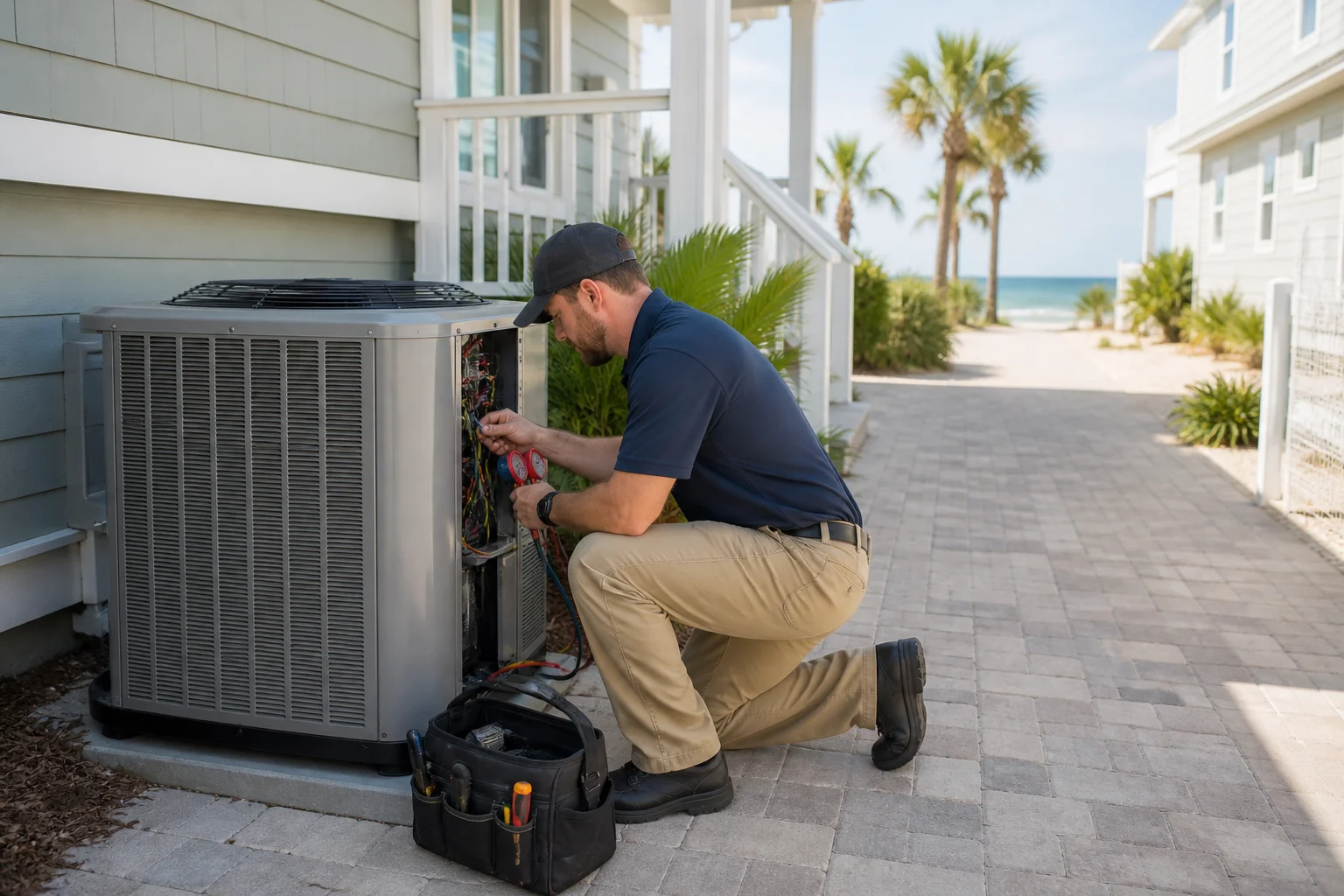
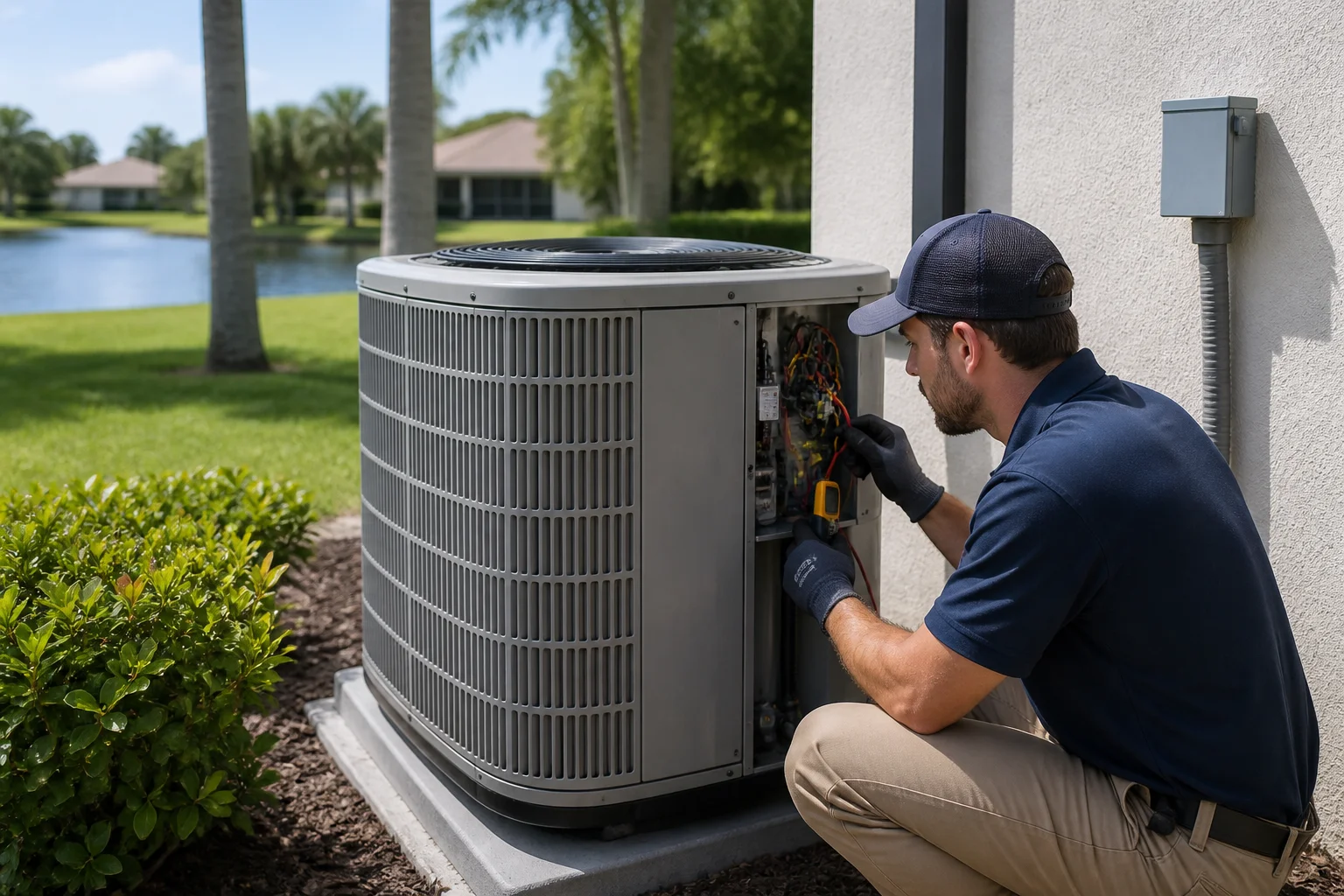
The outdoor condenser releases heat during cooling operation and absorbs heat during heating operation. It needs open space around the coil and fan. Shrubs, fences, stored items, and yard debris can interfere with airflow. Poor condenser airflow raises operating pressure, increases electricity use, and can contribute to compressor or AC fan motor problems.
Wright's proximity to coastal weather also exposes equipment to humid, salty air. Salt residue can accelerate corrosion on condenser coils, cabinets, fasteners, and electrical connections. Outdoor units should be mounted on a stable base above areas prone to standing water. Placement should consider roof runoff, lawn sprinklers, and locations where wind driven debris collects during storms.
Homeowners can keep leaves and vegetation away from the unit, but coil cleaning should follow manufacturer guidance. High pressure water can flatten delicate fins. Coatings or corrosion resistant equipment may be worth discussing for exposed properties across Okaloosa County.
Humidity control begins with correct operation
A mini split removes moisture as indoor air passes over its cold evaporator coil. Water collects in the drain pan and leaves through a condensate line. If the system is sized correctly and runs long enough, this process can provide effective humidity control for the zone.
Oversizing, frequent temperature changes, open exterior doors, and air leakage can limit moisture removal. Setting the thermostat extremely low is not a reliable fix. It may make surfaces colder while the underlying source of humidity remains. Dry mode can help under certain mild conditions, but it is not a substitute for correcting drainage, infiltration, or equipment sizing problems.
Watch for musty odors, visible moisture near the air handler, sweating supply components, or a room that feels sticky despite reaching the set temperature. A blocked drain line, dirty evaporator coil, weak fan, or refrigerant problem can reduce dehumidification. Persistent whole house moisture may call for envelope improvements or a dedicated dehumidifier. Homeowners searching for dehumidifier installation near me should ask whether the moisture affects one ductless zone or the entire home before selecting equipment.
Airflow problems are not always equipment failures
Reduced airflow often begins with a dirty mini split filter. These filters usually require more frequent attention than many homeowners expect, especially in homes with pets, remodeling dust, open windows, or heavy seasonal use. A clogged filter can reduce capacity and allow dirt to collect on the coil and blower wheel.
Other causes include a dirty evaporator coil, obstructed intake, incorrect fan settings, ice buildup, or a blower motor problem. If ice appears on the indoor coil or refrigerant tubing, turn off cooling and arrange service. Continuing to operate a frozen system can lead to water damage and compressor stress. Low refrigerant should not be treated as routine consumption. It usually means there is a refrigerant leak that needs to be located and repaired.
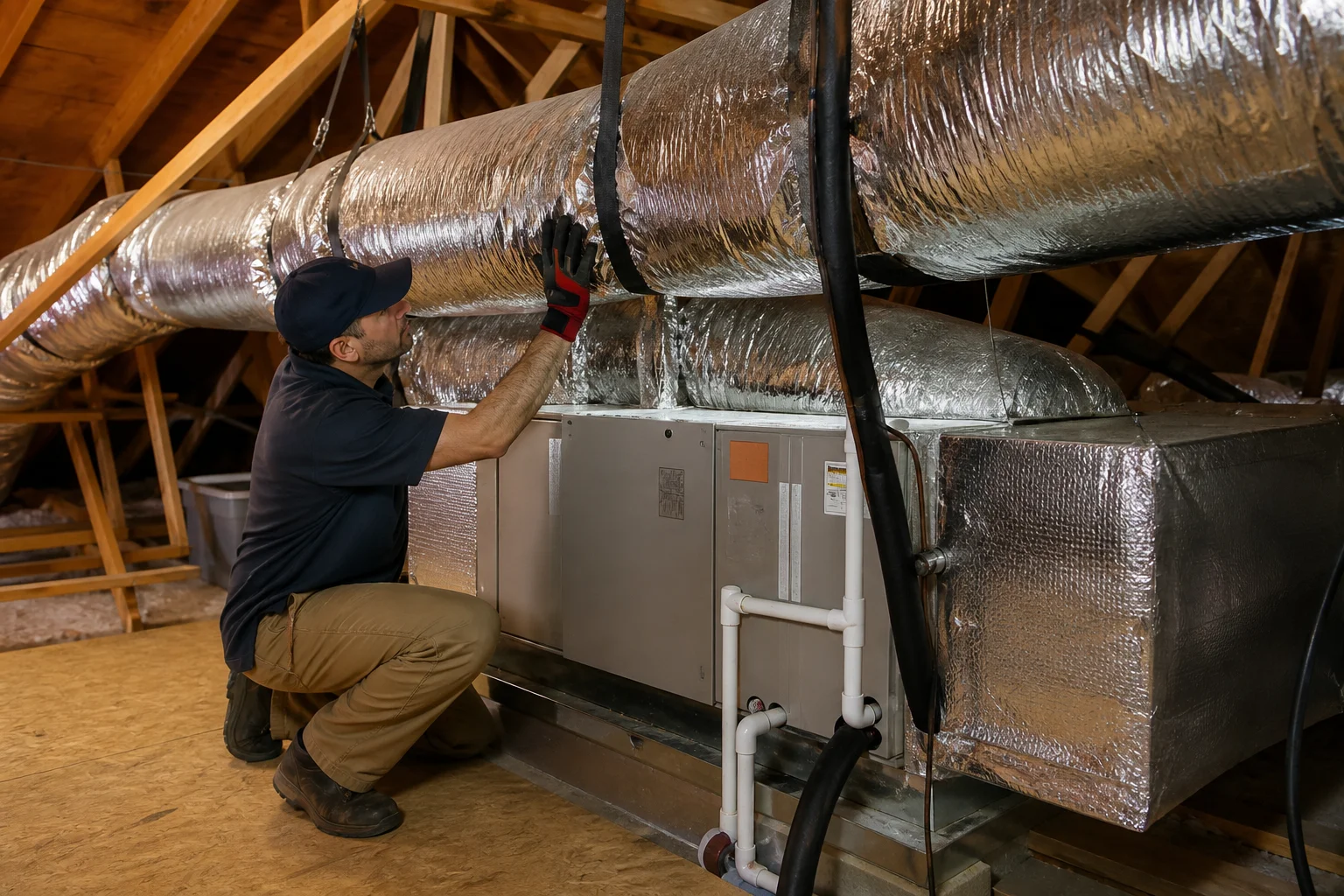
A ductless unit also will not correct airflow defects in the home's central system. If other rooms depend on ductwork and vents, leaks or crushed ducts may still cause uneven temperatures. Duct sealing in Wright may help central HVAC zones, while the mini split handles a specific addition or problem room.
Older homes, newer homes, and remodels need different strategies
Older Wright homes may have limited return airflow, additions built in stages, aging ductwork, and electrical or structural constraints around equipment placement. A ductless system can avoid extending an inadequate duct system, but the wall assembly, drainage route, and outdoor mounting location still require careful planning.
Newer homes tend to have tighter construction and better insulation. That can lower cooling loads, which makes accurate sizing even more important. Tight homes may also need planned ventilation and humidity management because a mini split recirculates indoor air rather than bringing in fresh outdoor air.
During a remodel or new addition, plan the HVAC before drywall and finishes are installed. Refrigerant lines, drain lines, mounting blocks, and service access can then be placed neatly. Homeowners building locally can compare ductless zoning with new construction air conditioning options before committing to a layout.
Thermostats and controls should match how the space is used
Many mini splits sense temperature at the indoor air handler. Since warm air rises, the temperature near a high wall unit may differ from the temperature where people sit or sleep. Some systems support remote sensors, handheld controllers, scheduling, or manufacturer specific WiFi controls that improve temperature management.
Not every universal smart thermostat works correctly with variable speed ductless equipment. An incompatible control may reduce modulation, disable features, or make operation less efficient. If a homeowner is searching for smart thermostat installation near me, the contractor should verify compatibility with the exact mini split model. For broader heating controls and zoning ideas, see this guide to heating control systems in Wright.
Indoor air quality requires more than a small filter
Mini split filters protect the equipment and capture some larger airborne particles, but they do not always provide the same filtration capacity as a properly designed central media filter. They also do not introduce fresh air. Households dealing with allergies, smoke, pet dander, or fine particles may need a separate indoor air quality plan.
That plan can include regular source cleaning, exhaust ventilation, portable or central air purifiers, humidity control, and appropriate filtration for any remaining central system. Filters should fit correctly and be cleaned or replaced according to the manufacturer. Adding dense aftermarket filter material without approval can restrict airflow and harm performance.
Efficiency depends on habits as well as equipment
Variable speed mini splits are usually most efficient when allowed to maintain a steady temperature. Turning a zone off for a short period and then demanding a large temperature change may use more energy and produce less comfortable humidity levels. Reasonable setbacks are often better than extreme adjustments.
Keep exterior doors and windows closed while the system operates. Use shades on sun exposed windows, seal obvious air leaks, and make sure attic insulation is adequate. In rooms served by central air, clean vents and sound ductwork remain important. Homeowners considering a full system change can review air conditioning system options in Wright to compare central and ductless approaches.
Changes in sound, drainage, or cooling deserve attention
Call for service if the mini split starts dripping indoors, producing persistent odors, making grinding or rattling noises, or failing to maintain temperature. Other warning signs include repeated error codes, unexplained utility increases, ice on refrigerant lines, weak airflow, and an outdoor unit that repeatedly starts and stops.
A small amount of outdoor condensate can be normal, but water running down an interior wall is not. Drain lines can clog with algae or debris, and condensate pumps can fail. Prompt air conditioning repair can prevent damage to drywall, flooring, and furnishings.
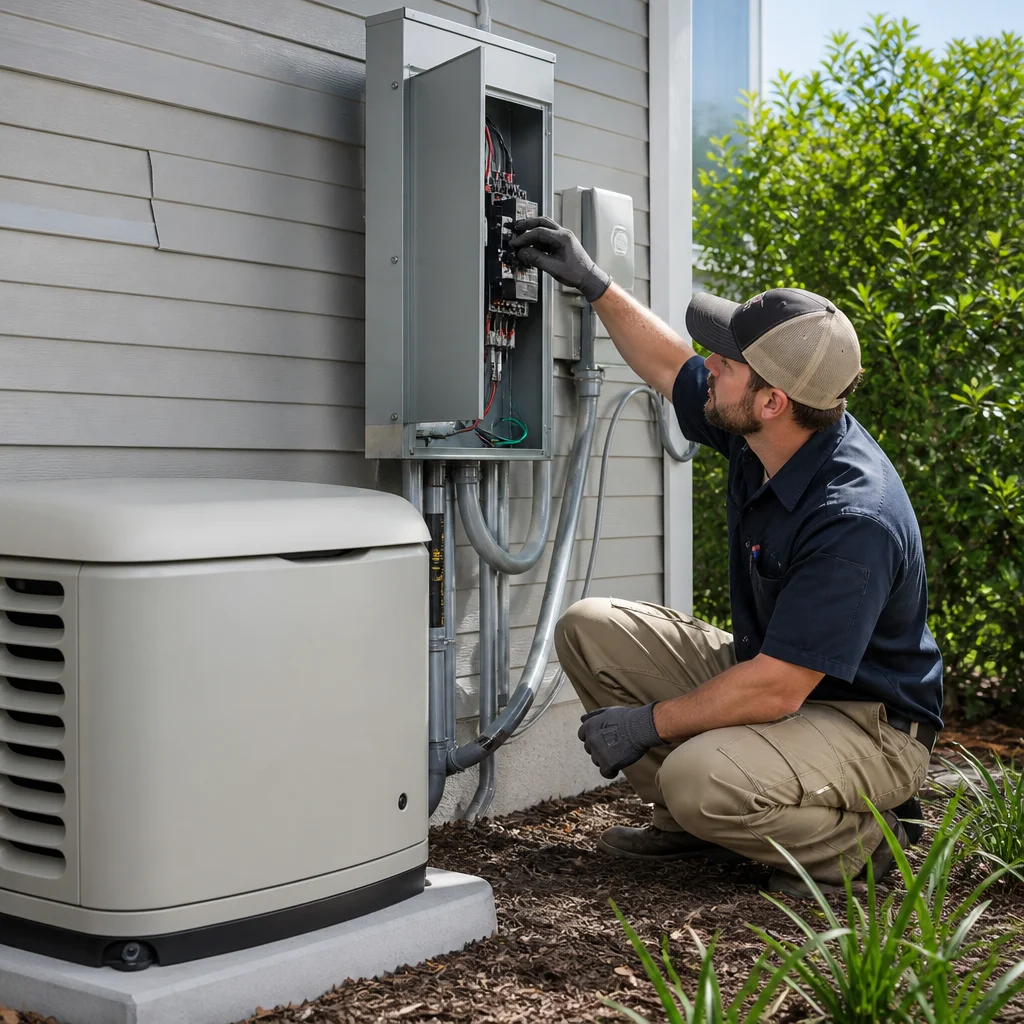
Burning odors, smoke, sparking, repeated breaker trips, or water contacting electrical components are emergency HVAC concerns. Shut the system off if it is safe to do so and request professional help. A loss of cooling can also become urgent for infants, older adults, people with health conditions, and rental properties during peak summer heat. Homeowners searching for same day AC repair near me should describe any odors, noises, leaks, and error codes when calling.
Preventive maintenance protects comfort through the long cooling season
Homeowners should inspect filters regularly and clean them as directed. Keep the indoor intake and discharge clear, check for visible water, and remove vegetation or debris around the condenser. After strong storms, look for shifted equipment, impact damage, or debris lodged near the outdoor coil. Do not open equipment panels or attempt refrigerant repairs.
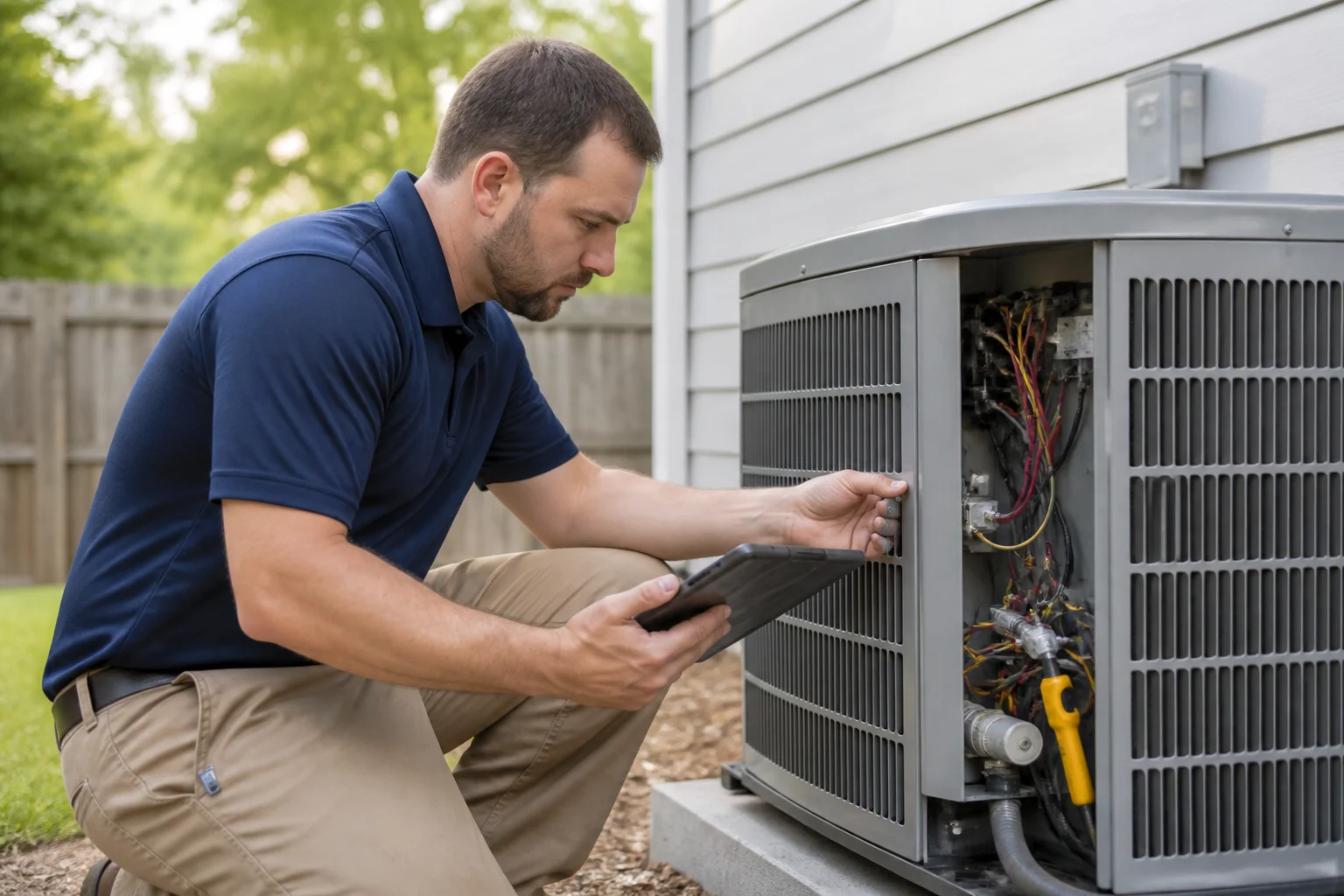
Professional maintenance goes further. A technician can clean coils and blower components, inspect drain lines, test temperature performance, check electrical connections, examine flare fittings for leak evidence, and confirm that the outdoor unit has proper airflow. Maintenance is especially useful before seasonal demand rises and appointment schedules become crowded.
An air conditioning inspection in Wright can also help determine whether a comfort complaint comes from the mini split, a central heat pump, aging ductwork, or the building itself. This matters in homes that use ductless units alongside furnaces or conventional air handlers. Heating repair or furnace service may still be needed if that equipment provides backup heat to other areas.
Choosing local HVAC service for a ductless system
A local contractor should understand Wright's humidity, salt exposure, storm season, housing styles, and long cooling demand. That local knowledge helps with equipment placement, condensate routing, corrosion prevention, and realistic maintenance intervals. It also makes diagnosis easier when a house combines mini splits with central AC, heat pumps, older ductwork, or newly remodeled spaces.
When an HVAC service near me search produces several options, ask whether the company installs and repairs the specific equipment type, performs load calculations, checks drainage, and supports the system after installation. A Superior Mechanical provides ductless installation, repair, replacement, and maintenance for homes, rentals, and businesses throughout Wright, FL. A well planned system should do more than cool one room. It should manage moisture, distribute air comfortably, operate efficiently, and remain serviceable through years of coastal weather.
Find Ductless Mini-Splits in Wright, FL
If you need Ductless Mini-Splits in Wright, FL, visit our local service page or contact A Superior Mechanical today.
Map of Wright, FL
Frequently Asked Questions
Can one ductless mini split cool several rooms in a Wright home?
One indoor air handler works best in an open area where air can circulate freely. Closed bedroom doors, hallways, and divided floor plans limit airflow between rooms. Several indoor units, a multi zone system, or a combination of ductless and central HVAC may provide better comfort.
Why does my mini split cool the room but leave it humid?
The system may be oversized, short cycling, dirty, set to an unsuitable fan mode, or affected by outdoor air leaks. Drainage or refrigerant problems can also reduce moisture removal. A technician can check sizing, coil condition, airflow, refrigerant performance, and the condensate drain.
How often should a ductless mini split be serviced in Wright, FL?
Filters should be checked regularly according to use and manufacturer guidance. Professional maintenance is generally recommended at least once a year, while heavily used systems or homes exposed to salt air, pets, or remodeling dust may benefit from more frequent service.
Related Articles
Photo Gallery