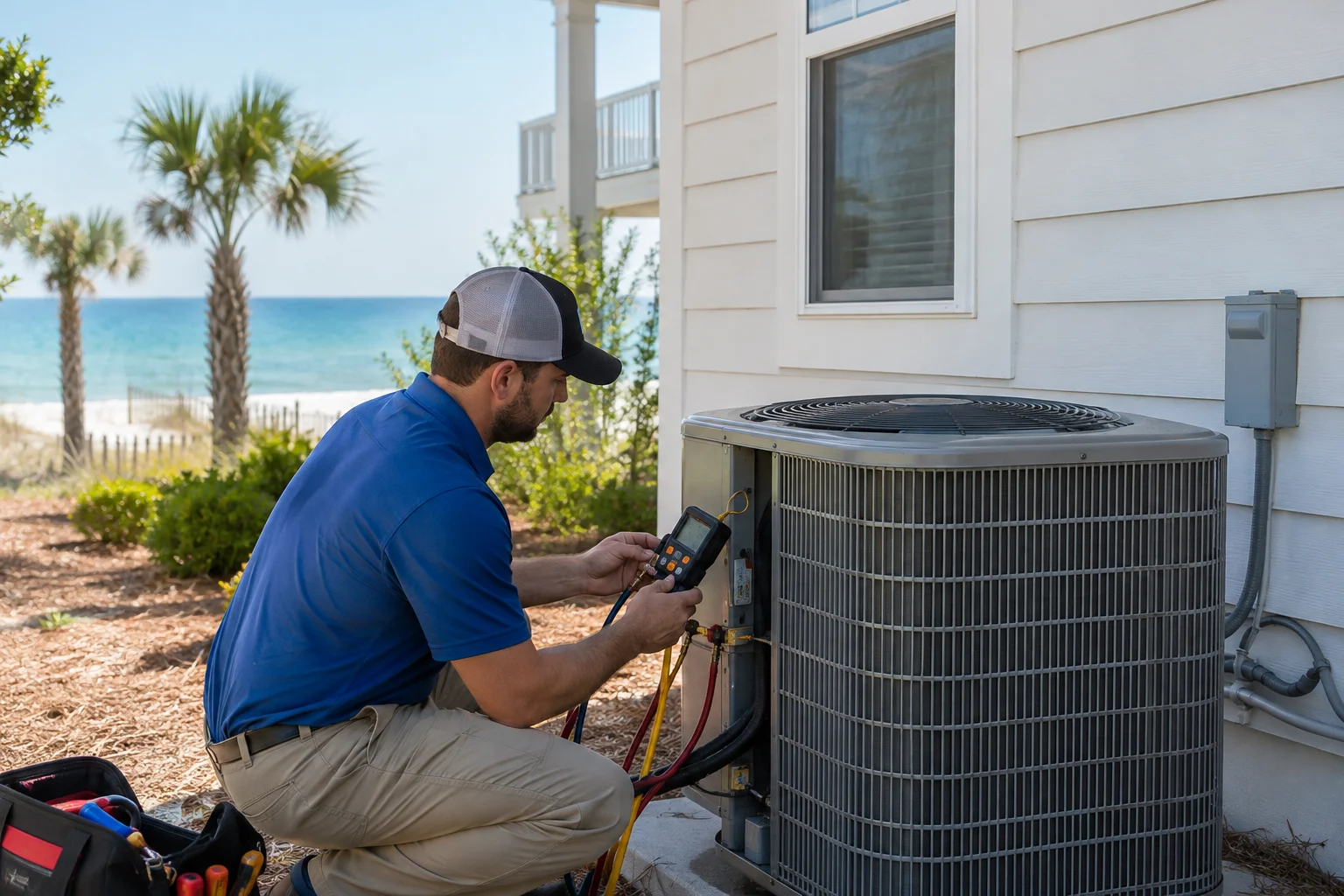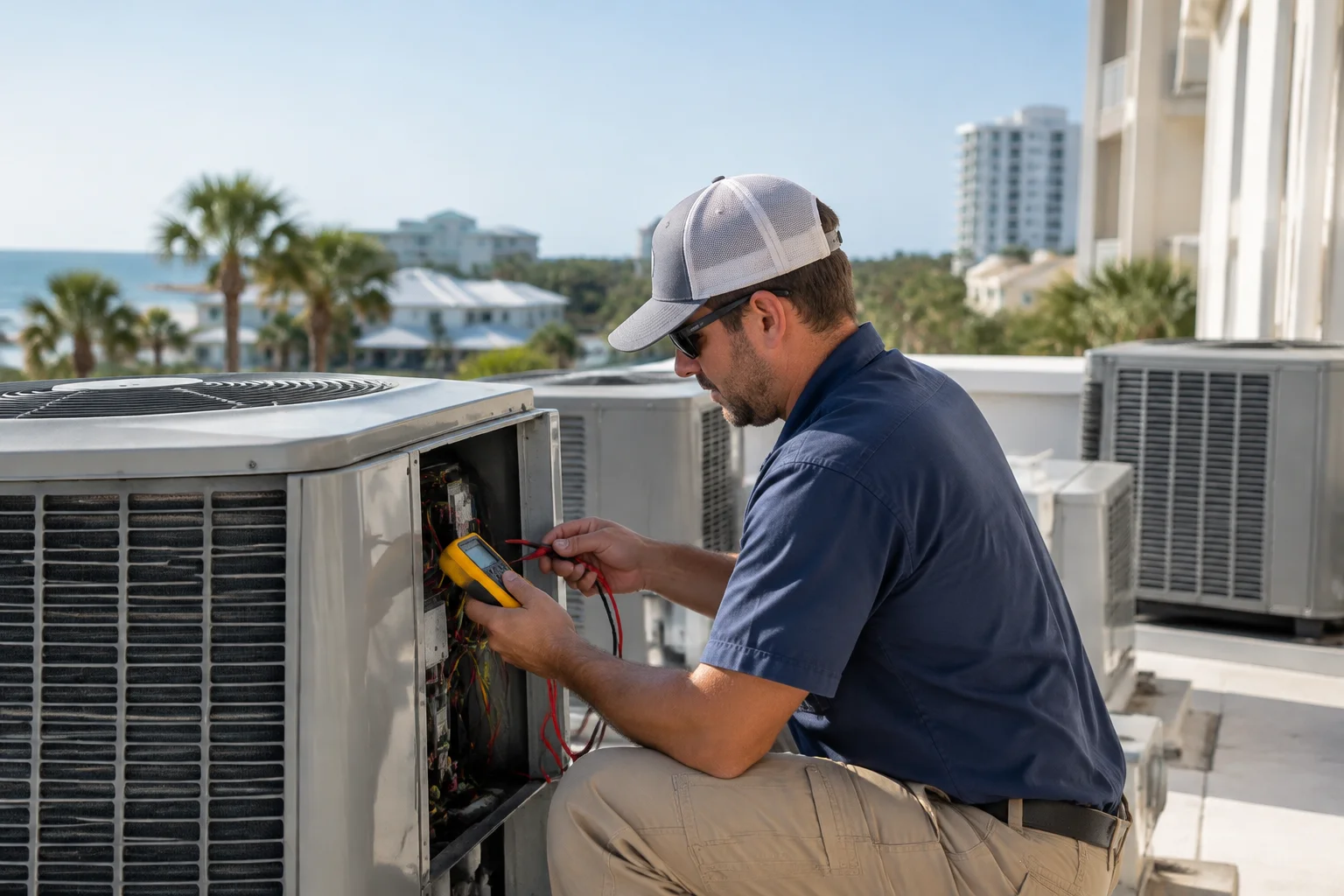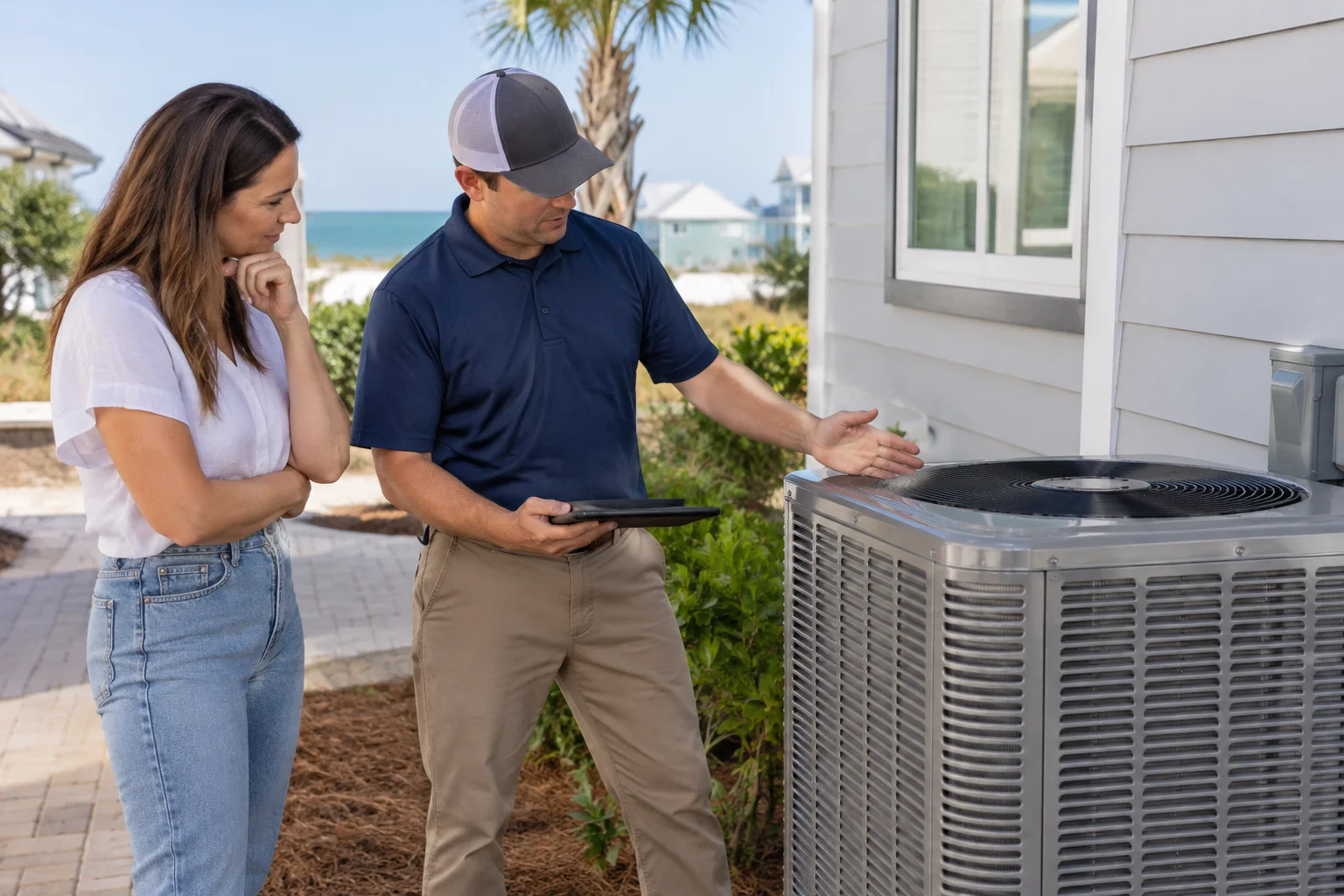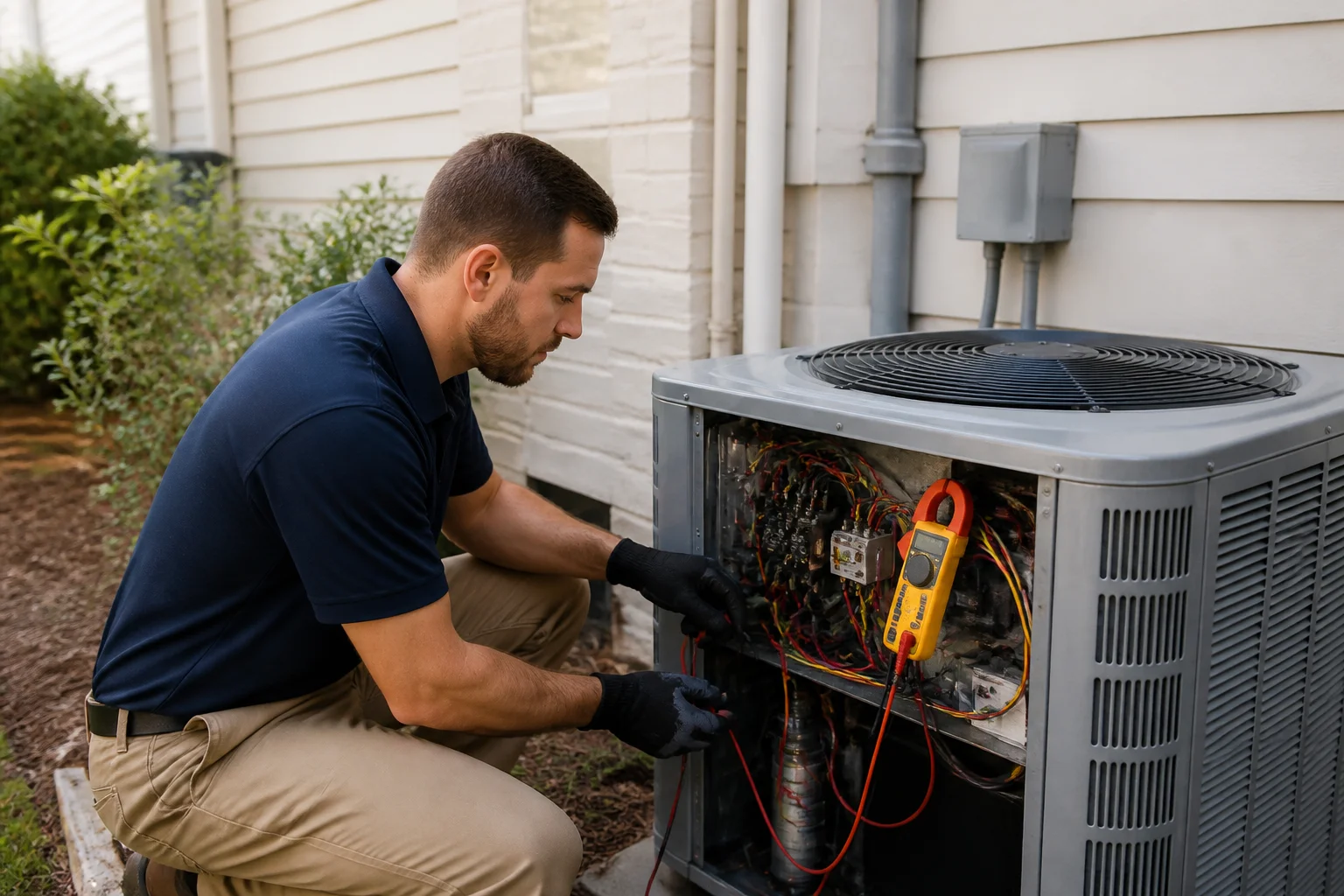
Heating comfort in Wright is not just about producing warm air. Your thermostat, control board, sensors, air handler, ductwork, and outdoor unit must communicate correctly. If one part falls behind, rooms can feel uneven, humidity may become uncomfortable, and energy use can rise without an obvious equipment failure.
A thoughtful plan for heating control systems in Wright, FL helps homeowners address the entire comfort system rather than replacing parts at random. This is especially important along the Florida coast, where mild winters, sudden cold snaps, high humidity, salt air, and long cooling seasons place unusual demands on HVAC equipment.
Heating controls do more than adjust the temperature
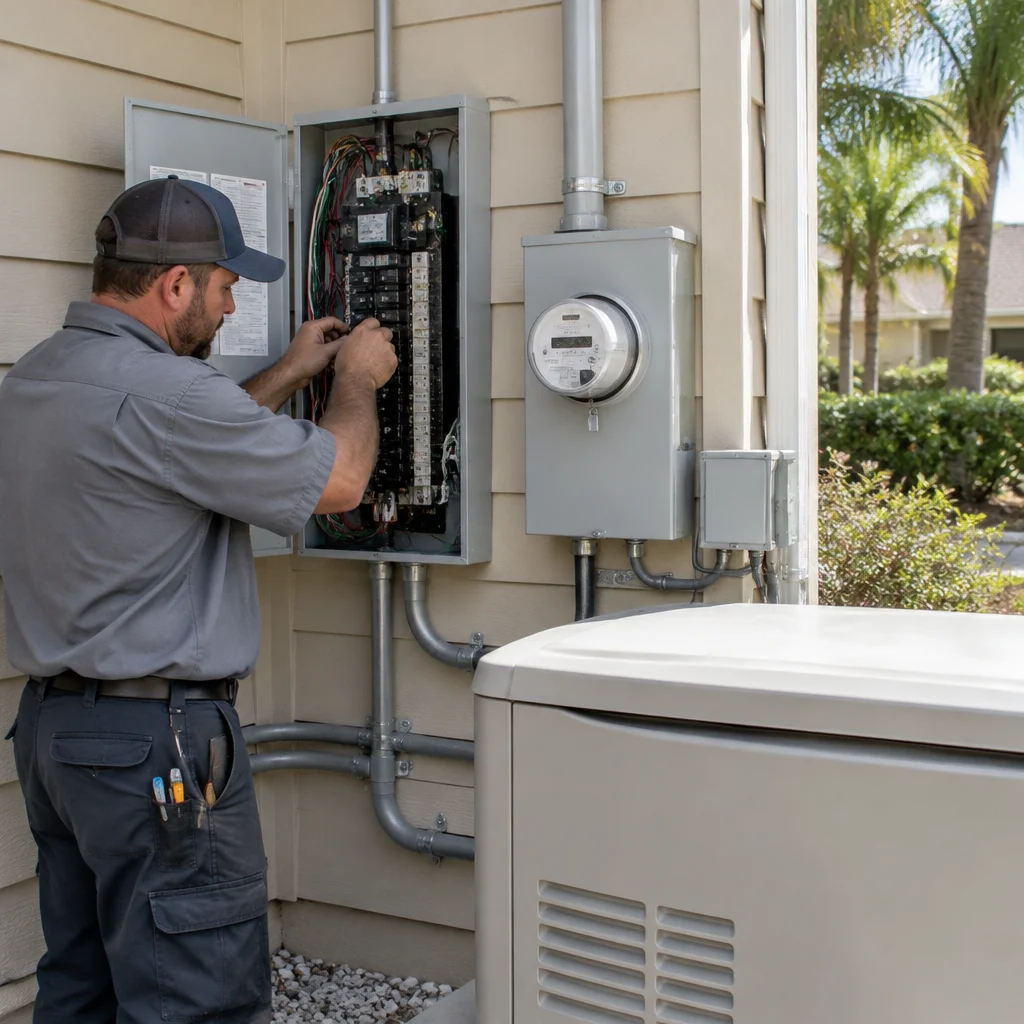
A thermostat starts the heating cycle, but it is only one part of the control system. In a typical Wright home with a heat pump, thermostat commands pass through low voltage wiring to the air handler and outdoor unit. The system may also control auxiliary heat, blower speed, defrost operation, zoning dampers, and humidity settings.
When those components work together, the heat pump delivers steady comfort without unnecessary cycling. When communication breaks down, the system may run constantly, start and stop too often, blow cool air in heat mode, or rely too heavily on auxiliary heat. A furnace can develop similar control problems involving ignition, limit switches, blower timing, or thermostat signals.
Modern mini splits use their own sensors and control logic. They can be excellent for additions, remodeled spaces, garages, and rooms that cannot be served effectively by existing ductwork. However, incorrect sizing, poor sensor placement, or conflicting temperature settings can still produce uneven comfort.
How Wright weather affects comfort planning
Homes in Wright experience a long air conditioning season and a relatively short heating season. That does not mean heating controls can be ignored. Heat pumps often sit idle in heat mode for months, then face heavy demand during the first strong cold front. A weak capacitor, corroded connection, inaccurate sensor, or stuck reversing valve may not become noticeable until temperatures drop.
Coastal weather creates additional concerns. Salt air can corrode outdoor unit cabinets, electrical terminals, condenser coils, and exposed fasteners. Storm debris can restrict airflow around a condenser, while heavy rain may affect drain conditions or expose vulnerable wiring. High outdoor humidity also makes moisture control a major part of year round comfort planning.
Local housing varies considerably. Older homes may have aging ducts, limited return air, patched additions, or thermostats installed in poor locations. Newer homes can be tightly sealed but still suffer from unbalanced rooms or oversized equipment. Remodels and additions may change the heating load without corresponding changes to ductwork, controls, or zoning. A local HVAC contractor familiar with Okaloosa County can account for these conditions during diagnosis and system design.
Comfort problems that may point to a control issue
A blank thermostat is an obvious warning, but many control problems are less direct. Homeowners should pay attention when the displayed temperature does not match how the room feels, the blower continues long after a cycle, or auxiliary heat appears frequently during mild weather.
Uneven room temperatures
One warm room and one cool room do not automatically mean the thermostat has failed. Closed vents, dirty filters, crushed flex duct, leaky duct connections, weak blower performance, or poor return airflow can all affect room temperature. A zoning control panel or damper can also become stuck, leaving part of the home without enough conditioned air.
Before scheduling hvac zoning installation near me based only on uneven temperatures, ask for airflow testing. Proper diagnosis may identify a ductwork repair, damper adjustment, return air improvement, or control calibration as the better solution.
Short cycling or nonstop operation
Short cycling means the system starts and stops before completing a useful heating cycle. Possible causes include a thermostat located near a supply vent, an oversized unit, restricted airflow, a dirty evaporator coil, overheating electric heat components, or a faulty sensor. Constant operation can result from heat loss, undersized equipment, low refrigerant, duct leakage, or controls that never receive the correct temperature reading.
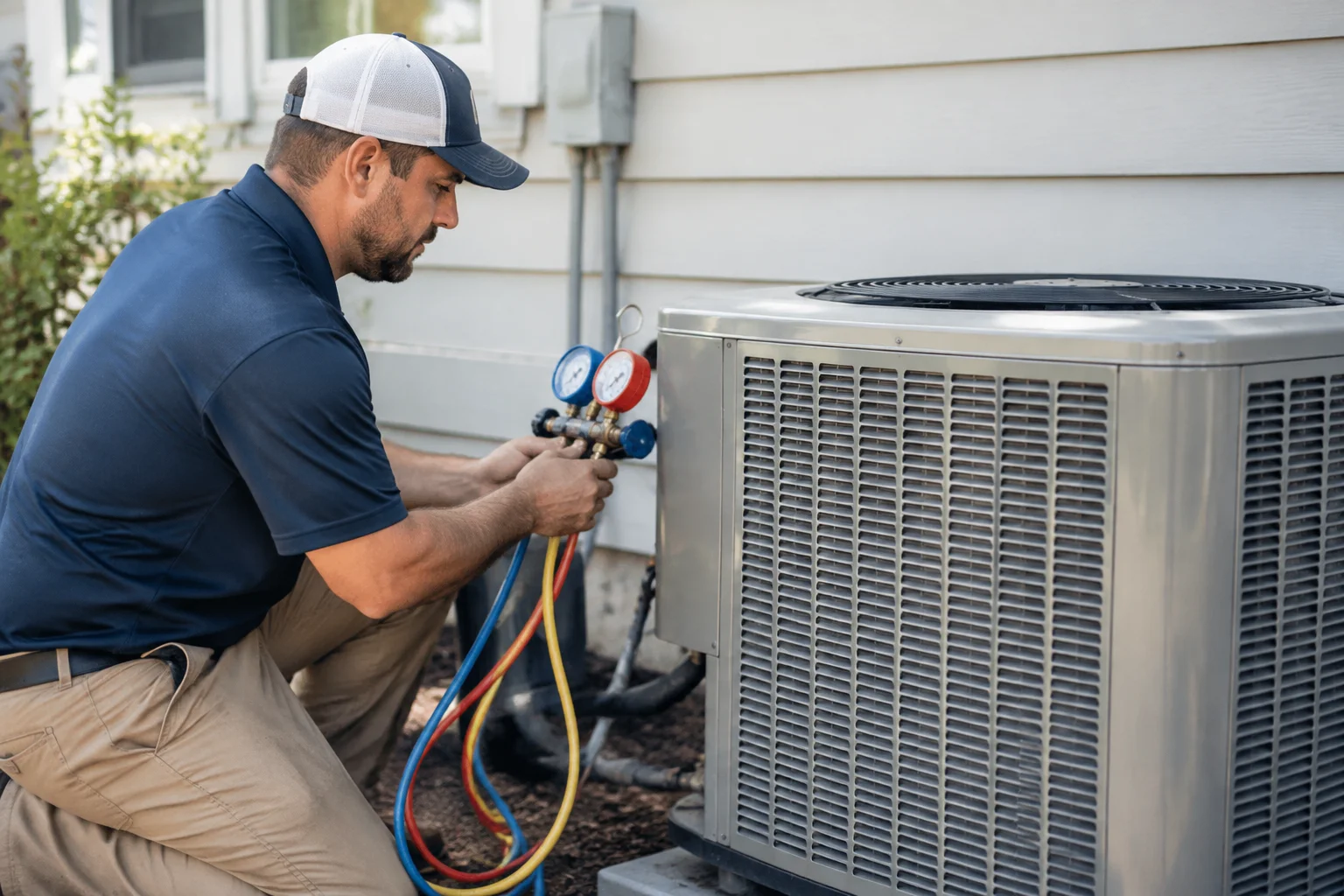
Refrigerant problems affect both heating and cooling performance because a heat pump uses the same refrigerant circuit in either mode. Frost on the outdoor unit beyond a normal defrost cycle, weak heating, or unusually long run times may justify professional testing. Refrigerant leak repair requires trained service and should not be treated as a thermostat adjustment.
Unexpectedly high energy bills
A heat pump is generally efficient because it transfers heat rather than creating all of it through electric resistance. If controls call for auxiliary heat too often, that efficiency advantage can shrink quickly. Incorrect staging, a failed outdoor temperature sensor, thermostat programming, or a heat pump performance problem may be responsible.
Energy use can also rise when dirty filters, blocked vents, leaking ducts, or clogged coils force longer cycles. The controls may be responding correctly to a home that is not receiving enough airflow.
Airflow must be evaluated with the controls
Temperature controls cannot compensate for inadequate airflow. The air handler needs a clear return path, a suitable filter, clean indoor components, and ducts capable of delivering the required air volume. Supply vents should be open and unobstructed unless an HVAC professional has designed the system for a specific balancing plan.
Common airflow problems in Wright homes include loose duct connections in attics, damaged flex duct, dirty blower wheels, undersized return grilles, and filters that are too restrictive for the equipment. Older ductwork may leak heated or cooled air into an attic before it reaches the room. Homeowners searching for airflow balancing near me or duct sealing near me should look for testing rather than guesswork. Air pressure readings and room by room airflow measurements help identify where comfort is being lost.
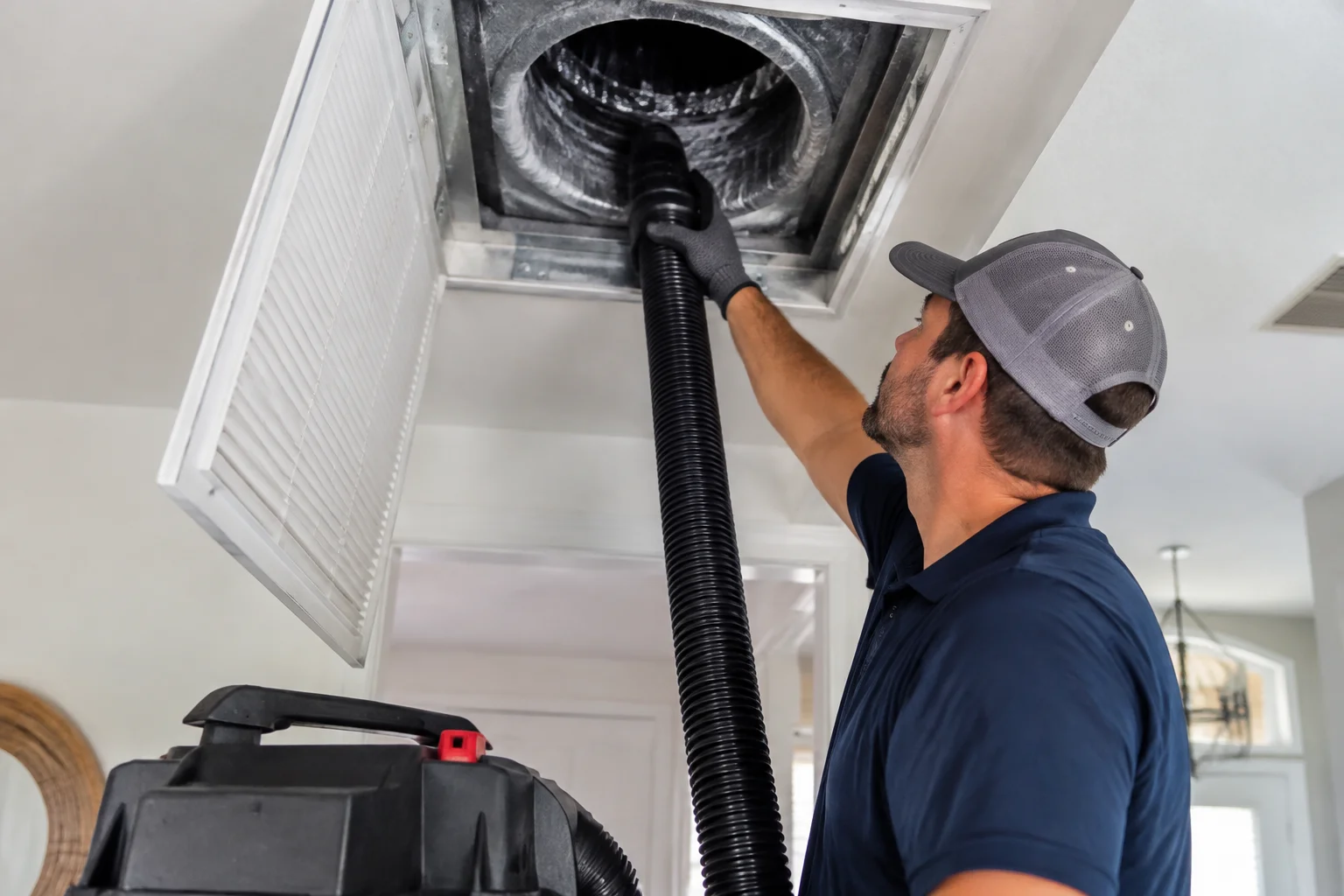
Duct cleaning is not a cure for every airflow issue, but it can be appropriate when inspection confirms significant debris, contamination, or buildup. A Superior Mechanical offers duct cleaning in Wright as part of a broader evaluation when duct condition affects comfort or indoor air quality.
Humidity and indoor air quality belong in the same plan
Humidity control is often associated with summer, yet heating control choices can influence moisture throughout the year. During mild coastal weather, a system may satisfy the thermostat quickly without running long enough to remove sufficient moisture in cooling mode. Oversized equipment and aggressive temperature setbacks can make that problem worse.
Indoor humidity that remains high can contribute to musty odors, condensation, dust mite activity, and microbial growth on damp surfaces. Humidity that becomes unusually low during heating can cause dry skin and static, although excessive dryness is less common in Wright than in colder climates.
A thermostat with humidity sensing may help coordinate cooling cycles, variable speed airflow, or compatible dehumidification equipment. It cannot correct a clogged drain line, dirty evaporator coil, refrigerant issue, or oversized system by itself. If odors, persistent dust, moisture, or respiratory concerns continue, indoor air quality testing can help clarify what is present before a homeowner invests in an air purifier or media air cleaner.
Condensate drain lines also deserve attention. A blocked line can trigger a safety switch that shuts down the air handler, making the thermostat appear unresponsive. Water around an air handler is an HVAC concern and should be addressed promptly. Water near a water heater has different causes, which are discussed in this guide to water heater problems in Wright homes.
Choosing thermostat and zoning upgrades carefully
Smart thermostats can improve scheduling, provide useful alerts, and make temperature adjustments more convenient. Compatibility matters more than brand recognition. Heat pumps, auxiliary heat, variable speed air handlers, zoning panels, furnaces, and communicating systems may require specific terminals or proprietary controls.
A homeowner searching for Nest thermostat installation near me should have the existing wiring and equipment configuration checked first. An incorrect installation can disable heat pump staging, energize auxiliary heat at the wrong time, or create intermittent faults. Ecobee and other smart thermostat installations require the same attention to wiring, setup, sensor placement, and equipment type.
Zoning can improve comfort in multistory homes, larger floor plans, and properties with additions, but it must be designed around available airflow. Closing too many zones can increase static pressure and strain the blower unless dampers, controls, and duct capacity are properly coordinated. Sometimes duct modifications or a separate mini split are more practical than adding zones to an existing system.
Preventive service keeps small control faults from spreading
Regular HVAC maintenance should include more than a quick filter check. A useful visit examines thermostat operation, control wiring, electrical connections, blower performance, temperature change, refrigerant performance, drain lines, coils, safety switches, and the condition of the outdoor unit. Heat pump controls and defrost operation should be checked before colder weather creates seasonal demand.
Homeowners can help by replacing filters at an interval suited to the home, keeping return grilles clear, removing vegetation and debris around the condenser, and watching for unusual sounds or repeated thermostat alerts. Filters should fit correctly and provide appropriate filtration without restricting the air handler.
Maintenance also provides an opportunity to find corrosion caused by salt air, failing contactors, worn fan motors, loose ductwork, and insulation damage. The same planning principles are covered in this article about maintenance and heating control performance, which is relevant to coastal HVAC systems throughout the region.
Repair decisions and system efficiency
A thermostat replacement may solve an inaccurate reading or failed display, but replacing controls without testing the equipment can hide the actual problem. A weak blower motor, dirty coil, refrigerant leak, damaged duct, or failing compressor can produce symptoms that look like a control fault.
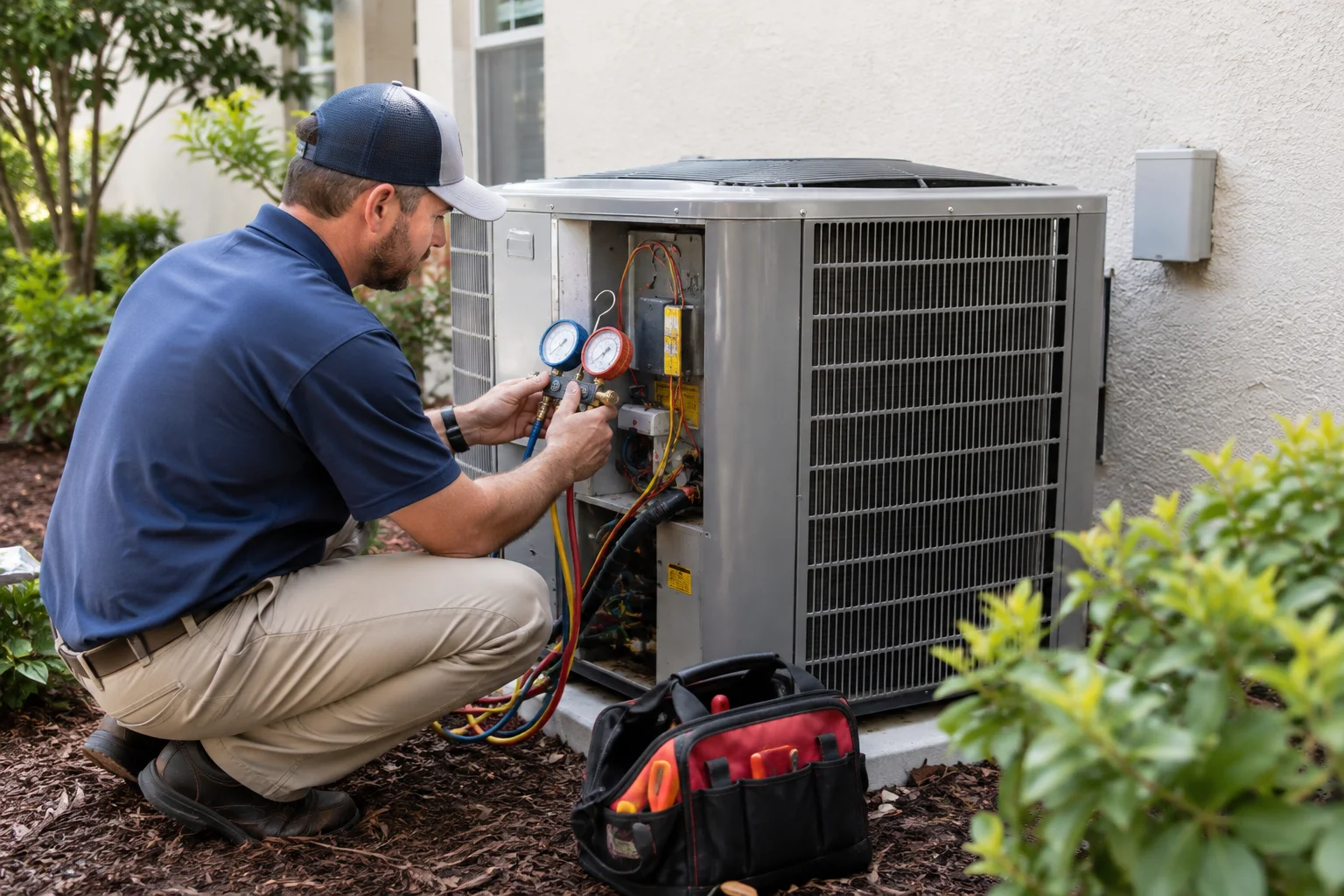
For heat pump concerns, professional heat pump service in Wright can determine whether the problem involves the thermostat, defrost board, reversing valve, refrigerant circuit, outdoor fan, compressor, or air handler. Furnaces require checks of ignition components, flame sensing, limit controls, and venting in addition to thermostat operation.
Replacement becomes worth discussing when equipment is unreliable, inefficient, difficult to repair, or poorly sized for the current home. Remodels and additions may justify new load calculations. Options can include a properly sized heat pump, compatible smart controls, improved ductwork, or ductless mini splits for isolated areas. Equipment selection should reflect the building rather than a simple swap based on the old model number.
Situations that need prompt HVAC service
Turn the system off and request help if you notice a burning smell, smoke, repeated breaker trips, loud mechanical noise, ice that continues building on the outdoor unit, or water spreading around the air handler. Loss of heat during a cold spell can also be urgent for young children, older adults, pets, and anyone with health concerns.
During warm or humid weather, a failed control can stop the air conditioning system even if the heating equipment seems unrelated. Homeowners searching for emergency AC repair near me should report thermostat messages, unusual sounds, visible ice, water, and whether the indoor or outdoor unit is running. Those details help the technician prepare for the visit.
Rental homes and managed properties benefit from documented filter schedules, thermostat limits, equipment records, and prompt tenant reporting. Property management HVAC services in Wright can help coordinate maintenance and repairs across multiple systems before small issues become emergency calls.
Build a control plan around the whole home
Reliable heating control begins with accurate diagnosis. The thermostat, heat pump or furnace, air handler, coils, blower, filters, ducts, vents, refrigerant circuit, drain system, and indoor humidity all affect the result. Addressing only the most visible component can leave the underlying comfort problem unchanged.
A Superior Mechanical helps Wright homeowners evaluate control failures, airflow concerns, heat pump performance, thermostat installation, zoning, ductwork, and preventive maintenance. If a search for a licensed HVAC contractor near me is prompted by inconsistent temperatures or rising energy use, ask for a whole system assessment that considers both immediate repair needs and long term efficiency.
Find Heating Control Systems in Wright, FL
If you need Heating Control Systems in Wright, FL, visit our local service page or contact A Superior Mechanical today.
Map of Wright, FL
Frequently Asked Questions
Why does my heat pump blow cool air for a few minutes in heating mode?
A brief period of cooler air can occur during a normal defrost cycle. The heat pump temporarily changes operation to remove frost from the outdoor coil. If cool air continues, the system may have a thermostat, auxiliary heat, reversing valve, refrigerant, or airflow problem that needs professional testing.
Can a smart thermostat control humidity in a Wright home?
A compatible smart thermostat can monitor humidity and coordinate certain variable speed systems or dehumidification equipment. It cannot overcome oversized equipment, dirty coils, low refrigerant, clogged drain lines, or major duct leakage. Those conditions should be corrected first.
How often should heating controls and heat pumps be serviced in Wright, FL?
Most residential systems benefit from professional service at least once a year, while twice yearly maintenance is often practical because Wright homes depend heavily on cooling and also use heat pumps during colder weather. Filters may need more frequent attention based on pets, occupancy, renovation dust, and indoor air quality needs.
Related Articles
Photo Gallery