30A homes are built for coastal living, but plumbing systems have to handle a different rhythm. Many households are there year round, while others use their properties seasonally. When water use ramps up and down, the plumbing you installed or updated can experience stress that shows up later as leaks, clogged drains, or inconsistent hot water.
This guide connects common plumbing warning signs to plumbing installation details, so homeowners can spot issues sooner and schedule the right plumbing installation in 30A service or repair before small problems turn into emergency plumbing concerns.
Why seasonal use stresses plumbing in 30A, FL
In Walton County, Florida, summer humidity, salt air, and occasional storms are only part of the story. The bigger factor for many 30A properties is how plumbing gets used. Vacation rentals may sit empty for weeks, then run hard during peak months. Even homes that live there year round may change routines season to season.
That pattern can stress:
- Pipes and fittings that expand and contract with temperature changes and water flow changes.
- Water pressure when multiple fixtures run at once, then drop sharply during low-use weeks.
- Drains and sewer lines when water flow is intermittent, allowing debris to settle and buildup to form.
- Fixtures like toilets, faucets, and shower valves that rely on consistent pressure and proper installation.
When plumbing installation is done with the wrong materials for coastal conditions, incorrect slope in drain lines, or fittings that are not sealed correctly, seasonal stress has a faster path to visible symptoms.
Warning signs that point back to plumbing installation
Some plumbing symptoms are straightforward. Others are subtle and often tied to how the system was installed, especially in newer builds, remodels, and rental properties.
1) Water pressure swings and “hammering” noises
If you notice the toilet refilling, shower pressure dropping, or loud banging in the pipes when a faucet shuts off, it can be more than a nuisance. Pressure swings can occur when supply lines are sized incorrectly, shutoff valves are partially restricted, or pressure regulators are missing or misadjusted.
In seasonal homes, these issues can be worse. When water use returns after a long vacancy, trapped air and sediment can move through the system. If the system was installed without good flushing practices or with tight bends that trap debris, the first high-demand week can reveal the problem.
Homeowners often search for plumbing services near me after they hear repeated banging or notice inconsistent flow, because the symptoms can escalate into leaks at joints and fittings.
2) Slow drains that worsen after peak season
Slow sinks and tubs that start during busy weeks and linger afterward often suggest buildup in drain lines. Installation plays a major role here. Drain pipes must be installed with the correct slope and proper venting. If venting is inadequate or if the line was not aligned correctly, water can drain slowly, creating standing water that collects hair, soap scum, food residue, and grease.
Coastal hard water can add another layer. Mineral scale can cling to interior surfaces and reduce flow over time. When seasonal water use resumes, higher demand can reveal partial blockages that were forming quietly.
If you are dealing with a drain that feels like it is getting worse, a homeowner might look for bathroom drain cleaning near me or shower drain clog repair near me. A good plumber will check the installation-related causes like venting issues and whether the clog is localized or a broader line problem.
3) Toilets that run, rock, or refuse to flush consistently
Toilet performance is sensitive to installation details. Common causes include:
- Supply line problems such as a kinked line, a partially closed shutoff, or a restriction at the angle stop.
- Incorrect rough-in dimensions from installation, which can affect how the bowl receives water.
- Wax ring or seal issues that allow small leaks at the base, sometimes only visible after high water use.
Seasonal use can intensify these problems. A toilet that runs intermittently during peak weeks can waste water and accelerate wear on internal parts. If you notice wet spots around the base or a persistent “ghost” running sound, it is a strong sign you need leak detection near me type troubleshooting rather than only replacing the fill valve.
For additional fixture insight, homeowners in Walton County may find it helpful to read What 30A Homeowners Should Know Before Replacing Plumbing Fixtures.
4) Hot water that arrives late or turns inconsistent
Hot water issues can be linked to plumbing installation in several ways. If the hot water recirculation line was installed incorrectly, if the pipe routing is inefficient, or if valves were set up with restrictions, the system can struggle to deliver consistent temperature.
Hard water can also affect water heaters and internal plumbing. Mineral buildup can reduce heat transfer and increase sediment in the tank. Over time, that can lead to poor performance and premature failure.
When homeowners search for water heater repair near me or hot water heater replacement near me, they are often reacting to symptoms that started as “small” delays. If you have inconsistent hot water after seasonal vacancy, the system may need flushing, testing, or a closer look at how the plumbing connects to the water heater.
5) Damp drywall, musty smells, or unexplained water stains
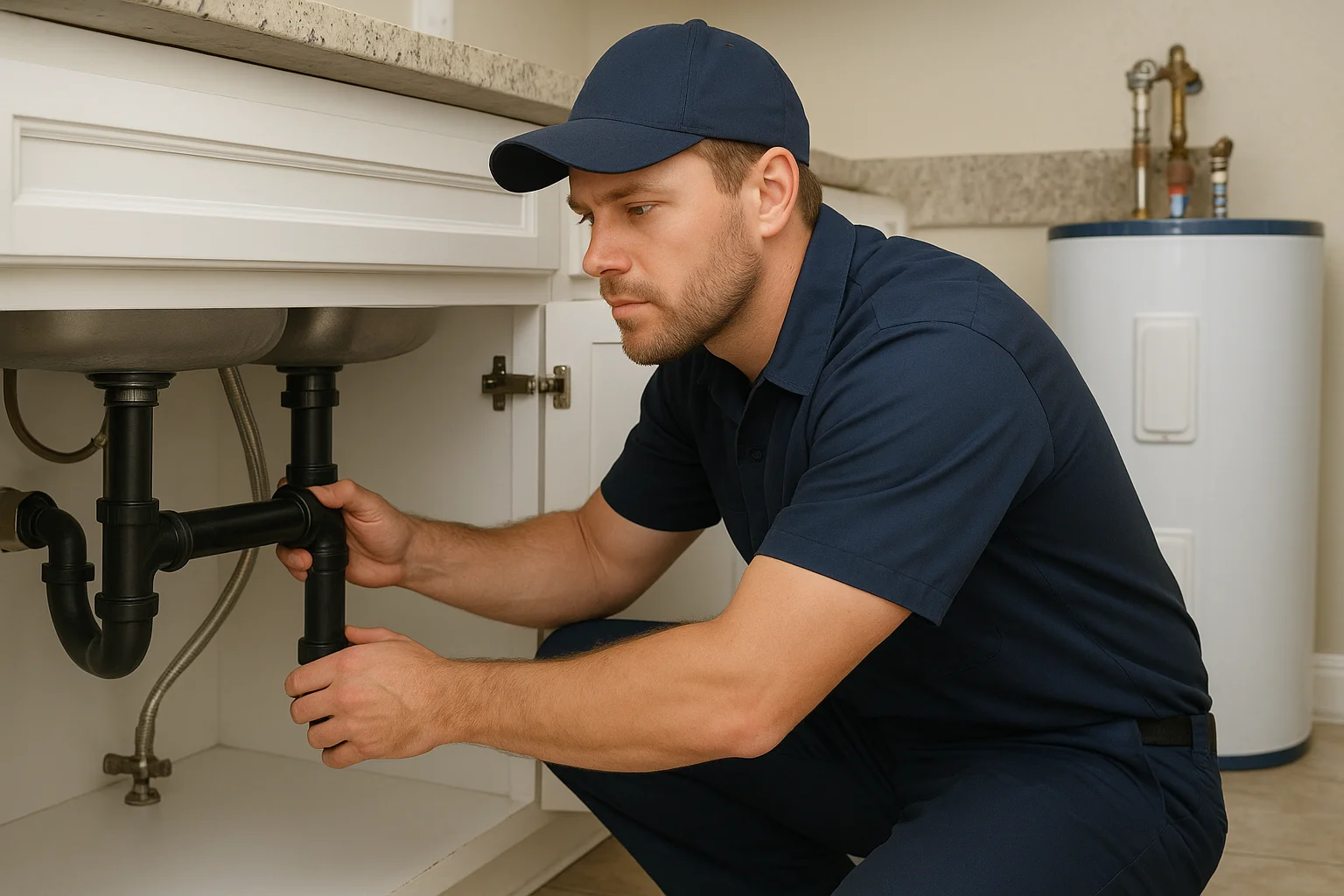
Water staining is never something to ignore, especially on slabs and in crawl spaces common to coastal homes. Leaks can be hidden inside walls and under floors. Plumbing installation quality matters because joints, threaded connections, and seals are all potential leak points.
Hard water and sediment can also contribute. If a line was installed with a weak seal or insufficient support, vibrations and pressure changes during peak use can loosen fittings.
In some 30A homes, the first visible sign of a bigger issue is a small stain that appears after the property ramps up. That timing can align with plumbing stress from increased demand. For suspected slab leaks, the earlier you act, the better your odds of limiting damage.
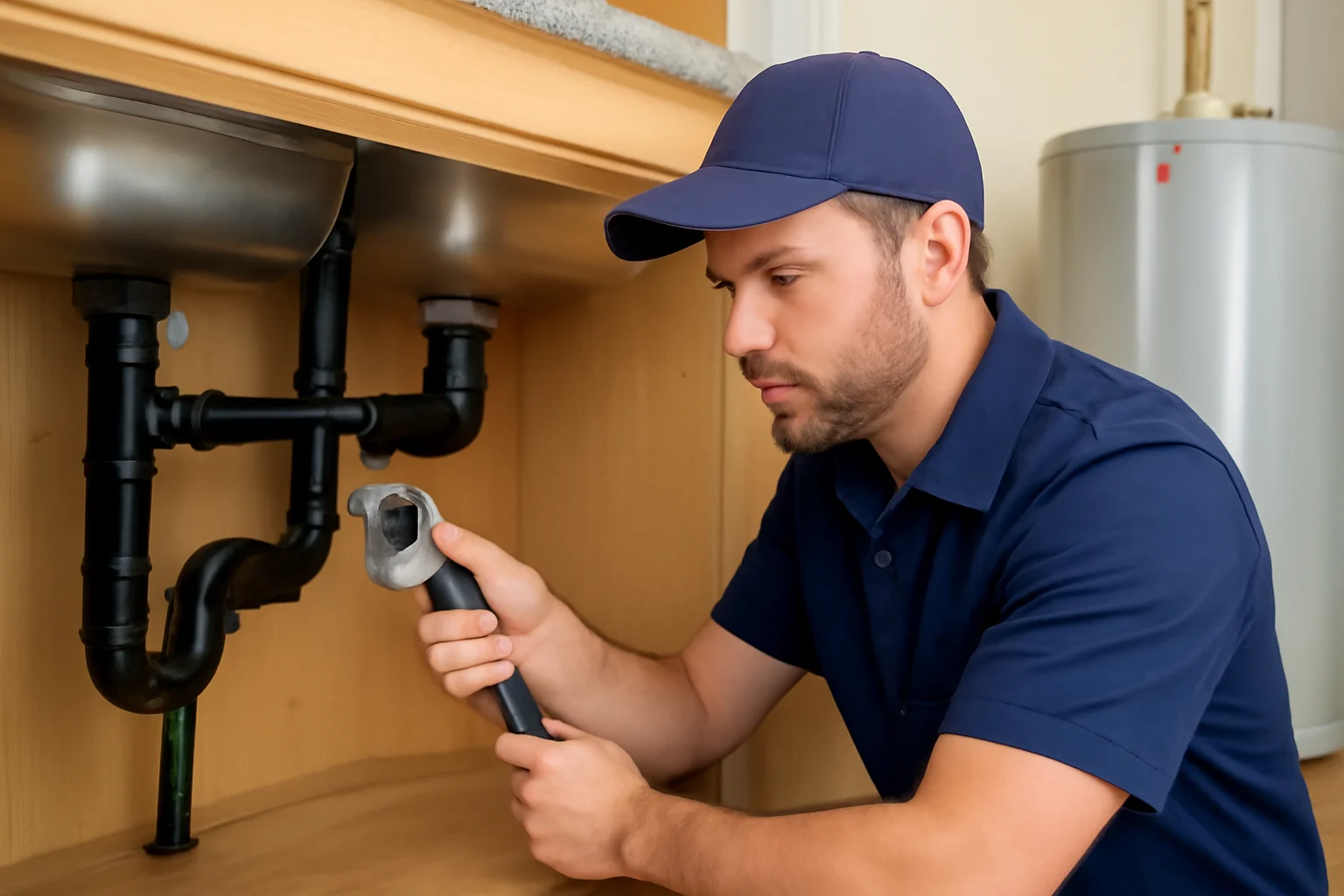
When you see signs of hidden leakage, it is worth discussing leak repair and pipe repair options with a local team familiar with 30A construction and moisture risks. If the leak is near a line that feeds a bathroom or kitchen, prompt plumbing repair can be the difference between a localized fix and costly water damage.
How coastal conditions make installation matters more
Coastal Florida is tough on building materials. Salt air can accelerate corrosion on metal components. Humidity can affect exposed fittings and fasteners. Even when pipes are not directly exposed, moisture in crawl spaces and under slabs can worsen the consequences of a minor leak.
That is why plumbing installation in 30A should be planned around local realities:
- Material selection that matches expected water chemistry and corrosion risk.
- Proper sealing at connections and transitions between materials.
- Correct support and routing so pipes do not flex excessively as temperatures shift.
- Thorough testing and flushing before the system is closed up.
If these steps were skipped during a remodel or new build, seasonal usage can expose the problem faster. A system that “works fine” during the first few weeks can still fail later when pressure cycles and sediment buildup accumulate.
Seasonal maintenance that reduces stress on pipes and fixtures
You do not have to overhaul your plumbing to protect it. Smart maintenance helps keep installed systems performing through changing schedules.
Before peak season: inspect performance, not just appearance
When your home is about to be used heavily, do a quick plumbing check:
- Run showers and faucets at the same time to see if water pressure drops or fluctuates.
- Flush toilets and listen for running or delayed fill.
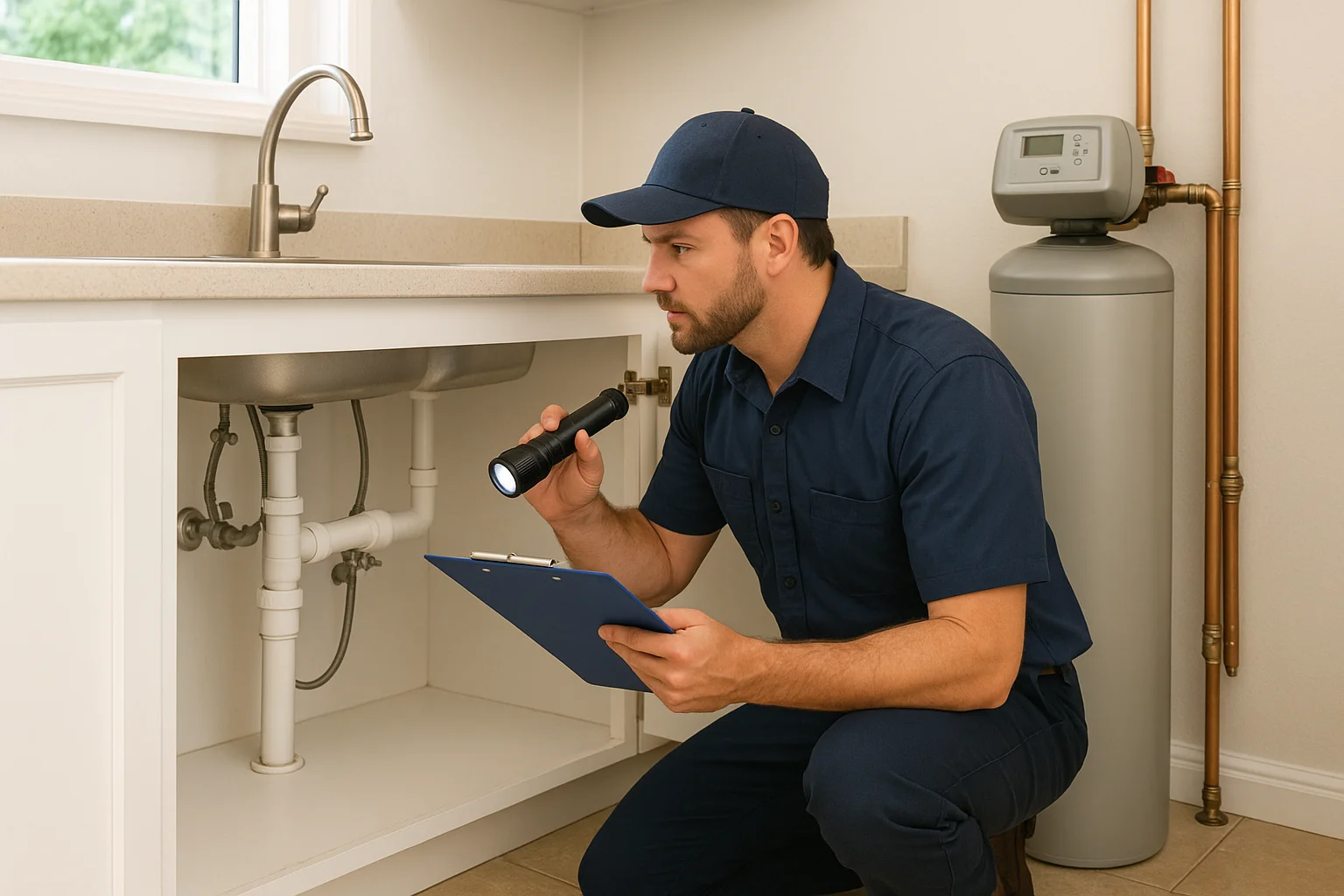
- Check under sinks for dampness around supply lines and shutoff valves.
- Test hot water delivery and confirm temperature stability.
If you notice issues, address them early. A small repair is usually easier than emergency troubleshooting once guests or family are using multiple bathrooms daily.
During use: manage drains to prevent installation-related strain
Drains do not just clog because of “bad habits.” Installation details like venting and pipe slope determine how easily waste moves. You can reduce strain by:
- Using drain strainers for hair and debris.
- Avoiding grease buildup in kitchen lines, especially in homes with shared drain runs.
- Running water after doing heavy use in the kitchen or laundry.
If you are dealing with a recurring kitchen sink issue, homeowners often look for kitchen sink drain repair near me. A plumber may recommend targeted cleaning, vent checks, or camera inspection if the problem keeps returning.
After vacancy: flush and check for hidden air and sediment
When a property sits empty, sediment can settle and air can collect in lines. On return, the first week of use can show symptoms like sputtering faucets, slow drains, or inconsistent hot water.
A professional can help with flushing and system checks. This is especially important if your home uses a water softener or reverse osmosis system, where maintenance can influence overall plumbing performance. For related guidance, see Smart Plumbing Habits for Reverse Osmosis Systems in 30A Homes.
When to call a plumber in 30A for repair or installation support
Some homeowners wait too long because they assume the problem will “go away” after a few weeks. Seasonal patterns can actually hide the cause until demand peaks. Call a local plumber when you notice:
- Wet spots, recurring water stains, or damp drywall.
- Persistent slow drains that return after cleaning.
- Toilets that run, leak at the base, or flush weakly.
- Hot water that is inconsistent during normal use.
- Any signs of sewer line problems such as gurgling drains, foul odors, or backups.
If the issue involves a sewer line or you suspect the clog is deeper than a typical drain cleaning, ask about sewer camera inspection. Many homeowners start with Sewer Camera Inspection because it helps confirm what is actually happening inside the line.
For broader drain and sewer concerns, Sewer and Drain Services can help with diagnosis and the right repair approach.
Emergency plumbing concerns: don’t wait for “after the weekend”
Seasonal stress can turn into an emergency when a leak accelerates or a line fails during peak use. Treat these as urgent:
- A sudden major leak from a supply line, shutoff valve, or fixture connection.
- Backups that affect multiple drains or toilets.
- Rapidly spreading water damage on ceilings, floors, or near slab edges.
- No hot water due to a failing water heater, especially if your household or rental depends on it.
In those moments, searching “emergency plumber near me” is understandable. The best outcome usually comes from a plumber who can isolate the cause quickly, confirm whether it is a fixture problem, a pipe repair issue, or a bigger sewer line concern.
Prevent repeat problems with installation upgrades and smarter planning
If you are seeing repeated symptoms after repairs, it may be time to look at the plumbing installation itself. That can mean improving how lines are routed, correcting venting, replacing aging components, or upgrading water heater connections and supports.
For homeowners tackling remodels or new construction, it helps to plan ahead for how the plumbing will be used. A Superior Mechanical focuses on professional plumbing installation in 30A for new construction, remodels, vacation rentals, and commercial properties across Walton County. You can explore the installation approach here: plumbing installation in 30A.
It can also help to browse the broader Walton County service area to understand local scheduling and coverage: plumbing services in 30A and services across Walton County.
And if you are considering a remodel, you may want to pair installation decisions with fixture choices. This related read can help: What 30A Homeowners Should Know Before Replacing Plumbing Fixtures.
For homes that require waterline repairs, it can be especially important to address supply issues that affect pressure and fixture performance. Learn more about Waterline Repair when supply lines are part of the symptom pattern.
How to spot a “repair-only” cycle vs a real fix
Some problems come back because the root cause is still present. Examples include:
- Clogs returning in the same sink because the venting or slope is off.
- Leaking around the same fixture because the seal or connection was not corrected during installation or prior repair.
- Hot water issues persisting because sediment buildup is not addressed or because plumbing routing is causing delays.
A reliable plumber will explain whether the symptom indicates a simple repair or a system-level installation correction. If budget is a concern, homeowners sometimes explore Plumbing Financing to handle necessary work without delaying critical fixes.
Quick checklist: connect the symptom to the likely plumbing cause
Use this homeowner-friendly guide to decide what to investigate first during plumbing repair or installation follow-up:
- Pressure swings and banging: check supply line restrictions, pressure regulation, and shutoff valve condition.
- Slow drains: verify venting, slope, and whether mineral buildup or partial obstruction is recurring.
- Toilet running: confirm angle stop and fill valve operation, and check for base leaks.
- Inconsistent hot water: inspect water heater performance, piping routing, and sediment buildup.
- Stains or damp areas: prioritize leak detection and confirm whether it is a hidden pipe or connection issue.
If you are trying to decide between “keep watching it” and “get the system checked,” think about the pattern. Seasonal spikes are a clue. When water demand changes quickly, plumbing installation weaknesses show up faster. Addressing them early can protect your home, your fixtures, and your drains from the kind of damage that is expensive to undo.
For homeowners who want a proactive approach, it is also worth reviewing how installation planning can reduce water damage risk in local homes: Plumbing Installation That Helps 30A Homes Stay Ahead of Water Damage.
Find Plumbing Installation in 30A, FL
If you need Plumbing Installation in 30A, FL, visit our local service page or contact A Superior Mechanical today.
Map of 30A, FL
Frequently Asked Questions
Can seasonal vacancy really cause plumbing leaks in a 30A home?
Yes. When a home sits empty, air and sediment can collect in lines. When water use resumes, pressure cycles can stress joints, seals, and fixture connections. If plumbing installation included questionable sealing, poor support, or incorrect venting, the problem can show up during peak use.
Why do my drains get worse after guests or family visit?
High-volume use can overwhelm a drain line that was installed with marginal slope or venting. It can also stir up mineral scale from hard water and debris that settled during low-use periods. If the same drain clogs repeatedly, ask about a deeper diagnosis like sewer camera inspection rather than repeated surface cleanings.
What hot water problems are most connected to plumbing installation, not just the water heater?
Late hot water, inconsistent temperature, and pressure-related changes can involve pipe routing, valve restrictions, or inefficient connections around the water heater. Sediment buildup can still be a factor, but installation details can make the symptoms more noticeable during seasonal use.
Should I call a plumber for water pressure changes even if there is no visible leak?
Often, yes. Water pressure swings and banging can indicate supply restrictions, pressure regulation issues, or air in the system. Those conditions can increase wear on fixtures and joints over time, leading to leaks. Leak detection and system testing can prevent bigger repairs later.
When does a drain issue become an emergency in Walton County?
If you see backups affecting multiple fixtures, water rising in drains, strong sewage odors, or fast-spreading water damage, treat it as urgent. Those signs can point to sewer line problems that need immediate attention to protect your home.
Related Articles
Photo Gallery