Inlet Beach homes get a unique mix of plumbing demands. Some winters are quiet, while spring and summer bring heavier water use from families, rentals, and visiting guests. Add in coastal humidity, salt air, and occasional pressure swings, and it is easy for small plumbing problems to turn into bigger leak repairs.
This guide walks you through how seasonal water use can stress pipes and fixtures in older and newer homes, what to look for, and how professional water leak repair helps protect your property. If you are searching for water leak repairs in Inlet Beach, FL, you are in the right place.
Why seasonal water use can trigger leaks in Inlet Beach
Plumbing systems are designed for steady, predictable use. In reality, Inlet Beach homes often experience sudden changes, especially during peak vacation seasons.
- Higher demand during guest stays: More showers, laundry, dishwashing, and longer faucet run times can raise overall flow and stress aging supply lines.
- Outdoor watering patterns: Irrigation schedules, hose use, and pressure changes can affect outdoor spigots, backflow devices, and connected indoor plumbing.
- Water pressure fluctuations: When demand spikes, pressure can drop and then rebound. Those shifts can loosen fittings, stress seals, and worsen micro-cracks.
- Hard water effects: In many areas of Florida, mineral buildup can reduce flow and increase friction. Over time, that can strain valves, water heater connections, and fixtures.
Whether you own a newer build with modern materials or an older Walton County home with decades of wear, the pattern is similar: increased use reveals weaknesses that were previously “good enough.”
Older homes vs. newer builds: where leaks usually start
Inlet Beach includes a mix of construction styles. The leak-prone areas often depend on the home’s age, materials, and how the plumbing was installed or updated.
Common leak sources in older homes
- Corroded supply lines and fittings: Older pipes and threaded connections can corrode internally and loosen externally.
- Toilet and valve wear: Flappers, fill valves, and supply lines can degrade, leading to slow leaks behind toilets.
- Water heater connections: Sediment buildup and aging hoses can cause drips at the inlet, outlet, or pressure relief valve.
- Slab and hidden plumbing leaks: Older homes may have plumbing under slab areas. These can show up as damp patches, warm spots, or recurring moisture.
Common leak sources in newer homes
- Install-related stress points: Even newer plumbing can develop leaks if fittings were not seated correctly or if expansion and contraction were not accounted for.
- Fixture seal failures: Gaskets and washers wear out faster when water use is high and constant during peak seasons.
- Water hammer and pressure spikes: Quick shutoff events from toilets, washing machines, and some irrigation systems can stress pipes and valves.
If you are trying to decide whether you need a plumber for plumbing repair or a deeper leak repair investigation, the best starting point is understanding what you are actually seeing. A visible drip is not always the full story.
Seasonal “false alarms” and real leak signs homeowners should not ignore
Some water issues look like leaks but are caused by condensation or normal system behavior. Others are early warnings of a plumbing problem that will worsen.
Signs of an active water leak
- Sudden water bill increases: A spike after guests arrive, laundry cycles increase, or irrigation starts is a common clue.
- Damp drywall, ceilings, or baseboards: Moisture that returns in the same areas is a strong indicator of hidden plumbing leaks.
- Musty odors: Persistent smells can point to moisture behind walls or under floors.
- Water pooling around fixtures: Toilets that “sweat,” faucets that never fully stop dripping, or wetness under sinks.
- Low or inconsistent water pressure: Pressure drops can mean leaks, clogged lines, or issues in the supply system.
- Recurring leaks after turning water back on: This can happen when pressure changes expose weak seals.
Condensation vs. leaks
- Air-conditioned condensation: In humid coastal conditions, cold pipes can sweat. Condensation often feels like surface moisture that does not spread.
- Hot water tank sweating: Some tanks and connections may show dampness due to temperature differences. Still, it is worth checking because a leak can hide behind normal sweating.
If you suspect a leak but cannot identify where it is coming from, professional leak detection is usually the fastest path to accurate repairs.
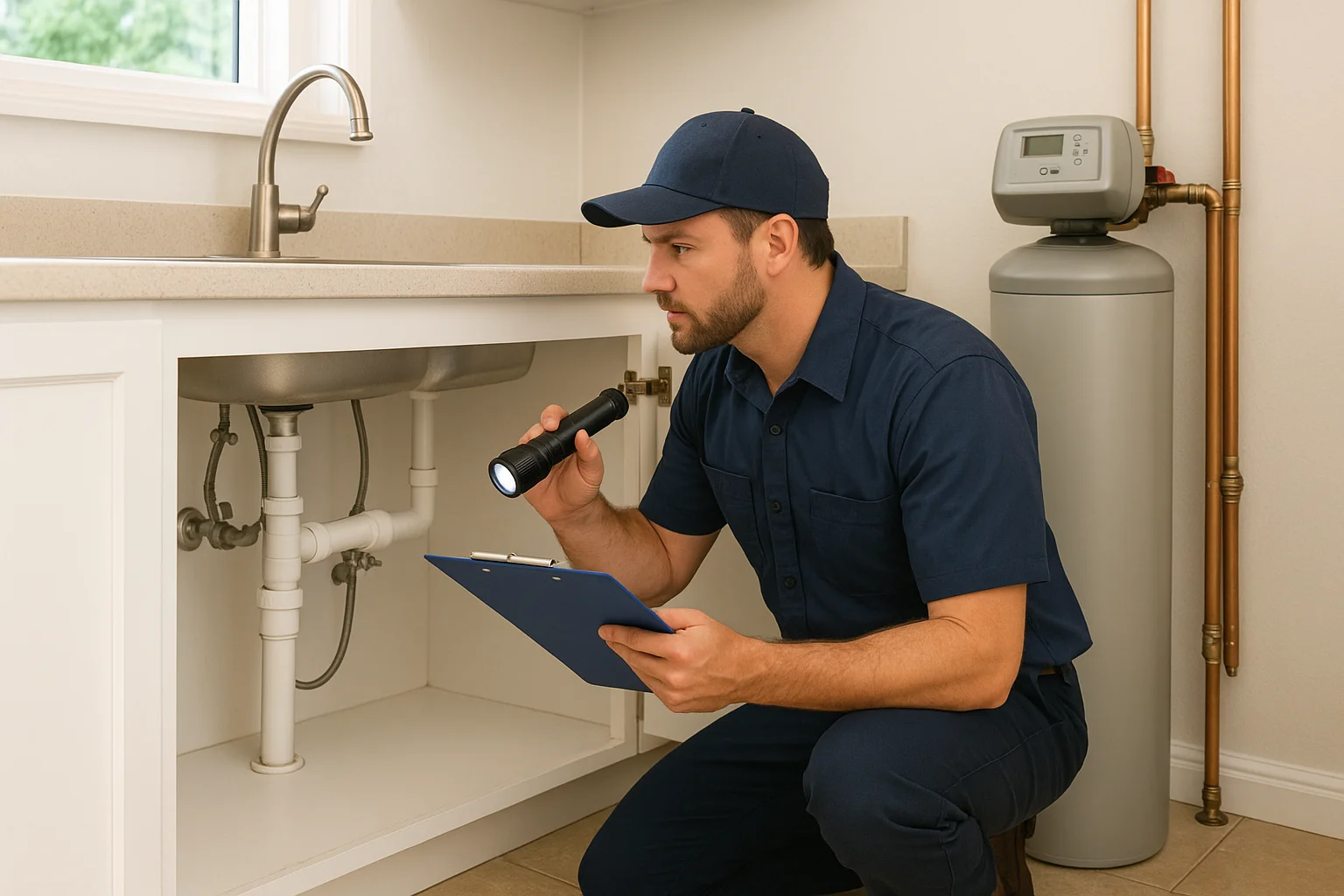
How plumbers find leaks that are not obvious
When homeowners search for plumber near me or water leak repair near me, they often expect a quick visual check. For hidden leaks, the process is more methodical.
- Pressure testing and monitoring: Technicians can compare pressure behavior when water is running and when it is shut off.
- Moisture mapping: Thermal and moisture tools help locate wet areas behind walls or under floors.
- Electronic leak detection: Sound and signal-based tools can pinpoint leaks along pipes, including slab-related issues.
- Fixture isolation: The plumbing system can be narrowed down by checking individual fixtures and supply lines.
If you notice signs consistent with slab leaks, it helps to know that slab repair is not the same as fixing a faucet drip. A Superior Mechanical offers leak detection and slab leak repair for homes across Inlet Beach and Walton County.
Water leak repairs by problem type: what homeowners commonly need
Not every leak repair is the same. Here are the most common categories homeowners face in Inlet Beach, along with how repairs typically work.
Toilet repair and slow leaks behind the bowl
Toilets are frequent culprits during seasonal use because they run more often than usual. A toilet that “quietly leaks” can waste water for weeks.
- Common causes: Worn flappers, failing fill valves, loose supply connections, or cracked tank components.
- Typical solutions: Replacing internal parts, tightening connections, and confirming proper shutoff and refill cycles.
If you are searching for toilet repair in Inlet Beach, focus on more than replacing parts. The goal is to stop water loss and prevent recurring issues when water pressure changes.
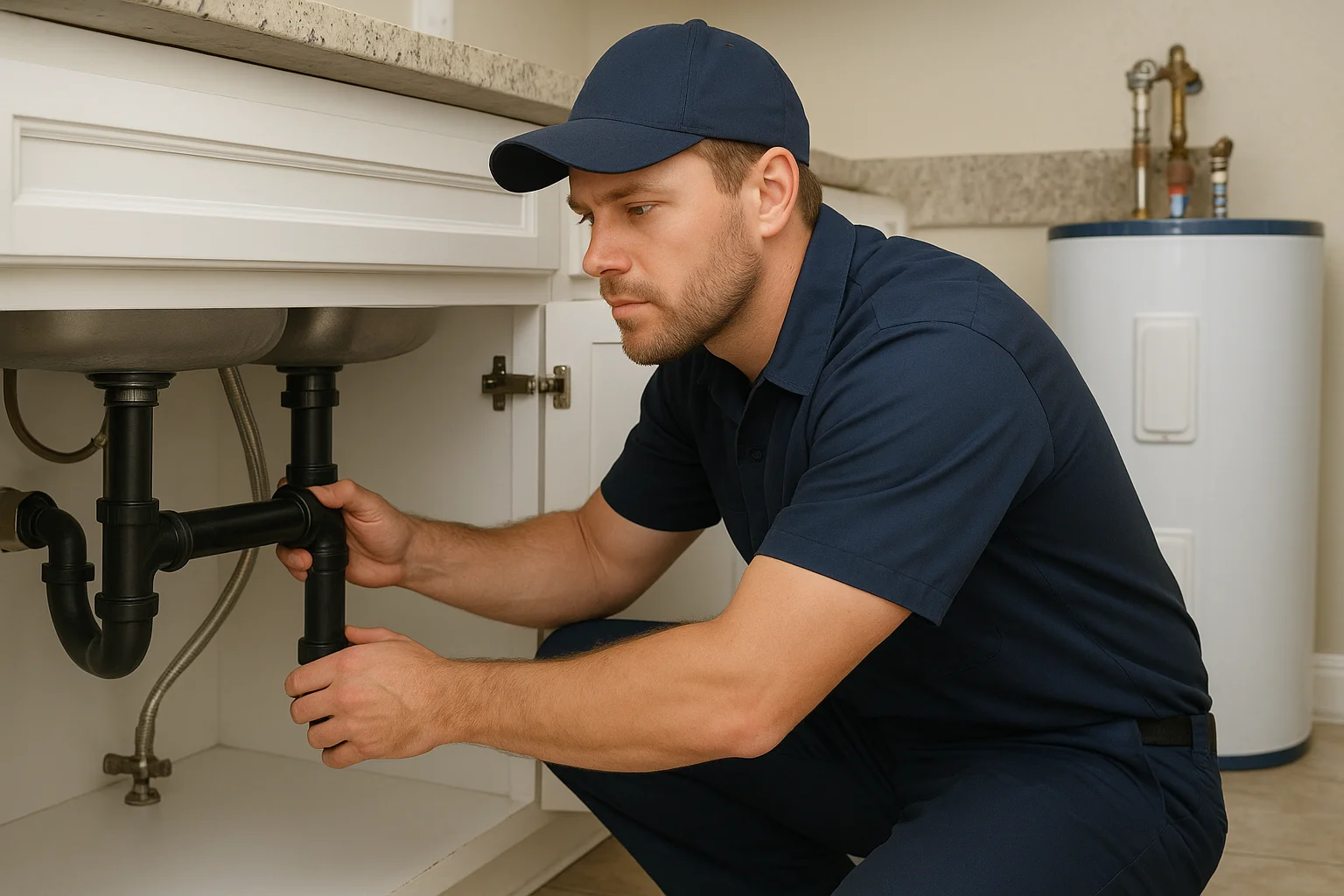
Faucet repair and supply line drips
Faucets can drip for many reasons, including worn cartridges, damaged washers, or loose fittings under sinks.
- Common causes: Mineral buildup from hard water, worn seals, or a supply line that has shifted.
- Typical solutions: Cartridge replacement, gasket and washer replacement, and inspection of the shutoff valve and supply line.
For homeowners searching for faucet repair near me, it helps to ask whether the plumber will inspect surrounding connections. A drip can be caused by a failing faucet part, but it can also be the symptom of a supply line issue.
Shower drain clog repair and water that seems like a leak
Sometimes the “leak” is actually water backing up in a drain system. When showers drain slowly, water can overflow into areas you did not expect.
- Common causes: Hair and soap buildup, mineral scale, and partial clogs that worsen with heavy use.
- Typical solutions: Drain cleaning, clearing the blockage, and checking for recurring buildup.
Homeowners searching for shower drain clog repair near me often need both clog removal and a basic inspection to prevent repeated backups.
Garbage disposal repair and sink leaks
Garbage disposals can leak at the mounting ring, drain connection, or switch assembly. Seasonal cooking and food waste can increase disposal use.
- Common causes: Loose drain connections, worn seals, or a failing disposal unit.
- Typical solutions: Checking the drain line connection, replacing seals, and repairing or replacing the disposal if needed.
If you suspect a sink leak and the disposal is involved, it is worth addressing it promptly to avoid water damage under cabinets.
Water heater service, pressure relief issues, and hidden moisture
A water heater can fail in ways that look like “just a small leak.” Sediment buildup and pressure changes can stress connections and internal components.
- Common causes: Leaking inlet or outlet connections, a dripping pressure relief valve, or corrosion at fittings.
- Typical solutions: Repairing connections, flushing to reduce sediment, and replacing failing parts or the unit.
If you are planning homeowners searching for water heater service during a busy season, you will want dependable work that prevents recurring moisture. You can also read Keeping a Water Heater Replacement from Turning Into a Bigger Plumbing Bill in Inlet Beach for practical steps to reduce surprises.
For tank upgrades or replacement planning, explore water heater services and tankless water heater services in Inlet Beach.
Sewer line help and leaks that show up as pooling or slow drains
Not all water problems are from supply lines. Sewer line issues can cause backups, slow drainage, and wet areas around cleanouts.
- Common causes: Tree root intrusion, corrosion, shifting soil, or clogs that expand with use.
- Typical solutions: Camera inspection, targeted cleaning, and repair or replacement options based on what the inspection finds.
If you are searching for sewer inspection near me or main drain cleaning near me because of recurring backups, a proper inspection is often the difference between a temporary fix and a lasting repair.
Emergency plumbing concerns: what to do right now
Some leaks should be treated as urgent plumbing issues. In coastal Florida, fast action matters because moisture can spread quickly and damage flooring, drywall, and insulation.
Call an emergency plumber for these situations
- Water actively spraying or flooding: If water is uncontrolled, shut off the water supply if you can do so safely.
- Water near electrical outlets or appliances: Do not wait. Protect people first.
- Major leaks under slabs or in ceilings: Hidden leaks can grow into expensive repairs.
- No shutoff access and rapid water spread: If you cannot stop the flow quickly, get help.
If you are dealing with an active leak, the safest immediate step is to reduce water damage. Then call a local team that can handle emergency plumbing and accurate leak repair.
Preventing seasonal leak repairs: maintenance that actually helps
Seasonal use does not have to mean frequent repairs. Smart maintenance reduces stress on pipes and fixtures and helps you catch problems early.
Build a simple seasonal plumbing checklist
- Check under sinks and around toilets: Look for dampness, staining, or soft spots on flooring.
- Test shutoff valves: Make sure you can turn them off quickly if a fixture starts leaking.
- Inspect caulking and seals: In humid coastal conditions, worn seals can let water reach hidden spaces.
- Review water pressure: If pressure feels unusually high or low, it may contribute to leaks or fixture problems.
- Schedule drain cleaning before peak season: Reducing buildup helps prevent clogs that look like leaks when backups occur.
Maintain fixtures and hot water equipment
- Flush hot water heater maintenance: Sediment can increase wear and lead to connection leaks. Proper service helps extend equipment life.
- Fix dripping faucets quickly: Small drips can steadily worsen and waste water.
- Address toilet flapper issues early: A slow leak is still a leak, and it can be hard to notice until your bill rises.
For homeowners who want a maintenance-focused approach, this article pairs well with leak repair planning: Keeping Plumbing Repairs Smaller in Inlet Beach Starts with Better Maintenance.
If you manage a rental property, prevention is even more important because water use is less predictable. Consistent local plumbing maintenance helps reduce emergency calls and protects finishes between stays.
How hard water and coastal conditions affect leak risk
Inlet Beach is a coastal environment. Salt air and humidity can accelerate corrosion on metal components. Meanwhile, hard water can build scale inside fixtures and at connection points.
- Scale buildup: Can reduce flow, increase strain on valves, and contribute to leaks at seals.
- Corrosion: Can weaken threaded joints over time, especially around older shutoff valves and supply fittings.
- Expansion and contraction: Temperature swings can stress seals, especially around water heater piping and indoor supply lines.
That is why local plumbing service matters. A contractor familiar with Inlet Beach homes can look for the patterns that show up in this area, from fixture wear to moisture-prone spots.
Choosing the right service for water leak repairs in Inlet Beach
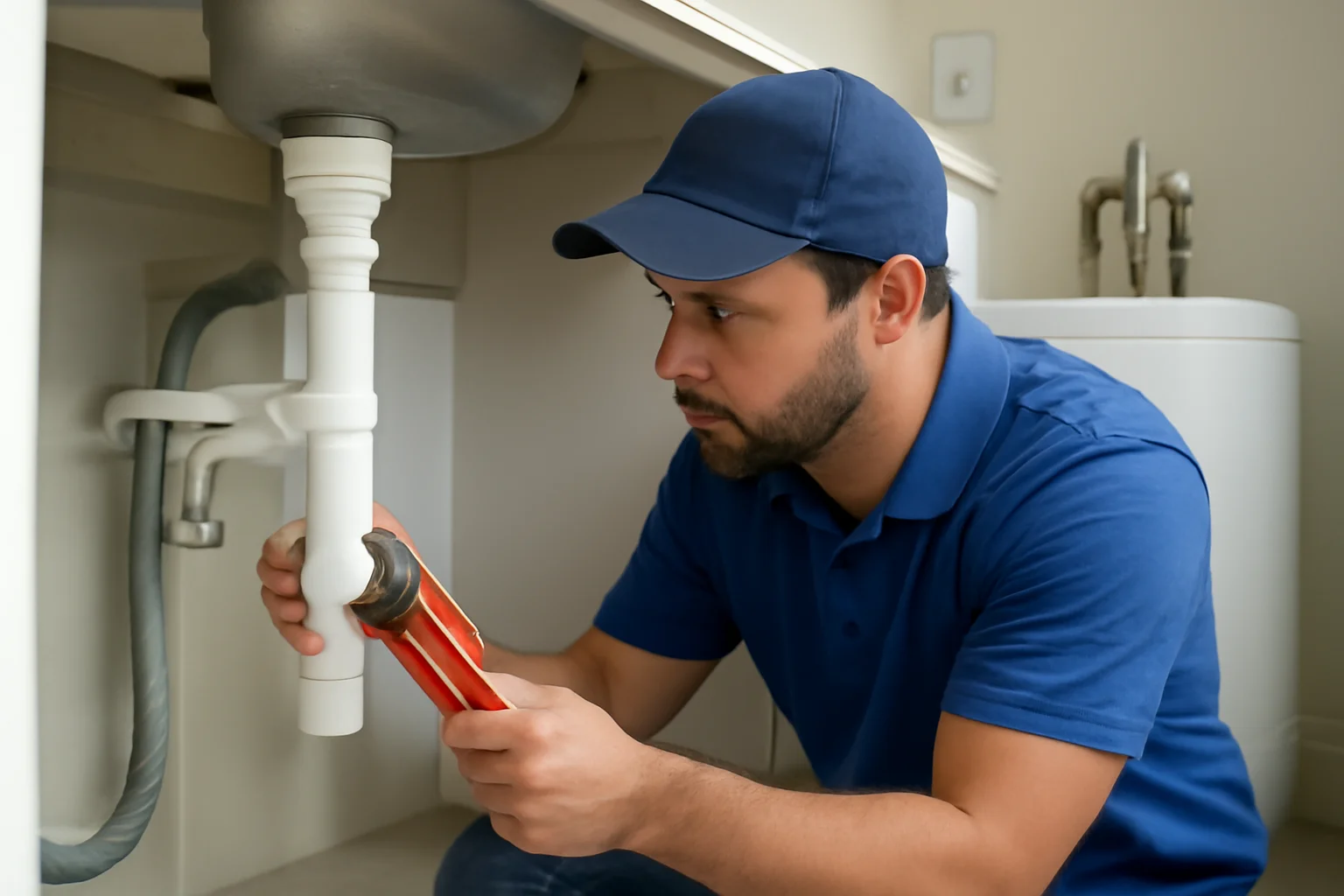
When you need plumbing repair, you want accurate diagnosis and repairs that last through the next season. That means the plumber should:
- Identify the source of the leak, not just stop the symptom
- Check related components such as shutoff valves, water pressure, and nearby drains
- Recommend repairs that fit your home type, including older plumbing and slab-related risks
- Keep homeowners informed about what was found and why the repair was needed
For residents searching for a licensed plumber near me, it is also smart to look for a team that can handle both supply-side leaks and drain or sewer problems. Sometimes a clogged drain repair turns into a larger leak repair when overflow or backup reaches fixtures.
If you want to explore service options across the area, visit Inlet Beach plumbing services or Walton County plumbing services.
For the specific topic of your search, start with water leak repairs in Inlet Beach and get help from a local team that understands how seasonal water use affects pipes, fixtures, and hidden plumbing.
Related reading for homeowners dealing with repeat plumbing issues
If you are noticing recurring problems, it often helps to address the root cause and build a maintenance routine around it. These reads can pair well with leak repair planning:
- How Everyday Plumbing Wear Creates Bigger Water Leak Repairs in Parker Homes
- Keeping Plumbing Repairs Smaller in Inlet Beach Starts with Better Maintenance
- Indoor Air Quality Testing That Helps Inlet Beach Homes Stay Comfortable Longer
Moisture from leaks can affect more than floors and walls. It can also contribute to dampness and odors that impact comfort. Tackling the leak and following through on maintenance helps protect your home beyond the repair itself.
Quick guide: what to do if you suspect a leak this season
- Take a few photos and note when the leak shows up, such as after showers, laundry, or irrigation.
- Check toilets, faucets, and visible supply lines for dampness.
- Look for signs around drains and floors, especially if you have slow drainage or backups.
- If you cannot locate the source, schedule leak detection. Hidden leaks often require a targeted approach.
Seasonal use can stress pipes and fixtures in both older and newer Inlet Beach homes. The earlier you identify the problem, the more likely you are to keep repairs smaller and protect your home from emergency plumbing concerns.
Find Water Leak Repairs in Inlet Beach, FL
If you need Water Leak Repairs in Inlet Beach, FL, visit our local service page or contact A Superior Mechanical today.
Map of Inlet Beach, FL
Frequently Asked Questions
How can I tell if I have a hidden water leak in my Inlet Beach home?
Look for damp drywall or ceilings, musty odors, recurring wet spots, unexplained water bill increases, and pressure changes. If you cannot find the source by checking visible fixtures, professional leak detection is the fastest way to locate hidden plumbing leaks.
Can seasonal guest use really cause plumbing leaks?
Yes. More showers, laundry, and faucet use can increase flow and reveal weak seals in fixtures, supply lines, and toilet components. Pressure fluctuations during peak demand can also worsen micro-cracks or loosen fittings over time.
What is the difference between a slab leak repair and a normal pipe repair?
A slab leak repair targets plumbing lines located under concrete. It often requires specialized leak detection and careful planning to access and repair the pipe without unnecessary damage. Normal pipe repair typically involves accessible lines in walls or under sinks.
Why does my toilet keep leaking even after I replace the flapper?
If the flapper change does not fix it, the issue may be the fill valve, the water level, a worn supply line, or a connection that is not sealing properly. A plumber can isolate the cause and confirm the toilet shuts off correctly.
When should I call for emergency plumbing instead of waiting?
Call emergency plumbing if water is actively flooding, if the leak is near electrical outlets or appliances, if you cannot shut off the water safely, or if you suspect a major hidden leak like a slab leak with fast-spreading moisture.
Related Articles
- Keeping a Water Heater Replacement from Turning Into a Bigger Plumbing Bill in Inlet Beach
- Keeping Plumbing Repairs Smaller in Inlet Beach Starts with Better Maintenance
- How Everyday Plumbing Wear Creates Bigger Water Leak Repairs in Parker Homes
- Indoor Air Quality Testing That Helps Inlet Beach Homes Stay Comfortable Longer
Photo Gallery