Mary Esther homes run on a mix of older plumbing, newer construction, and the Gulf Coast realities that can affect water quality. When water softening is working well, you usually notice it in the background: soap rinses clean, fixtures look better, and laundry feels softer. When it is not, small symptoms show up first, often in the kitchen, bathroom, and around the places where water sits and evaporates.
This guide breaks down what can cause water softening problems in both older and newer homes in Mary Esther, FL. You will also learn what those “small” clues can reveal, what to check, and how pairing water softening with whole home water filtration or reverse osmosis can help protect drinking water and appliances.
Why Mary Esther water softening can misbehave, even in newer homes
Hard water is common in the region, and it brings dissolved minerals that can build up as scale. In Mary Esther, the effects show up visually and feel-wise. You may see hard water spots on glass, hard water spots on dishes, and scale buildup on faucets and showerheads. Over time, the same minerals can also leave sediment in household water, contribute to cloudy ice cubes, and make appliances wear out faster.
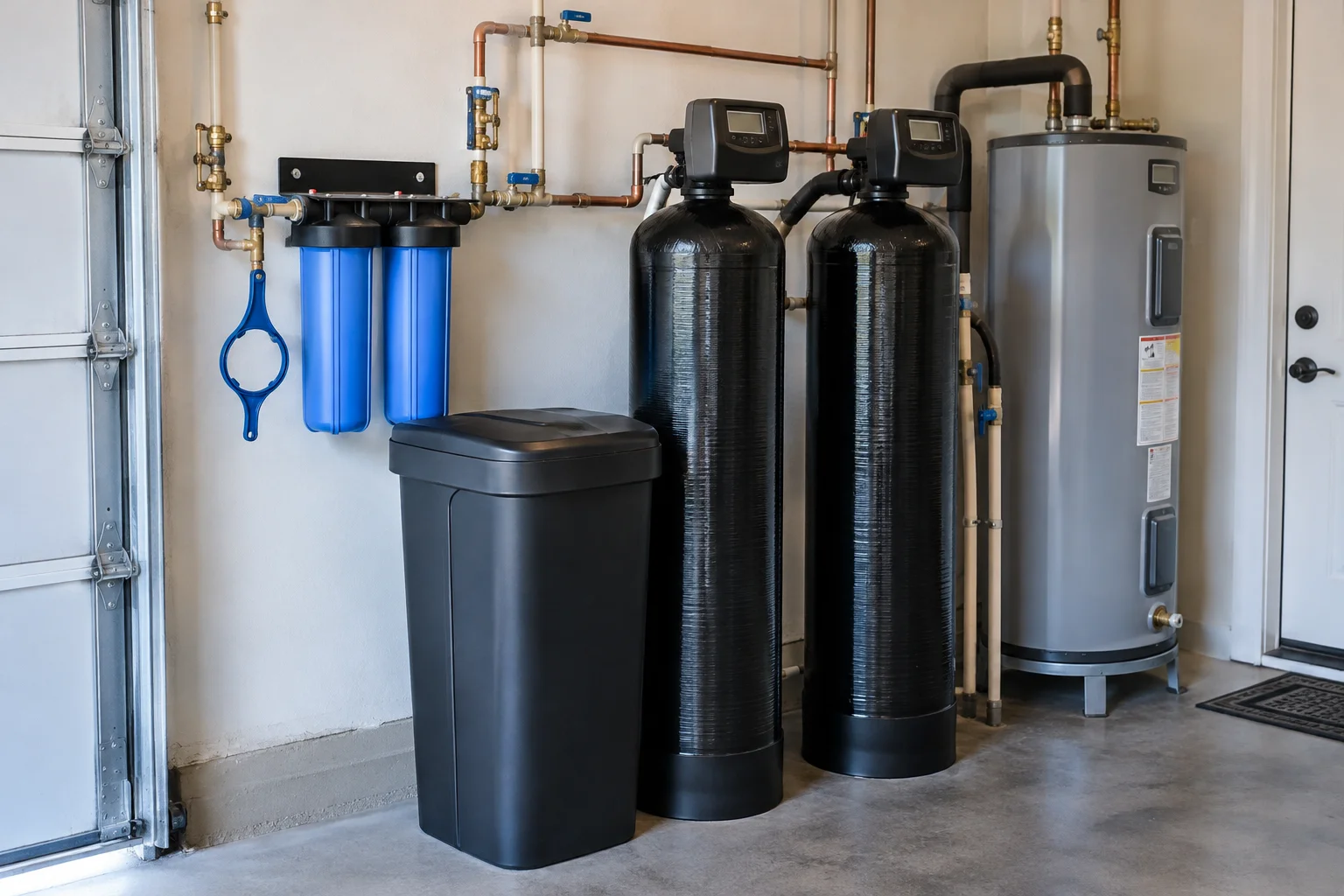
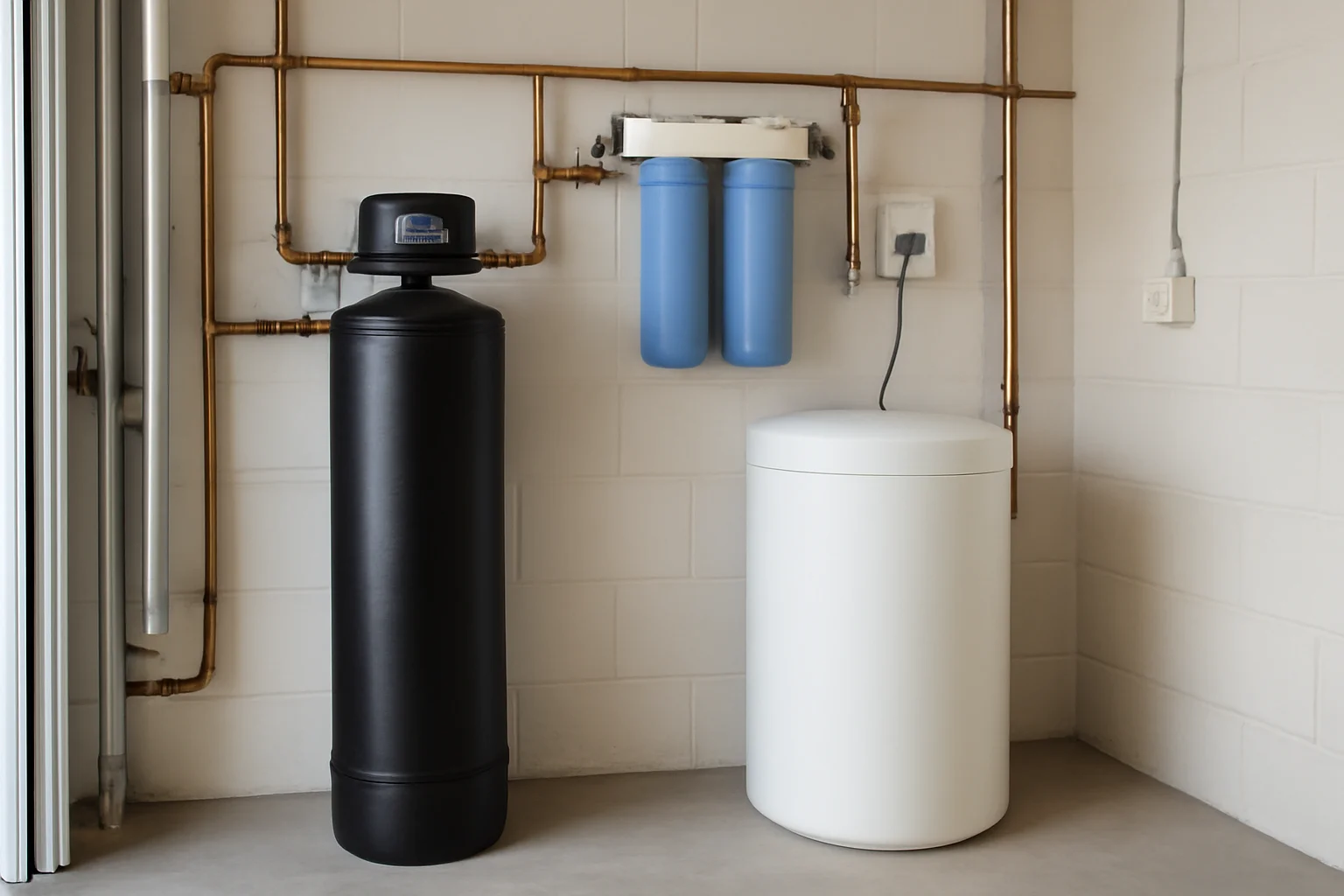
Even if a home has a newer water softener, it can still struggle when the system design does not match the household demand, when the unit is not maintained, or when other water quality issues are present. Water softening is not just one device. It is a system that includes resin, brine tank operation, plumbing connections, and often additional filtration components.
Symptom 1: Hard water spots on glass, dishes, and fixtures
One of the most noticeable clues is scale buildup around faucets, showerheads, and plumbing. If you clean the glass in the morning and it looks spotty again by evening, the water is likely carrying enough hardness to deposit minerals as it dries.
In a properly functioning softener, the hardness minerals are exchanged for sodium or potassium at the resin bed. When that process fails or slows down, scale returns. Common causes include:
- The resin bed is exhausted and needs service or replacement.
- Salt issues in the brine tank, such as bridging, empty salt, or wrong salt type.
- Incorrect regeneration settings, especially in homes with changing water use patterns.
- Bypass valves left open or mispositioned, which can allow hard water to enter the home.
Older homes are more likely to have hidden plumbing complications, but newer homes can also experience this if a system was sized for a different household size or if pressure and flow assumptions were off during installation.
Symptom 2: Soap does not lather or rinse well
Another everyday clue appears during bathing and laundry. If you notice that soap does not lather, shampoo feels like it leaves a residue, or laundry does not rinse clean, hardness may still be present. This is often described as water that feels “filmy” or “slick” instead of clean.
Hard water can react with soap and detergents, reducing cleaning performance. Even if your softener is running, you can still have incomplete softening if:
- the resin bed is coated with iron or other contaminants
- the system is not regenerating often enough for your actual usage
- sediment in household water is interfering with flow and performance
If you have ever stood at the bathroom sink after washing your hands and felt the water “drag,” that is a strong signal to investigate your water softener service and water quality setup.
Symptom 3: Dry skin or dull hair after bathing
Hard water can affect how your skin and hair feel. Many homeowners describe dry skin, tightness after showers, or dull hair that does not respond as well to conditioning. While other factors can contribute, water hardness is a frequent cause when symptoms match what you see elsewhere, like scale buildup around faucets and showerheads.
In Mary Esther’s coastal climate, water can also be more noticeable in bathrooms where humidity and ventilation patterns change how quickly water dries and where residue collects. If softening is not keeping up, the mineral film can linger on skin and hair.
For households that want to go beyond basic softening, clean water systems near me searches often lead homeowners to whole home water filtration. That can help reduce additional particles that make water feel harsher, especially when combined with a properly tuned softener.
Symptom 4: Metallic, chlorinated, or unpleasant taste
Taste and odor concerns can point to more than hardness. If you notice a metallic edge, a strong chlorinated taste, or an unpleasant smell, you may be dealing with a combination of factors. Water softening alone targets hardness minerals. It does not remove everything that affects drinking water quality.
Possible causes include:
- Carbon filtration needs or a filter stage is depleted
- Internal corrosion or sediment moving through plumbing
- Air or particulates that change taste and clarity
- Iron or manganese that can stain fixtures and contribute to odor
If drinking water quality is your priority, many homeowners choose reverse osmosis installation for direct drinking and cooking water, paired with whole home water filtration for broader protection. That combination can help address both the “how it tastes” side and the “what builds up on fixtures” side.
Symptom 5: Cloudy ice cubes and discolored drinking water
Cloudy ice cubes are a classic clue that something is in the water, such as dissolved solids, fine sediment, or air bubbles. Sometimes the water looks clear at the tap but forms cloudy ice because impurities concentrate as water freezes.
Cloudiness can also show up in cooking water and coffee. If your coffee tastes off or your cooking water leaves mineral residue, you may be seeing the effects of sediment in household water, hardness, or both.
When you are planning water treatment near me options, it is worth asking whether your system includes the right stages for what you are seeing. A water softener can reduce scale, but you may still need filtration for sediment and taste issues.
Symptom 6: Appliances wearing out faster
Dishwashers, water heaters, and washing machines can suffer when scale buildup on internal surfaces reduces efficiency and increases wear. Over time, scale can reduce heat transfer, force components to work harder, and shorten the lifespan of heating elements and valves.
If you are noticing that:
- your water heater recovery seems slower
- appliances need repairs more often
- you see more mineral residue after cleaning
…it is time to connect the dots between water softening performance and appliance protection.
This is where hard water treatment becomes part of protecting fixtures and appliances, not just improving comfort. For homeowners in Mary Esther, that can also reduce the risk of expensive maintenance later.
Symptom 7: Visible sediment, discoloration, and odor concerns
Visible sediment or discoloration is a different category of problem than scale. Scale is mineral deposits. Sediment is particles and deposits moving with the water. When discoloration appears, it can be caused by:
- sediment in household water that bypasses filtration stages
- iron-related staining that also affects odor
- loose debris in plumbing after work or seasonal changes
- filter media that is overdue for replacement
Even if you have a softener, sediment can still get through if your filtration setup is incomplete. That is why many clean water systems near me conversations include whole home water filtration, not only softening.
What causes these symptoms in older Mary Esther homes
Older homes often have more variables that can interfere with water softening. Common issues include:
1) Aging plumbing and mineral release
Older pipes may have scale and deposits already built up. Even if you soften water, some mineral release can occur during changes in flow or pressure. That can show up as discoloration or sediment in household water.
2) Softener sized for a different household
A system installed years ago may have been sized for fewer residents, fewer showers, or a different laundry schedule. Today, families might run more loads, add a dishwasher, or use more hot water. If the unit regenerates too infrequently, hardness can slip through.
3) Maintenance gaps
Water softener service is not a one-time install. Salt levels, brine tank function, and resin performance all change over time. When regeneration cycles drift out of alignment with usage, the symptoms tend to appear gradually until they are obvious.
What causes these symptoms in newer Mary Esther homes
Newer homes are not immune. Even with modern fixtures and updated installations, softening problems can happen when the system is not tuned to the household.
1) Installation details that affect performance
Small differences in plumbing layout, bypass valve settings, or flow rates can reduce softener effectiveness. If water runs through the bypass accidentally, you can get scale buildup on faucets and hard water spots on glass even though the system appears to be “on.”
2) Lifestyle and water use changes
Many families adjust routines over time. A new baby, a home office, or more frequent laundry can increase demand. When regeneration settings do not match real usage, you can see soap does not lather, dry skin, and dull hair even in a newer home.
3) Multiple water quality issues at once
Mary Esther households may benefit from more than one treatment stage. If taste issues, odor, or cloudy ice cubes are present, your softener may not be the only piece that needs attention.
How AO Smith water filtration and system design can help
Many homeowners choose AO Smith water filtration products because they are built for consistent performance when paired correctly with the rest of the clean water system. For Mary Esther homes, the key is matching the right equipment to the symptoms you are seeing.
For example:
- If your main issue is scale buildup around faucets, showerheads, and plumbing, water softening is often the core solution.
- If you also have sediment, discoloration, or taste concerns, whole home water filtration can reduce particles and improve water quality throughout the home.
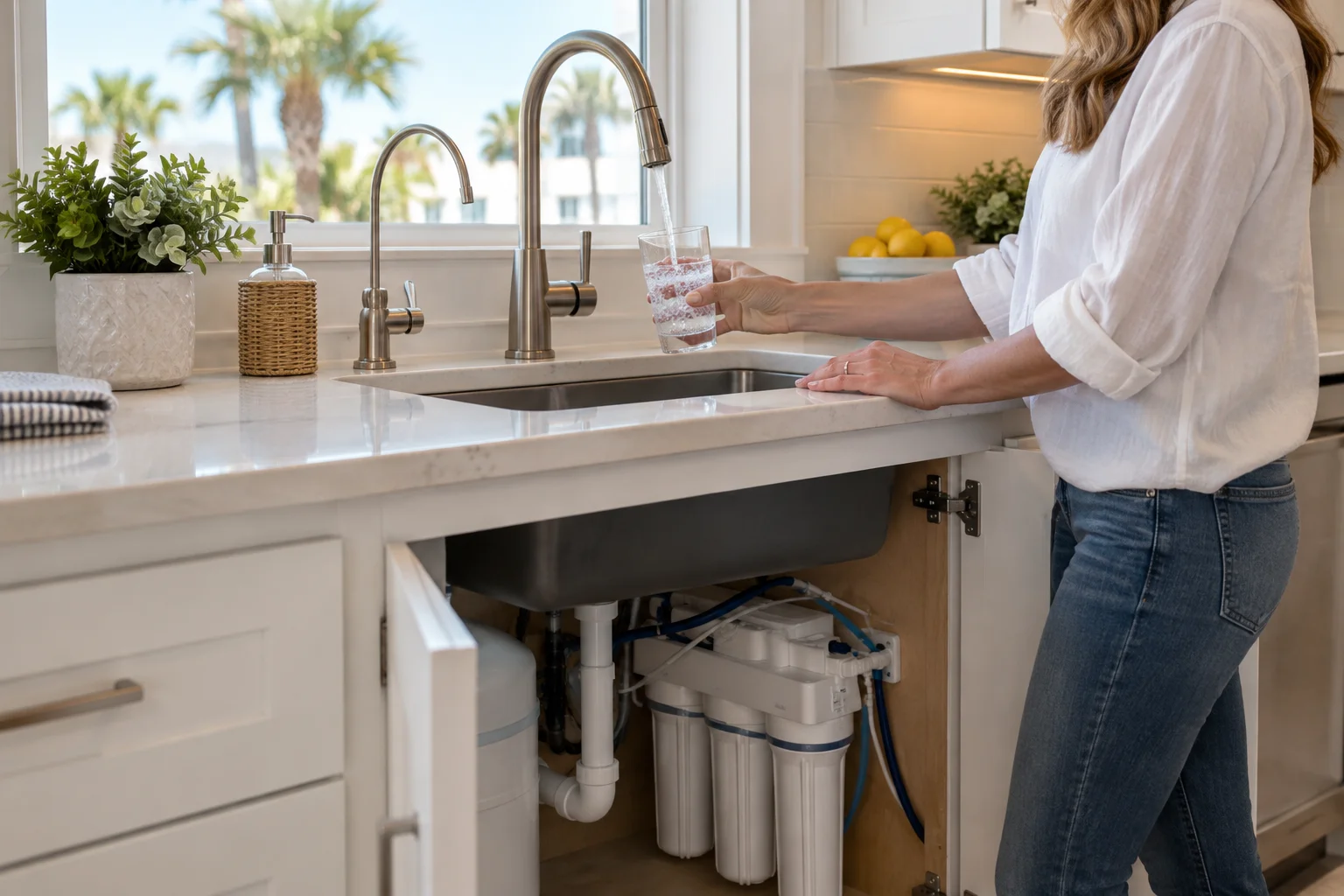
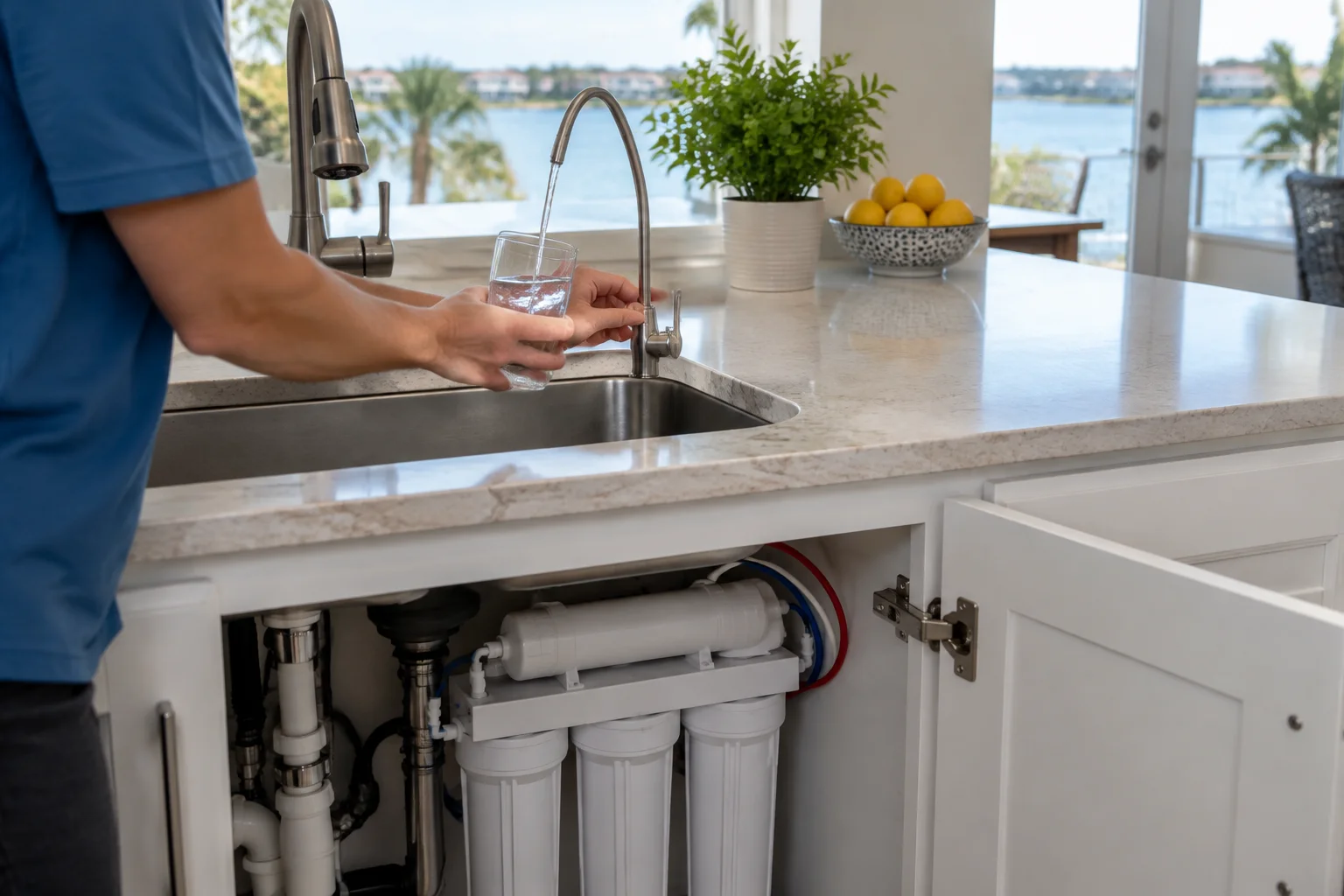
- If drinking and cooking water quality is your priority, reverse osmosis installation near the kitchen can further refine what you drink and cook with.
This is also why it helps to work with a local team familiar with Mary Esther conditions and household patterns. If you are searching for water softener service near me or water filtration near me, ask how they evaluate both hardness and other water quality factors, not just one.
Softening versus filtration versus reverse osmosis: what each one is really doing
Homeowners often hear these terms together. They can work in combination, but they target different concerns.
Water softening
Water softening reduces hardness minerals that cause scale buildup on glass, dishes, and fixtures. It can improve soap performance, bathing feel, and appliance longevity.
Whole home water filtration
Whole home water filtration helps reduce sediment and other particles that can affect clarity, taste, and odor. It also helps protect fixtures and appliances from clogging caused by fine debris.
Reverse osmosis systems
Reverse osmosis systems are often installed for drinking water and cooking water. Many families want reverse osmosis system near me because it can provide cleaner, better tasting water for kitchen use, especially when cloudy ice cubes or unpleasant taste are part of the problem.
When hard water treatment becomes part of protecting fixtures and appliances, these pieces work together. A Superior Mechanical can help you choose the right blend for your home, including options like the water filtration and RO water softeners approach, and the dedicated water softening service area page for Mary Esther.
How Mary Esther’s climate and local water conditions make symptoms more obvious
Mary Esther sits in a humid coastal environment. That means water spots can be easier to notice in bathrooms and kitchens because water evaporates differently and residue can dry fast on glass and tile. When hardness is present, you may see scale buildup around faucets and showerheads more quickly, especially after daily routines.
Coastal weather can also change household demand. More time at home, more frequent showers, and more laundry can shift water usage patterns. If your softener is not keeping up, the symptoms can show up in everyday life: the way dishes look after the dishwasher, the way coffee tastes in the morning, and the way laundry feels after the dryer.
If you manage rental properties or a busy household, it is even more important to keep your system aligned. For related context on property impacts, see Protecting Mary Esther Homes From Costly Property Management Plumbing Problems.
Everyday Mary Esther household scenes that reveal water softening issues
Sometimes the clearest evidence is what you notice in the flow of a normal day.
Kitchen: dishwater, coffee, and the “why does this taste different” moment
Picture a family rinsing glasses after dinner. If hard water spots on glass appear quickly, it is a sign that hardness is still present. Then the next morning, coffee tastes a little off or cooking water seems to leave residue in pots. Those symptoms together often point to both hardness and filtration needs.
Bathroom: the showerhead and the “why does my skin feel tight” routine
After a shower, dry skin or dull hair can make you reach for extra lotion or stronger shampoo. If the showerhead has scale buildup around faucets and the tiles look streaky, your softener performance may be drifting.
Laundry room: soap does not lather and clothes feel less fresh
When soap does not lather or rinse well, detergent may be used up faster, and fabrics can feel rough. Over time, that can also lead to extra buildup in washer components.
Utility area: the water heater and appliance maintenance schedule
If appliances wear out faster and you see more mineral residue at clean-out intervals, it can be a direct sign that hardness is not being controlled.
Prevention and maintenance that keep softening working
Homeowners can reduce the chances of water softening problems with a few practical habits. These are not substitutes for service, but they help you catch issues early.
- Check salt level regularly and keep the brine tank from running low.
- Use the right salt type recommended for your system.
- Watch for changes in spot patterns on glass and fixtures. A sudden change is often a clue.
- Monitor soap performance. If soap does not lather or rinse well, investigate.
- Inspect for sediment and odor shifts that suggest filtration stages may need attention.
- Schedule water softener service before issues become visible and expensive.
If you are managing a property or want to protect plumbing systems from the ripple effects of hard water, these reads can help: Hard Water, Busy Pipes, and Mary Esther Homes and How Water Softening Protects Rosemary Beach Plumbing from Costly Water Damage.
When to call a professional water treatment team
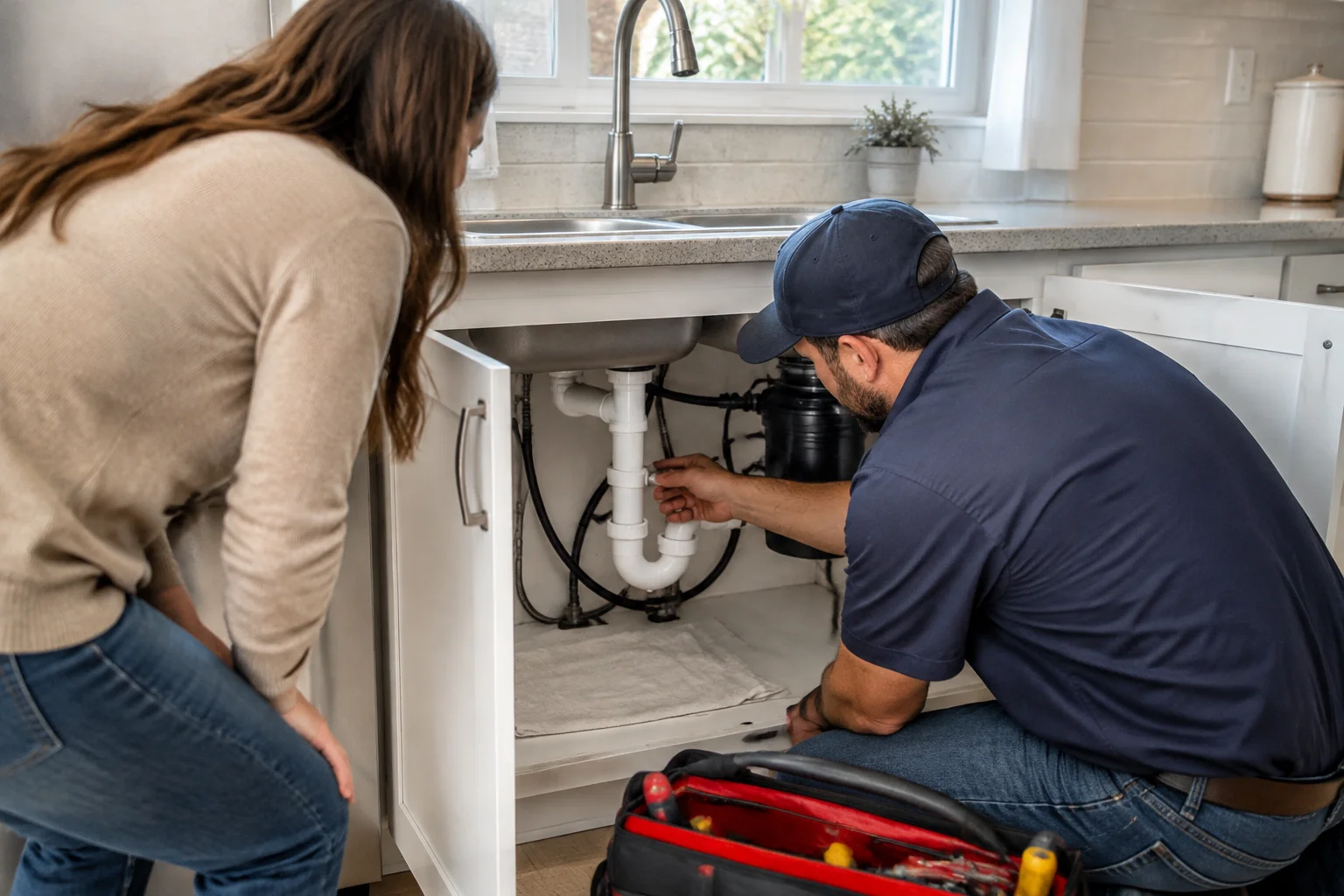
Call a professional when symptoms persist after basic checks, or when you see signs that go beyond hardness. You do not have to wait for major appliance damage.
Contact a local provider like A Superior Mechanical if you notice:
- scale buildup on faucets and showerheads continues despite regular salt refills
- hard water spots on dishes and glass keep returning quickly
- cloudy ice cubes appear or drinking water taste becomes unpleasant
- visible sediment or discoloration shows up in sinks or tubs
- soap does not lather or rinse well and bathing feels harsher
- appliances seem to wear out faster than expected
For homeowners searching for water treatment near me in the Mary Esther area, working with a team familiar with local conditions matters. You can explore options for Mary Esther service coverage and the broader Okaloosa County water treatment area, then review the specific water softening service page for detailed guidance.
How better water changes daily life in Mary Esther
Once your softening and filtration are balanced, the changes show up everywhere. Dishes and glass look clearer. Soap rinses clean. Laundry feels softer. Bathing feels better. Coffee and cooking water taste more consistent. Appliances run more efficiently and maintenance becomes less frequent.
Many families describe it as getting their mornings back, because they are not constantly re-cleaning shower glass, re-washing spotty dishes, or adjusting routines to deal with water that feels harsher than it should. Better water is not just comfort. It is protection for your fixtures, plumbing, and kitchen routines.
Find Water Softening in Mary Esther, FL
If you need Water Softening in Mary Esther, FL, visit our local service page or contact A Superior Mechanical today.
For a broader look at whole-home water filtration, reverse osmosis, and water softener options, visit our water filtration, RO, and water softener page.
Map of Mary Esther, FL
Frequently Asked Questions
Can a water softener fail even if it is producing softened water sometimes?
Yes. You might notice spotty glass or scale buildup around faucets on certain days if the softener is regenerating too infrequently, if the brine tank is not functioning properly, or if the resin bed is partially exhausted. Taste and odor issues can also indicate you need additional filtration beyond softening.
Do I need reverse osmosis if I already have water softening?
Often, yes for drinking and cooking water. Water softening targets hardness, but reverse osmosis systems focus on improving drinking water quality, which can help with cloudy ice cubes, unpleasant taste, and kitchen water consistency. Many Mary Esther homeowners use both, with reverse osmosis at the kitchen.
What is the most common cause of hard water spots on dishes and glass?
Hardness is getting through due to an exhausted resin bed, incorrect regeneration settings, low or bridged salt in the brine tank, or a bypass valve issue. If you also see sediment or odor changes, filtration may be part of the problem too.
How can whole home water filtration help if my main issue is scale buildup?
Whole home water filtration can reduce sediment and fine particles that contribute to discoloration, clogging, and overall water quality. While it does not replace water softening for hardness, it can improve the full clean water system so your plumbing and fixtures stay cleaner and last longer.
Related Articles
- How Better Plumbing Maintenance Protects Mary Esther Property Management Systems
- Hard Water, Busy Pipes, and Mary Esther Homes: A Practical Look at Commercial Plumbing Repairs That Prevent Bigger Problems
- Protecting Mary Esther Homes From Costly Property Management Plumbing Problems
- How Water Softening Protects Rosemary Beach Plumbing from Costly Water Damage
Photo Gallery