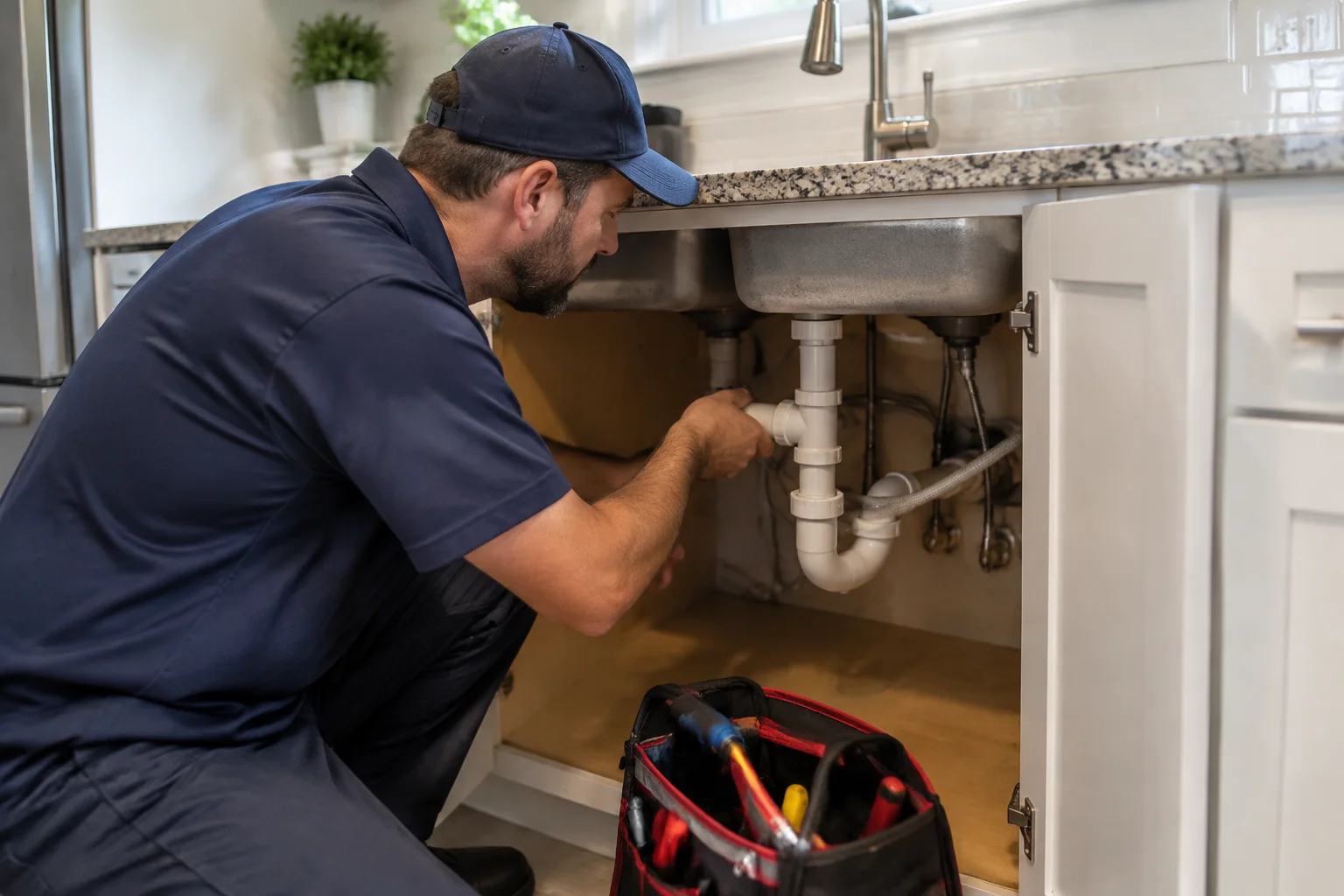
Seaside, FL is beautiful, but coastal conditions and local water chemistry can be tough on household plumbing and daily routines. When water quality slips, homeowners usually notice it in everyday places first: glassware that looks cloudy, showerheads with crusty buildup, laundry that feels less fresh, and appliances that seem to age faster. Those small symptoms are often clues that hard water is doing more than bothering your senses. It can quietly reduce performance, increase maintenance, and make it harder to get truly clean water for drinking, cooking, and bathing.
A Superior Mechanical provides professional water softening services in Seaside, FL that help families enjoy softer water and cleaner results across the home. If you are searching for water filtration near me or water softener service near me, this guide will help you connect the dots between what you see and what your water system may need.
Why Seaside homes often notice hard water first
Hard water forms when water picks up minerals, most commonly calcium and magnesium, as it travels through local geology. In Seaside, the combination of regional water sources and household plumbing realities can make those minerals show up quickly in bathrooms and kitchens. Even if your water does not look unsafe, it can still be “working against” your home’s surfaces and appliances.
When hard water hits hot water lines, it tends to deposit minerals as scale. Over time, that scale buildup around faucets, showerheads, and plumbing can reduce flow, increase energy use, and shorten the lifespan of water-using equipment. Scale also interferes with soaps and detergents, which is why you might notice that soap does not lather or rinse well.
Many homeowners start by treating the symptoms, like scrubbing. A better approach is to treat the cause with water softening and, when needed, whole home water filtration or reverse osmosis for drinking water.
Water quality symptoms that often point to hard water
Here are common small water quality clues Seaside homeowners notice, and what they usually mean for your system.
1) Hard water spots on glass, dishes, and fixtures
If you wipe down a mirror or glass and still see faint spots, streaks, or a chalky film, that is a classic sign of mineral content. Hard water spots on glass and dishes can be more than cosmetic. The same mineral residue can coat fixtures, build up inside plumbing, and make it harder for cleaning products to work.
In kitchens and bathrooms, scale buildup around faucets and showerheads is often the first visible indicator that hard water treatment is needed. You may also see mineral deposits around plumbing joints or behind shower trim.
2) Dry skin or dull hair after bathing
Many people describe dry skin from hard water or hair that feels coated, dull, or harder to manage. Hard water makes it harder for soap to rinse away properly. Instead of leaving skin and hair feeling clean, the minerals can leave a residue that feels tight or rough.
When families in Seaside talk about “the water feels different,” this is usually what they mean. Softening helps soap and shampoo work as intended, so bathing feels more comfortable and hair looks healthier.
3) Soap does not lather or rinse well
If you notice that soap does not lather, shampoo takes more product, or laundry detergent seems to “sit” on fabrics, hard water is often the reason. Minerals reduce the effectiveness of soaps and detergents, which is why you may end up using more product without getting better results.
That is also why bathroom and kitchen cleaning can feel never-ending. Soft water makes cleaning easier, not just shinier.
4) Metallic or unpleasant taste, odor, or discoloration concerns
Sometimes mineral issues show up as taste or smell concerns. You might notice a metallic, chlorinated, or unpleasant taste, or you may see sediment, discoloration, and odor concerns that come and go. While taste and odor can have multiple causes, homeowners searching for clean water systems near me often want to confirm whether minerals, sediment, or additional contaminants are impacting drinking water.
This is where a combination approach can help. Water softening targets hardness minerals, while whole home water filtration or reverse osmosis systems can help with other particles and taste-related issues.
5) Cloudy ice cubes and “off” cooking water
Cloudy ice cubes are a common clue that your water is carrying dissolved minerals, fine sediment, or other materials that affect clarity. If your ice looks cloudy, your drinking water and cooking water may not be as clean or consistent as you want.
Homeowners also notice poor tasting coffee and cooking water. If coffee tastes flat or tea looks dull, it can be because water quality is affecting flavor extraction. Soft water can improve results for many households, and reverse osmosis can help when you want a cleaner starting point for drinking and cooking.
6) Appliances wearing out faster or performing worse
Hard water scale buildup inside appliances can reduce efficiency and shorten lifespan. Home coffee makers, water heaters, dishwashers, and other water-using equipment may accumulate scale that affects heating performance, flow, and reliability.
When hard water treatment becomes part of protecting fixtures and appliances, you often see fewer maintenance issues and more consistent performance over time.
Hard water versus other water problems: know what treatment can and cannot do
Water softening is designed for hardness minerals. Whole home water filtration and reverse osmosis systems address additional concerns such as sediment, taste and odor, and other water quality variables depending on your water test results.
That is why it helps to start with symptoms and confirm with testing. A professional water treatment plan for a Seaside home may include:
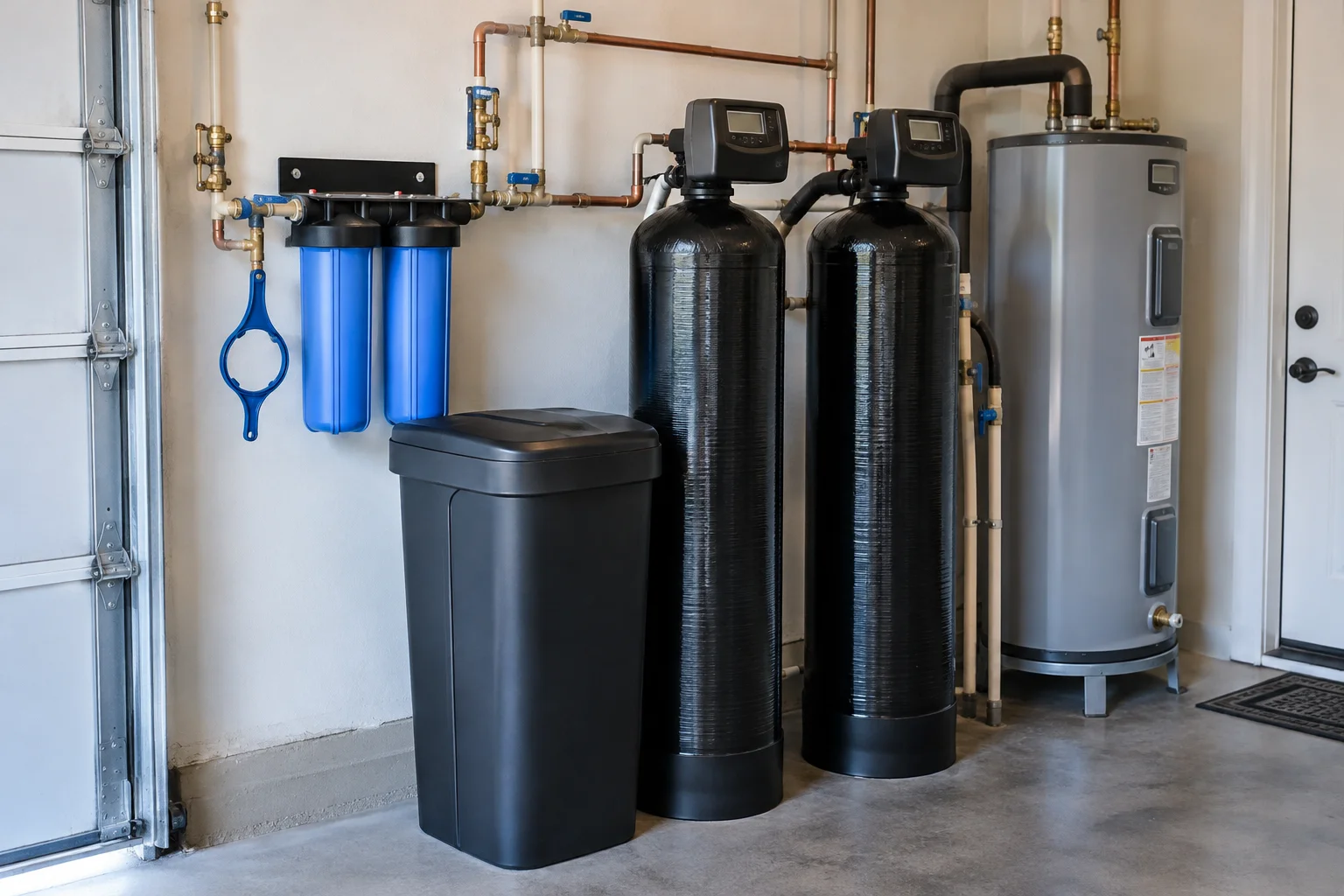
- Water softening to reduce scale buildup, improve soap performance, and protect plumbing and appliances.
- Whole home water filtration to help with sediment and other particulate issues that can affect taste, odor, and clarity.
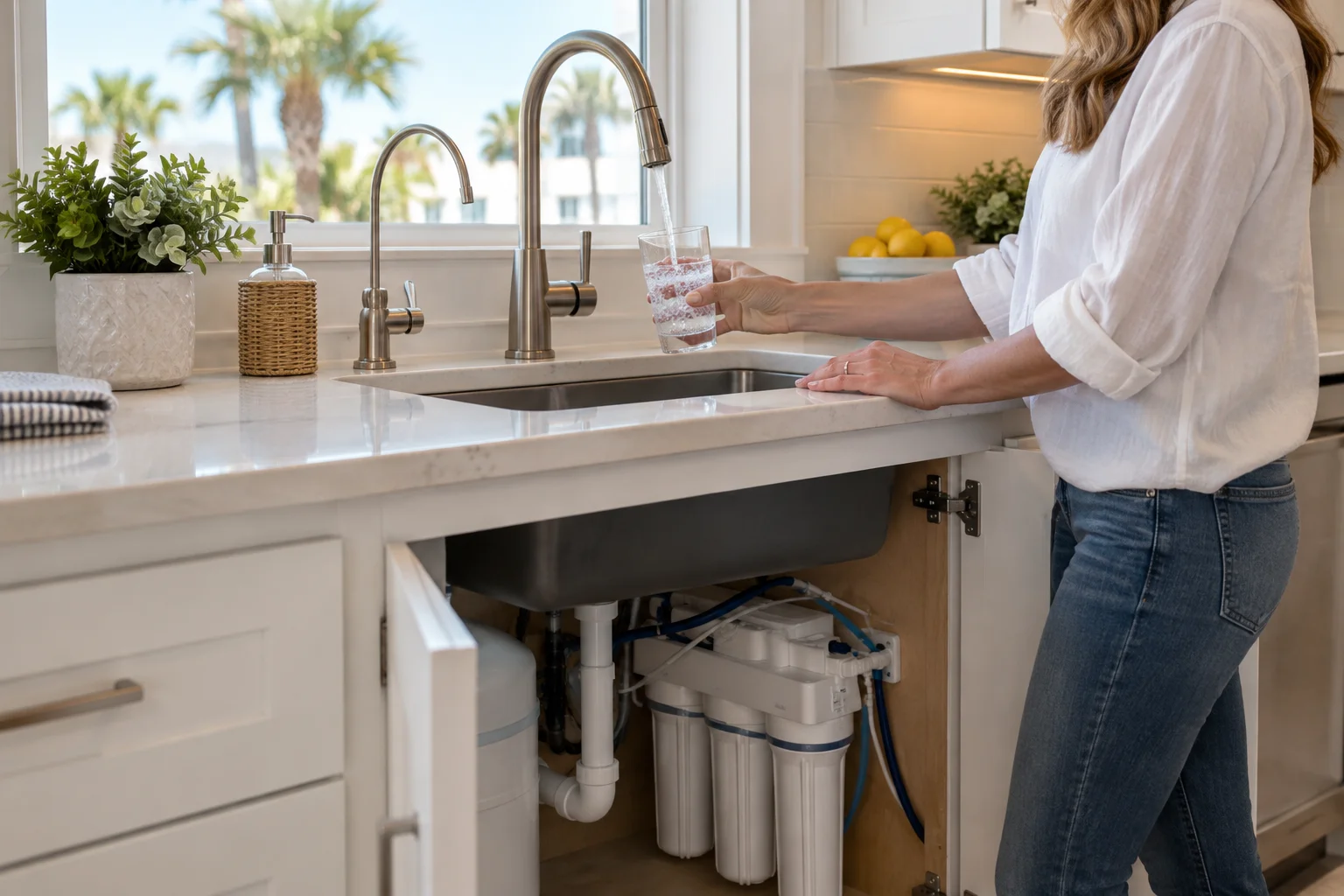
- Reverse osmosis for drinking water and cooking water when you want a highly purified option.
For homeowners considering an AO Smith water filtration setup, A Superior Mechanical can help match the right equipment to your needs, whether you are aiming for whole home improvement or focused drinking water upgrades.
How water softening services work in real Seaside homes
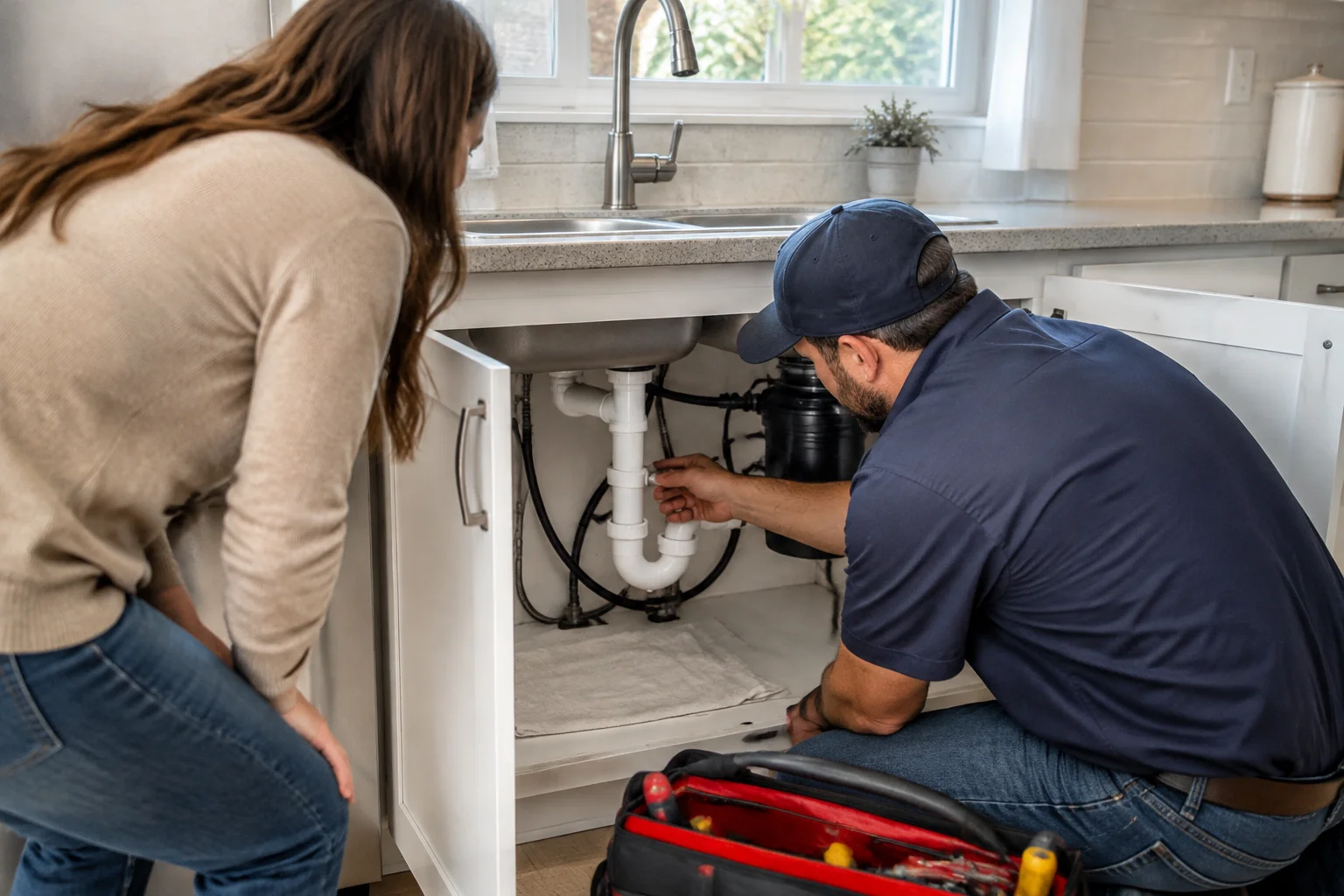
Think about a typical day in a Seaside household. You run the shower, do laundry, wash dishes, and cook meals. Water touches everything. When the water is too hard, it makes those routines feel harder.
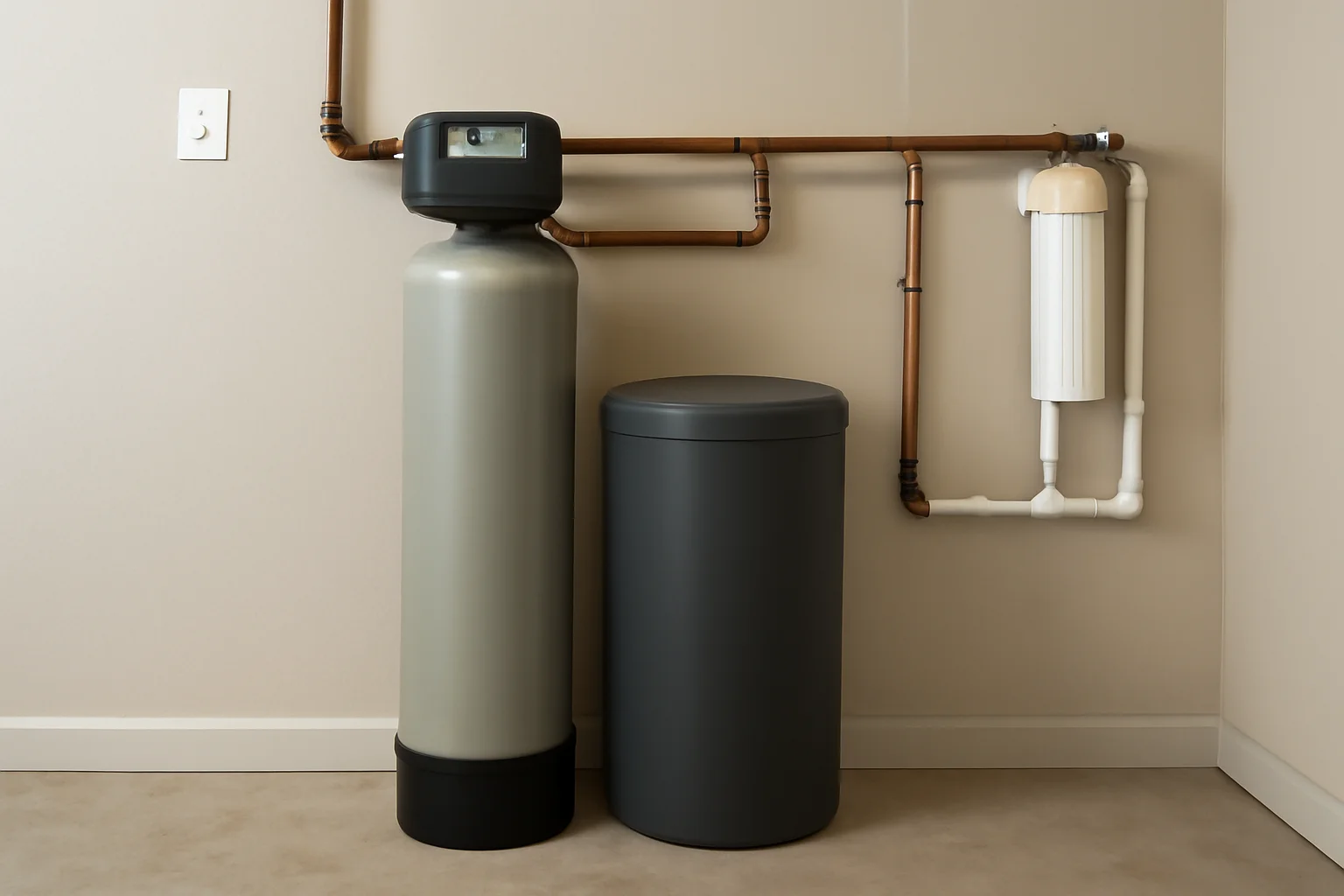
With water softening, the goal is softer water throughout the home’s plumbing system. That means fewer mineral deposits on fixtures, better rinse performance for laundry, and a more comfortable bathing experience. It also supports appliance longevity by reducing scale buildup inside water heaters and other equipment.
Professional water softener installation near me should include correct sizing, proper placement, and system settings that match your household and water conditions. A unit that is undersized may not keep up during heavy use, while an oversized unit can increase operating costs. The right design is what makes soft water feel consistent, not “sometimes better.”
If you want to explore options, you can review the water softening service page for details on local scheduling and how the process is handled for Seaside homeowners: water softening services in Seaside.
Whole home water filtration and reverse osmosis for drinking and cooking
Many families in Walton County want better water in two categories: everyday use water and drinking water. Softening improves daily performance, but some homeowners also want clean water for drinking, cooking, and making coffee.
Whole home water filtration for consistency
Whole home water filtration near me searches often come from homeowners who see sediment, notice odor changes, or want a more consistent feel throughout the house. Whole home systems can help reduce particles that affect clarity and taste. That can also reduce the “gritty” feeling some people notice in sinks and fixtures.
Whole home filtration can be a strong complement to water softening. When you soften first and filter appropriately, you address hardness minerals and other water quality issues together.
Reverse osmosis system for drinking water
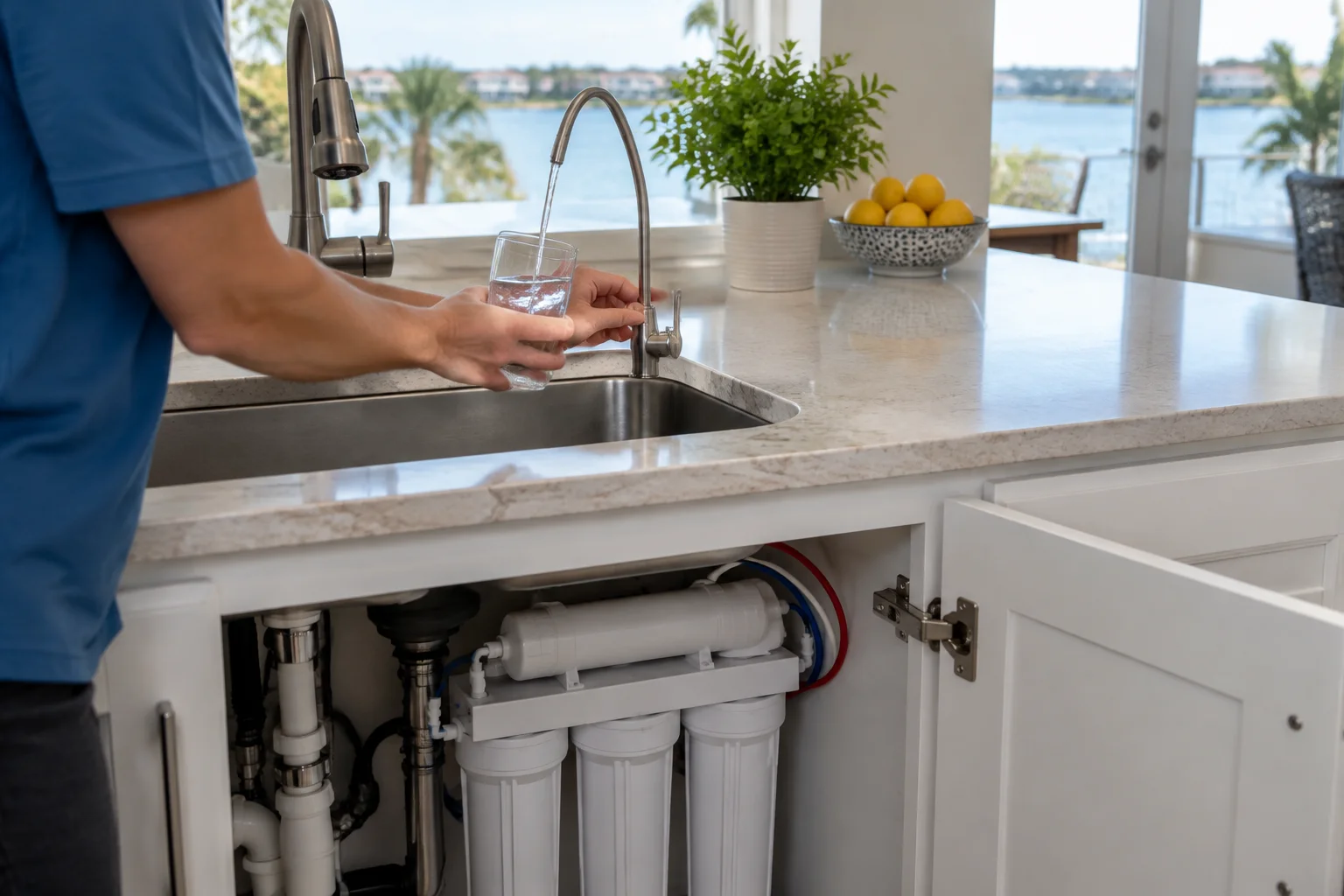
A reverse osmosis system near me is frequently chosen for kitchen drinking and cooking. RO systems can help provide cleaner, better-tasting water for drinking, ice, and cooking, especially when homeowners report metallic, chlorinated, or unpleasant taste, cloudy ice cubes, or poor tasting coffee and cooking water.
If you are building a “clean water systems” plan, it is common to pair softening with RO for the kitchen. That gives you softer water throughout your home while also focusing on the quality you taste every day.
To explore filtration options beyond softeners, visit the water filtration and RO water softeners landing page.
Local maintenance matters: preventing scale buildup and protecting your investment
Even the best equipment needs routine care. Hard water treatment works best when systems are properly maintained and adjusted as your household water use changes.
Practical maintenance steps homeowners can keep in mind include:
- Watch for performance changes: If soap suddenly stops rinsing well or you start seeing new scale on fixtures, it may indicate the softener needs service.
- Stay alert to taste and clarity changes: Cloudy ice cubes or new odor concerns can point to filtration or RO performance issues.
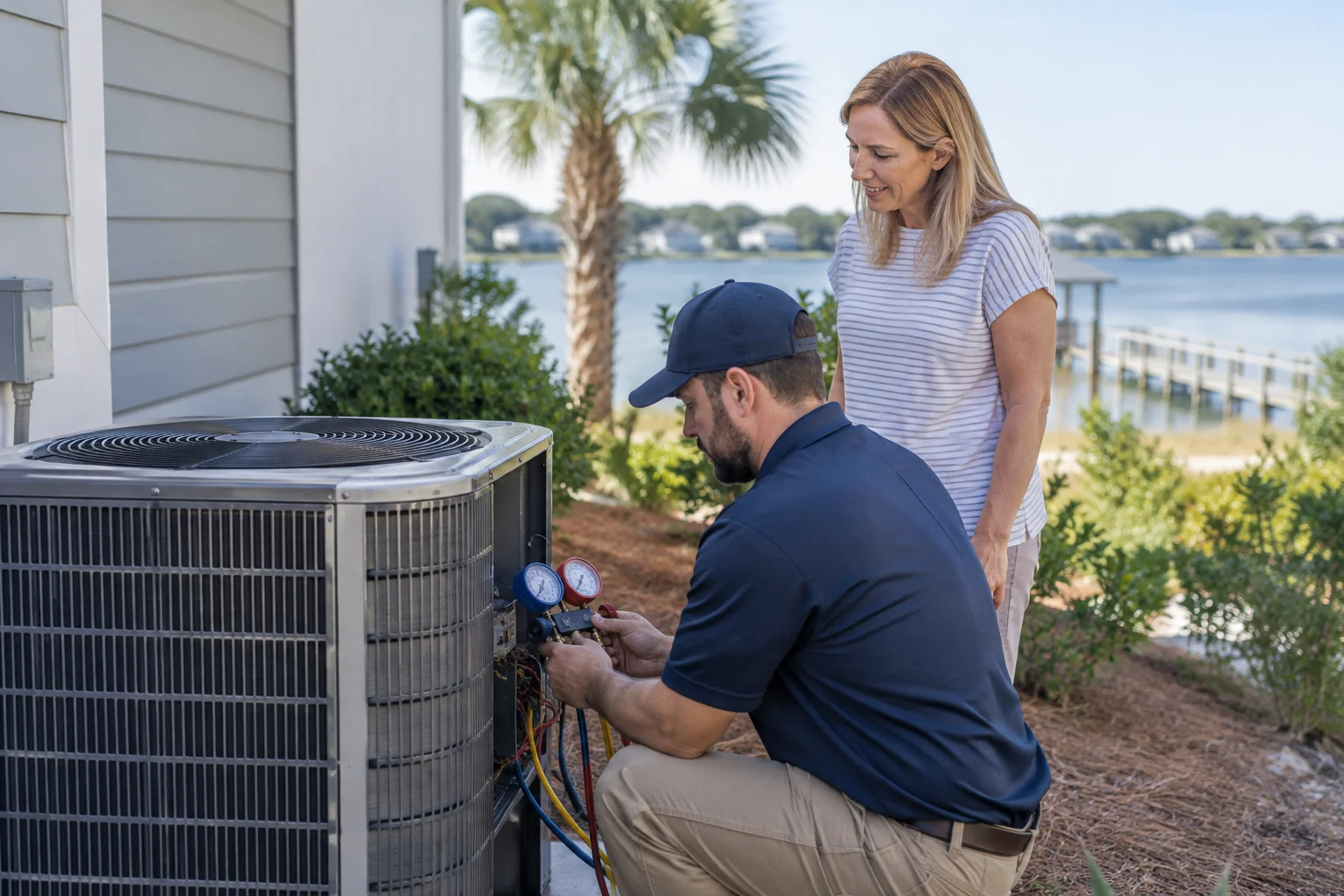
- Schedule professional checks: A water treatment professional can verify settings, inspect components, and confirm whether adjustments are needed for Seaside conditions.
Coastal humidity and seasonal changes can also influence household routines. If you run more showers in summer or use more hot water for laundry, your system may demand more capacity. That is one reason local water treatment service matters. A plan designed for your household and your home’s plumbing layout helps keep results steady.
If you are also managing broader home plumbing care, you may find this helpful: Keeping Seaside Homes Running Smoothly with Better Waterline Care.
When to call a professional water treatment company in Seaside
Some homeowners can clean scale for a while, but treatment should not be guesswork. Contact a professional when symptoms suggest ongoing hard water or when you want to protect drinking water quality for the whole family.
Call A Superior Mechanical if you notice multiple issues at once, such as:
- Scale buildup around faucets, showerheads, or plumbing fixtures that keeps returning
- Dry skin from hard water or hair that feels coated after bathing
- Soap does not lather or rinse well across showers, sinks, and laundry
- Cloudy ice cubes, metallic or unpleasant taste, or visible sediment and discoloration
- Appliances wearing out faster or needing more frequent maintenance
If you are comparing options, it also helps to look at your larger home water strategy. For example, homeowners often start with water softening and then add whole home water filtration or reverse osmosis to improve kitchen drinking water. That layered approach can be more effective than relying on one device to do everything.
For more Seaside-specific home care context, you can also read Practical Plumbing Advice for Seaside Homeowners Living Near the Coast and Cleaner Water, Clearer Living in Seaside: How Better Treatment Helps With Spots, Scale, Taste, and Odor.
Choosing the right water softening and filtration approach for your Walton County home
Seaside homes vary, from older neighborhoods with established plumbing to newer builds with different water line layouts. The best solution depends on what is in your water and how your household uses it.
A Superior Mechanical serves homeowners across Seaside and Walton County, so the conversation typically starts with your symptoms and your goals, such as:
- Reducing hard water spots on glass, dishes, and fixtures
- Preventing scale buildup around faucets and showerheads
- Improving bathing comfort with less dry skin and better hair feel
- Getting better-tasting drinking water for the family kitchen
- Upgrading laundry results and reducing soap waste
From there, the right mix of water softening, AO Smith water filtration, whole home water filtration, and reverse osmosis can be designed around your home. If you want to learn more about local service coverage, you can also visit the Seaside service area page and Walton County service area.
Hard water treatment is not just about comfort. It is about protecting the parts of your home that touch water every day, from showers and sinks to dishwashers and water heaters. When you address the small clues early, the whole house usually feels cleaner, runs smoother, and costs less to maintain.
If you are searching for water treatment near me and want a plan that improves both everyday water and the taste you notice at the kitchen sink, start with the local water softening services page: water softening services in Seaside.
Find Water Softening Services in Seaside, FL
If you need Water Softening Services in Seaside, FL, visit our local service page or contact A Superior Mechanical today.
For a broader look at whole-home water filtration, reverse osmosis, and water softener options, visit our water filtration, RO, and water softener page.
Map of Seaside, FL
Frequently Asked Questions
Do hard water symptoms always mean I need a water softener?
Not always. Scale buildup, soap that does not lather, and dry skin from hard water strongly suggest hardness minerals. However, taste, odor, cloudy ice cubes, and visible sediment can also involve filtration needs. Many Seaside homes benefit from water softening plus whole home water filtration, and some choose reverse osmosis for drinking water.
What is the difference between water softening and reverse osmosis?
Water softening targets hardness minerals like calcium and magnesium to reduce scale buildup around faucets and plumbing. Reverse osmosis is focused on producing cleaner drinking water by filtering at a much finer level. A common setup is softening for the whole home and RO for kitchen drinking and cooking.
Can whole home water filtration help with metallic or unpleasant taste?
It can, depending on what is causing the taste and odor. Whole home filtration is often used to reduce sediment and particulates that affect clarity and flavor. If taste remains after filtration, an RO system for drinking water may be a good next step.
How do I know my water softener needs service?
If you start seeing new hard water spots on glass, soap does not lather or rinse well again, or scale buildup around showerheads returns, your softener may be out of adjustment or not regenerating properly. A professional water softener service near me visit can confirm settings and performance.
Related Articles
- Practical Plumbing Advice for Seaside Homeowners Living Near the Coast
- Cleaner Water, Clearer Living in Seaside: How Better Treatment Helps With Spots, Scale, Taste, and Odor
- Keeping Seaside Homes Running Smoothly with Better Waterline Care
- Reading the Warning Clues in Seaside Homes Before a Panel Upgrade Becomes Urgent
Photo Gallery