A smart home should make everyday tasks easier, not leave you wondering why a breaker trips whenever the garage charger starts. Connected lighting, security cameras, automated switches, and energy monitors all depend on something less visible than an app: a sound electrical system.
For homeowners in Bluewater Bay, FL, planning also means accounting for thunderstorms, humid conditions, coastal exposure, and changing household power needs. A Superior Mechanical provides smart home integration in Bluewater Bay with attention to the panels, wiring, outlets, and protective equipment behind connected devices. The best starting point is understanding what your house already has and what you want it to support.
Start With the House, Not the Shopping Cart
Before buying smart switches or choosing a control platform, identify the rooms and routines you want to improve. Perhaps you want porch lights that follow sunset, ceiling fans controlled from the bedside, or a notification when a garage door stays open. Each goal has different wiring, power, and compatibility requirements.
Older Bluewater Bay homes may have fewer conveniently located outlets, crowded switch boxes, or circuits expanded during previous renovations. Newer homes may have more capacity but still lack wiring for your preferred controls. Remodels and additions offer an opportunity to address these gaps before drywall and finishes are complete.
Build an electrical scope alongside the device list
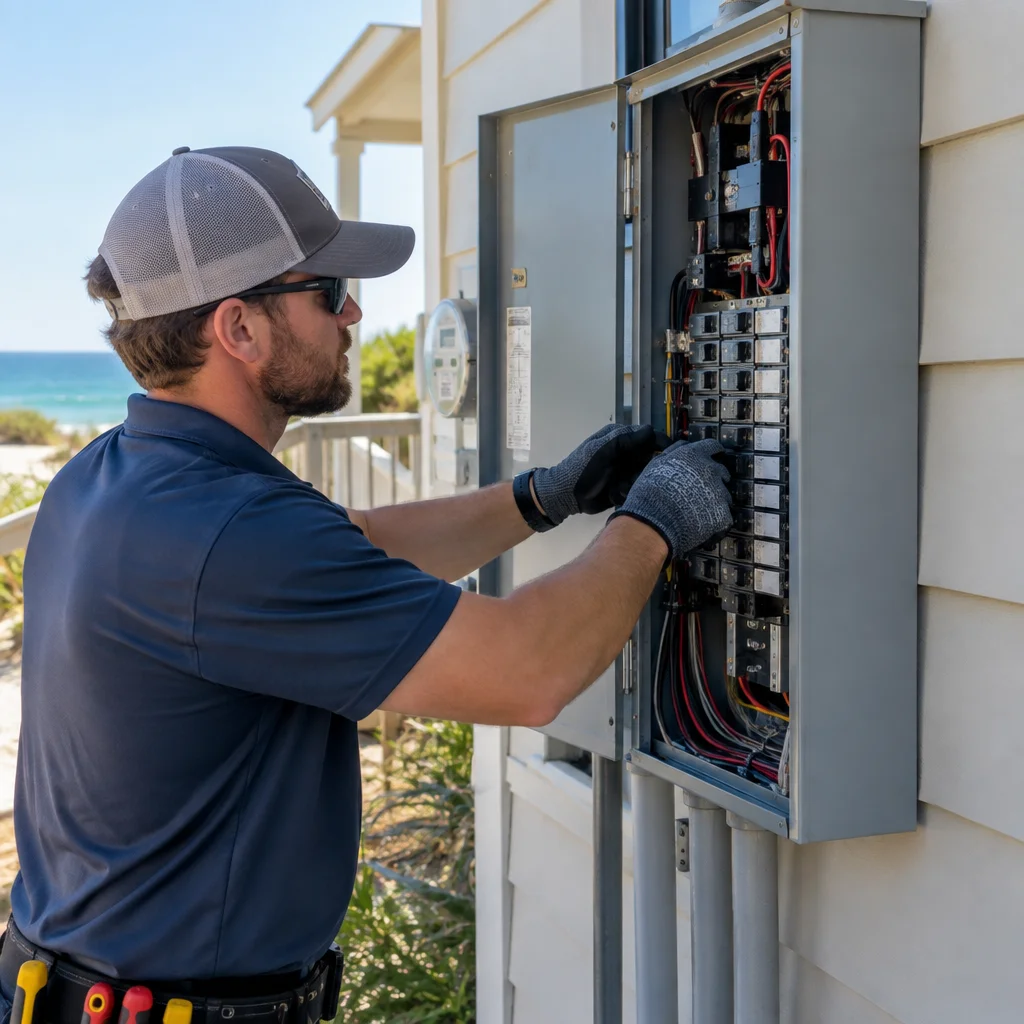
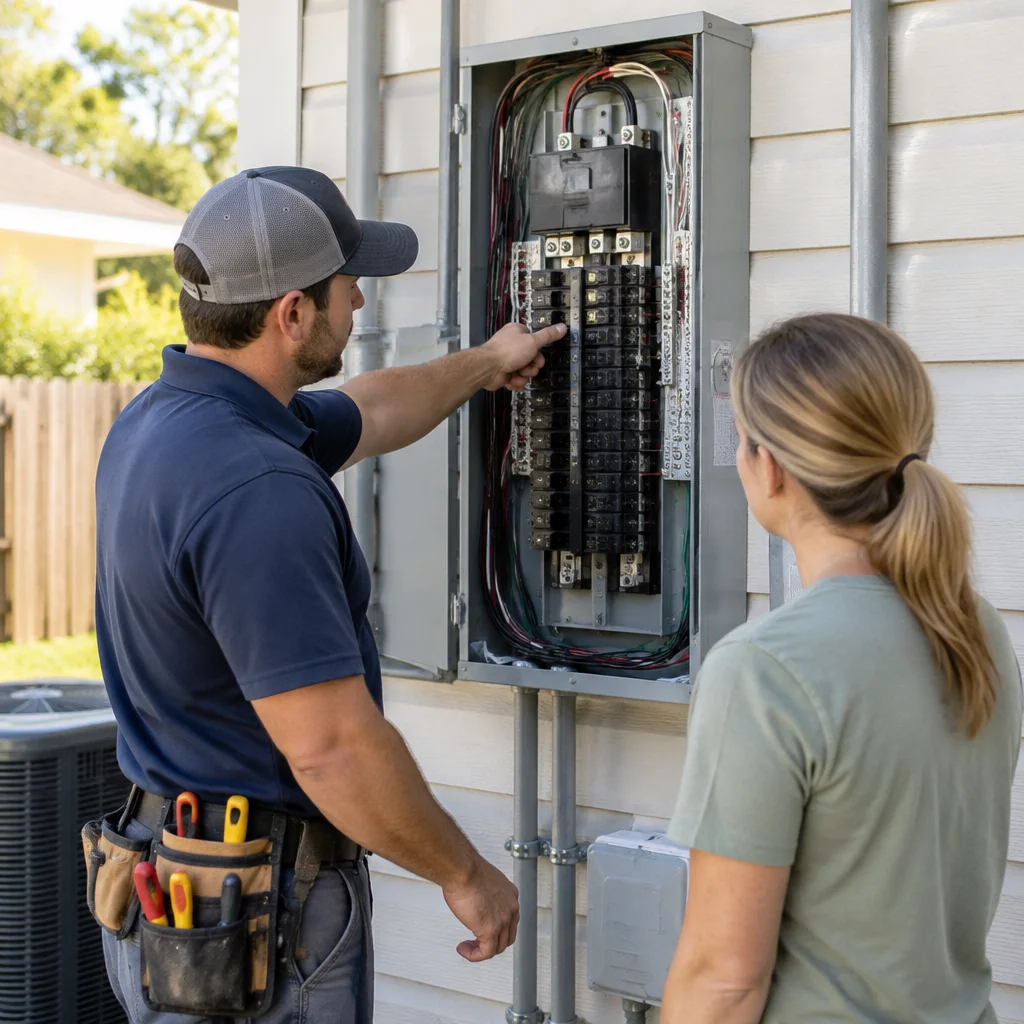
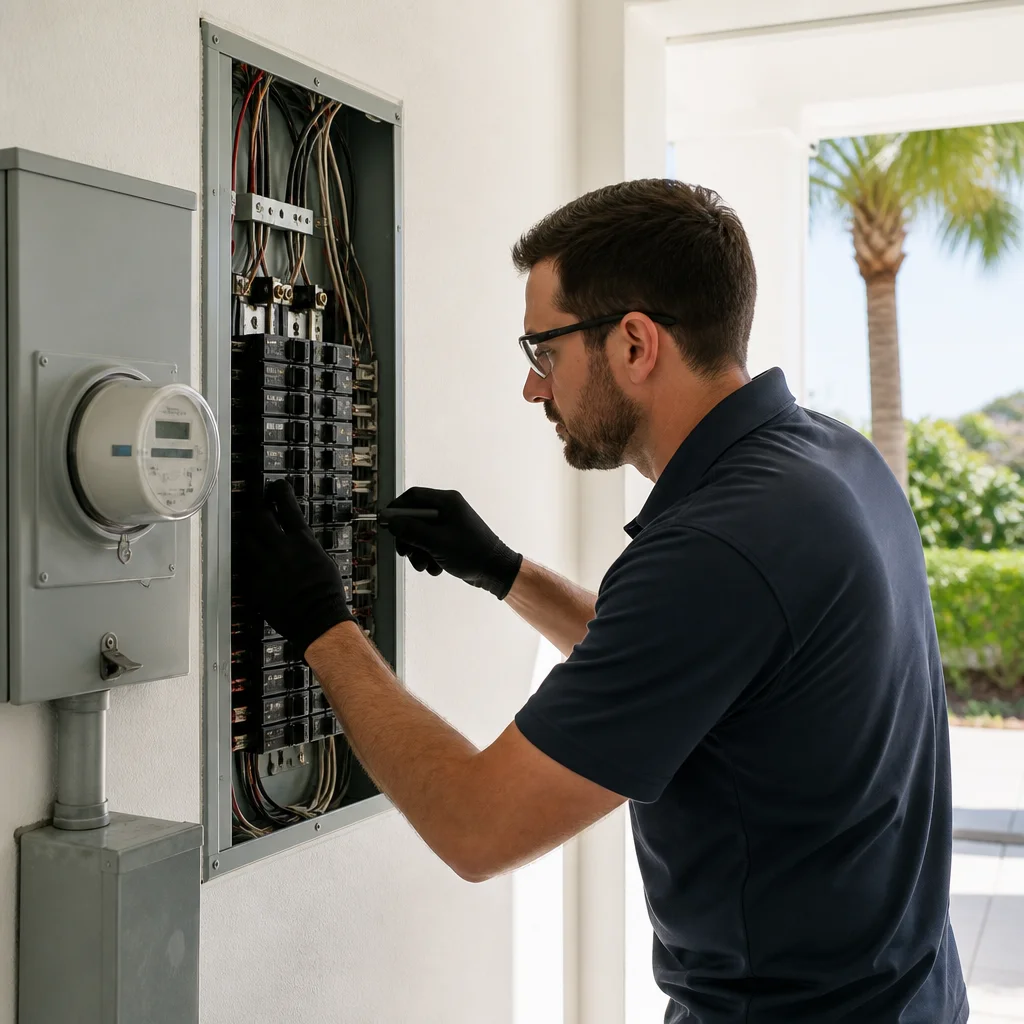
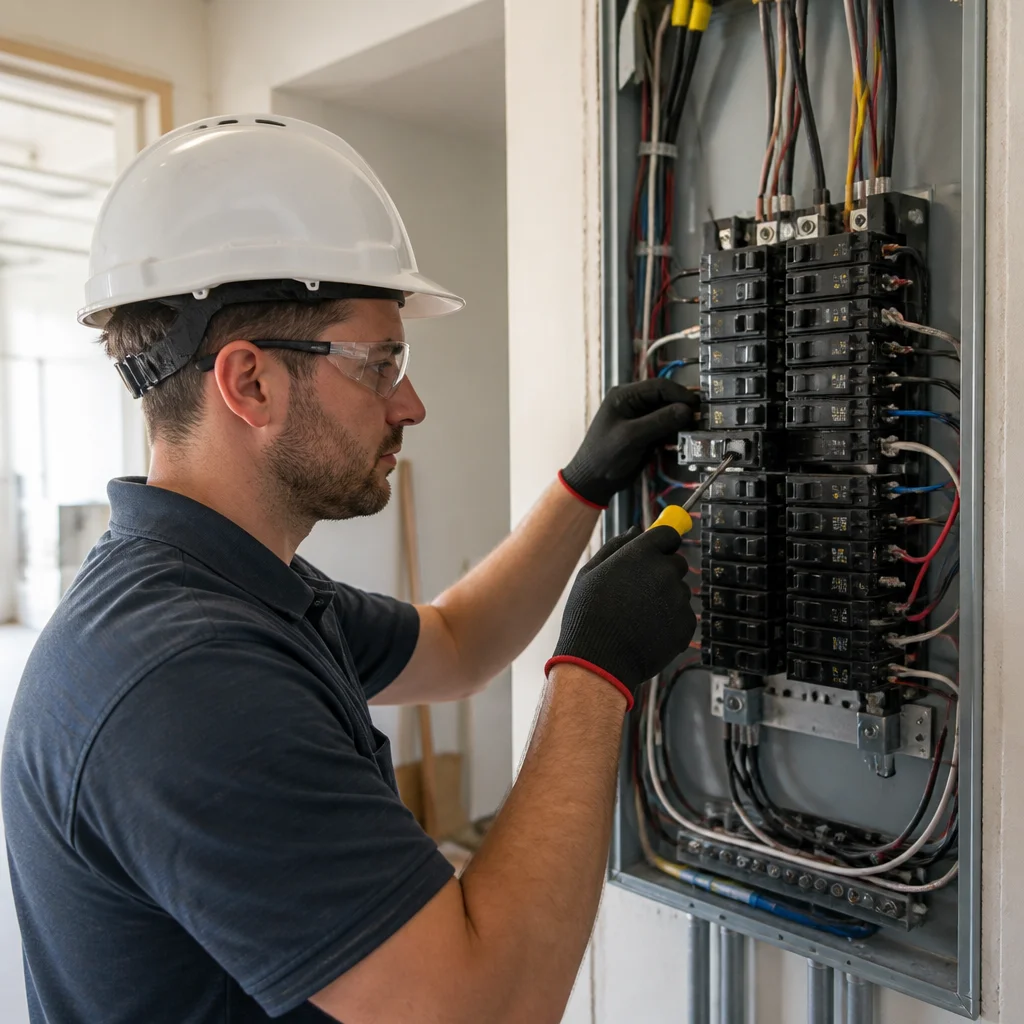
Ask your electrician to document panel capacity, circuit assignments, grounding and bonding, outlet condition, and the wiring available at planned control locations. Include future purchases, such as an EV charger or outdoor kitchen. Homeowners searching for a residential electrician near me benefit from discussing the complete project rather than requesting installation of individual devices without a broader review.
Panel Capacity Is About Loads, Not Just Empty Spaces
A few smart switches draw little power. The bigger issue is the equipment that automation may control or accompany: vehicle charging, electric cooking, pool equipment, workshop tools, or additional living space. Empty breaker slots do not necessarily mean your service can handle those loads.
A load calculation helps determine whether the existing service is adequate, whether load management could help, or whether panel upgrades are warranted. A 200 amp upgrade is not automatically necessary for every connected home. The right decision depends on calculated demand, equipment ratings, existing conditions, and applicable requirements.
Investigate breaker trouble before adding controls
Repeated trips, buzzing, unusual heat, or discoloration deserve evaluation before smart equipment is installed. A trip can result from an overload, a short circuit, a ground fault, or a failing connection. Breaker repair starts with identifying the cause, not simply replacing a breaker or increasing its amperage. Never install a larger breaker to stop trips without verifying the entire circuit design.
Our guide to keeping Bluewater Bay electrical panels ready for storms and modern demands explains why panel condition matters alongside capacity.
Smart Switches Need the Right Wiring Behind Them
Many smart switches need a neutral conductor at the switch box. Some older switch locations do not have one, even though a conventional switch works normally. Certain listed devices are designed for installations without a neutral, but they still have load and compatibility limitations. A grounding conductor must never be used as a substitute neutral.
Box size also matters. Smart controls can be deeper than standard switches, and crowded boxes must remain within permitted box-fill limits. Multi-location lighting needs compatible controls and correct wiring. These details are easy to overlook when comparing product features online.
Keep repairs separate from connectivity troubleshooting
A loose connection will not improve after a firmware update. Flickering lights, intermittent power, or switches that crackle can indicate wiring defects rather than network problems. If an electrical wiring repair near me search started with those symptoms, arrange an electrical assessment before replacing more connected devices.
For cameras, doorbells, and control hubs, plan low-voltage cable routes and power sources together. Maintain required separation from power wiring, use appropriately rated cable, and keep connections accessible. This Bluewater Bay security system wiring guide offers additional planning considerations for connected security equipment.
Put Reliable Power Where Connected Devices Live
Smart home equipment often gathers around a few locations: the router shelf, media cabinet, entryway, garage, and outdoor living area. Without planning, those spots can become a collection of extension cords and stacked adapters. Permanently installed outlets in suitable locations are a better solution than relying on temporary cords.
Outlet repair may be needed when receptacles no longer hold plugs securely, feel unusually warm, or show discoloration. Adding a smart plug does not correct a worn receptacle or damaged wiring. Smart plugs also have specific load ratings and should not control equipment their manufacturer excludes.
Match protection to the location
GFCI protection helps reduce shock risk and is required in many locations under applicable electrical codes, including bathrooms, garages, and outdoor areas. AFCI protection addresses certain arcing hazards and may also be required depending on the circuit and project. Smart functionality does not replace either type of protection.
Outdoor receptacles need suitable weather-resistant equipment and covers for their installation. Dedicated circuits may be necessary for appliances, chargers, or other substantial loads. During an inspection, an electrician can distinguish between a simple outlet replacement and a circuit that needs more extensive correction.
Lighting and Ceiling Fans Should Work Without an App
Good lighting installation starts with how a room is used. Kitchen task lighting, bathroom vanity lighting, hallway illumination, and exterior security lighting should remain practical for family members and visitors who do not use your home automation platform.
Pair smart dimmers with compatible dimmable lamps or fixtures. A mismatch can cause flicker, buzzing, poor low-level performance, or lights that do not turn off properly. Multi-location controls also need a coordinated design rather than a mix of unrelated devices.
Ceiling fans require controls specifically rated for their motors. A lighting dimmer is not a substitute for a fan-speed controller. Fans also need appropriate structural support and electrical boxes rated for fan mounting. Ask which controls will continue working during an internet outage. Local control and accessible wall switches make a connected home easier to live with when a router or cloud service is unavailable.
Coastal Weather Makes Surge Protection Worth Planning
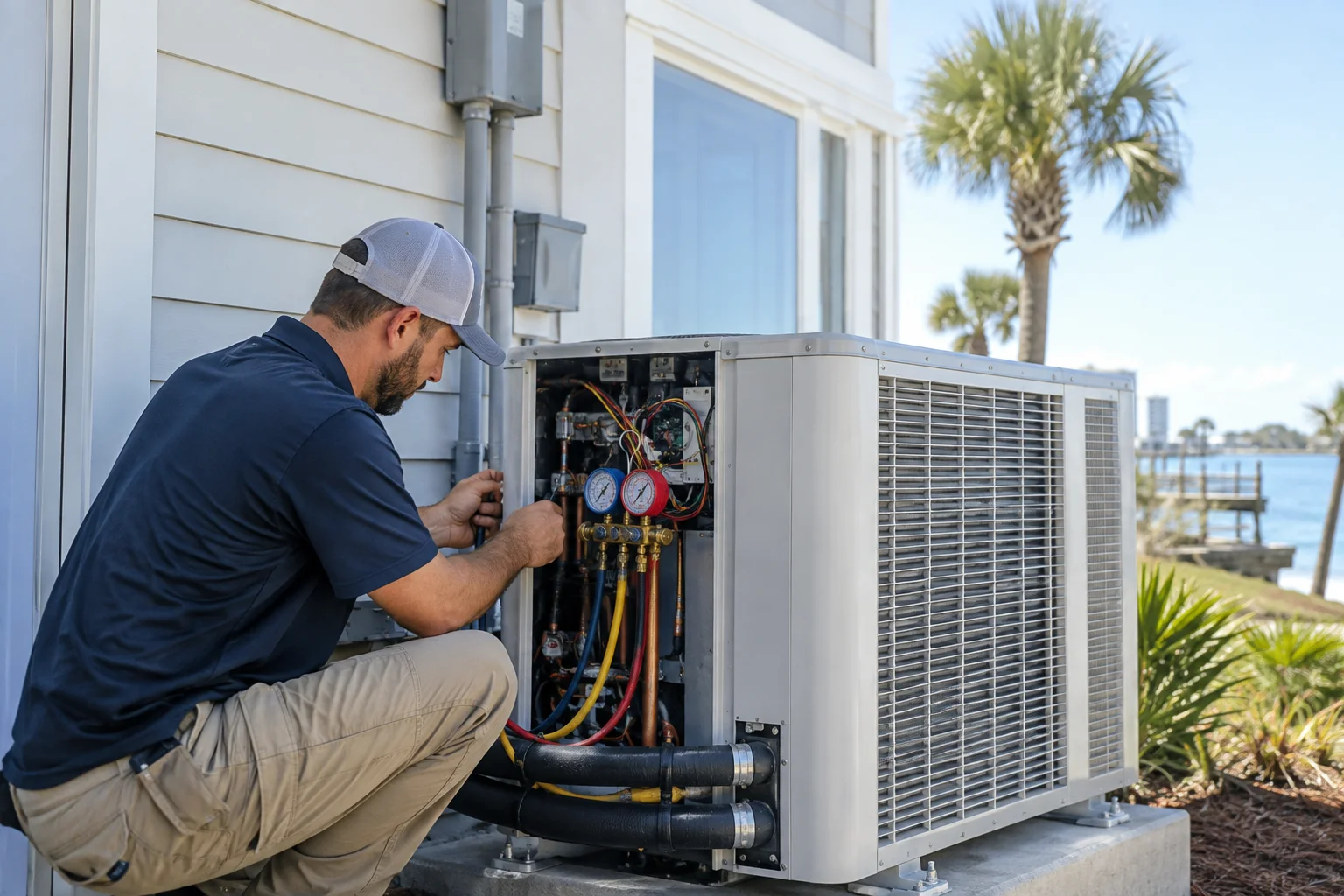
Bluewater Bay's humid climate and coastal weather can be hard on exposed electrical equipment. Moisture intrusion and salt exposure can contribute to corrosion, while thunderstorms and utility disturbances can threaten sensitive electronics. Outdoor enclosures, connections, and mounting locations deserve attention during both installation and maintenance.
Whole-home surge protection can help limit transient voltage reaching connected equipment. It does not guarantee protection from every event, particularly a direct lightning strike, and it does not provide backup power. Proper grounding and bonding remain essential parts of electrical safety.
If you are searching for a whole home surge protector near me, ask about compatibility with your panel, installation requirements, status indicators, and whether additional point-of-use protection is appropriate. Surge protective devices can lose effectiveness after significant events or over time, so their indicators should be checked according to manufacturer instructions.
For homes with questionable prior alterations or storm-related concerns, electrical inspections and code updates in Bluewater Bay can help identify needed corrections before automation expands.
Decide What Should Stay Powered During an Outage
A connected home loses much of its convenience when the router, network equipment, and controls have no power. A properly sized uninterruptible power supply may keep networking equipment running briefly, but internet service itself can still fail during a wider outage.
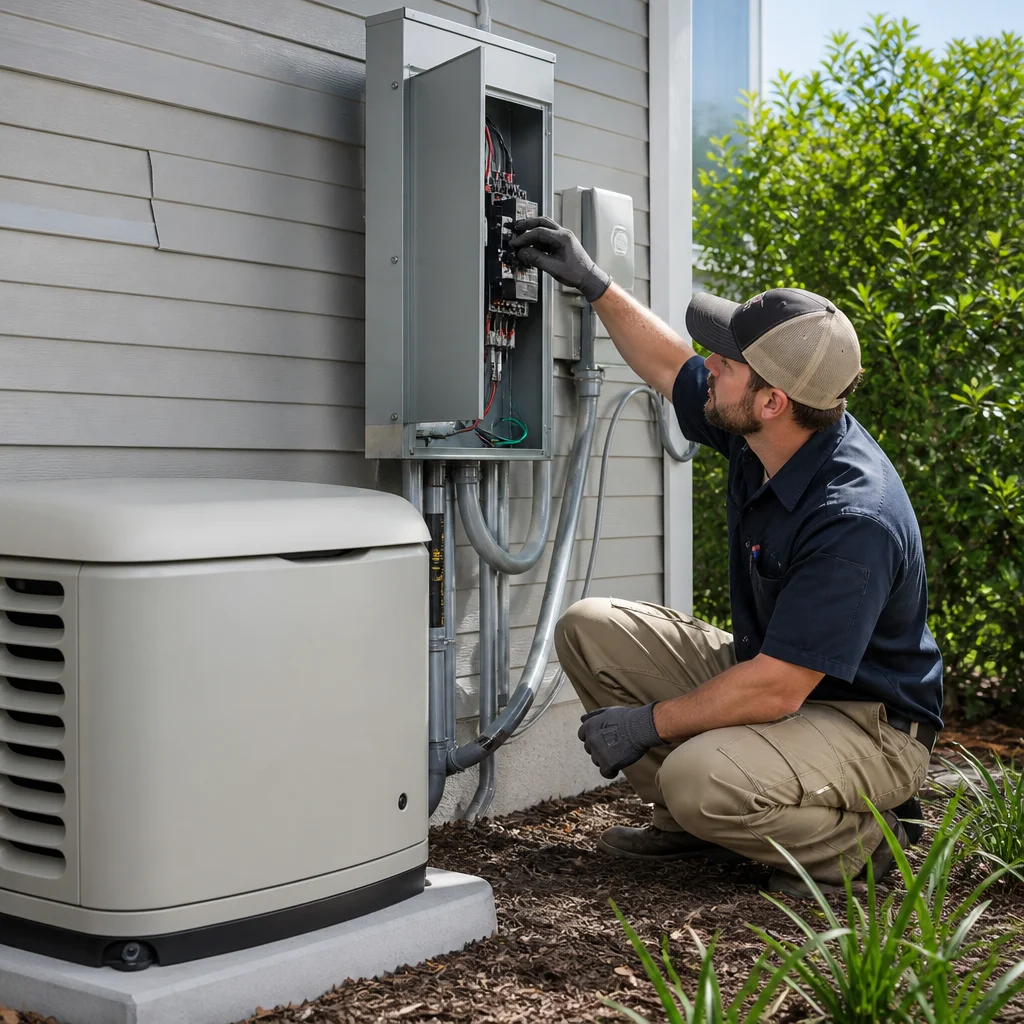
For longer interruptions, identify essential loads before selecting backup equipment. Refrigeration, selected lighting, communications equipment, and other priorities should guide generator sizing and circuit planning. Automatic load management may help prevent backup equipment from being overloaded.
Explore power backup generators or discuss whole-home backup solutions based on your goals. Generator installation requires approved transfer equipment to prevent dangerous backfeeding. Never connect a generator through a household receptacle. Portable generators must operate outdoors, at least 20 feet from the home, with exhaust directed away from doors, windows, and vents.
Leave Room for EV Charging and Future Additions
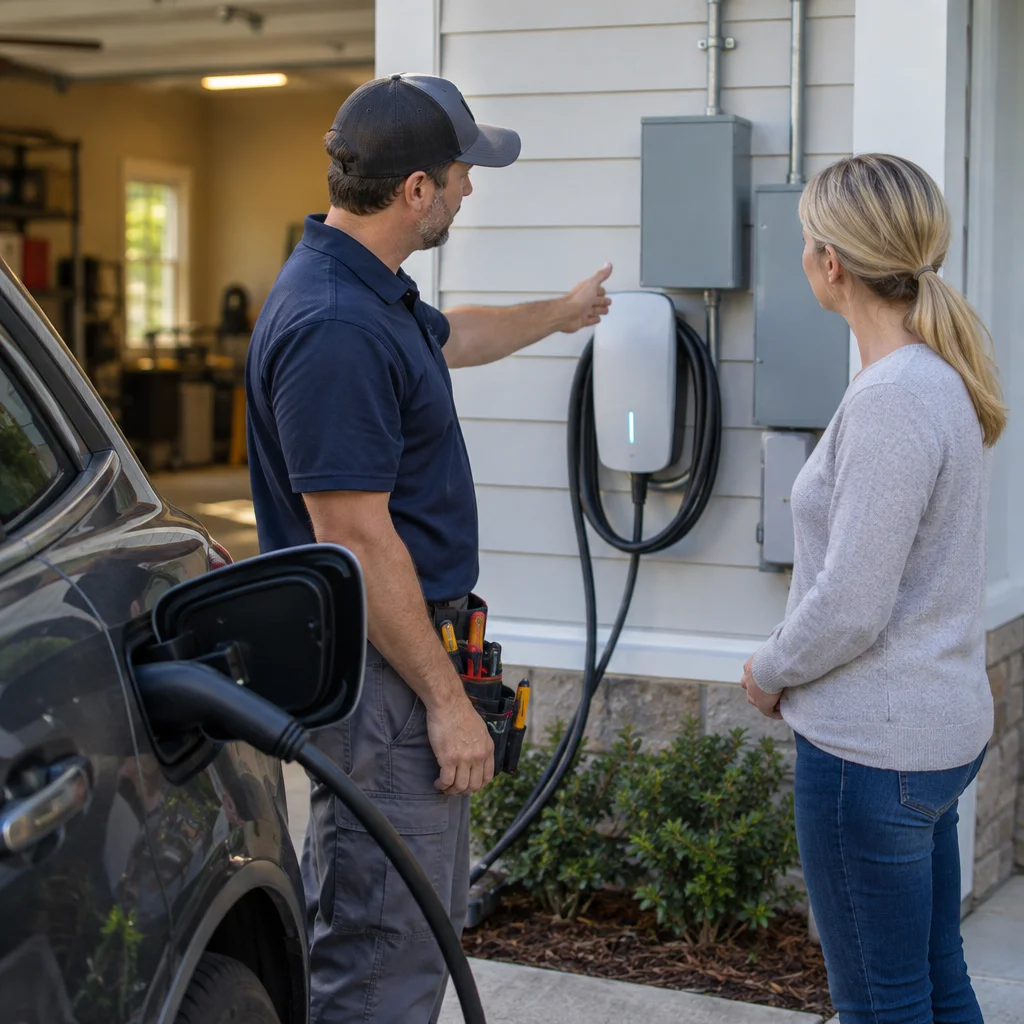
EV charger installation can significantly change household electrical demand. Planning it alongside smart home integration helps coordinate charging schedules, available capacity, and any listed load-management equipment. Scheduling alone does not replace a proper load calculation or required circuit protection.
Homeowners comparing level 2 ev charger installation near me should ask about the charger's actual output setting, conductor sizing, required protection, and installation location. Charging equipment generally needs an appropriately designed dedicated branch circuit, with details governed by the equipment instructions and applicable code.
Remodels are also a good time to discuss accessible pathways for future wiring. Thoughtful planning can reduce the need to reopen finished walls when you add a workshop, expand outdoor lighting, or convert a room into a home office.
Prevention Includes Devices That Are Not Part of Automation
Smart monitoring can provide useful alerts, but it cannot certify that wiring is safe. Regular local electrical maintenance should include checking accessible devices for damage, confirming labels remain accurate, and testing GFCI devices according to their instructions. Homeowners should not remove panel covers or inspect energized components themselves.
Smoke detector installation and replacement should follow placement, interconnection, power-source, and manufacturer requirements. Connected alerts are a convenience, not a substitute for required local alarms. Test smoke and carbon monoxide alarms as directed and replace them at their specified service life.
After storms, look from a safe location for damaged exterior equipment or evidence of water intrusion. Do not touch flooded electrical equipment or attempt to energize it. Where deteriorated components need replacement, discuss electrical replacement options rather than covering up damage with new controls.
Get Local Help Before a Small Problem Becomes Urgent
Persistent breaker trips, intermittent power, and damaged outlets warrant prompt professional attention. Smoke, active sparking, a burning smell, or shocks are emergency electrical concerns. Stop using the affected equipment. If there is fire or immediate danger, leave the area and call 911. Stay away from downed lines and contact the utility.
Local service matters because installation details, permit requirements, and exposure conditions vary. An electrical contractor working in Bluewater Bay should verify the applicable code and permitting requirements for your address, not assume every Okaloosa County project follows an identical process.
A Superior Mechanical helps homeowners coordinate connected controls with the electrical work that supports them. Learn about our Bluewater Bay services and broader Okaloosa County service area, or request an electrical planning appointment. Bring your device wish list, recent electrical concerns, and future renovation plans so the conversation starts with the whole house.
Find Smart Home Integration in Bluewater Bay, FL
If you need Smart Home Integration in Bluewater Bay, FL, visit our local service page or contact A Superior Mechanical today.
Map of Bluewater Bay, FL
Frequently Asked Questions
Does smart home integration require a panel upgrade?
Not always. Smart switches, sensors, and hubs usually add little electrical demand. A panel upgrade may be appropriate if the existing equipment is deteriorated or your project includes substantial loads such as EV charging or new appliances. An electrician should assess panel condition and perform the necessary load calculation before recommending an upgrade.
Can smart switches be installed in an older Bluewater Bay home?
Often, yes, but the existing wiring must be checked first. Many smart switches require a neutral conductor, sufficient box space, and compatible lighting loads. Some listed switches work without a neutral under specific conditions. Damaged wiring or unsafe prior alterations should be corrected before connected controls are installed.
Will surge protection keep my smart home working during a storm outage?
No. Surge protection helps limit certain voltage spikes but does not supply electricity during an outage. A suitable battery backup can support networking equipment temporarily, while a properly designed generator or other backup system can support selected household loads. Internet availability also depends on your provider's network.
Related Articles
- Keeping Bluewater Bay Electrical Panels Ready for Storms, Remodels, and Modern Power Demands
- Smart Electrical Planning for Security System Wiring in Bluewater Bay, FL
- Smart Home Integration in Hammock Bay That Helps Protect Electrical Systems Before Problems Start
- From Spotted Glasses to Better Coffee: Cleaner Water for Bluewater Bay Homes
Photo Gallery