In Springfield, FL, the water you use every day is shaped by local geology, seasonal changes, and how water moves through pipes and treatment systems. Those factors influence hardness, mineral content, and how quickly scale forms. When hard water is not managed, you will see it everywhere: on glassware, around faucets, in showerheads, and even in how your skin and hair feel after bathing. The good news is that water softening, paired with the right whole home water filtration approach when needed, can help your home stay protected year round.
This guide explains how Springfield’s local water conditions affect water softening performance, what homeowners should watch for, and how to choose solutions that support cleaner water for drinking, cooking, laundry, bathing, and appliance longevity. If you are searching for water treatment near me or whole home water filtration near me, this is a practical place to start.
Why Springfield’s water conditions matter for softeners
Water softening works by addressing hardness minerals, most commonly calcium and magnesium. The minerals are not always the same strength throughout the year. In coastal and inland areas of Bay County, water sources can vary with rainfall patterns, groundwater levels, and seasonal shifts. That is why a softener that seems “fine” in summer can feel less effective during other parts of the year.
Hard water shows up visually and physically. Homeowners often notice hard water spots on glass and hard water spots on dishes after the dishwasher runs. They may also see scale buildup on faucets and scale buildup around faucets, plus crusty deposits on showerheads and plumbing fixtures. Over time, those deposits can reduce water flow, make cleaning harder, and contribute to premature wear in water using appliances.
Springfield homes also experience year round use across kitchens, bathrooms, and laundry rooms. When hardness is not controlled, the minerals can build up in the places you rely on most, from shower mixing valves to the heating system that supports hot water for bathing and dishwashing.
What hard water looks like in everyday Springfield life
Kitchen scenes: dishes, coffee, and cooking water
Hard water is not just a cosmetic issue. It affects how water behaves in the kitchen. Many families notice:
- Poor tasting coffee and cooking water, especially if the water has a metallic, chlorinated, or unpleasant taste.
- Soap does not lather well, which can leave residue on cookware and require extra rinsing.
- Cloudy ice cubes that look dull or milky in the freezer tray.
- Visible sediment, discoloration, and odor concerns in sinks or at certain faucets, particularly after periods when plumbing sits unused.
When you soften water and, when necessary, filter it, you can improve the everyday experience. Better water for drinking and cooking often means cleaner flavor, more consistent results in recipes, and less buildup in kettles and coffee makers.
Bathroom routines: bathing comfort and fixture scale
In Springfield, many homeowners notice the “feel” of water before they notice it on fixtures. Common signs include:
- Dry skin or dull hair after bathing, even when you use good products.
- Soap scum that seems to cling to tile and shower doors.
- Scale that forms quickly around showerheads, mixing valves, and handheld sprayers.
That fixture scale is more than an eyesore. It is a sign that minerals are leaving deposits as water evaporates and heats. Over time, scale buildup can reduce water flow and make shower performance feel inconsistent.
Laundry and household cleaning
Hard water can also show up in laundry and cleaning. If the soap does not lather or rinses poorly, you may see:
- Clothes that feel stiff or less fresh
- Stains that do not lift as easily
- Residue on towels and washables
Softening helps detergent work the way it is designed to work. When you pair that with whole home water filtration when appropriate, you can reduce the minerals and particulates that contribute to dull results and extra cleaning effort.
How seasonal changes affect softener performance
Year round water softening depends on consistent control of hardness levels and proper system settings. Springfield’s climate can bring shifts in water usage patterns and water chemistry. During periods of heavier rainfall or changing groundwater conditions, hardness can fluctuate. Even small changes can affect how much ion exchange capacity your softener uses before it needs regeneration.
Homeowners may notice:
- More scale buildup during certain months
- Soap that suddenly seems harder to rinse
- Water that feels “less soft” even though the unit is running
That does not always mean the softener is broken. It can mean the settings need adjustment, the unit needs service, or the system requires a different approach for how your household uses water.
Signs your water softener needs adjustment or service
Because Springfield families use softened water across the home, issues can show up in multiple rooms. Watch for these indicators:
- Hard water spots on glass returning or increasing
- Hard water spots on dishes after dishwasher cycles
- Scale buildup around faucets that forms quickly again
- Soap scum that seems to build faster than it used to
- Dry skin or dull hair after bathing despite regular cleaning and routine
- Cloudy ice cubes that look milky or gray
- Metallic, chlorinated, or unpleasant taste that seems to come and go
If you are seeing multiple symptoms at once, it is worth having a professional review the system. Sometimes it is a water softener issue like media saturation, brine problems, or regeneration timing. Other times, hardness may be only part of the water story, and you may also need a drinking water filter or whole home filtration support.
When hardness is not the only issue: filtration and taste
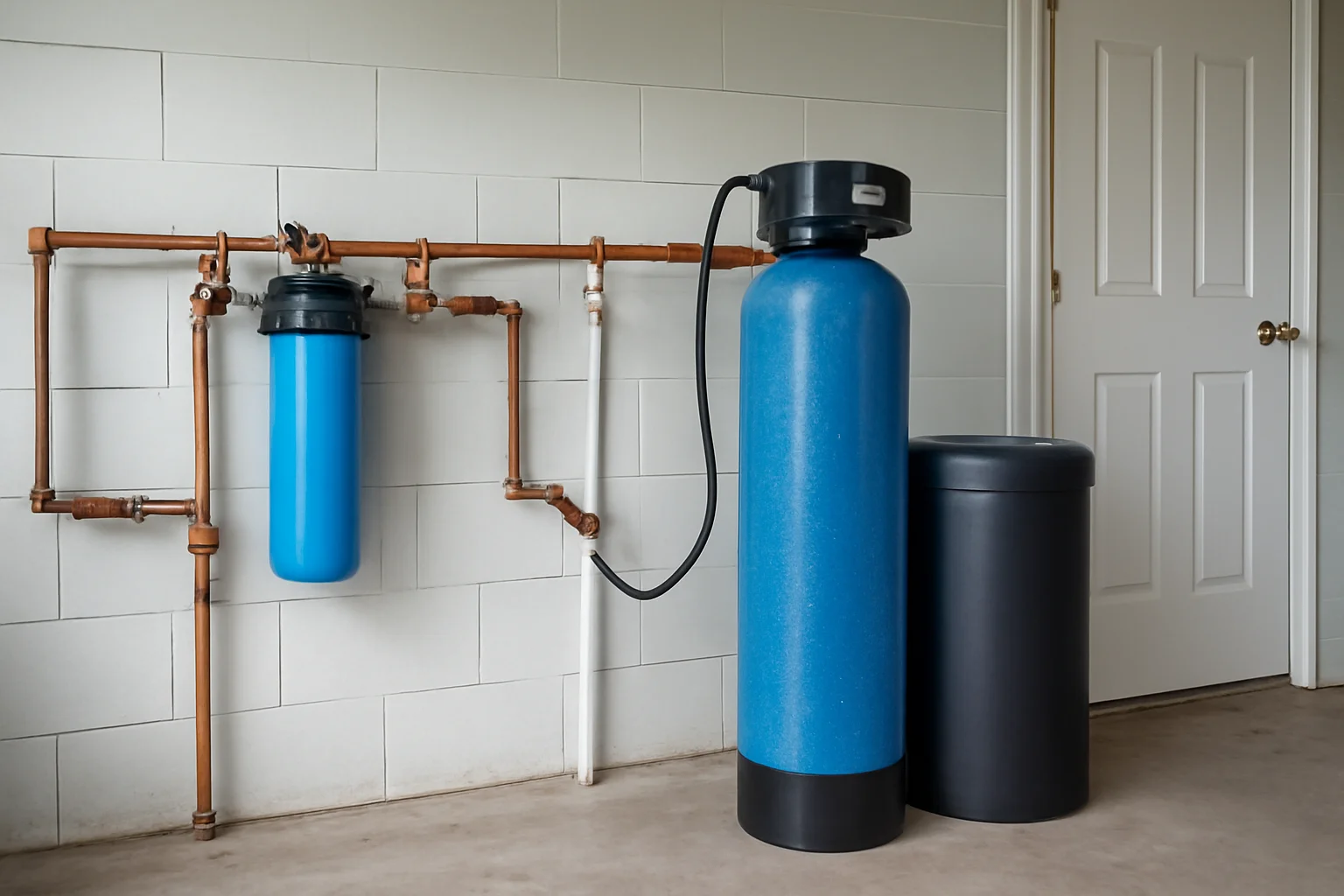
Water softening primarily targets hardness minerals. It does not automatically address taste and odor, sediment, or certain contaminants that may be present in local water. For many Springfield homeowners, the best clean water systems include a staged approach.
For example:
- Water softening helps protect plumbing, fixtures, and appliances from scale.
- Whole home water filtration can help reduce sediment and other particles that affect clarity and cleaning performance.
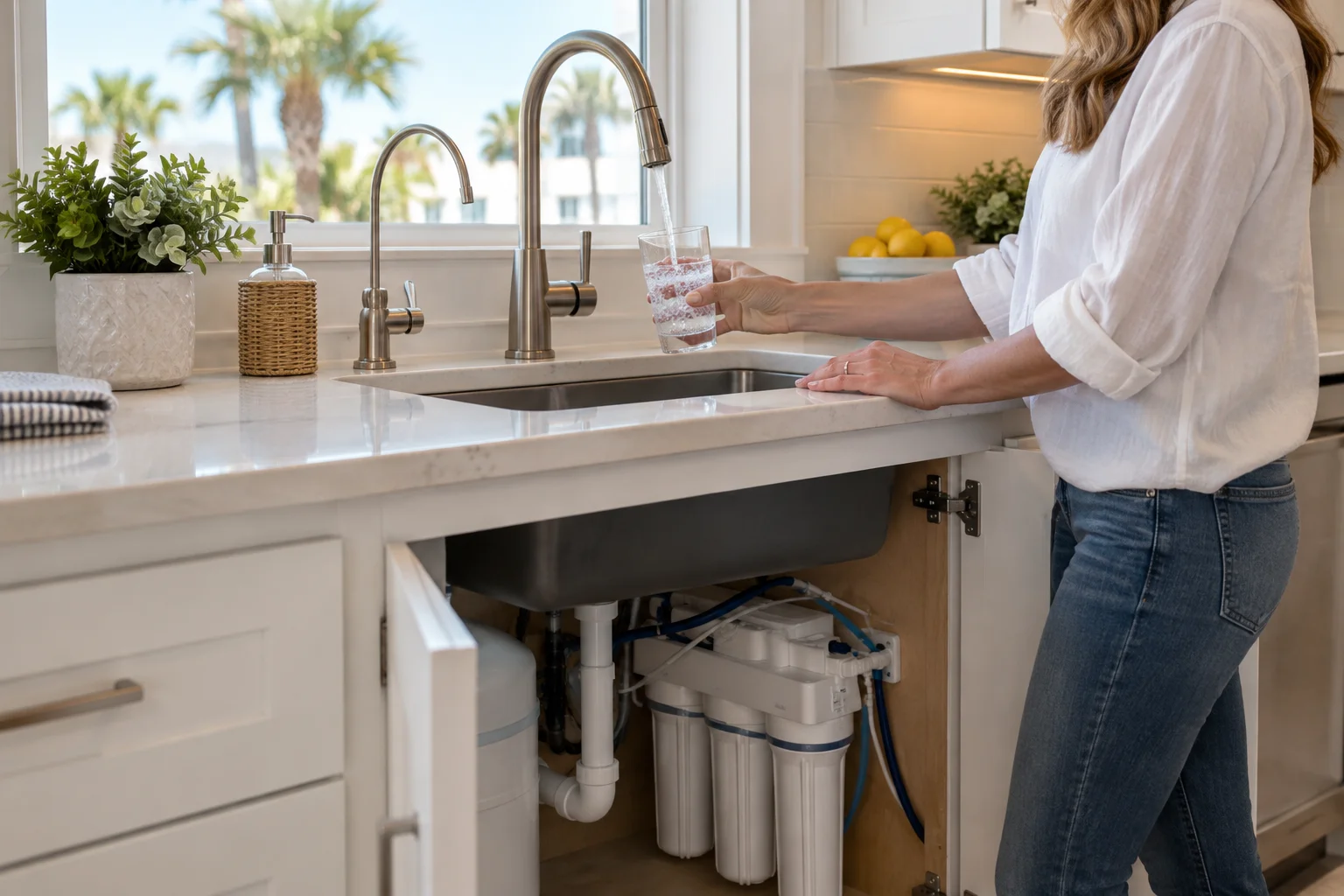
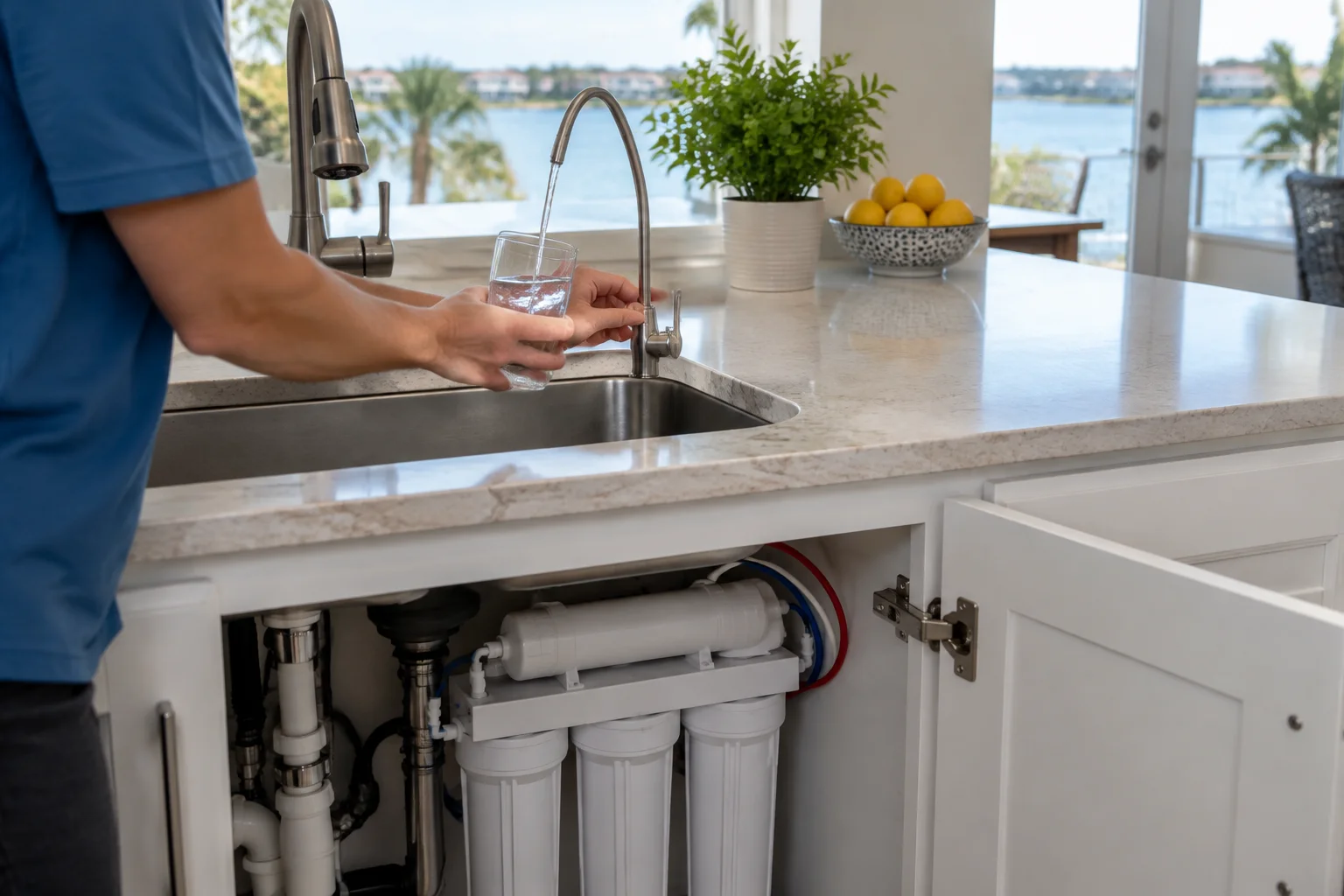
- Reverse osmosis systems can be a strong choice for kitchen drinking water when you want focused filtration for drinking and cooking.
- AO Smith water filtration options can support whole home and point of use needs depending on the water quality findings.
If you notice metallic, chlorinated, or unpleasant taste, visible sediment, discoloration, and odor concerns, or cloudy ice cubes, ask your water treatment provider about pairing softening with filtration. This is also where reverse osmosis installation can make a difference for your family’s daily drinking water.
How better water protects appliances and reduces repair surprises
Hard water scale buildup is one of the most common drivers of premature appliance wear. Minerals build up on heating elements and inside internal plumbing paths where water is heated or flows repeatedly.
Homeowners often report:
- Appliances wearing out faster than expected
- Water heaters working harder to deliver hot water
- Dishwashers and coffee makers needing frequent cleaning
- Less consistent performance from fixtures due to mineral restriction
By managing hardness with water softening, you help extend the life of fixtures and appliances that depend on clean flow and efficient heating. When you add whole home water filtration when appropriate, you also reduce the chance that sediment or other particles contribute to clogging and buildup.
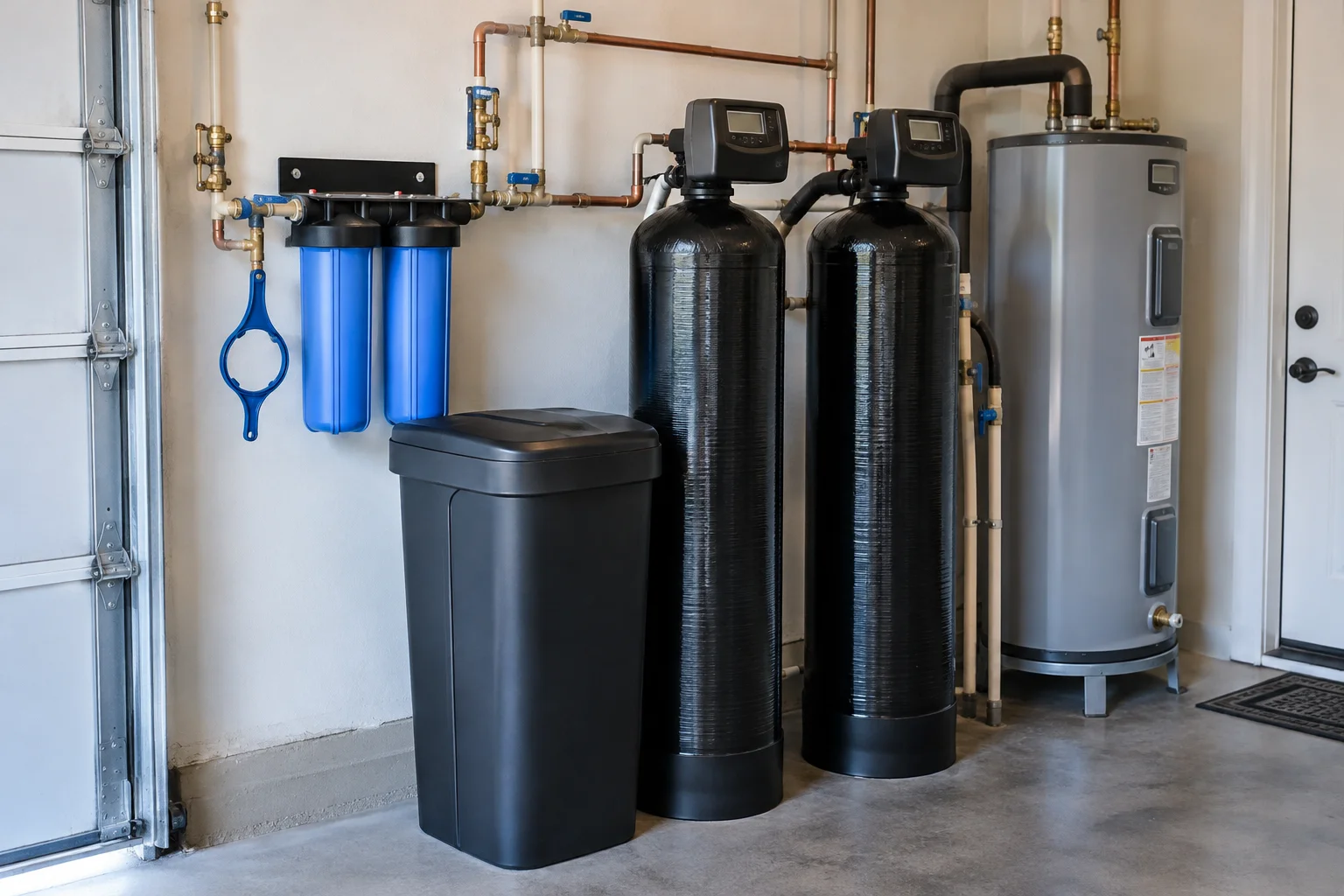
Whole home water filtration near Springfield: a practical setup
Many homeowners searching for whole home water filtration near me are trying to solve multiple issues at once. The most effective systems often match the solution to the problem. A typical approach can include:
- Water softener to prevent scale buildup on faucets, showerheads, and plumbing lines.
- Whole house water filter to support clean water systems by reducing particles that affect clarity and cleaning.
- Reverse osmosis for drinking water and cooking water, especially when taste, odor, or clarity concerns are most noticeable at the kitchen sink.
If you are considering AO Smith water filtration, a professional can help you choose the right model and configuration based on your household size, water usage, and local water conditions in Springfield and Bay County.
Choosing a water softener that can handle year round demand
Not every home needs the same type or size of system. Year round protection depends on matching capacity and controls to your household and the hardness levels you experience.
Important selection factors include:
- Household size and peak water use patterns
- How often the system needs to regenerate to stay effective
- Space for the unit and correct installation for safe operation
- Maintenance requirements and access for service
For homeowners looking for water softener installation near me in Springfield, working with a local water treatment service helps ensure the equipment is sized and configured properly. That is especially important when you want reliable performance across every season, from busy summer weekends to quieter weeks when water sits in plumbing lines.
How to prevent scale buildup between service visits
Even with a properly installed system, simple habits can reduce stress on your clean water systems:
- Keep an eye on salt levels and refill schedules for salt-based softeners.
- Watch for early signs like spotty glassware or scale buildup around faucets.
- Clean showerheads periodically to prevent restricted flow.
- If you notice taste or odor changes, do not assume it is only hardness. Ask about filtration support.
When you maintain the system and address issues early, you can keep the benefits consistent. That means better water for drinking and cooking, more comfortable bathing, and fewer cleaning sessions spent scrubbing mineral deposits.
Where to start: local water testing and a system that fits your goals
The fastest way to choose the right plan for your household is to evaluate your water. A professional water treatment service can help you understand hardness, sediment concerns, taste and odor issues, and whether a softener alone is enough or whether you need reverse osmosis or whole home filtration support.
If you are ready to connect your home’s water quality to year round protection, you can review A Superior Mechanical’s water softening service page here: /service-areas/bay-county/springfield/water-softening-bmbflsfbc. For broader options, explore the water filtration landing page here: /water-filtration-ro-water-softeners. You can also browse the Springfield service area overview: /service-areas/bay-county/springfield and the full Bay County area: /service-areas/bay-county.
Water treatment ties into the rest of home maintenance
Water softening and filtration support the health of your plumbing system. When scale buildup is reduced, you can also reduce the risk of small plumbing issues becoming bigger problems. If you are planning proactive home maintenance, these related reads can help you think about your plumbing system as a whole:
- Keeping Springfield Drains Clear Before Small Plumbing Problems Spread
- A Springfield Homeowner’s Guide to Smarter Water Heater Installation and Fewer Plumbing Surprises
Soft water can help protect the components that deliver hot water for bathing and cooking. That is why a clean water system is part of year round home comfort, not just a “nice to have.”
Frequently asked questions about Springfield water softening
Homeowners often ask whether they truly need a softener, how to tell if it is working, and whether reverse osmosis is worth it for a kitchen setup. The answers below reflect the most common Springfield scenarios, especially when families want better drinking water, clearer ice, and fewer mineral deposits around fixtures.
Find Water Softening in Springfield, FL
If you need Water Softening in Springfield, FL, visit our local service page or contact A Superior Mechanical today.
For a broader look at whole-home water filtration, reverse osmosis, and water softener options, visit our water filtration, RO, and water softener page.
Map of Springfield, FL
Frequently Asked Questions
How can I tell if Springfield hard water is affecting my home?
Look for hard water spots on glass and hard water spots on dishes, scale buildup around faucets and showerheads, soap that does not lather or rinse well, and dry skin or dull hair after bathing. Cloudy ice cubes and metallic or chlorinated taste can also point to water quality issues beyond hardness.
Does a water softener also improve drinking water taste and odor?
Water softening focuses on hardness minerals. If you notice unpleasant taste, odor, or visible sediment, you may need whole home water filtration and, for kitchen drinking water, a reverse osmosis system or a dedicated drinking water filter.
Why does my water softener seem less effective at certain times of year?
Local water conditions can shift with seasonal changes, and household water use patterns vary too. Hardness levels may fluctuate, which can affect how quickly the softener regenerates and whether settings need adjustment or professional service.
Will soft water help appliances last longer?
Yes. Soft water reduces scale buildup that forms on heating elements and internal plumbing paths. That can help appliances wear out more slowly and reduce the need for frequent descaling, especially for water heaters, dishwashers, and coffee makers.
Related Articles
- Keeping Springfield Drains Clear Before Small Plumbing Problems Spread
- Why Springfield Families Benefit from Sewer Camera Inspections Before Small Plumbing Problems Grow
- What Springfield Homeowners Should Know About Commercial Plumbing Before a Small Issue Spreads
- A Springfield Homeowner’s Guide to Smarter Water Heater Installation and Fewer Plumbing Surprises
Photo Gallery