Rosemary Beach homes are built for coastal living, but the water that flows through them can create challenges. When hard water is present, mineral buildup does not stay in the background. It shows up on glass doors, around faucets, in showerheads, and even in the way your skin and hair feel after a bath. It can also affect what you taste and see in your kitchen, from coffee flavor to cloudy ice cubes.
This guide walks through the most common water quality warning signs connected to water softening in Rosemary Beach, FL. You will also see how the right mix of water softening and water filtration helps protect drinking and cooking water, laundry, fixtures, and appliances. If you are looking for water softening in Rosemary Beach, FL, this is the kind of local water treatment service that helps families get clean water systems near me results, not just a temporary fix.
Why Rosemary Beach water can feel “off” even when it looks clear
Hard water is usually the main culprit, even when the water coming from the tap appears clean. In many coastal areas of the Florida Panhandle, groundwater and local water conditions can carry higher levels of minerals such as calcium and magnesium. Those minerals are not always dangerous, but they behave like a problem for your home because they leave residue as water heats and evaporates.
In daily life, that residue becomes scale buildup on faucets, showerheads, and plumbing. It also contributes to sediment in household water and can make your water feel harsher for bathing. When you are searching for water filtration and water softeners, it helps to understand that softening is about mineral control, while filtration is about taste, odor, and finer particles. Many homeowners need both for the cleanest results.
Kitchen warning signs: coffee, ice, and cooking water that do not taste right
Hard water and incomplete treatment often show up first in the kitchen because you can taste it and notice it quickly.
Cloudy ice cubes and “mild” or unpleasant tastes
If your ice looks cloudy or your water has a metallic, chlorinated, or unpleasant taste, it is a strong clue that your water is carrying minerals, sediment, or treatment-related taste and odor compounds. Cloudy ice is not just a cosmetic issue. It can be caused by dissolved solids and tiny particles that freeze into visible haze.
Homeowners often describe it as a “weird” flavor in drinks, especially when the water is used for ice, tea, or coffee. If you notice chlorine taste in water or a lingering odor, whole home water filtration may be part of the solution, while water softening helps reduce scale that can trap minerals inside appliances.
Poor tasting coffee and cooking water
Coffee is sensitive to water chemistry. Hard water can make coffee taste flat or overly bitter because minerals affect extraction. Cooking water can also behave differently, leaving foods tasting less clean or requiring longer cook times.
When hard water treatment becomes part of protecting fixtures and appliances, it also becomes part of protecting your flavor. Many families in Rosemary Beach notice a difference after softening and filtration, especially for better water for drinking and cooking.
Visible sediment, discoloration, and odor concerns
Sometimes the problem is not just minerals. You might see sediment, notice discoloration, or smell an odor that seems stronger on certain days. Sediment can settle in the coffee maker, clog small fixtures, and contribute to inconsistent taste.
That is where pairing water softening with appropriate filtration matters. If you are comparing options for water treatment near me, ask about system design that matches what is actually in your water, not just a one-size-fits-all approach.
Bathroom and bathing warning signs: dry skin from hard water and dull hair
Hard water affects how soap and shampoo perform. Minerals can interfere with lather and rinse, leaving residue behind on skin and hair.
Dry skin or dull hair after bathing
One of the most common complaints from families is dry skin from hard water and hair that feels coated or dull. Even if you use good products, hard water can reduce how well they work. You may feel like you need more shampoo or body wash to get the same clean.
Softening can help because it reduces mineral hardness, allowing soap to lather and rinse more effectively. Many homeowners also notice that towels feel less “stiff” and bathrooms feel cleaner with less residue building up.
Soap that does not lather or rinse well
If you have ever scrubbed and still felt slippery film on skin, or noticed that soap scum builds quickly on shower walls, that is often a sign of hard water. The same issue can make it harder to keep bathroom surfaces clean because minerals bond to glass, tile, and fixtures.
Hard water spots on glass, shower doors, and bathroom mirrors
Hard water spots on glass are one of the easiest signs to spot. You might see white streaks on shower doors, hazy film on mirrors, or water spots that return soon after cleaning. That is scale buildup on faucets and showerheads working its way into everyday surfaces.
In a humid coastal environment, residue can be more noticeable because water can dry quickly on warm surfaces. A properly designed softening system helps reduce that scale cycle.
Fixture and plumbing warning signs: scale buildup on faucets and showerheads
When hard water is present, you will often see what is happening inside the plumbing show up on the outside.
Scale buildup around faucets, showerheads, and plumbing
Over time, mineral deposits build up at common water exit points. You might notice rough deposits around faucet aerators, reduced water flow from showerheads, or crusty rings around plumbing connections.
Scale buildup on faucets and showerheads is more than cosmetic. It can reduce efficiency and increase maintenance, especially in vacation rentals where multiple guests use the same fixtures daily.
Appliances wearing out faster
Dishwashers, water heaters, ice makers, and coffee machines are all affected by mineral scale. When minerals form deposits, appliances have to work harder to heat and move water. That can mean shorter appliance life and more repairs.
Water heater efficiency drops and hot water performance changes
Scale inside a water heater acts like insulation. It can reduce heat transfer, raising energy use while lowering recovery performance. If you have noticed rising utility bills or inconsistent hot water, hard water may be contributing.
Laundry and household warning signs: residue on clothes and cleaning headaches
Hard water can make laundry more difficult and increase the amount of detergent you think you need.
Clothes that feel rough or do not smell as clean
When minerals interfere with detergent, you can end up with residue. That can leave clothes feeling stiff or looking dull. Towels may lose softness and colors can fade faster.
Build-up on fixtures after cleaning
If you clean and the residue returns quickly, it can be a sign the underlying mineral problem is still present. Softening helps reduce the minerals that create scale, so cleaning efforts last longer.
How water softening works in Rosemary Beach homes
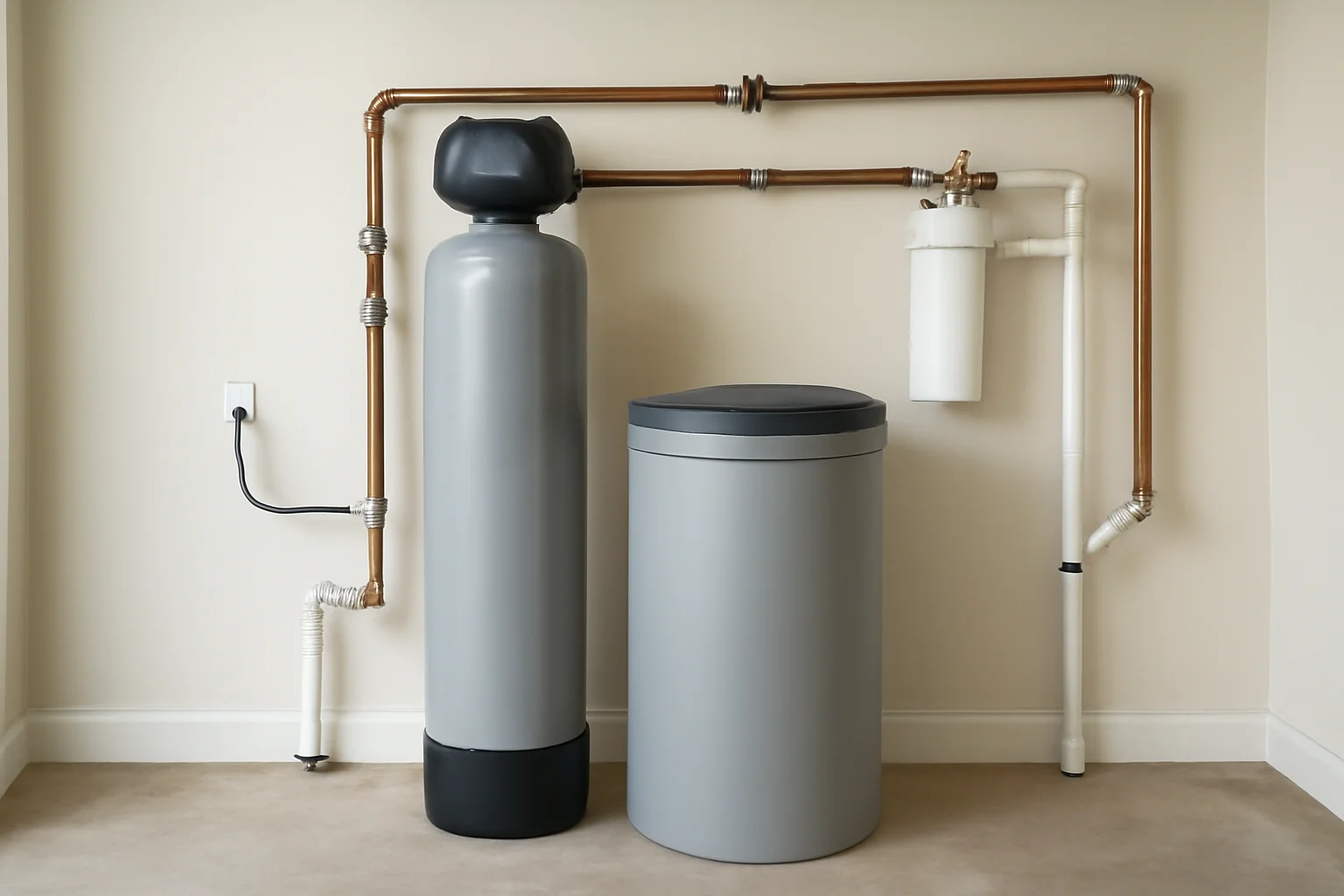
Water softening is designed to reduce hardness minerals that cause scale buildup. Most residential systems use a process that exchanges hardness minerals for softer ions, which helps prevent deposits from forming on surfaces and inside appliances.
Because every home has different plumbing layouts, usage patterns, and water conditions, the best results come from sizing and designing the system correctly. That is especially true for Rosemary Beach homes that may be occupied seasonally, where water use can spike during peak months and then drop for weeks at a time.
AO Smith water filtration and softening options
A common question homeowners ask is whether AO Smith water filtration solutions can fit their needs. AO Smith systems are widely used because they are built for dependable residential performance. A qualified water softener service provider can help you match the right system type to your home, whether your priority is protecting plumbing from scale, improving taste and odor, or supporting whole home performance.
If you are comparing water filtration near me or water treatment near me options, look for a company that explains how softening and filtration work together instead of treating them as separate problems.
When reverse osmosis and whole home filtration make sense
Water softening is excellent for hardness-related issues, but some homeowners also need additional treatment for taste, odor, sediment, or specific dissolved contaminants.
Reverse osmosis for drinking and cooking water
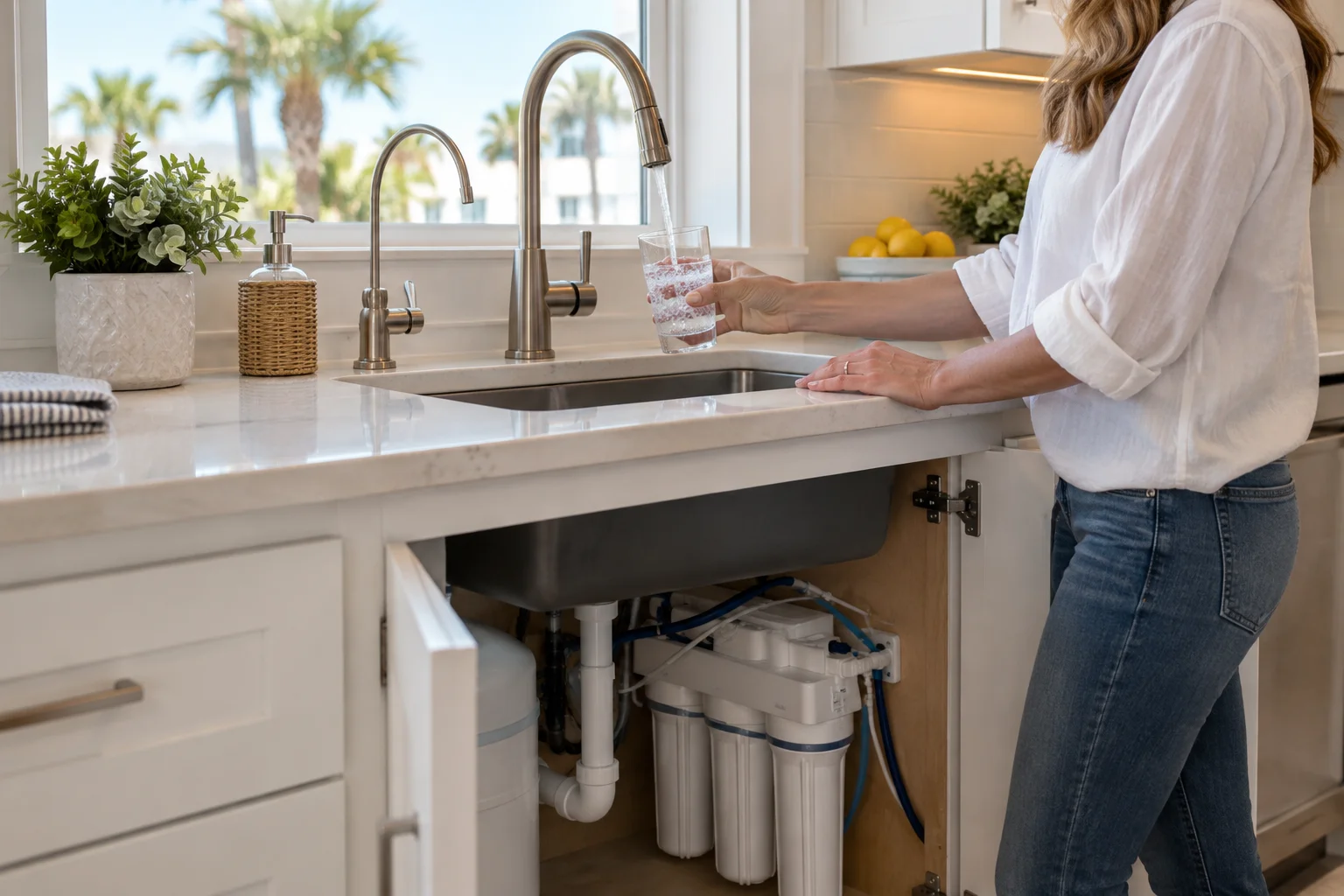
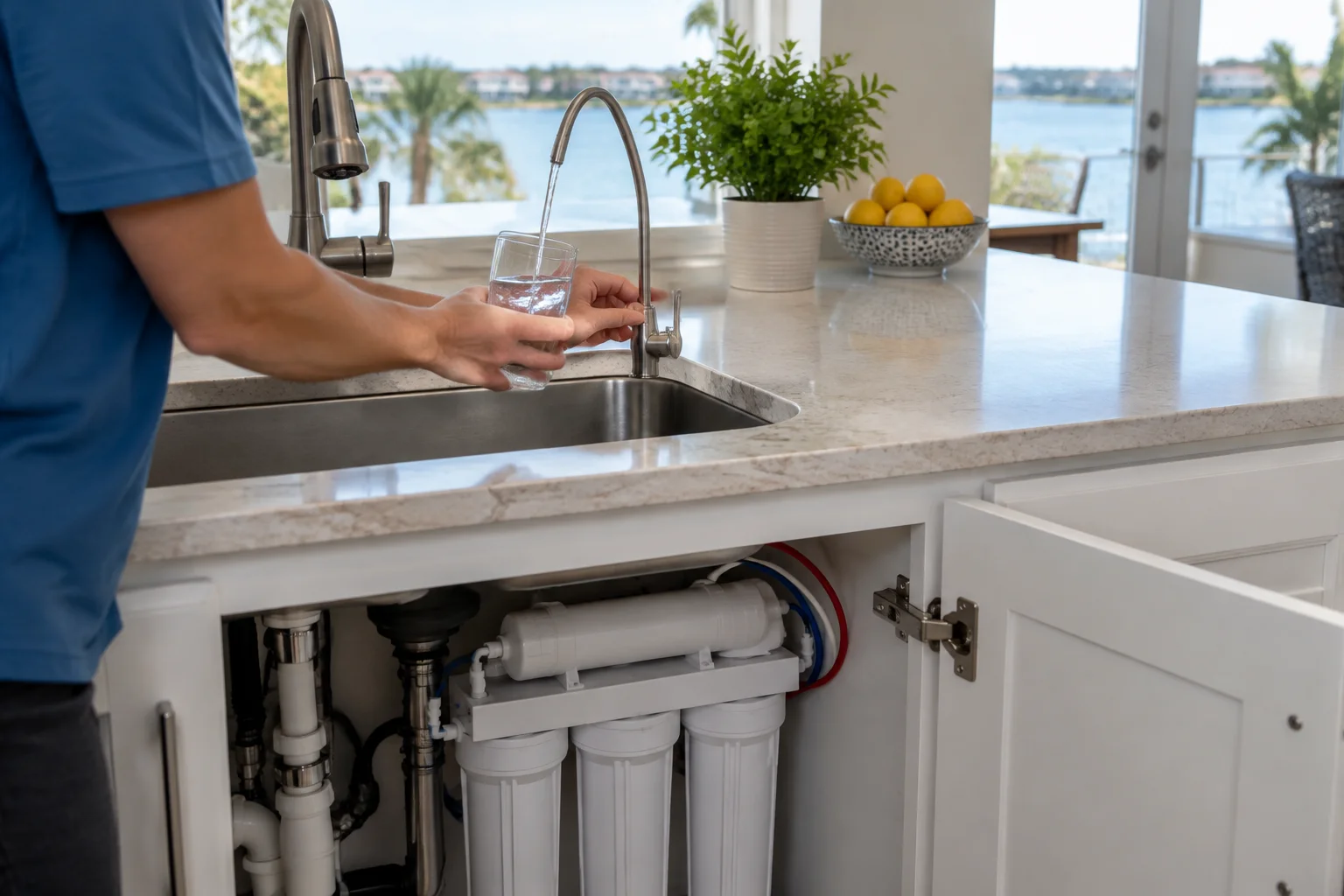
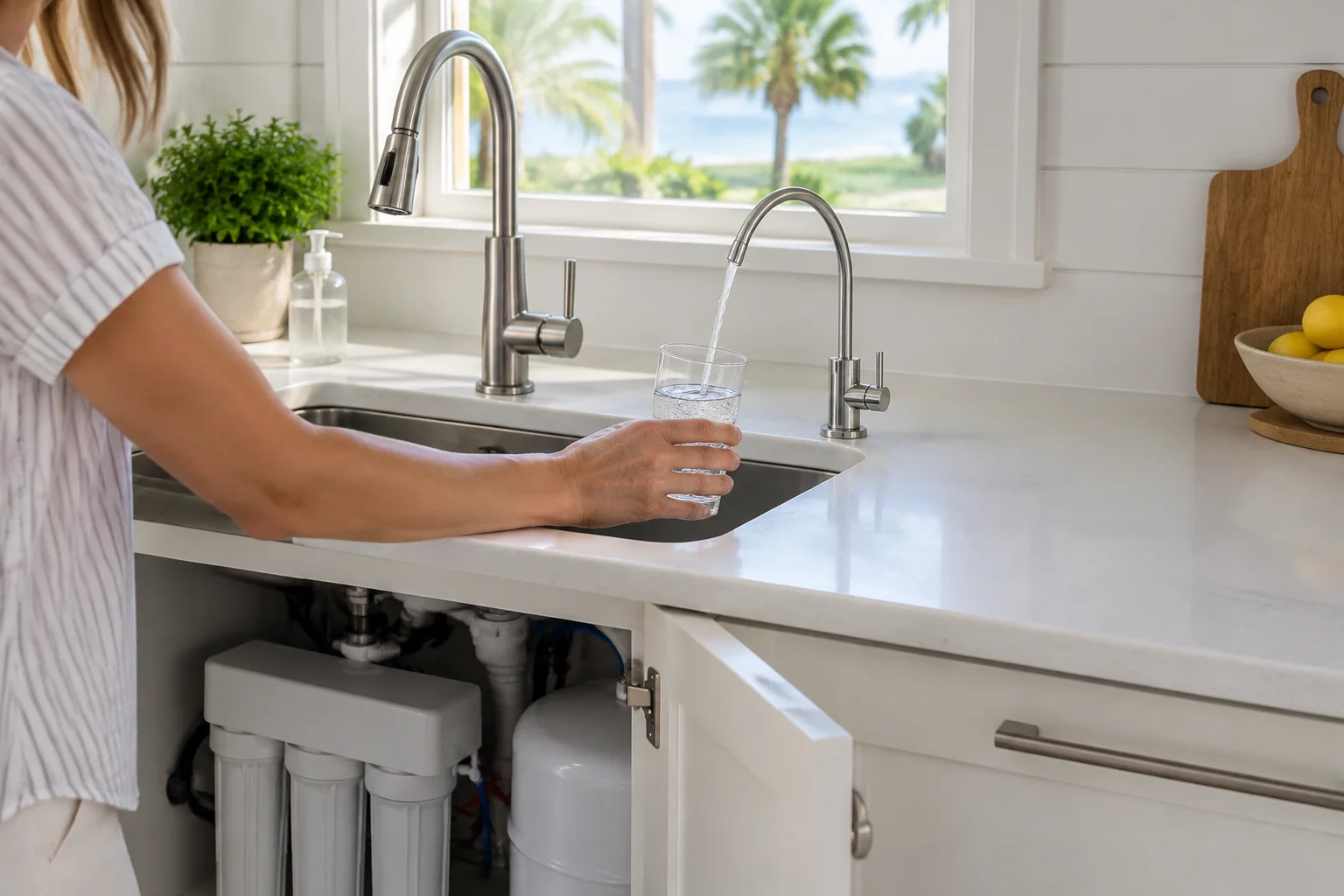
Many families choose reverse osmosis installation for the kitchen because it can provide very clean drinking water for coffee, ice, and cooking. If you are dealing with metallic taste, chlorine taste in water, or sediment concerns, reverse osmosis can be part of a layered clean water system.
That does not mean you skip softening. If your ice maker or dishwasher uses softened water, you still reduce scale buildup. Then you can use reverse osmosis water for drinking and cooking water for better everyday results.
Whole home water filtration for consistent comfort
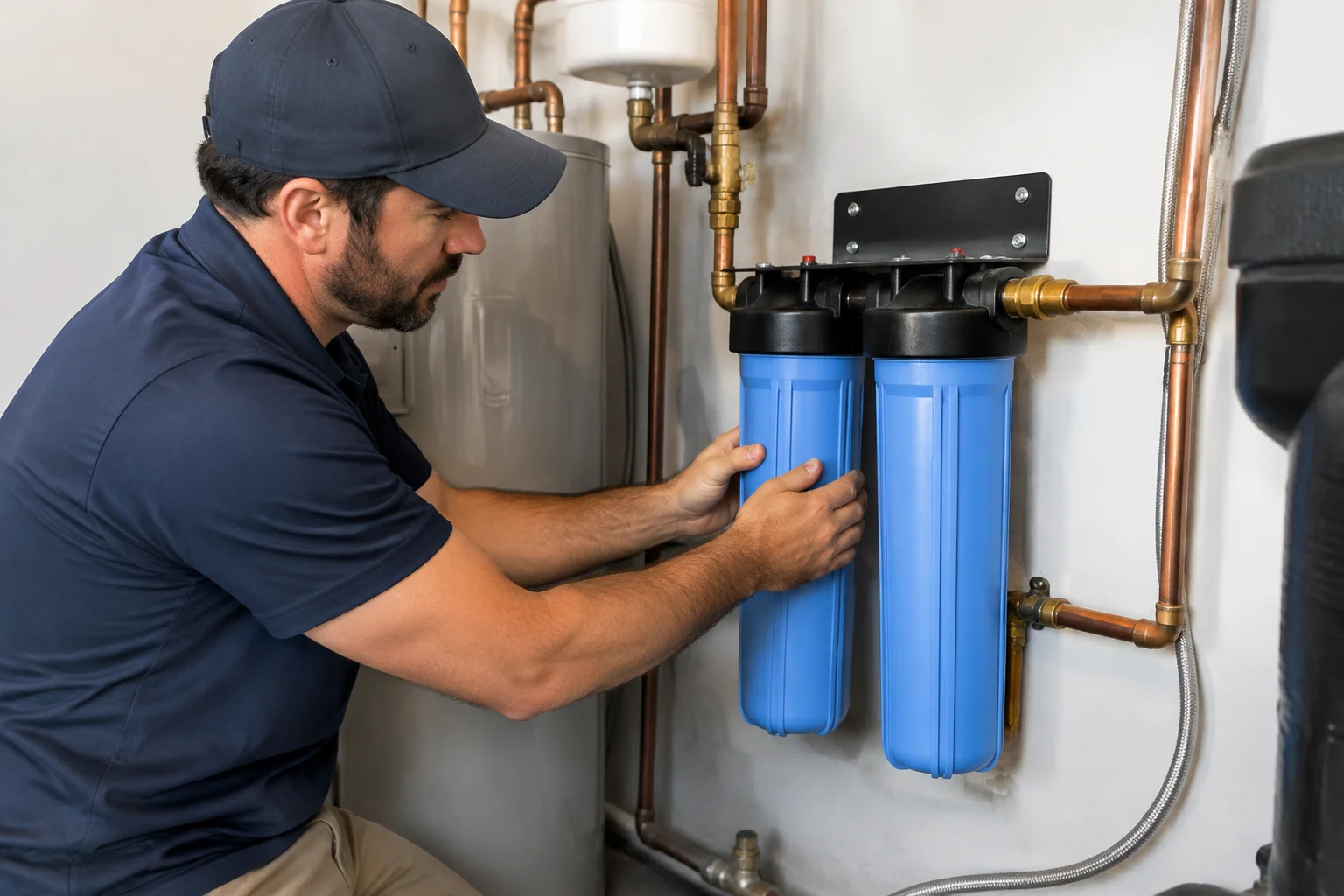
Whole home water filtration can help reduce sediment and improve water quality throughout the house. That matters for bathing, laundry, and appliance longevity. It also makes it easier to maintain consistent performance across multiple bathrooms and fixtures.
Homeowners who want clean water systems near me often discover that whole home filtration plus water softening creates a more complete solution than a single point-of-use filter.
Local maintenance matters: vacation rentals, coastal humidity, and busy seasons
Rosemary Beach is a destination town. Many homes are vacation rentals or second homes with different usage patterns than a primary residence. During peak season, water demand rises quickly, and multiple guests can cycle through showers, laundry, and kitchen appliances.
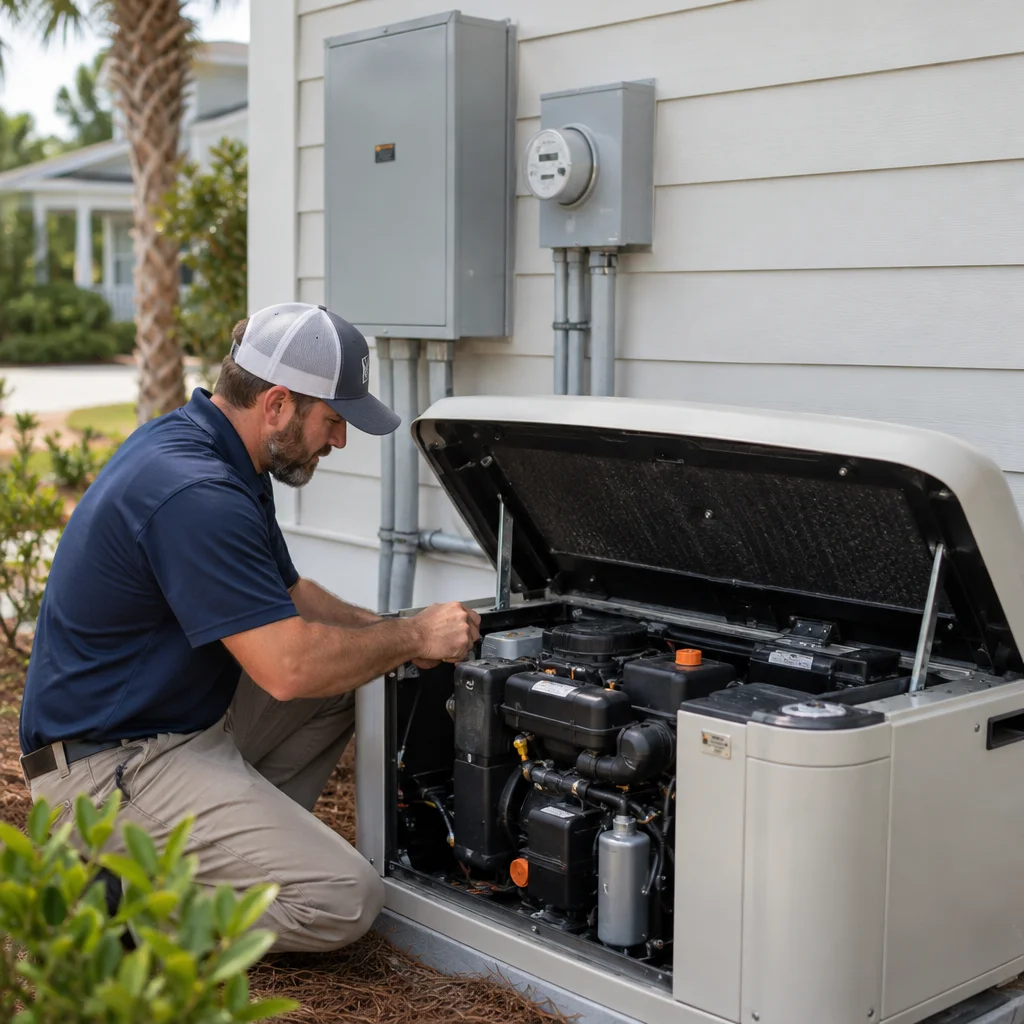
In that environment, scale buildup can become more noticeable and more damaging because appliances and fixtures run more often. A water softener service plan that includes monitoring and maintenance helps systems perform when you need them most.
If you are trying to protect plumbing and appliances across Walton County, it helps to choose local water treatment service that understands the area and can respond quickly. You can also explore the broader service coverage on the Rosemary Beach service area page and the Walton County service page.
What to do when you see these warning signs
If you are noticing hard water spots on glass, scale buildup on faucets, dry skin from hard water, cloudy ice cubes, or poor tasting coffee water, do not assume it will “go away.” These issues tend to worsen as mineral deposits build over time.
Start with observations and a simple checklist
Write down what you see and when it happens. For example:
- Are spots appearing on shower doors within days of cleaning?
- Do dishes come out with a film or spots?
- Is hot water taking longer to reach temperature?
- Do you notice metallic, chlorinated, or unpleasant taste?
- Is laundry feeling stiff or colors dull?
Ask about water testing and system matching
Good water treatment starts with the right information. Ask about testing that identifies hardness levels and checks for sediment and taste and odor concerns. Then request a plan that considers both softening and filtration, including options like reverse osmosis installation near your kitchen needs.
Schedule water softener service before scale becomes entrenched
Maintenance is not just about keeping the system running. It is about preventing scale buildup on plumbing and appliances. If you already have a system and performance is slipping, the solution might be adjustments, filter changes, or a service visit.
For homeowners who want a straightforward path, you can review the service details on our Rosemary Beach water softening page. It is also helpful to read how local scale and taste issues work together, like why water softening in Rosemary Beach gets tricky and how softening supports long-term protection in How water softening protects Rosemary Beach plumbing.
Because water problems sometimes escalate, it is also worth keeping an eye on plumbing health. If you notice unusual leaks, pressure changes, or drain behavior, the guidance in why emergency plumbing deserves attention can help you act early. And for routine steps that reduce risk, see practical plumbing maintenance that saves money.
How better water changes everyday moments
Water treatment can feel abstract until you connect it to everyday scenes. Picture a family in the kitchen making iced drinks for the afternoon, filling a glass with clear ice cubes instead of cloudy ones. The coffee maker runs with consistent water, and the coffee tastes more like the beans, not the water.
In the shower, shampoo lathers easier and rinses clean. Skin feels less tight after bathing. Towels come out softer. On glass shower doors, the haze is slower to return. In the dishwasher, dishes look cleaner with fewer hard water spots on dishes and less film on cookware.
Behind the scenes, appliances last longer because scale buildup is reduced. Water heaters work more efficiently. Plumbing stays healthier because mineral deposits do not accumulate as quickly. That is the practical payoff homeowners want from water softening and water filtration.
Quick guide: which signs point to softening versus filtration?
Use this as a starting point when you are deciding what kind of system you may need.
More likely connected to hard water and water softening
- Scale buildup around faucets, showerheads, and plumbing
- Hard water spots on glass, dishes, and fixtures
- Soap that does not lather or rinse well
- Dry skin or dull hair after bathing
- Appliances wearing out faster due to mineral deposits
More likely connected to filtration needs (sometimes with reverse osmosis)
- Metallic, chlorinated, or unpleasant taste
- Cloudy ice cubes and odor concerns
- Visible sediment or discoloration
- Poor tasting coffee water and inconsistent drinking water flavor
Many homes need both. Softening protects the plumbing and appliances from scale. Filtration improves the taste, odor, and clarity you experience in drinking and cooking water.
If you are evaluating water softener service near Rosemary Beach, start with the water quality warning signs you can see and feel. Then match the right treatment approach to your home’s needs. A Superior Mechanical can help you move from guesswork to a clean water system that supports coffee, ice, cooking, bathing, laundry, and the long-term health of your fixtures and appliances.
Find Water Softening in Rosemary Beach, FL
If you need Water Softening in Rosemary Beach, FL, visit our local service page or contact A Superior Mechanical today.
For a broader look at whole-home water filtration, reverse osmosis, and water softener options, visit our water filtration, RO, and water softener page.
Map of Rosemary Beach, FL
Frequently Asked Questions
How can I tell if my Rosemary Beach home needs water softening?
Look for hard water spots on glass, scale buildup on faucets and showerheads, soap that does not lather well, and dry skin or dull hair after bathing. If dishes or cookware also show film or spots, softening is often part of the solution.
Will water softening improve coffee and cooking water?
It can. Softening reduces hardness minerals that affect extraction, so coffee often tastes cleaner and cooking water can behave more consistently. If you also have chlorine taste in water or unpleasant odors, pairing softening with filtration or reverse osmosis installation can provide even better results.
What causes cloudy ice cubes in a home?
Cloudy ice is commonly linked to dissolved solids and fine particles freezing into visible haze. A whole home water filtration system and, for drinking and cooking, reverse osmosis installation can help improve clarity and taste.
Is AO Smith water filtration or a softener a good fit for homes in Walton County?
AO Smith systems are designed for reliable residential water treatment. The right fit depends on your water testing results, household size, and whether you need softening only or softening plus filtration. A water treatment professional can size and recommend the best approach.
How often should a water softener be serviced?
Most systems benefit from regular maintenance checks and timely filter and media service based on usage. If you notice reduced performance, more scale, or changes in taste, schedule water softener service promptly rather than waiting for the problem to worsen.
Related Articles
- How Water Softening Protects Rosemary Beach Plumbing from Costly Water Damage
- Why Water Softening in Rosemary Beach Gets Tricky: Spots, Scale, Taste, and Odor
- Why emergency plumbing in Rosemary Beach deserves attention before a small problem becomes a big one
- Protecting Rosemary Beach Homes from Waterline Trouble: Practical Plumbing Maintenance That Saves Money
Photo Gallery