If your household hot water is running out faster than it used to, your water heater is making strange sounds, or you are dealing with recurring leaks, installation details matter more than many homeowners expect. In Blue Mountain Beach, FL, where homes often see busy water use, changing humidity, and occasional hard water buildup, a correctly planned water heater installation can prevent the kind of plumbing repair calls that disrupt showers, laundry, and everyday comfort.
This guide focuses on practical, homeowner friendly choices for water heater installation in Blue Mountain Beach. It also covers how installation connects to water pressure, drains, pipes, sewer lines, and emergency plumbing concerns like hidden leaks under slabs.
Why water heater installation is more than swapping a unit
Many homeowners start with a simple question: “Can the plumber replace my water heater with the same model?” The answer is sometimes yes, but it depends on your plumbing setup. In Blue Mountain Beach, homes may have different pipe materials, older shutoff valves, varying water pressure, and different water quality. If your current unit is undersized or installed on aging plumbing, replacement can still leave you with hot water shortages or recurring issues.
A professional installation typically includes more than connecting supply and drain lines. It considers:
- System sizing based on household size, fixture use, and recovery rate
- Water pressure and whether a pressure reducing valve is needed
- Vent and flue safety for gas units, plus combustion air considerations
- Drain and condensate routing for tankless and for safe tank discharge
- Pipe condition where connections are made
- Leak prevention at fittings, valves, and nearby fixtures
When these details are skipped, homeowners often end up searching for a “plumber near me” again after a new water heater is installed, especially when small leaks become bigger water damage problems.
Blue Mountain Beach water use and why it affects hot water recovery
Blue Mountain Beach homes can have demanding water schedules. A family may run showers back to back, do laundry frequently, and use dishwashers during peak hours. Rentals can add unpredictable usage patterns, with multiple guests using hot water simultaneously.
That matters because a water heater’s job is not just to heat water once. It has to recover quickly enough to keep up with demand. If you install a unit that is too small or the wrong type for your household, you may see:
- Short hot water windows, especially in the morning
- Cold water “surges” when another fixture runs
- More temperature cycling, which increases wear on components
Installers should ask about the number of bathrooms, typical shower usage, laundry frequency, and whether your home has high demand fixtures. If you are renovating or adding a bathroom, installation planning becomes even more important.
Hard water, scale buildup, and how it changes installation choices
Many areas of Walton County experience hard water conditions, and homeowners notice it through mineral deposits on fixtures and reduced performance over time. Hard water can also accelerate scaling inside water heaters and on plumbing components.
During installation, a licensed plumber may recommend steps that help protect your new unit, such as:
- Checking whether you need a water softener or a whole house filtration approach
- Confirming the correct temperature setting to reduce excessive scaling
- Inspecting the inlet water conditions that can influence flow and recovery
Scale buildup does not only reduce hot water efficiency. It can contribute to pressure issues and create stress at fittings. Over time, that can lead to leaks that homeowners first notice near the unit or later as moisture around pipes and fixtures.
Water pressure checks: a common reason new installs still fail
Water pressure is one of the most overlooked factors in water heater installation. If pressure is too high, it can damage valves and fittings. If pressure is too low, the heater may not perform as designed, and you can experience inconsistent flow at showers, faucets, and toilets.
A proper installation should include a basic assessment of pressure and how it interacts with your plumbing system. If you have experienced:
- Hammering noises when water shuts off
- Frequent drip leaks at older shutoff valves
- Toilet fill issues or weak flushes
these symptoms can point back to pressure and valve condition. That is one reason “plumbing repair” after installation can sometimes involve more than the water heater itself.
Tank vs. tankless: installation details that affect long term maintenance
Homeowners often consider a tankless water heater because it can provide continuous hot water and may save space. But tankless installation requires careful planning for gas or electrical supply, venting, and condensate management. For tank systems, the focus is often on proper discharge routing, safe clearance, and reliable connections.
Here are practical points homeowners should understand before choosing:
- Tankless needs the right flow and venting. If your venting route is incorrect or your gas setup is inadequate, performance suffers and safety risks increase.
- Tank systems need safe discharge. The temperature and pressure relief valve (T and P valve) discharge line should route correctly so it does not create leaks or water damage.
- Both types depend on pipe condition. Corroded supply lines or aging shutoff valves can cause leaks after installation.
If you are comparing options, it can help to review a local guide on smarter installation and fewer surprises. See Keeping Your Water Heater Ready for Blue Mountain Beach Homes for maintenance planning that supports both tank and tankless setups.
Connections, valves, and venting: the places leaks start
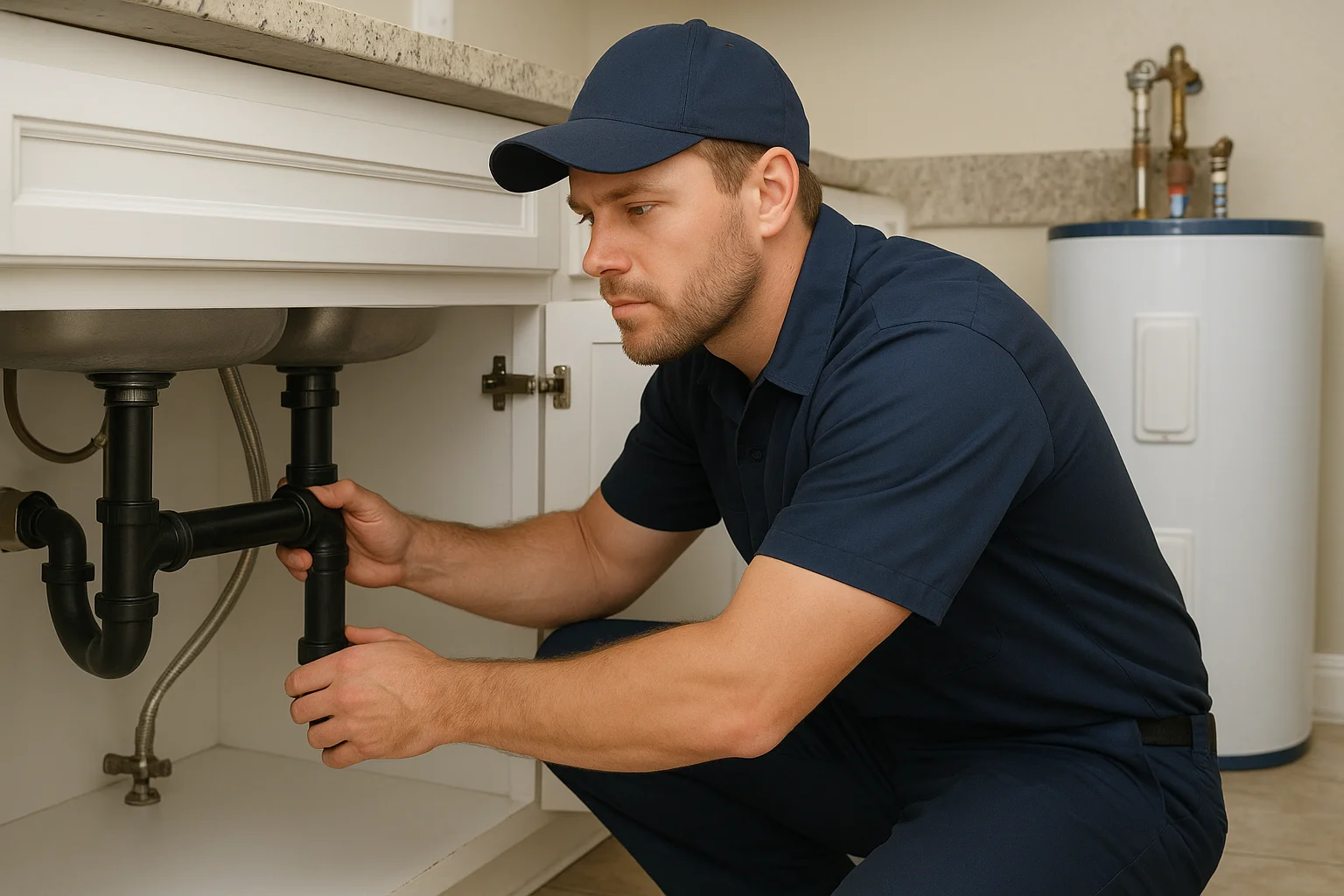
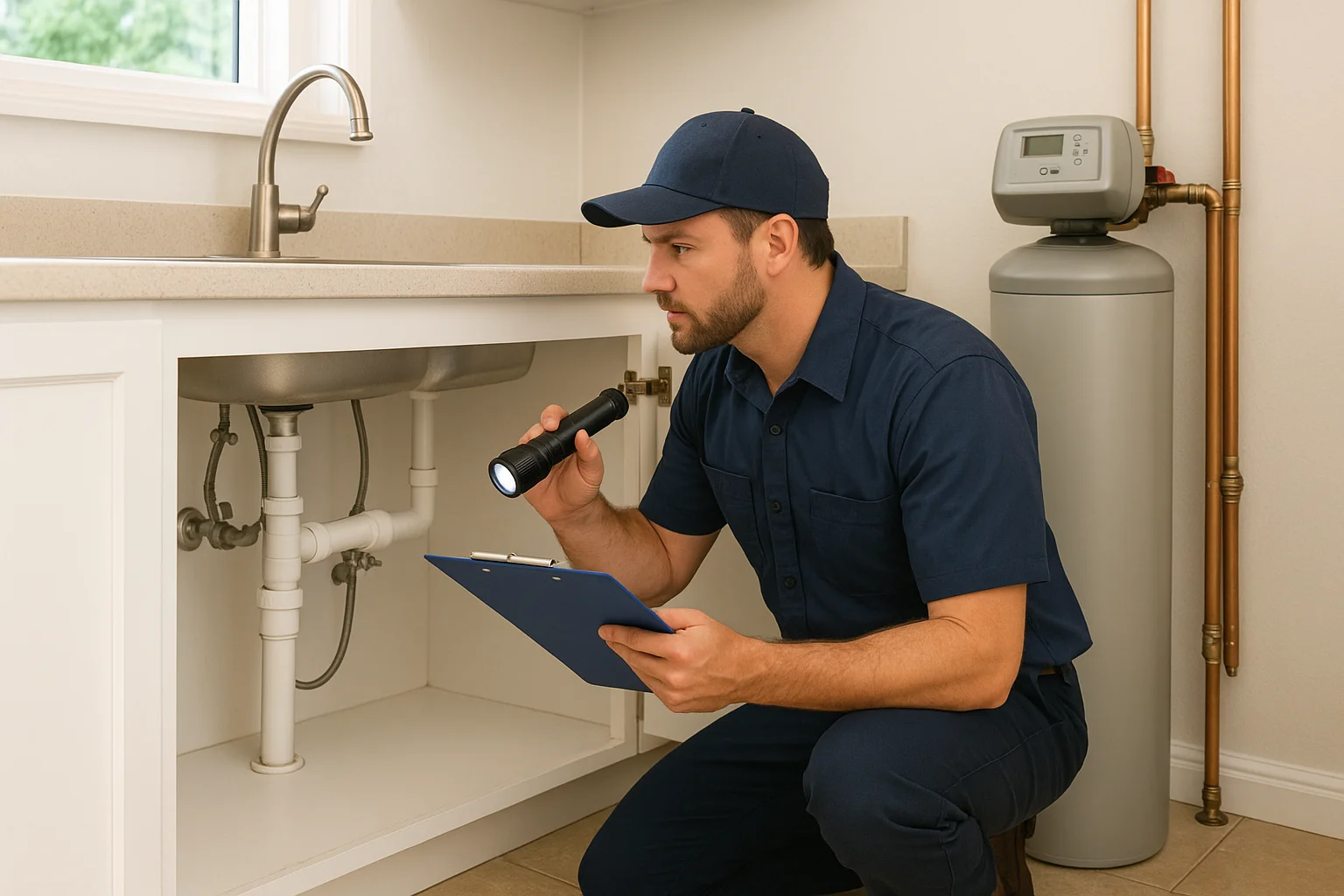
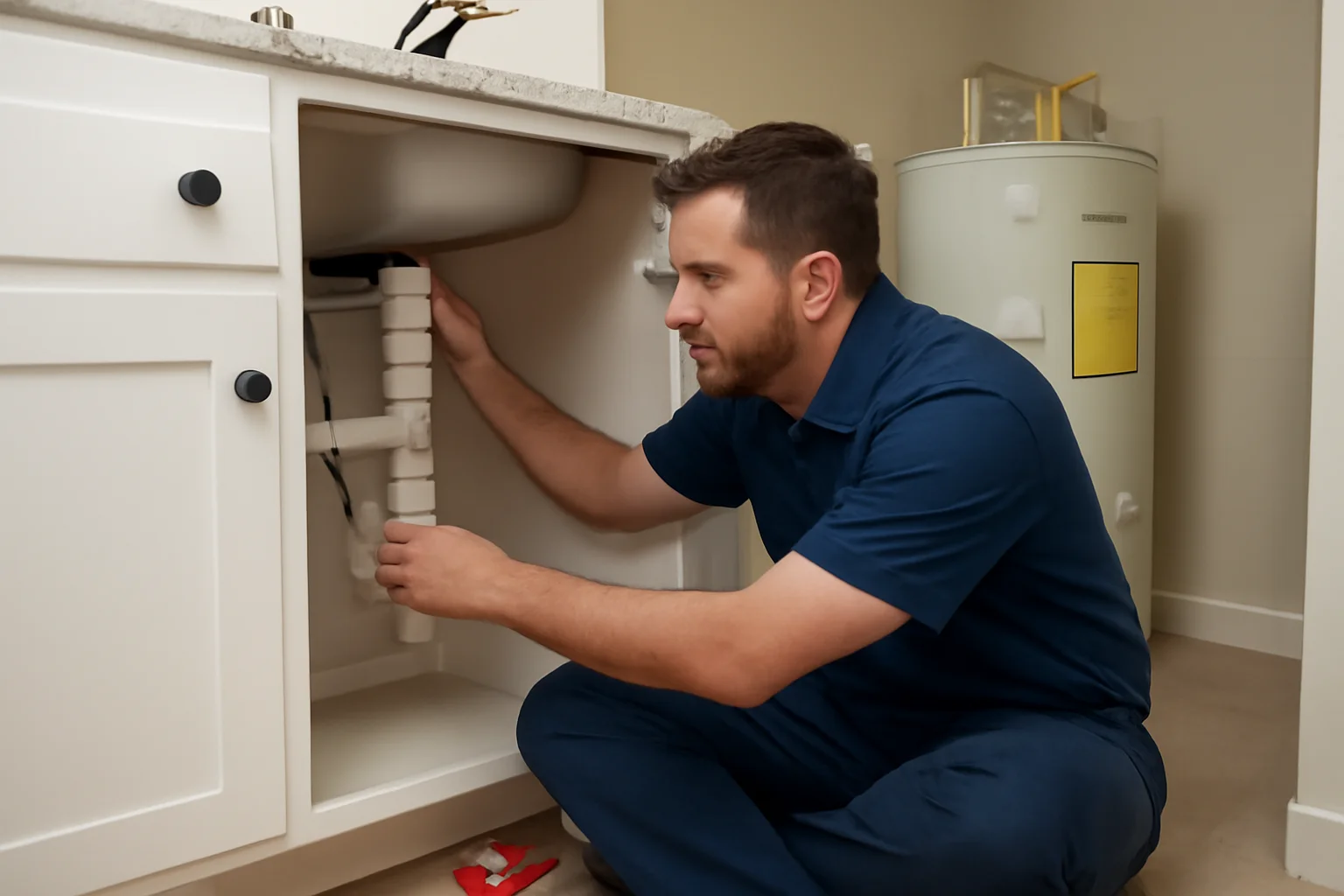
Many water heater problems begin as small issues at connections. Blue Mountain Beach homes may have older plumbing in closets, garages, or utility areas where moisture can hide behind walls and under floors. A careful plumber will inspect and address:
- Shutoff valves so you can isolate the water heater without shutting down the whole home
- Flexible connectors and fittings for proper material compatibility and secure sealing
- Drain line routing for safe discharge and to avoid water pooling
- Vent or flue integrity for gas units and proper combustion safety
Even a correctly installed water heater can develop leaks if nearby plumbing is failing. For example, a worn pipe section behind a fixture can leak slowly and appear unrelated at first. That is why leak detection matters when homeowners see new dampness after a replacement.
If you suspect a hidden leak, explore Leak Detection and Slab Leak to understand what professionals look for. Slab leaks can be especially urgent because they can damage flooring and foundation areas before you notice a clear water trail.
How installation connects to drains, sewer lines, and fixture performance
Water heaters do not operate in isolation. Their installation can affect the plumbing system that serves drains, sewer lines, and fixtures. While the heater itself is usually not the cause of drain clogs, poor installation choices can create secondary problems.
Here are ways homeowners can see connections between water heater installation and broader plumbing issues:
- Discharge routing affects nearby drains. If discharge lines are incorrectly run, you may see water pooling or recurring moisture near floor drains.
- Pressure changes can influence toilet and fixture flow. When pressure is off, toilets may run longer, and sinks may drain slower.
- Water usage patterns impact sewer line load. A home with more frequent hot water use may also increase total wastewater flow. If your sewer line has early blockage, it can show up during peak usage.
If you are dealing with “drain cleaning near me” searches because sinks or tubs are backing up, it is smart to address the full system. A plumber can help determine whether you need help understanding how everyday plumbing wear and tear affects sewer and drain problems in Blue Mountain Beach or whether a water heater issue is indirectly contributing through pressure or fixture performance.
Emergency plumbing concerns homeowners should not ignore
In coastal Florida, weather swings and humidity can make minor leaks more noticeable and more damaging. After installation, homeowners should monitor for early warning signs and know which issues are urgent.
Call for emergency plumbing services if you notice:
- Water pooling around the water heater, shutoff valves, or nearby pipes
- Strong water heater odor, unusual sizzling, or repeated relief valve discharge
- Rapid hot water loss after installation, especially if accompanied by wetness
- Brown or discolored water that appears suddenly
- Signs of slab leaks or foundation moisture, such as damp drywall or unexplained floor changes
For urgent situations, you can contact Emergency Plumbing Services in the Blue Mountain Beach area. When a small leak is left alone, it can become a major repair that affects floors, cabinets, and nearby fixtures.
What to ask before scheduling water heater replacement near me
When homeowners start searching “water heater replacement near me” or “water heater service,” they are usually trying to move quickly. Still, a few questions can help you choose the right installer and avoid installation mistakes.
Ask about:
- Correct sizing for your household and usage patterns
- Type of unit that fits your plumbing setup, including tank vs. tankless
- Pressure evaluation and whether adjustments are needed
- Vent and safety checks for gas models
- Drain and relief valve discharge routing
- Warranty coverage and what it includes after installation
It also helps to confirm that the company uses licensed plumbers and follows local safety standards. If you need a licensed plumber near me, look for clear communication about installation steps and post-installation checks.
Maintenance habits that keep installation working for years
Even with excellent installation, water heaters need homeowner support. Small habits reduce the chance of sediment buildup, pressure problems, and leaking connections.
Good maintenance habits include:
- Check the unit visually every month for moisture around fittings and the base
- Listen for changes in popping, rumbling, or frequent cycling
- Know where the shutoff valve is so you can respond quickly if a leak starts
- Flush the tank if recommended to reduce sediment buildup
- Schedule water heater service before performance drops
For broader plumbing upkeep, preventive care can make installation smoother. Homeowners in nearby areas have shared how preventive plumbing care reduces surprises during replacement. If you want a similar approach, see Why preventive plumbing care makes water heater installation smoother in Cinco Bayou.
Common installation mistakes that lead to repeat calls
Homeowners do not always see what goes wrong behind the scenes, but certain patterns show up repeatedly in plumbing repair work across Walton County.
Common mistakes include:
- Skipping pipe and valve inspection and reusing old, failing shutoffs
- Incorrect discharge line routing that creates moisture problems
- Ignoring water pressure issues that stress fittings
- Undersizing the unit for the home’s real hot water demand
- Improper venting or condensate management for tankless systems
When these issues happen, the symptoms can look unrelated at first. A homeowner might call for “pipe repair,” “leak repair,” or “drain cleaning near me” because the real problem is pressure or discharge routing that started the moisture and corrosion cycle.
Seasonal considerations for Blue Mountain Beach homes
Blue Mountain Beach is coastal, and the local climate can influence plumbing performance. Humidity can make leaks easier to spot, but it can also accelerate corrosion on exposed components. Heavy rain events can overwhelm drainage systems, and strong water flow can reveal weak connections and slow drains.
During rainy periods, pay attention to:
- Whether floor drains or yard drains are backing up
- Whether you notice dampness near the water heater closet or utility area
- Whether fixtures drain slower after rain or during high water use
If you notice slow drains, it may be time for drain cleaning or a deeper look at the main line. For example, if a “main drain cleaning near me” search turns into an urgent problem, a plumber can check for partial blockages, buildup, or early sewer line issues.
Working with A Superior Mechanical for installation and related plumbing help
Water heater installation works best when it is coordinated with the rest of your home plumbing. A Superior Mechanical helps Blue Mountain Beach homeowners choose the right system, install it safely, and reduce the chance of repeat repairs caused by pressure, leaks, or connection problems.
If you are also dealing with related concerns, the same team can often help with adjacent plumbing services, including:
- Water Heater Repair for performance issues after installation or for units nearing the end of their life, via Water Heater Repair
- Leak detection and slab leak evaluation when moisture appears in places it should not, via Leak Detection and Slab Leak
- Emergency plumbing response when leaks or relief valve discharge become urgent, via Emergency Plumbing Services
For homeowners who want to explore the broader local service area, you can also visit our Blue Mountain Beach service page or browse Walton County services.
Quick checklist before and after your water heater installation
Before installation
- Confirm the unit type and size match your household hot water demand
- Ask whether pressure should be checked or adjusted
- Discuss venting, discharge routing, and access to shutoff valves
- Let the plumber know about past leaks, slow drains, or discolored water
After installation
- Verify hot water temperature and consistent flow at showers and faucets
- Check around fittings and the base for any moisture
- Confirm the relief valve discharge line is dry and properly routed
- Note any unusual noises and report them early
These small steps help homeowners catch problems early, before they turn into a bigger repair such as a slab leak, a failing shutoff valve, or a drain backup caused by pressure changes and fixture flow.
Related reading for smarter planning
If you want more homeowner focused guidance, these articles can help you connect the dots between routine plumbing wear and water heater performance:
- How everyday plumbing wear and tear shapes sewer and drain problems in Blue Mountain Beach
- A Springfield Homeowner’s Guide to Smarter Water Heater Installation and Fewer Plumbing Surprises
- Keeping Your Water Heater Ready for Blue Mountain Beach Homes
Find Water Heater Installation in Blue Mountain Beach, FL
If you need Water Heater Installation in Blue Mountain Beach, FL, visit our local service page or contact A Superior Mechanical today.
Map of Blue Mountain Beach, FL
Frequently Asked Questions
How do I know whether I need water heater installation or water heater repair?
If the unit is leaking, producing rusty or cloudy water, failing to heat consistently, or nearing the end of its typical service life, installation is often the safer long term choice. A plumber can evaluate the heater, connections, and pressure to confirm whether repair is realistic.
Should I worry about water pressure before replacing my water heater?
Yes. Incorrect water pressure can stress valves, fittings, and the temperature and pressure relief system. A licensed plumber should assess pressure and confirm that the installation includes proper safety and connection checks.
What are the most common causes of leaks after a new water heater is installed?
Leaks commonly come from shutoff valves, corroded pipe sections reused during the swap, incorrect discharge line routing, or fittings that were not sealed correctly. Hidden leaks can also appear if nearby plumbing is failing.
Does tankless water heater installation require different plumbing work than a tank heater?
Yes. Tankless systems usually require careful attention to venting, gas setup (for gas models), and condensate management. The plumbing layout also needs to support consistent flow for performance.
When should I call an emergency plumber for water heater problems?
Call right away if you see pooling water, repeated relief valve discharge, strong odor, sudden hot water loss with wetness nearby, or signs of a slab leak such as damp floors or drywall. Quick action helps limit damage to pipes, fixtures, and surrounding areas.
Related Articles
- How everyday plumbing wear and tear shapes sewer and drain problems in Blue Mountain Beach
- A Springfield Homeowner’s Guide to Smarter Water Heater Installation and Fewer Plumbing Surprises
- Why preventive plumbing care makes water heater installation smoother in Cinco Bayou
- Keeping Your Water Heater Ready for Blue Mountain Beach Homes
Photo Gallery