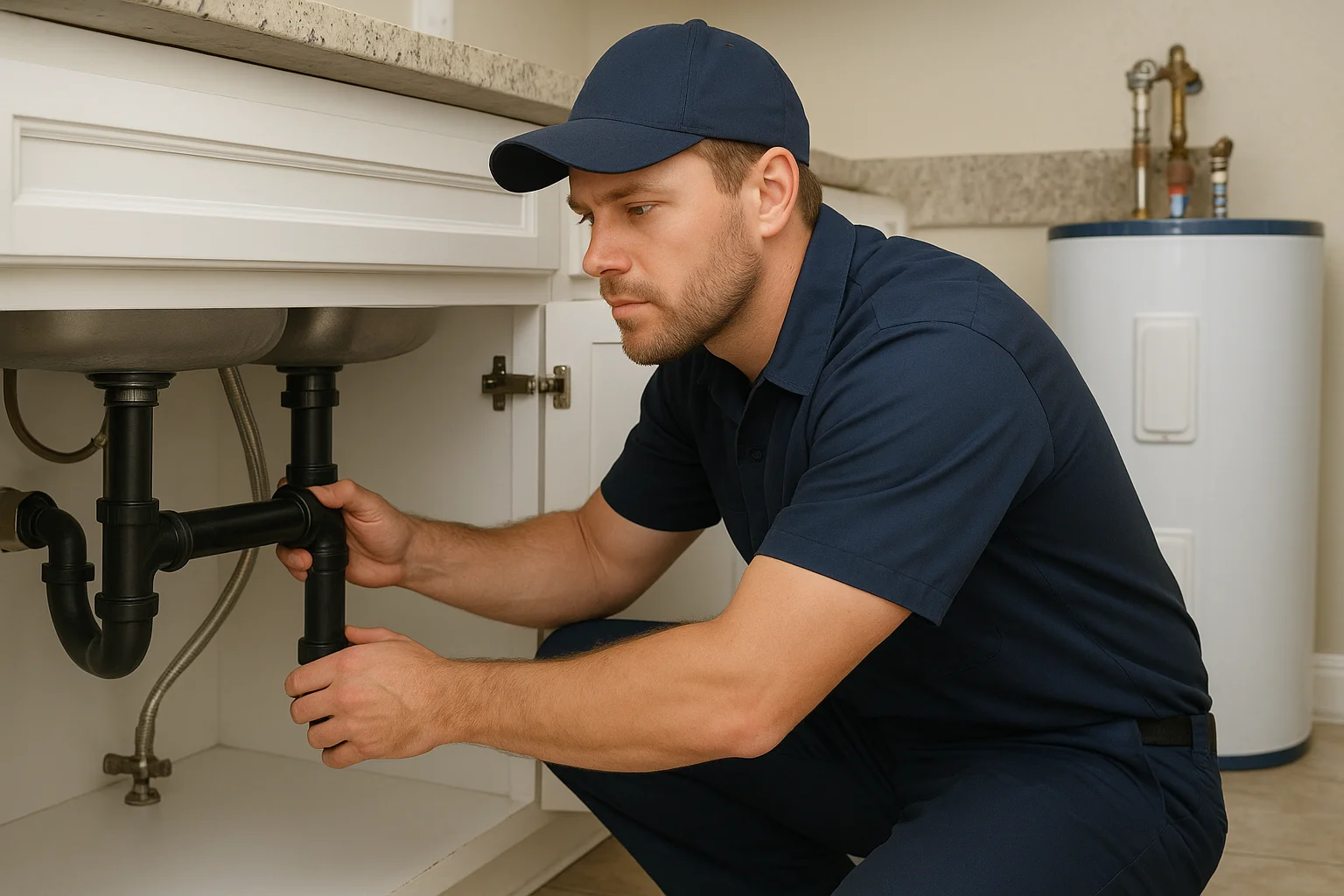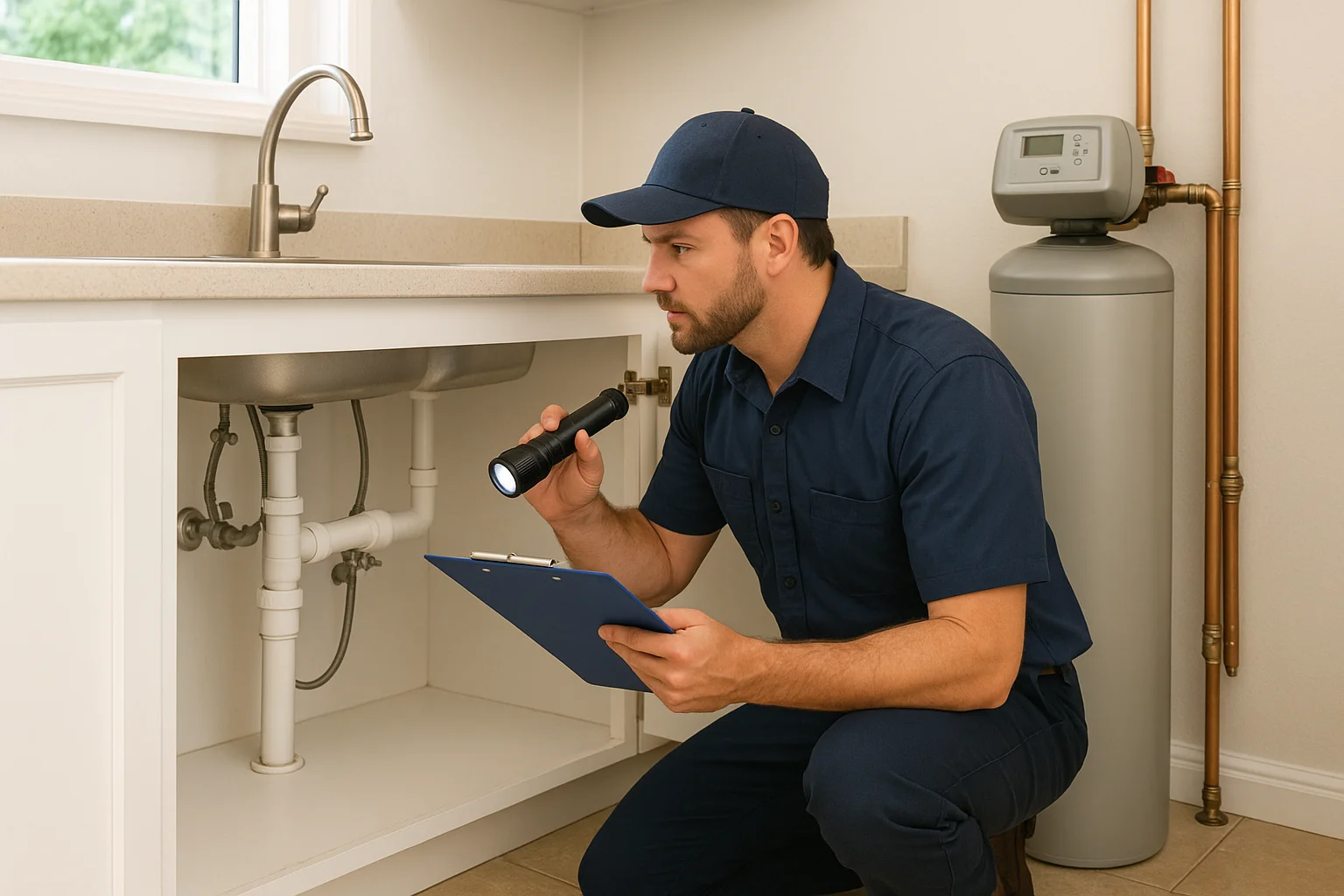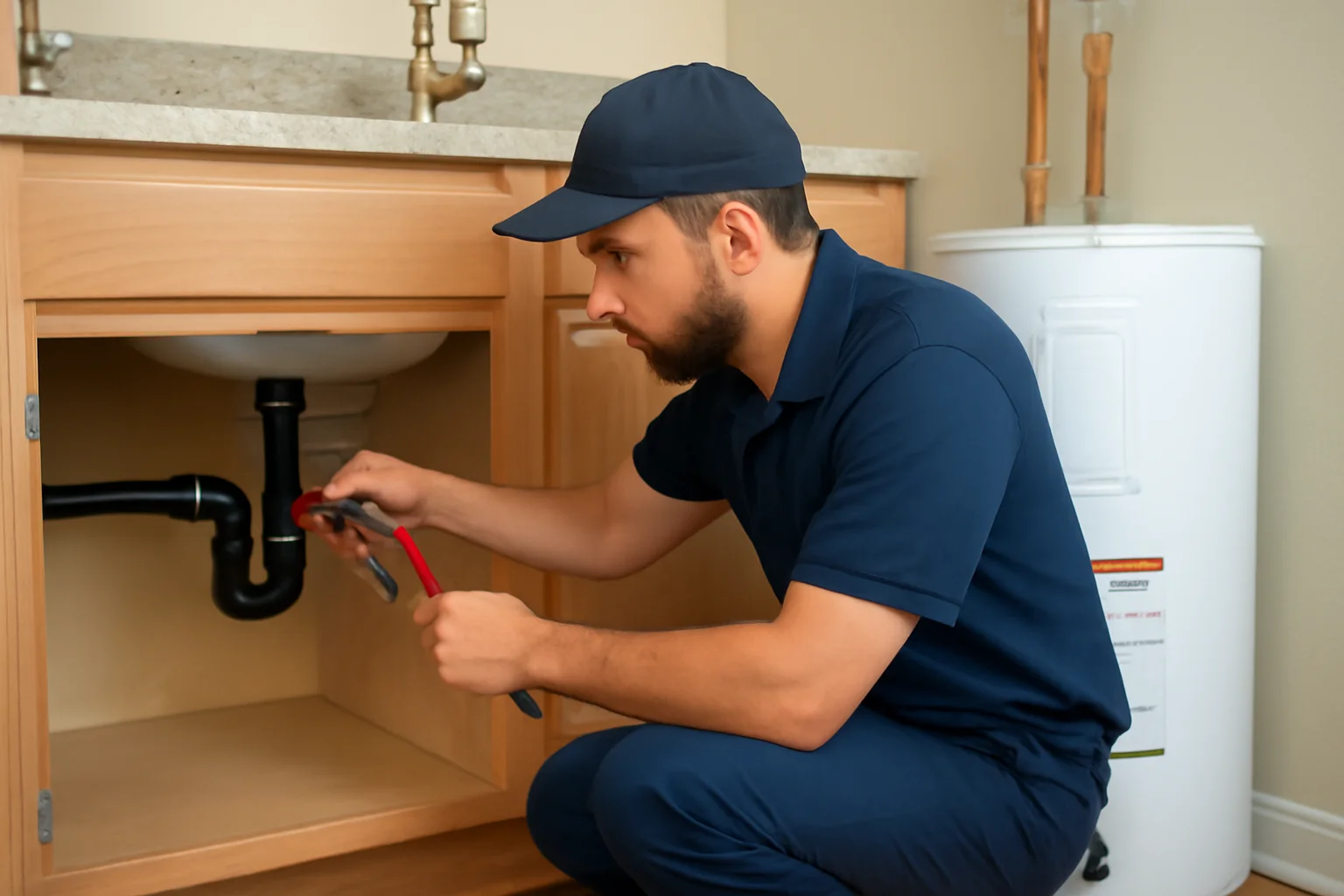
Hammock Bay, FL homes rely on reliable hot water every day, from morning showers to laundry and dishwashing. When a water heater is installed the right way, it can also help prevent the leaks, drain problems, and pipe stress that often lead to expensive plumbing repairs. If you are searching for water heater installation in Hammock Bay, FL, this guide covers the practical steps and local considerations that matter most.
Why water heater installation in Hammock Bay can make or break your plumbing budget
Water heaters do not work in isolation. They connect to your home’s water pressure, supply lines, drainage routes, venting systems, and nearby fixtures. In Hammock Bay and throughout Walton County, homes experience seasonal weather swings and humidity that can affect plumbing performance, especially for older pipe materials and joints.
Common installation mistakes, even small ones, can create issues that show up months later. A loose connection can become a slow leak. An incorrect shutoff or valve can lead to water hammer. Poor drain setup can cause standing water and corrosion. Over time, these problems can turn into leak repair emergencies, slab leak concerns, and costly repairs that homeowners do not expect.
Local water use and water pressure: the starting point for a trouble-free install
Before installation, a licensed plumber should evaluate how your home uses water and how your plumbing system responds. Hammock Bay homes may have different hot water demands depending on household size, rental occupancy, and how many bathrooms are in use.
Here is what to pay attention to:
- Water pressure: Too high pressure can stress fittings, cause valve leaks, and contribute to premature failure. Too low pressure can limit hot water recovery and increase the likelihood of complaints that sound like “the heater is broken” when the real issue is system pressure.
- Recovery rate: If the heater cannot keep up with local water use patterns, the unit may cycle more often, which can wear components faster.
- Pipe sizing and routing: If supply lines are too small or runs are poorly routed, you can see temperature drops at fixtures and higher strain on the heater.
When homeowners search for a “licensed plumber near me” for water heater service, many are really trying to solve a bigger system problem. A proper assessment helps prevent repeat repairs and keeps installation costs from multiplying later.
Hard water in Walton County and why it matters for installation
Hard water can be a hidden driver of plumbing issues. Mineral buildup affects how water heaters heat and how long they last. Over time, sediment accumulation can reduce efficiency, shorten the heater’s life, and increase the chance of leaks around fittings and connections.
During installation, a professional should consider:
- Flushing and maintenance planning: Ask about a maintenance schedule that fits your household and water conditions.
- Drain connection quality: The drain line and discharge route should be set up to handle maintenance and prevent backflow or pooling.
- Protective steps: Depending on your system, a plumber may recommend filtration or water treatment options to reduce scale buildup.
If you are planning ahead for cleaner water and fewer surprises, these tips can help: Planning Ahead for Cleaner Water and Fewer Plumbing Surprises in Hammock Bay.
Tank vs. tankless: installation details that affect repairs
Some homeowners choose a tank water heater because it is straightforward and familiar. Others prefer a tankless system for efficiency and on-demand hot water. Either option can work well in Hammock Bay, but installation requirements differ.
Tank water heater installation considerations
Tank systems depend on stable water pressure, correct drain setup, and safe venting. A common repair path starts with small issues like:
- Improper temperature and pressure relief valve discharge routing
- Drain line that is not correctly connected or that creates restrictions
- Connections that do not use the right materials for your plumbing type
If you have seen rust, water staining, or dampness near the base, those can be early signs of trouble. Addressing them during installation planning can help avoid later leak detection needs.
Tankless water heater installation considerations
Tankless units are sensitive to flow rate, gas or power supply requirements, and venting. While homeowners may focus on the unit itself, the plumbing connections and pressure stability are what often determine whether you end up needing plumbing repair again soon. If you are shopping for “water heater installation near me” because your current system cannot keep up, ask your installer to review flow and pressure before the unit is purchased.
For homes dealing with performance issues after a change, tankless service may be needed. If you are searching for “tankless water heater repair near me,” it is usually better to prevent the need by making sure the install is done correctly the first time.
Drain lines, venting, and expansion: the hidden plumbing parts of a good install
Costly plumbing repairs often begin in areas homeowners rarely think about. During water heater installation, the following items should be verified:
Drain line setup for maintenance and safety
A water heater needs a safe path for discharge and maintenance draining. If the drain line is installed incorrectly, sediment can build up, water can back up, and the area around the unit can stay damp. Dampness can lead to corrosion and damage to nearby pipes and fixtures.
Even if you never notice it, a poor drain line can contribute to future problems like slow drain repair near me searches that turn into urgent issues when water backs up.
Vent and flue integrity for gas units
For gas water heaters, venting and flue connections must be secure and code-compliant. While this is sometimes described as HVAC-adjacent, the consequences show up in plumbing and safety concerns. Improper venting can cause combustion issues that lead to shutdowns and increased service calls.
Thermal expansion and water hammer control
When water heats up, it expands. Most modern systems include ways to manage pressure changes, but installation details matter. Without proper controls, you can hear banging or see repeated stress on pipe joints, shutoff valves, and fixtures. Over time, that stress can contribute to leaks.
Signs your water heater installation is heading toward trouble
Some warning signs are obvious. Others show up quietly and worsen over time. Watch for these local home indicators after installation or during replacement planning:
- Water pooling around the base: Can suggest a faulty connection, relief valve discharge issue, or internal tank failure.
- Rusty water: Often indicates sediment or tank deterioration.
- Frequent cycling or inconsistent hot water: May point to sizing issues, pressure problems, or supply constraints.
- New damp spots near nearby pipes or fixtures: Slow leaks can spread into walls and cabinets.
- Low hot water recovery after showers: Could be a capacity mismatch that leads to repeated strain.
If you see signs of leaking, do not wait. A small leak can become a bigger plumbing repair situation, including water damage that complicates access to pipes and connections.
How slab leak concerns can connect to water heater plumbing
In homes with slab foundations, leaks can be especially expensive because the water may travel under the concrete before it becomes visible. A water heater connects to supply lines and shutoffs that may run through walls or under floors depending on the home layout. If a leak starts at a connection point and water migrates, homeowners sometimes assume the heater is failing when the real issue is a plumbing leak.
For any persistent dampness, unexplained moisture, or recurring pressure drops, professional leak detection and slab leak repair can help identify the source before it turns into a larger emergency plumbing concern.
Preventing costly repairs with the right installation checklist
If you are comparing a plumber or preparing for water heater installation near you, ask whether they follow a structured process. Here are practical items that reduce the chance of future leak repair and drain issues:
1) Confirm sizing and system compatibility
Correct sizing reduces cycling and keeps hot water consistent. Compatibility includes matching the heater to your home’s plumbing type, venting requirements, and water pressure profile.
2) Use proper shutoffs and check valve strategy
Shutoffs make future repairs faster and less disruptive. A check valve strategy can also reduce unwanted backflow that can affect fixtures and drainage.
3) Verify connections for leaks before leaving
A professional installer should test connections and check for seepage. This is one of the simplest ways to avoid a slow leak that later becomes a “plumbing repair” emergency.
4) Review the drain path and discharge safety
Make sure discharge is routed safely and that the drain line is installed to prevent pooling. This matters for both maintenance and long-term corrosion control.
5) Document the install for future service
Keep the paperwork and installation details. If you later need water heater service, documentation helps technicians troubleshoot faster and can prevent repeat work.
Local planning that reduces repair calls for Hammock Bay homeowners
Water heater installation is a moment, but maintenance is what keeps your system dependable. Two planning steps help homeowners avoid surprise drain and leak repair issues:
- Schedule preventive plumbing care: Regular inspections can catch early signs of leaks, corrosion, and sediment buildup.
- Address water quality and flow concerns: Cleaner water and stable pressure reduce strain on the heater and connected pipes.
If you want more help building a maintenance rhythm, read Planning Ahead for Plumbing Maintenance in Hammock Bay Homes and Why preventive plumbing care makes water heater installation smoother in Cinco Bayou.
For broader context on smarter installation choices, this guide is also useful: A Springfield Homeowner’s Guide to Smarter Water Heater Installation and Fewer Plumbing Surprises.
When to call a professional in Hammock Bay
Some DIY attempts can turn into bigger problems, especially when it involves connecting pipes, adjusting pressure equipment, or correcting drain and venting routes. A local plumber is the best choice when you notice:
- Active leaks: Water around the heater, damp walls, or dripping from valves.
- Repeated temperature swings: Hot water that changes suddenly can indicate a system issue.
- Low pressure that affects fixtures: If multiple faucets show changes, the plumbing system may be the cause.
- Drain backups: If you are dealing with clogged drain repair near me searches because water is not draining properly, resolve those issues early. Blockages can affect how discharge and nearby plumbing behave.
Hammock Bay weather and humidity can make water issues easier to notice, but they can also hide them until materials weaken. If you are facing an urgent problem, look for emergency options and contact a team that offers reliable local plumbing help across Walton County. You can also explore the service area coverage on our Hammock Bay service page and broader options on Walton County services.
Related plumbing services that pair well with water heater work
Water heater problems often overlap with other plumbing concerns. Homeowners in Hammock Bay frequently need help with the same systems that connect to hot water and drainage.
- Residential plumbing support: For general troubleshooting and fixture issues, see Plumbing in Hammock Bay.
- Camera inspection: If you suspect a hidden blockage or want to confirm a pipe condition, consider Camera Inspection.
- Water heater replacement: If your current unit is nearing the end of its life, review Water Heater Replacement for guidance on planning and timing.
These services can reduce repeat disruptions, especially when you are dealing with multiple plumbing repair needs like toilet repair, faucet repair, or leak repair in the same home.
Choosing A Superior Mechanical for local water heater installation
A Superior Mechanical focuses on professional water heater installation in Hammock Bay, FL, with reliable workmanship for homes, rentals, and businesses throughout Walton County. If you are searching for a water heater installation near me, selecting a team that understands local plumbing realities helps protect your pipes, fixtures, and drainage system from avoidable repairs.
For homeowners who want a clear path forward, start with the service page here: water heater installation in Hammock Bay, FL. That is the fastest way to connect your replacement or installation needs with the right plumbing approach for your home’s layout, water use, and maintenance goals.
Find Water Heater Installation in Hammock Bay, FL
If you need Water Heater Installation in Hammock Bay, FL, visit our local service page or contact A Superior Mechanical today.
Map of Hammock Bay, FL
Frequently Asked Questions
How long does water heater installation usually take in Hammock Bay homes?
Most installations take a few hours, but timing depends on the type of unit, the condition of existing pipes, and whether the drain line, shutoffs, and venting need adjustments. A licensed plumber will review your setup first so you know what to expect.
What are the most common causes of water heater leaks after replacement?
Leaks typically come from loose or incorrectly matched connections, relief valve discharge issues, improper drain line routing, or stress from water pressure that is too high. Hard water sediment can also contribute to corrosion over time.
Should I schedule drain cleaning or camera inspection before installing a new water heater?
If you have slow drains, recurring backups, or signs of a hidden blockage near the heater area, an inspection can prevent surprises. Camera inspection can confirm pipe condition so the new install is not impacted by underlying drain or pipe problems.
Is tankless installation harder to get right than a tank water heater?
Tankless systems require careful attention to flow rate, pressure stability, venting, and connection details. A professional installer will verify compatibility with your home’s plumbing before moving forward.
When should I treat a water heater issue as an emergency?
If you see active leaking, water pooling, sudden loss of water pressure, or signs of a burst pipe, treat it as urgent. Fast response can limit water damage and reduce the chance of more extensive leak repair needs.
Related Articles
- Planning Ahead for Plumbing Maintenance in Hammock Bay Homes
- Planning Ahead for Cleaner Water and Fewer Plumbing Surprises in Hammock Bay
- A Springfield Homeowner’s Guide to Smarter Water Heater Installation and Fewer Plumbing Surprises
- Why preventive plumbing care makes water heater installation smoother in Cinco Bayou
Photo Gallery