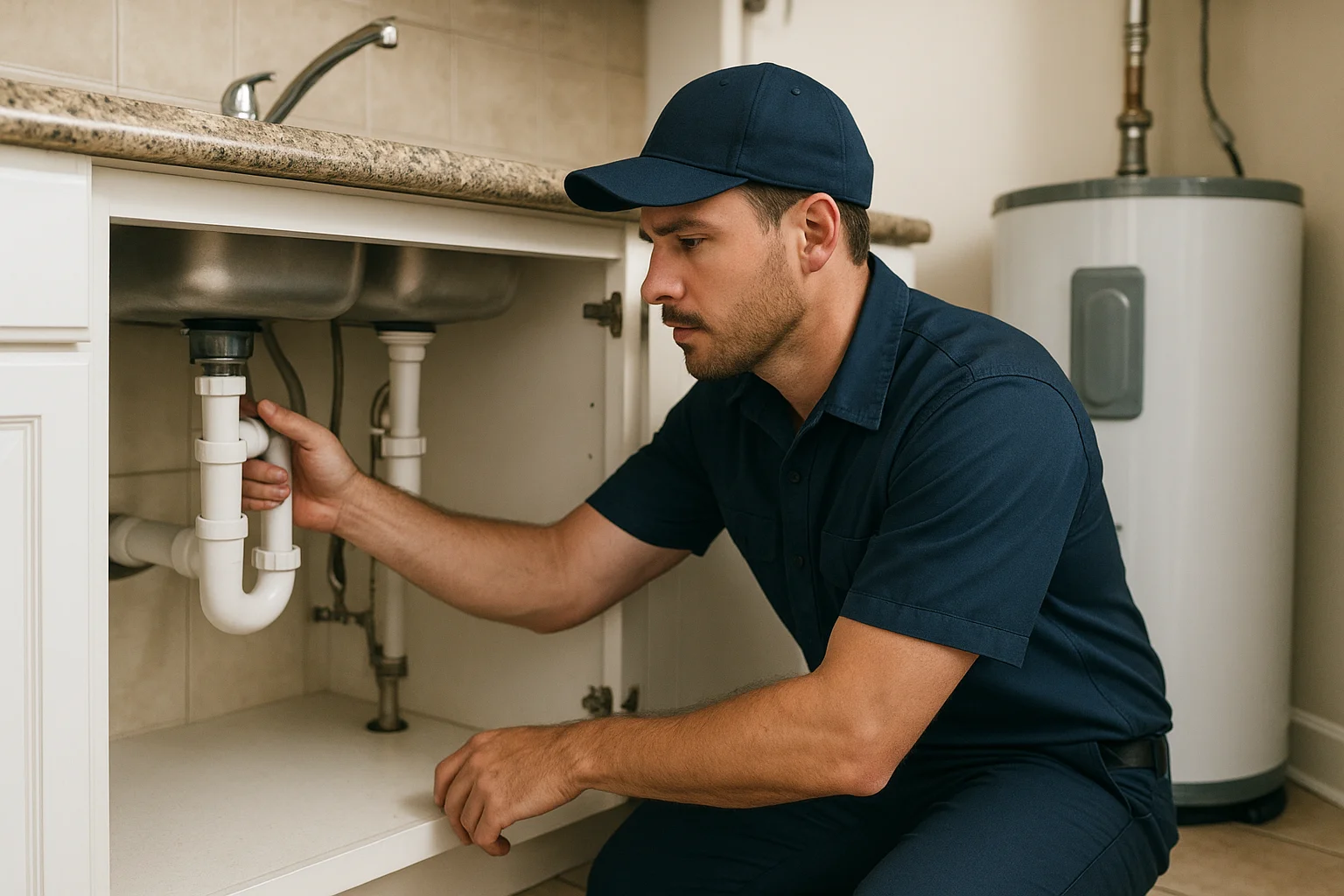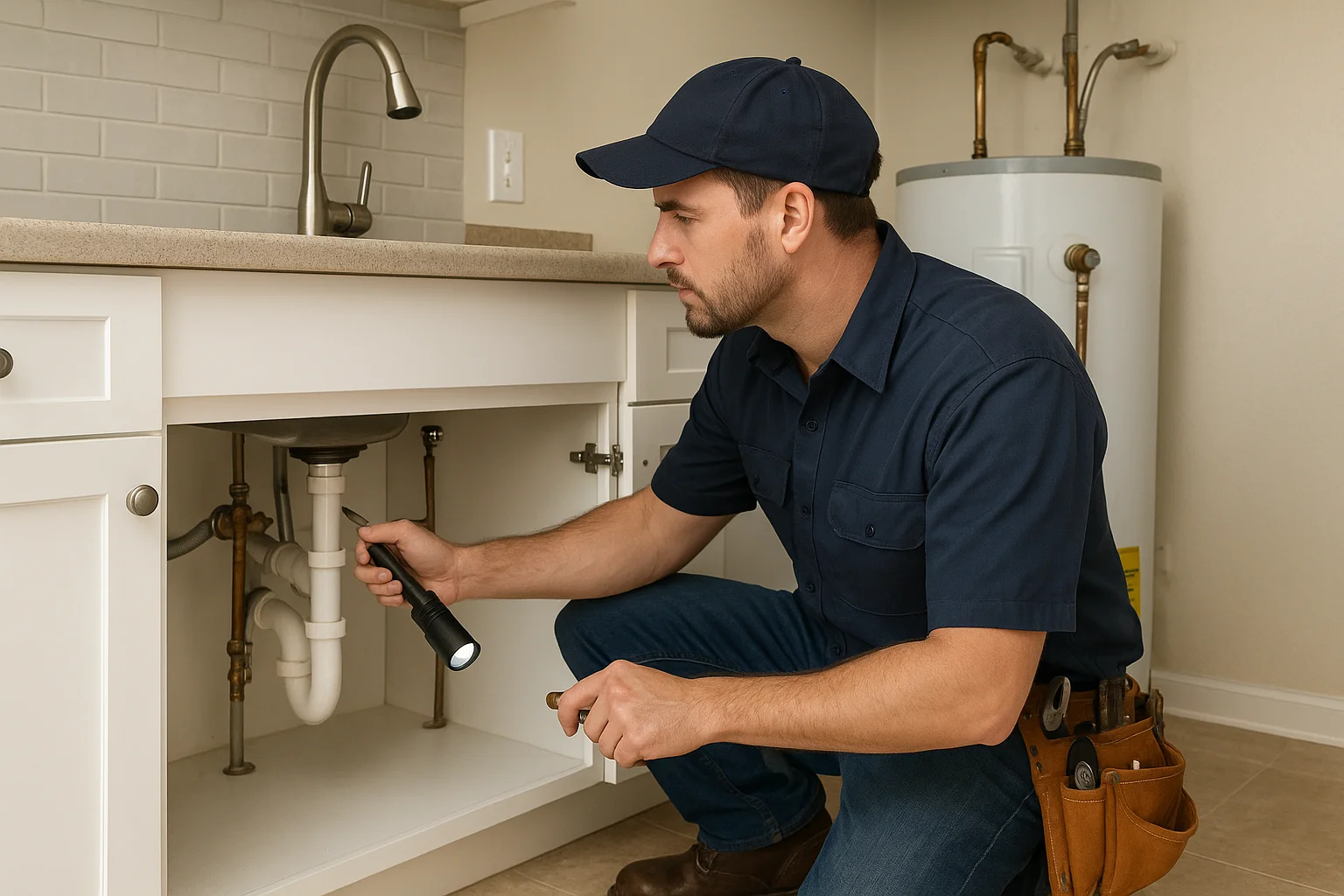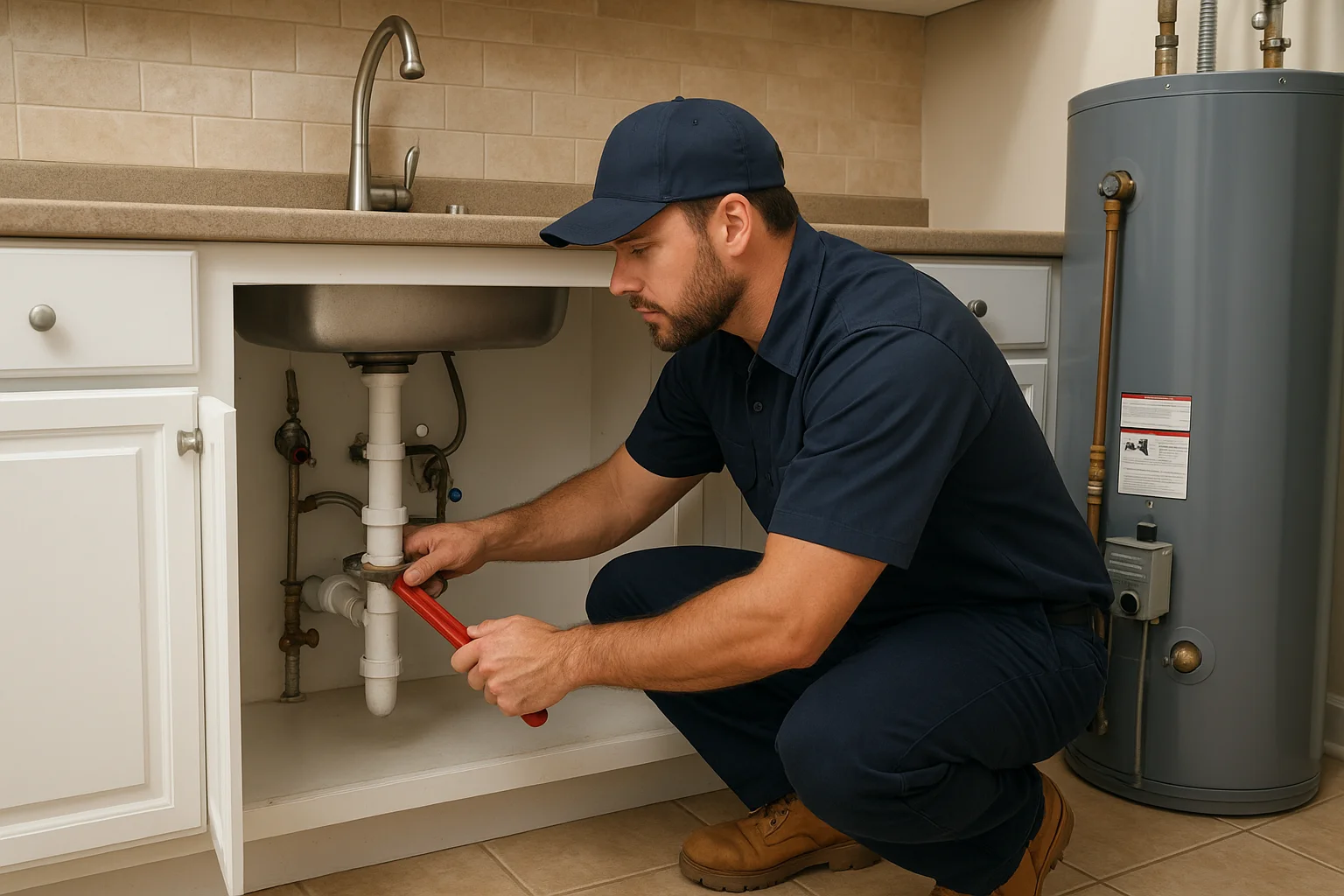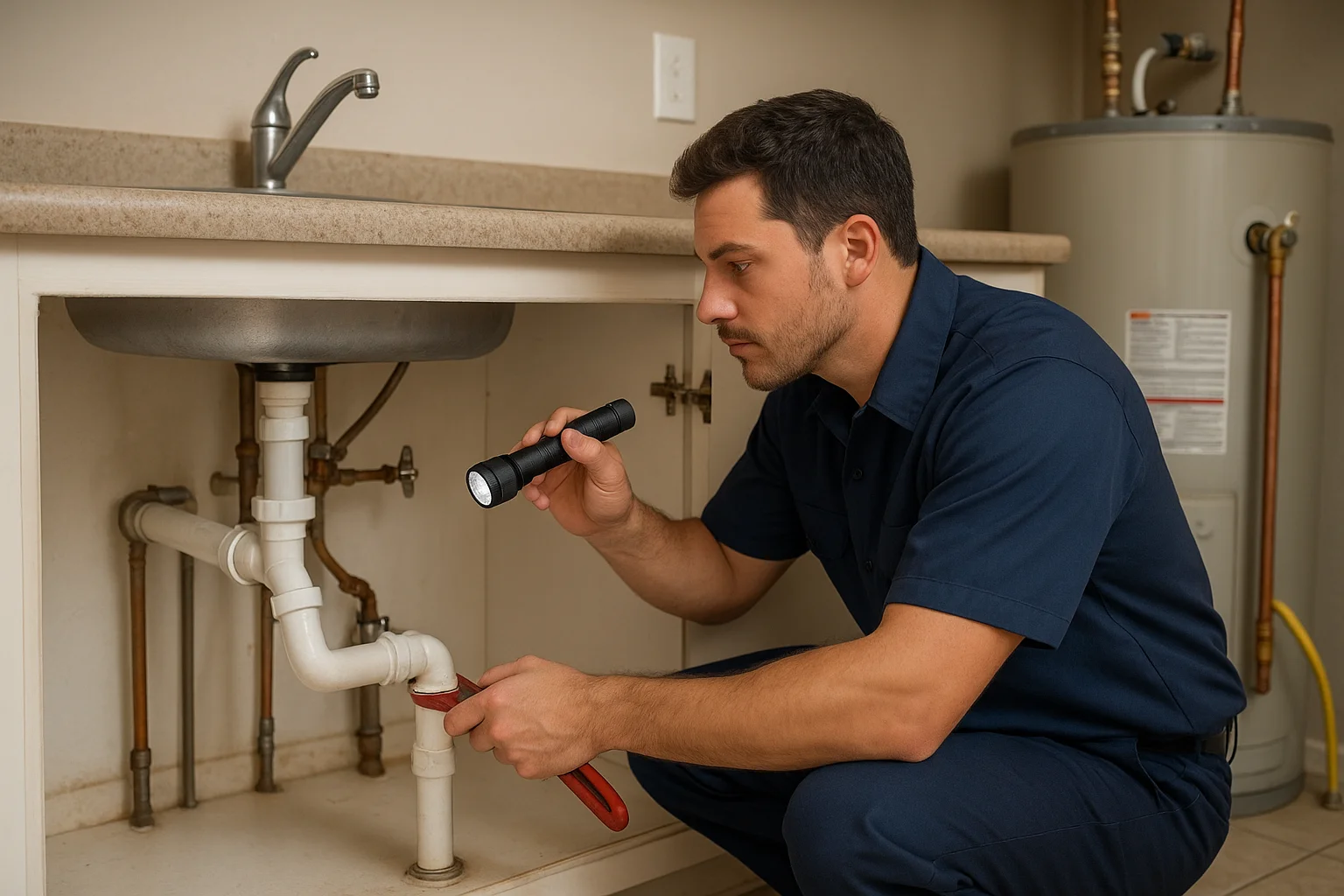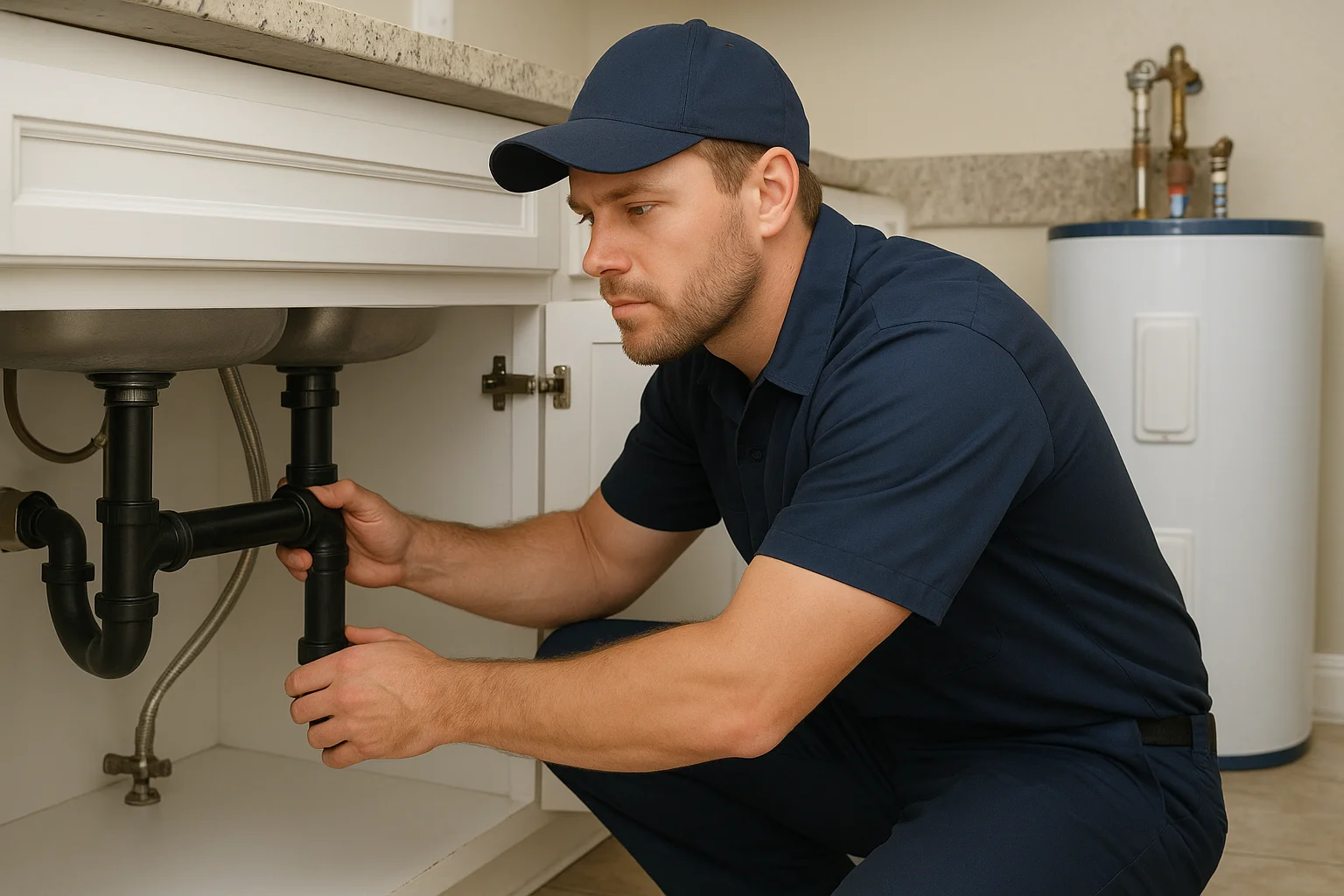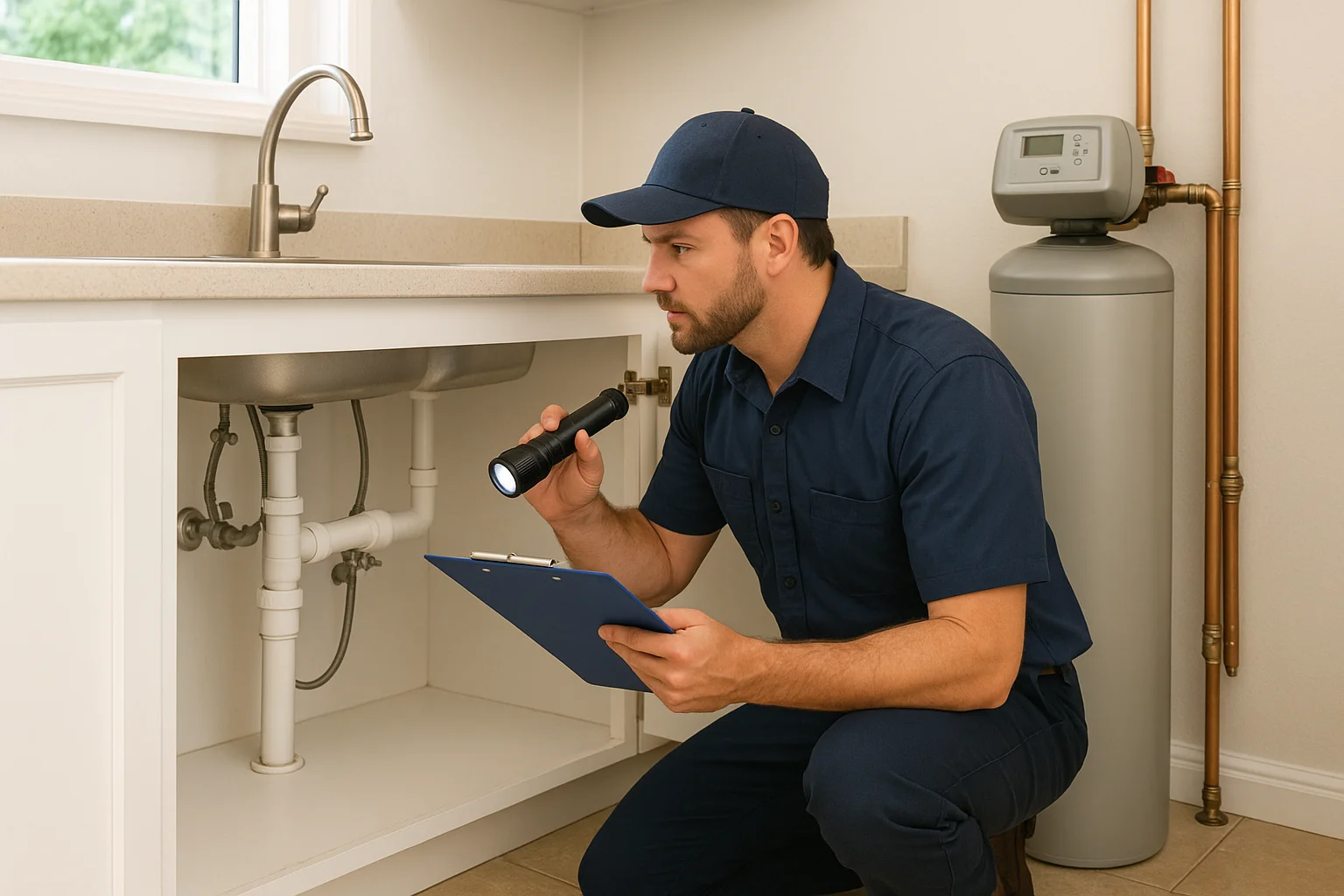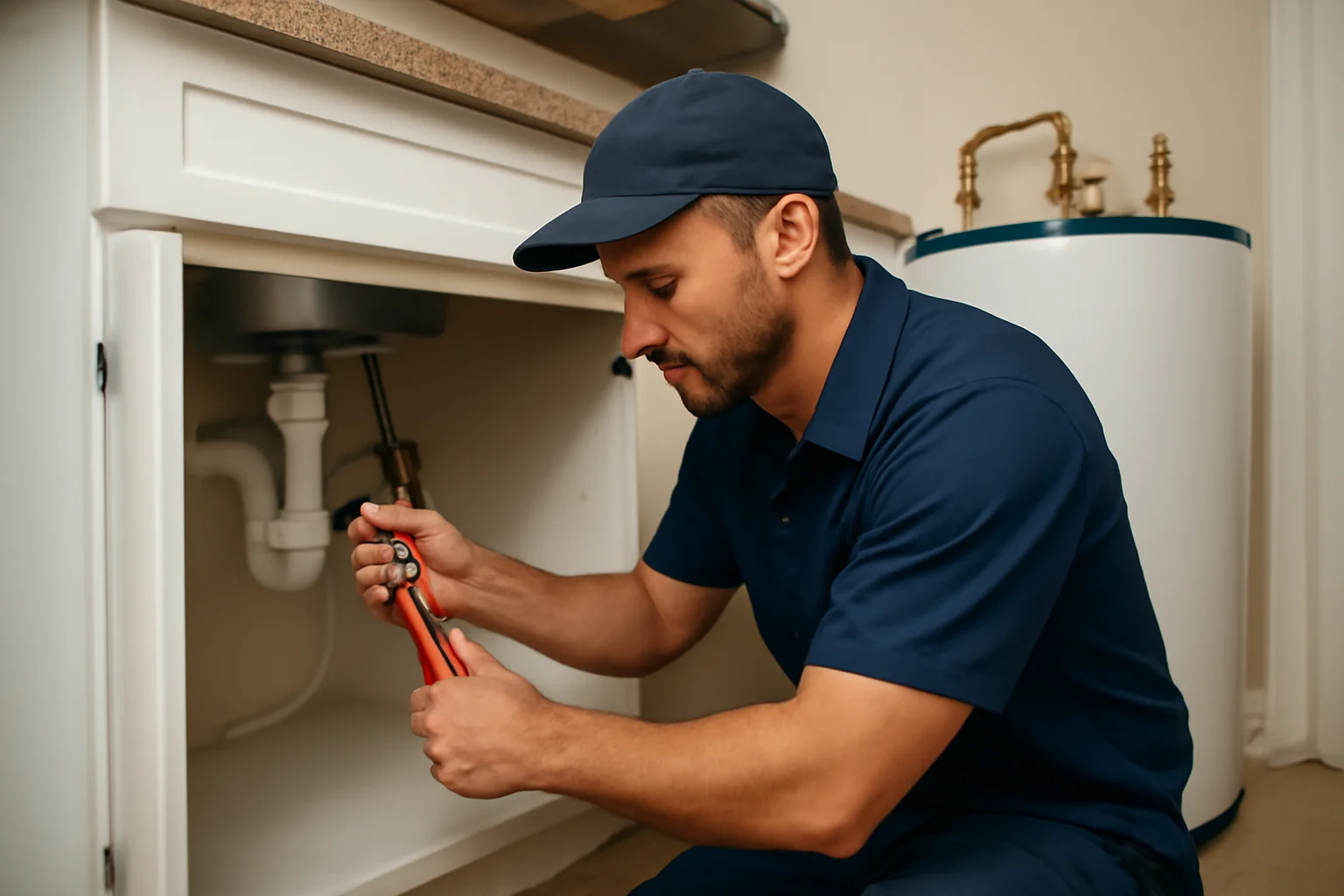
Water heaters usually do their job quietly until something goes wrong. In Lower Grand Lagoon, FL, that can be especially costly because many homes rely on consistent hot water for everyday comfort, and when a leak starts, it can spread through floors, cabinets, and even slab areas before you notice. Understanding how water heater installation works helps you spot problems early, ask better questions, and avoid the kind of water damage repair that turns a routine plumbing repair into an emergency.
This guide focuses on water heater installation in Lower Grand Lagoon and the plumbing details that matter for preventing leaks, protecting drains and pipes, and keeping your fixtures working reliably.
Why installation quality matters more than most homeowners realize
A water heater is not just a tank or a tankless unit. It is a system of connections, controls, venting components (for the right type of heater), shutoffs, pressure management, and drainage paths that must be correct for your home’s plumbing layout. When installation is rushed, shortcuts show up later as:
- Slow or hidden leaks around supply lines, fittings, or the drain valve
- Water pressure that is too high or too low, leading to premature failure
- Improper discharge piping that sends water where it should not go
- Drainage problems that can lead to overflow and nearby water damage
- Corrosion and scale buildup that can be worse in homes with hard water
Lower Grand Lagoon homes often see heavy seasonal water use patterns, especially when vacation schedules change. That means your water heater and plumbing have to handle more demand swings than a system that runs steadily all year. If the installation is not built for your actual use, you are more likely to face hot water heater repair needs sooner than expected.
Lower Grand Lagoon plumbing conditions that affect water heaters
Bay County and the surrounding coastal region can bring a mix of humidity, temperature swings, and long-term water chemistry issues. Over time, these conditions can contribute to the most common plumbing problems homeowners notice around water heaters:
Hard water and scale that shortens heater life
Hard water can lead to mineral scale inside tanks and on heat exchanger surfaces in tankless systems. Scale reduces efficiency and can increase pressure and strain on internal components. When a water heater installation is paired with sensible maintenance steps, it is easier to slow down the buildup that leads to sediment-related failures and costly repairs.
Water pressure variability
Many homes experience pressure changes due to seasonal demand and neighborhood water usage. A properly installed system accounts for that with the right components and settings. If you have banging pipes, inconsistent hot water, or frequent temperature swings at fixtures, pressure and flow are often part of the story.
Corrosion and joint failure in older piping
Homes with older galvanized pipes or aging copper can have connection points that are more fragile during replacement. Installation needs to match the existing plumbing condition. That is where a local plumber near you matters, because the installer should evaluate what is already in the walls, near the water heater, and along the supply lines that feed sinks, toilets, and showers.
Tank vs. tankless: installation differences that can impact leaks and damage
Homeowners considering water heater replacement near me often focus on capacity and energy cost. Installation details matter just as much, especially for leak prevention.
Tank water heaters
Tank units typically require correct:
- Supply and hot water connections that are sealed and supported
- Temperature and pressure relief (T&P) discharge line routing
- Drain valve and sediment management access
- Proper venting where applicable
- Clearances for safe operation and service
If the T&P discharge is not piped correctly, a relief event can send water into areas that are not designed to get wet, creating emergency plumbing concerns fast.
Tankless water heaters
Tankless systems can be great for homes with high hot water demand, but they still need careful plumbing installation. Key points include:
- Correct sizing based on your home’s simultaneous usage, not just average hot water demand
- Flow rate and pressure checks to prevent nuisance shutdowns and premature wear
- Proper installation of isolation valves and service access
- Drain and flush connections that support maintenance
Tankless units can also be sensitive to scale, so installation that supports future maintenance can reduce the chance you will need hot water heater repair near me sooner than planned.
The installation checklist that protects your home from water damage
When you are hiring a plumber for water heater installation, ask what they will check before they call the job complete. A thorough installation usually includes the following plumbing steps.
1) Confirm the right unit size and placement
Incorrect sizing can cause temperature issues, cycling problems, and unnecessary stress on components. Placement matters too. In Lower Grand Lagoon homes, common locations include garages, utility closets, and sometimes near kitchen or bathroom plumbing runs. The installer should consider:
- How the heater’s connections align with existing pipes
- Whether nearby drains can handle any discharge requirements
- Access for future service and leak detection
2) Shutoffs, supply lines, and fittings that are built to last
During replacement, installers should verify shutoff valves and inspect the condition of supply lines. If old fittings are corroded, forcing new connections onto weak points can lead to drips and later failure. Proper water heater installation includes:
- Using correct materials and compatible fittings
- Checking alignment so pipes are not under stress
- Securing lines so vibration and movement do not loosen connections
3) Leak testing before cleanup and wall closings
A major reason water damage happens is that leaks are not caught until after the area is put back together. A professional install should include leak testing at connections and a careful inspection of the area around the unit. If you have ever dealt with plumbing repair near me after a small leak became a larger problem, you know how quickly water can travel under flooring.
4) Temperature and pressure relief discharge piping
The T&P relief valve is a safety device. Its discharge must be routed correctly so water flows to a safe location. That may include a drain path that is designed for water, not just a random splash zone. If discharge piping is missing or incorrectly installed, homeowners can face sudden water overflow and emergency plumbing concerns.
5) Drain connection and sediment considerations
Even if your heater is new, sediment management matters for longevity. A proper installation ensures that the drain connection is accessible and that any drain path is clear. Poor drainage can also contribute to overflow risk during maintenance.
6) Water pressure and flow checks
Before the final handoff, the installer should verify water pressure and ensure the heater operates within its required range. If your home’s water pressure is too high, it can increase stress on pipes, fixtures, and valves. If it is too low, you may notice weak flow at showers and toilets and inconsistent hot water recovery.
How poor installation shows up later: signs homeowners can catch early
Not every leak is obvious. Some start as moisture at the base of the unit, others appear as dampness under cabinets or staining near plumbing walls. Watch for these early warning signs:
- Water pooling around the water heater base or floor drain
- Rust-colored water or mineral residue near fittings
- Drips from the T&P discharge area
- Hot water that fluctuates, turns lukewarm, or runs out quickly
- Banging or knocking sounds when faucets open or toilets refill
- Increased frequency of toilet repair or faucet repair due to inconsistent pressure
These symptoms can overlap with other plumbing issues, including clogged drains, leak detection problems, or sewer line help needs if water is backing up. That is why professional diagnosis is important, especially when you suspect a hidden leak.
When a water heater issue becomes a water damage emergency
Lower Grand Lagoon homes can be vulnerable when leaks reach areas with wood framing, subflooring, or slab-adjacent plumbing. A water heater leak can also combine with other failures, such as:
- A clogged drain that prevents discharge from draining away safely
- A failing supply line that feeds the heater and also supplies nearby fixtures
- Slab leak symptoms that are mistaken for “just a wet spot” from the heater
- Water backing up from a sewer line issue, creating the appearance of a heater-related leak
If you notice active dripping, a fast-growing wet area, or water pooling near electrical outlets, treat it as an emergency plumbing situation. Homeowners searching for same day plumber near me during these moments often need more than a simple fix. You need leak detection, shutoff access, and a plan to prevent further damage while repairs are underway.
Preventing problems: maintenance steps that keep installation working
Even the best water heater installation needs routine care. Maintenance is also one of the most cost-effective ways to avoid repeated plumbing repair expenses.
Schedule periodic inspections
Ask your local plumber to inspect connections, check discharge routing, verify pressure settings, and look for early corrosion. This is especially important in homes where family members use more hot water during certain months or where vacation rentals create high turnover in occupancy.
Consider a whole-home approach for hard water
If hard water is affecting your plumbing, filtration and water conditioning can reduce scale buildup. For many homeowners, that means better performance and fewer hot water heater repair calls. You can read more in Cleaner Water, Better Plumbing: Why Filtration Matters in Lower Grand Lagoon Homes.
Keep drains and discharge paths clear
Installation includes discharge piping and drain access, but homeowners still need to keep the area around the heater clean and accessible. If you have recurring issues like clogged drain repair near me searches that turn into urgent problems, it is worth addressing the root cause. A drain that cannot handle water safely can turn a minor relief event into a bigger one.
Use fixtures correctly to reduce pressure stress
Slow water use habits can help. For example, avoid sudden temperature changes that can stress components. If you notice pressure drops, it may also be related to clogged pipes or partial blockage. That is also where professional plumbing repair near me can help, because blockages can affect both hot and cold lines.
What to ask before you hire a local plumber near me
Choosing the right installer is about more than price. Use these questions to guide your decision when you need water heater installation or water heater replacement near me.
Questions about the plumbing scope
- Will you inspect my existing shutoff valves and supply lines before removing the old unit?
- How will you verify the T&P discharge routing is safe and correct?
- Do you perform pressure and leak testing after the installation is complete?
- Will you check for signs of leaks in nearby pipes, fixtures, or slab areas?
Questions about fit for Lower Grand Lagoon homes
- Do you account for hard water and likely scale in this area?
- Can you recommend tank or tankless based on my household size and hot water use patterns?
- Are you familiar with local plumbing layouts common in Bay County homes?
If you suspect other plumbing issues, ask about broader service too. Many homeowners end up needing sewer backup repair near me, main drain cleaning near me, or leak detection near me when the real problem is not the water heater alone.
Related plumbing services that often pair with water heater installation
Water heater problems can connect to other parts of the plumbing system. For example, if you are replacing a unit and notice corrosion on nearby lines, it may be the right time to address pipe repair or faucet repair that has been waiting. If you are dealing with persistent clogs, it can also affect drainage around the unit and other fixtures.
Depending on your home, you may also need:
- Plumbing Services for full system checks
- Commercial Plumbing Services if you manage a property with higher hot water demand
- Staying a Step Ahead of Plumbing Emergencies in Lower Grand Lagoon for leak prevention habits
- Making Smarter Plumbing Maintenance Decisions in Lower Grand Lagoon Homes for planning around seasonal use and repair timing
If budget is a concern, ask about Plumbing Financing so you can address installation and repairs before small leaks become expensive water damage.
How A Superior Mechanical approaches water heater installation in Lower Grand Lagoon
A Superior Mechanical focuses on getting the plumbing details right the first time, because that is what prevents repeat repairs and protects your home. For homeowners in Lower Grand Lagoon, that means careful installation of tank and tankless water heaters, proper connection practices, and leak-aware workmanship that respects the rest of your plumbing system.
If you want to explore options for your home, start with the service area page for water heater installation and the broader local coverage on our Lower Grand Lagoon plumbing service area. Bay County homeowners can also review services across Bay County to understand coverage and scheduling.
Find Water Heater Installation in Lower Grand Lagoon, FL
If you need Water Heater Installation in Lower Grand Lagoon, FL, visit our local service page or contact A Superior Mechanical today.
Map of Lower Grand Lagoon, FL
Frequently Asked Questions
How do I know if my water heater installation is causing a leak?
Look for moisture around supply connections, the base of the unit, or the T&P discharge area. If the wet spots appear after hot water runs or after the heater cycles, installation-related fittings and discharge routing may be involved. A plumber can pressure-test and inspect connections to confirm.
Can hard water make a new water heater fail faster?
Yes. Hard water can increase mineral scale buildup, reducing efficiency and stressing components. Installation that supports maintenance, plus filtration or water conditioning options, can help slow scale and extend service life.
What is the most common installation mistake that leads to water damage?
Incorrect or unsafe T&P discharge piping and discharge paths. If relief water is not routed correctly, it can overflow into areas not designed to handle water, turning a safety event into major damage.
Do I need a plumber for water heater replacement even if the old unit is already there?
Yes. Replacing a water heater is plumbing work that involves shutoffs, pipe connections, leak testing, pressure checks, and proper discharge routing. DIY replacements often miss these checks and can lead to hidden leaks.
When should I call for emergency plumbing help?
Call right away if you see active dripping, fast-spreading water, standing water near the heater, or signs of a burst pipe repair situation. If water is near electrical outlets or you suspect a slab leak, treat it as urgent and stop use of affected water lines.
Related Articles
Photo Gallery