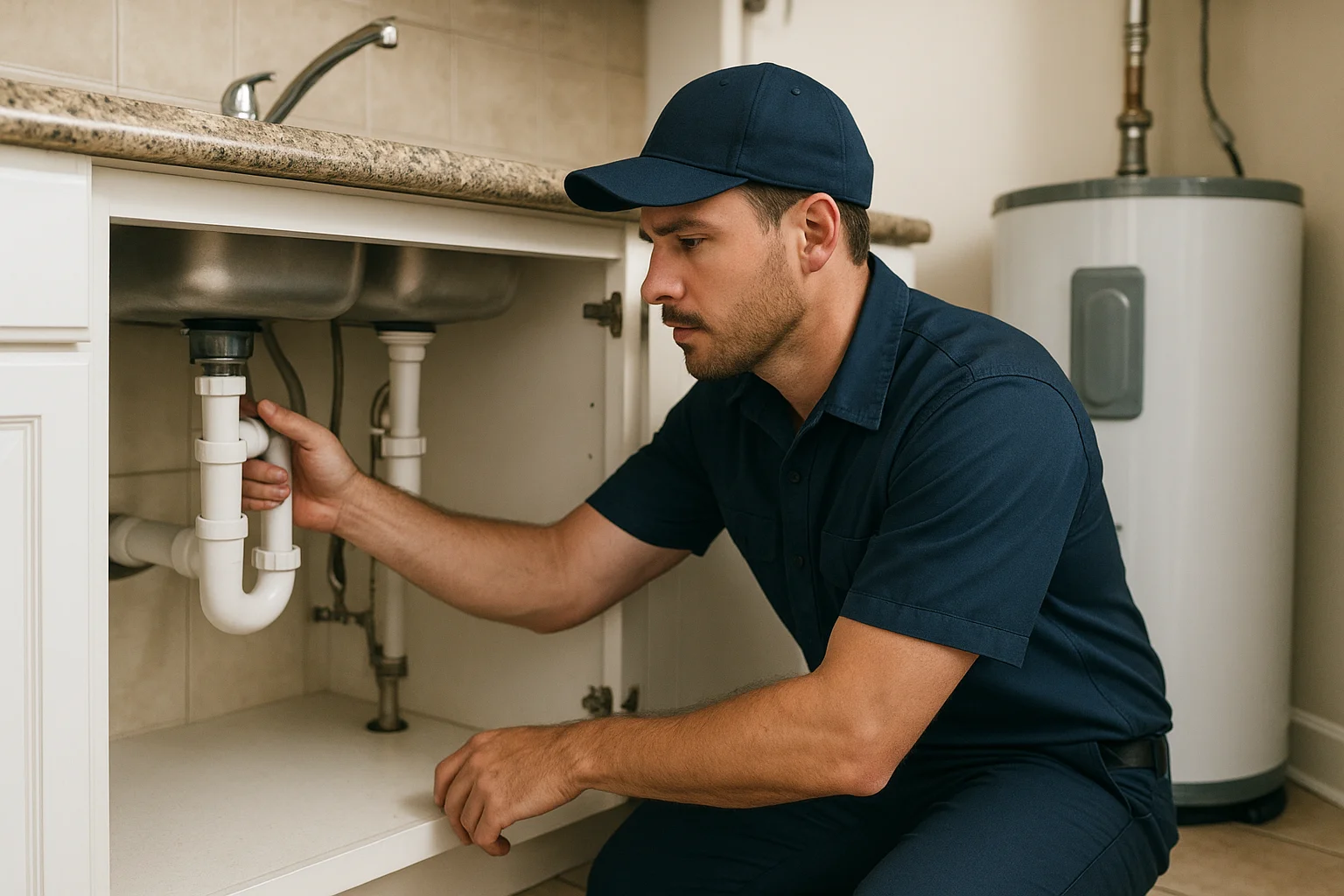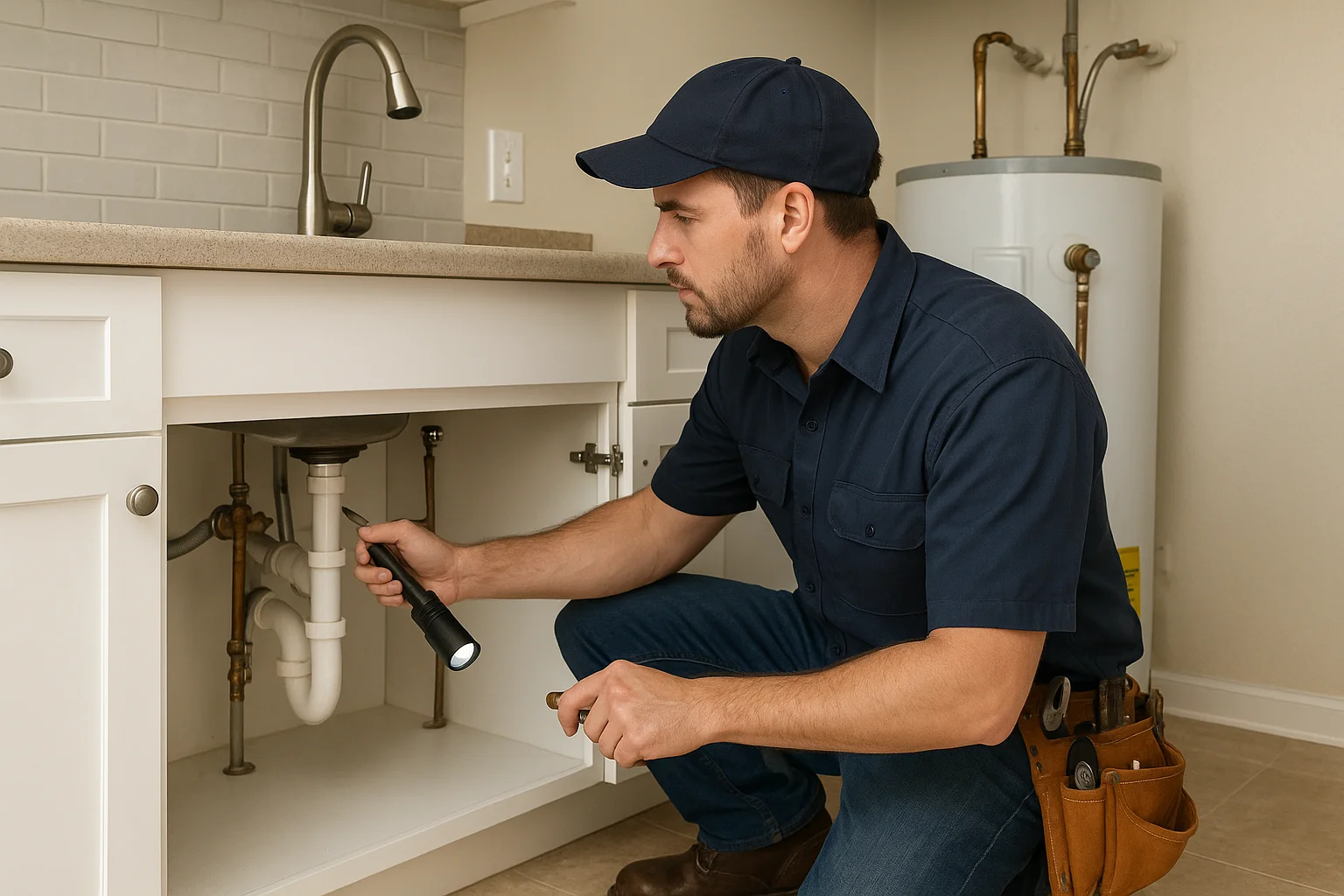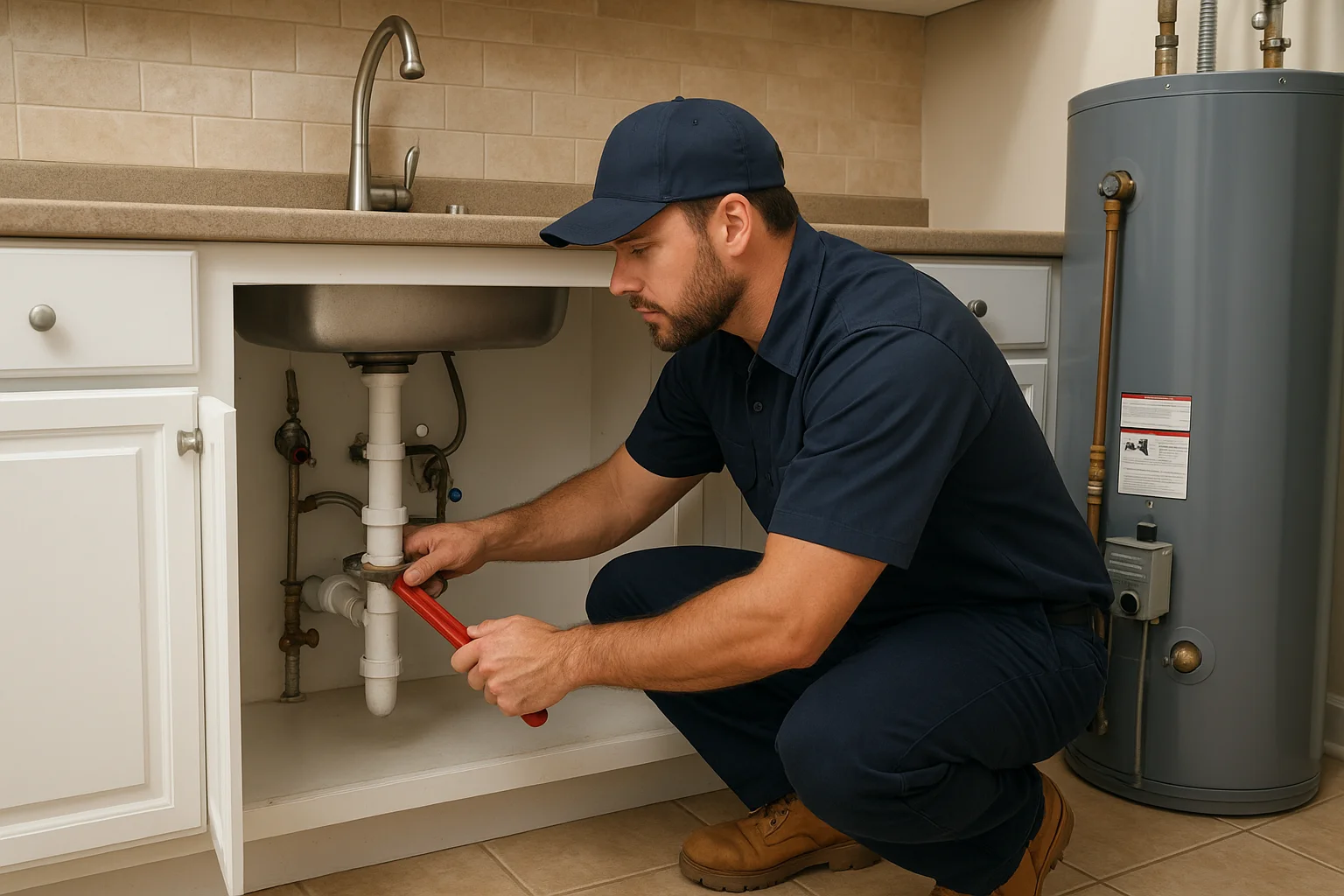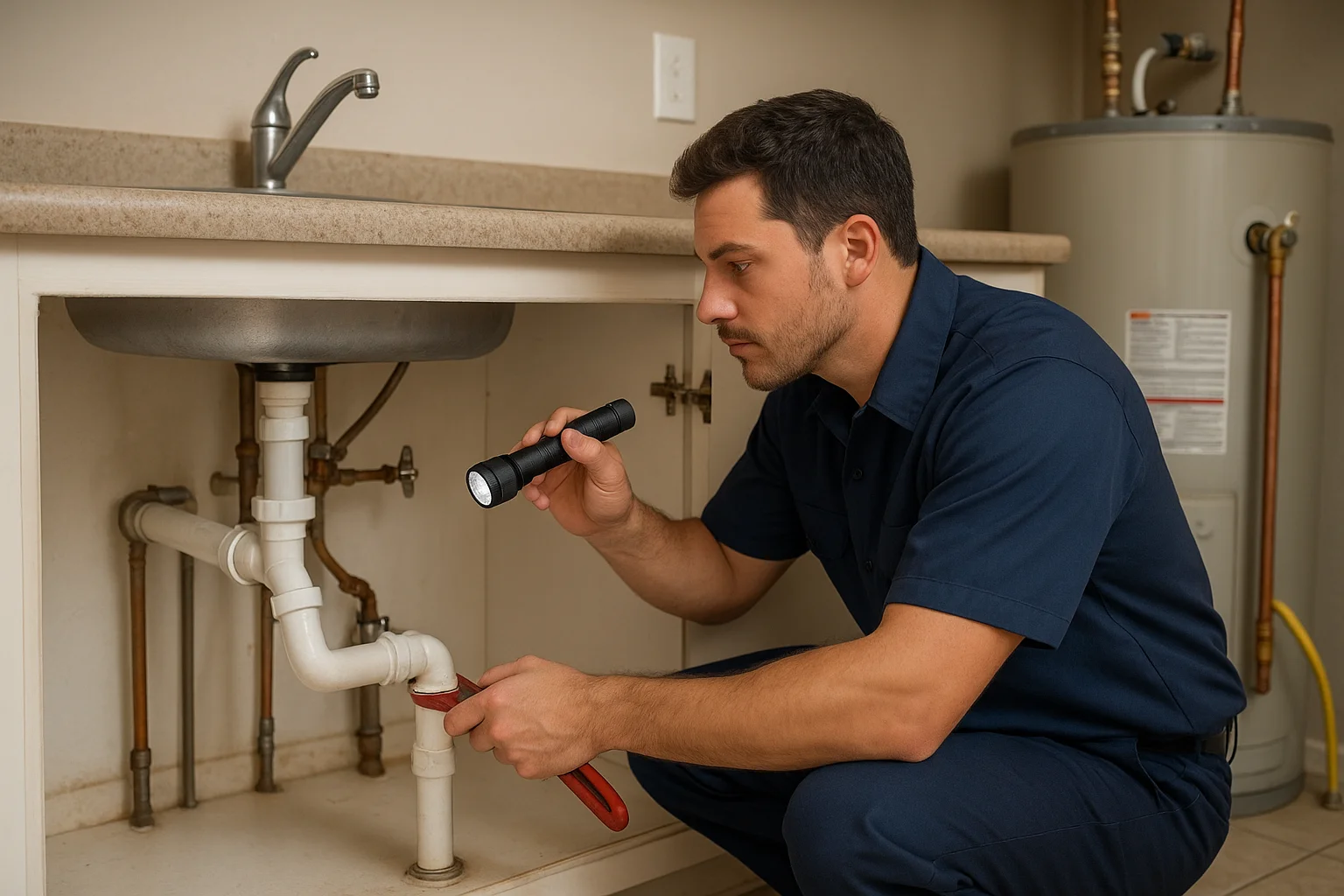
Niceville homes run on hot water every day, from morning showers in local neighborhoods near Eglin and the waterfront to laundry loads and dishwashing after a day on the Gulf Coast. When a water heater installation is off, the first symptoms are often “small” plumbing annoyances: lukewarm water, weak flow at one fixture, or drains that seem to take longer than usual. Those issues can snowball into leak repairs, sewer line concerns, or emergency plumbing situations if the underlying installation problems are left alone.
This guide covers the plumbing warning signs connected to water heater installation in Niceville, FL, and the practical steps homeowners can take to protect water pressure, improve water flow, and avoid expensive repairs. If you are searching for a plumber near me or water heater installation help in Okaloosa County, these details will help you ask better questions and spot red flags early.
Why water heater installation affects water flow in Niceville
Water flow problems after a water heater replacement are not always caused by the tank itself. In many Niceville households, the real culprit is the plumbing work around the heater. That includes pipe sizing, valve placement, venting, pressure relief setup, sediment management, and how the installer ties into existing copper or PEX lines and older galvanized sections.
Niceville plumbing systems also face conditions that can stress components. Hard water is common across parts of the region, which can accelerate mineral buildup inside tanks and on internal valves. Add in seasonal humidity and temperature swings, and you get more opportunities for pipe expansion, gasket wear, and corrosion at fittings. When the installation is not code-compliant or not matched to your home’s demand, the result can be reduced hot water delivery and inconsistent pressure at showers, tubs, and toilets.
Plumbing warning signs that point to installation problems
1) Hot water runs out faster than before
If your heater was replaced and now the shower goes cold sooner, it can be a sizing issue or a restriction in the hot water piping. A common mistake is installing a tank that is too small for your household’s typical peak use, or failing to account for simultaneous demand from laundry, dishwashing, and multiple bathrooms.
Another installation-related cause is sediment or flow restriction due to improper connection of inlet and outlet lines. If the system has not been flushed or if valves are partially closed, the tank can struggle to circulate water effectively.
If you suspect a problem, homeowners often search for water heater service and plumbing repair near me. A professional can confirm sizing, check for restrictions, and verify that the heater is operating within normal temperature and flow ranges.
2) Water pressure drops only on hot side fixtures
Low pressure at hot taps but normal pressure at cold taps is a strong clue that the hot water circuit has an installation issue. Look for these possibilities:
- Shutoff valves left in the wrong position
- Incorrectly installed check valves or mixing valves
- Pipe runs that are too restrictive or improperly connected
- Cross-threaded fittings causing partial blockage
- Venting issues that affect heater performance and recovery rate
When pressure is reduced at showers, it can also affect how toilets refill after flushing and how faucets aerators perform. If you notice slow refills or weak flow at multiple hot fixtures, include that detail when you call a plumber near me for evaluation.
3) Rumbling, popping, or banging noises after installation
Noise is not just annoying. It can indicate sediment buildup, improper water flow, or temperature-related expansion. After a new installation, banging or popping could mean:
- Sediment is trapped in the tank or lines
- The heater is not receiving proper flow
- Inlet/outlet connections are not configured correctly
- Pressure relief discharge is not installed properly
Hard water increases mineral deposits over time, and a poorly tuned installation can make the problem show up sooner. If you hear persistent noises, it is worth scheduling plumbing maintenance near me or a focused water heater check before the issue turns into a leak or premature failure.
4) Small leaks at fittings, valves, or the pressure relief discharge line
One of the most expensive outcomes of a bad installation is a slow leak that homeowners miss until water damage appears. Watch for:
- Moisture around supply and return connections
- Drips from the drain valve or temperature and pressure (T&P) relief valve
- Water pooling near the heater base
- Rusty staining on pipe joints
In Niceville, where homes can be elevated or have crawl spaces depending on the neighborhood, leaks can travel before you notice them. If you see water near the heater, act quickly. For fast help, you may need an emergency plumber near me, especially if water is actively dripping or soaking drywall.
If you are seeing signs of a continuing leak, you can explore Water Leak Repair for local leak repair options.
5) Hot water smells odd or looks cloudy
After installation, some homeowners report discoloration or odor. This can be caused by air in the lines, disturbed sediment, or incomplete flushing. If the water looks cloudy or has a strong odor that persists, the installation process may have stirred deposits that need flushing and cleaning.
Cloudy hot water can also point to internal tank issues. That is a reason homeowners searching for plumbing repair near me should treat water quality concerns as a maintenance and safety issue, not just an annoyance.
6) Drains gurgle, back up, or drain slower soon after the change
It sounds unrelated, but water heater installation can intersect with drainage in a few ways. If a vent or nearby plumbing line was altered, or if a condensate or drain connection was handled incorrectly for certain systems, you may notice gurgling or slow drainage. In households with older plumbing, changes around the water heater can also reveal existing drain blockages or venting problems.
If you are dealing with slow drain repair near me or drain cleaning near me, mention the timing of the water heater installation. That context can help a technician determine whether the issue is a new installation-related venting concern or a separate drain problem.
7) Toilet flushing and shower performance feel “off”
Toilets rely on consistent water pressure and proper fill valve operation. After a heater installation, if you notice weak toilet refills, slow tank refilling, or inconsistent flushing, it can be related to hot water pressure changes or whole-house pressure regulation.
Sometimes the underlying cause is not the toilet at all. But if you need help with fixture performance, the local option for Toilet Repair & Replacement can help if the issue is a failing fill valve, worn parts, or a more complex plumbing pressure problem.
Common causes behind these warning signs
Improper sizing for your household’s hot water demand
Tank size is not one-size-fits-all. A household with two showers and heavy laundry use needs different recovery capacity than a home where hot water is used intermittently. When a water heater is undersized, you will see faster depletion, reduced flow during peak times, and longer recovery cycles.
A Superior Mechanical focuses on correctly sizing tank and tankless systems for local homes and businesses across Okaloosa County. That includes considering the number of bathrooms, typical water use patterns, and the way your home’s plumbing is laid out.
Wrong pipe diameter, fittings, or valve placement
Even if the heater is the right model, the piping around it can reduce flow. Restrictive fittings, incorrect connections, or valves installed in a way that limits flow can create hot water pressure drops. This is especially noticeable in older Niceville homes where plumbing may include mixed materials and older shutoffs.
Hard water can further magnify the issue by accelerating buildup at tight spots in valves and fixtures.
Venting errors and performance problems
For gas water heaters and some vented systems, venting is critical for safe operation and consistent performance. Incorrect venting can cause poor combustion, reduced efficiency, and operational issues that show up as slow recovery or irregular hot water supply.
Because venting involves safety, it is not a DIY task for most homeowners. Hiring a local plumbing contractor with experience in water heater installation is the safest path.
Sediment buildup and poor maintenance planning
Mineral sediment from hard water collects in tank bottoms and can insulate the heating element or burner. When sediment accumulates, the heater works harder to heat the water, which can reduce output and increase wear. After installation, if flushing is skipped or if the system is not managed, sediment can shorten the heater’s useful life.
As deposits build, you may also see early signs of plumbing performance issues at fixtures. That can include weaker hot flow, noisy operation, and reduced recovery.
Pressure relief valve problems and expansion control
A properly installed system includes correct temperature and pressure relief components. If the relief valve is incorrectly installed or if discharge piping is routed incorrectly, homeowners may see dripping, water pooling, or recurring discharge events.
Pressure relief issues are also a safety concern. If you notice discharge or repeated dripping, treat it as an urgent plumbing repair rather than routine maintenance.
How to prevent costly repairs during and after installation
Ask about a full plumbing assessment, not just a swap
When homeowners call for water heater installation, it helps to request a quick home plumbing inspection focused on the water heater area. A technician should check:
- Existing pipe condition and likely corrosion points
- Shutoff valve function and full open flow
- Water pressure and pressure regulation
- Vent condition and vent routing
- Drain connections and discharge routing
- Signs of past leaks and damaged fittings
For homeowners searching for home plumbing inspection near me, this is the type of targeted evaluation that can prevent repeat call-backs.
Choose properly sized tank or tankless equipment
In Niceville, hot water demand can spike quickly during family mornings, after beach days, or during heavy laundry weeks. Selecting the right capacity helps keep shower temperatures stable and reduces the chance that you will later blame plumbing when the issue is equipment recovery.
Tankless systems also need correct flow settings and compatible piping. If the installation does not match the home’s incoming water conditions, you can see inconsistent temperature and flow.
Plan for hard water and sediment control
Hard water is common in the region, and it affects tanks and fixtures. A smart maintenance plan can include periodic flushing, checking for mineral buildup, and addressing water quality factors that increase scale formation.
Good maintenance reduces the odds of noisy operation, reduced hot flow, and early failure. It also helps protect pipes and fixtures from internal buildup over time.
Confirm the system is tested before the crew leaves
After installation, ask what checks were performed. A professional should verify:
- No active leaks at joints and fittings
- Full open shutoff valves
- Correct hot and cold flow behavior at multiple fixtures
- Normal heater operation and recovery
- Proper drainage and discharge routing
Taking a few minutes to run hot water at a couple of fixtures can reveal issues quickly. If hot pressure is weak only on the heater side, you want that discovered immediately.
Keep an eye on nearby drains and venting
Even if the water heater is installed correctly, your home’s drainage system may still be vulnerable. If you notice gurgling, slow drain repair needs, or recurring clogs after the installation, treat it as a plumbing system problem, not a coincidence.
Depending on the symptoms, you might need local plumbing maintenance or service focused on drain cleaning and venting correction. If you are dealing with repeated backups, mention whether the water heater work was recent.
Watch for hidden leak risk in slabs and near foundation
Many homeowners in Okaloosa County live with different home styles, including slab foundations. If you notice damp spots, unexplained increases in water bills, or warm areas that should not be warm, you may be facing a hidden leak scenario.
Water heater installations can sometimes coincide with existing plumbing wear, and a new system can draw attention to leaks that were already developing. If you suspect a hidden leak, explore Leak Detection & Slab Leak Repair for local support.
When to call a professional plumber in Niceville
Some plumbing issues are safe to monitor for a short period, but water heater installation problems often need faster attention. Call a professional if you notice:
- Active leaks, dripping, or water pooling near the heater
- Repeated pressure relief discharge or persistent valve dripping
- Hot water pressure drops that affect multiple fixtures
- Rumbling or banging that continues after the first day
- Cloudy or bad-smelling hot water that does not clear
- Drain gurgling or backups that started after the installation
These are the types of plumbing repair near me situations that often become more expensive when delayed. If you need an emergency plumber near me due to a burst pipe repair, active flooding, or a rapidly worsening leak, prioritize immediate service to protect your home.
How A Superior Mechanical helps prevent repeat issues
Water heater installation should improve your daily comfort, not create new plumbing headaches. A Superior Mechanical installs dependable tank and tankless water heaters for homes and businesses across Niceville and all of Okaloosa County. The goal is properly sized equipment, code-compliant setup, and reliable performance that supports steady water pressure and better hot water flow.
If you are ready to schedule water heater installation in Niceville, FL, you can review the service details here: water heater installation in Niceville, FL. You can also browse more local plumbing coverage on the Niceville service area page and the broader Okaloosa County plumbing service area.
Related plumbing topics that help homeowners avoid expensive mistakes
Homeowners often find that the best results come from pairing a correct installation with smart follow-up planning. These articles can help you connect the dots between water heater performance and the rest of your plumbing system:
- How Better Plumbing Installation Helps Niceville Homes Stay Reliable Year Round
- Why a Small Water Heater Problem in Niceville Can Turn Into a Bigger Plumbing Repair
- Why Better Plumbing Replacement Pays Off in Niceville Homes
- Practical ways Niceville homeowners can handle plumbing financing without delaying repairs
FAQ: water heater installation and water flow in Niceville
If you have specific concerns, the answers below cover the most common homeowner questions tied to installation and plumbing performance. For anything involving active leaks, pressure relief discharge, or repeated backups, it is smart to involve a professional right away.
Is it normal for hot water pressure to be lower after a new water heater?
Some minor changes can happen while the system stabilizes, but a noticeable and persistent drop in hot water pressure is not something you should ignore. It can signal a valve issue, piping restriction, or a sizing problem.
Can water heater installation affect drains and sewer lines?
It can, especially if venting or nearby plumbing connections were disturbed during the replacement. If you notice gurgling, slow drain repair needs, or recurring clogs soon after installation, mention the timing to your plumber. In more serious cases, sewer line repair near me may be needed if backups are tied to the main drain or sewer system.
What is the fastest way to stop a leak near the water heater?
If you see active dripping, shut off the water supply to the heater if you can do so safely, then contact a plumber. For urgent situations involving water damage or flooding, calling an emergency plumber near me helps protect your home.
How often should I schedule water heater maintenance in Niceville?
Most homeowners benefit from periodic checks, especially in areas with hard water. Maintenance can include flushing to reduce sediment buildup and inspecting connections for early signs of leaks. If you are unsure, ask for a local recommendation based on your water conditions and heater type.
Does hard water make installation issues worse?
Hard water can accelerate mineral buildup in tanks, valves, and fixtures. When an installation has small restrictions, hard water can make performance problems show up sooner. That is why correct sizing, piping, and maintenance matter for long-term water flow and reliability.
Find Water Heater Installation in Niceville, FL
If you need Water Heater Installation in Niceville, FL, visit our local service page or contact A Superior Mechanical today.
Map of Niceville, FL
Frequently Asked Questions
Why does my hot water run out faster after a water heater replacement?
It can be a sizing or recovery capacity issue, or a plumbing restriction from valve placement, incorrect piping connections, or incomplete flushing. A technician can verify flow, check for restrictions, and confirm the heater is matched to your household demand.
What are the most common plumbing warning signs of a bad water heater installation?
Look for persistent hot water pressure drops, rumbling or banging noises, leaks around fittings or the T&P relief discharge line, cloudy or foul-smelling hot water, and drainage problems like gurgling or slow backups that start after the install.
Can a water heater install cause drain backups or sewer line problems?
Sometimes. If venting or nearby plumbing connections were altered, you may see gurgling or slow drainage. If backups affect multiple fixtures or persist, the cause may be venting, main drain clogs, or sewer line concerns that need professional inspection.
When should I treat a leak near the water heater as an emergency?
If water is actively dripping or pooling, if you see damage spreading on walls or floors, or if the T&P relief valve discharges repeatedly, treat it as urgent. Call an emergency plumber near you to prevent further damage.
How does hard water in Niceville affect water heater performance?
Hard water increases mineral buildup inside tanks and on valves and fixtures. Over time, that sediment can reduce heating efficiency, weaken hot water flow, and contribute to noisy operation. Regular maintenance like flushing can help reduce these issues.
Related Articles
- How Better Plumbing Installation Helps Niceville Homes Stay Reliable Year Round
- Practical ways Niceville homeowners can handle plumbing financing without delaying repairs
- Why a Small Water Heater Problem in Niceville Can Turn Into a Bigger Plumbing Repair
- Why Better Plumbing Replacement Pays Off in Niceville Homes
Photo Gallery