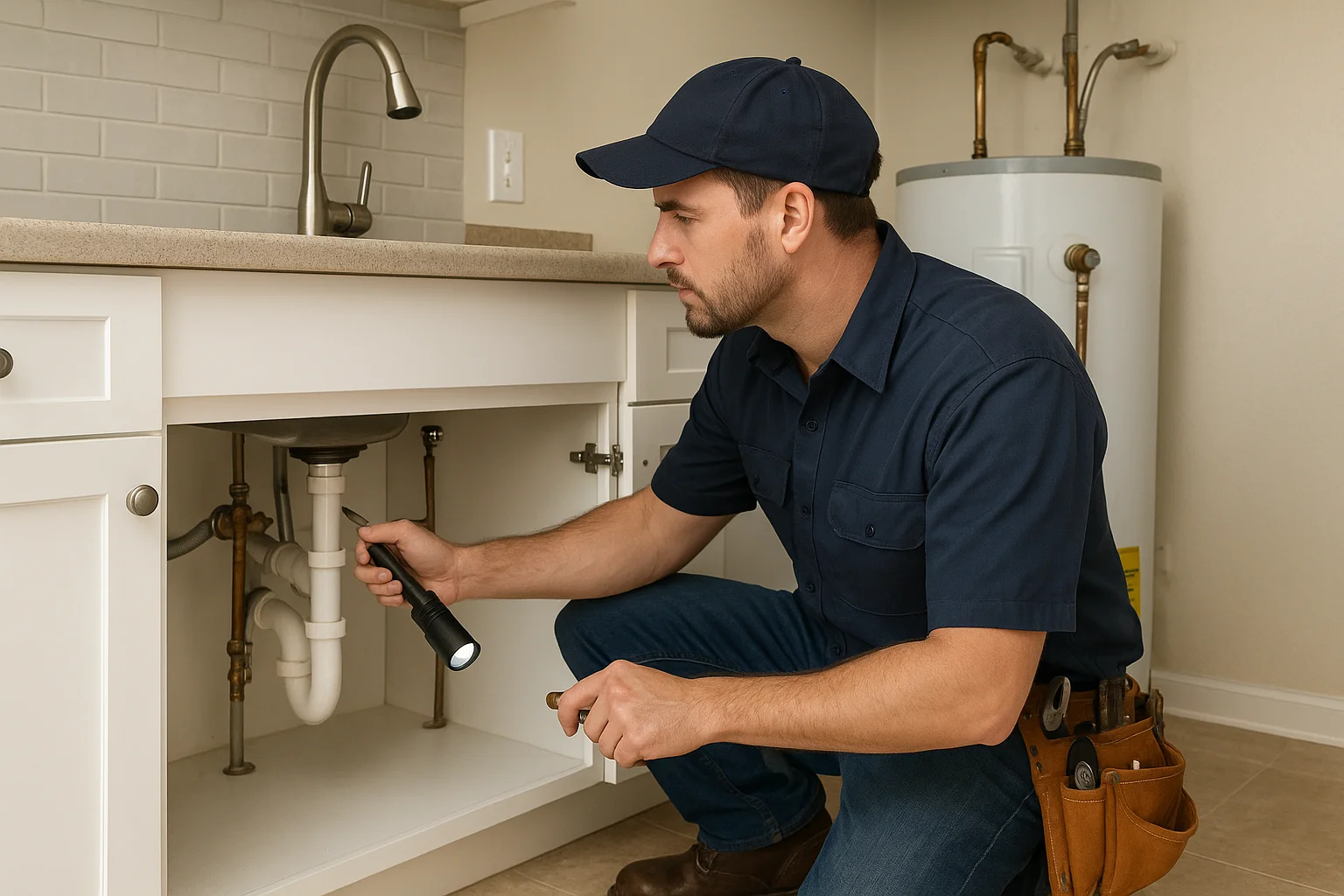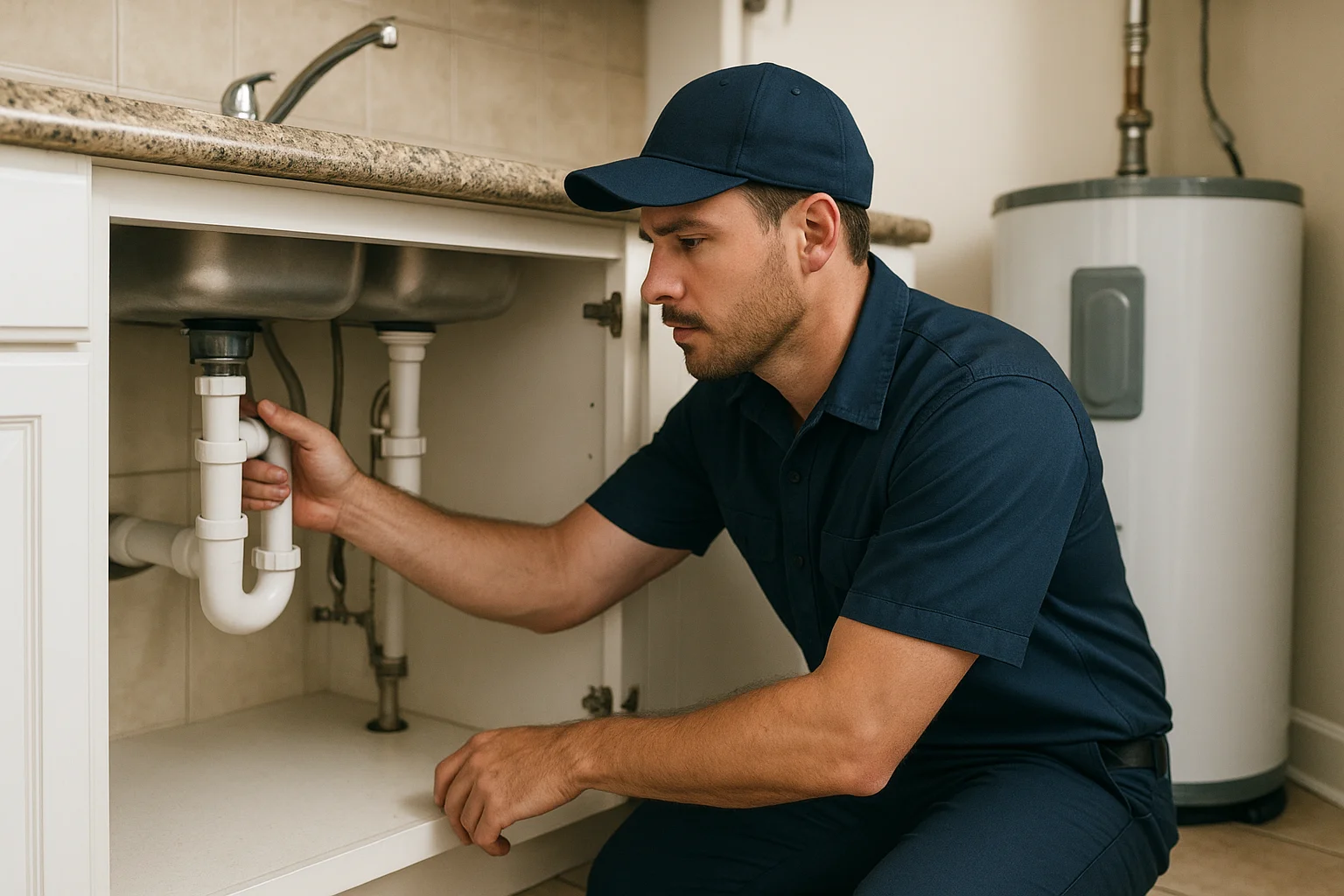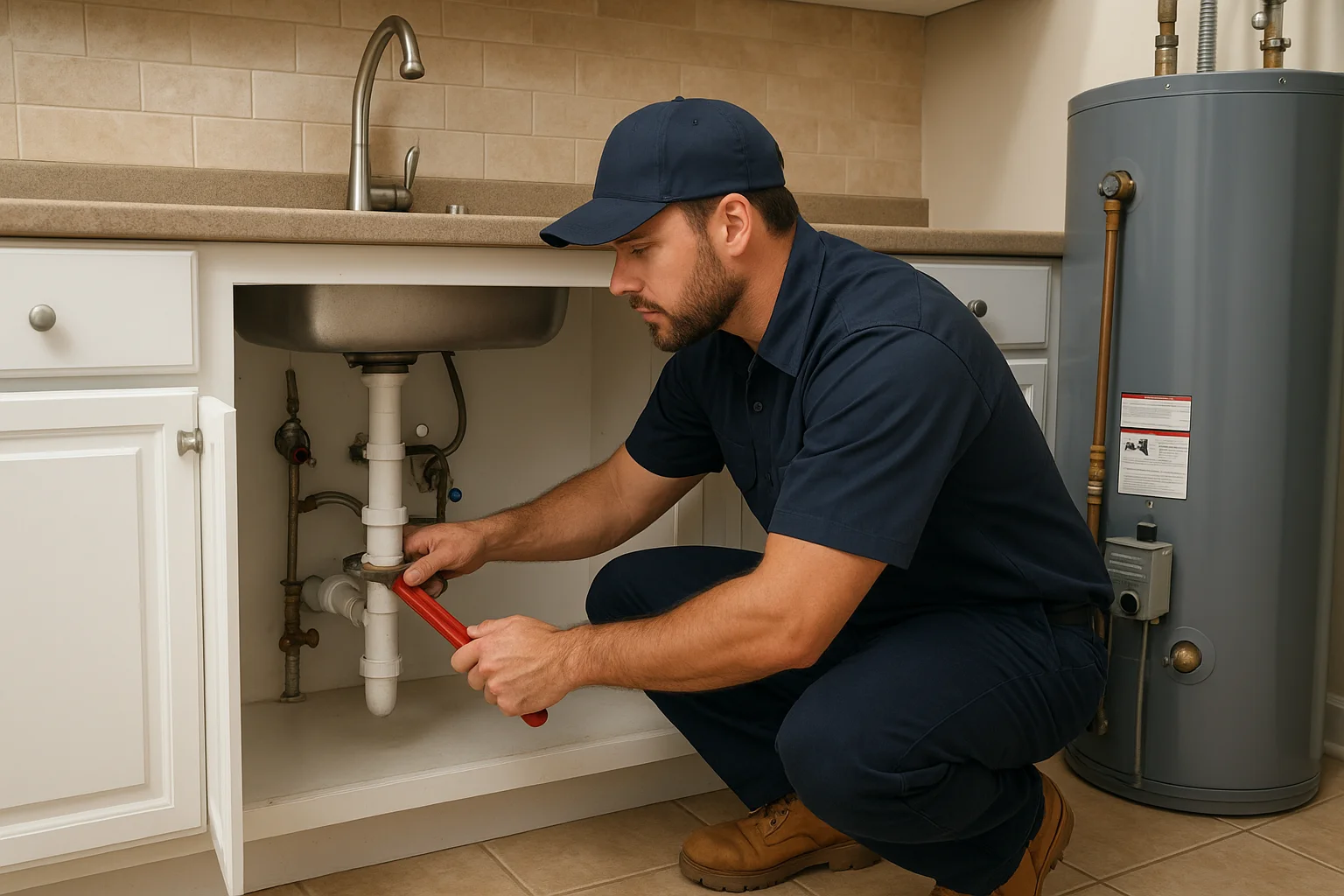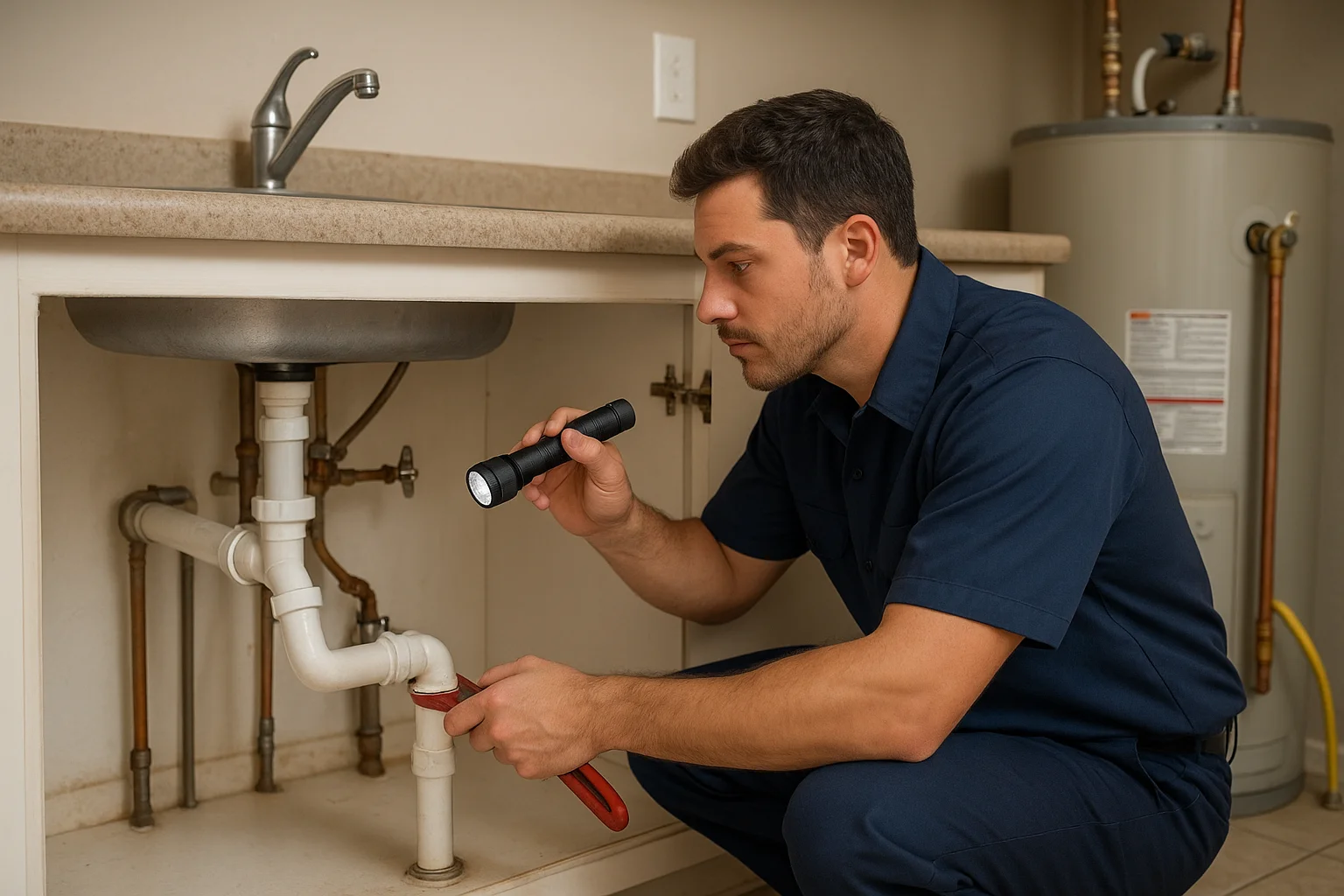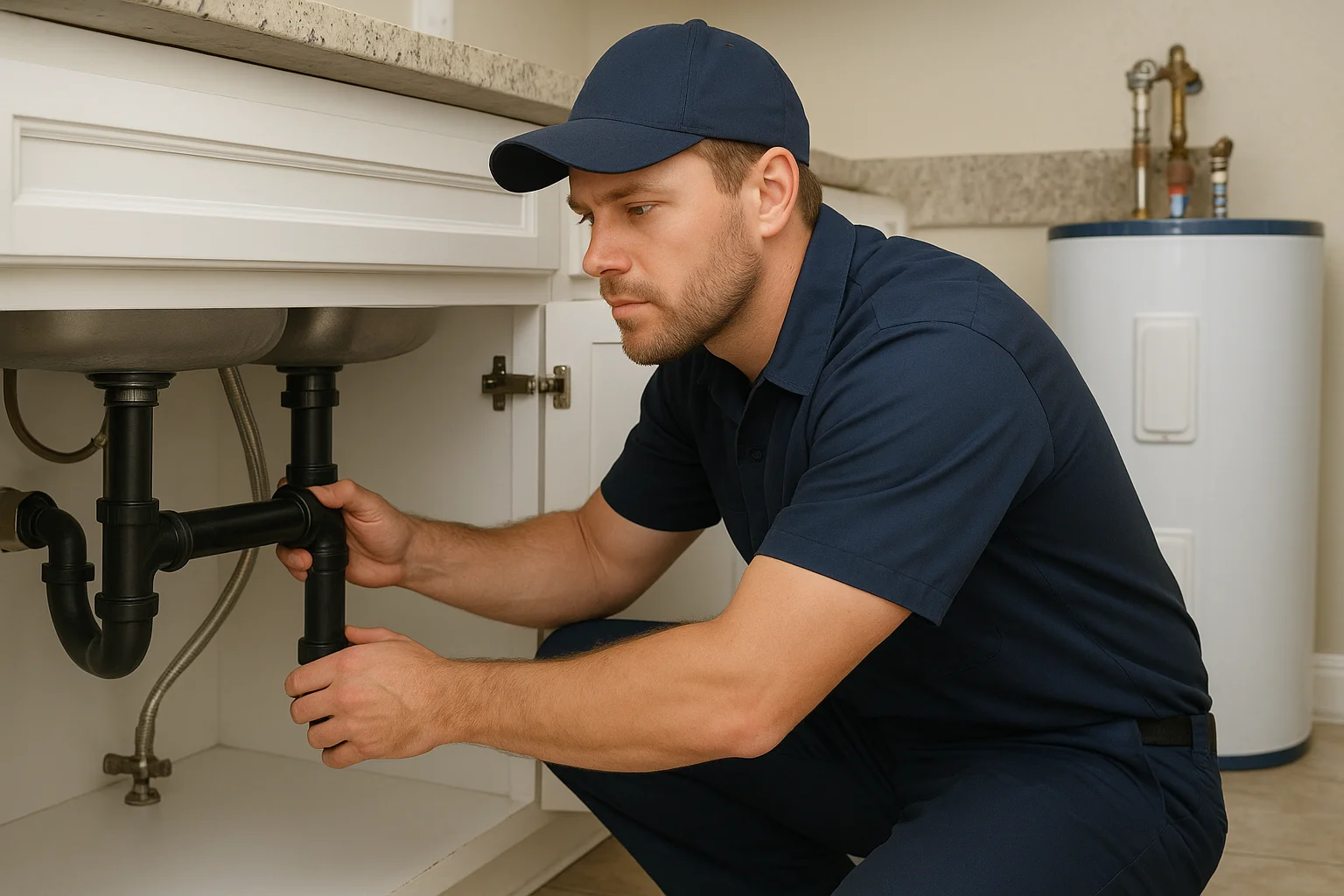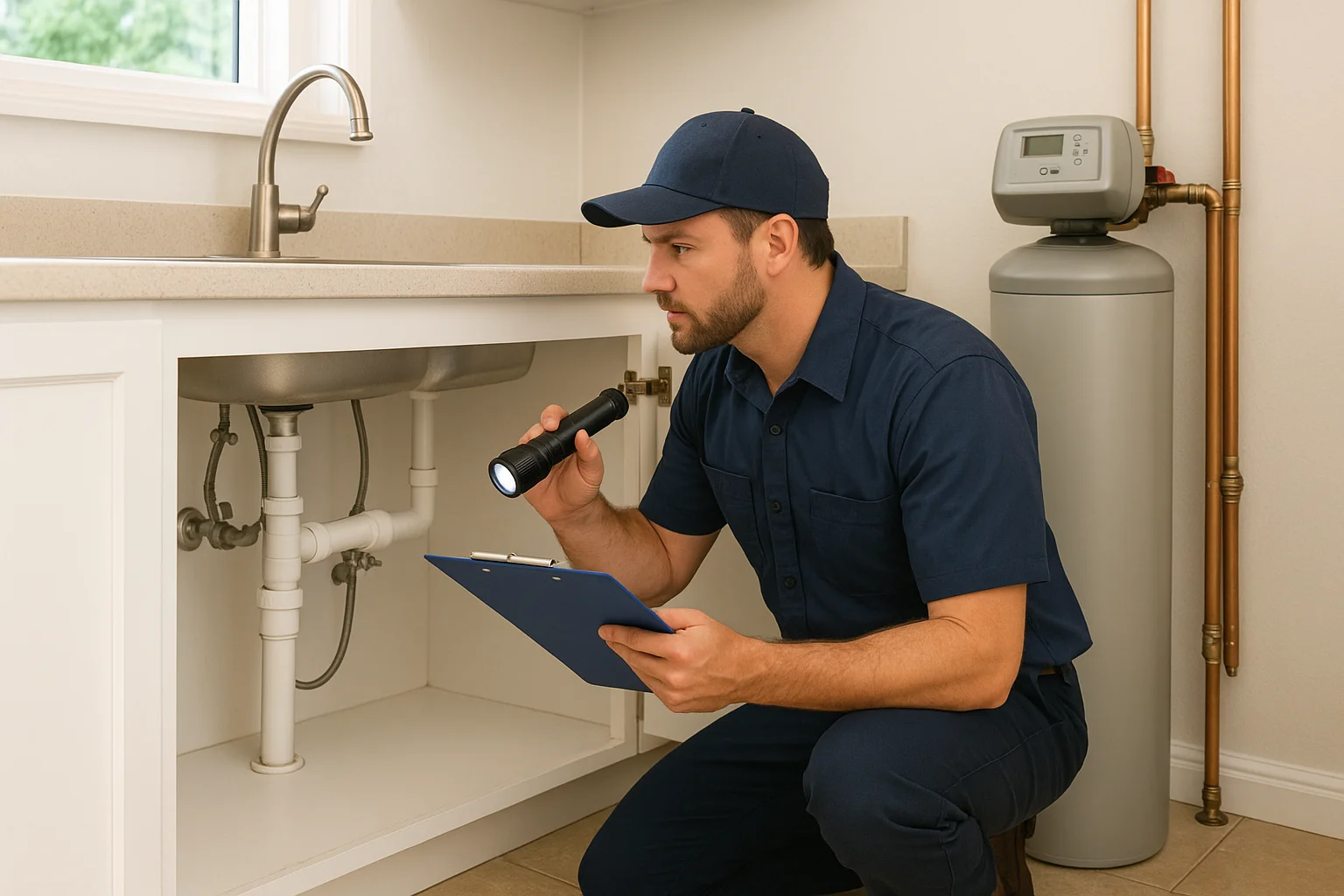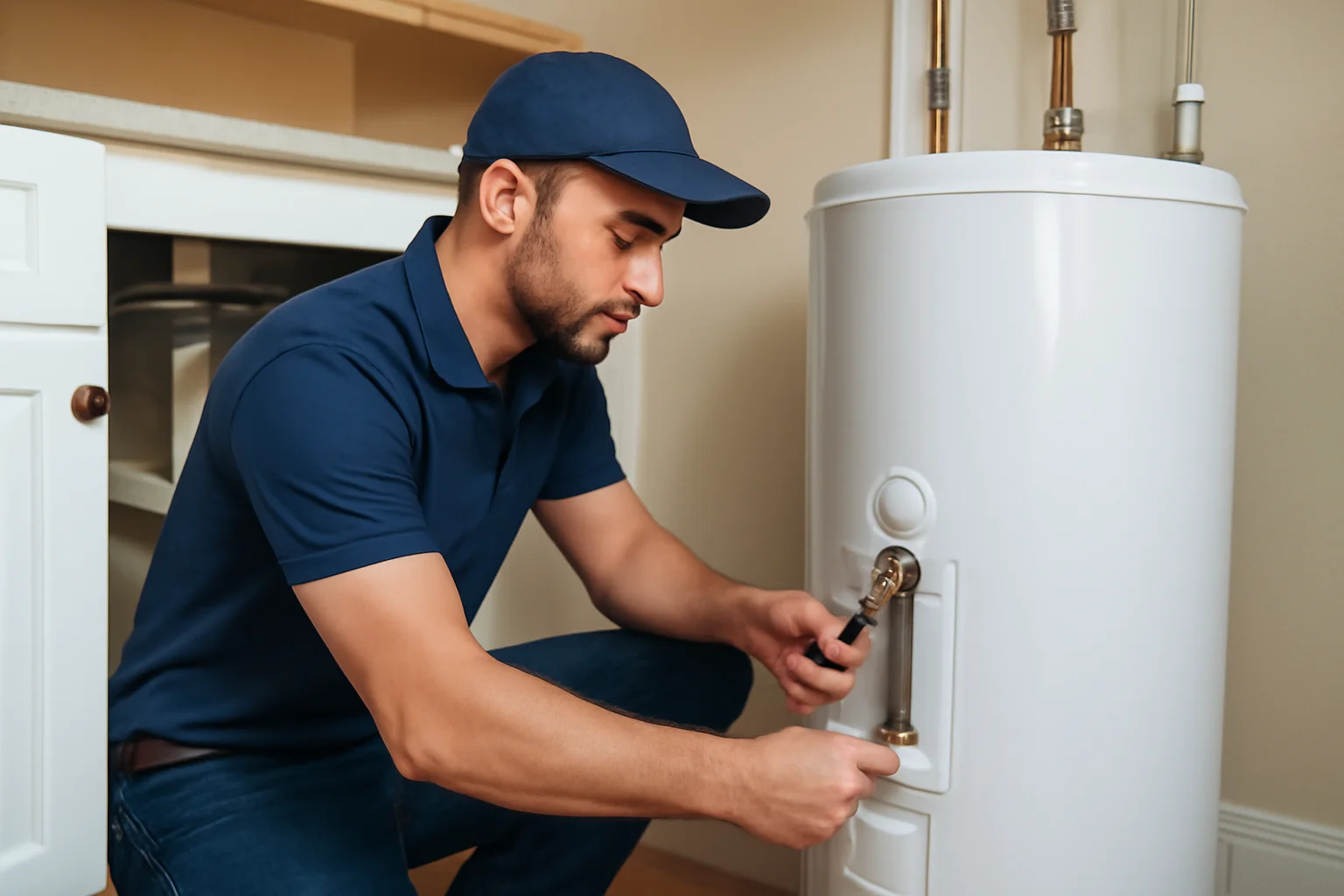
If your shower suddenly runs cold, you notice odd noises from your water heater, or you see water around a closet or utility wall, it helps to think beyond “hot water.” In Springfield, FL, water heater problems often connect to wider plumbing issues like leaks, pressure changes, drain backups, and even sewer line concerns. Timing matters because a small plumbing repair can become an emergency plumbing concern when water, pressure, and water flow keep moving.
A Superior Mechanical provides water heater repair in Springfield, FL for tank and tankless systems. Below are plumbing warning signs local property owners should watch for, why they are connected to water heater repair, and how to protect your home’s pipes, fixtures, drains, and water use.
Why Springfield plumbing issues often show up around the water heater
Springfield homes and rentals rely on steady hot water for showers, laundry, dishwashing, and everyday comfort. When a water heater starts to fail, the effects can travel through your plumbing system. That can show up as:
- Changes in water pressure at faucets and showerheads
- Unusual water temperatures, including scalding or lukewarm water
- Moisture around valves, supply lines, and fittings
- Strange odors or discoloration that suggests sediment or corrosion
- Drain and sewer system strain if hot water use increases due to poor performance
Springfield’s humid coastal climate and frequent rain can also affect the areas where water heaters live, such as utility rooms, garages, and closets. Even when a leak starts small, moisture can spread into drywall and flooring, and it can worsen corrosion on nearby pipes and fixtures.
Plumbing warning sign #1: Rusty or discolored hot water
Rusty, brown, or cloudy hot water is a common water heater repair trigger. Often, it points to internal tank corrosion or sediment buildup that has collected at the bottom. When sediment breaks loose, it can travel through your hot water pipes and show up at specific fixtures first, such as:
- Kitchen faucet
- Shower tub spout
- Washing machine hot water line
In Springfield, many homeowners also deal with hard water. Hard water increases mineral scale inside the tank and on tankless components. Over time, scale can reduce heat transfer, cause overheating, and contribute to premature failure. That is why homeowners searching for “water heater installation near me” or “hot water heater replacement near me” often need an earlier repair assessment when discoloration starts.
Plumbing warning sign #2: Sudden drops in water pressure when using hot water
If your cold water pressure seems fine but hot water pressure drops, the water heater may be struggling to maintain flow. This can happen due to:
- A failing heating element or burner assembly
- Sediment restricting internal flow paths
- A malfunctioning pressure regulator or mixing valve
- Corrosion at a supply line connection
Pressure changes can also affect toilets, showers, and faucets. A toilet that runs intermittently or a shower that sputters can be related to pressure fluctuations or a valve issue that becomes noticeable once hot water demand increases. If you are searching for “running toilet repair near me” and you also have hot water inconsistencies, it is worth having the water heater and connected plumbing checked together.
Plumbing warning sign #3: Water pooling near the unit or along a wall
Visible moisture is an emergency plumbing concern, even if it seems minor at first. Leaks can come from the water heater tank, the temperature and pressure relief valve (T&P valve), drain valve, supply lines, or nearby fittings. In some cases, a leak can also be tied to:
- Loose connections on hot water piping
- Corroded pipe sections
- Condensation on the outside of the tank
- Slab leak symptoms when water is moving under flooring
Springfield homes built on slab or with aging plumbing routes can show delayed leak signs. You might notice dampness in a utility area before you see the source. If you suspect moisture under flooring, consider pairing water heater repair with leak detection and slab leak services so the team can confirm what is actually happening in your pipes.
Plumbing warning sign #4: Hot water that smells odd or tastes metallic
Odors or metallic tastes are often associated with sediment and corrosion. In some homes, the smell may be strongest after periods of low usage, then returns after hot water demand. Another possibility is that the water heater is reacting to local water quality or scale buildup, which can trap particles inside the tank.
While homeowners may try to solve this by running water longer, that can increase water use and raise utility costs. It also increases the chance that a weak component will fail under load. A professional water heater service can identify whether the issue is sediment, a failing part, or a connection problem in your hot water plumbing.
Plumbing warning sign #5: Loud popping, rumbling, or banging
Strange noises are not “normal.” Sediment buildup commonly causes popping or rumbling as water heats and steam forms around mineral layers. Over time, that sediment can reduce efficiency and cause uneven heating. If you hear banging, it can also indicate a failing component or pressure-related cycling.
This is one of the clearest reasons timing matters with plumbing repair. If you keep using the unit while it is actively struggling, you can shorten its remaining lifespan and increase the chance of leaks. Many Springfield homeowners who search for “plumbing repair near me” after hearing noises are really asking for water heater repair, but they are not sure where the sound is coming from.
Plumbing warning sign #6: The unit trips breakers, shuts off, or fails to ignite
When a tankless unit fails to ignite or a tank heater cycles off, it can be more than a heating problem. Gas pressure issues, venting concerns, or electrical control failures can affect performance. However, the plumbing side still matters because:
- Flow sensors depend on proper water flow and pressure
- Scale can block internal passages
- Faulty valves can create pressure imbalances
Even if the root cause is primarily a heater component, the associated hot water lines, shutoff valves, and mixing devices must be checked. A correct diagnosis prevents replacing parts that are not actually causing the issue.
Plumbing warning sign #7: Hot water works, but drains move slowly or backups increase
At first, slow drains may seem unrelated. But when hot water performance is poor, households often compensate by using more hot water and running longer cycles. That can increase wastewater volume and heat load on drains. In Springfield, where older plumbing exists in many neighborhoods, increased usage can reveal weak spots like:
- Clogged drain lines from grease, hair, and mineral scale
- Partially blocked venting that shows up during heavy use
- Tree root intrusion into sewer lines
- Debris buildup that becomes worse during hot water demand
When a clogged drain repair near me search turns into an urgent problem, it usually means the blockage has progressed. If you notice slow drains and you are also having water heater problems, have a plumber assess both. You may need drain cleaning and, if the issue is deeper, sewer line repair near me solutions.
If your home is showing repeated drain issues, it can help to learn about sewer camera diagnostics. See why Springfield families benefit from sewer camera inspections before small plumbing problems grow into expensive sewer line repairs.
Plumbing warning sign #8: Water heater discharge or valve drips
The T&P valve is designed to protect your tank from dangerous pressure and temperature conditions. If it drips or discharges, it is not something to ignore. Causes can include excessive pressure, failing components, or thermostat issues. A drip can also indicate that the valve is not functioning correctly, and that is a safety issue.
Do not cap or redirect discharge lines in a DIY attempt. Instead, stop using hot water if the problem is active and contact a local plumber for a repair assessment. This is especially important during emergency plumbing concerns, such as when a valve is releasing water repeatedly.
Hard water, scale, and why Springfield timing matters
Many Springfield households experience hard water. Hard water leaves mineral deposits that can build up inside water heaters and on internal components. Over time, scale can:
- Reduce heating efficiency
- Increase energy costs
- Trigger overheating protection cycles
- Shorten component lifespan
- Contribute to leaks and corrosion
When the signs appear, the best timing is early. Waiting until you have total loss of hot water can mean the unit has already failed in a way that requires replacement rather than repair. That is why homeowners searching for “water heater installation near me” may still benefit from repair-first diagnostics when symptoms start.
How to protect your pipes and fixtures while you wait for service
While you schedule water heater repair, a few practical steps can reduce damage to your pipes, fixtures, and floors:
- Check for active leaks around the unit, fittings, and nearby valves. If water is actively pooling, treat it as an emergency plumbing concern.
- Look at water pressure changes at multiple fixtures. If only hot water is affected, note it for the technician.
- Watch for temperature swings like sudden scalding or lukewarm output. Stop using hot water if it becomes unsafe.
- Take photos of discoloration, moisture, or valve drips to help the plumber diagnose quickly.
- Avoid heavy drain use if you have slow drain repair symptoms. Running multiple loads can worsen a partial blockage.
If you suspect a leak behind walls or under flooring, do not assume it is only the water heater. Consider leak detection and slab leak so the team can confirm the actual source before repairs spread.
Common causes behind these warning signs
Springfield homeowners often ask why a water heater issue turns into a larger plumbing repair. Here are the most frequent causes connected to the warning signs above:
- Sediment buildup from mineral content in the water and normal tank operation
- Corroded tank or fittings leading to leaks and discoloration
- Faulty valves like a failing T&P valve or drain valve
- Worn supply lines with cracks or corrosion at connections
- Reduced flow in tankless systems due to scale or restricted internal passages
- Drain and sewer strain from increased usage and older plumbing lines
- Hard water effects that accelerate scaling and component wear
For homes with older plumbing runs, these problems can also interact with slab leaks and hidden moisture. That is why a “plumber near me” search should include a team that understands both water heater repair and how hot water systems tie into the rest of the plumbing network.
Preventive maintenance that helps Springfield homeowners avoid repeat problems
You can reduce the chance of sudden failures and keep your water heater from creating plumbing emergencies. Focus on maintenance that supports water heater performance and protects connected pipes and fixtures:
- Schedule periodic water heater service for both tank and tankless systems. Maintenance can include checking valves, inspecting connections, and flushing where appropriate.
- Watch water quality changes such as sediment, discoloration, or odor. Those are early signals.
- Maintain drains and fixtures by addressing slow drain symptoms early. Read keeping Springfield drains clear before small plumbing problems spread for practical habits and maintenance tips.
- Address leaks quickly even when they seem small. Moisture can spread into flooring and cause corrosion that leads to more plumbing repairs.
- Consider water purification if hard water scale is persistent. For some homes, water purification can help reduce scaling that shortens water heater life.
Also, installation quality matters. If you have a newer unit or you are planning a replacement, review a Springfield homeowner’s guide to smarter water heater installation to understand how proper setup reduces future plumbing surprises.
Why professional timing beats DIY fixes
A homeowner might be tempted to replace a valve, flush a tank, or try to clear a drain without fully diagnosing the system. In many Springfield homes, that approach delays the real fix. Water heater repair often requires:
- Testing the unit’s performance and identifying the exact failed component
- Inspecting hot water piping connections and shutoffs
- Checking for sediment that affects flow and temperature stability
- Confirming whether a leak is active and where it is coming from
- Evaluating whether the plumbing issue involves sewer lines or vents
This is especially important for emergency pipe repair near me situations, such as when a leak is actively dripping or when hot water loss is tied to a failure that could cause more damage. A Superior Mechanical can evaluate your system and recommend the right repair steps for your home’s plumbing layout and water use patterns.
When you should call A Superior Mechanical for water heater repair
Call a professional plumber in Springfield, FL as soon as you notice any of these:
- No hot water or inconsistent hot water across multiple fixtures
- Rusty or cloudy hot water that returns after running
- Water pooling near the water heater, valves, or supply lines
- Frequent popping or rumbling noises
- Repeated drain backups that coincide with heavier hot water use
- A T&P valve that drips or discharges
- Any signs of suspected slab leaks or hidden moisture
If you are dealing with water heater service and you also suspect broader plumbing issues, it helps to work with one local team that can handle water heater repair, leak detection, and pipe repair as needed. For more about plumbing work in your area, you can also visit our Springfield service area and explore support options across Bay County.
For homeowners trying to decide between repair and replacement, the fastest way to avoid wasted time is a proper diagnosis. That is how you get dependable hot water back and protect your pipes, drains, and fixtures from damage that can build quietly and show up later as slab leak repair near me requests, sewer line repair near me needs, or repeat faucet repair near me issues.
Other plumbing services that pair well with water heater repairs
Water heater problems can overlap with other plumbing concerns in Springfield homes. If your symptoms include leaks, clogged drains, or pressure issues, the following services may be part of a complete solution:
- Leak detection and slab leak repair if moisture appears behind walls or under floors: leak detection and slab leak
- Clean water and purification support to reduce hard water scaling: water purification
- Waterline replacement if supply lines are failing or corroded: waterline replacement
- Drain cleaning and sewer camera inspections when backups repeat or clogs keep returning: sewer camera inspections
Even if your main issue started with hot water, pairing the right plumbing repair can prevent repeat failures and protect your home’s plumbing system long term.
Find Water Heater Repair in Springfield, FL
If you need Water Heater Repair in Springfield, FL, visit our local service page or contact A Superior Mechanical today.
Map of Springfield, FL
Frequently Asked Questions
Can a failing water heater cause leaks in other parts of my plumbing system?
Yes. A damaged tank, corroded fittings, or a leaking T&P valve can affect nearby hot water pipes, valves, and fixtures. If you notice moisture around the unit or pressure changes at faucets, a professional water heater repair can help prevent additional pipe leak repair near me problems.
Why does my hot water look cloudy or rusty but my cold water is clear?
Cloudy or rusty hot water often points to sediment buildup or corrosion inside the water heater. That sediment can travel through the hot water lines and show up at showers and faucets first. A Superior Mechanical can inspect the heater and connected plumbing to determine whether repair or hot water heater replacement near me is the right path.
If my drains are slow, could it be related to water heater issues?
It can be related indirectly. When hot water output is poor, households may use more hot water and run longer laundry or dish cycles. That increased demand can worsen existing drain clogs or reveal venting and sewer line problems. For recurring issues, sewer drain cleaning near me and sewer camera inspections may be needed.
When should I treat a water heater leak as an emergency plumbing concern?
If water is actively pooling, the T&P valve is discharging, you see rapid moisture spread, or you suspect water under flooring, treat it as urgent. Leaks can lead to hidden damage and corrosion. Contact a local plumber promptly for leak detection and repairs.
Related Articles
- Keeping Springfield Drains Clear Before Small Plumbing Problems Spread
- Why Springfield Families Benefit from Sewer Camera Inspections Before Small Plumbing Problems Grow
- What Springfield Homeowners Should Know About Commercial Plumbing Before a Small Issue Spreads
- A Springfield Homeowner’s Guide to Smarter Water Heater Installation and Fewer Plumbing Surprises
Photo Gallery