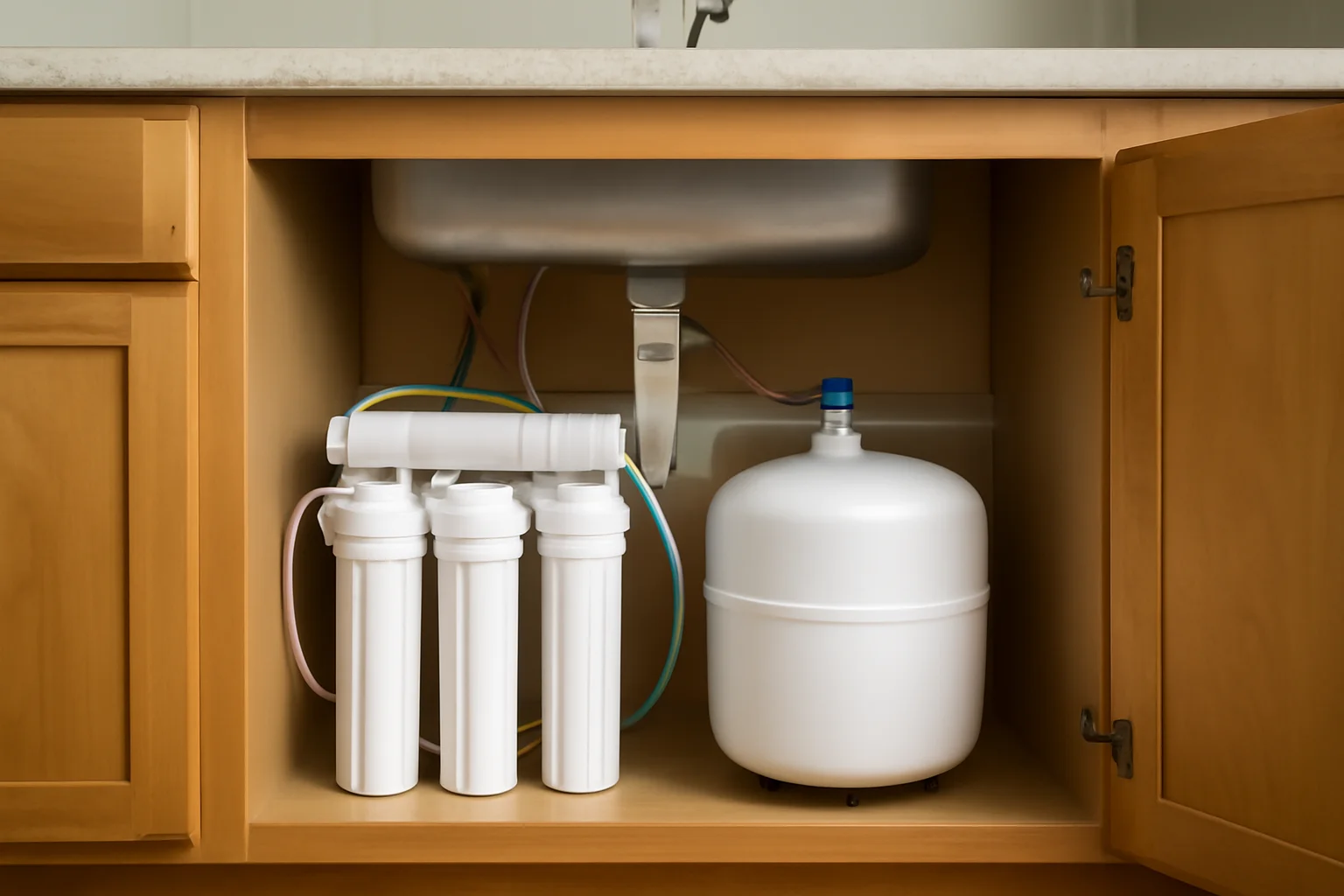
Reverse osmosis (RO) systems are one of the most effective ways to improve drinking water in South Georgia and Florida climates. In Callaway, FL, where many homes deal with mineral-rich water, an RO system can help reduce sediment, improve taste, and make daily routines feel easier. But when an RO system is not performing as it should, the “clean water” you expect can start to slip.
This guide walks through water quality warning signs connected to reverse osmosis systems for local property owners in Callaway, FL. You will see how common symptoms show up in the kitchen, bathroom, laundry, and around plumbing fixtures, and what steps typically help protect coffee, ice, cooking, and bathing. If you are searching for water treatment near me, these are the details that help you know what to check before a small problem becomes a bigger one.
Why Callaway homeowners notice RO trouble in the kitchen first
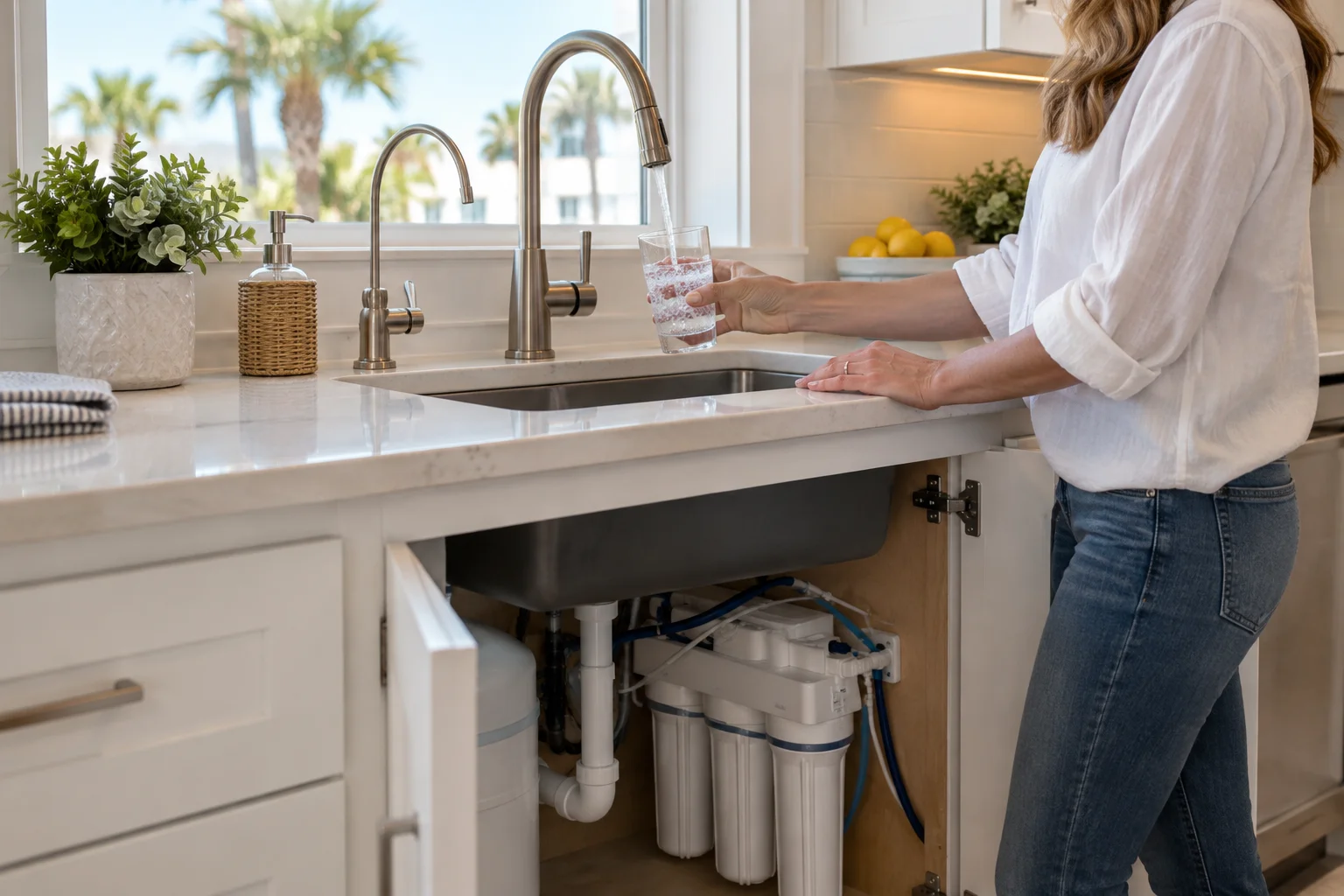
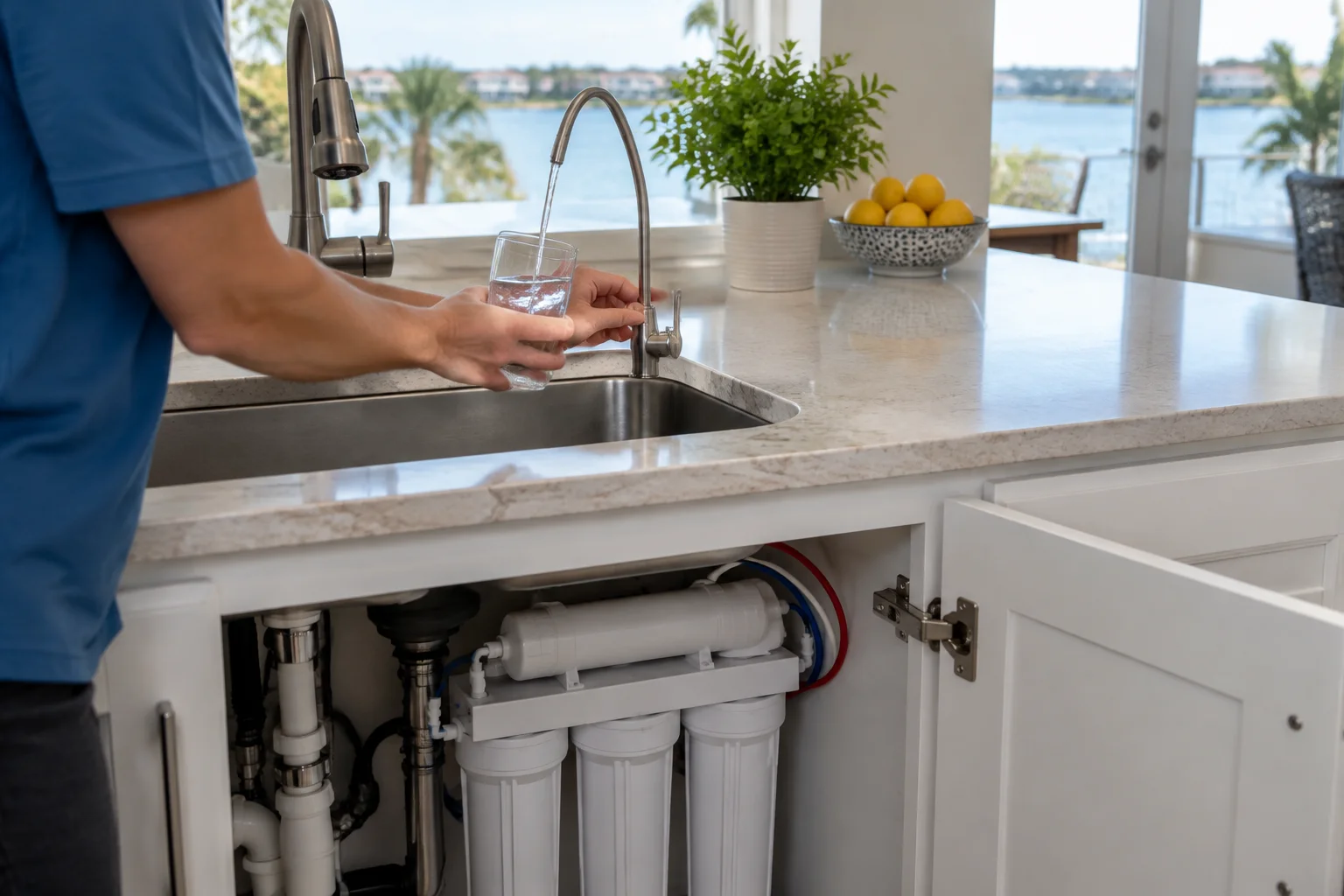
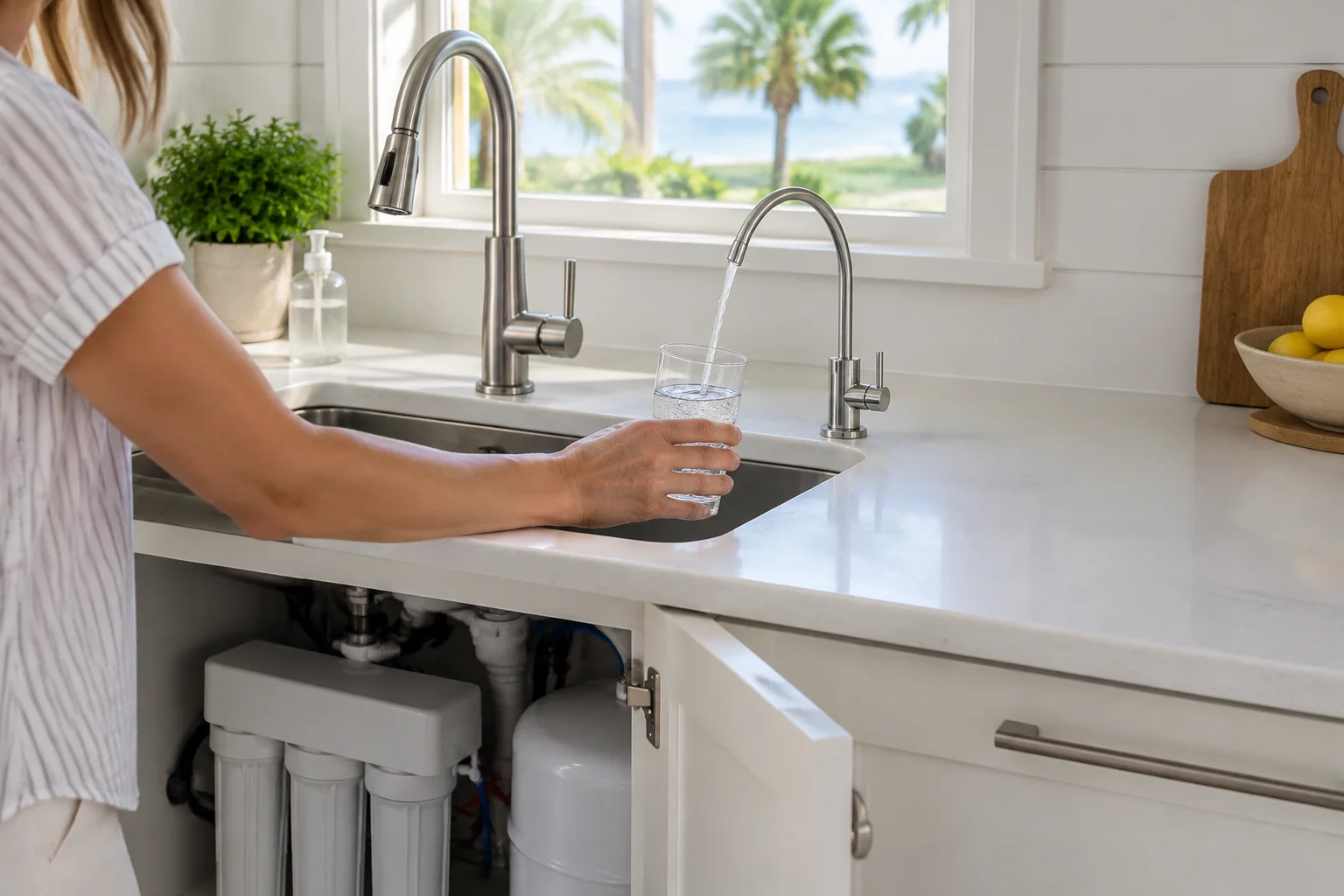
Most reverse osmosis systems in Callaway homes are installed under a kitchen sink, connected to a dedicated RO faucet, and designed to produce clean drinking water for daily use. When filters, membranes, or storage tanks are not working correctly, the first clues are usually taste and clarity. The next clues show up as residue and scale where water is used most, such as around faucets, showerheads, and appliance connections.
Callaway homes can see mineral buildup from hard water, and RO systems interact with those minerals in important ways. RO is not the same thing as whole home water softening. That means you can still experience scale buildup around faucets and showerheads even if your drinking water tastes better. When RO performance drops, you can also see additional visible sediment, discoloration, or odor concerns in the water you drink and cook with.
Warning sign 1: metallic, chlorinated, or unpleasant taste in drinking water
One of the most common water quality red flags is a change in taste. If your water starts tasting metallic, sharply “chlorinated,” or simply unpleasant, it is often tied to one of these RO components:
- Pre-filters that are clogged or past their service life, which can reduce the effectiveness of the system.
- Carbon filtration that is no longer removing taste and odor compounds as intended.
- RO membrane that is aging or failing, which can allow more dissolved contaminants to pass through.
- Storage tank issues, such as loss of pressure control, which can affect how water is delivered.
For kitchen routines, this can show up fast. Coffee brewed with poor tasting coffee water can taste flat or “off,” and cooking water can create noticeable differences in flavor. If you have been using filtered water for coffee and cooking and you suddenly notice a change, treat it as a performance signal, not a normal fluctuation.
Warning sign 2: cloudy ice cubes or water that looks off
Cloudy ice cubes are a classic household clue that something changed in the water source. In an RO system, cloudiness can be caused by:
- Breakthrough of fine sediment when filters are overdue.
- Air or pressure changes that affect how water releases gases before freezing.
- Membrane decline that reduces water clarity.
In Florida homes, ice is a daily convenience. When guests comment on cloudy ice, or you notice your ice bin looks different over time, it is worth checking your RO system performance. This is also a reason many homeowners start searching for a reverse osmosis system near me, because the problem is visible and practical.
Warning sign 3: soap that does not lather or rinse well, plus dry skin from hard water
RO systems typically focus on drinking water, not whole home conditioning. That means you can still feel hard water effects in showers and baths, especially if your home lacks water softening or whole home water filtration.
When water is hard, homeowners often report:
- Soap that does not lather and feels like it “smears” instead of cleansing.
- Dry skin from hard water, including tightness after bathing.
- Dull hair that feels coated or less manageable.
- Soap scum that rinses slowly.
If your RO system is installed for drinking water only, you may still need water softener service near me or a whole house water filter to address the mineral load affecting skin, hair, and fixtures. For families, that can mean more comfortable showers and better results from shampoos and body washes you already use.
Warning sign 4: scale buildup on faucets, showerheads, and plumbing
Hard water can leave stubborn deposits that look like chalky spots or crusty rings. You might see:
- Hard water spots on glass after dishes or shower doors dry.
- Scale buildup around faucets and on sink edges.
- White or gray mineral buildup on showerheads.
- Reduced water flow over time as scale restricts plumbing surfaces.
These issues are not always a direct RO failure. But they are a major indicator that the incoming water chemistry is still causing mineral problems. When hard water treatment becomes part of protecting fixtures and appliances, homeowners often consider pairing RO drinking water with additional treatment such as water softening or whole home water filtration.
For example, an RO system can improve the taste of drinking water, while a separate approach helps reduce scale throughout the home. That combination is often what makes daily life feel consistent, from coffee and ice to bathing and laundry.
Warning sign 5: visible sediment, discoloration, or odor concerns
If you notice sediment floating in the drinking water, discoloration, or a persistent odor, do not ignore it. RO systems can show these symptoms when:
- Pre-filtration is not catching sediment effectively.
- Membrane performance declines, allowing more contaminants to pass.
- System components are contaminated, such as after a long period of low use.
- Storage tank sanitation issues develop.
In a busy Callaway home, this can affect more than drinking water. If you use RO water for cooking, you may see changes in food preparation, and if you fill a water pitcher or use RO water for ice, the entire “clean water system” experience can feel compromised. This is also when appliances may start wearing out faster due to mineral and contaminant exposure.
Warning sign 6: appliances wearing out faster and laundry that feels different
Hard water minerals can accelerate wear on appliances and reduce performance. Homeowners often notice:
- Water-based appliances (like coffee makers and kettles) developing scale sooner.
- Washing machine issues, including reduced detergent effectiveness and residue buildup.
- Clothes that feel rough or look less vibrant after washing.
Even if your drinking water tastes better, the rest of the home may still be exposed to mineral-rich water. That is why many homeowners explore whole home water filtration near me or whole home water filter options alongside RO. The goal is not just better drinking water, but cleaner water for bathing, laundry, and fixture longevity.
What causes RO warning signs in Callaway homes
Understanding what causes RO system issues helps you address them correctly. Common causes in Callaway and Bay County include:
- Overdue filter changes. Pre-filters and carbon filters protect the RO membrane, and when they clog, performance drops.
- Membrane aging. RO membranes are designed for a service life. As they age, water quality can drift.
- Low water pressure or pressure changes that affect output and filtration.
- High sediment or turbidity events that overwhelm pre-filtration if the system is not maintained.
- Improper installation or bypass issues that allow untreated water to mix with filtered water.
- Low usage periods that can lead to stale water in the system and tank.
Florida weather patterns and seasonal changes can also influence household water use and system cycling. During humid stretches, you may run more showers and laundry, which can make scale and water chemistry effects more noticeable.
How homeowners can protect coffee, ice, and cooking water
When your RO system is working well, it supports everyday kitchen routines. Here are practical ways to protect that benefit:
1) Track taste, clarity, and ice appearance
Keep an eye on the things you can see and taste. If coffee brewed with RO water starts tasting metallic or flat, or ice turns cloudy, that is a clear signal that filtration performance may be slipping. These are also the symptoms that often prompt homeowners to look up reverse osmosis system near me.
2) Replace filters on schedule, not “when it seems bad”
RO systems rely on a sequence of filtration steps. If pre-filters and carbon media are overdue, the membrane works harder and may fail sooner. Following manufacturer guidance for service intervals helps maintain consistent drinking water quality.
3) Sanitize and refresh RO storage when needed
RO systems with storage tanks can develop issues if water sits too long or if the system has been off-line. A professional can verify sanitation and pressure performance, which helps protect the water you drink, make coffee with, and freeze into ice.
4) Use RO water for the jobs it is designed for
RO is usually best for drinking, cooking, and ice. For bathing and laundry, many homeowners pair RO with additional treatment such as water softening or whole home filtration. That approach protects both your kitchen and your skin, hair, and fixtures.
Where water softening and whole home filtration fit in Callaway
RO and water softening solve different problems. RO is focused on improving water quality for drinking and cooking by reducing dissolved contaminants. Water softening targets minerals like calcium and magnesium that cause scale buildup on faucets, showerheads, and glass.
If you are dealing with dry skin from hard water, soap that does not lather or rinse well, and hard water spots on glass, you may need more than RO for whole home comfort. Whole home water filtration can also help reduce sediment and protect plumbing surfaces and appliances.
Many homeowners choose a layered strategy:
- RO drinking water for clean, better-tasting water for coffee and cooking.
- Water softening for scale control and better bathing and laundry results.
- Whole home water filter to improve overall water cleanliness and reduce wear.
If you are comparing options such as AO Smith water filtration, it can be helpful to ask how each component supports your specific issues, including scale, odor, and appliance longevity. A properly planned system can reduce the “guesswork” that comes from trying to solve everything with one device.
AO Smith water filtration and reverse osmosis: what to look for
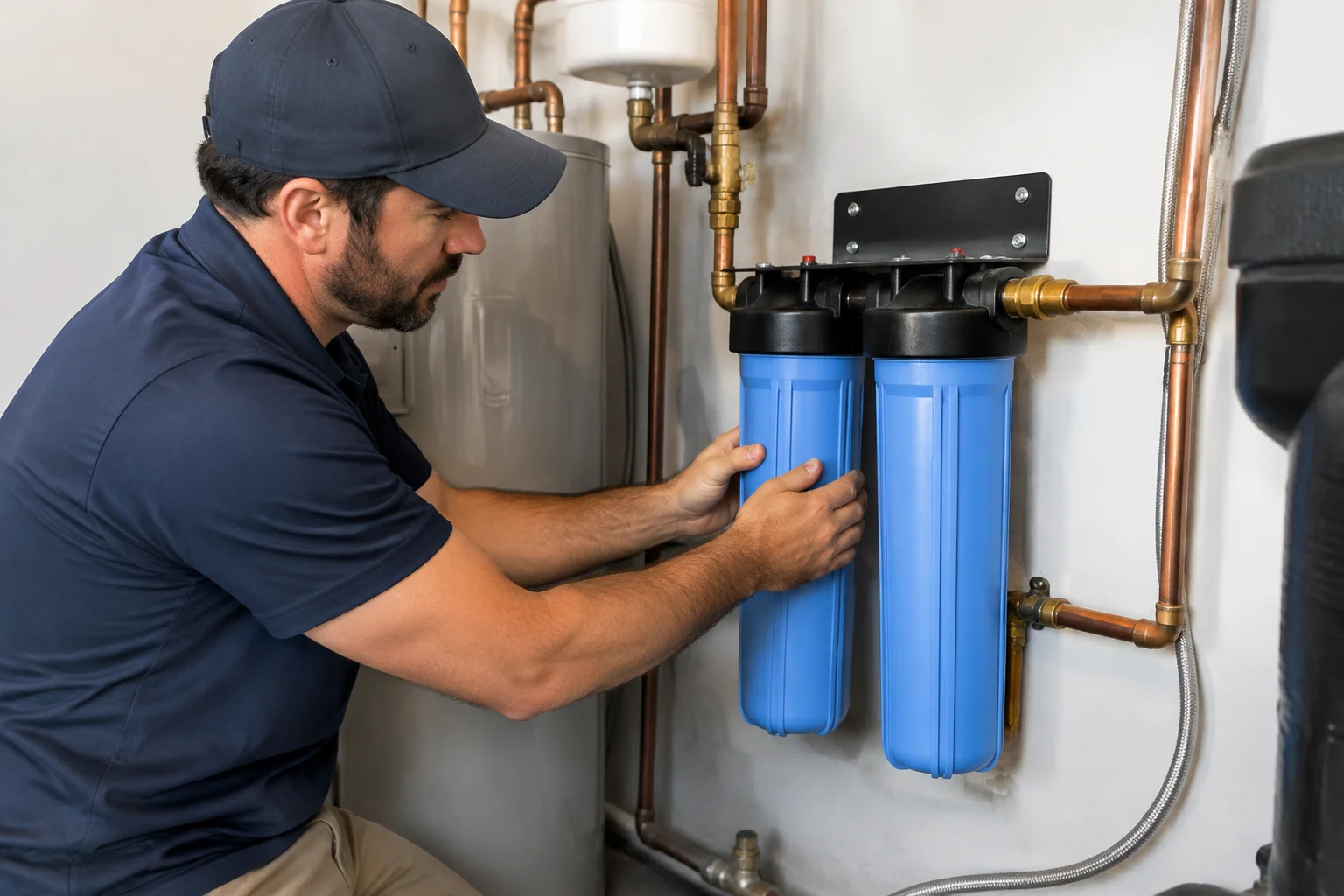
AO Smith is a well-known name in water treatment, and homeowners often consider AO Smith water filtration when they want dependable performance. When selecting an RO system or whole home water filter, look for:
- Clear maintenance schedules for filters and membranes.
- Systems designed for local conditions, including mineral levels and sediment exposure.
- Component compatibility with your existing plumbing and water pressure.
- Support for service and replacement parts so you do not end up waiting until water quality fully deteriorates.
For homeowners searching for water filtration near me, the best choice is usually the one that you can maintain easily. A Superior Mechanical focuses on reverse osmosis systems and water treatment service for Callaway, helping families keep water quality consistent.
Prevention and maintenance that actually matter
Preventing RO problems is less about guesswork and more about routine checks and timely service. These steps help protect your system and your household water experience:
- Follow filter replacement intervals and do not stretch carbon or sediment stages too long.
- Watch water pressure and flow rate. Drops can indicate clogs or other system issues.
- Inspect for leaks under sinks and around RO connections. Even small leaks can affect performance.
- Keep storage tanks functioning with correct pressure. If the tank is not cycling properly, water quality can shift.
- Consider whole home water filtration if you see sediment, odor, or fixture wear across the property.
Local water treatment service matters in Callaway because homes can vary widely in plumbing age, water line conditions, and the level of mineral buildup. A system that works in one neighborhood might need different settings or pre-treatment in another.
When to call A Superior Mechanical for reverse osmosis system service
If you are seeing any of the following, it is a strong time to contact a professional for diagnostics and service:
- Metallic, chlorinated, or unpleasant taste returns after being fine before
- Cloudy ice cubes or visible sediment appears
- You notice discoloration or persistent odor concerns in drinking water
- RO output slows significantly or the system cycles abnormally
- Scale buildup on faucets and showerheads worsens alongside other water quality issues
- Appliances start wearing out faster or coffee makers scale sooner than expected
For many homeowners, the most important step is getting the right fix, not just replacing parts at random. If you need reverse osmosis installation or service, you can review our Callaway RO options on reverse osmosis systems for Callaway. If you are also evaluating a broader plan for clean water systems near me, start with our water filtration and RO, water softeners. You can also explore local service coverage on our Callaway service area and Bay County resources.
Helpful reading for Callaway homeowners with RO and hard water concerns
If you want a deeper look at how RO systems behave in local homes and how to pair them with other treatment for better results, these posts are worth your time:
- Why reverse osmosis systems struggle in Callaway homes and what water treatment can fix
- A Callaway homeowner’s guide to smarter water filtration and fewer plumbing repairs
For homeowners comparing strategies across Florida, you may also find these helpful: Cleaner drinking water and healthier plumbing: a Rosemary Beach homeowner’s guide to reverse osmosis systems.
Common family scenarios that show RO performance and water quality issues
To make this practical, here are a few real-life moments in Callaway homes that often connect directly to RO performance and water chemistry:
- Morning coffee routine: The coffee tastes weaker or metallic, even though you are using the same beans and the same brew method. That often points to taste and odor filtration problems or membrane decline.
- Ice-making for guests: Ice cubes look cloudy and the tray develops a residue. That can indicate filter issues or system output changes.
- Kids rinsing bottles: Water that smells or tastes different becomes obvious right away. Drinking water quality is usually the first place families notice.
- Shower nights: Dry skin from hard water shows up after a few days, especially if you have visible scale buildup on showerheads and fixtures.
- Dishwashing cleanup: Hard water spots on glass appear more frequently, and dishes do not feel as clean. This can be tied to mineral load and scale, even if RO is installed for drinking.
These are the everyday signs that help homeowners protect quality without waiting for a full system failure.
Protecting bathing and plumbing performance alongside better drinking water
Good water treatment is not only about what comes out of the RO faucet. It is also about how water behaves across your home. When you address both RO performance and mineral control, you can reduce scale buildup around faucets, improve how soap rinses, and help keep hair and skin feeling better after bathing.
If you are balancing multiple goals, you may want to discuss a plan that includes reverse osmosis plus water softening and whole home water filtration. That layered approach can help protect:
- Your filtered water for coffee and cooking
- Your ice and beverage water
- Your fixtures and appliances from scale wear
- Your bathroom comfort by reducing hard water effects
For homeowners searching for clean water systems near me, this is often the difference between “the kitchen tastes better” and “the whole house feels better.”
If you want help reviewing your current system or setting up reverse osmosis installation in Callaway, A Superior Mechanical can help you match the right treatment approach to the signs you are seeing. Start with reverse osmosis systems for Callaway and explore broader options on our water filtration and RO, water softeners.
Find Reverse Osmosis Systems in Callaway, FL
If you need Reverse Osmosis Systems in Callaway, FL, visit our local service page or contact A Superior Mechanical today.
For a broader look at whole-home water filtration, reverse osmosis, and water softener options, visit our water filtration, RO, and water softener page.
Map of Callaway, FL
Frequently Asked Questions
Why does my reverse osmosis water taste metallic or chlorinated in Callaway, FL?
Metallic or chlorinated taste often points to overdue pre-filters or carbon media, or to RO membrane decline. It can also happen if pressure or storage tank performance has changed. A technician can test and diagnose which stage is causing the taste shift.
Can hard water scale buildup happen even if I have reverse osmosis for drinking water?
Yes. Many RO systems treat only drinking water at a dedicated faucet. Hard water minerals can still affect showers, laundry, and fixtures. Scale buildup on faucets and showerheads usually means you may need water softening or whole home water filtration in addition to RO.
What causes cloudy ice cubes from a reverse osmosis system?
Cloudy ice can result from sediment breakthrough, filter clogs, or RO membrane performance issues. Pressure changes can also contribute. If you see cloudy ice consistently, it is a good time for RO system service.
How often should reverse osmosis filters and membranes be replaced?
Service intervals vary by system model, water conditions, and usage. In many homes, pre-filters and carbon stages need more frequent replacement than the RO membrane. A Superior Mechanical can recommend a schedule based on your specific setup and the symptoms you are seeing.
Will reverse osmosis help with dry skin from hard water?
RO can improve drinking water quality, but dry skin from hard water is usually related to minerals in shower and bath water. For that, homeowners typically need water softening and or whole home water filtration so bathing water is conditioned too.
Related Articles
- Why Reverse Osmosis Systems Struggle in Callaway Homes and What Water Treatment Can Fix
- A Callaway Homeowner’s Guide to Smarter Water Filtration and Fewer Plumbing Repairs
- Smart Plumbing Habits for Reverse Osmosis Systems in 30A Homes
- Cleaner Drinking Water and Healthier Plumbing: A Rosemary Beach Homeowner’s Guide to Reverse Osmosis Systems
Photo Gallery