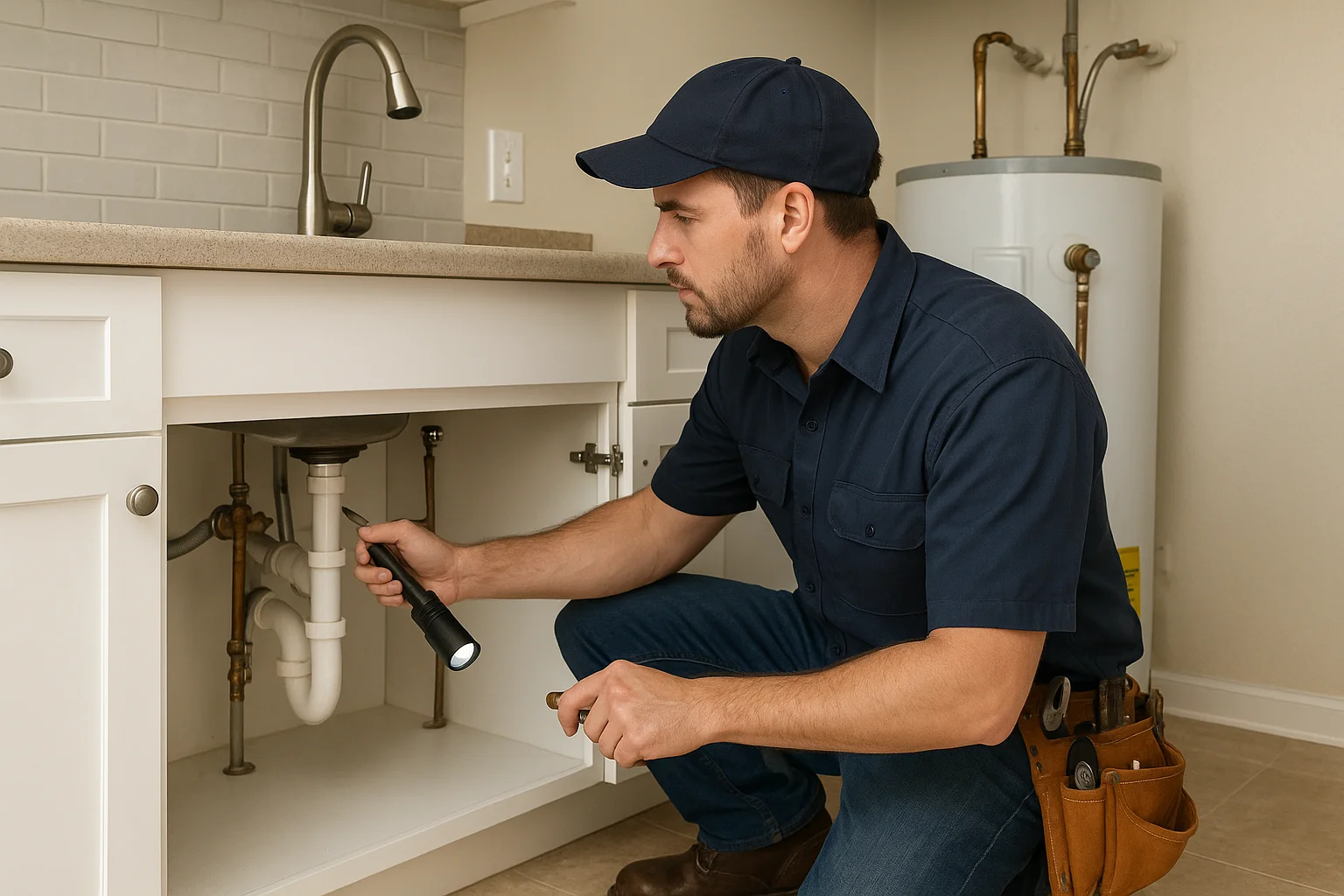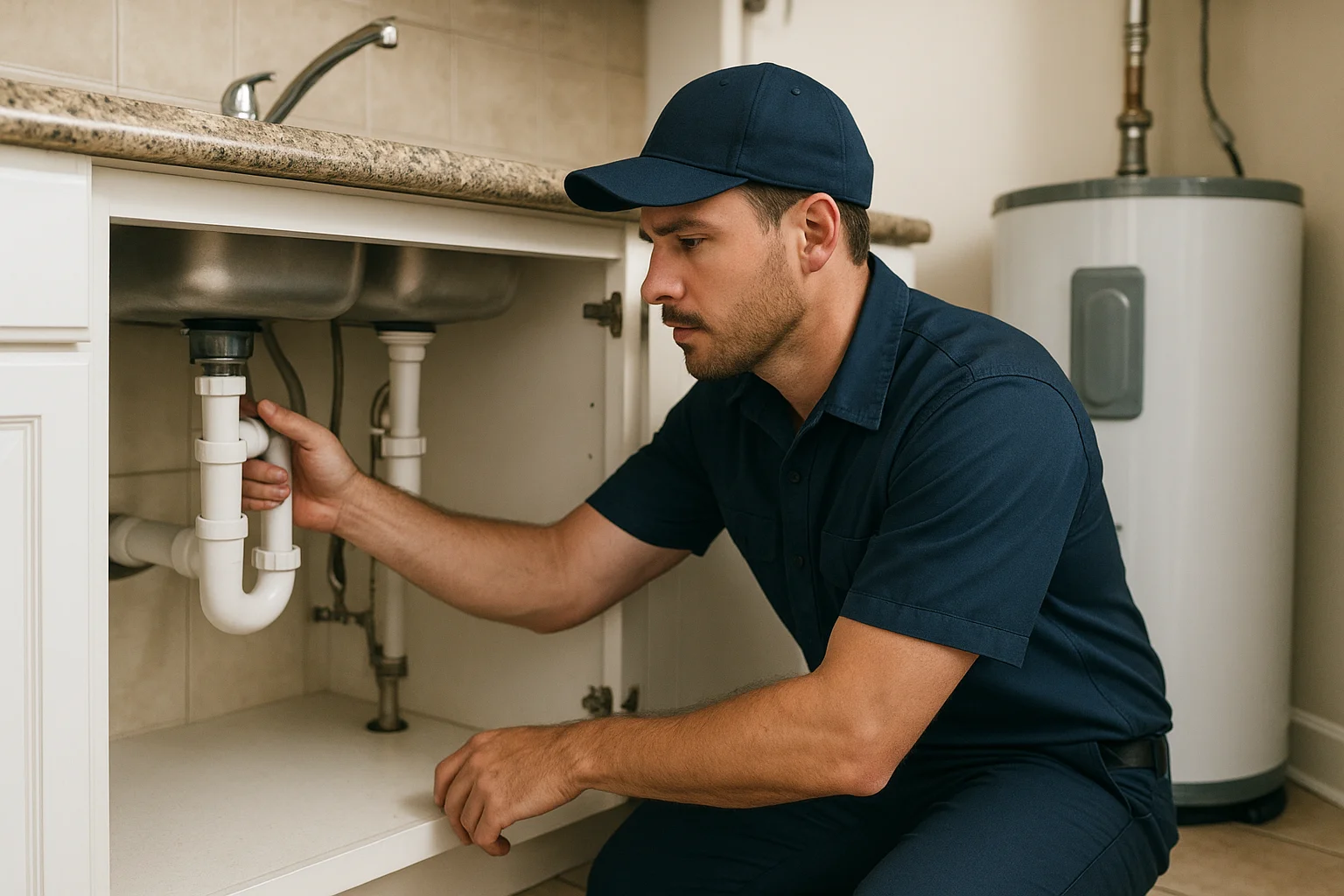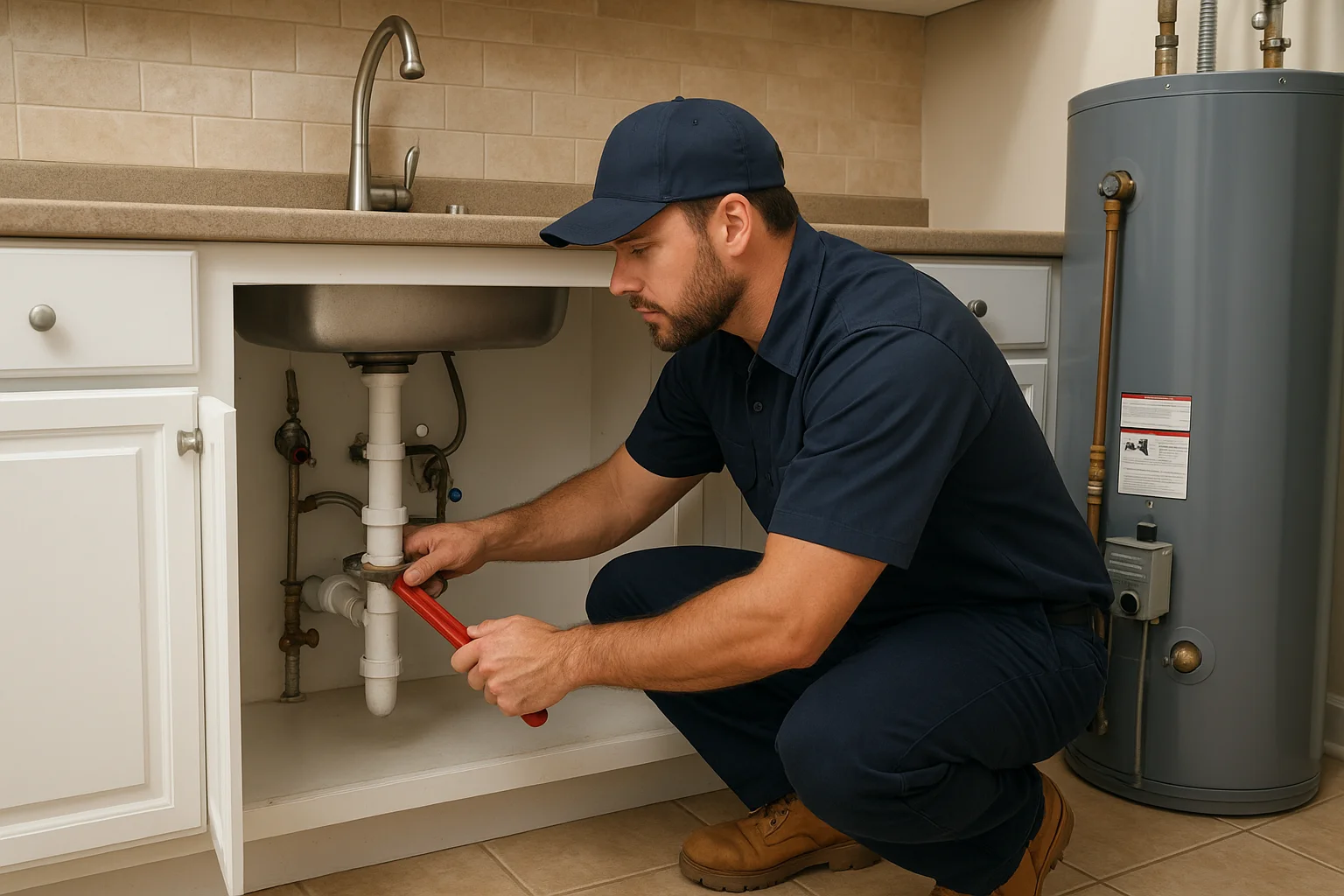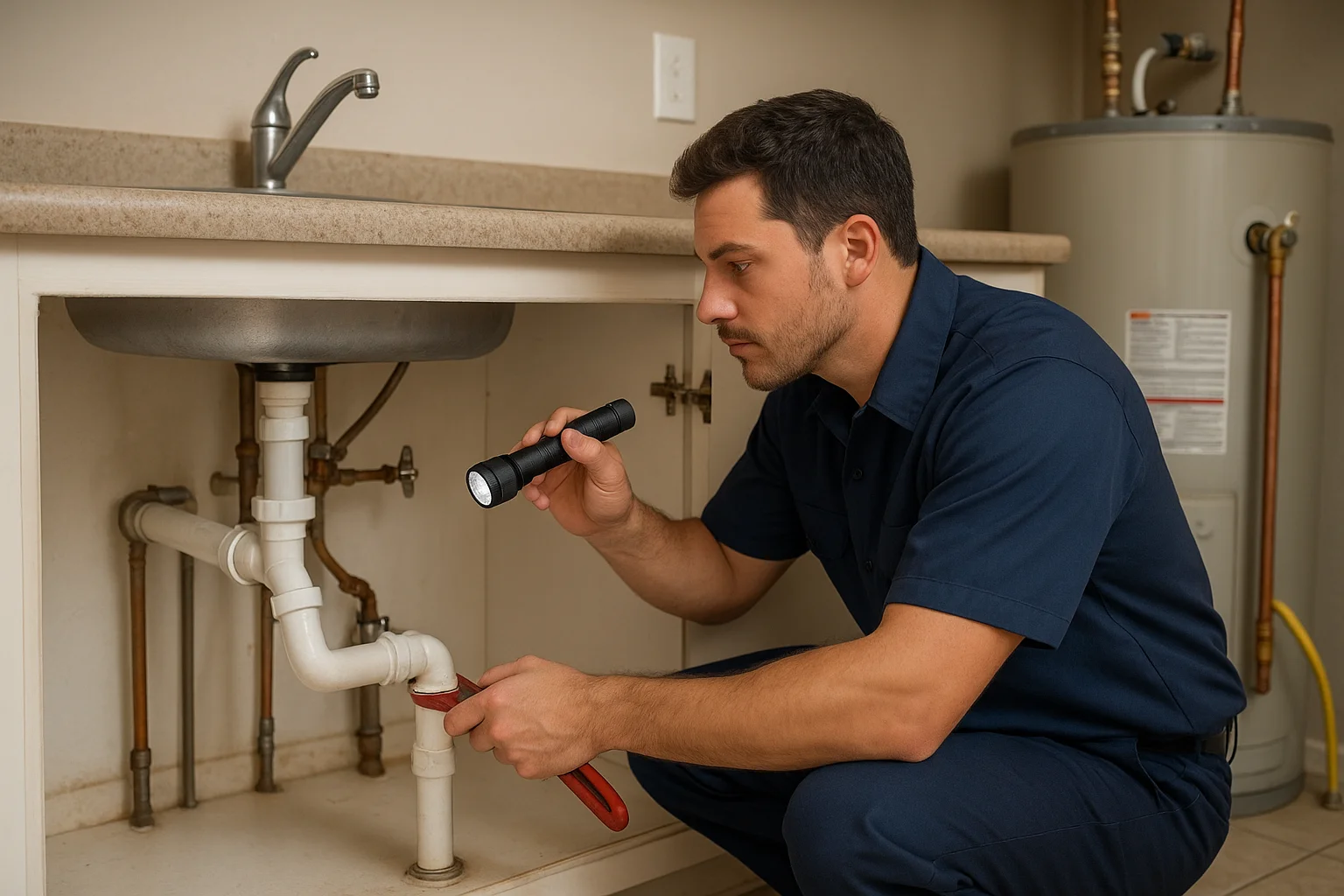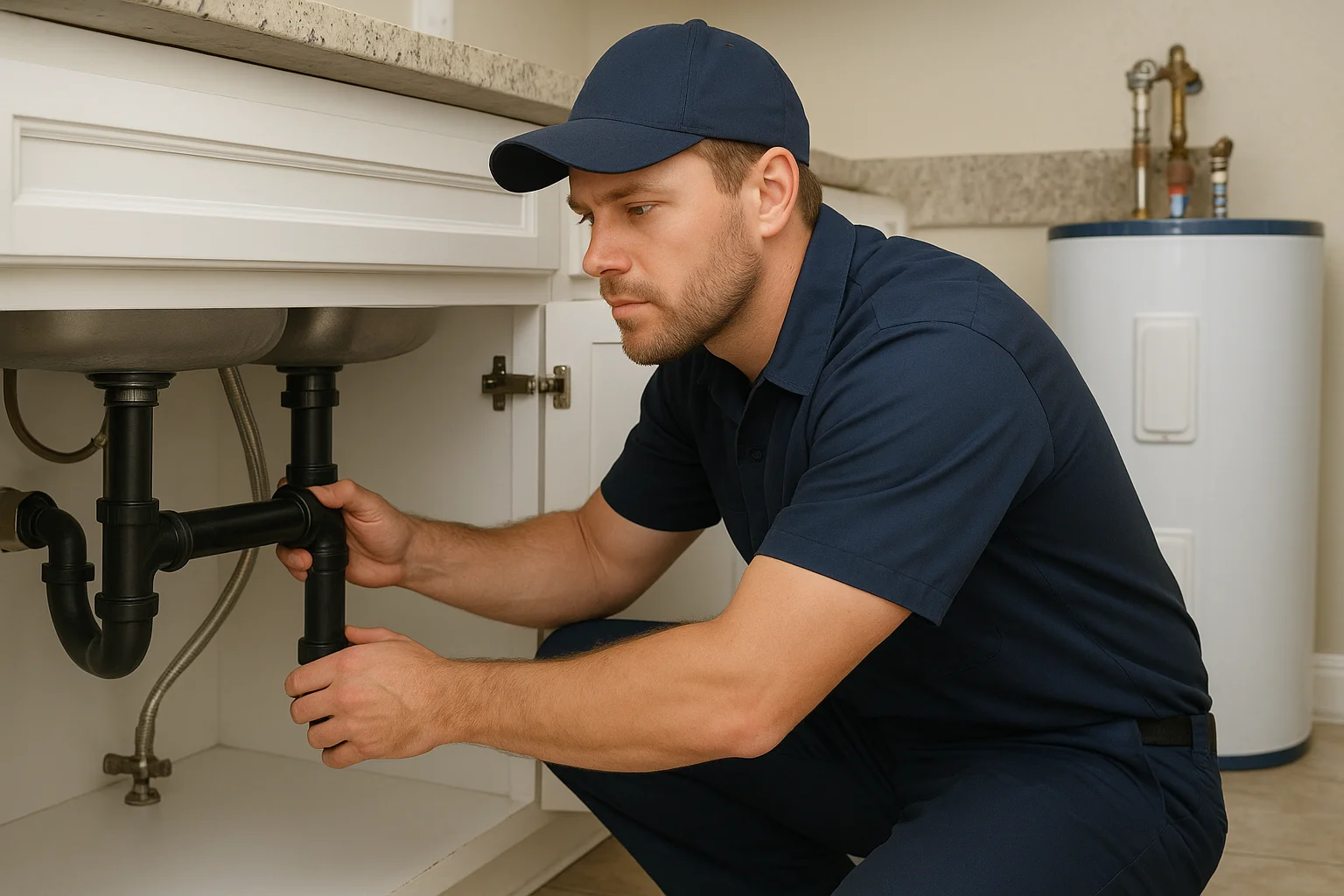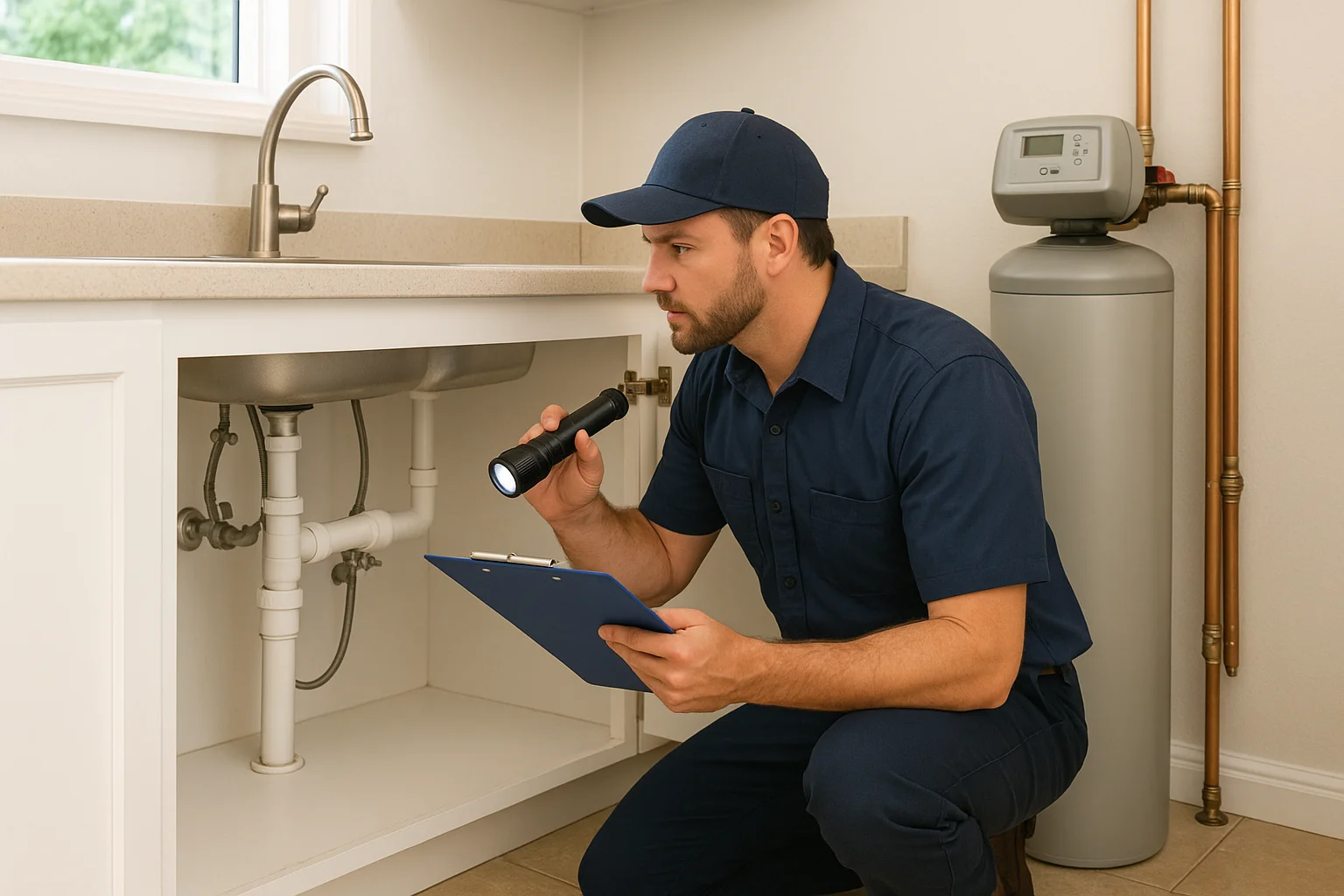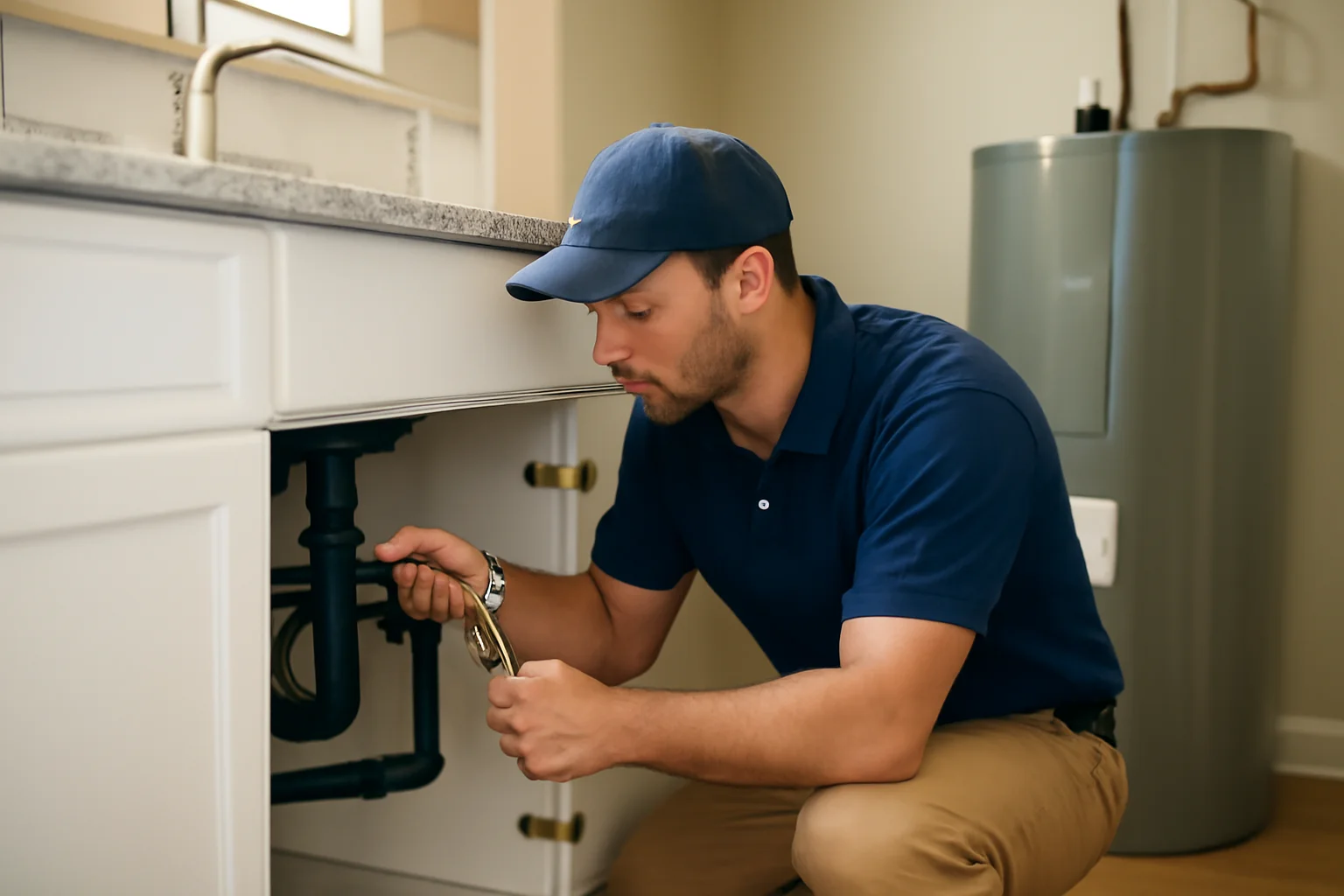
Bluewater Bay homes run on comfort systems that are only as good as the plumbing feeding them. When a water heater starts acting up, many homeowners focus on replacing the unit. But the truth is that plumbing wear and tear can determine how well your new water heater performs, including water pressure, hot water delivery, and even how safely the installation is completed.
If you are searching for water heater installation in Bluewater Bay, FL, it helps to understand what older pipes, aging fixtures, and hidden leaks do to water flow. In this article, we will connect common plumbing problems in the area to what happens during a water heater changeout, so you can plan for better hot water and fewer surprises.
How worn plumbing affects water flow after a water heater installation
A water heater does not work in isolation. It relies on incoming water supply lines, internal plumbing layout, venting pathways, and drainage connections. When those parts are compromised by age, scale, or corrosion, a new unit can still underperform.
1) Reduced flow from scale buildup and mineral deposits
Bluewater Bay and much of Okaloosa County sees water that can be hard, meaning mineral content is higher than in softer-water areas. Over time, minerals can build up inside pipes, fittings, shower valves, and even the water heater itself. When you install a new water heater, the unit may heat water correctly, but flow can still be restricted by deposits already inside the plumbing system.
Symptoms homeowners notice include weak hot water at the faucet, slow recovery after multiple showers, and inconsistent temperature at fixtures. This is also why some homeowners feel like they need water heater service again shortly after installation. The heater may be fine, but the lines feeding it are not.
2) Pressure drops caused by corrosion in older pipes
As pipes age, especially metal supply lines, corrosion can narrow the pipe interior. That narrowing makes it harder for water to move through the system. During a water heater installation, a technician may confirm that your new unit is sized correctly, but the actual delivery is still limited by plumbing restrictions upstream.
Pressure drops can show up as:
- Hot water that feels weaker than it used to
- Water pressure that changes when someone flushes a toilet
- Longer wait times for hot water to reach bathroom fixtures
In homes where plumbing runs through slabs or older wall cavities, these restrictions can be difficult to spot without proper inspection. That is where local plumbing expertise matters, especially for homeowners who want to avoid repeated install efforts.
3) Hidden leaks that drain hot water and waste energy
Wear and tear often includes small leaks that do not always puddle visibly. Water can escape behind walls, under floors, or near pipe joints. Some leaks are slow enough that they look like “normal” dampness, while others increase utility bills without obvious signs.
During installation, a new water heater may heat water more efficiently, but a leak can still cause:
- Lower hot water availability
- Frequent heater cycling
- Higher water bills and energy costs
When homeowners search for leak detection near me after a replacement, it is often because the water heater seems to be working, but performance does not match expectations. A Superior Mechanical can help evaluate supply lines, connections, and nearby plumbing components that may have aged along with the original heater.
Common Bluewater Bay plumbing wear issues that show up during installs
Water heater replacement projects in Bluewater Bay often uncover plumbing concerns that were not obvious when the old unit was operating. Here are the most common issues that affect water flow and overall performance.
Corroded fittings and aging shutoff valves
Shutoff valves and connectors can seize or degrade. During installation, a corroded fitting can restrict flow or create a new leak point if it is forced. Even if the heater is installed correctly, a compromised valve can reduce hot water volume to the fixtures.
Drain and vent issues that affect safe operation
While the hot water supply line drives flow, the drain and vent components protect safe operation. Sediment in the drain line or an incorrect drainage setup can contribute to poor performance and premature wear. If a drain line is partially blocked, it can affect how the system handles discharge and internal cycling.
Sometimes the root cause is not the water heater at all. A clogged sink drain, bathroom drain, or main line restriction can create back pressure and drainage problems that influence the overall plumbing system. For homeowners dealing with drain concerns, it helps to pair water heater installation planning with appropriate plumbing services like drain cleaning near me or drain line evaluation.
Toilet and fixture wear that changes the system demand
Toilets with running fill valves, worn flappers, or slow leaks can increase overall water usage. That extra demand can make a new water heater feel like it has slower recovery. If you are noticing constant calls for running toilet repair near me after a heater changeout, the issue could be the fixture, the supply valve, or a leak under the toilet.
Fixture buildup and restricted aerators
Low-flow aerators, clogged faucet screens, and mineral buildup inside showerheads can mimic heater problems. Homeowners sometimes interpret “weak hot water” as a heater failure when it is a fixture restriction. A careful installer checks both the heater and the flow path to your fixtures.
Tank vs. tankless: plumbing wear affects each differently
Whether you choose a tank or a tankless unit, plumbing wear can impact performance. The difference is how quickly the system reacts to restrictions.
Tank water heaters
Tank systems store heated water, so homeowners might not notice flow restrictions immediately. Over time, mineral scale can reduce internal efficiency and recovery. If the supply line is restricted, the tank may heat water, but your household still sees weak hot water at point-of-use.
Tankless water heaters
Tankless units are more sensitive to flow rate because they heat on demand. If plumbing wear reduces flow, the unit may struggle to reach the desired temperature. This can lead to temperature swings, delayed hot water, or error codes.
Homeowners considering hot water heater replacement near me often ask whether tankless is “harder” on plumbing. The better way to frame it is that tankless makes plumbing problems more noticeable. That is why professional assessment matters before installation.
If you are also dealing with water quality concerns, pairing installation with water treatment planning can help. Explore Reverse Osmosis Systems for options that can reduce mineral impact on plumbing and fixtures.
Why local conditions in Okaloosa County change the installation checklist
Bluewater Bay homes vary in age and construction style, from newer builds to older properties with legacy piping. Okaloosa County’s coastal climate brings humidity, which can accelerate corrosion in some areas and make leaks easier to hide behind finishes.
Seasonal weather patterns can also affect how plumbing behaves. When temperatures shift, pipe contraction and expansion can stress aging joints, especially in crawl spaces and exterior walls. That can create micro-leaks and minor restrictions that only become obvious when the water heater is replaced and the system is tested at full demand.
This is one reason homeowners prefer a local plumbing team when they are searching for plumbing services near me. A regional installer understands typical piping materials, common wear patterns, and how to test for flow and pressure issues without guessing.
Signs your plumbing wear will affect your water heater installation
These are practical indicators that your water heater replacement should include plumbing evaluation, not just swapping the unit.
- Hot water runs out quickly, especially during peak use like morning showers
- Water pressure drops when fixtures are used at the same time
- Water heater cycles frequently or seems to struggle to maintain temperature
- Noise in the pipes such as banging or popping when water turns on
- Visible or recurring damp spots near supply lines, under sinks, or around plumbing chases
- Slow drains or gurgling that suggests restrictions in drains or sewer lines
If you are also dealing with sewer-related concerns, it is worth considering sewer inspection near me when you notice recurring backups. Drain and sewer issues can reflect broader system blockages that impact water usage patterns and household plumbing pressure.
What a quality water heater installation should include in Bluewater Bay
A Superior Mechanical focuses on dependable installation, but the plumbing side is just as important as the heater itself. A thorough installation typically includes:
1) Checking water pressure and flow capacity
Before installing the new unit, the plumbing team should confirm the system can deliver the water flow required for the heater type. Tankless especially benefits from this step.
2) Inspecting supply lines, shutoffs, and connections
Older valves and fittings can restrict flow or create leak points. Identifying worn components early helps avoid callbacks and emergency plumbing concerns.
3) Evaluating drains and discharge routes
Proper drainage helps the water heater operate safely. If there are signs of clogging or improper drainage, resolving those issues first protects the new installation.
4) Addressing sediment and hard-water buildup
Where scale is likely, installation should include steps to reduce sediment impact. Maintenance planning matters here too, especially for homeowners who want fewer plumbing surprises.
5) Testing hot water delivery at multiple fixtures
Testing at the kitchen sink, bathroom sink, and shower helps confirm the system performs where it matters most. If you have a home with multiple bathrooms, this step is even more important.
If you want to connect water heater performance to the bigger picture of home plumbing health, read Staying Ahead of Plumbing Problems in Bluewater Bay Homes.
Solutions when plumbing wear is the real culprit
Sometimes the fix is not a brand-new water heater. Sometimes it is correcting the plumbing path so your new heater can deliver the hot water your household expects.
Pipe repair or replacement for restricted or leaking sections
If supply lines are corroded, leaking, or restricted, Pipe Replacement may be the most reliable long-term solution. In homes with slab leaks or hidden corrosion, prompt repair can also prevent bigger damage.
For leaks and pressure issues near the exterior or under-slab areas, homeowners often need emergency pipe repair near me when water loss escalates. Even if it is not an emergency, addressing pipe wear before installation can improve flow and reduce the chance of repeat problems.
Waterline repair for supply problems
In some properties, the issue begins at the waterline itself. If the main water supply has wear, it can affect pressure and hot water delivery. Waterline Repair helps restore reliable flow that the heater depends on.
Fixture servicing for “heater-like” symptoms
If only certain fixtures have weak hot water, the problem can be localized. Faucet cartridges, clogged aerators, and internal valve wear can cause flow issues that feel like a water heater problem. Homeowners searching for faucet repair near me may find that fixing the fixture restores the hot water experience.
Drain cleaning and sewer line attention when backups affect the system
When drains are slow, water usage patterns shift and pressure dynamics change. In a worst-case scenario, backups can become emergency plumbing concerns. For recurring clogs, it can help to schedule main drain cleaning near me or a targeted evaluation rather than repeatedly plunging or using harsh chemicals.
If you suspect deeper sewer line issues, a professional sewer inspection near me can identify blockages, root intrusion, and other problems that simple drain cleaning cannot solve.
Prevention that keeps installation performance strong
Even the best water heater installation will struggle if plumbing wear continues unchecked. A few habits and maintenance steps can protect water flow and reduce emergency calls.
Schedule water heater service and flushing
Hard water and sediment build up over time. Regular maintenance helps keep the heater efficient and supports consistent hot water delivery. If you are planning a replacement, ask about a maintenance schedule for your specific unit type.
Watch for early leak signs
Look for dampness around supply lines, water staining under sinks, and any unexplained increase in water usage. Small leaks can become big problems, especially in humid coastal conditions.
Maintain fixtures and address clogs promptly
When you notice sink or tub drainage slowing, address it quickly. Bathroom drain clogs can also lead to pressure changes that affect how water moves through the system. For many homeowners, an early drain cleaning near me appointment prevents bigger repairs later.
If you are also thinking about water quality upgrades, the guide Cleaner Water, Fewer Plumbing Surprises: A Bluewater Bay Guide to Home Purification can help you connect filtration choices to fewer mineral-related issues.
Emergency plumbing concerns to take seriously during a replacement
Water heater installation is usually planned work, but plumbing wear can turn it into an urgent situation if leaks or major restrictions are discovered. Call a professional right away if you notice:
- Active leaks near the heater connections
- Water pooling around pipes, ceilings, or floors
- Sudden loss of hot water plus visible pressure changes
- Backups in multiple drains at once
For homeowners who need emergency plumbing concerns addressed quickly, choosing a service area team familiar with Bluewater Bay and Okaloosa County helps reduce downtime. Learn more about service coverage on our Bluewater Bay service area page and our Okaloosa County plumbing coverage.
Choosing the right installer for better water flow
Replacing a water heater is a major home project. The best results happen when the installer treats it as a plumbing system upgrade, not just a unit swap. By accounting for plumbing wear, hard water scale, corroded pipes, and fixture restrictions, you can protect hot water performance and reduce the chance of repeating repairs.
If you are looking for dependable installation and plumbing support, A Superior Mechanical can help you move forward with confidence. Start with water heater installation in Bluewater Bay, FL, and consider pairing it with maintenance planning using Water Heater Maintenance for long-term flow and fewer interruptions.
Homeowners in other parts of the region often benefit from similar guidance. If you want an extra perspective, this guide is helpful: A Springfield Homeowner’s Guide to Smarter Water Heater Installation and Fewer Plumbing Surprises.
Find Water Heater Installation in Bluewater Bay, FL
If you need Water Heater Installation in Bluewater Bay, FL, visit our local service page or contact A Superior Mechanical today.
Map of Bluewater Bay, FL
Frequently Asked Questions
Can worn pipes make a new water heater deliver less hot water?
Yes. Corrosion, mineral scale, and restricted fittings can reduce water flow even if the new heater is sized correctly. That can cause weak hot water, slower recovery, and temperature swings at fixtures.
How do hard water and scale affect water heater installation in Bluewater Bay?
Hard water can leave mineral deposits in supply lines, shower valves, and inside the water heater. During installation, existing buildup can limit flow and reduce efficiency, so maintenance and system checks matter.
What should a plumber check before installing a tankless water heater?
A quality installation includes verifying water pressure and flow capacity, inspecting shutoff valves and supply lines, checking drainage and discharge routing, and testing hot water delivery at key fixtures. Tankless units are more sensitive to flow restrictions.
Why does my water heater seem fine but the hot water is still inconsistent?
Inconsistent hot water can come from plumbing wear elsewhere, such as restricted pipes, failing valves, clogged faucet components, or small leaks. It can also be related to drain or sewer restrictions that affect overall plumbing pressure behavior.
When should I call for water heater replacement versus plumbing repair?
If the unit is leaking, not heating, or nearing end of life, replacement may be needed. If hot water problems started after a recent install or are limited to certain fixtures, plumbing repair or leak detection may be the better first step.
Related Articles
- Cleaner Water, Fewer Plumbing Surprises: A Bluewater Bay Guide to Home Purification
- Staying Ahead of Plumbing Problems in Bluewater Bay Homes
- Why Commercial Plumbing Matters for Bluewater Bay Homes and Properties
- A Springfield Homeowner’s Guide to Smarter Water Heater Installation and Fewer Plumbing Surprises
Photo Gallery