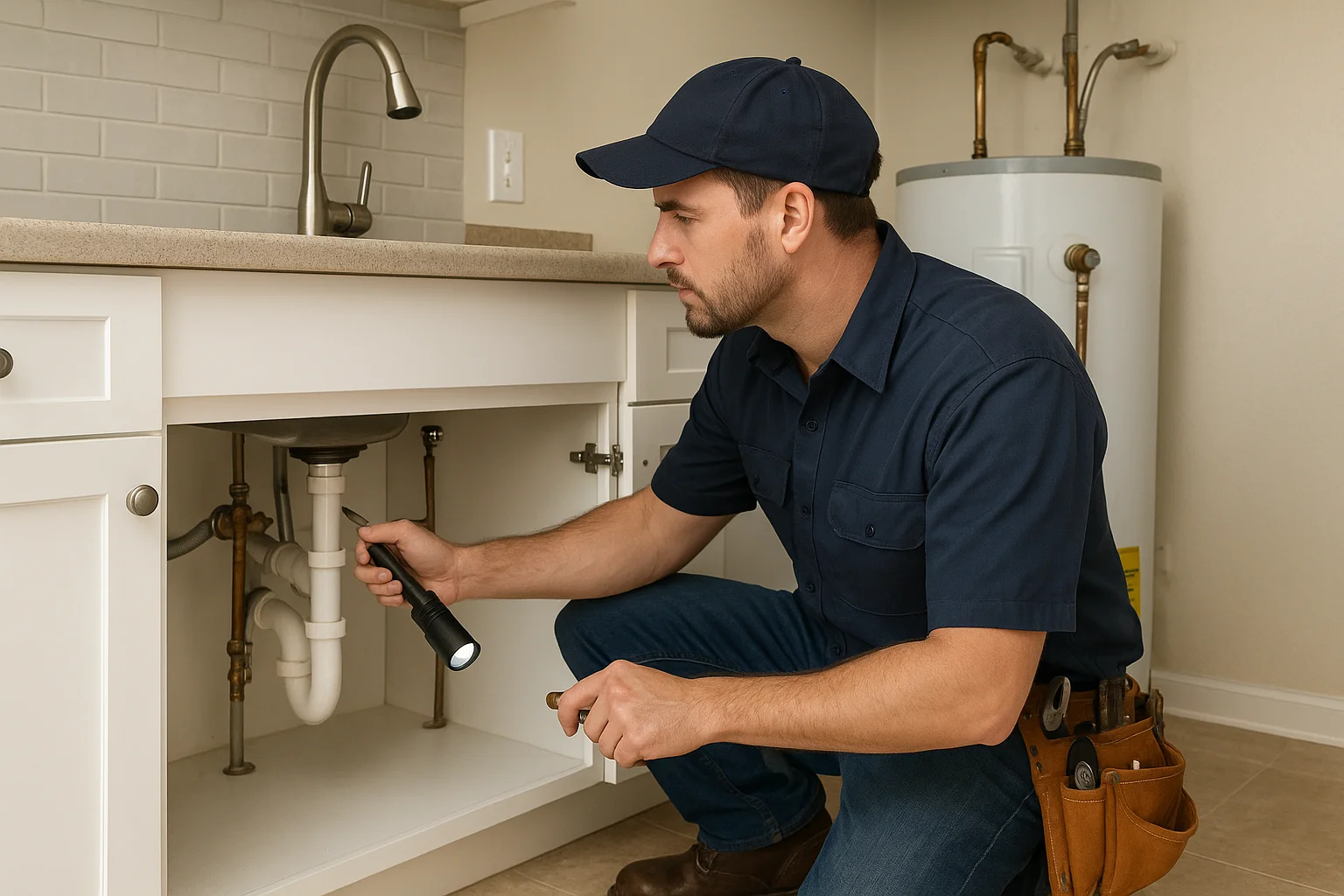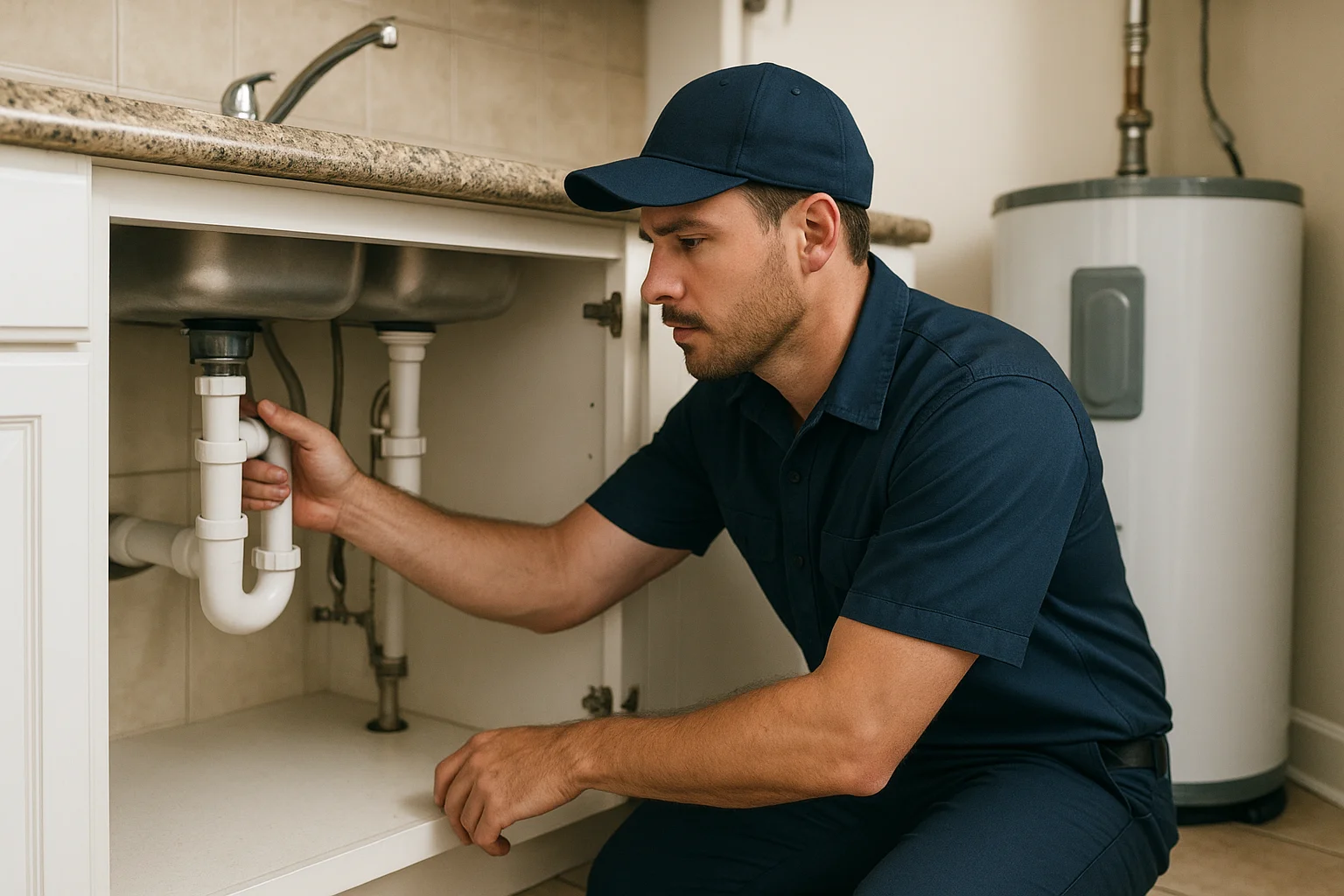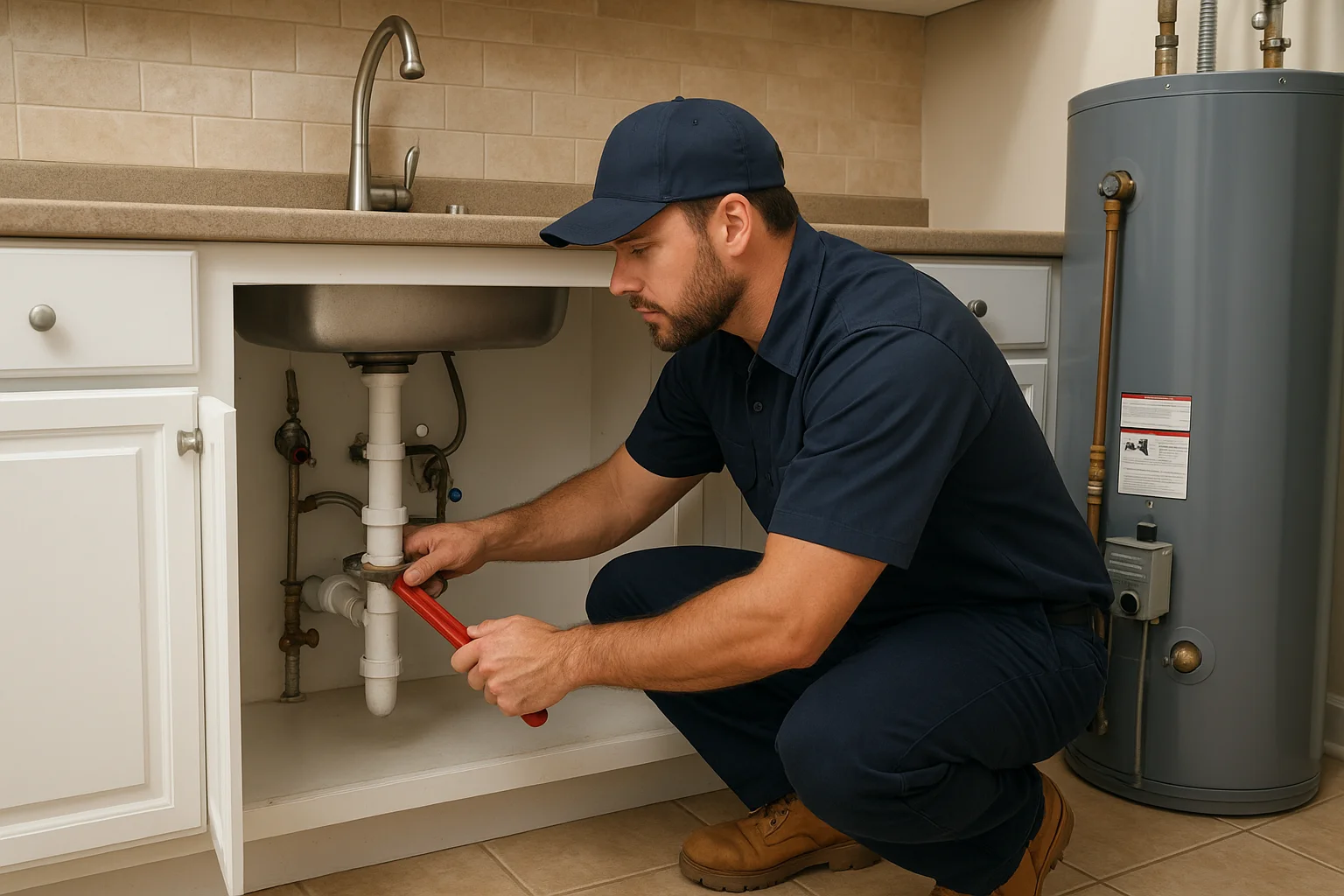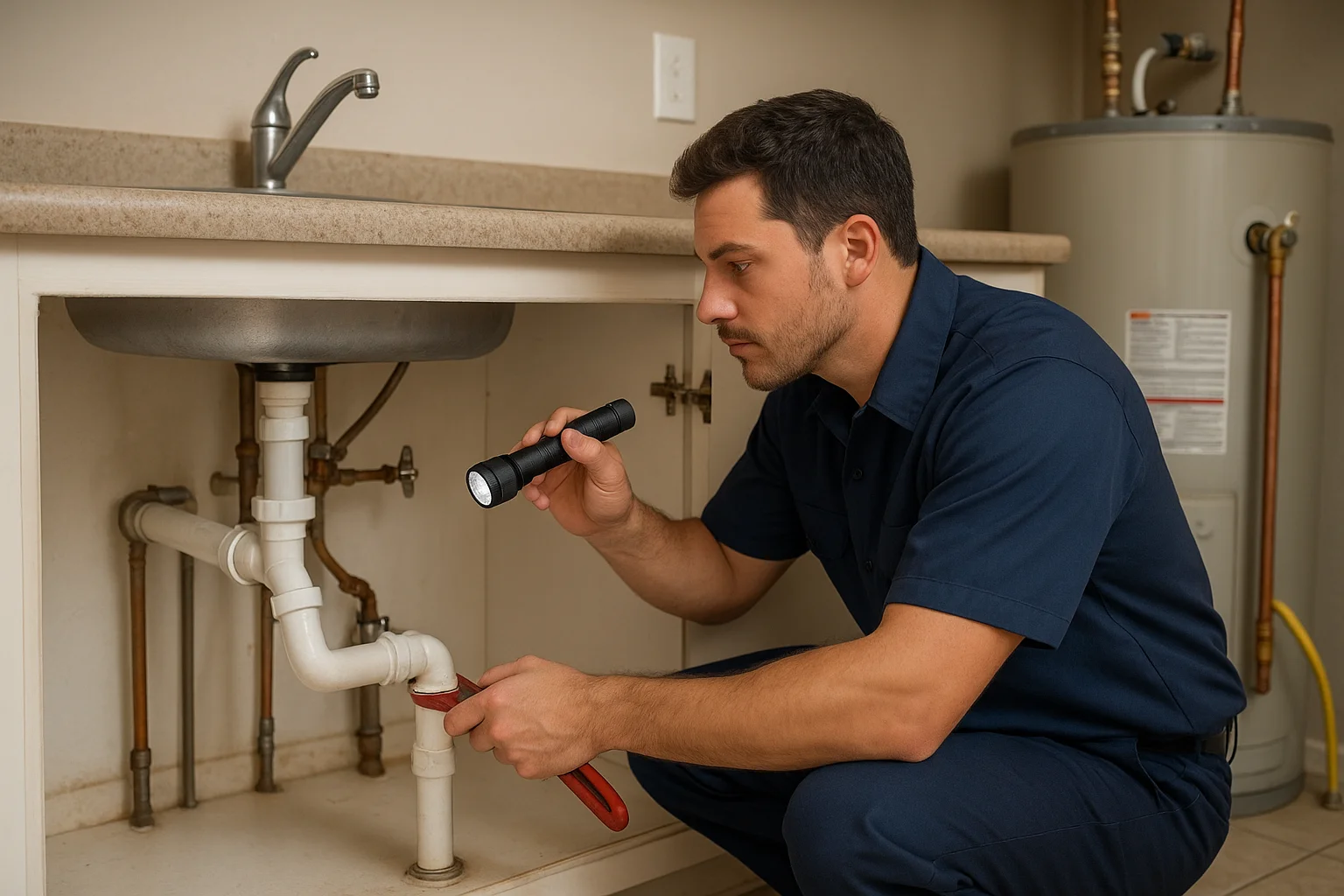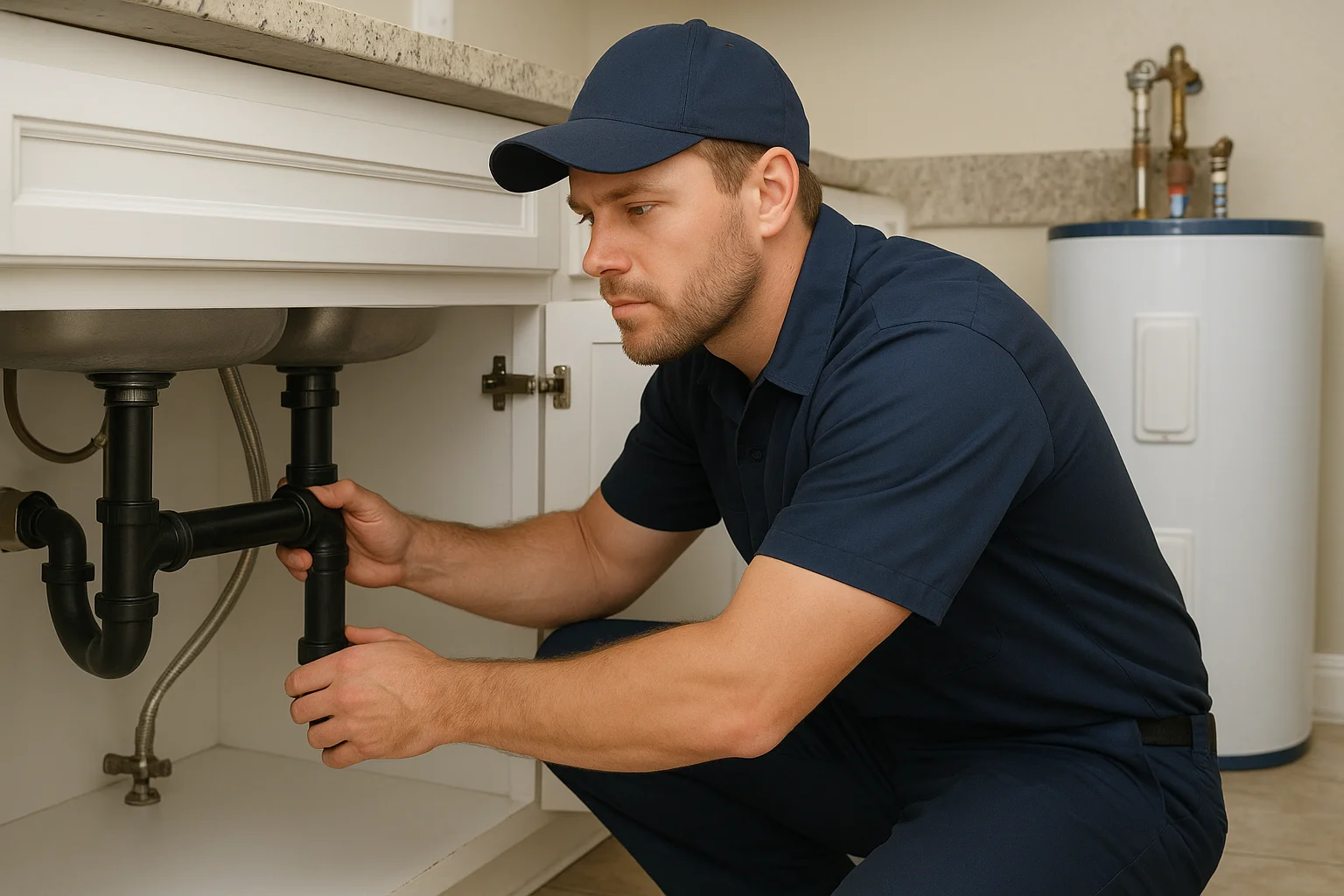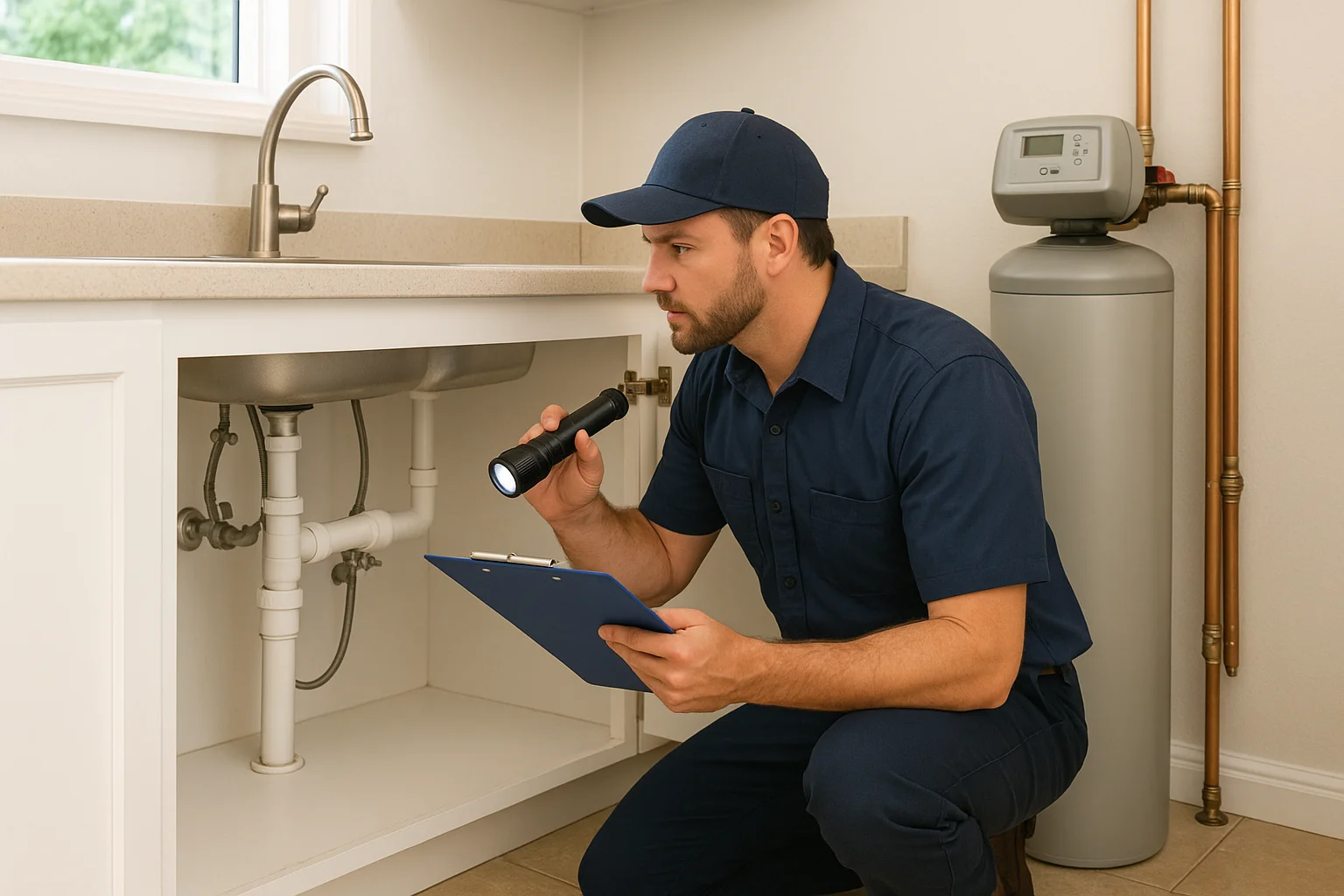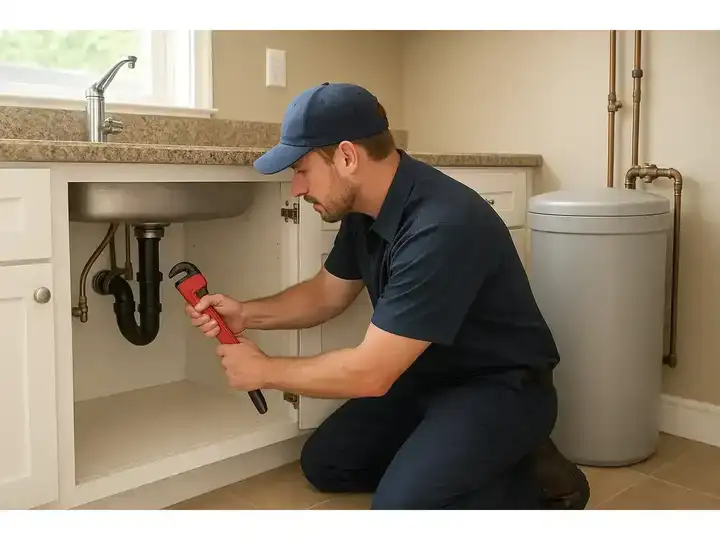
In Lynn Haven, water quality can have a bigger impact on plumbing than many homeowners expect. Hard water does not usually cause a sudden breakdown, but it can quietly build up inside pipes, fixtures, water heaters, and appliances until everyday problems start showing up. That is why water softening matters for local homes. It helps reduce mineral buildup, supports better water pressure, and can extend the life of plumbing equipment that works hard in Florida’s warm, humid climate.
For homeowners searching for a local plumber in Lynn Haven or looking for help with plumbing repair, drain cleaning, leak repair, or water heater service, water softening is often part of the bigger picture. A home with hard water may need more frequent faucet repair, toilet repair, pipe repair, or even sewer line help if mineral buildup and corrosion have been left unchecked for years. A Superior Mechanical provides water softening in Lynn Haven, FL with solutions designed for local homes, rentals, and commercial properties.
How hard water affects Lynn Haven plumbing
Hard water contains dissolved minerals, mainly calcium and magnesium. Those minerals are not dangerous in the way a major leak or sewer backup is, but they can be rough on plumbing over time. As water moves through pipes and fixtures, mineral deposits can cling to surfaces and create scale. That scale narrows openings, reduces flow, and puts extra strain on your plumbing system.
In Lynn Haven, where many homes deal with warm weather, high humidity, and heavy water use year round, hard water can show up in more places than people realize. You may see white buildup around faucets, cloudy glassware, dry skin after showers, or spots that keep returning on sinks and shower doors. Inside the plumbing system, the same minerals can collect in water heaters, shower valves, aerators, and shutoff components.
For homeowners who already deal with older plumbing or aging fixtures, hard water can make small issues worse. A faucet that drips may wear out faster. A toilet fill valve may get noisy or slow. A water heater may lose efficiency sooner than expected. Those are the kinds of problems that lead people to search for a plumber near me after a nuisance turns into a real repair.
Why local homes in Bay County feel the difference
Lynn Haven homes have their own plumbing challenges. Many properties in Bay County include slab foundations, older supply lines, and long plumbing runs that can make pressure changes more noticeable. When hard water starts building up inside those lines, the effect can be more than cosmetic. It can affect the way showers feel, how quickly sinks drain, and how efficiently water heaters do their job.
Florida’s climate adds another layer. Warm temperatures and frequent rain do not soften water inside the plumbing system. Instead, they can make homeowners use more water for bathing, laundry, lawn cleanup, and general household needs. More water use means more chances for scale to collect. Over time, that can lead to clogged aerators, reduced shower flow, and extra wear on fixtures that should last longer.
That is one reason local plumbing service matters. A plumber who understands Lynn Haven and the rest of Bay County can spot patterns that a general contractor might miss. They know how hard water, older pipes, and local home layouts can work together to create pressure issues, leaks, and maintenance headaches.
Where hard water shows up first
Most homeowners notice hard water in the places they use every day. Bathrooms often show the first signs because showerheads and faucet aerators are small openings that clog easily. Kitchens can also show mineral buildup around sink fixtures, dishwashers, and refrigerator water lines. Laundry rooms may reveal the issue through stiff fabrics, soap residue, or washing machines that do not seem to rinse as well.
Water heaters are another common trouble spot. Scale inside a tank or on heating elements can reduce efficiency and shorten equipment life. If your hot water seems to run out faster than it used to, or if the heater starts making popping or rumbling sounds, hard water may be part of the reason. In some homes, this also leads to more frequent tankless water heater services or traditional water heater maintenance because mineral buildup affects performance either way.
Pipes and drains can also take a hit. Hard water does not usually clog a drain the way grease or debris does, but scale can make the inside of pipes rougher. That rough surface can trap more buildup and make flow less efficient. If you are already scheduling drain cleaning or pipe repair, it is worth asking whether water quality is part of the reason the problem keeps coming back.
How water softening helps protect plumbing
A water softener treats hard water before it moves through the home. By reducing calcium and magnesium, the system helps keep scale from forming inside plumbing fixtures and appliances. That can improve the way water flows through the house and reduce the wear that hard water creates over time.
For many Lynn Haven homeowners, the biggest benefits are practical. Faucets stay cleaner. Showerheads spray more evenly. Water heaters can run more efficiently. Toilets and sinks are less likely to develop stubborn buildup around moving parts and small openings. Even cleaning routines can get easier because soap and detergent rinse away more completely.
Water softening is not a cure for every plumbing problem, but it can make the whole system work better. If a home already has repeated fixture issues, low pressure, or frequent mineral deposits, a softener can reduce strain on the plumbing and help lower the need for repeated repair calls. For homes with older lines, it can also support longer service life before more serious plumbing replacement becomes necessary.
Signs your home may benefit from a softener
Hard water problems often show up in small ways before they become obvious plumbing concerns. If you notice scale around faucets, cloudy spots on dishes, soap that does not lather well, or frequent buildup on shower glass, your water may be harder than it should be for your home.
Some homeowners also notice changes in water pressure. That does not always mean there is a leak or a sewer line issue. Sometimes the problem is buildup inside fixtures or supply lines that makes water move less freely. If pressure drops in just one faucet, it may point to a fixture issue. If the whole house feels sluggish, hard water could be affecting the plumbing system more broadly.
Other clues include water heaters that need frequent service, appliances that wear out early, or recurring leaks around supply connections. In some cases, hard water can also make slab leaks harder to notice because mineral deposits may form around a slow leak and hide the warning signs until damage spreads. If you are already dealing with leak repair or suspect a hidden plumbing issue, it is smart to have a local plumber check whether hard water is contributing to the problem.
Maintenance that keeps the system working well
Like any plumbing equipment, a water softener needs care to keep performing well. Salt levels should be checked regularly, and the unit should be serviced according to the manufacturer’s recommendations. If the system is not regenerating properly, or if the water starts feeling hard again, the issue may be a setting, a worn part, or a maintenance problem rather than a full replacement.
Homeowners should also keep an eye on the rest of the plumbing system. Soft water can help protect pipes and fixtures, but it does not stop every issue. Leaks, clogs, and worn seals still need attention. If you are already scheduling plumbing maintenance, it is a good time to ask about water quality, fixture condition, and whether your home would benefit from a softener or a system upgrade.
A Superior Mechanical can also help homeowners compare options when a property needs more than one update. In some homes, a softener makes sense alongside pipe replacement or plumbing replacement, especially if the system has older materials or repeated corrosion problems. For rental properties and businesses, water treatment can be part of a larger maintenance plan, including commercial plumbing services.
Why hard water and leaks should be addressed together
Hard water is often slow damage, while leaks can be immediate damage. Together, they can create expensive plumbing problems if they are ignored. Mineral buildup can weaken fixtures and put more strain on valves, washers, and seals. That extra wear can lead to dripping faucets, running toilets, and hidden leaks behind walls or under slabs.
In a Lynn Haven home, a small leak can become a bigger concern quickly because moisture can spread through drywall, floors, and cabinets. If hard water is already making pipes and fixtures less reliable, the risk of recurring issues goes up. That is why homeowners often pair water softening with fast leak repair and routine plumbing checks. Addressing both problems helps protect the home from water damage and keeps the plumbing system more dependable.
If you are hearing water running when nothing is on, finding damp spots near fixtures, or seeing unexplained increases in your water bill, it may be time to call a local plumber. Water softening can help prevent future wear, but active leaks still need prompt repair.
Water softening and the bigger plumbing picture
Water softening is one part of keeping a home’s plumbing healthy. It works best when the rest of the system is in good shape. That means clear drains, sound pipes, dependable shutoff valves, and water heaters that are maintained before small issues turn into bigger ones. For homes with frequent service needs, a softener can reduce the amount of scale that contributes to repeat repairs.
It can also make everyday plumbing tasks feel easier. Faucets are less likely to crust over. Toilets and sinks stay cleaner. Water heaters may run more efficiently. Even the shower experience can improve when fixtures are not fighting mineral buildup. For homeowners who want a practical way to protect the plumbing they already have, softening the water is a sensible step.
When hard water has already taken a toll, the right fix may involve more than treatment alone. Some homes need fixture replacement, pipe repairs, or targeted maintenance to get the system back on track. A knowledgeable local plumber can help decide whether the best path is a softener, a repair, or a combination of both.
Local help for Lynn Haven homeowners
Choosing a plumbing company that works in Lynn Haven every day matters. Local service means faster response times, better familiarity with common home layouts, and a clearer understanding of the plumbing issues that show up most often in Bay County homes. Whether you are dealing with hard water, low pressure, a leaking fixture, or a water heater that is not performing well, a local team can help you make sense of what is happening and what should be done next.
A Superior Mechanical provides water softening in Lynn Haven, FL for homeowners who want better water quality and better plumbing protection. If your home has recurring mineral buildup, stubborn fixtures, or plumbing repairs that keep coming back, softening the water may be the missing piece. It is a practical upgrade for homes that want to protect pipes, reduce maintenance, and keep daily water use more comfortable.
For homeowners comparing service options or looking for a dependable plumber near me, it helps to work with a company that understands the local climate, local homes, and the plumbing issues that show up most often in Bay County. Whether the concern is a water heater, a drain, a toilet, or a hidden leak, the right water quality solution can support the rest of the system and help it last longer.
Find Water Softening in Lynn Haven, FL
If you need Water Softening in Lynn Haven, FL, visit our local service page or contact A Superior Mechanical today.
Map of Lynn Haven, FL
Frequently Asked Questions
How do I know if my Lynn Haven home has hard water?
Common signs include white buildup on faucets, cloudy dishes, soap that does not lather well, dry skin after showers, and mineral spots that keep returning. A plumbing professional can test the water and help you decide whether softening makes sense for your home.
Can hard water really affect my water heater?
Yes. Hard water can leave scale inside tank and tankless water heaters, which can reduce efficiency and shorten service life. If your hot water supply seems weaker or the unit needs frequent maintenance, mineral buildup may be part of the problem.
Will a water softener help with low water pressure?
If low pressure is caused by scale buildup in fixtures or small plumbing components, a softener can help reduce future buildup. If the pressure problem is already caused by a leak, corroded pipe, or sewer line issue, the plumbing will still need repair.
Should I install a water softener if I already need plumbing repairs?
Often, yes. If your home has recurring fixture problems, buildup, or aging pipes, softening the water can help protect the repairs you make and reduce future wear. A plumber can look at the whole system and recommend the best order for service.
Related Articles
- Getting Better Water Softening Results at Home in Lynn Haven, FL
- Keeping Hard Water From Turning Into Bigger Plumbing Problems in Lynn Haven
- Why Water Leaks in Lynn Haven Deserve Fast, Local Repairs for Long-Term Plumbing Reliability
- Why Lynn Haven Homes Need Better Plumbing Service Before Small Problems Turn Into Emergency Calls
Photo Gallery