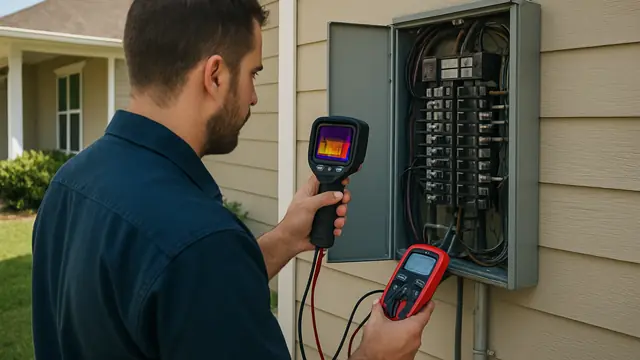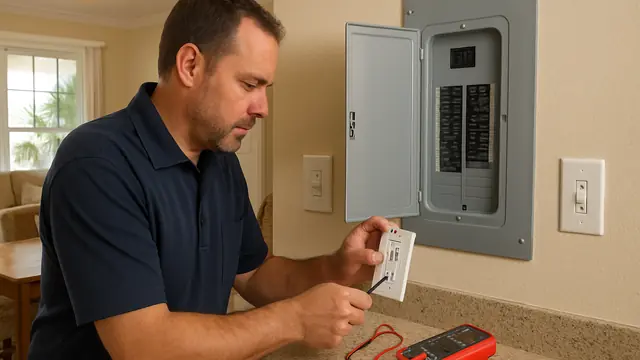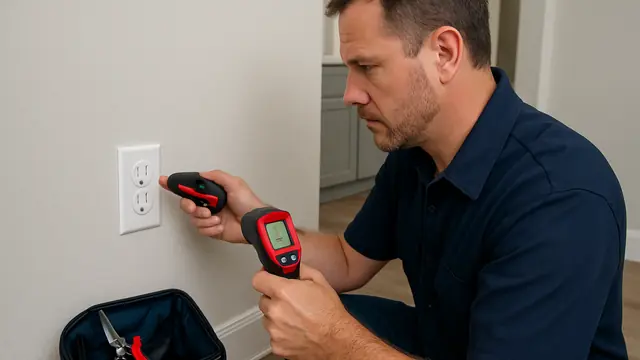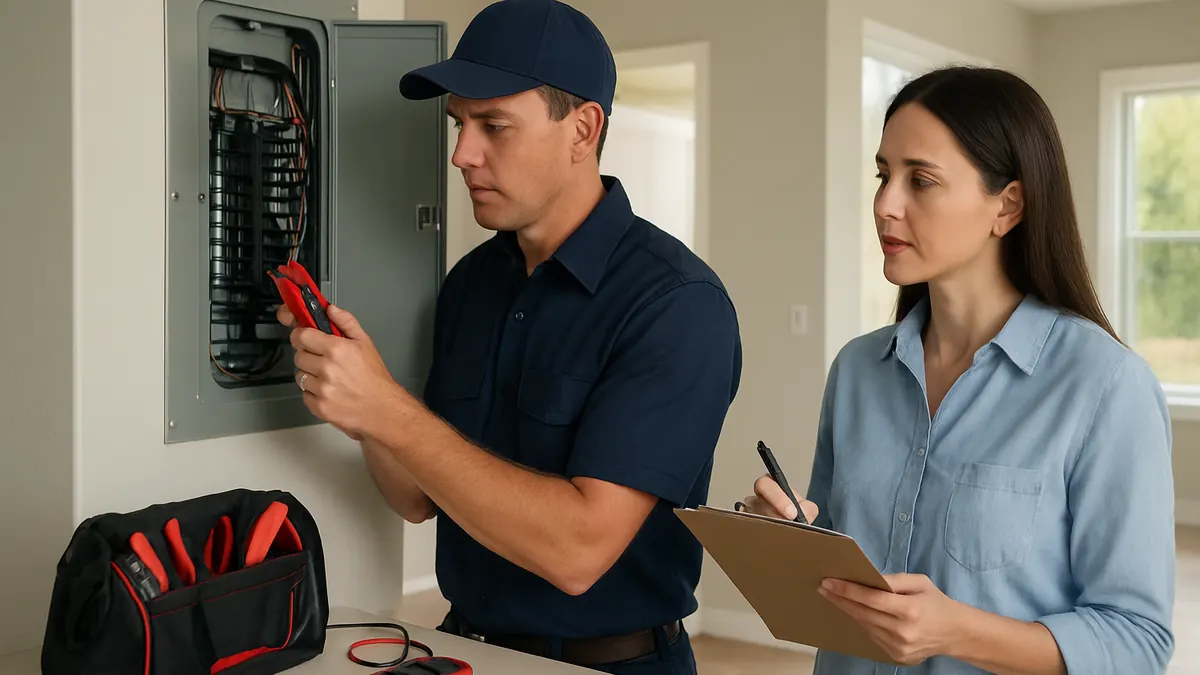
Do not remove an electrical panel cover, touch exposed conductors, bypass protection, or repeatedly reset a fault. Keep clear of smoke, sparks, burning odors, hot equipment, standing water near electricity, and downed lines, then call qualified help.
You have found a home in Bid-A-Wee that appears to fit your needs. The rooms look clean, the air conditioner runs, and the lights come on during the showing. Then you notice a warm outlet cover, a breaker labeled in faded handwriting, or an extension cord being used as permanent wiring in the garage. Those details do not automatically mean the house is unsafe, but they are reasons to slow down and request a thorough electrical inspection before closing.
An electrical inspection checklist before buying a Northwest Florida home in Bid-A-Wee begins with one safe rule: do not remove the panel cover, touch exposed wiring, or repeatedly reset a tripping breaker. Make notes, take photographs where permitted, and request an inspection by a licensed electrician. A general home inspection is valuable, but an electrician can evaluate service equipment, grounding, circuits, and safety devices more closely.
Why an Electrical Inspection Matters Before You Buy
An electrical system can appear functional while still having defects that increase fire, shock, or reliability risks. A light may work even when a connection is loose. A three-slot outlet may provide power without a grounding path. A breaker may remain on even though a circuit was altered incorrectly.
The goal is to identify unsafe conditions, deferred maintenance, capacity limits, and repair priorities. The findings separate immediate corrections from improvements that can be budgeted after closing and indicate whether the home may support planned high-demand equipment.
What an Electrical Inspection Checklist Before Buying Should Cover
Panel Condition and Labeling
The panel distributes power to the home's circuits. Missing labels, damaged breaker handles, open spaces, corrosion, doubled conductors where they are not permitted, or signs of overheating deserve professional attention.
A confusing directory also delays emergency shutoff. An electrician can trace circuits, verify breaker sizes, and determine whether usable capacity remains.
Ungrounded or Incorrectly Wired Outlets
A modern-looking receptacle does not guarantee correct wiring. Grounding gives fault current a safer path so protective devices can operate. Testing may reveal an open ground, reversed polarity, loose connection, or another defect.
Some outlets are replaced cosmetically without correcting the circuit. The solution may involve a connection repair, GFCI protection, labeling, or partial rewiring.
Missing GFCI or AFCI Protection
Ground-fault circuit interrupters, called GFCIs, help protect people from shock where electricity may be exposed to moisture. Arc-fault circuit interrupters, or AFCIs, detect certain dangerous arcing conditions in wiring.
The electrician can identify devices that are missing, miswired, unable to reset, or failing a trip test.
Improvised Wiring and Overloaded Circuits
Extension cords used permanently, open junction boxes, unsupported cable, and multiple power strips connected together are warning signs. These conditions often develop when additions are made without enough receptacles or circuit capacity.
Overload symptoms include repeated trips, dimming lights, warm receptacles, or buzzing. The answer is not a larger breaker unless the entire circuit is designed for it. A breaker must match the wire size and intended load.
Weather-Damaged Electrical Equipment
Outdoor receptacles, disconnects, service components, and covers should resist weather and physical damage. Rust, cracked covers, missing seals, insect entry, or water marks can indicate deterioration.
A damaged cover may be replaceable, while advanced corrosion or heat damage may require new equipment.
Safe Checks the Buyer Can Perform
You can make useful observations without opening electrical equipment. Turn lights on and off and note flickering, buzzing, delayed operation, or switches that feel unusually warm. Look for damaged faceplates, scorch marks, loose outlets, missing covers, and plugs that fall out easily.
Test GFCI buttons only when permitted and confirm that power shuts off and resets. Review the panel directory without removing the cover. Ask for records related to remodeling, generator work, service upgrades, or major appliance circuits. Consider whether the existing system fits your future plans.
What You Should Not Attempt
Do not remove the panel's metal front, pull outlets from walls, probe meter equipment, disconnect wiring, or open exterior service boxes. Energized components can remain dangerous even when a nearby switch is off.
Do not repeatedly reset a breaker. A second trip may indicate overload, a short circuit, or a ground fault. Never replace it with a higher-amperage breaker simply to stop the tripping.
Signs That Make the Problem Urgent
Prompt professional attention is warranted when you notice:
- Burning odors, smoke, sparks, or crackling
- Warm or discolored outlets, switches, or panel surfaces
- Exposed wiring or missing protective covers
- Repeated breaker trips
- Water entering electrical equipment
- Shocks or tingling from fixtures or appliances
Keep people away from an active hazard and notify the owner or listing representative. Emergency conditions may require power to be shut off by qualified personnel.
How a Licensed Electrician Diagnoses the System
The electrician reviews symptoms, renovation history, and future plans, then evaluates accessible service equipment, panel components, grounding and bonding, representative devices, visible wiring, and major circuits.
Bonding connects metal parts so fault current can travel back through an effective path. The electrician may test voltage, polarity, continuity, GFCI operation, and load conditions. Breaker ratings are compared with conductor sizes, and visible splices, cable support, and signs of amateur modifications are reviewed.
The report should explain each condition, consequence, and priority.
Repair Options From Least Invasive to More Extensive
Many findings do not require a complete system replacement. Reasonable first steps may include labeling circuits, replacing damaged covers, closing open junction boxes, correcting polarity, replacing worn receptacles, repairing approved connections, or adding proper GFCI protection.
A defective breaker may be replaceable when compatible equipment is available. An overloaded circuit may need redistributed loads or a dedicated circuit.
More extensive work may include cable repair, grounding corrections, panel replacement, service upgrades, or rewiring. The electrician should explain why it is justified and whether work can be phased.
What Affects the Cost
Cost depends on defect severity, wiring access, panel condition, service capacity, equipment type, troubleshooting time, permits, utility coordination, and parts availability.
Ask for recommendations grouped as immediate safety repairs, reliability improvements, and optional upgrades. That structure makes the report easier to use during purchase negotiations.
Prevention and Maintenance After Closing
Keep the panel directory accurate. Test GFCI devices according to manufacturer instructions, replace broken covers promptly, and avoid permanent extension-cord use. Have high-demand equipment evaluated before installation.
Watch for flickering, buzzing, repeated trips, heat, or unusual odors. Save reports, permits, and invoices for future service.
Make the Inspection Part of Your Buying Decision
An electrical inspection checklist before buying a Northwest Florida home in Bid-A-Wee should help you move forward with facts rather than assumptions. Safe outlets, reliable circuits, proper grounding, working protective devices, and adequate capacity all affect how confidently you can use the property.
Do not let fresh paint hide unanswered electrical questions. Document concerns, avoid opening energized equipment, and ask a licensed electrician to explain the least invasive reasonable corrections first.
About this guide: This resource provides general homeowner education, not a remote diagnosis. Actual conditions, code requirements, equipment, and safe repair options must be evaluated at the property.