Do not remove an electrical panel cover, touch exposed conductors, bypass protection, or repeatedly reset a fault. Keep clear of smoke, sparks, burning odors, hot equipment, standing water near electricity, and downed lines, then call qualified help.
You discover that a bathroom, kitchen, garage, or outdoor outlet has stopped working. You press the RESET button, but it will not stay in. Sometimes the button feels completely unresponsive. Other times it clicks and immediately trips again. For a DeFuniak Springs homeowner, this usually means the GFCI has lost power, the device has failed, or it is still detecting an electrical fault.
The safe immediate action is to unplug everything connected to the affected outlet and any other outlets that lost power at the same time. Make sure the area is dry, then try the reset button once. If it will not hold, stop. Do not force it or keep cycling the breaker.
What a GFCI Outlet Does
GFCI means ground-fault circuit interrupter. The device compares the current flowing out on the hot wire with the current returning on the neutral wire. If some electricity escapes through moisture, damaged insulation, metal, or a person, the GFCI shuts off power quickly.
Why Won't My GFCI Outlet Reset in DeFuniak Springs?
The Breaker Is Tripped or Power Is Missing
Most receptacle-style GFCIs need incoming power before the reset mechanism will latch. A circuit breaker may have tripped even when its handle does not look fully off.
Move the suspected breaker completely to OFF, then back to ON one time. If it trips again, leave it off. A loose connection, failed breaker, or tripped GFCI elsewhere can also interrupt power.
A Plugged-In Appliance Is Causing the Trip
Small appliances, refrigerators, freezers, washing machines, hair dryers, power tools, extension cords, and chargers can develop current leakage. A damaged cord or internal component may allow electricity to leave its intended path.
If the GFCI resets after everything is unplugged, reconnect one item at a time. Stop using the item that causes another trip.
Moisture Has Entered the Circuit
Rain, condensation, cleaning water, plumbing leaks, and damaged outdoor covers can introduce moisture into an outlet box or connected device. The problem may be at a downstream outlet rather than at the GFCI itself.
One GFCI can protect multiple receptacles. A wet garage or exterior outlet can therefore keep a bathroom or kitchen GFCI from resetting.
The GFCI Has Failed Internally
The device contains electronic components, contacts, and a trip mechanism. Heat, corrosion, age, repeated trips, power surges, and loose terminals can damage these parts.
Some modern GFCIs perform automatic self-tests. If the device determines that protection is no longer reliable, it may intentionally lock out and refuse to reset.
Wiring Is Loose or Incorrect
A loose neutral, damaged conductor, reversed LINE and LOAD connections, or an improper splice can prevent normal operation. LINE terminals receive incoming power, while LOAD terminals provide protected power to downstream outlets.
Incorrect wiring may create a dead outlet, nuisance trips, or a circuit that appears energized without proper protection.
Safe Checks a Homeowner Can Perform
- Unplug every appliance, charger, power strip, and extension cord from the affected area. Include equipment connected to other outlets that went dead at the same time.
- Look for other GFCI outlets in bathrooms, the kitchen, garage, laundry area, or outdoors. Reset only outlets that are dry, cool, and visibly undamaged.
- Check the electrical panel once. Move the suspected breaker fully off and then on. Do not touch the panel if it is wet, hot, buzzing, or visibly damaged.
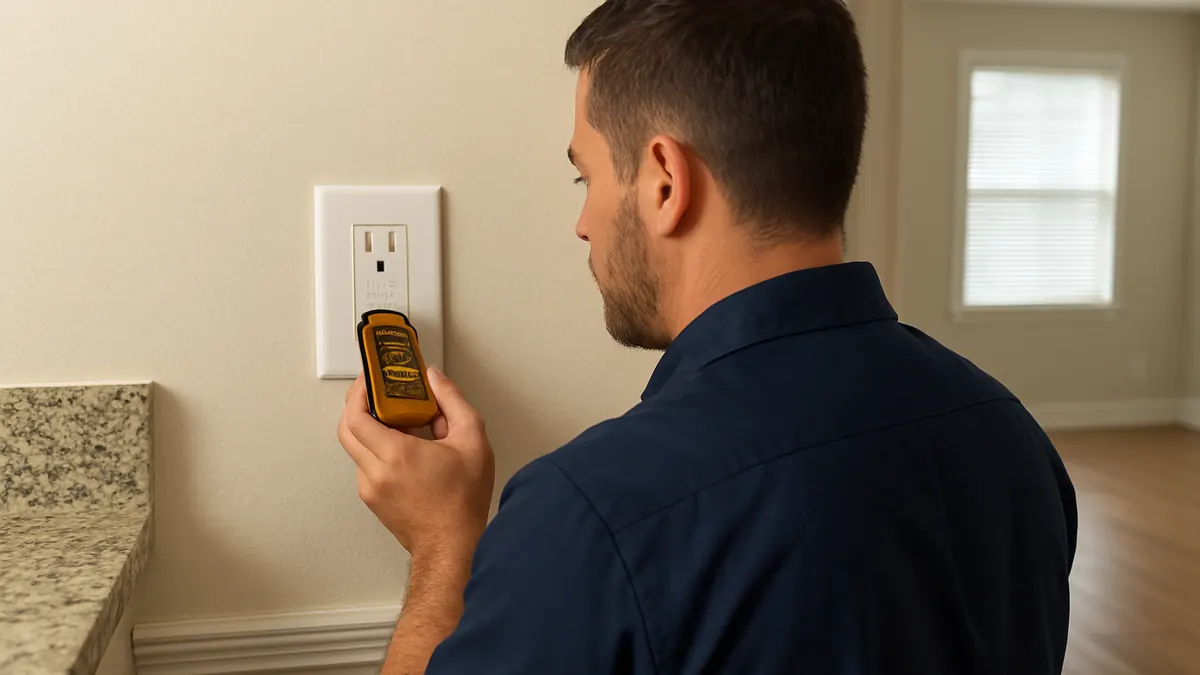
- Inspect the outlet face without removing the cover. Look for cracks, discoloration, rust, looseness, water, or a plug that no longer fits securely.
What You Should Not Attempt
- Do not tape or hold the reset button in place. Do not repeatedly press RESET or cycle the breaker. The device may be responding to a real electrical hazard.
- Do not replace the GFCI with a standard receptacle. That removes ground-fault protection from the location and possibly from downstream outlets.
- Do not pull the receptacle from the box while energized, move wires between terminals, or rely only on the breaker label. Do not dry a wet outlet with a hair dryer or heat gun.
Signs the Problem Is Urgent
Turn the breaker off when it is safe to do so and call an electrician promptly if you notice smoke, a burning odor, buzzing, sizzling, melted plastic, black marks, or unusual heat.
Visible water in or around electrical equipment is urgent. Do not touch the outlet or appliance while standing on a damp surface.
Any shock or tingling sensation from an appliance, faucet, metal fixture, or outlet cover requires immediate attention. Repeated tripping of both the GFCI and breaker can also indicate damaged wiring or equipment.
How a Licensed Electrician Diagnoses the Problem
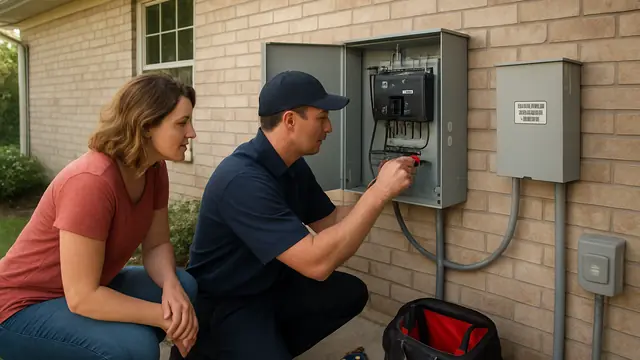
An electrician checks whether the breaker supplies proper voltage and whether that power reaches the GFCI's LINE terminals. Neutral and grounding connections are inspected for looseness, damage, or improper sharing.
The GFCI is tested to determine whether its internal trip mechanism works correctly. If the device has incoming power but will not pass testing, replacement may be necessary.
If a downstream fault is suspected, the electrician may disconnect the LOAD conductors. When the GFCI resets with those wires removed, the protected outlets can be tested section by section. This process may uncover a wet box, damaged receptacle, loose splice, faulty appliance, or damaged cable.
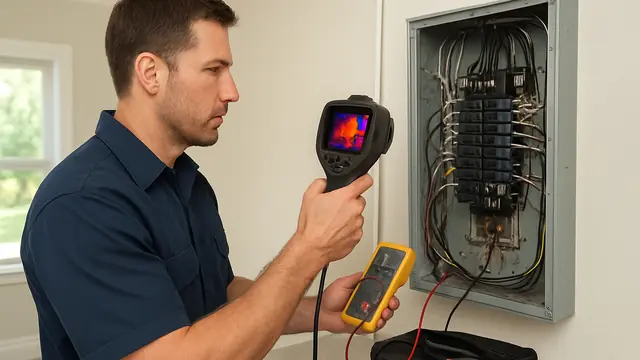
Testing may include voltage, polarity, continuity, insulation resistance, and leakage-current measurements.
Repair Options From Least to Most Invasive
The simplest repair may be removing a defective appliance, replacing a damaged cord, resetting an upstream device, or correcting a loose connection.
A failed GFCI can often be replaced without changing the rest of the circuit. Proper LINE and LOAD connections must be confirmed, and downstream protection should be tested.
If moisture entered an exterior box, the repair may include replacing a damaged cover, gasket, receptacle, or corroded component. A localized cable or splice problem may be repaired without extensive wall removal.
Broader rewiring is considered only when testing reveals widespread deterioration, unsafe modifications, or damage that cannot be repaired reliably in place.
Factors That Affect Repair Cost
Cost depends on the cause and how difficult it is to locate. Replacing one accessible failed GFCI is usually more straightforward than tracing an intermittent fault through several outlets.
Other factors include the number of downstream devices, access to wiring, corrosion, moisture damage, panel condition, appliance testing, mislabeled circuits, and the need to open finished surfaces.
Prevention and Maintenance
- Test GFCI outlets monthly. Press TEST to confirm that power turns off, then press RESET. A device that does not trip or restore power correctly should be inspected.
- Keep exterior covers closed and replace cracked or loose covers. Use cords and equipment rated for the location, and keep connections away from standing water.
- Inspect appliance cords before use. Note whether trips happen during rain, when one appliance starts, or after equipment has operated for several minutes.
Protect the Circuit Before Restoring Power
When you are asking, "Why won't my GFCI outlet reset in DeFuniak Springs?" treat the refusal as a warning, not merely an inconvenience. Unplug connected equipment, perform only the safe checks above, and stop if the device will not remain reset. A licensed electrician can determine whether the cause is missing power, a failed GFCI, moisture, damaged wiring, or a downstream fault.
About this guide: This resource provides general homeowner education, not a remote diagnosis. Actual conditions, code requirements, equipment, and safe repair options must be evaluated at the property.