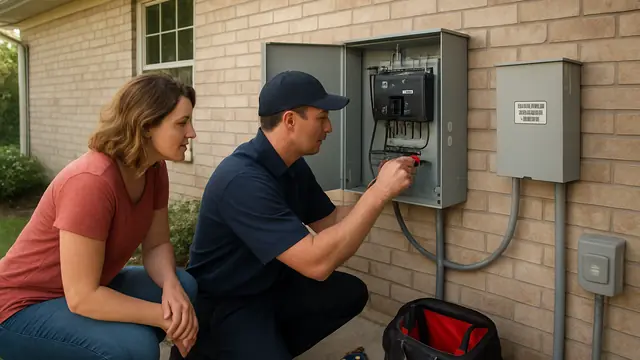
Do not remove an electrical panel cover, touch exposed conductors, bypass protection, or repeatedly reset a fault. Keep clear of smoke, sparks, burning odors, hot equipment, standing water near electricity, and downed lines, then call qualified help.
Your guest reports that the refrigerator is running, but the nearby countertop outlets are dead. Later, the property manager notices that a lamp flickers when the vacuum is plugged in and one exterior receptacle will not reset. Nothing is smoking, yet several unrelated symptoms are appearing during the same stay.
The problem may be a tripped GFCI, a worn receptacle, an overloaded branch circuit, a loose neutral connection, or a defective appliance. The safe immediate response is to unplug equipment from the affected outlets, stop using any device that shocks, sparks, smells burned, or feels hot, and keep the circuit off if a breaker or GFCI trips again after one reset. Do not remove electrical covers or ask a guest to investigate hidden wiring.
Vacation rentals can conceal developing electrical issues because every group uses the property differently. Learning the most common electrical problems for vacation rentals in DeFuniak Springs helps owners distinguish a simple device failure from a condition needing professional attention.
Electrical Problems That Commonly Interrupt Vacation Rentals
Tripped Breakers and Overloaded Circuits
A breaker protects a group of lights, outlets, or equipment. It may trip when guests use several high-wattage devices on one circuit, but short circuits, ground faults, damaged cords, loose connections, and failing appliances can cause the same symptom. If it trips again after one reset, leave it off.
GFCI Devices That Trip or Lose Power
A ground-fault circuit interrupter shuts power off when current leaves the intended path. A GFCI that will not reset may be worn out, lack incoming power, or be responding to a downstream fault. One device can protect several outlets.
Loose Connections and Intermittent Power
Loose connections can cause flickering, buzzing, intermittent outlets, and power loss that changes when a plug or switch is moved. They can also create resistance and heat. Discoloration, odor, crackling, or warmth requires prompt evaluation.
Receptacles That No Longer Hold Plugs
Frequent use wears outlet contacts. A plug that slips out easily should not be held in place with tape or furniture. Poor contact can arc, damage the outlet or wiring, and produce heat.
Flickering Lights and Unstable Brightness
One flickering fixture may have a loose bulb, worn socket, or incompatible dimmer. Flickering in several rooms can indicate a loose connection, overloaded wiring, panel issue, or service problem. Lights alternating between unusually bright and dim may indicate a loose neutral and unstable voltage.
Appliance and Cord Failures
A breaker or GFCI may trip because a property-supplied appliance has a damaged cord or internal fault. Remove anything with a frayed cord, loose plug, scorched housing, repeated tripping, or unusual odor.
Exterior Outlet and Lighting Failures
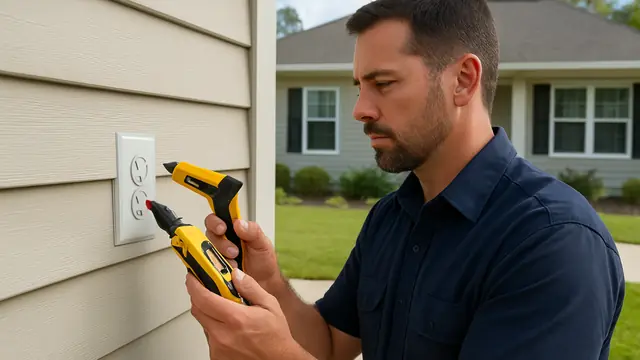
Outdoor covers, gaskets, fixtures, and receptacles can deteriorate or be damaged. Moisture inside an exterior box may trip GFCI protection and interrupt other outlets on the same circuit.
Keep the outlet unused if it is wet, cracked, loose, corroded, or missing a suitable cover.
Safe Checks a Rental Owner May Perform
Ask the guest or manager which rooms are affected and what was running when the problem started. Unplug portable devices from those outlets.
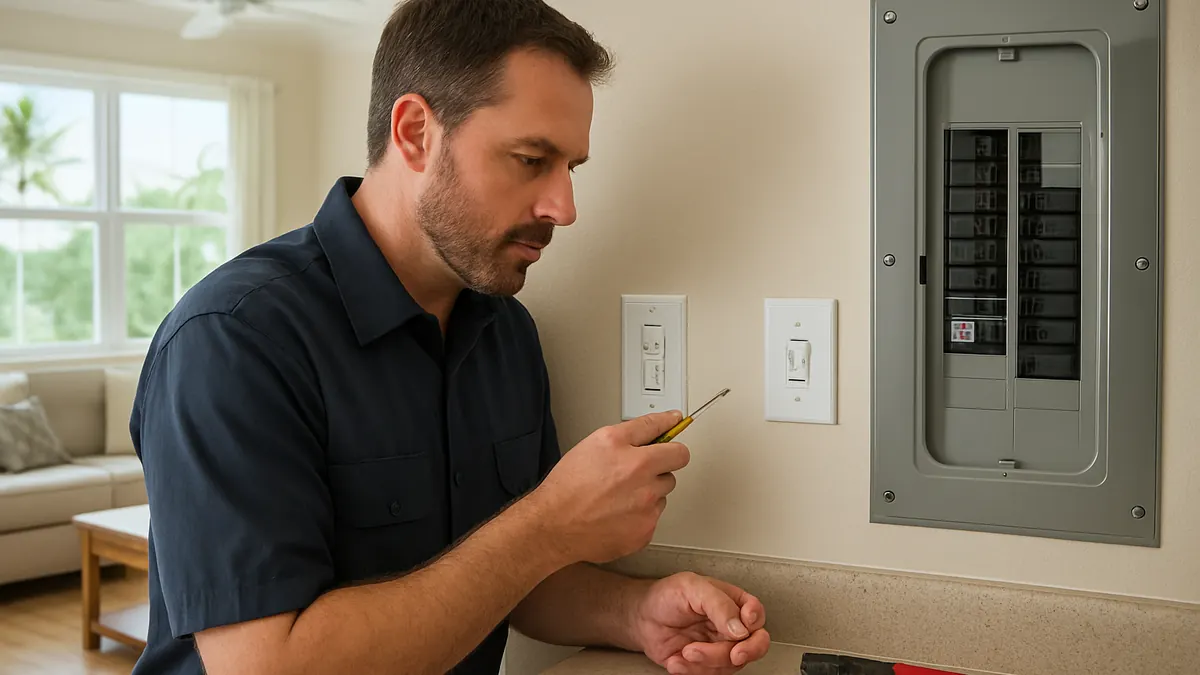
Visually check the panel without removing its cover. Reset a tripped breaker once by moving the handle fully off and then on. If it trips again, leave it off.
Unplug nearby appliances before pressing a GFCI reset button once. If it will not reset or immediately trips, stop. You may replace a light bulb, check whether a lamp cord is damaged, and inspect faceplates and exterior covers from a safe distance.
Stop immediately for water, smoke, heat, exposed wiring, odor, or sparking.
What the Homeowner Should Not Attempt
Never remove the electrical panel cover or touch components inside it. Do not replace a breaker with a higher-amperage breaker, because the existing wire may not be able to carry the increased current safely.
Do not bypass a GFCI, install an ungrounded adapter, remove the grounding prong from a plug, or use extension cords as permanent wiring. Do not tighten outlet or switch wiring while the circuit is energized.
Improper repairs can leave loose terminals, reversed wiring, or missing grounding.
Signs That Require Urgent Electrical Service
Stop using the affected area and seek urgent help for smoke, flames, a burning odor, visible arcing, melted plastic, shocks, a hot outlet or panel, or loud buzzing inside a wall.
Water entering the panel, outlets, fixtures, or service equipment requires prompt action. Turn power off only if you can reach the disconnect without crossing water or touching damaged components. Call emergency services for an active fire. Widespread flickering, unusual brightness changes, or partial power loss across unrelated rooms also requires prompt service.
How a Licensed Electrician Diagnoses the Cause
The electrician begins with the symptom history, including affected rooms, appliance use, timing, weather exposure, and previous complaints. This helps determine whether the failure is related to load, moisture, a particular device, or an intermittent connection.
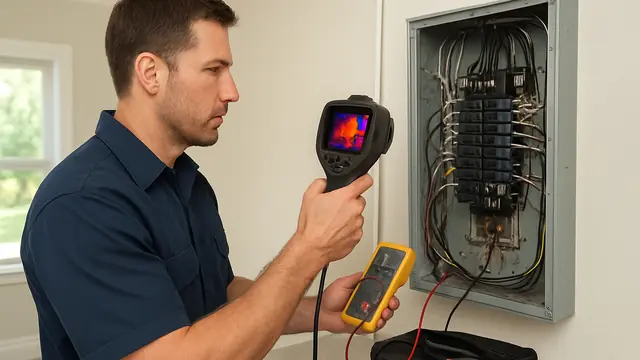
Testing may include circuit voltage, current draw, grounding, polarity, GFCI operation, and breaker performance. The electrician may isolate appliances or sections of the circuit and inspect de-energized outlets, switches, junction points, and panel connections.
The final diagnosis should identify the failed component and explain the symptoms.
Repair Options Beginning With the Least Invasive
The repair may be as simple as removing a defective appliance, replacing a damaged cord, installing a new GFCI, or replacing a worn outlet, switch, fixture, or breaker with the correct component.
A loose connection may be corrected at one accessible device or junction box. Moisture-related failures may require a proper weather-resistant receptacle, box, gasket, or cover after the source of moisture is addressed.
If routine guest use overloads an existing circuit, equipment can sometimes be relocated. A dedicated circuit may be appropriate for a high-demand appliance.
More extensive repairs may include damaged wiring, panel connections, or capacity upgrades. Complete replacement should follow documented condition, damage, compatibility, or capacity needs.
Factors That Affect the Cost of Repair
Cost depends on how quickly the fault can be located, whether it is accessible, and how many devices or circuits are affected. Intermittent failures often require more diagnostic time than a visibly damaged outlet.
Other factors include wiring method, panel type, finished surfaces, exterior access, permits, and reservation scheduling. The estimate should reflect the diagnosed repair.
Prevention and Maintenance Guidance
Create a turnover checklist that includes operating lights and switches, testing GFCIs according to manufacturer instructions, inspecting cords, and checking whether plugs fit securely.
Keep the panel directory readable and accurate. Remove damaged extension cords and overloaded power strips. Supply enough convenient charging locations so guests are less likely to improvise.
Record every complaint by room, equipment, and symptom. Repeated flickering or trips involving the same appliance should be investigated even if power returns.
Arrange an electrical evaluation after renovations, new appliance installations, or recurring problems. Preventive service is easier to schedule between guests than an emergency repair during an occupied stay.
Resolve the Electrical Problem Before the Next Stay
The most common electrical problems for vacation rentals in DeFuniak Springs include tripped protection, worn outlets, loose connections, flickering lights, faulty appliances, and damaged exterior equipment. Owners can unplug devices, inspect visible conditions, and attempt one safe reset. Recurring trips, heat, odor, shocks, or unstable power require a licensed electrician.
About this guide: This resource provides general homeowner education, not a remote diagnosis. Actual conditions, code requirements, equipment, and safe repair options must be evaluated at the property.