Do not remove an electrical panel cover, touch exposed conductors, bypass protection, or repeatedly reset a fault. Keep clear of smoke, sparks, burning odors, hot equipment, standing water near electricity, and downed lines, then call qualified help.
The forecast shows a hurricane moving toward Northwest Florida, and your DeFuniak Springs home loses power during an outer rain band. When electricity returns, the well pump does not start and a breaker trips as soon as you reset it. The pump motor, controls, wiring, or circuit may be damaged, but moisture, an overload, or unstable restoration voltage can cause similar symptoms. The safe immediate action is to leave the breaker off after one unsuccessful reset and avoid touching wet equipment.
DeFuniak Springs is inland, but tropical systems can still bring strong wind, heavy rain, lightning, fallen trees, and extended outages. A Northwest Florida hurricane electrical checklist in DeFuniak Springs should prepare the home for both utility interruptions and the electrical demands that follow.
Identify the Loads Your Household Truly Needs
List equipment that must remain available during an outage. Priorities may include refrigeration, medical devices, communications, a well pump where installed, limited lighting, and equipment needed for safe indoor conditions.
Motors in pumps, refrigerators, and air-conditioning equipment often require extra power when starting.
Do not assume a portable generator can operate every appliance at once. Overloading it can overheat cords or damage equipment.
Inspect for Problems Before Severe Weather Arrives
Note Repeated Breaker Trips
A breaker that trips before the storm is already warning you about an overload, failing appliance, damaged wiring, or another fault.
Do not replace it with a larger breaker. Breaker size is matched to the wiring it protects. A higher-rated breaker can allow the wiring to overheat.
Pay Attention to Dimming and Flickering
Lights that dim when a motor starts may indicate a heavy starting load, loose connection, or voltage problem. Worsening or widespread changes deserve evaluation.
If some lights become very bright while others dim, turn off major appliances. That pattern can indicate a damaged neutral connection and requires utility or electrician assistance.
Check Outdoor Receptacles and Equipment
Look for cracked covers, loose fixtures, deteriorated cords, or visible damage around exterior receptacles, air-conditioning equipment, pumps, sheds, and detached structures.
Do not open disconnects or equipment cabinets. Move portable electrical items indoors and secure objects that could strike electrical components.
Prepare the Panel and Emergency Information
- Make sure the panel directory identifies the main breaker and circuits serving essential equipment.
- Without removing the cover, look for rust, staining, buzzing, heat, or a burning smell. Have these signs evaluated before the storm.
- Keep emergency contacts on paper because internet or cellular service may fail.
Use Extension Cords Safely
- Extension cords should be temporary, visible, and rated for the connected load. Use outdoor-rated cords outdoors and keep connections dry.
- Do not run cords through water, beneath rugs, or through doors where they can be crushed. Never connect multiple cords or power strips together.
- Remove any cord that feels hot, has damaged insulation, or has a loose plug.
Create a Safe Generator Setup
Operate a portable generator outdoors and away from doors, windows, vents, garages, crawlspace openings, and other places where exhaust could enter. Maintain working carbon-monoxide alarms with battery backup.
Never feed generator power through a wall outlet, dryer outlet, or homemade adapter. Backfeeding can energize utility lines and expose lineworkers, neighbors, and occupants to dangerous voltage.
Use an approved generator inlet with a transfer switch or listed interlock. This equipment prevents generator and utility power from connecting simultaneously.
Keep the generator dry as directed by its manufacturer without enclosing it where exhaust can accumulate. Refuel only after it is off and cool.
What Homeowners Should Not Attempt
- Do not open the panel, meter enclosure, service disconnect, pump controller, or generator transfer equipment.
- Do not touch or move fallen electrical lines. Assume every line is energized, and stay away from trees, fences, vehicles, and puddles contacting it.
- Do not attempt electrical work during lightning, flooding, heavy rain, or high winds.
Warning Signs That Require Urgent Professional Help
Move away and seek help if you notice:
- Smoke, sparks, arcing, or a burning odor
- Water inside a panel, outlet, pump control, or appliance
- A hot breaker, wall plate, cord, or plug
- Repeated or immediate breaker trips
- Shocks or tingling from equipment or metal surfaces
- A damaged service mast, meter base, or service cable
- Partial power with extreme brightening or dimming
- A carbon-monoxide alarm sounding
- A generator smoking, leaking fuel, or operating abnormally
Arcing is electricity jumping across a gap. It can create intense heat even before a breaker trips.
How a Licensed Electrician Diagnoses the Problem
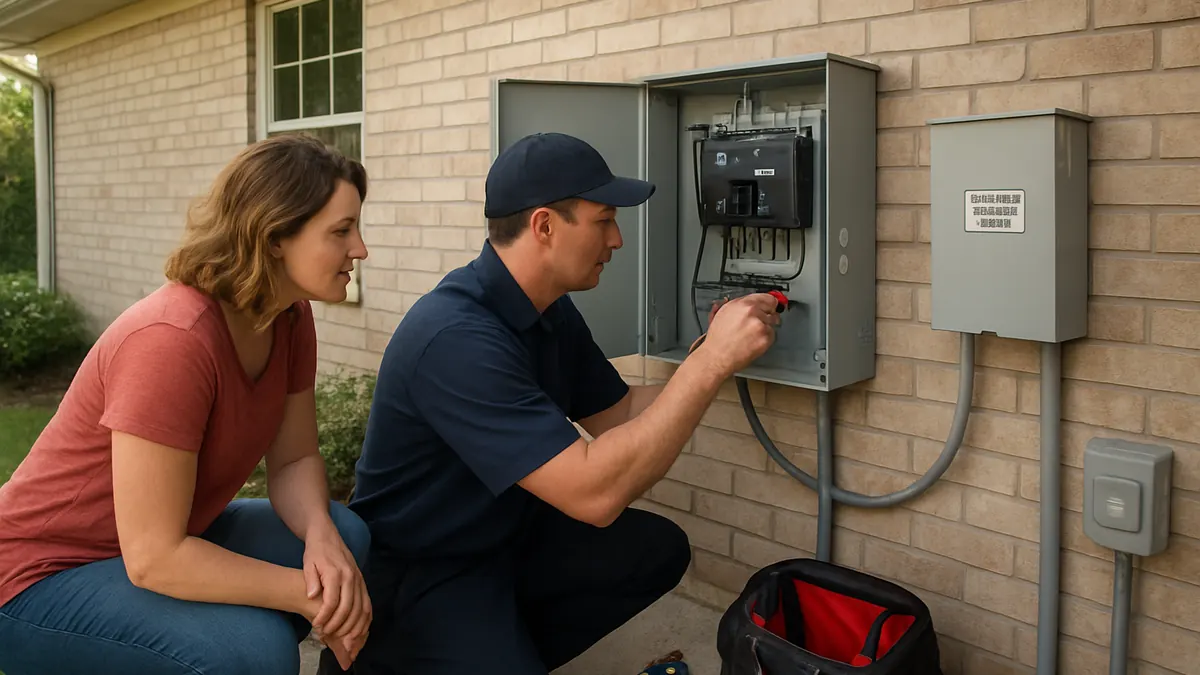
An electrician first separates utility problems from issues inside the property. The inspection includes the service entrance, panel, breakers, grounding and bonding, and the affected circuit.
For a pump or motor problem, the electrician may measure voltage, test the circuit under load, inspect disconnects and controls, and determine whether the motor or electrical supply failed.
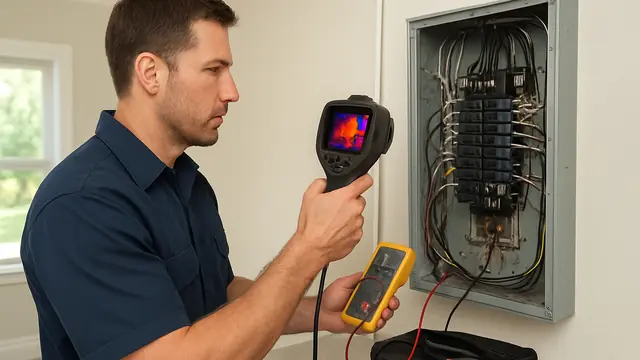
Grounding and bonding create intended paths for fault current and reduce voltage differences between metal components. Thermal imaging and other testing may also be used. The diagnosis should explain what failed and why protection operated.
Repair Options Beginning With the Least Invasive
A simple correction may involve disconnecting a failed appliance, replacing a damaged cord or GFCI, or repairing a loose accessible connection.
Other repairs can include replacing a defective breaker after testing, correcting an overloaded circuit, repairing pump wiring or controls, replacing damaged outdoor devices, improving grounding and bonding, or adding surge protection.
Generator improvements may include an approved inlet, transfer switch, interlock, or dedicated circuits. Extensive replacement may be needed for water-damaged panels, burned wiring, or unsafe service components.
Factors Affecting Electrical Repair Cost
Cost depends on the fault location, wiring access, diagnostic time, equipment condition, water exposure, permit needs, generator configuration, and utility involvement.
A failed receptacle is less involved than a damaged feeder or service entrance. Motor circuits may require testing both the wiring and connected equipment before the correct repair is known.
What to Do After Utility Power Returns
- Turn off large loads before restoration when possible. Reconnect appliances gradually after voltage appears stable.
- Listen for motors that hum without starting, and watch for flickering, heat, odors, or repeated trips. A motor that hums without starting can overheat quickly, so turn it off.
- Do not use water-exposed electrical equipment until it has been evaluated.
Prevention and Maintenance
Test GFCI receptacles monthly, maintain generator equipment, update panel labels, replace damaged cords, and inspect outdoor covers before hurricane season.
Have recurring trips, warm devices, motor-starting problems, or flickering evaluated early. Keep flashlights, power banks, smoke alarms, and carbon-monoxide alarms ready.
Complete Your Northwest Florida Hurricane Electrical Checklist in DeFuniak Springs
A Northwest Florida hurricane electrical checklist in DeFuniak Springs should prepare you for outages, motor loads, generator use, and safe power restoration. Identify essential circuits, correct warning signs, protect outdoor equipment, and never bypass breakers or improvise generator connections. After a storm, repeated trips, humming motors, partial power, moisture, heat, or burning odors require professional diagnosis.
About this guide: This resource provides general homeowner education, not a remote diagnosis. Actual conditions, code requirements, equipment, and safe repair options must be evaluated at the property.