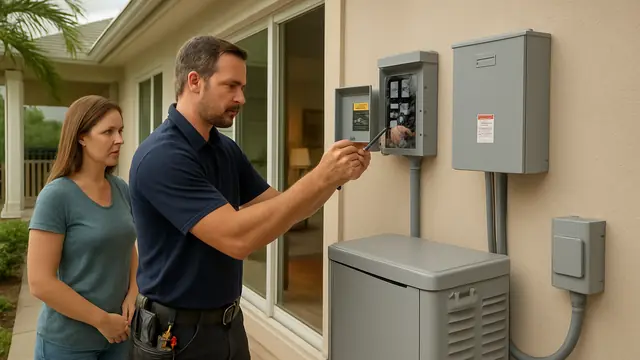
Do not remove an electrical panel cover, touch exposed conductors, bypass protection, or repeatedly reset a fault. Keep clear of smoke, sparks, burning odors, hot equipment, standing water near electricity, and downed lines, then call qualified help.
You move a sofa to clean behind it and discover that the outlet serving a lamp and entertainment equipment feels warm. In another common situation, a kitchen receptacle becomes noticeably warm after a toaster oven or coffee maker has been operating. The outlet may still work normally, but unwanted heat can mean the plug-in device is warming the receptacle or an electrical connection is beginning to fail.
Unplug everything from the outlet and stop using it. If the cover is hot, the plastic is discolored, you smell burning, or you hear buzzing or crackling, switch off the circuit breaker if you can do so safely. Leave the circuit off and arrange an inspection by a licensed electrician. Do not assume that a breaker will always trip before a loose connection overheats.
When a Warm Outlet Becomes an Immediate Concern
Urgency increases when heat continues after equipment is unplugged or appears with another warning sign.
Turn off the circuit and seek prompt help when you notice:
- Smoke, sparks, or a burning odor
- Brown marks, melted plastic, or a warped cover
- Crackling, popping, or loud buzzing
- Heat spreading into the surrounding wall
- A plug that is stuck or partially melted
- Repeated breaker trips or intermittent power
If smoke or active fire is present, leave the home and call emergency services. Do not use water on an electrical fire or reach through smoke to operate the breaker panel.
Common Reasons an Electrical Outlet Feels Warm
A High-Current Appliance Is Exposing a Weak Point
Portable heaters, hair dryers, vacuums, irons, and countertop ovens draw significant current. A weak contact may stay cool with a lamp but heat quickly under one of these heavier loads.
The Plug Does Not Fit Tightly
A plug should remain firmly seated. Loose contacts reduce the metal touching the blades, increasing resistance and heat. Dark marks or power that cuts out when the cord moves are additional warnings.
A Terminal or Wire Connector Is Loose
A loose screw, clamp, or wire connector can create heat. The outlet may even warm while empty if it carries power to other outlets farther along the circuit.
The Circuit Is Carrying Too Much Demand
Several high-wattage devices operating together may overload the circuit. A power strip adds plug spaces but does not increase circuit capacity.
The Neutral Connection Is Failing
A loose neutral can create heat, unstable voltage, flickering, and unusual equipment behavior. It requires proper testing.
The Appliance, Charger, or Cord Is the Heat Source
Electronic power supplies may run warm, while a failing plug or cord can transfer excessive heat. Bent blades, darkened metal, softened plastic, or cracked insulation mean the equipment should remain out of service.
Safe Checks You Can Make
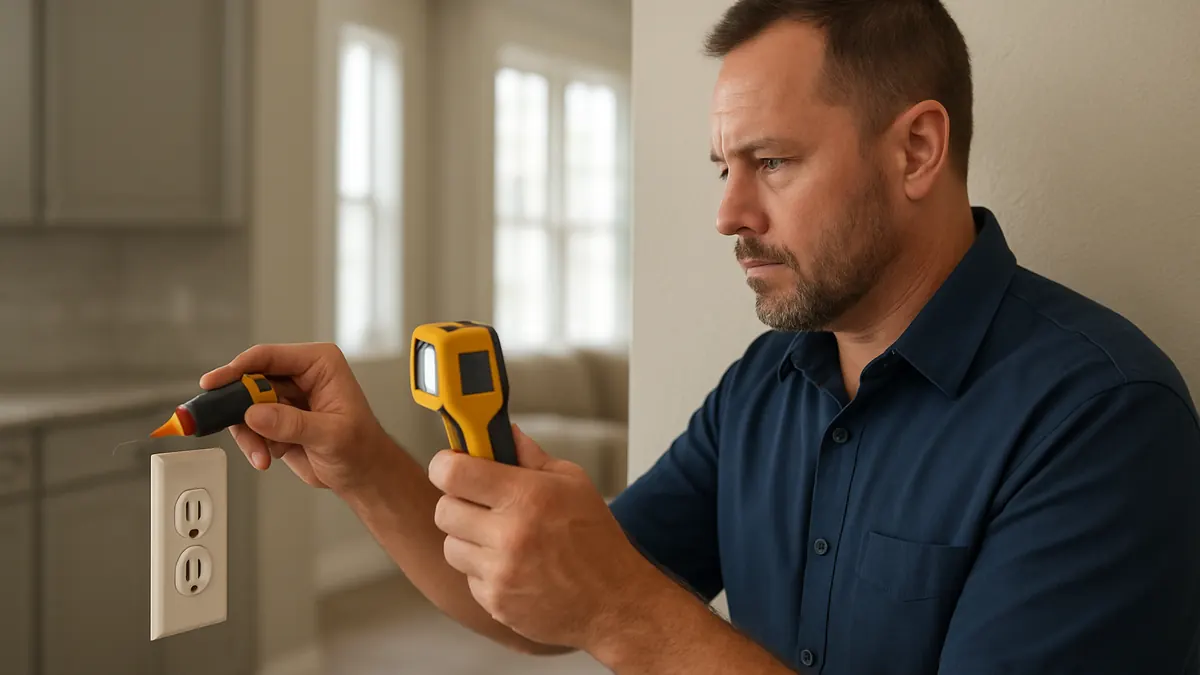
Wait for the outlet and equipment to cool. Compare the cover plate with an unused outlet in the same room, but do not remove either cover.
Look closely for cracks, discoloration, melted areas, or a loose fit. Listen for unusual sounds and note whether the warmth occurs immediately or only after the appliance has operated for a while.
Note what was plugged in, how long it ran, and whether lights flickered or another outlet stopped working.
If the breaker has tripped, disconnect the appliance before one reset. If it trips again, leave it off.
What a Homeowner Should Not Attempt
- Do not remove the receptacle or touch its wiring. A box may contain multiple cables, a shared neutral, or voltage from another circuit.
- Do not install a larger breaker to prevent tripping. The breaker rating protects the circuit wiring, and increasing it can allow excessive current to overheat the conductors.
- Avoid extension cords as a permanent bypass. Do not place cords under rugs, behind pinched furniture, or through doorways. Never cut off a grounding pin to make a plug fit.
- Do not continue using one half of a duplex outlet because only the other half seems warm. The two openings generally share the same body and electrical connections.
How a Licensed Electrician Diagnoses the Cause
The electrician identifies the circuit and connected equipment, then de-energizes and tests the box before opening it.
The electrician looks for loose terminals, damaged wire ends, failed push-in connections, deteriorated splices, melted insulation, and grounding problems. Nearby receptacles may also be checked because a fault upstream can affect several devices.
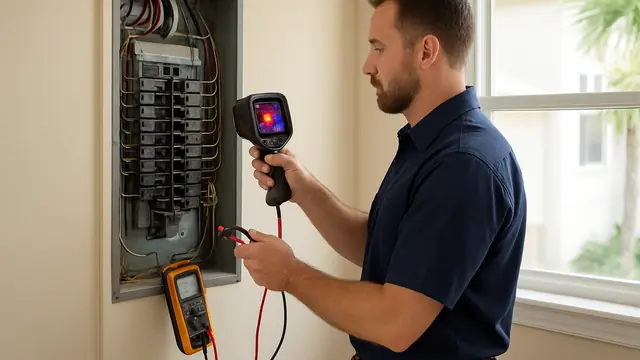
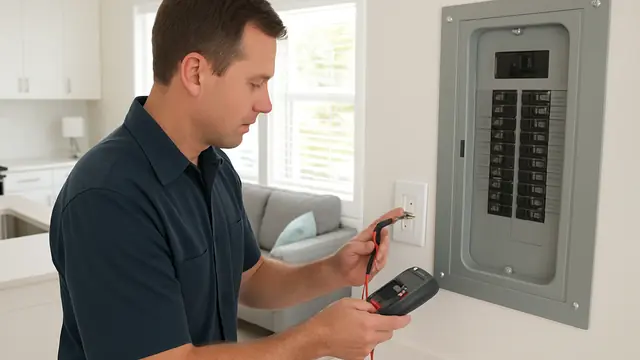
Testing may include voltage, polarity, grounding, circuit tracing, voltage drop, and controlled-load evaluation. The goal is to distinguish an appliance fault from a receptacle, wiring, circuit, or panel problem.
Repair Options Beginning With the Least Invasive
If the outlet is healthy and a defective appliance or cord created the heat, the first step may be repairing or replacing that equipment.
When the receptacle is worn or heat damaged but the conductors remain usable, the electrician can replace the device and reconnect the wires securely. A loose splice may be remade with an approved connector.
Damaged wire ends may sometimes be trimmed and reterminated when enough sound conductor remains.
A damaged cable section may require replacement when heat has affected insulation beyond the outlet box. If the circuit is routinely asked to operate high-demand equipment, installing a dedicated circuit may be the appropriate long-term correction.
More involved repairs may address a breaker, panel connection, neutral, or circuit loading. Complete rewiring is considered only when evidence shows a broader problem.
Factors That Influence Repair Cost
The main cost factors are the cause, the amount of damage, and how easily the wiring can be reached. Replacing one accessible receptacle is less labor-intensive than finding an intermittent fault among several connected outlets.
Other factors include box or cable damage, wall access, panel capacity, and the route for a dedicated circuit.
Preventing Outlet Overheating
Replace receptacles that no longer grip plugs securely. Stop using cords with bent blades, damaged insulation, or heat discoloration.
Operate portable heaters and high-wattage appliances directly from suitable wall outlets. Avoid sharing a circuit with several heavy loads and do not daisy-chain power strips.
Keep furniture from pressing plugs sideways or crushing cords. Periodically check seldom-seen outlets behind beds, televisions, desks, and appliances for looseness or discoloration.
Respond early to buzzing, flickering, hot odors, and breaker trips. These symptoms often provide warning before a receptacle develops obvious heat damage.
Stop Using the Outlet Until the Cause Is Known
What causes an electrical outlet to feel warm in Lower Grand Lagoon can range from heat transferred by an appliance to a loose terminal, worn receptacle, overloaded circuit, or hidden wiring fault. Unplug the equipment, watch for urgent warning signs, and have the outlet evaluated before returning it to service.
About this guide: This resource provides general homeowner education, not a remote diagnosis. Actual conditions, code requirements, equipment, and safe repair options must be evaluated at the property.