Do not remove an electrical panel cover, touch exposed conductors, bypass protection, or repeatedly reset a fault. Keep clear of smoke, sparks, burning odors, hot equipment, standing water near electricity, and downed lines, then call qualified help.
You are replacing older equipment, adding a hot tub or pool component, or upgrading a vacation property with more appliances and smart-home devices. Then an installer looks at the electrical panel and says there may not be enough capacity. Perhaps the main breaker is 100 or 150 amps, the panel is packed, or a breaker trips when several large appliances run together. You need to know whether your Lower Grand Lagoon home truly requires a 200-amp electrical service.
Until a licensed electrician evaluates the system, postpone connecting new high-demand equipment. If the main breaker has tripped, do not reset it repeatedly. If you smell burning, hear sizzling, or see discoloration, stop using the affected equipment and arrange immediate service. Never remove the panel cover or touch wiring inside the meter or disconnect.
Why Homes Outgrow Their Original Electrical Capacity
Electrical demand can change significantly over the life of a property. A service that was adequate when the home used fewer appliances may be stressed after the addition of electric water heating, larger air-conditioning equipment, multiple refrigerators, pool equipment, electric cooking, or EV charging.
However, increased demand is only one possibility. A weak breaker, loose connection, damaged appliance, or improperly modified panel can create similar symptoms. That is why a professional diagnosis should come before an upgrade decision.
What 200-Amp Service Includes
The service rating is not determined by the size of the panel cabinet alone. A complete 200-amp service generally requires correctly rated service entrance conductors, meter equipment, disconnecting means, main breaker, panel, grounding electrodes, and bonding connections.
Grounding and bonding provide important fault-current paths, but neither increases available power.
Common Reasons to Consider a 200-Amp Upgrade
Simultaneous Use Causes Main-Breaker Trips
A main breaker that trips when the dryer, range, water heater, HVAC equipment, and other large loads overlap may indicate excessive total demand. It can also indicate a failing breaker or another serious defect.
One branch breaker usually points toward that circuit. Main-breaker tripping involves the overall service or panel and deserves faster attention.
The Property Has Several Large Loads
Pool equipment, hot tubs, outdoor kitchens, additional HVAC systems, and EV chargers can add substantial demand and must be included in the calculation.
A Renovation Is Changing the Electrical Plan
Kitchen remodeling, room additions, garage conversions, and new appliance packages often require additional circuits. The service should be reviewed before walls are closed or equipment is ordered.
The Panel Is Damaged or Improperly Altered
Corrosion, heat damage, doubled conductors, unapproved breakers, and missing protective parts may require panel work. A damaged panel does not automatically mean the service must increase to 200 amps, but replacement is a logical time to evaluate future capacity.
Safe Checks for Homeowners
You can safely gather basic information with the panel closed or by opening only its normal door.
Look for the main-breaker number if it is plainly visible. Do not remove screws. Make a list of major electrical equipment and note any equipment that is planned but not yet installed.
Write down when tripping or dimming happens. Does it occur only when one appliance runs, or when several major loads overlap? Does one breaker trip, or does the entire home lose power?
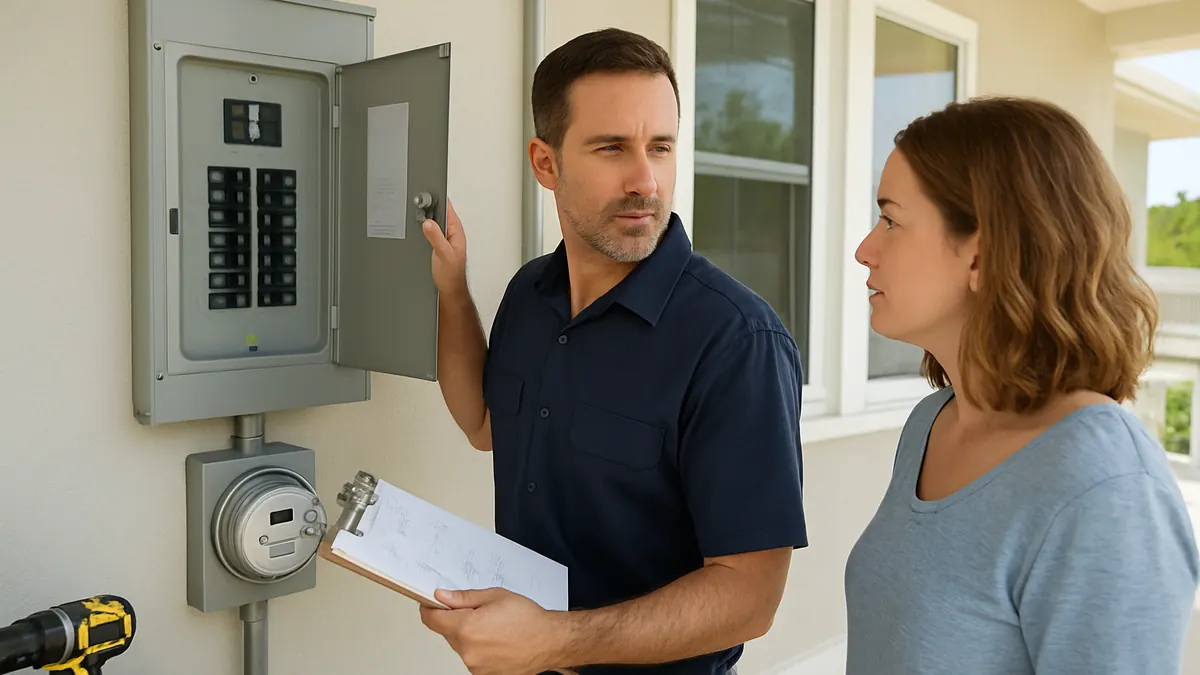
Check exterior equipment visually from a safe distance. Report loose covers, physical damage, staining, rust, or signs of water entry, but do not touch or open the equipment.
What You Should Never Try
Do not replace the main breaker with a larger one to stop tripping. The breaker must protect the conductors and equipment connected to it.
Do not install an oversized breaker on a branch circuit, bypass a breaker, or move circuits without understanding panel listings and conductor sizes. Do not use extension cords as permanent wiring for hot tubs, heaters, chargers, or other high-demand equipment.
Never work inside service equipment. The incoming side can remain energized even when the main breaker is off.
Urgent Signs That Require Fast Action
Electrical heat, smoke, and arcing require immediate attention. Warning signs include a burning odor, melted insulation, black marks, crackling, persistent buzzing, or a hot panel cover.
If there is smoke or visible fire, leave and call emergency services. Do not approach equipment near heat, water, or exposed electrical parts.
Water inside a panel, disconnect, or meter enclosure also requires urgent evaluation. Salt, moisture, and corrosion can damage connections, but homeowners should not assume the visible exterior tells the full story.
Lights that become very bright in one area and dim in another may indicate a loose neutral or service connection. That condition can damage appliances and should be inspected promptly.
How an Electrician Determines the Right Service Size
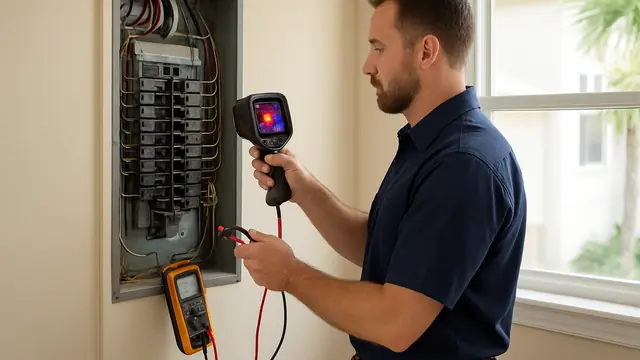
The electrician verifies the ratings of the main breaker, panel, conductors, meter enclosure, and disconnect. The inspection checks for loose terminations, heat damage, corrosion, improper breaker types, and previous modifications.
A load calculation then estimates expected electrical demand using established code methods. It considers general household loads, kitchen and laundry circuits, fixed appliances, HVAC, cooking, water heating, pool equipment, EV charging, and other major loads.
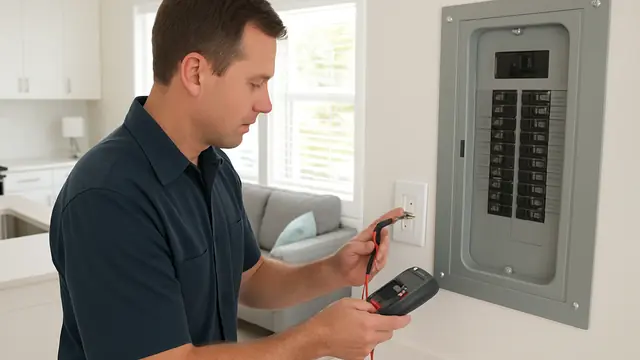
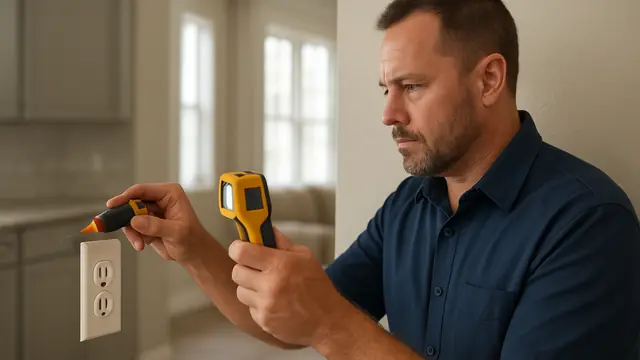
Operating voltage and current measurements can reveal abnormal voltage drop, imbalance, or connection problems. Utility coordination may be necessary when the supply connection appears involved.
Repair Choices From Least to Most Invasive
The first option is to repair a specific defect. A failed breaker, loose connection, damaged circuit, or malfunctioning appliance may be the real cause.
If one circuit is overloaded, installing a properly sized dedicated circuit may solve the problem. If the panel lacks spaces but the service has capacity, a subpanel may be reasonable.
For EV charging or another controllable load, a listed load-management system may reduce demand automatically. Replacing a damaged panel at the same amperage may be sufficient when the calculated load remains acceptable.
A complete 200-amp service upgrade is appropriate when the existing service is undersized for current and planned loads or when extensive replacement makes additional capacity a practical long-term choice.
What Determines the Project Cost?
Cost is influenced by the existing panel and meter arrangement, overhead or underground service, conductor length, grounding corrections, number of circuits, accessibility, and equipment location.
Permits, utility coordination, exterior disconnects, surge protection, finish repairs, corrosion, and previous improper work also affect the scope. The estimate should distinguish panel replacement from a complete service upgrade.
Prevention and Planning
Have the electrical system assessed before adding large equipment. Keep records of renovations and equipment ratings. Maintain clear access to the panel and keep the area dry.
Update the circuit directory after changes. Schedule service when breakers trip repeatedly or when you notice heat, odor, noise, or worsening flicker. Surge protection is useful for electronic equipment, but it does not provide additional amperage.
Does Your Home Need a 200-Amp Electrical Service in Lower Grand Lagoon?
Your home may need a 200-amp electrical service when major existing and planned loads exceed the safe capacity of the current system. It may also need a smaller repair, dedicated circuit, subpanel, load-management system, or same-size panel replacement. A licensed electrician can separate a true capacity problem from a damaged component and recommend the least invasive safe solution.
About this guide: This resource provides general homeowner education, not a remote diagnosis. Actual conditions, code requirements, equipment, and safe repair options must be evaluated at the property.