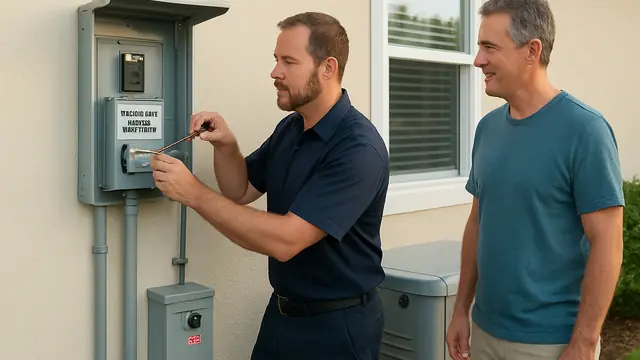
Do not remove an electrical panel cover, touch exposed conductors, bypass protection, or repeatedly reset a fault. Keep clear of smoke, sparks, burning odors, hot equipment, standing water near electricity, and downed lines, then call qualified help.
A guest in your Lynn Haven vacation rental reports that bedroom lights dim when the dryer starts, one bathroom outlet feels warm, and a smoke alarm is chirping. The power is still on, so postponing the problem until checkout is tempting.
Those symptoms are not routine. Dimming may indicate voltage drop, an overloaded circuit, or a loose connection. A warm outlet can result from worn contacts or poor wiring, and a chirping alarm may have a low battery, reached the end of its service life, or lost normal power. The safest action is to stop using the warm outlet, turn off equipment that triggers severe dimming, and avoid opening electrical devices. If there is smoke, burning odor, sparking, or unusual heat, move guests away and request urgent help.
The most common electrical problems on vacation rentals in Lynn Haven often appear during guest activities. Frequent appliance use, past alterations, and delayed reporting can turn a small defect into a recurring complaint.
Electrical Problems Commonly Reported in Lynn Haven Vacation Rentals
Lights That Dim or Flicker When Appliances Start
A brief change in brightness can occur when a motor starts. Strong dimming, repeated flickering, or changes across several rooms may indicate a loose neutral, overloaded circuit, failing breaker, damaged appliance, or voltage problem. If some lights brighten while others dim, arrange prompt service.
Warm, Buzzing, or Discolored Outlets
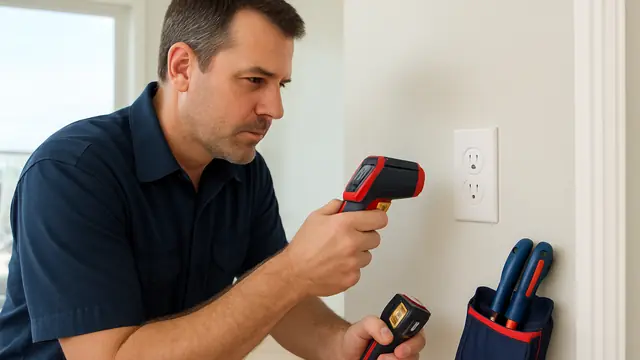
Receptacles should not become noticeably hot. A loose plug or internal connection creates electrical resistance and heat. Buzzing, crackling, discoloration, melting, or a burning smell makes the condition urgent. Stop using the outlet.
Breakers That Trip During Laundry or Kitchen Use
Dryers, microwaves, dishwashers, and countertop appliances create substantial demand. A circuit may trip when too many devices operate together or when an appliance develops a fault. Repeated resetting is not a repair; the breaker may be preventing overheating.
GFCI Outlets That Affect Multiple Rooms
One GFCI can protect several downstream receptacles, so outlets in another area may also lose power. A GFCI that will not reset may have failed, lost incoming power, or detected moisture, damaged wiring, or a faulty appliance.
Smoke and Carbon Monoxide Alarm Complaints
A chirping alarm may need a battery, but it may also be expired, dirty, improperly connected, or without normal power. Follow manufacturer testing and replacement instructions. Never silence the problem by disconnecting a hardwired alarm.
Unreliable Switches, Fans, and Lighting Controls
A switch may work intermittently, a fan may run at inconsistent speeds, or a dimmer may buzz. Causes include worn controls, loose connections, incompatible bulbs, or a failing motor. Stop using any control that becomes warm, smells burned, or sparks.
Electrical Damage After an Outage or Power Disturbance
After power returns, owners may find tripped breakers, failed surge strips, blank controls, or damaged appliances. Whole-home surge protection can reduce some voltage-spike risks, but it cannot prevent every failure.
Safe Checks Before Scheduling Service
Ask which appliance was running, whether one room or several were affected, and whether anyone noticed sound, odor, sparks, or damage.
Unplug portable devices. A dry, undamaged GFCI may be reset once. A tripped breaker may also be moved fully off and then on once. If either trips again, leave it off.
You may replace a bulb with the correct type, install an alarm battery when instructions allow, and inspect visible cords. Record breaker labels and affected rooms for the electrician.
What the Homeowner or Manager Should Not Do
Do not remove the panel cover or open outlets, switches, fixtures, alarms, or appliance connections. Components may remain energized even when a circuit appears dead.
Do not install a larger breaker, bypass a GFCI or AFCI, tape a breaker on, repair cords with tape, or run extension cords under rugs. Never ignore a warm receptacle because it still supplies power. Do not replace multiple parts at random.
Signs That Make Electrical Problems Urgent
Treat smoke, arcing, shocks, burning odors, melted plastic, crackling, or heat damage as urgent. Call emergency services for active fire or smoke.
Prompt service is also needed when a breaker trips immediately, an outlet becomes hot, water contacts equipment, or lights brighten and dim unpredictably. Keep guests away from wet electrical equipment and never operate the panel from a wet surface.
A full alarm warning pattern should be treated as a possible fire or carbon monoxide event.
How a Licensed Electrician Finds the Cause
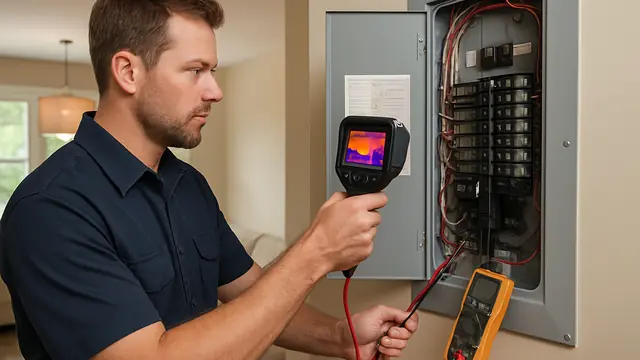
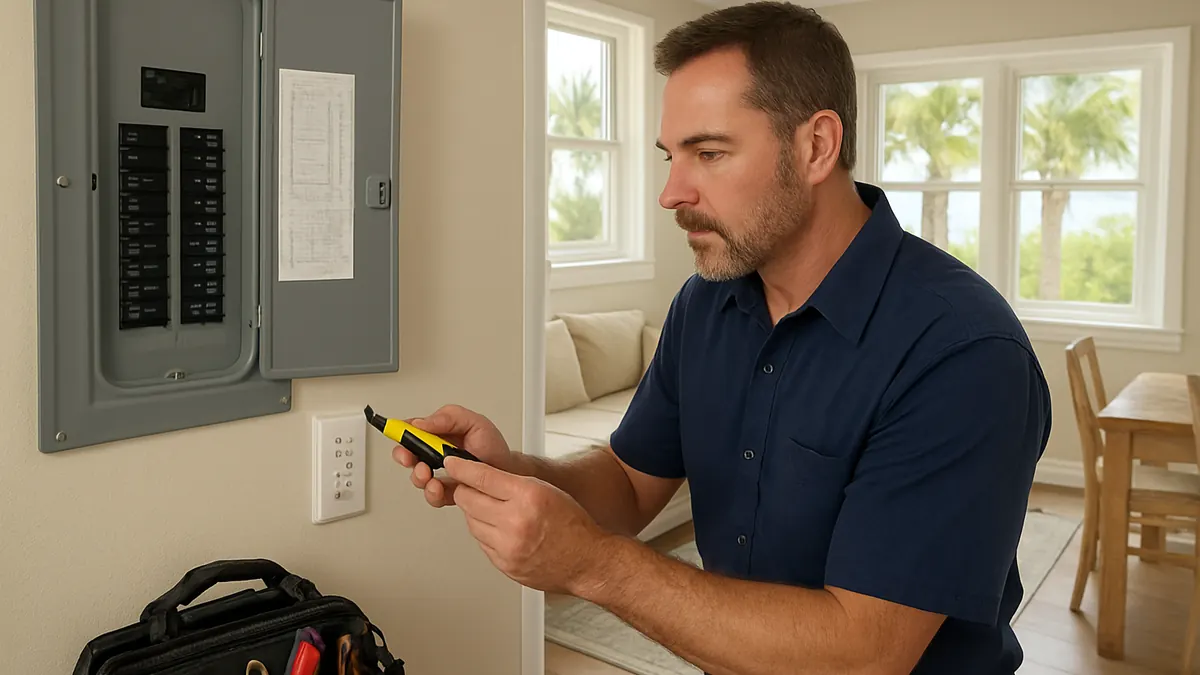
The electrician maps affected devices to their circuits. Voltage testing can reveal excessive drop, missing power, or an unstable neutral. Load measurements show whether appliances exceed circuit capacity.
Receptacles, switches, breakers, and accessible connections are checked for looseness, overheating, damage, or improper installation. GFCI and AFCI devices can be tested, and appliances disconnected individually to isolate a fault.
Widespread flickering may require panel and service checks. Alarm testing can verify line power, interconnection, condition, and compatibility.
Repair Options Starting With the Least Invasive
A repair may begin by removing a faulty appliance, replacing a damaged cord, installing the correct bulb, or replacing an expired alarm.
A worn receptacle, switch, dimmer, GFCI, breaker, fan control, or fixture component can often be replaced individually after testing. Serviceable loose connections may also be corrected.
If regular appliance use overloads a circuit, behavior changes may help temporarily, but a dedicated circuit may be the reliable solution for equipment that requires one. Limited wall or ceiling access may be needed to repair damaged wiring.
Panel repair, panel replacement, or a service upgrade may be recommended when the equipment is damaged, overcrowded, incompatible with needed breakers, or insufficient for the calculated load. Complete rewiring is normally considered only when unsafe conditions are widespread.
Factors That Influence Repair Cost
Cost depends on diagnostic time, the number of affected circuits, accessibility, device condition, panel type, and whether the failure is intermittent.
Additional factors include permits, wall repair, replacement parts, dedicated circuit length, alarm quantity, and coordination with reservations. Testing is necessary before the scope can be priced accurately.
Prevention and Maintenance Guidance
Use a documented turnover inspection. Test representative lights, outlets, GFCIs, fans, alarms, and major appliance functions. Look for loose plugs, damaged cords, discoloration, cracked covers, and extension cords being used permanently.
- Keep the electrical panel directory accurate. Record recurring complaints by room and circuit rather than treating each report as unrelated.
- Replace alarms and batteries according to manufacturer instructions. Have added appliances, renovations, and new electrical equipment reviewed for load and circuit requirements.
- Periodic professional inspections are especially useful after repeated trips, unexplained flickering, previous electrical modifications, or evidence of heat damage.
Correct the Warning Sign, Not Just the Symptom
The most common electrical problems on vacation rentals in Lynn Haven include flickering or dimming lights, warm outlets, appliance-related breaker trips, GFCI outages, alarm failures, and unreliable switches or fans.
Stop using equipment that produces heat, sparks, repeated trips, or severe voltage changes. Document what happened and obtain a diagnosis rather than relying on temporary resets or random part replacement.
About this guide: This resource provides general homeowner education, not a remote diagnosis. Actual conditions, code requirements, equipment, and safe repair options must be evaluated at the property.