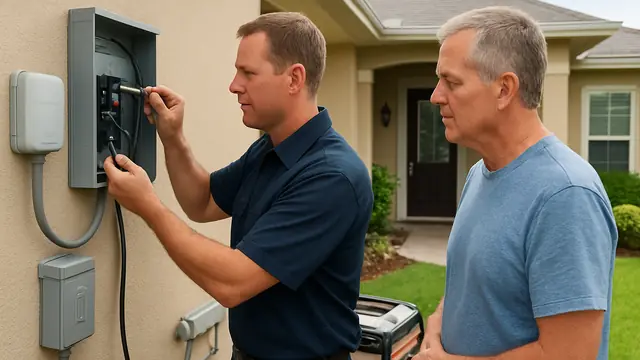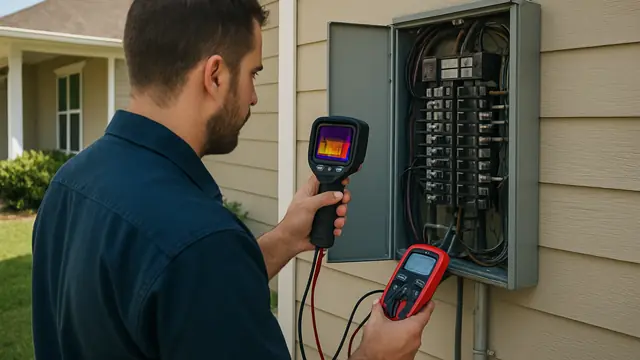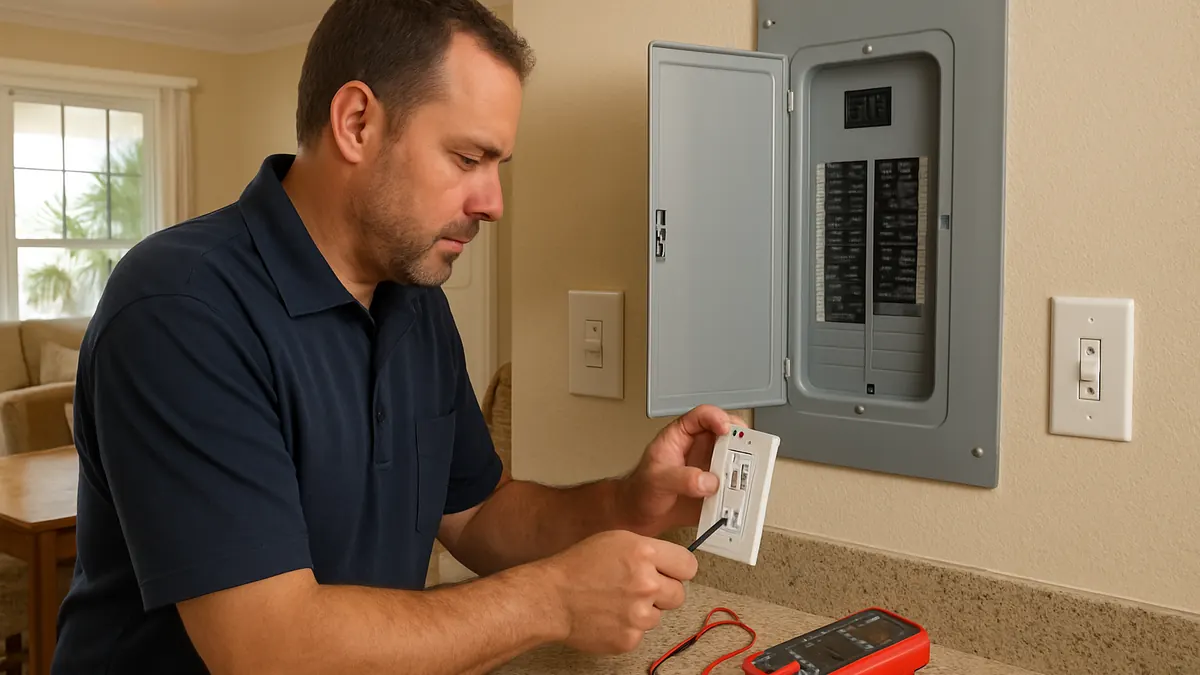
Do not remove an electrical panel cover, touch exposed conductors, bypass protection, or repeatedly reset a fault. Keep clear of smoke, sparks, burning odors, hot equipment, standing water near electricity, and downed lines, then call qualified help.
A guest checks into your Bid-A-Wee vacation rental, starts the dishwasher, turns on the television, and plugs in a phone charger. The lights dim and a breaker trips. A guest may report that the bathroom outlet will not reset, an exterior receptacle has stopped working, or a bedroom outlet feels warm.
These symptoms often point to an overloaded circuit, failed GFCI outlet, loose connection, worn receptacle, or damaged appliance. The safest action is to stop using the affected outlet or equipment, unplug accessible devices, and avoid repeatedly resetting a tripping breaker.
The most common electrical problems on vacation rentals in Bid-A-Wee usually develop because rentals experience heavy appliance use, frequent turnover, repeated plug use, and power disturbances. Many issues are repairable, but a licensed electrician should determine whether the problem is isolated or part of a larger hazard.
Why Vacation Rentals Experience Electrical Trouble
Guests may run the oven, dryer, air conditioner, hair dryers, televisions, and countertop appliances at the same time.
Outlets, switches, breakers, and connections wear with use. Furniture may press against cords, plugs may be pulled at an angle, and small warning signs can be missed during a fast turnover. A system can appear normal during a walkthrough but fail under heavier demand.
Most Common Electrical Problems on Vacation Rentals in Bid-A-Wee
Frequently Tripping Breakers
A breaker shuts off power when current becomes unsafe. One trip may happen because too many appliances were used at once. Repeated trips may indicate an overloaded circuit, short circuit, ground fault, damaged appliance, loose connection, or failing breaker.
Common examples include a microwave and toaster oven sharing one circuit or multiple hair dryers being used nearby. A breaker that trips again after one reset should remain off until inspected.
GFCI Outlets That Will Not Reset
GFCI outlets reduce shock risk where water may be present. A GFCI that will not reset may have lost incoming power, detected a downstream fault, been affected by moisture, or failed internally. One GFCI may protect several other outlets, so the visible outage may not be where the fault is located.
Warm, Loose, or Damaged Outlets
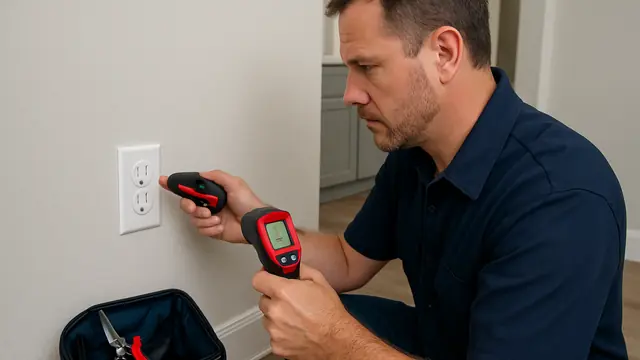
An outlet that feels warm, moves in the wall, buzzes, sparks, or will not hold a plug needs attention. Loose contacts create resistance, and resistance produces heat. Continued use can damage the receptacle, wiring insulation, and nearby materials.
Flickering or Dimming Lights
A single flickering bulb may simply be loose. Flickering in several rooms can indicate a loose neutral, overloaded circuit, failing switch, damaged fixture, or service problem. Repeated or severe changes in brightness should be professionally evaluated.
Outdoor Electrical Failures
Exterior receptacles, lighting, and equipment are exposed to moisture and wear. Cracked covers, failed seals, corroded connections, or damaged cords can cause outages and GFCI trips. Outdoor devices should be weather-rated and properly protected.
Smoke and Carbon Monoxide Alarm Problems
Missing batteries, expired alarms, chirping devices, and disconnected hardwired alarms are common rental concerns. These life-safety devices should be tested according to manufacturer instructions and applicable requirements.
Safe Checks the Owner or Manager Can Perform
Ask the guest exactly what happened. Determine which device was operating, which room lost power, whether there was an odor, and whether the breaker tripped.
You may safely unplug portable appliances, check whether a bulb is seated correctly, press a GFCI reset button once, and look for a clearly tripped breaker. To reset a standard breaker, move it fully off and then back on. If it trips again, leave it off.
Look for overloaded power strips, damaged extension cords, loose plugs, or scorched appliance cords. Remove questionable portable items from service. Do not open outlets, fixtures, switches, or the electrical panel.
What the Homeowner Should Not Attempt
Do not install a larger breaker to stop tripping. Breaker size is matched to the circuit wiring, and increasing it can allow the wire to overheat.
Do not bypass a GFCI, tape a breaker on, install an indoor outlet outside, or keep using a warm receptacle. Do not remove the panel cover or tighten internal connections unless you are qualified.
Avoid temporary repairs that restore power without identifying the cause. A hidden loose connection can continue overheating even when the circuit appears to work.
Signs the Problem Is Urgent
Treat the condition as urgent when there is smoke, a burning smell, visible arcing, melted plastic, crackling, shocks, repeated breaker trips, water near electrical equipment, or heat at an outlet or panel.
Move occupants away from the affected area. Turn off the related breaker only when it can be done without touching wet or damaged equipment. Call emergency services for active fire or smoke, and arrange prompt electrical service before the circuit is used again.
A partial power loss combined with unusually bright or dim lights can also indicate a serious connection problem.
How a Licensed Electrician Diagnoses the Problem
The electrician starts with the guest's description and attempts to reproduce the failure safely. Diagnosis may include inspecting the panel, verifying the breaker, testing voltage, measuring load, checking grounding, and tracing devices on the affected circuit.
For a GFCI problem, the electrician may separate incoming and downstream wiring, test protected outlets, and check for moisture. For flickering lights, the electrician may inspect fixtures, switches, neutral conductors, panel terminations, and incoming voltage.
The goal is to identify the cause, restore safe operation, and determine whether similar defects exist elsewhere.
Repair Options From Least to Most Invasive
A focused repair may involve replacing a damaged cord, tightening an approved connection, replacing a worn receptacle or switch, or correcting a loose fixture connection.
A failed GFCI can often be replaced after downstream faults are ruled out. A defective breaker may be replaced with the correct listed type. Damaged outdoor covers and weather-resistant devices may also be corrected individually.
When electrical demand is the problem, the electrician may recommend changing appliance use, adding a dedicated circuit, or separating loads. More extensive work may include repairing damaged wiring, correcting improper modifications, upgrading a crowded panel, or increasing service capacity.
Complete rewiring is generally reserved for widespread deterioration, not an isolated repairable fault.
Factors That Affect Cost
Cost depends on how quickly the fault can be located, whether it is intermittent, how accessible the wiring is, and how many devices are affected.
Other factors include panel condition, wall access, permit requirements, needed parts, and coordination around reservations.
Prevention and Maintenance Guidance
Schedule periodic electrical inspections when the property has recurring complaints, older devices, or a history of renovations. Test GFCI and AFCI devices as directed by the manufacturer. Replace cracked covers, loose receptacles, damaged cords, and expired alarms promptly.
Give guests clear reporting instructions. Ask cleaners and managers to note buzzing, warmth, scorch marks, flickering, or loose plugs.
Take the Next Appropriate Step
The most common electrical problems on vacation rentals in Bid-A-Wee include tripping breakers, failed GFCI outlets, warm receptacles, flickering lights, outdoor electrical failures, and alarm problems. Some require a simple device replacement; others warn of overloaded circuits or unsafe connections.
Document the symptom, stop using the affected equipment, and arrange a professional diagnosis instead of relying on repeated resets or temporary fixes.
About this guide: This resource provides general homeowner education, not a remote diagnosis. Actual conditions, code requirements, equipment, and safe repair options must be evaluated at the property.