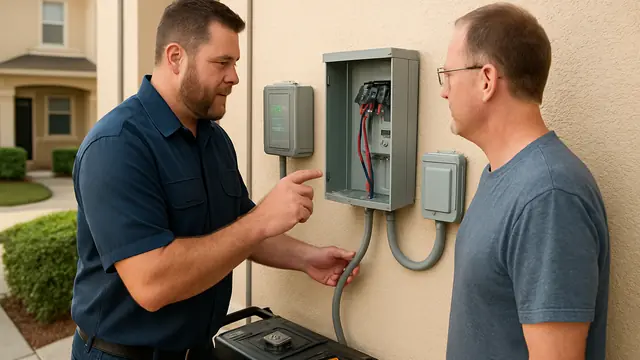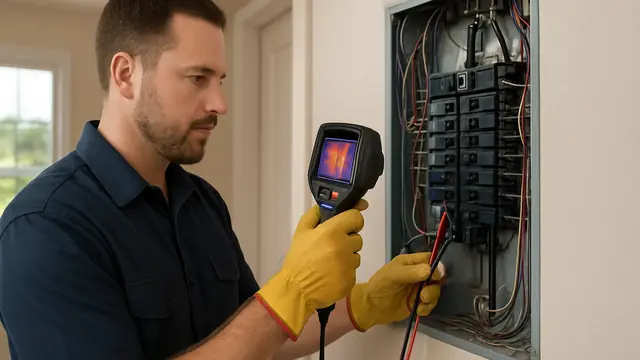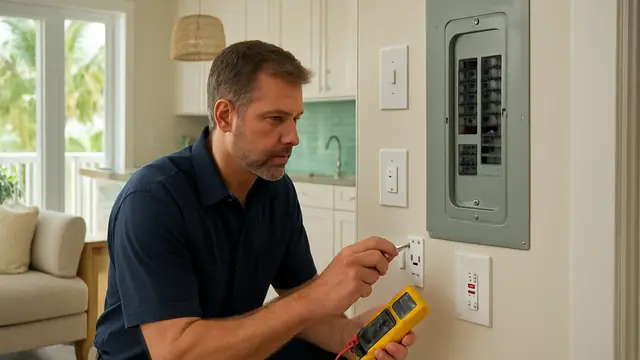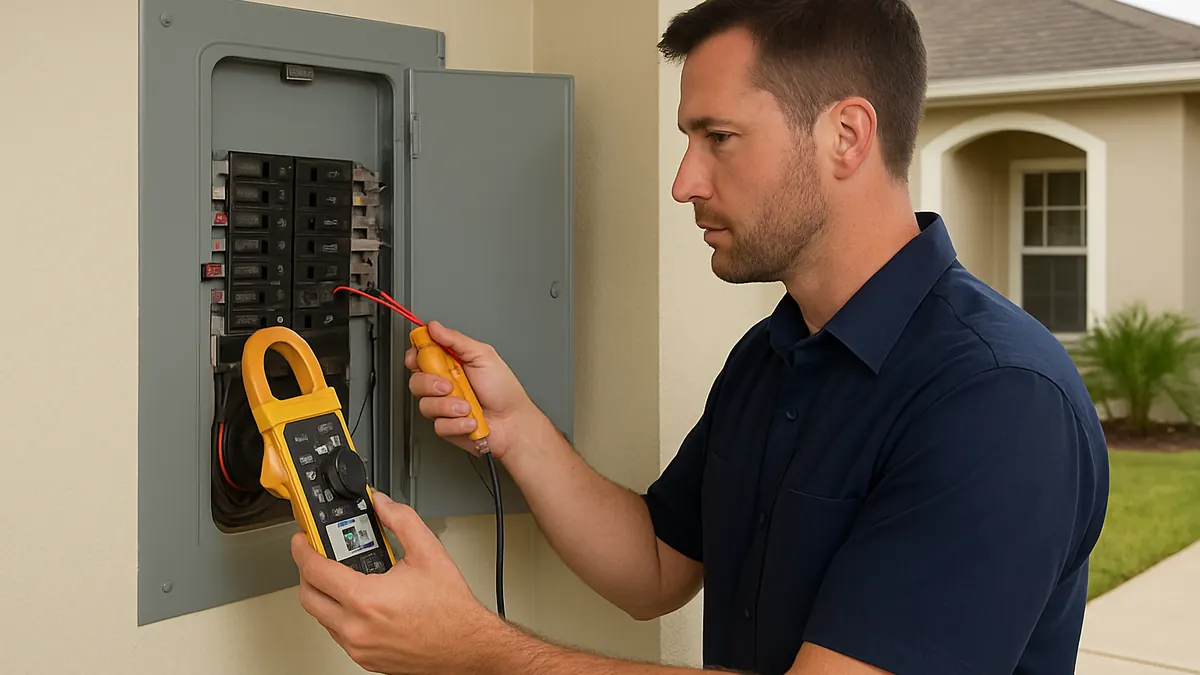
Do not remove an electrical panel cover, touch exposed conductors, bypass protection, or repeatedly reset a fault. Keep clear of smoke, sparks, burning odors, hot equipment, standing water near electricity, and downed lines, then call qualified help.
You are using a microwave, vacuum, power tool, or portable heater when the breaker trips. Power returns after a reset, but the circuit shuts off again later. Sometimes it trips even though nothing unusual appears to be running.
A breaker that keeps tripping may be warning about overload or an electrical fault. Unplug or switch off devices on the circuit, reset the breaker once, and observe it. If it trips again, leave it off and have a licensed electrician inspect the system.
Why Does My Circuit Breaker Keep Tripping in Parker?
Common causes include excessive demand, a failing appliance, short circuit, ground fault, arcing, loose connection, or worn breaker.
A delayed trip may indicate overload. An instant trip can signal a short. A trip linked to one appliance, switch, or outlet often points toward that equipment or its wiring.
Too Many Loads May Share the Same Circuit
A branch circuit supplies a group of outlets, lights, or appliances. Its breaker limits current so the wiring does not carry more electricity than it can safely handle.
Portable heaters, hair dryers, countertop appliances, vacuums, tools, and portable cooling equipment are common high-demand loads. The breaker may hold when devices run separately but trip when several operate together or heat builds over time.
Recurring overloads require a long-term solution rather than repeated resets.
A Defective Appliance Can Trip a Healthy Circuit
Motors, heating elements, internal wiring, switches, and cords can fail. A washer may trip during a spin cycle, a microwave while heating, or a vacuum when its motor is under load.
If one appliance repeatedly triggers the trip, stop using it. Testing it on other outlets can move the same hazard to another circuit.
Short Circuits Cause Rapid Current Increases
A short circuit occurs when conductors make unintended contact, creating a low-resistance path and rapid current increase. The breaker may trip instantly when reset or when a switch or appliance is used.
Possible sources include damaged cords, burned outlets, failed switches, fixtures, junction boxes, loose wires, appliances, and concealed cable.
Ground Faults Create Shock Concerns
A ground fault sends electricity through grounded metal, moisture, or another unintended path. GFCI protection detects an imbalance between outgoing and returning current and shuts off power quickly.
Exterior outlets, kitchen or bathroom devices, laundry equipment, pumps, cords, and appliances can develop ground faults, especially when insulation or enclosures are damaged.
Arc Faults and Loose Connections
A loose connection may create arcing-electricity jumping across a small gap. This can generate intense localized heat in an outlet, switch, splice, cord, fixture, or cable.
An AFCI breaker may trip only when a plug moves, equipment vibrates, or the connection warms. Loose outlets and plugs should not be ignored.
Safe Checks You Can Make Before Service
Identify every room, outlet, light, and appliance that lost power. Turn off switches and unplug portable devices.
With dry hands and a dry panel, move the breaker fully to OFF and then ON. If it holds, reconnect devices one at a time and wait for motors, compressors, and heating elements to operate. Stop using any item that triggers another trip.
Inspect accessible plugs, cords, switches, and outlets for cuts, crushed insulation, discoloration, melting, looseness, heat, or odor. Check nearby GFCI receptacles because one may protect several downstream outlets.
What Homeowners Should Not Attempt
Do not repeatedly force a breaker to stay on. Each reset reenergizes the same unresolved condition.
Never install a breaker with a higher amperage rating. The original breaker is selected to protect the circuit wiring. Oversizing the breaker can allow conductors to overheat without shutting off at the proper level.
Do not remove the panel cover, touch internal parts, replace breakers, open devices, or attempt live electrical testing.
Do not bypass AFCI or GFCI protection. Do not use adapters, extension cords, or power strips as permanent solutions for inadequate capacity.
When the Problem Becomes Urgent
Leave the circuit off and request prompt electrical service if you observe:
- A burning, melting, or unusual electrical odor
- Smoke, sparks, or visible arcing
- Scorched outlets or melted plastic
- Buzzing, sizzling, or crackling sounds
- A hot breaker, panel, cord, outlet, switch, or appliance
- A shock or tingling sensation
- Electrical equipment exposed to water
- A breaker that trips immediately with accessible loads removed
If there is active smoke or fire, leave the property and call emergency services. Never use water on energized electrical equipment.
How a Licensed Electrician Diagnoses the Fault
The electrician reviews what was operating, how quickly the breaker tripped, and whether the problem follows one appliance, outlet, switch, or weather condition.
Breaker type, rating, panel compatibility, and wire size are verified. Current measurements can confirm overload or abnormal equipment demand.
The circuit may be divided into sections while outlets, switches, fixtures, junctions, appliances, and hardwired equipment are tested. Connections are checked for looseness, overheating, moisture, damaged insulation, and improper splices. AFCI and GFCI protection is also evaluated.
Repair Options Starting With the Least Invasive
The least invasive solution may be removing a failed appliance, replacing a damaged cord, correcting a loose connection, or replacing one defective outlet, switch, fixture, GFCI, or breaker.
A confirmed overload may be corrected by redistributing loads or adding a dedicated circuit. Accessible cable damage may allow a localized repair; concealed or widespread damage can require more access or rewiring.
Panel replacement is considered only when documented damage, incompatible components, insufficient capacity, or broader defects justify it.
Factors That Influence Repair Cost
Diagnostic time is often the largest factor. A fault that appears whenever one device starts is easier to locate than an intermittent trip under changing conditions.
Breaker type, panel condition, device count, wiring access, permits, materials, and any new circuit route also affect cost. The estimate should explain what failed and why the proposed repair is appropriate.
Preventing Future Breaker Trips
Avoid operating several high-wattage devices on one circuit. Learn which appliances share circuits and separate their use when practical.
Replace damaged cords and loose plugs promptly. Stop using receptacles that feel warm, show discoloration, or fail to grip plugs firmly.
Keep outdoor outlet covers secured and address leaks before moisture reaches electrical boxes. When adding equipment, have its electrical requirements reviewed instead of relying on long-term extension cords.
Periodic inspection can identify loose connections, overloaded circuits, heat damage, and worn breakers before repeated interruptions occur.
Restore Safety Before Restoring Convenience
When you ask, "Why does my circuit breaker keep tripping in Parker?" remember that the breaker is responding to a condition that may damage wiring or equipment. Unplug connected loads, reset it once, and leave it off if it trips again. A licensed electrician can identify whether the cause is overload, appliance failure, damaged wiring, moisture, arcing, or a defective breaker and recommend the least invasive safe repair.
About this guide: This resource provides general homeowner education, not a remote diagnosis. Actual conditions, code requirements, equipment, and safe repair options must be evaluated at the property.