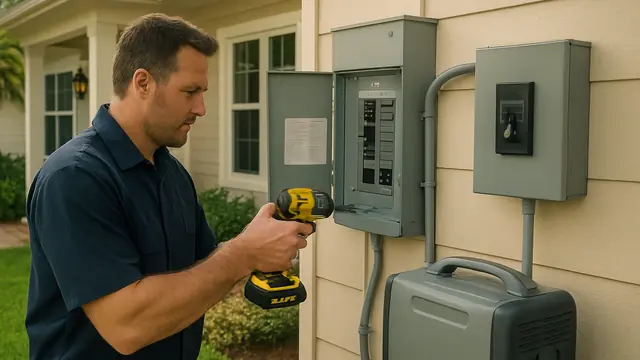
Do not remove an electrical panel cover, touch exposed conductors, bypass protection, or repeatedly reset a fault. Keep clear of smoke, sparks, burning odors, hot equipment, standing water near electricity, and downed lines, then call qualified help.
The breaker may trip only when several appliances are running, a bathroom device is used, or equipment has operated for twenty minutes. You reset it, power returns, and the problem disappears long enough to seem harmless.
Intermittent trips still matter. The breaker is detecting excessive current or a fault. Turn off and unplug devices on that circuit, reset it once, and observe. If it trips again, leave it off rather than repeatedly energizing possible damaged wiring or equipment.
Why Does My Circuit Breaker Keep Tripping in Laguna Beach?
Likely causes include overload, a failing appliance, a short circuit, a ground fault, arcing, or a panel problem.
A trip under several loads suggests overload; an instant trip may indicate a short; a trip linked to one appliance points toward that equipment or its circuit connection.
First, Determine What Lost Power
- List the rooms, lights, outlets, and equipment that stopped working. One breaker may serve more than one area.
- Note what had just started, such as a microwave, vacuum, hair dryer, refrigerator compressor, or outdoor tool.
- Record any flicker, pop, heat, buzz, or odor. These details help an electrician reproduce an intermittent fault.
Common Reasons Breakers Trip
The Circuit Is Overloaded
- An overload means demand exceeds the circuit's safe capacity. Repeated overloads create heat and show that the circuit no longer supports current use.
- Portable heaters, hair dryers, cooking appliances, vacuums, tools, and portable cooling equipment can consume much of a circuit's capacity.
- If the breaker holds after one load is removed, overload is possible, but frequent trips still need evaluation.
An Appliance Has an Internal Electrical Problem
Motors, heating elements, cords, and internal wiring can fail while the appliance still appears to operate.
If one appliance consistently triggers the trip, stop using it. Moving it to another outlet may spread the risk or remain on the same circuit.
A Short Circuit Is Creating a Sudden Surge
A short circuit creates an unintended low-resistance path, causing a rapid current surge and often an immediate trip.
Damaged cords, loose wires, failed outlets, pinched cable, switches, fixtures, or appliances can create shorts, often without a visible sign.
A Ground Fault Is Present
A ground fault sends electricity toward grounded metal, moisture, or another unintended path. GFCI protection interrupts it quickly.
Possible sources include outdoor equipment, bathroom or laundry devices, kitchen equipment, damaged cords, and damp electrical boxes.
An Arc-Fault Breaker Is Detecting Arcing
Arcing is electricity jumping across a loose or damaged connection in a cord, outlet, splice, cable, or switch. AFCI breakers detect related patterns.
Because the fault may occur only when a cord moves or equipment vibrates, AFCI trips can appear random.
The Breaker or Panel Connection Is Failing
A breaker or panel connection can deteriorate from heat, repeated trips, corrosion, or wear.
A hot, discolored, loose, or noisy breaker needs professional testing.
Safe Checks Before Calling an Electrician
- Turn off switches and unplug accessible devices. With dry hands and a dry panel, move the breaker fully OFF, then ON.
- If it stays on, reconnect one device at a time and wait for motors or heating elements to cycle.
- Inspect cords and plugs for cuts, crushed insulation, bent blades, melting, heat, discoloration, looseness, or odor.
- Check nearby GFCI outlets. One GFCI may protect other outlets. If it will not reset after loads are unplugged, request service.
What a Homeowner Should Not Attempt
- Do not repeatedly reset the breaker to keep equipment running; reenergizing a fault creates more heat.
- Never install a larger breaker. Its rating is selected to protect the wiring.
- Do not remove the panel cover, replace breakers, or open devices. Turning off one breaker does not make the panel safe.
- Do not bypass AFCI or GFCI protection; it may be responding to a hidden fault.
Signs the Situation Requires Prompt Attention
Leave the breaker off and call for electrical service when:
- It trips immediately with everything unplugged.
- A panel, outlet, switch, cord, or appliance is hot.
- You smell burning insulation or melted plastic.
- You hear crackling, buzzing, or sizzling.
- You see scorch marks, sparks, smoke, or melted components.
- Someone feels a shock or tingling sensation.
- Electrical equipment has been exposed to water.
For active smoke or fire, evacuate and call emergency services. Never use water on energized equipment.
How a Licensed Electrician Diagnoses the Circuit
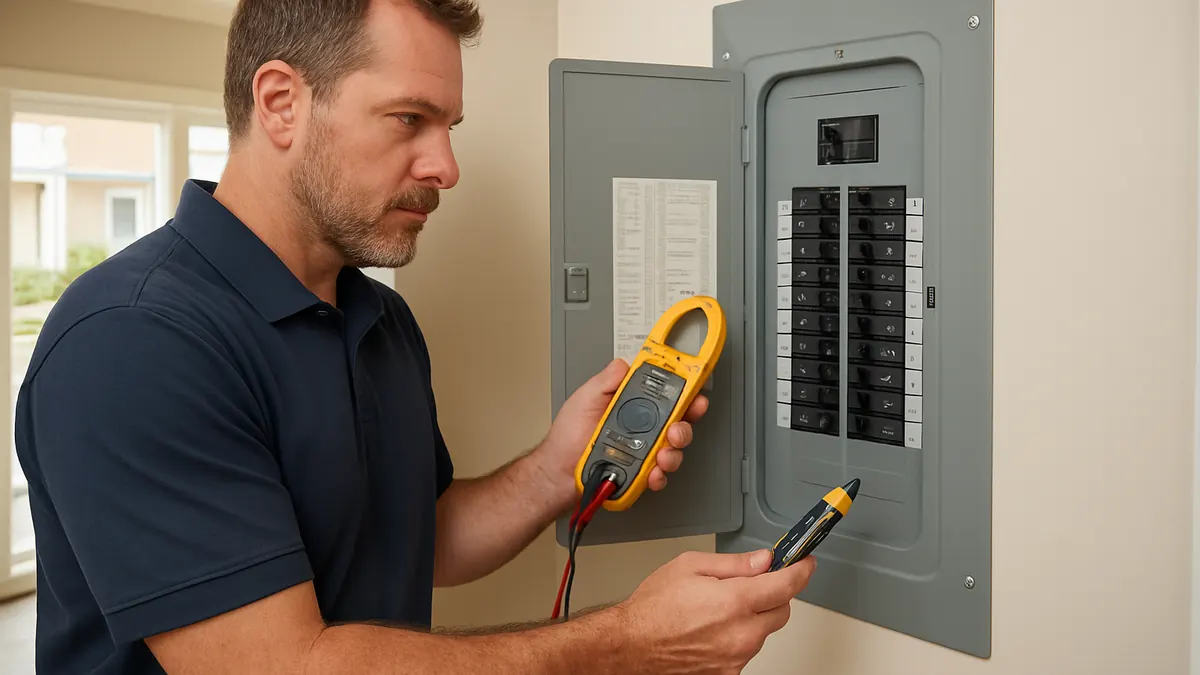
- The electrician verifies breaker rating, wire size, panel compatibility, connected devices, and trip history.
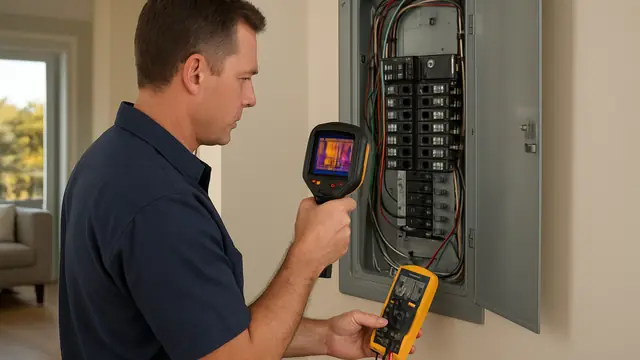
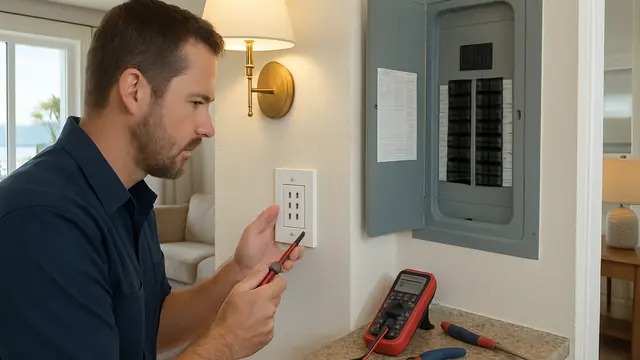
- Current measurements reveal overloads; voltage, continuity, and insulation tests expose unstable connections or damaged conductors.
- The circuit may be divided into sections, and appliances disconnected, to learn whether the fault follows equipment or remains in the wiring.
- Panel and device connections are checked for looseness, heat, damage, and improper splices. AFCI and GFCI devices are tested.
Repair Options From Least to Most Invasive
- Simple repairs include removing a defective appliance, replacing a cord, correcting a loose connection, or replacing one failed device or breaker.
- For overloads, loads may be separated or a dedicated circuit installed for high-demand equipment.
- Accessible cable damage may allow a localized repair; concealed damage may require limited wall or ceiling access. Extensive rewiring is reserved for widespread defects.
- Panel replacement is considered only when panel damage, compatibility, capacity, or broader defects justify it.
Factors That Affect Repair Cost
Cost depends heavily on diagnostic time. A repeatable appliance trip is easier to locate than an intermittent arc fault.
Device count, wiring access, breaker type, panel condition, parts, permits, and cable routing also affect cost.
Prevention and Maintenance
Avoid stacking several high-wattage appliances on one circuit. Replace damaged cords instead of taping them. Keep outdoor covers closed and stop using outlets that feel loose or warm.
Design added equipment and remodeling around expected loads rather than permanent extension cords or power strips.
Periodic inspection can identify loose connections, overheating, damaged devices, and heavily loaded circuits.
Respond to the Warning, Not Just the Outage
When you are wondering, "Why does my circuit breaker keep tripping in Laguna Beach?" pay attention to the pattern and do not normalize repeated interruptions. Unplug connected loads, reset the breaker once, and leave it off if it trips again. A licensed electrician can determine whether the problem is overload, damaged equipment, a wiring fault, or a failing protective device and begin with the least invasive safe repair.
About this guide: This resource provides general homeowner education, not a remote diagnosis. Actual conditions, code requirements, equipment, and safe repair options must be evaluated at the property.