Stop and call for qualified help when plumbing water is near electrical equipment, sewage is entering occupied space, gas or burning odors are present, or a repair would require opening pressurized piping.
You are preparing an Alys Beach property for a hurricane, but the last walk-through raises questions. The ice-maker line looks damp, one toilet keeps cycling, and nobody is certain which valve shuts off water to the home. When evacuation deadlines are approaching, uncertainty about plumbing can be as important as an obvious leak.
Stop unnecessary water use and locate the main shutoff. If a leak is active and the valve moves normally, close it carefully. Do not force a stuck valve, enter water near electrical equipment, or begin a complicated repair shortly before leaving.
A practical Northwest Florida hurricane plumbing checklist in Alys Beach should protect the building while accounting for water heaters, treatment equipment, exterior fixtures, and systems that may need water while the home is vacant.
Identify Every Important Shutoff
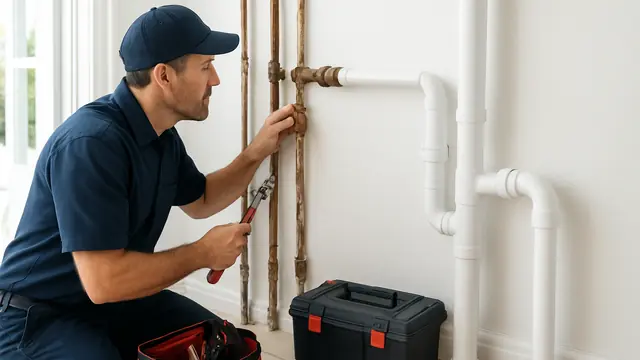
The main valve is the priority, but sinks, toilets, washing machines, ice makers, and water heaters may also have individual shutoffs.
Label valves and photograph their locations. Make sure the main valve is not hidden behind storage or locked in an inaccessible room.
A ball valve has a lever that usually turns one-quarter turn. A gate valve has a round handle that turns several times. If either valve is seized, corroded, or leaking around the stem, do not force it.
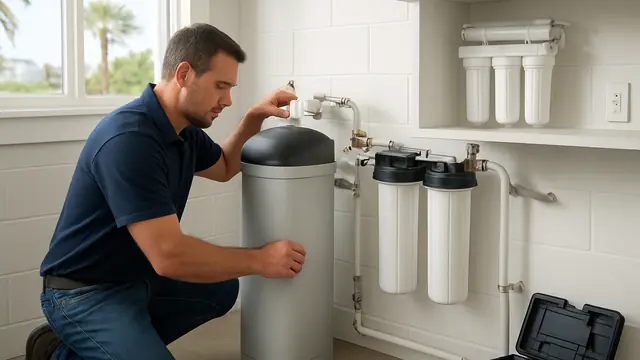
Before closing the main supply, consider connected equipment. Irrigation, water treatment, recirculation, fire protection, and other systems may require a specific shutdown sequence.
Perform a Quiet-House Leak Check
Turn off faucets, showers, dishwashers, washing machines, and other water-using equipment. Then listen.
A faint hiss behind a wall, repeated toilet refilling, or water moving through a pipe when everything is off may indicate a leak. If the water meter is accessible and safe to view, unexplained movement can provide another clue.
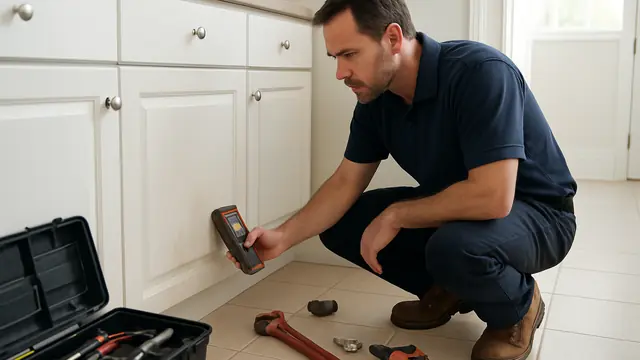
Check vanity cabinets, toilet bases, refrigerator connections, laundry hoses, treatment equipment, and the water heater. Use a dry paper towel around accessible fittings; slight moisture becomes easier to see.
Fresh dampness, swelling, softness, or a musty odor deserves attention. A concealed leak can continue after the visible surface dries.
Secure Indoor and Exterior Fixtures
Disconnect hoses from exterior faucets. If the property has outdoor showers, sinks, or similar fixtures, make sure they are fully closed. Secure loose hoses so they do not strike walls or piping in high wind.
Inside, confirm toilet tanks stop filling. Inspect braided supply lines for rust, kinks, bulges, fraying, or moisture. A braided line is a flexible connector covered by woven metal. The outer sleeve can look intact even when the inner tube is deteriorating.
Do not overtighten connections. Excess force can crack a fixture, damage threads, or crush a sealing washer.
Evaluate the Water Heater
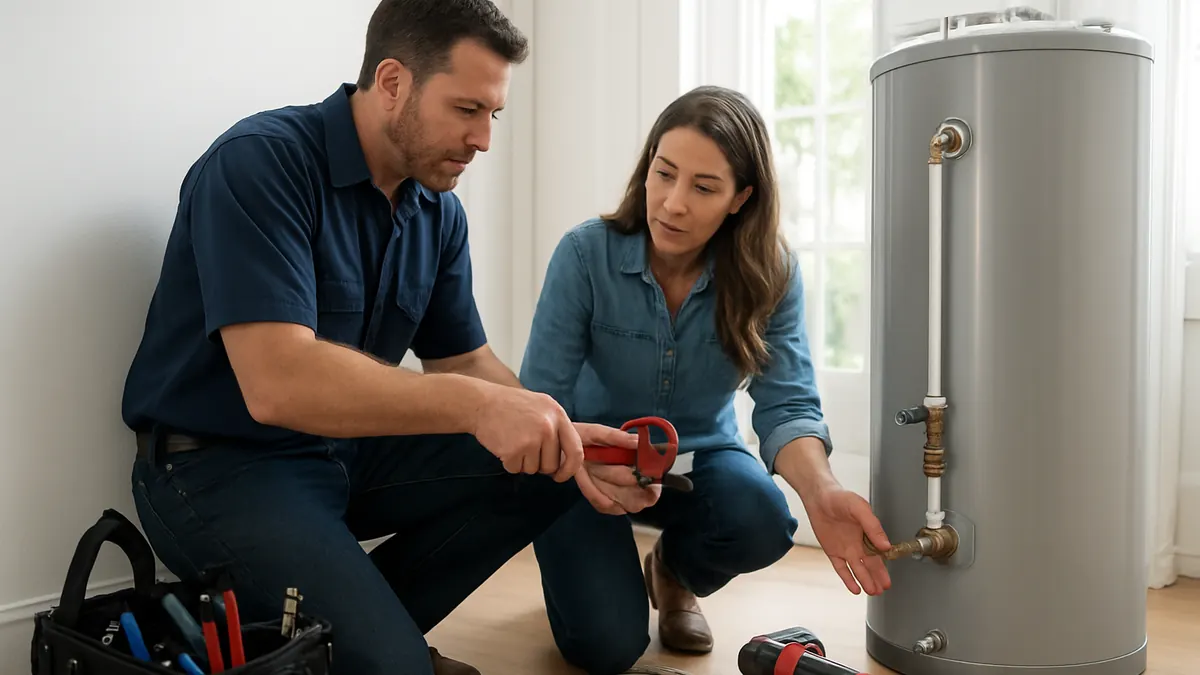
Look for moisture around the water heater, expansion tank, recirculation equipment, and nearby valves. An expansion tank helps absorb pressure changes as heated water expands.
A small connection leak may be repairable. A leaking temperature and pressure relief valve requires diagnosis because it may be defective or responding to excessive pressure or temperature. Never plug its discharge pipe.
Water coming through the body of a conventional storage tank often means the tank has failed. Turning off the water may limit additional flow, but water already inside can still leak.
Do not drain a water heater simply because a storm is approaching. Improper draining creates burn risk and can damage an electric unit if power is restored before the tank is refilled.
Recognize Drain and Sewer Problems
Water should leave sinks, showers, tubs, and toilets without gurgling, rising in another fixture, or producing sewage odor.
One slow fixture may have a nearby obstruction. Several affected fixtures may indicate a branch-line or main sewer blockage. A branch line serves a group of fixtures; the main sewer carries wastewater away from the building.
If sewage appears in a shower, tub, or floor drain, stop using water. Do not flush again to "see if it clears," and do not run appliances that discharge water.
Avoid chemical drain cleaners. They may not remove the blockage and can leave hazardous liquid in the pipe.
What Not to Attempt
Do not dismantle a pressure regulator, gas control, water heater relief valve, backflow device, or treatment system without training. These components affect pressure and safety.
Do not climb onto a roof to clear a plumbing vent when surfaces are wet or wind is increasing. Do not cut into walls based only on a stain; water can travel along framing and appear far from the source.
Never work on plumbing while standing in water near energized equipment.
Urgent Plumbing Conditions
Treat the situation as urgent when water is spreading rapidly, sewage is entering occupied space, the main shutoff cannot stop an active leak, or water is near electrical equipment.
Other urgent signs include a bulging water heater, strong gas odor, sudden loss of pressure throughout the property, repeated pipe movement, or a sagging ceiling beneath a plumbing area.
Keep people away from a sagging ceiling rather than puncturing it from below.
How a Licensed Plumber Diagnoses the Problem
The plumber first isolates the affected system. Supply-side problems may be evaluated with pressure measurements, fixture tests, meter observation, and leak-detection equipment.
Drain problems may require mechanical cleaning and camera inspection. A sewer camera can reveal buildup, foreign objects, roots, separated joints, or damaged pipe. It helps determine whether cleaning is enough or structural repair is needed.
Water heaters are checked for the exact leak source, tank condition, valve operation, energy connection, and safe discharge piping. The goal is to distinguish a repairable component leak from tank failure.
Repair Choices Start With the Smallest Reliable Fix
A toilet may need a flapper, fill valve, seal, or supply connector. A faucet leak may require a cartridge or connection repair. A damaged appliance hose can often be replaced without changing the appliance.
A main shutoff that leaks or will not operate may require service or replacement. Drain repair often begins with clearing the obstruction. Recurring backups may justify camera inspection, while limited damage may allow targeted repair.
A water heater may need a valve, element, thermostat, connector, or control. A leaking tank body generally requires replacement.
Factors That Affect Cost
Cost is influenced by accessibility, diagnosis time, pipe and valve material, equipment type, repair location, permit requirements, and scheduling conditions.
A visible connector is easier to reach than piping behind finished surfaces. Drain work varies with access, pipe damage, and excavation needs.
Prevention Before the Next Named Storm
- Exercise operable shutoff valves periodically. Replace visibly deteriorated supply lines, correct recurring toilet operation, and investigate unexplained moisture promptly.
- Keep mechanical spaces clear. Maintain a written shutdown and restart procedure with valve locations, equipment instructions, and the plumber's contact information.
- After the storm, inspect before reopening water. Open the main valve slowly, watch plumbing areas, and follow official water-use advisories when issued.
Complete Your Northwest Florida Hurricane Plumbing Checklist in Alys Beach
Storm preparation should leave no uncertainty about where the water can be stopped, whether drains are functioning, or whether a small leak is developing.
Use this Northwest Florida hurricane plumbing checklist in Alys Beach before evacuation and again before restoring service. Addressing a weak connector, unreliable shutoff, running toilet, or drain warning now can prevent a more disruptive repair later.
About this guide: This resource provides general homeowner education, not a remote diagnosis. Actual conditions, code requirements, equipment, and safe repair options must be evaluated at the property.